Attractions and Places To See around the Mures - Top 17
Best attractions and places to see around the Mures include a variety of historical landmarks, cultural sites, and natural landscapes. The region, located in Transylvania, Romania, is characterized by the Mureș River and its surrounding valleys. Visitors can explore medieval fortresses, architectural marvels, and significant religious buildings. The area offers diverse attractions for those interested in history, culture, and outdoor exploration.
Best attractions and places to see around the Mures
- The most popular attractions is Șoimoș Fortress Ruins, a…
Last updated: August 11, 2026
Șoimoș Fortress Ruins
Highlight • Castle
Translated by Google •
Tip by

Franciscan Monastery Radna
Highlight • Religious Site
Translated by Google •
Tip by

Sign up now to discover places like this
Get recommendations on the best single tracks, peaks, & plenty of other exciting outdoor places.
Sign up for free
Holy Trinity Cathedral Arad
Highlight • Religious Site
Translated by Google •
Tip by
Miraculous Icon of Our Lady of Radna
Highlight • Religious Site
Translated by Google •
Tip by
New Synagogue
Highlight • Religious Site
Translated by Google •
Tip by

Basilica of Maria Radna
Highlight • Religious Site
The Maria-Radna pilgrimage church …
Translated by Google •
Tip by
Maros Bank
Highlight • River
Showing Translation
Tip by

Scenic Gravel Road Along the Mureș River
Highlight (Segment) • Trail
Translated by Google •
Tip by

Lunca Mureșului Forest Trail
Highlight (Segment) • Trail
Tip by

Aurel Filimon Bust
Highlight • Monument
Translated by Google •
Tip by
Sign up for free to discover even more attractions around the Mures.
Sign up for free
Already have an account?
Start today with a free account
Your next adventure awaits.
Login or Signup
Other adventures around the Mures

Tips from the Community

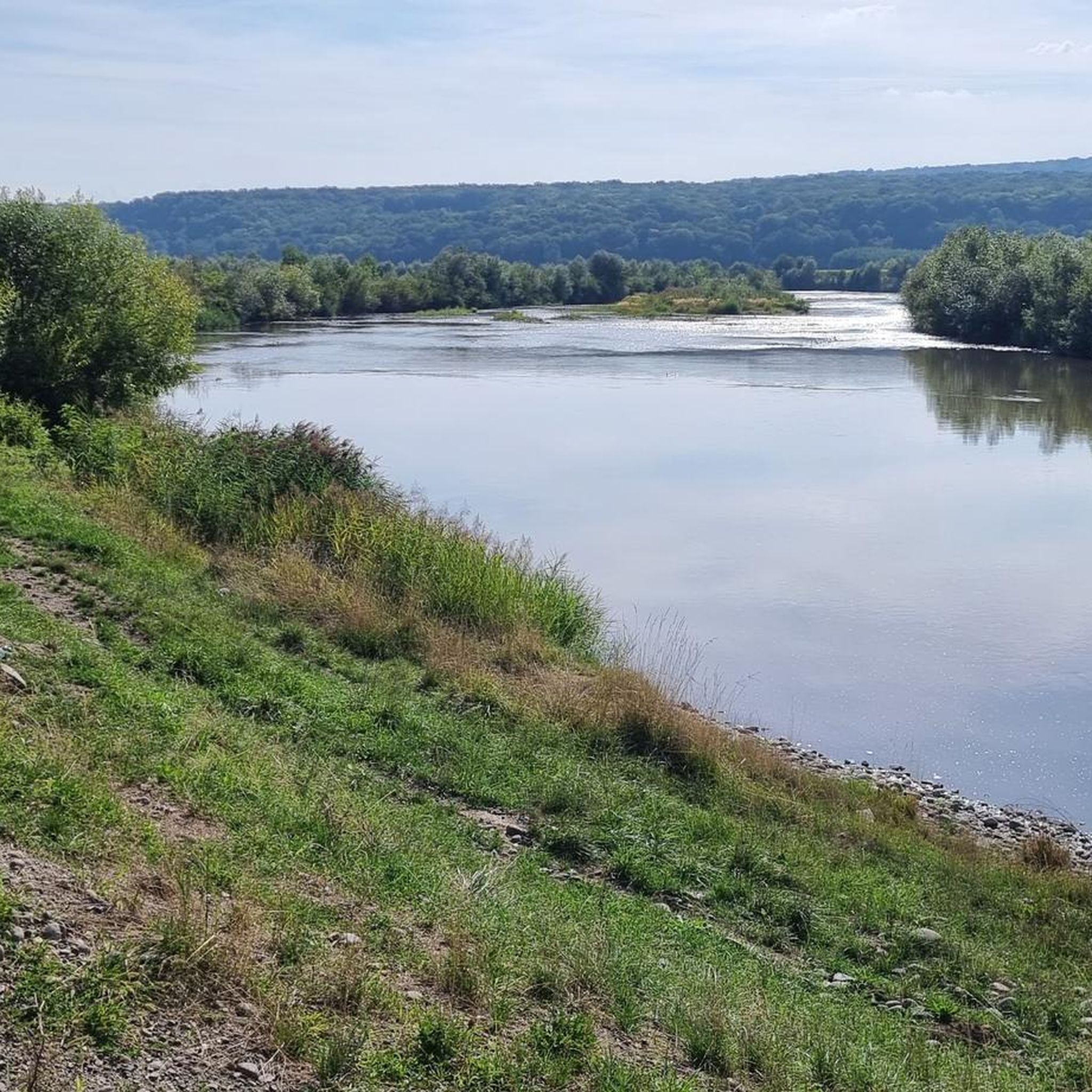
The Mureș (German Mieresch or Marosch; Hungarian Maros; in antiquity Greek Μάρισος Marisos or Μάρις Maris, Latin Marisus) is a river in Romania and Hungary with a length of 766 kilometers. That's what it says on Wikipedia and that's how it flows wonderfully along here.
0
0
The Mureș (German Mieresch or Marosch; Hungarian Maros; in antiquity Greek Μάρισος Marisos or Μάρις Maris, Latin Marisus) is a river in Romania and Hungary with a length of 766 kilometers. That's what it says on Wikipedia and that's how it flows wonderfully past here.
0
0

Aurel Filimon, to whom this bust is dedicated, was born in 1891 in Monor, Bistrița-Năsăud County. He was passionate about archaeology, ethnography and folklore, natural history, paleontology, and geology. In 1920, he founded the Museum of Romanian and Szekler Folk Art in Târgu Mureș. He also headed the Romanian section of the city library. Filimon died in 1946 in Rapoltu Mare, Hunedoara County. In 2009, at the request of his family, his remains were transferred to the city he loved and worked for and reinterred in Târgu Mureș's Central Cemetery.
7
0
When the Jewish communities in Hungary split into Orthodox and Neologism in the mid-19th century, there were communities that refused to join either denomination. These groups are known as the Status Quo Ante. This community had the impressive Status Quo Ante Synagogue built in 1899/1900. The renowned Austrian architect Jakob Gärtner was responsible for its construction.
10
0

The Orthodox Cathedral of the Holy Trinity (Romanian: Catedrala "Sfânta Treime" din Arad) is a Romanian Orthodox cathedral in Arad, in the Crișana region of western Romania. It is the main cathedral of the Bishopric of Arad. The foundation stone of the new cathedral was laid in November 1991. On the feast of Saint Nicholas in 2008, the cathedral was inaugurated by the Patriarch of All Romania, Daniel.
0
0

What an amazing walk through the woods alongside the river Mureș. Beautiful forest and definitely suitable for kids as well. No elevation gain.
0
0

Șoimoș (Hungarian: Solymosvár, German: Schojmosch, or Schoimosch) is a place in western Romania and belongs to the small town of Lipova (Lippa) in the Arad district in Banat. The medieval castle ruins located high above the Mieresh Valley are striking.
3
2
Șoimoș (Hungarian Solymosvár, German Shojmosh, or Shoimosh) is a town in western Romania and belongs to the small town of Lipova (Lippa) in the Arad district in the Banat. The medieval castle ruins located high above the Mieresh Valley are striking.
4
2
Frequently Asked Questions
What historical sites can I explore in the Mureș region?
Mureș County is rich in history. You can visit the Șoimoș Fortress Ruins, a medieval castle offering panoramic views. Other significant historical sites include the UNESCO World Heritage Site of Sighișoara Citadel, the Medieval Fortress of Târgu Mureș, and the Franciscan Monastery Radna.
Are there any UNESCO World Heritage Sites in Mureș County?
Yes, the stunning Sighișoara Citadel is a UNESCO World Heritage Site. This well-preserved medieval town is famous for its colorful houses, cobblestone streets, and the iconic Clock Tower, which offers excellent views. It is also known as the birthplace of Vlad the Impaler.
What cultural attractions are there in Târgu Mureș?
Târgu Mureș offers several cultural highlights. The Palace of Culture is an architectural marvel with a Viennese Secessionist style, featuring ornate interiors and a grand concert hall. You can also explore the Teleki-Bolyai Library, housing over 200,000 volumes, and the historic Piața Trandafirilor (Rose Square) with its statues and significant buildings like the Orthodox Cathedral and the Big Synagogue.
What outdoor activities can I do near the Mureș attractions?
The Mureș region is excellent for outdoor activities. You can find numerous routes for cycling, mountain biking, and running. For example, there are dedicated cycling routes around the Mureș, including riverside paths. If you prefer mountain biking, explore the MTB trails around the Mureș, or enjoy running trails like the 'View of the Mureș River loop from Târgu Mureș'.
Are there family-friendly attractions in Mureș County?
Absolutely! Families can enjoy the expansive Zoo Tîrgu Mureș, which is perfect for animal enthusiasts. The Mocănița Sovata offers a nostalgic steam railway journey through scenic landscapes. Many historical sites, such as the Franciscan Monastery Radna and the Basilica of Maria Radna, are also considered family-friendly.
Where can I find scenic viewpoints in the Mureș region?
For breathtaking views, visit the Șoimoș Fortress Ruins, which offer a fantastic panorama over the Mureș Valley. The Clock Tower in Sighișoara Citadel also provides excellent vantage points. Additionally, the Scenic Gravel Road Along the Mureș River offers picturesque views of the river and surrounding landscapes.
What natural attractions are there in Mureș County?
The Mureș River itself is a central natural feature, offering scenic routes and opportunities for cycling along its gravel roads. You can also explore the Superior Mureș Gorge Nature Park for picturesque landscapes and outdoor activities, or visit Platoul Corneşti, a popular elevated area in Târgu Mureș.
Are there significant religious sites to visit in the area?
Yes, the region has several important religious landmarks. The Franciscan Monastery Radna and the Basilica of Maria Radna are significant pilgrimage sites. In Târgu Mureș, you can find the Orthodox Cathedral in Piața Trandafirilor and the historic Big Synagogue. The Reformed Church of Brâncovenești, with its separate wooden bell tower, is also notable.
What is the best time to visit Mureș County for outdoor activities?
The best time to visit Mureș County for outdoor activities is generally during spring (April-May) and autumn (September-October) when the weather is mild and pleasant for hiking, cycling, and exploring. Summer (June-August) is also popular, especially for river-based activities, though it can be warmer.
Are there any unique architectural sites in Târgu Mureș?
Beyond the Palace of Culture, the Prefecture Mureș (Administrative Palace) stands out with its striking mosaic roof and castle-like design, featuring a statue of a she-wolf. These buildings showcase a blend of Viennese Secessionist style and local influences, making them visually distinctive.
What do visitors enjoy most about the attractions around the Mureș?
Visitors frequently praise the historical depth and scenic beauty of the region. Highlights like the Șoimoș Fortress Ruins are loved for their 'fantastic view over the valley'. The well-preserved medieval architecture of Sighișoara Citadel and the ornate details of the Palace of Culture in Târgu Mureș also receive high acclaim for their unique character and historical significance.
Can I find wheelchair accessible attractions in Mureș County?
While many historical sites may have challenging terrain, some areas and monuments are more accessible. For example, the Aurel Filimon Bust is noted as wheelchair accessible. When planning your visit, it's advisable to check specific accessibility details for each location.
Most popular routes around the Mures

Get inspired with the komoot mobile app


Explore more
Still not found the Highlight you’re looking for? See guides of the top attractions in other regions:
