Attractions and Places To See around the Mio - Top 20
Best attractions and places to see around the Mio region include historical sites and significant bridges along the Miño River. This area is known for its Roman heritage, with ancient structures and settlements that have shaped its cultural landscape. Visitors can explore a variety of man-made monuments and religious buildings, many of which are connected to the Camino de Santiago pilgrimage route. The region offers insights into centuries of history, from Roman foundations to medieval reconstructions.
Best attractions and places…
Last updated: July 7, 2026
Portomarín Bridge
Highlight • Bridge
Translated by Google •
Tip by

Church of St John of Portomarín
Highlight • Religious Site
Translated by Google •
Tip by

Sign up now to discover places like this
Get recommendations on the best single tracks, peaks, & plenty of other exciting outdoor places.
Sign up for free
Cathedral of Saint Mary of Lugo
Highlight • Religious Site
Translated by Google •
Tip by

Lugo
Highlight • Historical Site
Translated by Google •
Tip by
Ponte Vella (Roman Bridge of Ourense)
Highlight • Bridge
Translated by Google •
Tip by
Roman Bridge of Lugo
Highlight • Bridge
Translated by Google •
Tip by
Camino de Santiago 100 km marker, Lugo
Highlight • Monument
Translated by Google •
Tip by
Roman Walls of Lugo
Highlight • Historical Site
Translated by Google •
Tip by
San Pedro Gate
Highlight • Historical Site
Translated by Google •
Tip by

Main Square of Ourense
Highlight • Settlement
Translated by Google •
Tip by
Sign up for free to discover even more attractions around the Mio.
Sign up for free
Already have an account?
Start today with a free account
Your next adventure awaits.
Login or Signup
Popular around Mio

Way of St. James – 60 miles
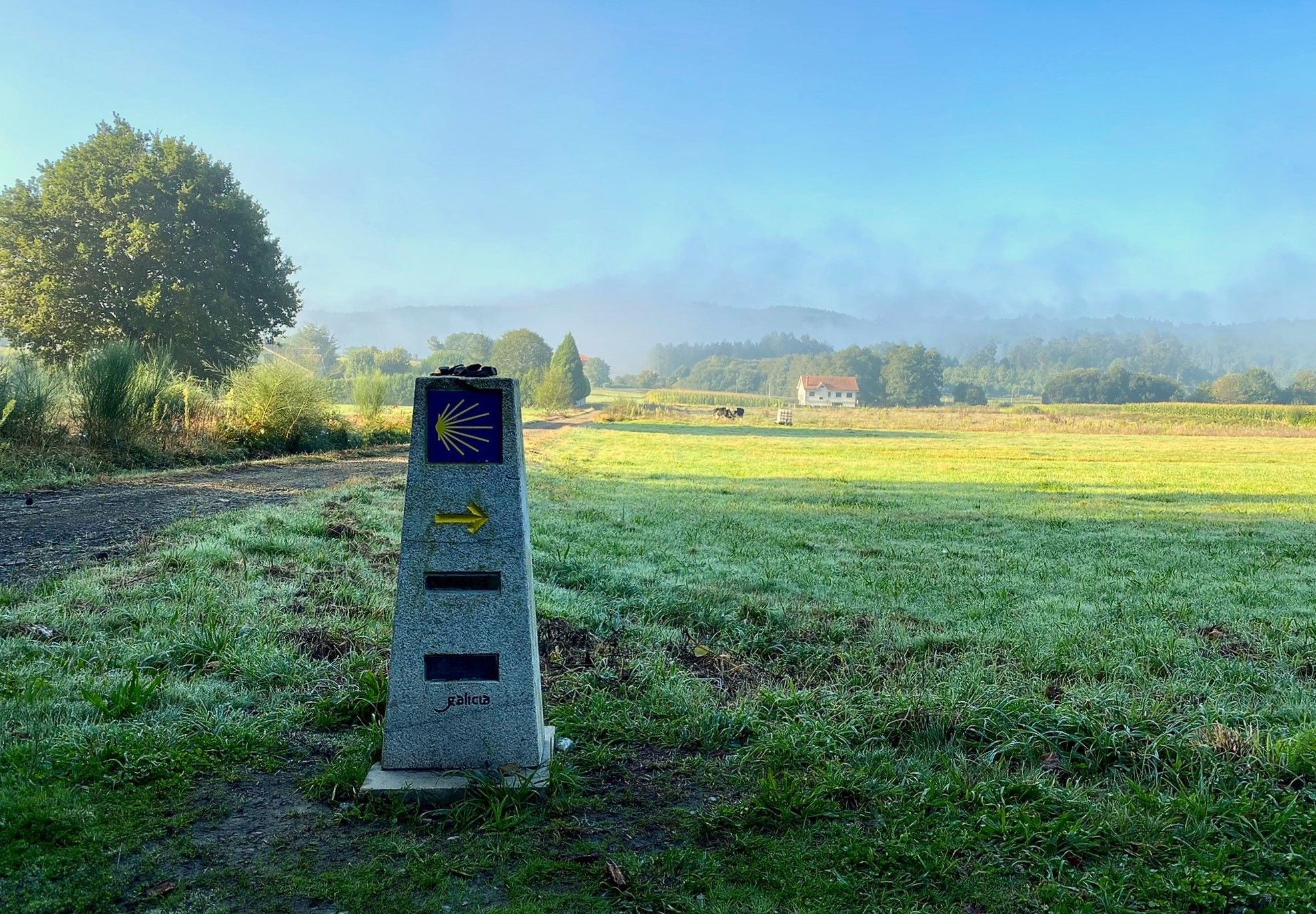
A pilgrimage on foot – Spain’s Primitive Way
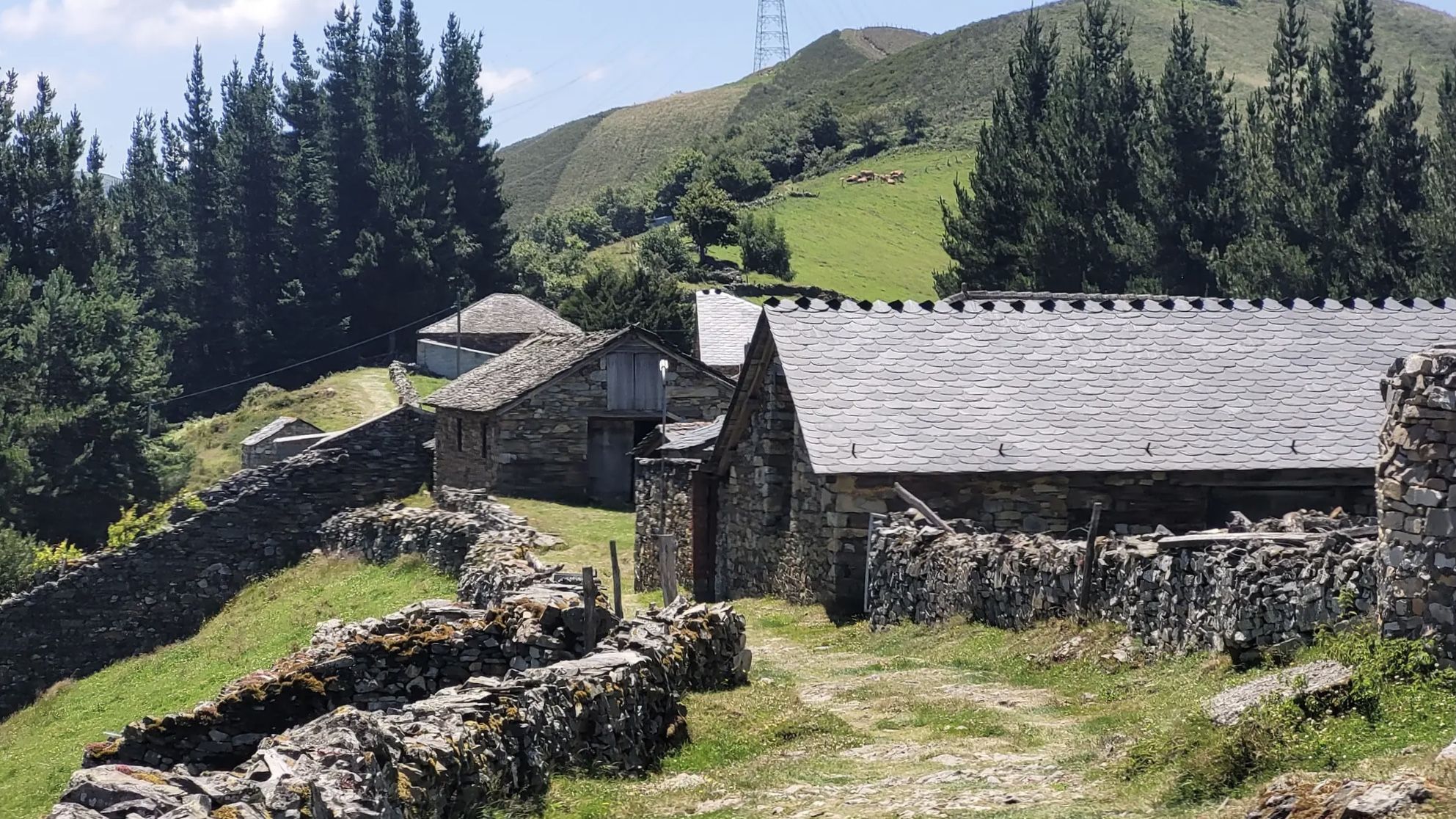
The Camino Primitivo — From Oviedo to Santiago through history
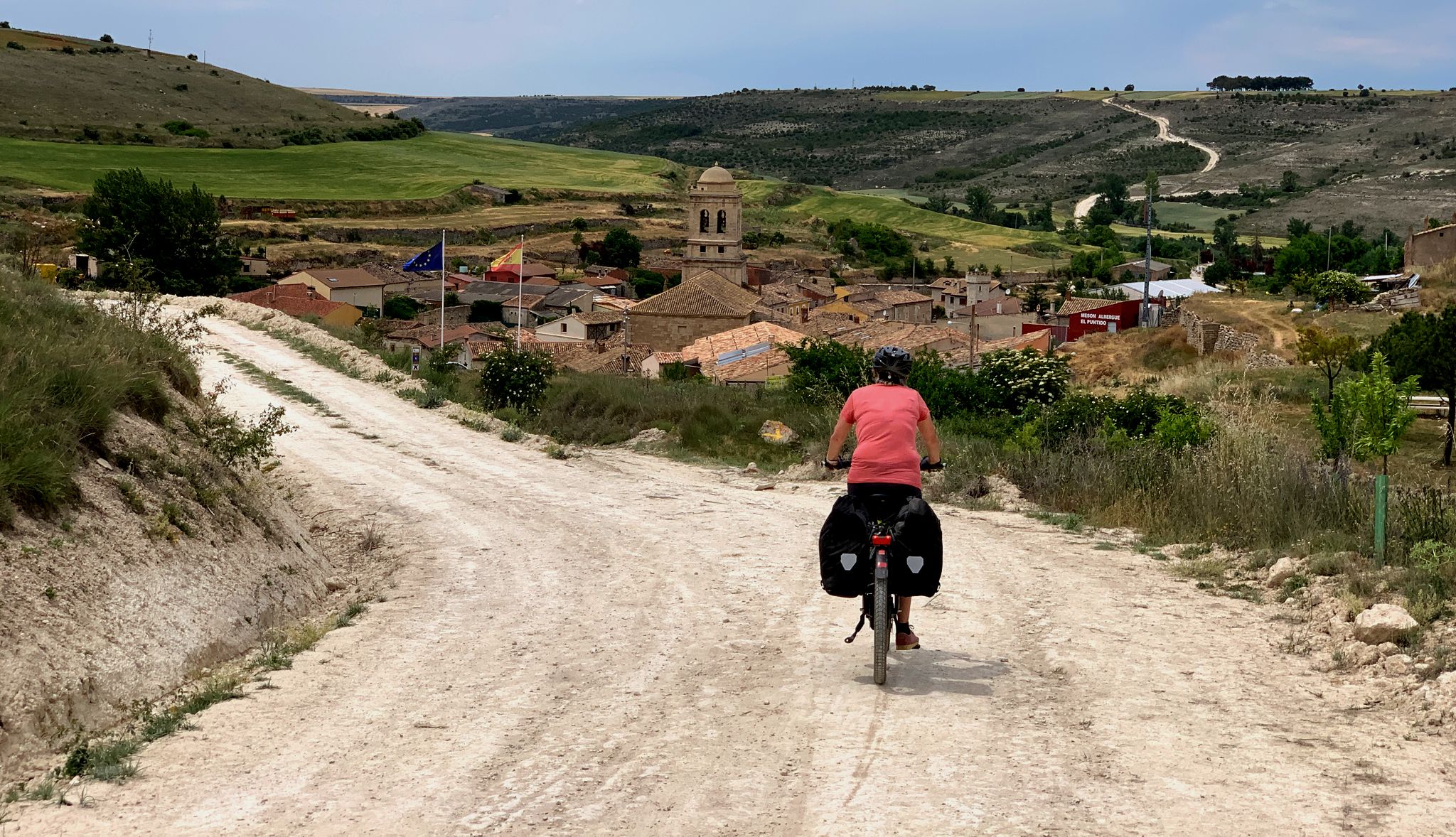
The Pilgrim Route — EuroVelo 3 through Spain
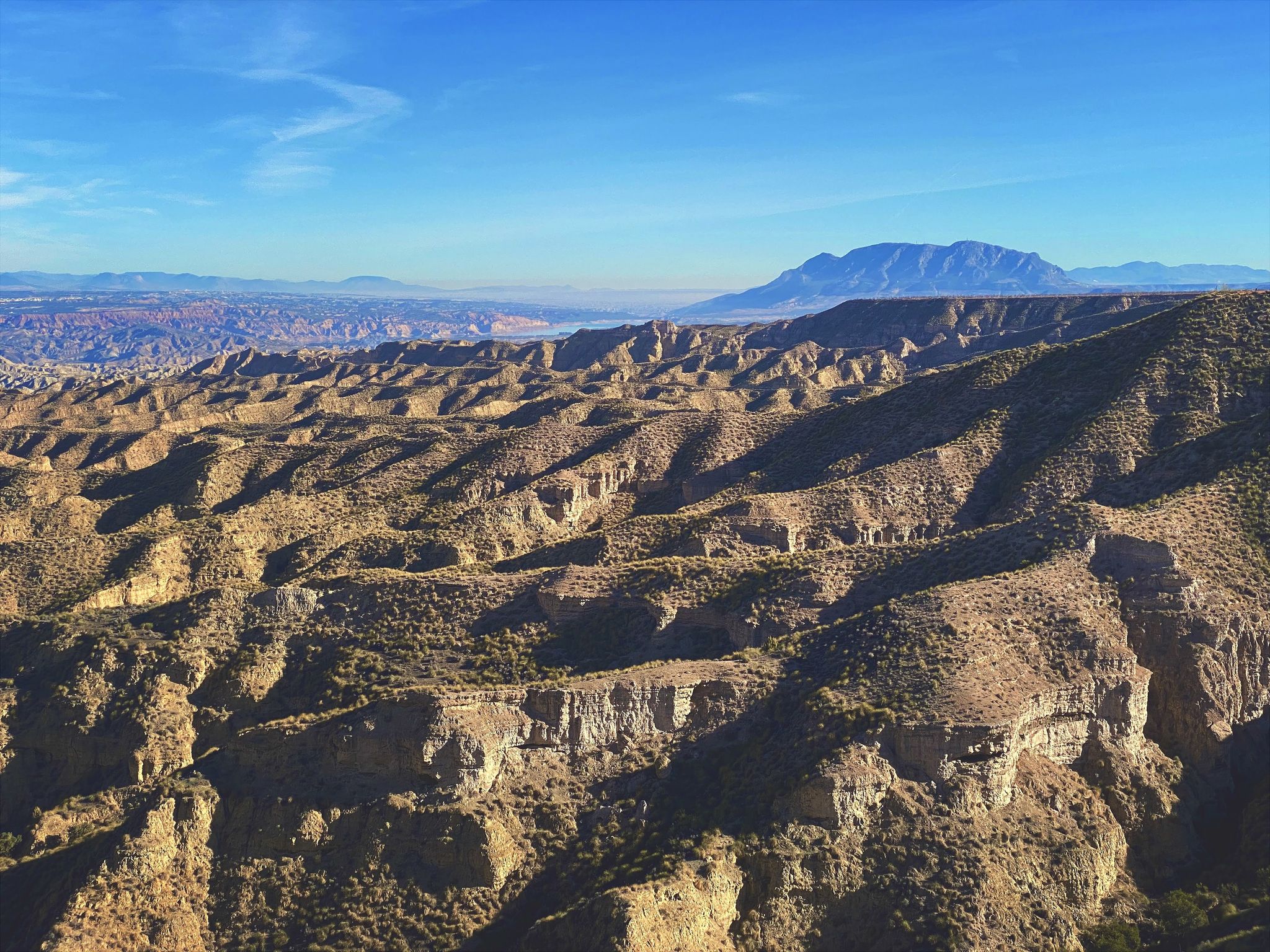
Discover Spain by gravel — a selection of must-see routes
Road Cycling Routes around the Mio
MTB Trails around the Mio
Hiking around the Mio
Cycling around the Mio
Running Trails around the Mio
Other adventures around the Mio


Tips from the Community

Ourense's Plaza Mayor is one of the most emblematic spaces in the historic center: It's a porticoed square with a slight incline, making it unique in Galicia. The slope is used to create a very photogenic perspective. Since the Middle Ages, it has been the city's administrative and social center. Markets, public events, and neighborhood meetings were held here. Notable buildings: City Hall: a 19th-century neoclassical building with an elegant façade and balconies. Palaces and noble houses: several properties with heraldic shields and typical Galician galleries.
2
0
It spans the Miño River, linking the historic center of Ourense with the A Ponte neighborhood. It was built in the 1st century AD as a branch of the Via Nova (Via XVIII), connecting Bracara Augusta (Braga) with Asturica Augusta (Astorga). Only traces of the original Roman phase remain, such as rusticated stonework at the ends near the banks. It suffered damage during the Middle Ages; in 1228, under Bishop Lorenzo and with the support of Ferdinand III, it was rebuilt with pointed arches and renovated approaches. Until the 17th century, the bridge repeatedly collapsed. The final work was directed by Melchor de Velasco Agüero around 1660, establishing its current appearance.
1
0

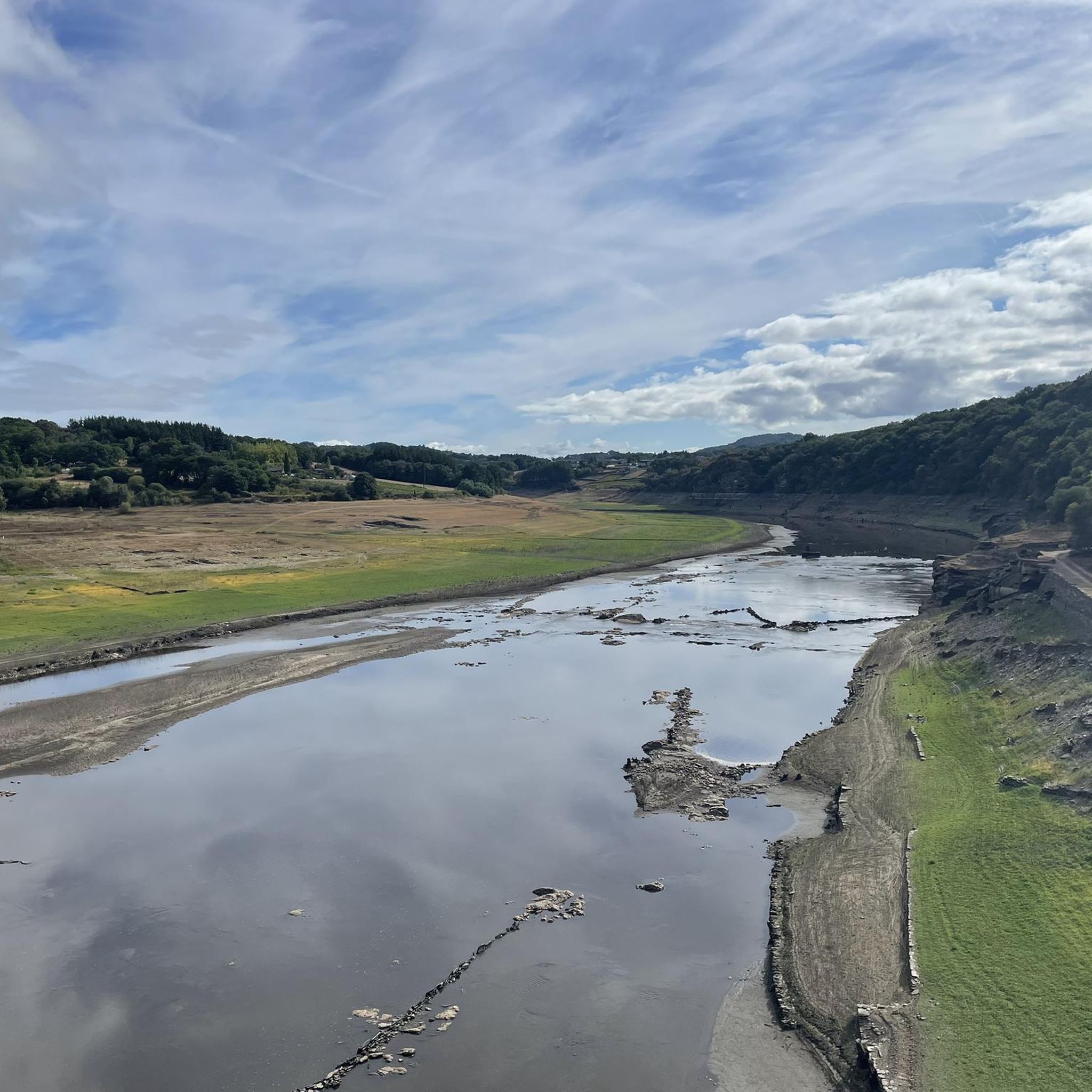
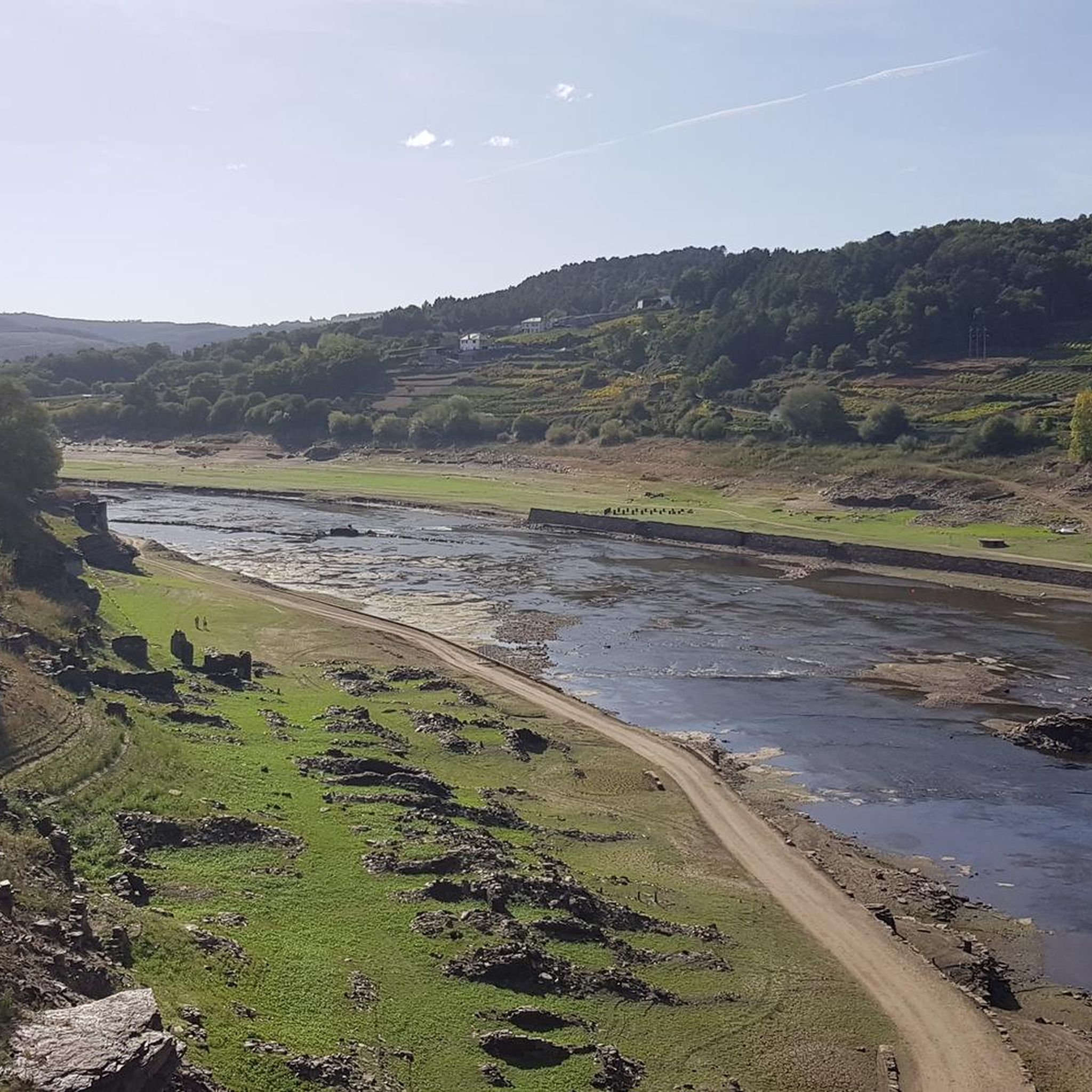
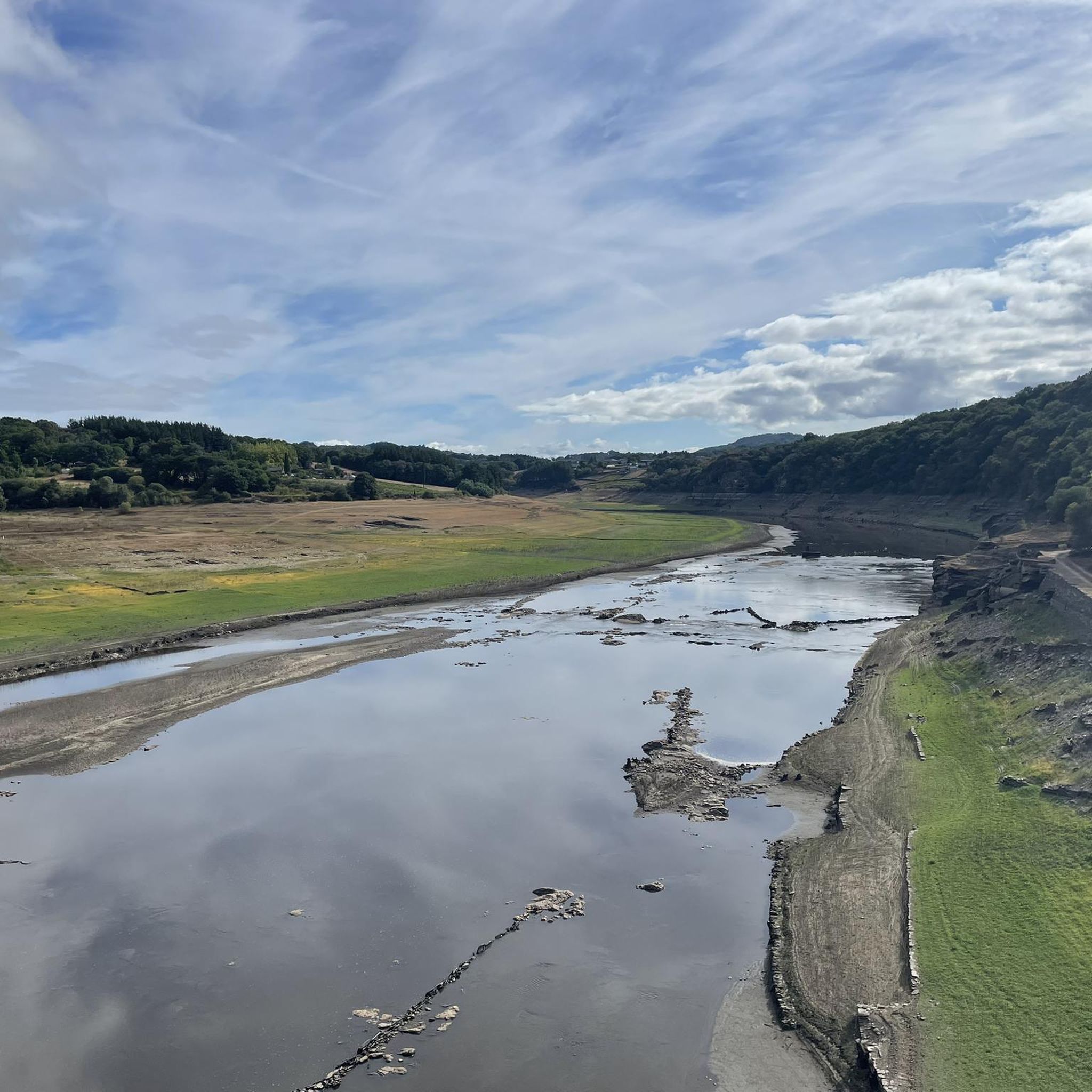
A rare sight! A magical moment! Seeing two bridges from different eras standing side by side. Low water levels make this possible.
2
0

A magnificent work from the outside. You have to pay to see it from the inside.
2
0
One of the few preserved city walls in Europe.
3
0
Breathtaking when you walk up there.
2
0
A viaduct as shown in the picture.
3
0
Frequently Asked Questions
What historical sites can I explore around Mio?
The Mio region is rich in Roman heritage. You can visit Lugo, an ancient city founded in 25 BC, famous for its remarkably preserved Roman wall, a UNESCO World Heritage Site. Another significant historical landmark is the Ponte Vella (Roman Bridge of Ourense), originally built in the 1st century AD as part of the Roman Via XVIII.
Are there any notable religious buildings in the Mio area?
Yes, the region features several important religious structures. The Church of St John of Portomarín is a unique Romanesque church-fortress, famously dismantled and rebuilt stone by stone. Also, the impressive Cathedral of Saint Mary of Lugo, a 12th-century cathedral showcasing a blend of Romanesque, Gothic, Baroque, and Neoclassical styles, is a must-see. You can find more information about schedules and fees for the Cathedral of Saint Mary of Lugo at catedraldelugo.es.
What are the significant bridges to see around Mio?
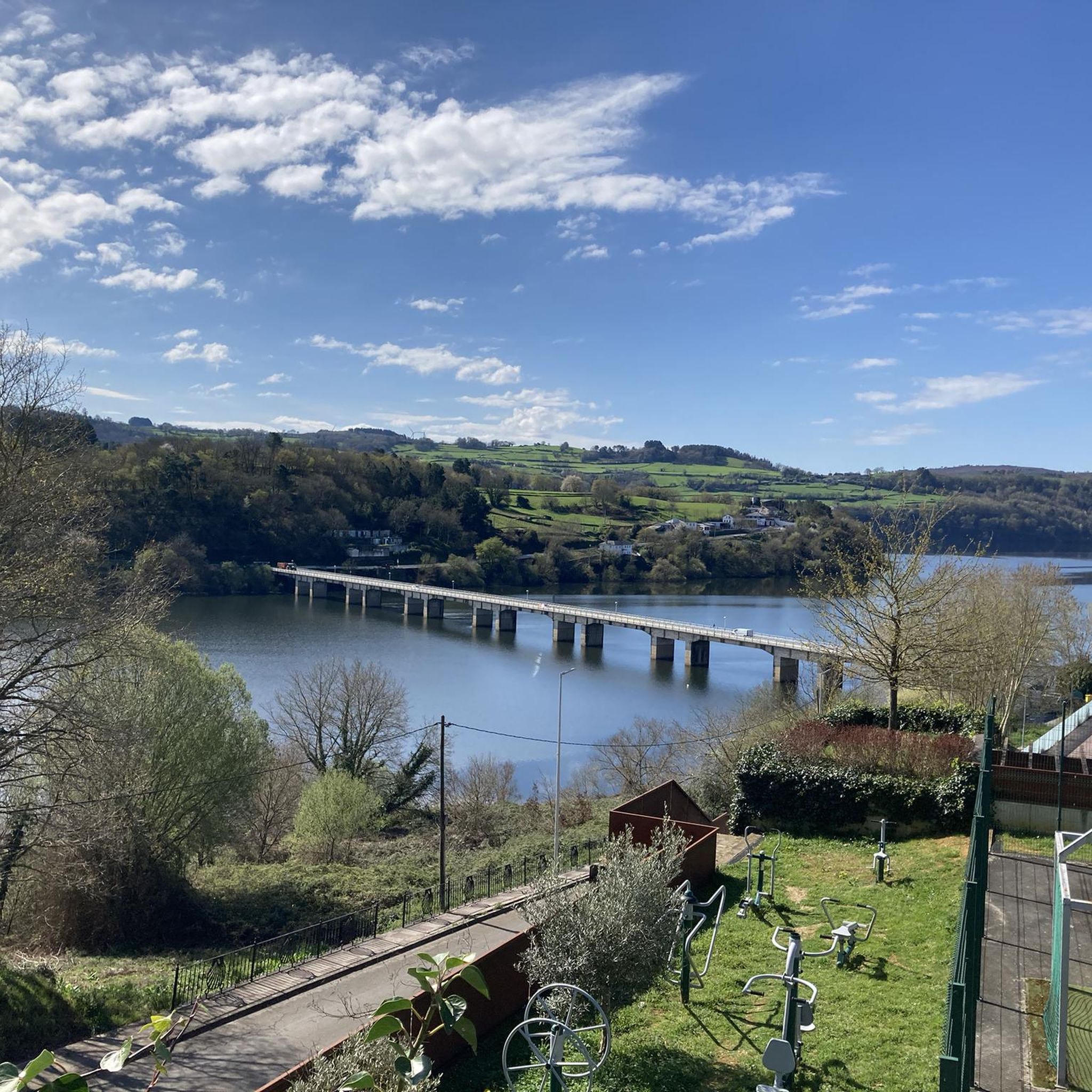
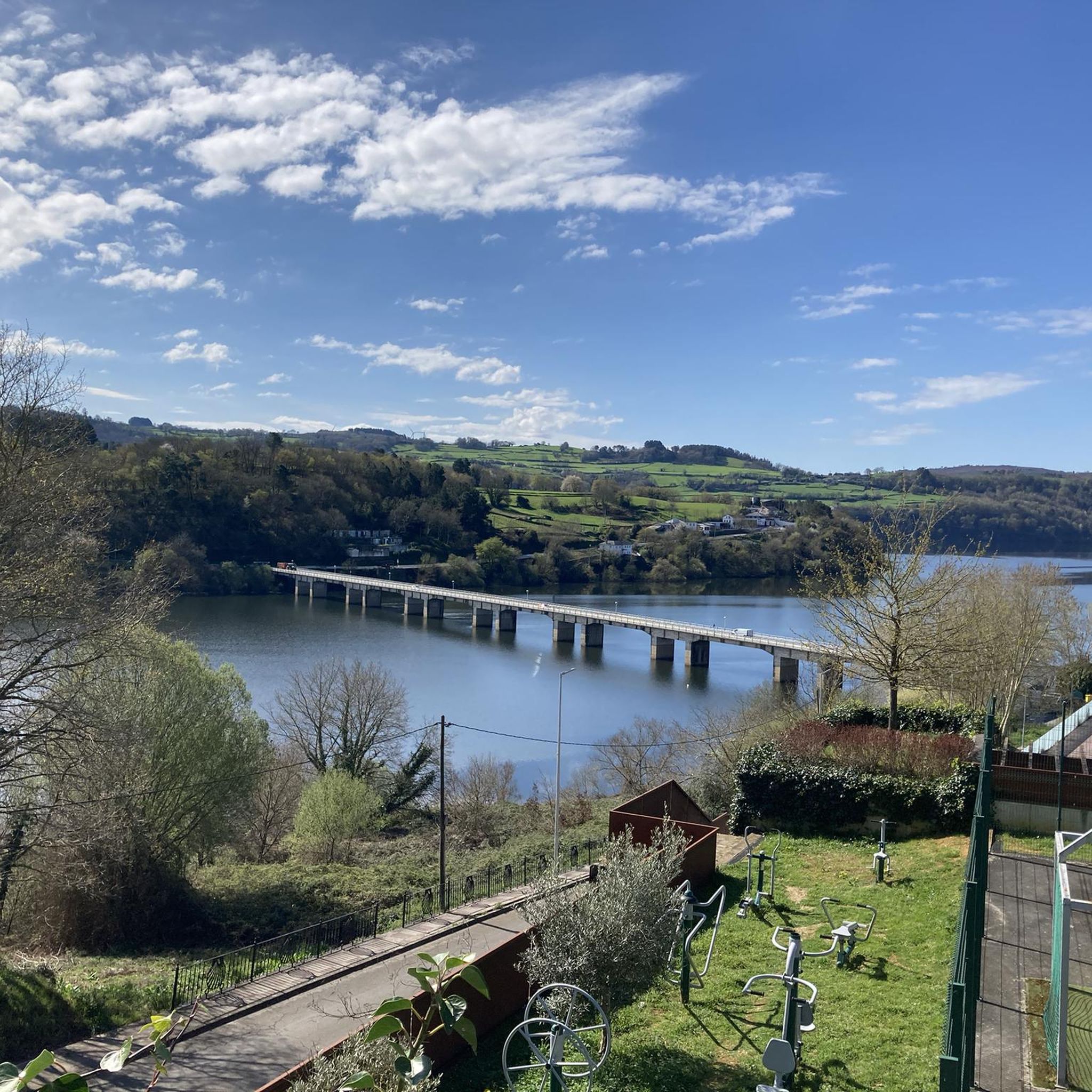
The Mio region is known for its historical bridges, crucial for crossing the Miño River. The Portomarín Bridge was historically a vital crossing point on the Camino de Santiago. The Ponte Vella (Roman Bridge of Ourense), dating back to the 1st century AD, and the Roman Bridge of Lugo are also prominent historical structures that have undergone various reconstructions over centuries.
Are there family-friendly attractions in the Mio region?
Many attractions in the Mio region are suitable for families. Historical sites like Lugo with its Roman wall, the Cathedral of Saint Mary of Lugo, and the Ponte Vella (Roman Bridge of Ourense) are categorized as family-friendly. Exploring these sites offers an educational and engaging experience for all ages.
What kind of outdoor activities can I do near the attractions in Mio?
The Mio region offers a variety of outdoor activities, particularly along the Miño River. You can find numerous routes for mountain biking, gravel biking, and hiking. For example, there are easy hikes like the 'Augacaída Waterfall and Castro de Marce – circular from Marce' or the 'Roman Walls of Lugo – Santiago Gate loop from Recatelo'. For more challenging rides, consider routes like 'Lugo and Teixeiro Lakes Loop' for MTB or 'Circular gravel through Ourense and Castrelo do Miño' for gravel biking. You can explore more options in the MTB Trails around the Mio, Easy hikes around the Mio, and Gravel biking around the Mio guides.
Are there easy walking trails around Mio's attractions?
Yes, there are several easy walking trails. For instance, you can enjoy the 'Roman Walls of Lugo – Santiago Gate loop from Recatelo' or the 'Paseo do Miño – 2.5 km – Paseo do Miño – 3.5 km loop from Ourense'. These trails offer accessible ways to experience the region's beauty and historical sites. More easy hiking options are available in the Easy hikes around the Mio guide.
What is the Camino de Santiago 100 km marker in Lugo?
The Camino de Santiago 100 km marker, Lugo is a significant landmark for pilgrims on the Camino de Santiago. It marks the point where pilgrims have completed 100 kilometers of their journey, often a crucial milestone for those seeking the Compostela certificate. It's a man-made monument with historical significance, and it is wheelchair accessible.
What do visitors enjoy most about the attractions around Mio?
Visitors particularly appreciate the rich historical context, especially the Roman origins and the connection to the Camino de Santiago. The unique architecture of sites like the Church of St John of Portomarín and the impressive Roman wall of Lugo are frequently highlighted. The scenic views from bridges like Portomarín Bridge and the opportunity to walk along ancient paths also receive high praise.
Can I find viewpoints to enjoy the scenery in Mio?
Yes, several attractions offer picturesque views. The Portomarín Bridge provides a unique perspective over the reservoir, especially depending on the water level. The Ponte Vella (Roman Bridge of Ourense) also serves as a great viewpoint over the Miño River. Additionally, the 'Rocky descent to Portomarín (historic route)' is noted for its challenging trail and scenic views.
Is the Main Square of Ourense worth visiting?
Yes, the Main Square of Ourense is a notable settlement and historical site. It is categorized as family-friendly and wheelchair accessible, making it a pleasant spot to experience the local atmosphere and historical surroundings.
What is the San Pedro Gate in Lugo?
The San Pedro Gate is a historical site and a man-made monument in Lugo. It is one of the ancient gates providing access through the famous Roman wall of Lugo, offering a glimpse into the city's rich past and its defensive structures.
Are there any challenging trails for experienced hikers or bikers?
Yes, for those seeking more challenging experiences, the 'Rocky descent to Portomarín (historic route)' is a challenging trail with rewarding views. For mountain biking, routes like 'Lugo and Teixeiro Lakes Loop' are rated as difficult. Gravel biking also offers challenging options such as 'Circular gravel through Ourense and Castrelo do Miño'. You can find more details in the respective guide pages.
Most popular routes around the Mio
Most popular attractions around the Mio

Get inspired with the komoot mobile app


Explore more
Still not found the Highlight you’re looking for? See guides of the top attractions in other regions:
