Top 3 Castles around Béziers
Best castles around Béziers are found in the Hérault region of France, offering a diverse range of historical sites. The area features medieval ruins, historic wine estates, and architectural marvels set amidst vineyards, mountains, and valleys. These sites provide insight into the rich history and culture of the region.
Best castles around Béziers
- The most popular castles is Château de Pézènes, a castle that overlooks Pézènes-les-Mines. Its facades, roofs, and enclosure are protected as historical monuments, featuring a 12th-century…
Last updated: October 11, 2026
Château de Pézènes
Highlight • Castle
Showing Translation
Tip by

Saint-Pons-de-Mauchiens
Highlight • Historical Site
Showing Translation
Tip by

Sign up now to discover places like this
Get recommendations on the best single tracks, peaks, & plenty of other exciting outdoor places.
Boussagues Medieval Village
Highlight • Historical Site
Translated by Google •
Tip by

Château de Puimisson
Highlight • Castle
Former feudal castle in the center of a circular village from the 18th century. [Source: monumentum.fr/chateau-mairie--pa34000013.html]
Translated by Google •
Tip by

Start today with a free account
Your next adventure awaits.
Popular around Béziers

Triathlon 360 – my journey around the world
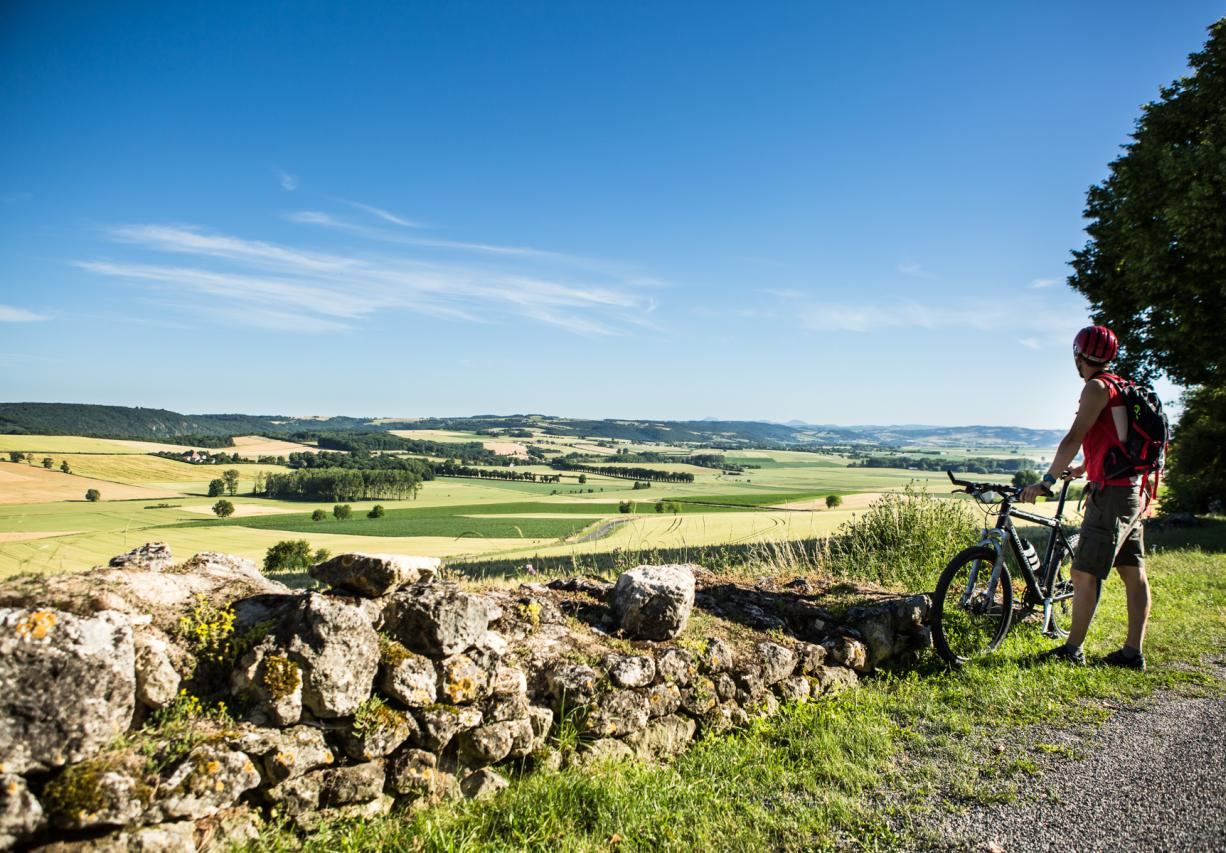
The Grande traversée du Massif Central by gravel bike
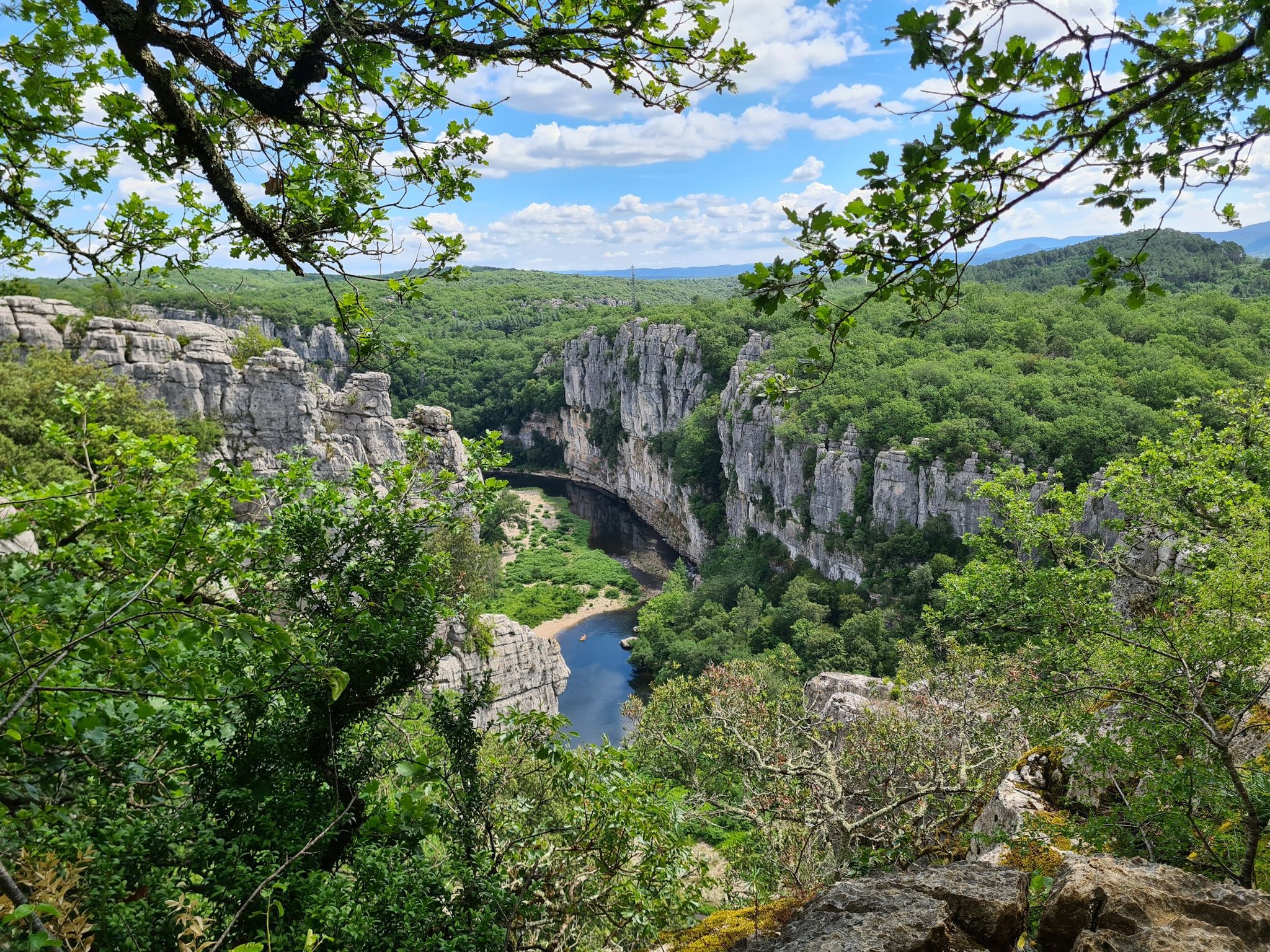
Hexatrek – The Cévennes to the Pyrenees between gorges and limestone plateau
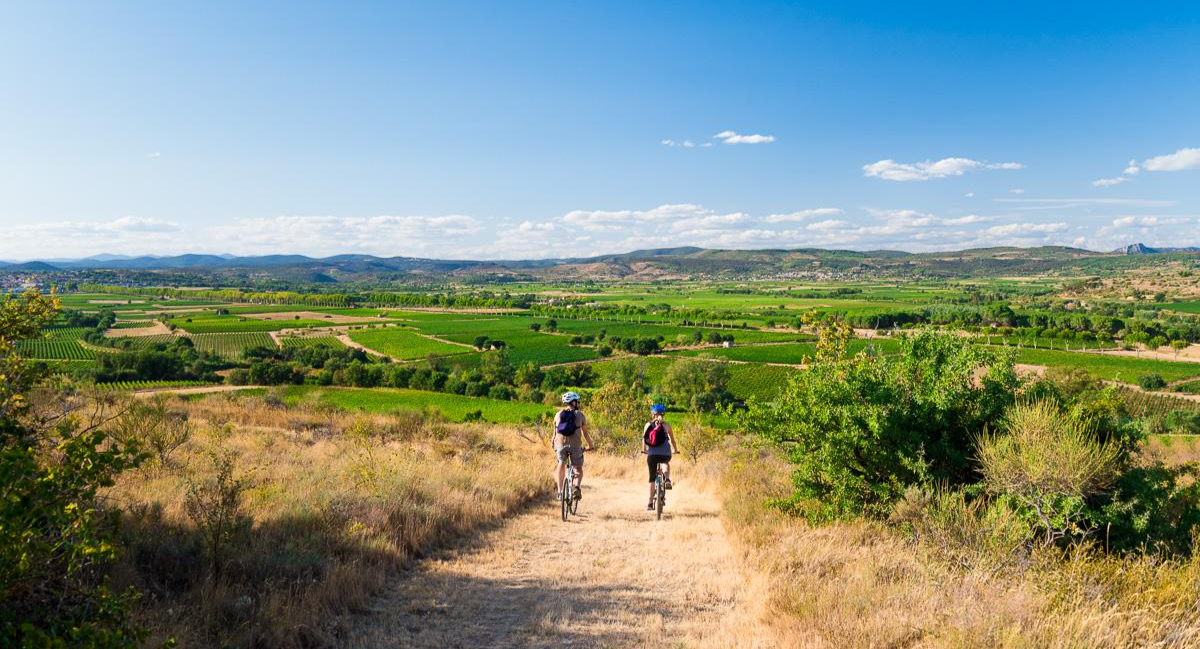
Cap d’Agde by bike – a unique terroir and wines with character
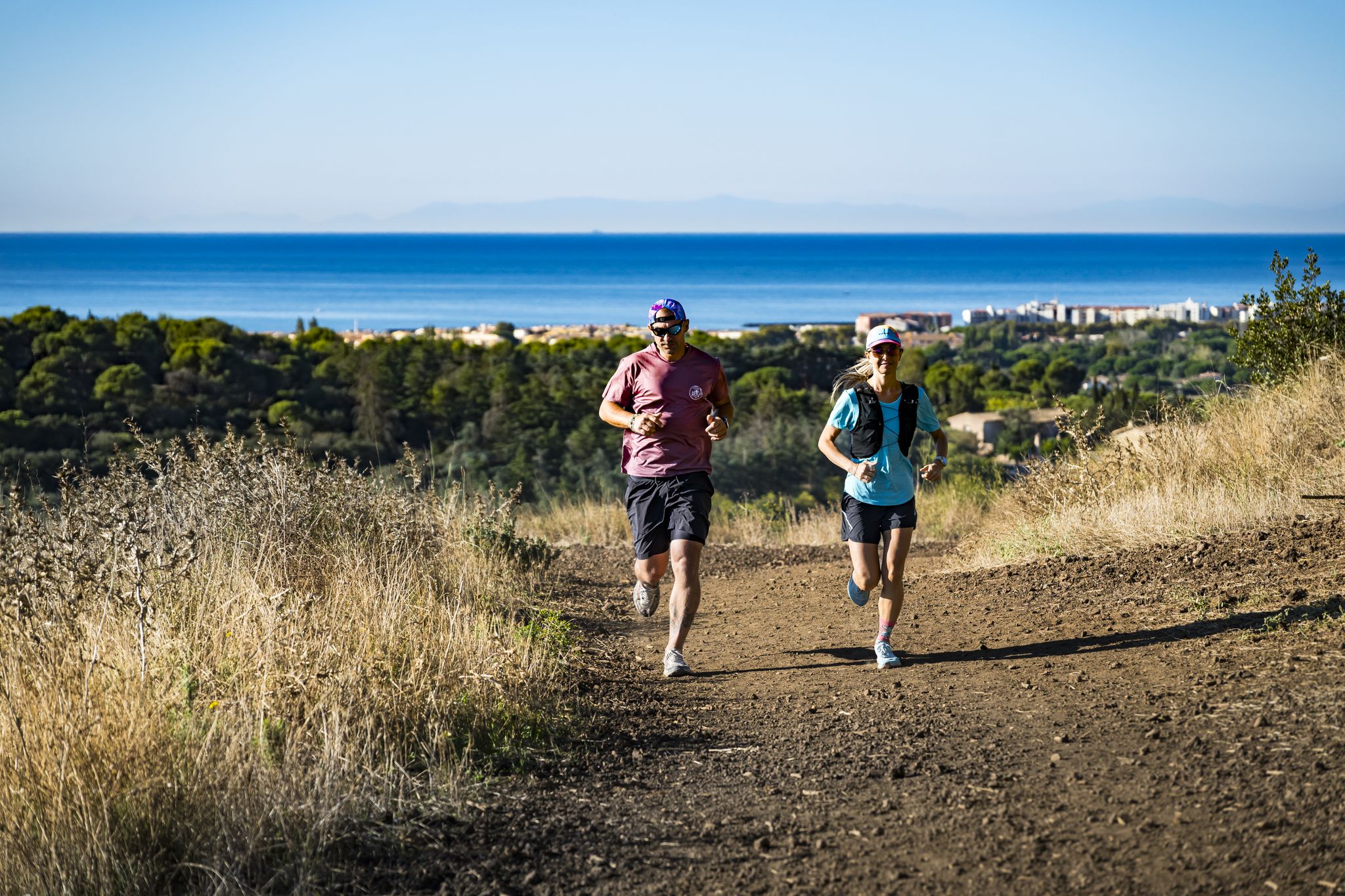
Running the trails and races of the Cap d’Agde
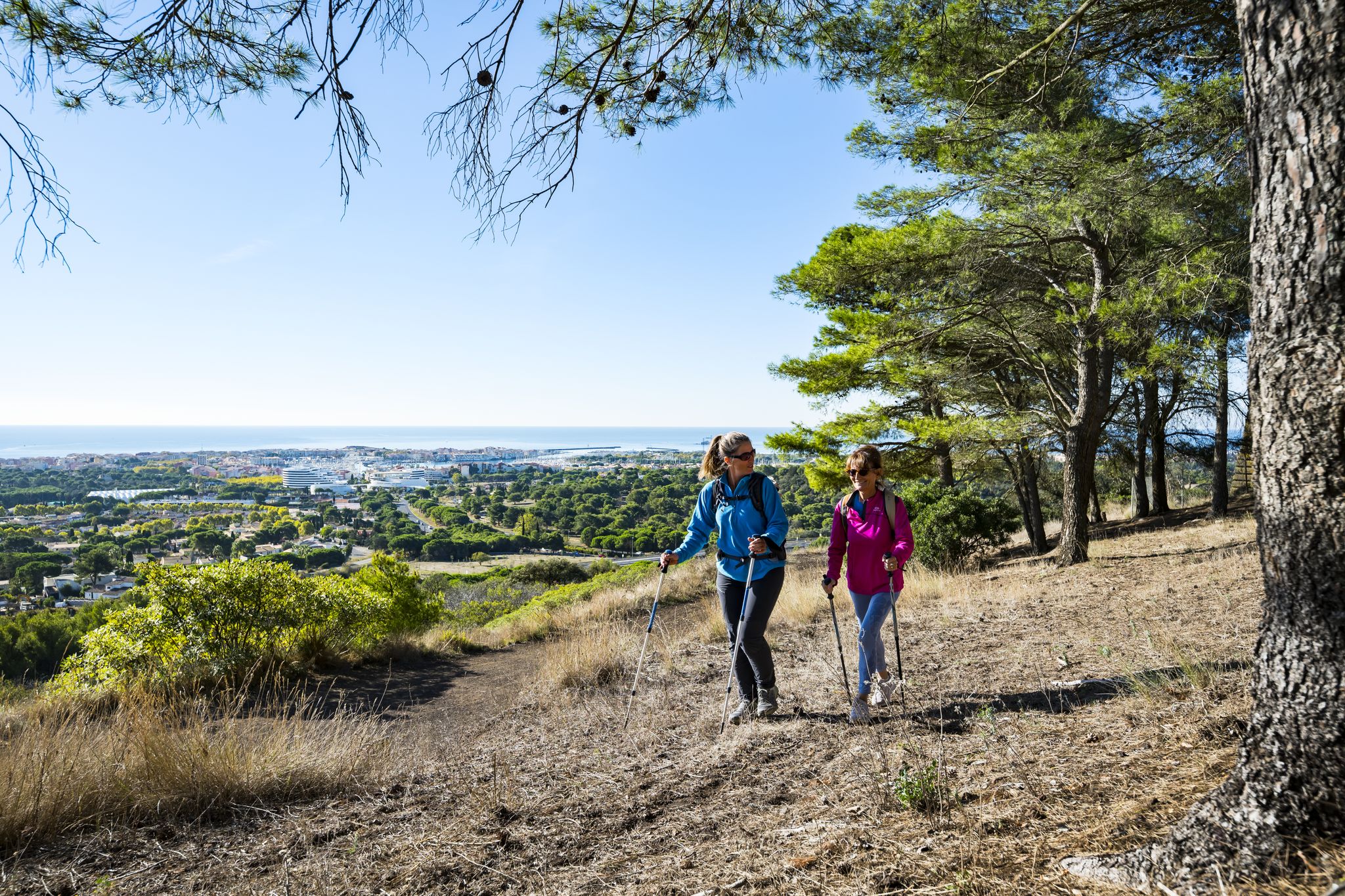
Cap d’Agde – hiking between sea, nature and heritage
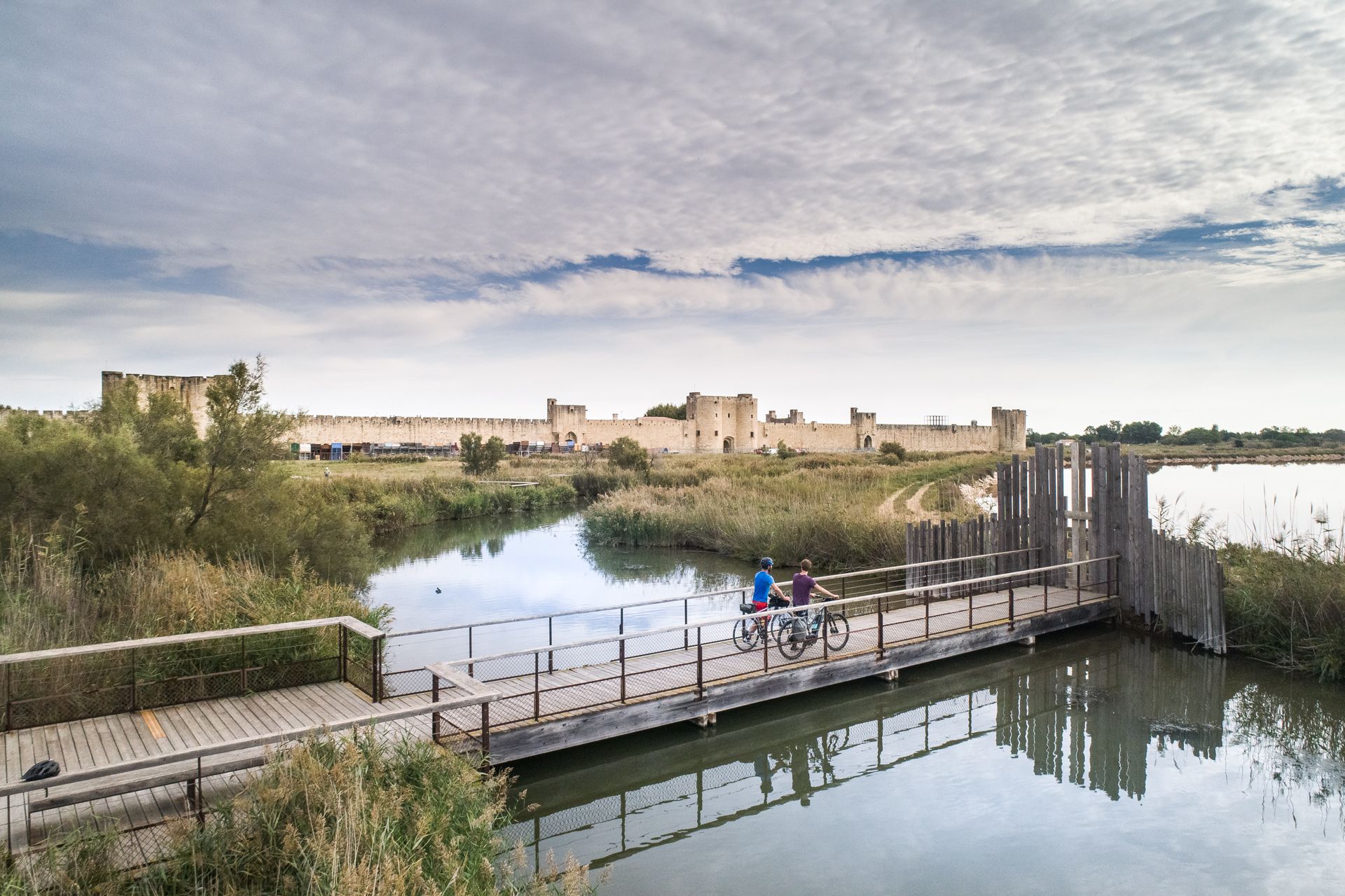
The most beautiful bike rides in Occitanie
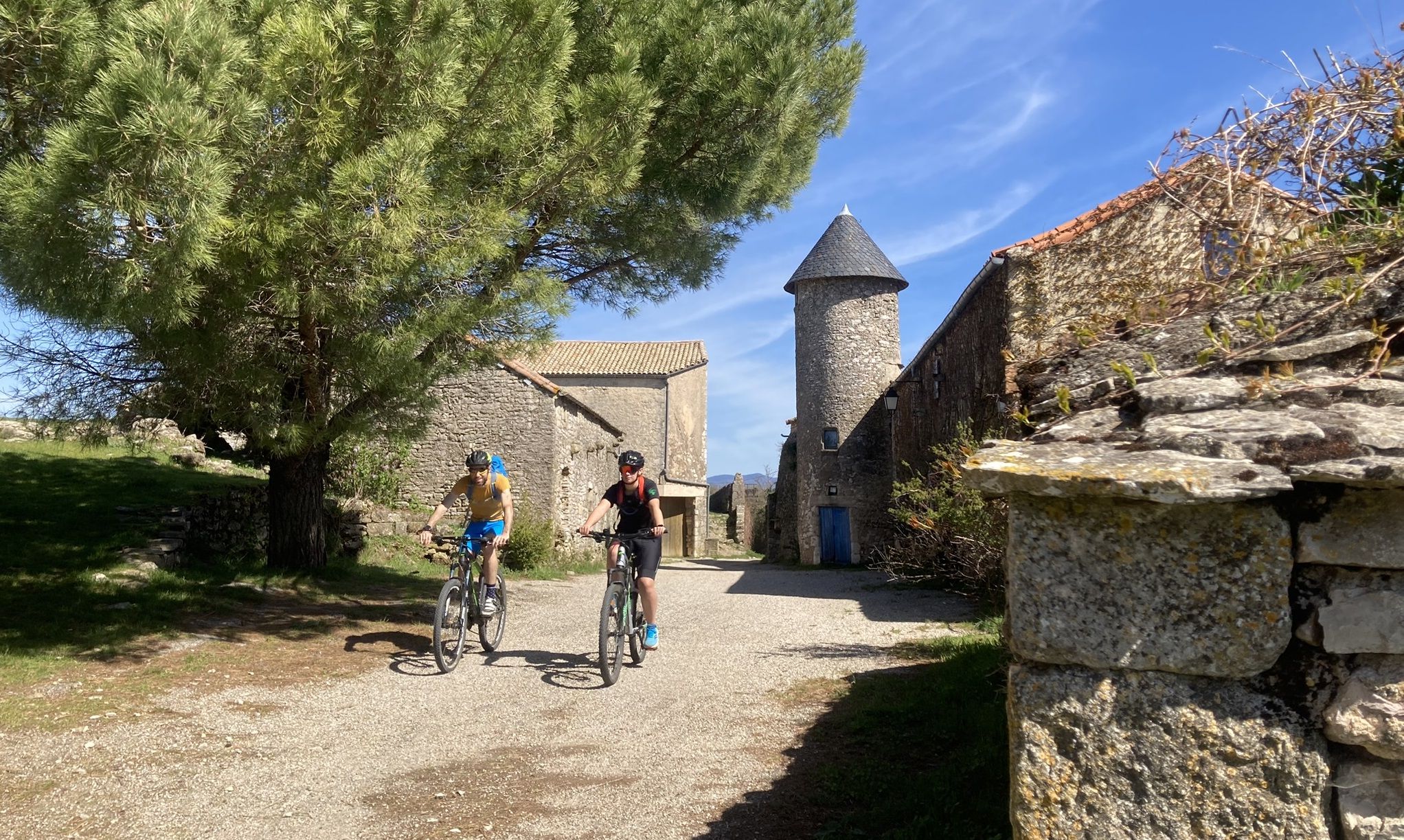
Grande Traversée de l'Hérault — Passa Meridia (North)
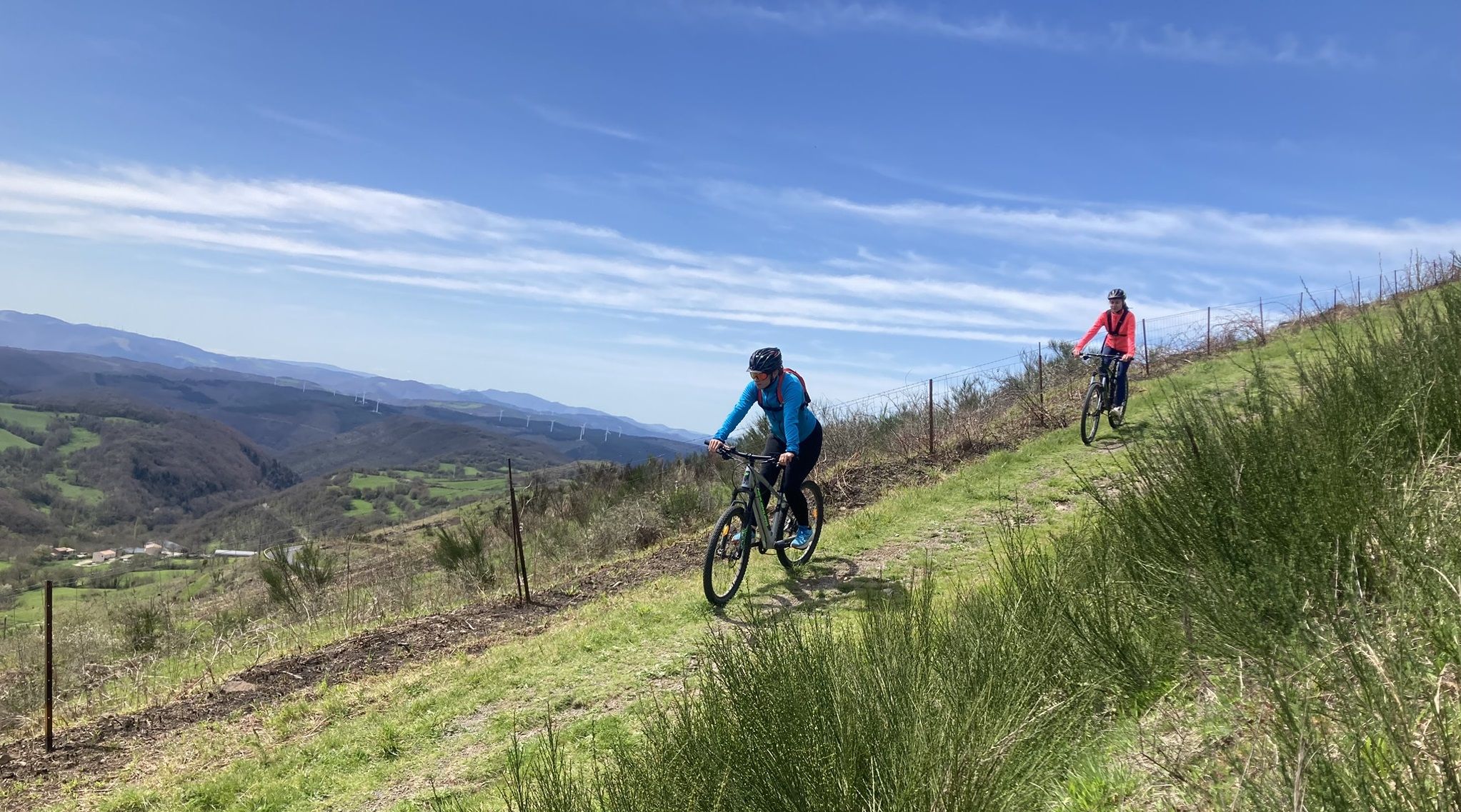
Grande Traversée de l'Hérault — Passa Meridia (South)
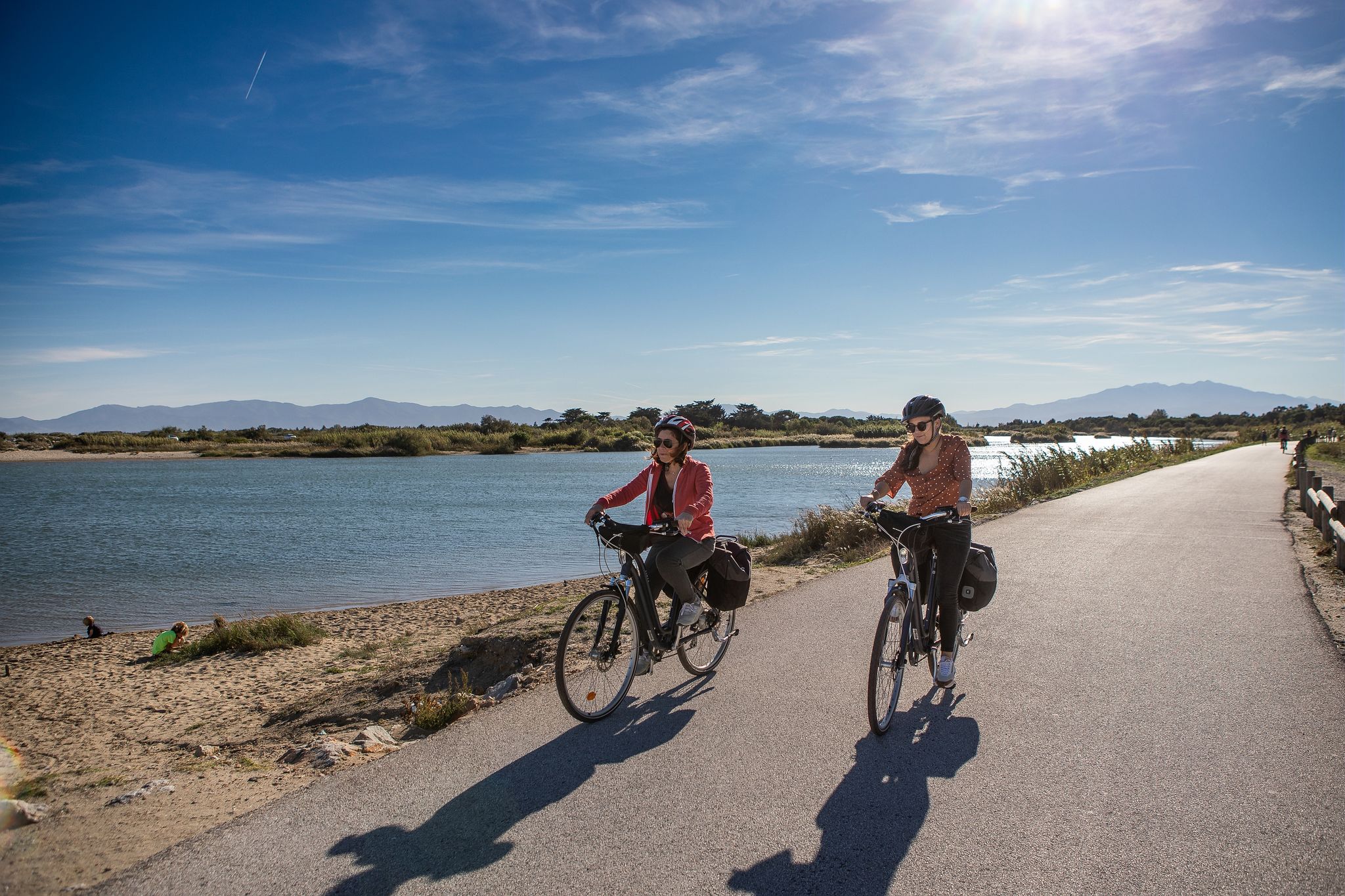
Méditerranée in Occitanie - Ten bike rides in the South of France
Other adventures around Béziers


Tips from the Community

The castle overlooks Pézènes-les-Mines from the upper part of the village. This castle is private, but its facades, roofs, and enclosure have been protected as historical monuments since 1981. Its history is ancient, but the ensemble we see today is the result of several construction and transformation campaigns. The Romanesque chapel, integrated into the castle, dates back to the 12th century. Its apse was later raised in the 14th century to take on a defensive function. The castle itself underwent significant alterations in the 14th, 16th, and 17th centuries. Two gates were notably built into the enclosure in the 17th century. The defensive elements are still very legible: two gates with arrow slits controlled access to the courtyard and were once protected by a drawbridge. Two towers flank the ensemble, while the enclosure follows the natural irregularities of the terrain. The chapel also retains a rather remarkable detail: its door and some of its bays are decorated with basalt inlays, giving the building a discreet but original polychromy. Pézènes-les-Mines was not always the small village one might imagine today. Pézènes was the capital of a marquisate that grouped the communities of Pézènes, Montesquieu, and Valmascle. The castle was therefore at the heart of a larger seigneurial territory. Little-known information: A plan from 1800 shows that behind the castle stretched a long terrace of about 270 meters, arranged as a garden, promenade, and belvedere overlooking the Peyne valley.
2
0

Sweet village with restaurant and general store. Small mountain arrival.
0
0

Boussagues is an enchanting medieval village, which seduces with its well-preserved historical heritage. Nestled in a bucolic setting, you can stroll through cobbled streets, among stone houses and the remains of fortifications.
0
0

The place belongs to the southern French type of circular villages (Circulades) grouped around a church or a castle. Several houses in the village center are also protected – e.g. the Maison des Emigrants and the Maison des Consuls and of course our house in rue des remparts. Parts of the late medieval town wall (remparts) and two gates still remain.
1
0
As a lover of beautiful panoramas, you will fall in love with Saint-Pons-de-Mauchiens and its spectacular views of the Garrigues, the vineyards, the Espinouse mountains, the foothills of the Larzac and sometimes even the Pyrenees!
2
0

The village of Boussagues is worth the detour, especially since the roads leading to it are not very busy. Solidly set back from the valley of the Orb, this fortified medieval city is no more than a small village dozing under the weight of its past, to which its old walls, its medieval buildings and other vestiges still bear witness, signs of a distant power and a long history. Boussagues has two 12th century castles, a Renaissance manor, and two churches. Inside, ramparts, many typical alleys and pediments of buildings relate the past grandeur of the place. In particular, the Bailli's house which belonged to the famous painter Henri de Toulouse Lautrec. The city of Boussagues appeared in 1117 in the foothills of the Cévennes, which protected it from the Greeks and the Tramontane. Significant mining resources (silver then coal), easy-to-work building materials, water, wood, hillsides allowed continuous growth until the middle of the 14th century. Boussagues thus counted up to 1,500 souls at its peak. The city had all the civil, religious and military organization of the Middle Ages: lords, consuls, workers, notaries, hospital, bailiff, garrison, etc., allowing it to administer the entire Upper Orb Valley. Having lost almost two thirds of its population after the great plague of 1348, it seemed to recover with more than 1000 inhabitants in 1364, but it then declined slowly to only have around 400 souls during the Revolution. Boussagues ended up losing its status as chief town of the canton in 1884 to become just a simple hamlet in the commune of La Tour sur Orb. One of the stones embedded in the walls of the church (I haven't seen it, but maybe you can find it?) bears the following epitaph which seems to be that of the village: "O man, what are you looking at ? What I was, you are, what I am, you will be.
0
0

Superb picturesque village in the heart of the vineyards Perched on its rocky outcrop. Worth the detour! Beware, nothing is open on Sundays!
1
0

Entity of the city of La Tour/Orb
0
0
Frequently Asked Questions
What kind of historical castles can I visit near Béziers?
The Béziers region boasts a rich variety of historical castles. You can explore medieval fortresses like the Château de Pézènes, known for its 12th-century Romanesque chapel and defensive elements. Other notable historical sites include the imposing Château de Montferrand and the fortified Château du Géant near Saint-Guilhem-le-Désert, both offering deep dives into medieval history.
Are there medieval villages with castle ruins to explore around Béziers?
Yes, the region offers captivating medieval villages where you can explore castle ruins and historical architecture. The Boussagues Medieval Village is a prime example, featuring two 12th-century castles, a Renaissance manor, and well-preserved ramparts. Another picturesque option is Saint-Pons-de-Mauchiens, a medieval round village perched on a rocky outcrop with spectacular views.
Which castles offer the best panoramic views?
For breathtaking panoramic views, consider visiting Château de Montferrand and Château de Vivioures, both near Pic Saint-Loup. They offer stunning vistas of the surrounding landscapes. The Château du Géant also provides unbeatable views of the Hérault mountains and valleys. Additionally, Saint-Pons-de-Mauchiens offers spectacular views of the Garrigues, vineyards, and even the Pyrenees on a clear day.
Are there castles accessible via hiking trails?
Yes, some castles are best reached or offer excellent views from hiking trails. The Château de Vivioures, for instance, is accessible via an approximately one-hour hike and rewards visitors with a magnificent panorama. For more hiking opportunities, you can explore the family-friendly hikes around Béziers or the running trails around Béziers, which might lead you near these historic sites.
Which castles offer insights into the region's wine heritage?
The Béziers area is renowned for its wine production, and several châteaux combine history with viticulture. Château de Jonquières, a fortified 15th-century castle, is surrounded by vineyards and offers historical guided tours. Château de Libouriac and Château Saint-Bauzille are 19th-century wine estates within or near Béziers, reflecting the region's viticultural prosperity. Château de Raissac is a family wine estate offering cellar tours and wine sales.
Are there family-friendly castles to visit near Béziers?
While specific 'family-friendly' categories aren't always listed, many castles offer an engaging experience for families. Exploring the well-preserved medieval village of Boussagues Medieval Village with its ruins and cobbled streets can be an adventure. Similarly, the historical context and panoramic views from sites like Château de Montferrand or Château du Géant can captivate younger visitors. Always check individual castle websites for specific family activities or facilities.
When is the best time to visit castles around Béziers?
The best time to visit castles around Béziers is generally during the spring (April-June) and autumn (September-October) when the weather is pleasant for exploring and hiking. Summers can be hot, but many sites offer shade. Winter visits are also possible, with some castles remaining open, though hours may be reduced. Always check specific opening times before your visit.
Are there any hidden gem castles worth discovering in the Béziers area?
Beyond the more well-known sites, the region holds several hidden gems. The Château de Pézènes, though private, offers a fascinating glimpse into ancient history with its Romanesque chapel and defensive features, visible from the village. The 12th-century Château de Puimisson, located in the center of a circular village, is another charming historical site that might be less crowded.
What outdoor activities can I do near these castles?
The area around Béziers' castles offers a variety of outdoor activities. You can find numerous family-friendly hikes, such as the loop from Colombières-sur Orb or the circuit around L'Ayrolle in the Gorges de l'Orb. For runners, there are running trails like the Vissou Crests Trail. Cyclists can enjoy traffic-free bike rides, including loops along the Canal du Midi.
Can I find accommodation or dining options near the castles?
Many villages surrounding the castles, such as Pézènes-les-Mines or Saint-Guilhem-le-Désert, offer local cafes, restaurants, and accommodation options. Wine estates like Château Les Carrasses and Château Hermitage de Combas also provide lodging and dining experiences, often with views of the vineyards. For specific details, it's best to check local listings for the village nearest your chosen castle.
Are dogs allowed at castles near Béziers?
Policies regarding dogs vary significantly between castles. While some outdoor areas or village strolls (like in Boussagues Medieval Village or Saint-Pons-de-Mauchiens) might be dog-friendly, access to interior castle grounds or buildings is often restricted. It is always recommended to check the specific castle's official website or contact them directly before visiting with your dog.
What are some local tips for visiting castles in Hérault?
To make the most of your visit, wear comfortable shoes, especially if you plan to explore ruins or hike to castles like Château de Vivioures. Many castles are in or near charming villages, so allow time to wander through them. Consider visiting during the shoulder seasons (spring/autumn) for pleasant weather and fewer crowds. Always check opening hours, as some private castles may have limited access or be viewable only from the exterior.
Most popular routes around Béziers
Most popular attractions around Béziers

Get inspired with the komoot mobile app


Didn’t find what you were looking for?
Explore Béziers’s best castles region by region:
Explore more
Looking for the best castles somewhere else? Discover other guides around Béziers:
