Top 20 Natural Monuments around Möllenhagen
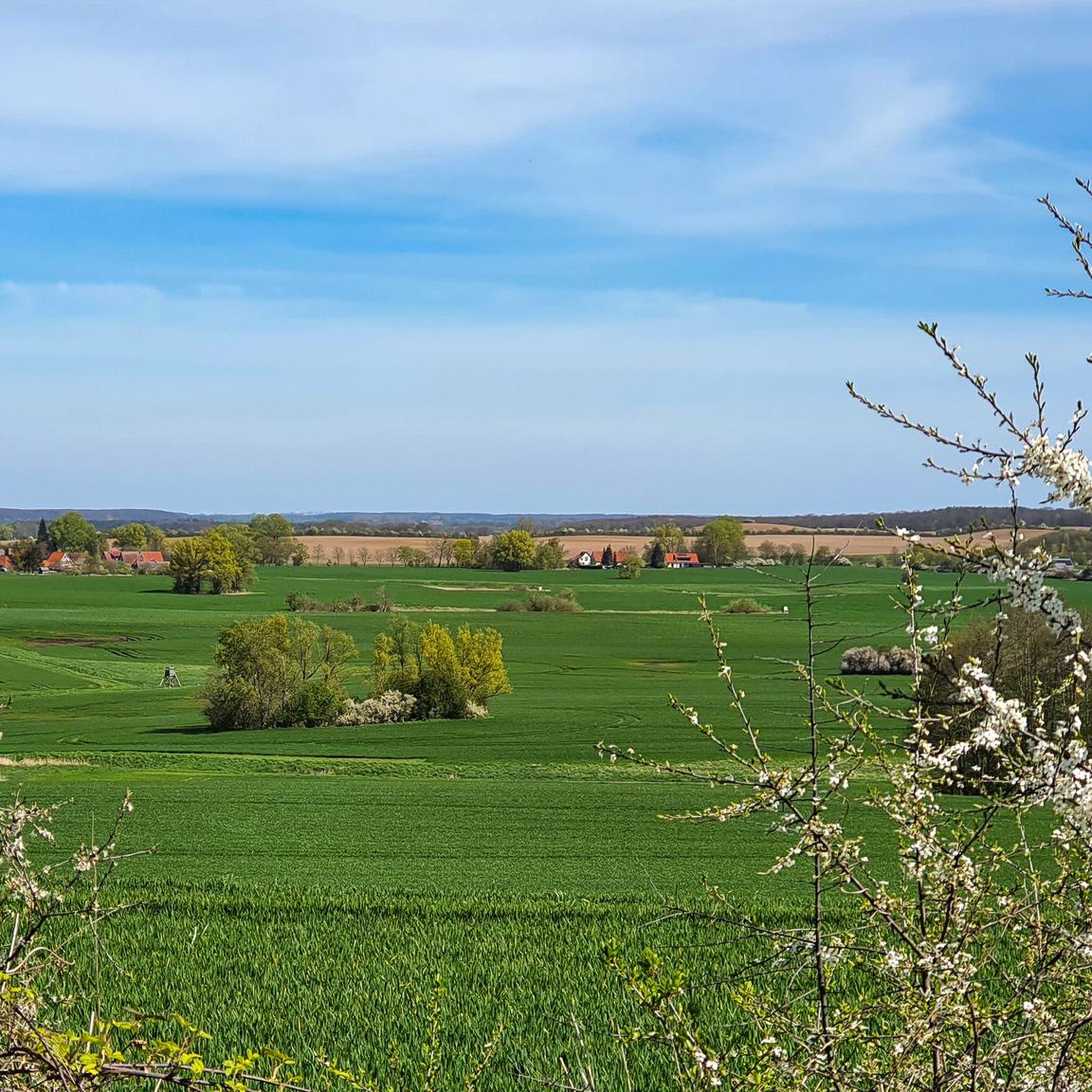
Best natural monuments around Möllenhagen are primarily found within the expansive Müritz National Park, located in the Mecklenburg Lake District. This region features a landscape shaped by the last ice age, characterized by forests, lakes, and moors. The area offers diverse natural features for exploration, including ancient beech forests and significant wetlands. Möllenhagen provides opportunities to observe diverse ecosystems and wildlife.
Best natural monuments around Möllenhagen
- The most popular natural monuments is Käflingsberg Observation Tower, a viewpoint that offers…
Last updated: October 11, 2026
Müritz National Park bike trail
Highlight (Segment) • Cycleway
Translated by Google •
Tip by

Specker See Moorland
Highlight • Natural
Translated by Google •
Tip by

Sign up now to discover places like this
Get recommendations on the best single tracks, peaks, & plenty of other exciting outdoor places.
Translated by Google •
Tip by

Müritz National Park
Highlight • Natural Monument
Translated by Google •
Tip by

Käflingsberg Tower
Highlight • Viewpoint
Translated by Google •
Tip by

Sign up for free to discover even more natural monuments around Möllenhagen.
Already have an account?
Start today with a free account
Your next adventure awaits.
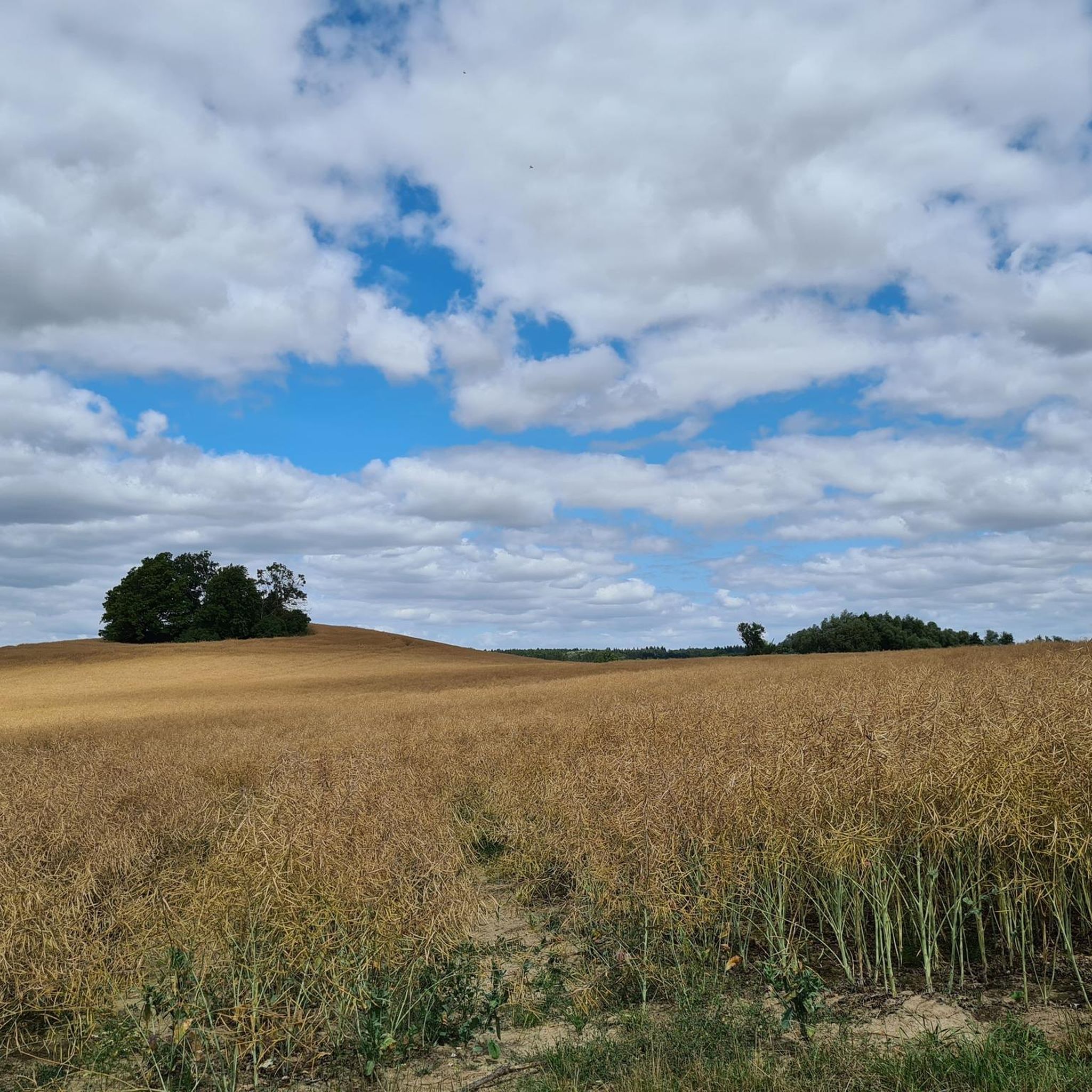
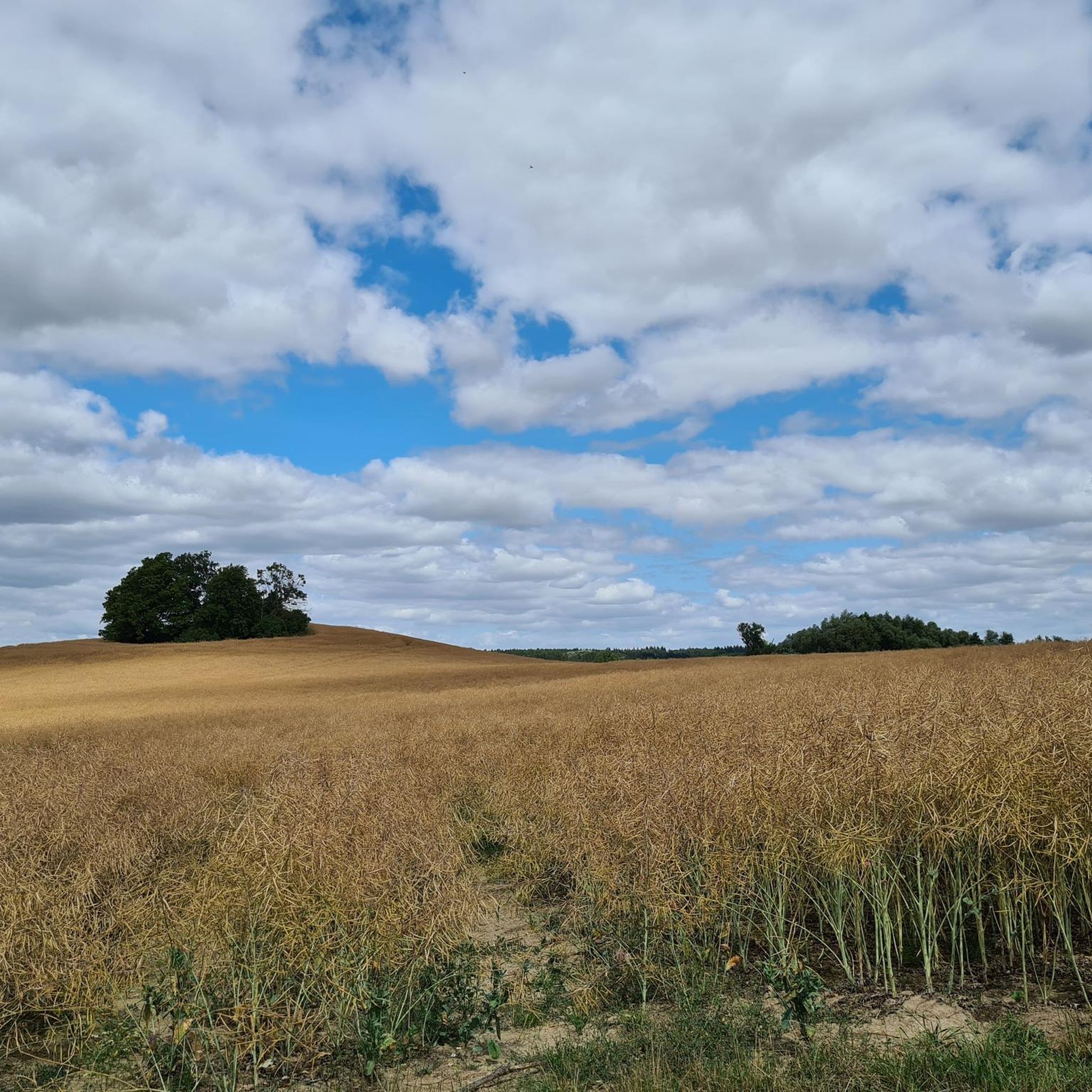
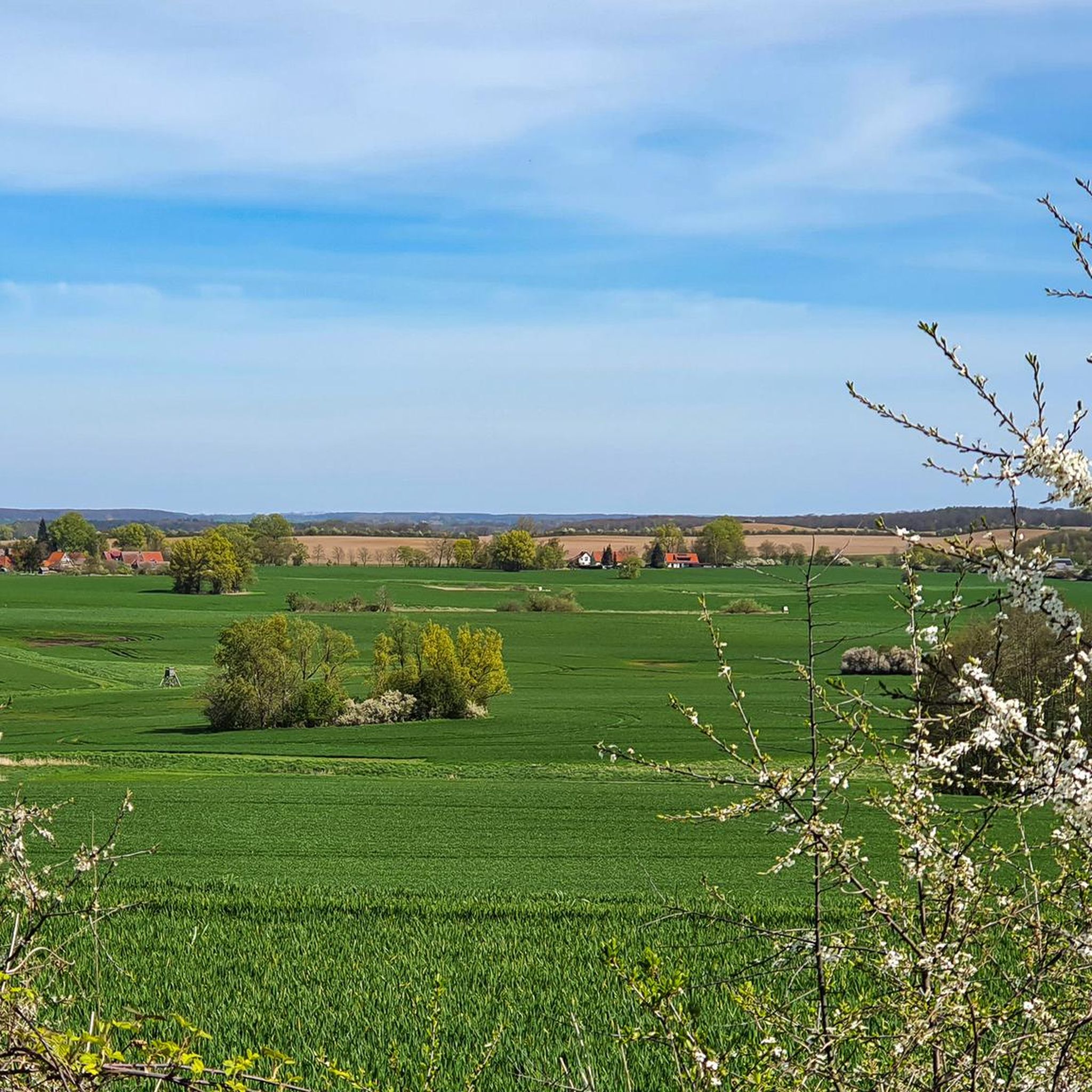
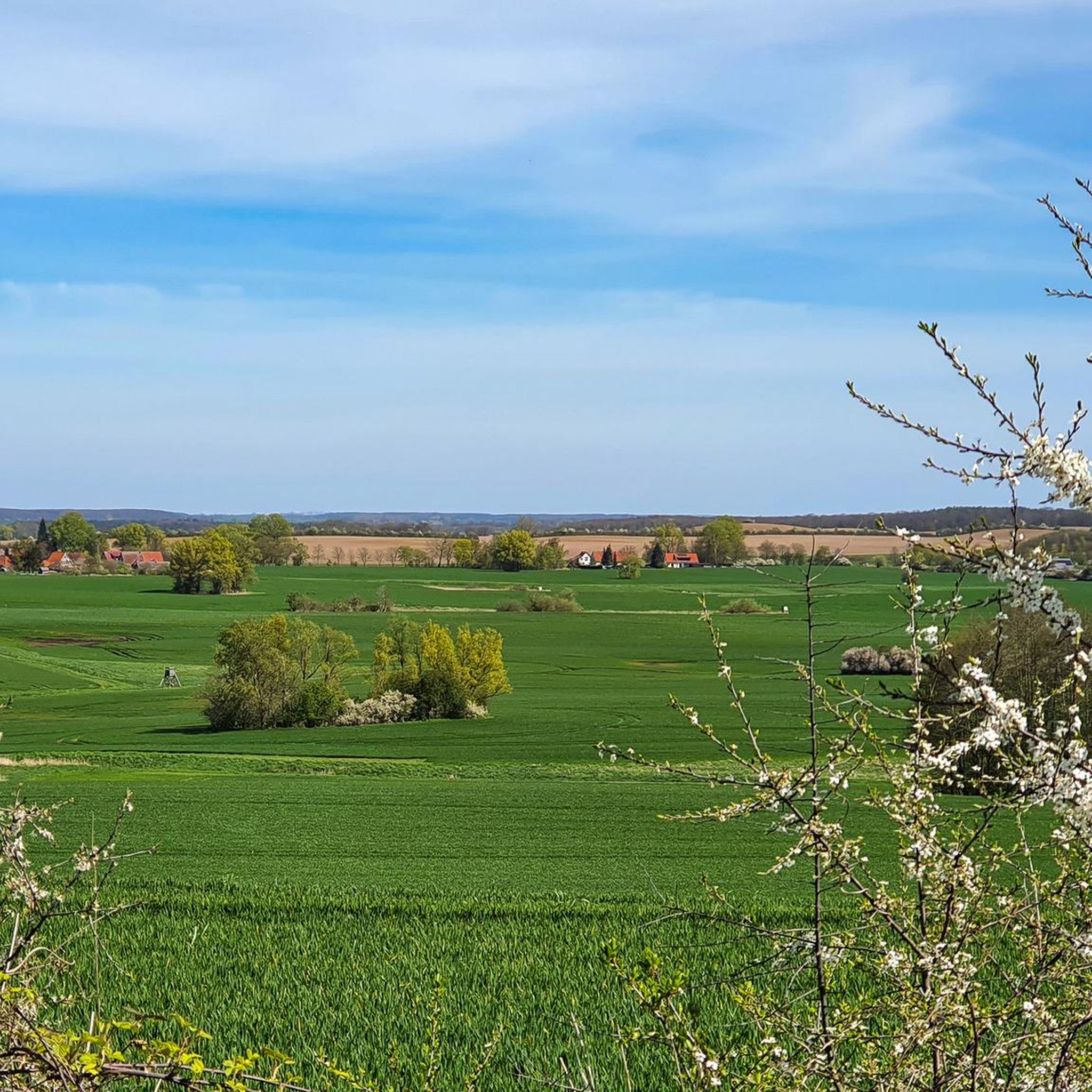
Tips from the Community

Moorlands are beautiful differently in every season.
0
0

2026 and still perfect ground. More than doable with a road bike - enjoyable (just not sprintable),
0
0


A fantastic moorland area, you don't know where to stop first.
0
0

Frequently Asked Questions
What are the most significant natural monuments to visit near Möllenhagen?
The most significant natural monument is the expansive Müritz National Park, which includes the Käflingsberg Observation Tower offering panoramic views, and the unique Specker See Moorland. Further afield, but also highly notable, are the ancient Ivenacker Eichen (Ivenack Oaks), recognized as Germany's first National Natural Monument.
What makes the Müritz National Park a special natural monument?
The Müritz National Park is Germany's largest terrestrial national park, characterized by a landscape shaped by the last ice age. It features over 130 lakes, extensive moors, and ancient forests, including a UNESCO World Heritage Site. It's a haven for diverse wildlife, such as red deer, cranes, white-tailed eagles, and ospreys.
Are there any UNESCO World Heritage Sites among the natural monuments near Möllenhagen?
Yes, the Serrahn Beech Forests, located within the eastern part of the Müritz National Park, are a designated UNESCO World Heritage Site. These ancient forests showcase primeval European woodlands with beech trees over 200 years old.
What kind of wildlife can I expect to see in the Müritz National Park?
The Müritz National Park is renowned for its diverse wildlife. Visitors can often spot endangered species like red deer, cranes, white-tailed eagles, and ospreys. Birdwatching is particularly popular, especially for cranes in autumn and various raptors throughout the year. Observation towers are available for better viewing opportunities.
When is the best time to visit the natural monuments near Möllenhagen?
The best time to visit depends on your interests. Spring and summer are ideal for hiking, cycling, and enjoying the lush greenery and blooming flora. Autumn is spectacular for observing the crane migration in the Müritz National Park and enjoying the vibrant fall foliage. Winter offers a quiet, serene experience, though some facilities might have reduced hours.
Are the natural monuments around Möllenhagen suitable for families?
Yes, many areas are family-friendly. The Forest trails in Müritz National Park offer easy-to-navigate paths suitable for various activities. The Müritz National Park bike trail is also well-suited for families, featuring rest areas. The Ivenacker Eichen also has a wildlife enclosure and an accessible treetop trail.
What outdoor activities can I do near these natural monuments?
The region offers extensive opportunities for outdoor activities. You can explore over 600 kilometers of marked hiking and cycling trails within the Müritz National Park. Canoeing on the many lakes is also permitted. For more structured routes, consider the numerous cycling routes, road cycling routes, and MTB trails available around Möllenhagen.
Are there specific trails for cycling within the Müritz National Park?
Absolutely. The Müritz National Park bike trail is a popular choice, offering wonderful, well-maintained paths for relaxed exploration. It's part of the larger network of cycle paths that allow you to experience the park's natural environment, complete with rest areas.
What do visitors enjoy most about the natural monuments around Möllenhagen?
Visitors frequently praise the unspoiled nature and the tranquility of the region. The well-developed hiking and cycling paths, the opportunity to observe diverse wildlife, and the breathtaking views from spots like the Käflingsberg Observation Tower are often highlighted. The unique natural landscape provides a great recreational effect.
Is there an observation tower to get a panoramic view of the area?
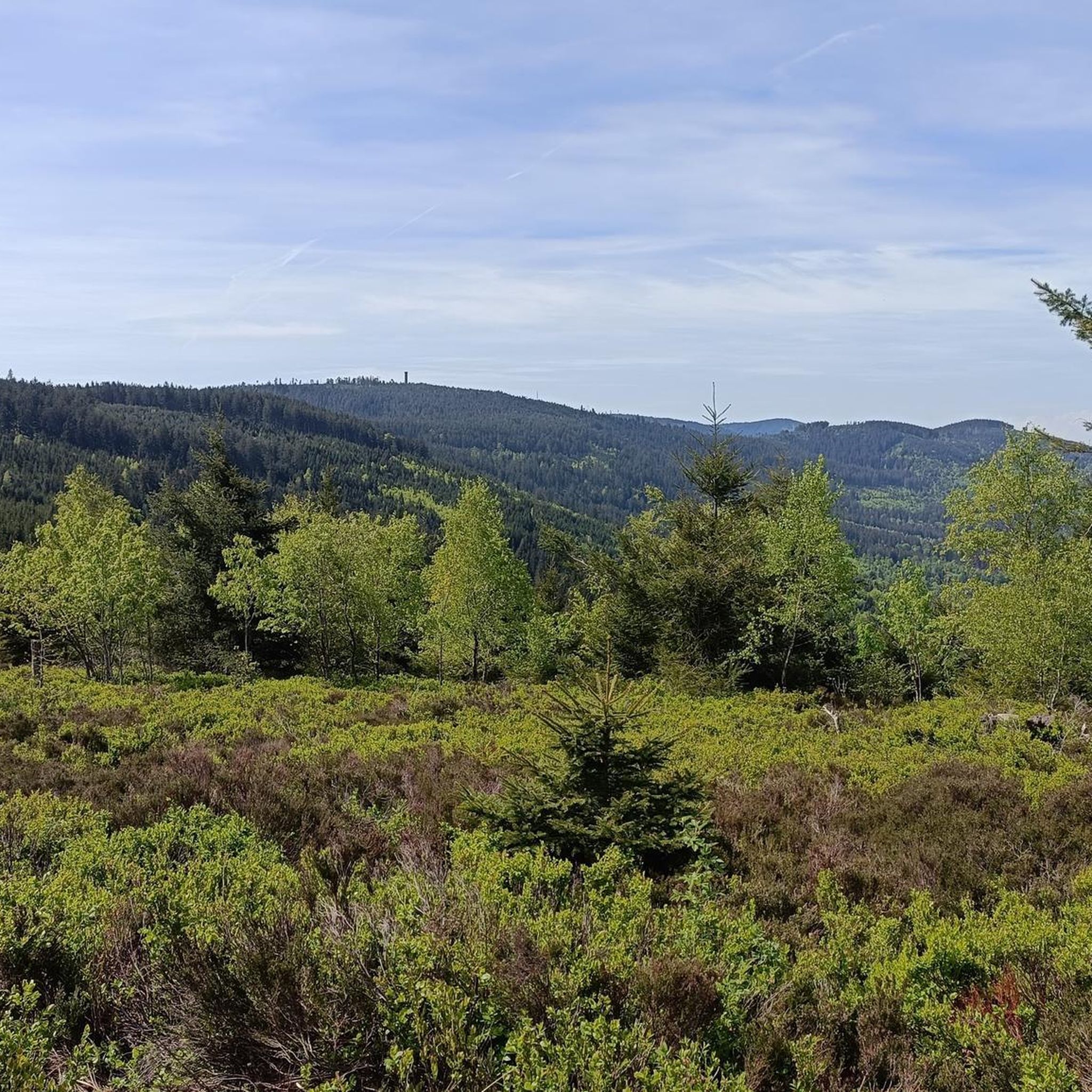
Yes, the Käflingsberg Observation Tower is a prominent feature. Located on the Käflingsberg, the highest elevation in the area at 100 meters, its viewing platform offers a fantastic panoramic view over the Müritz National Park, including the Müritz lake and many smaller lakes. On clear days, you can see as far as Waren, Neustrelitz, and Neubrandenburg.
Can I explore ancient forests near Möllenhagen?
Yes, the Serrahn Beech Forests within the Müritz National Park are an excellent example of ancient woodlands. These UNESCO World Heritage Site forests feature old and original beech trees, some over 200 years old, and can be explored via hiking and cycling trails, such as the forest adventure trail between Zinow and Serrahn.
Are there any unique wetland areas to visit?
Yes, the Specker See Moorland is a unique and important biotope within the Müritz National Park. This area, once drained, has been restored to a typical moor landscape, offering a fascinating glimpse into this specific ecosystem from the bike path.
Most popular routes around Möllenhagen
Most popular attractions around Möllenhagen

Get inspired with the komoot mobile app


Explore more
Extend your search for the best caves by checking out these guides of the top ones around Möllenhagen:
