Top 20 Natural Monuments around Gipperath
Best natural monuments around Gipperath are located within the Volcanic Eifel region of Germany, an area known for its distinctive geological features. The landscape is shaped by ancient volcanic activity, resulting in unique formations such as maars, gorges, and river valleys. This region provides access to a variety of natural attractions, making it a notable destination for exploring the Eifel's natural heritage.
Best natural monuments around Gipperath
- The most popular natural monuments is Windsborn Crater summit, a viewpoint that…
Last updated: August 18, 2026
Windsborn Crater summit
Highlight • Viewpoint
Translated by Google •
Tip by

Wolfsschlucht (Vulkaneifel)
Highlight • Gorge
Translated by Google •
Tip by

Sign up now to discover places like this
Get recommendations on the best single tracks, peaks, & plenty of other exciting outdoor places.
Sign up for free
Whirlpools of the Kleine Kyll
Highlight • Natural Monument
Translated by Google •
Tip by

Lieser Valley
Highlight (Segment) • Gorge
It is only a stream that flows into the Moselle at the place Lieser but it meanders through fantastic nature! A highlight!
Translated by Google •
Tip by

Pulvermaar
Highlight • Lake
Showing Translation
Tip by

Sign up for free to discover even more natural monuments around Gipperath.
Sign up for free
Already have an account?
Start today with a free account
Your next adventure awaits.
Login or Signup
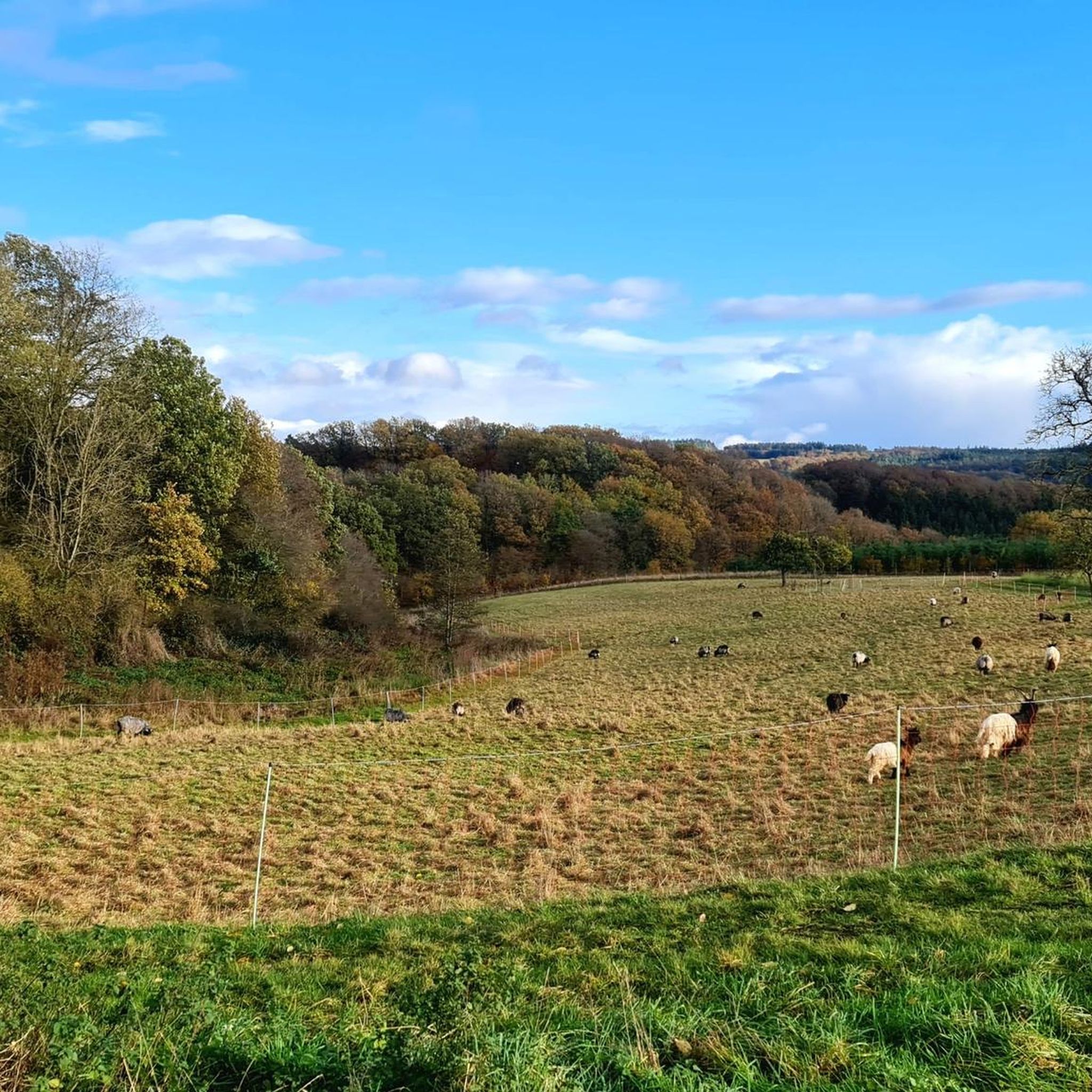
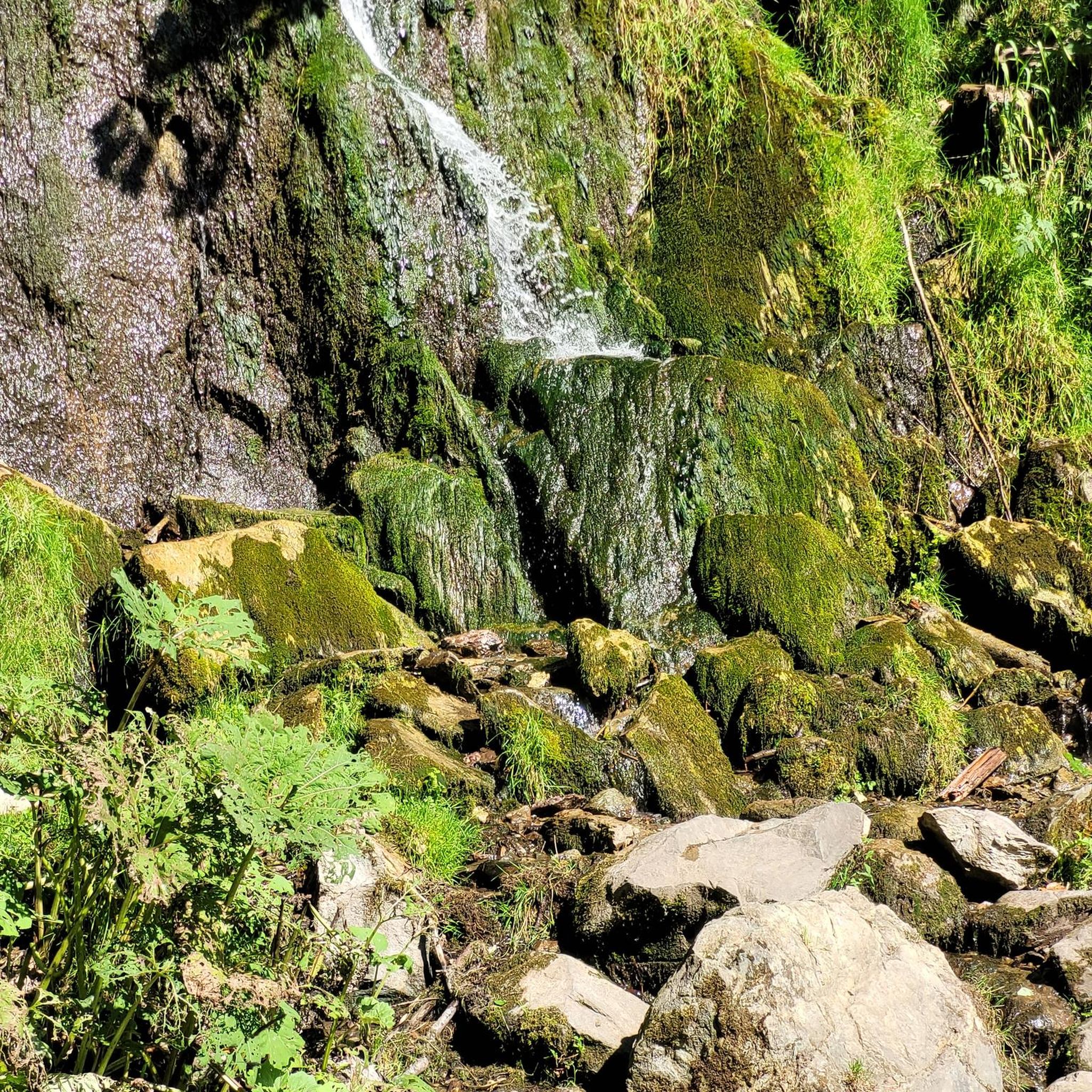
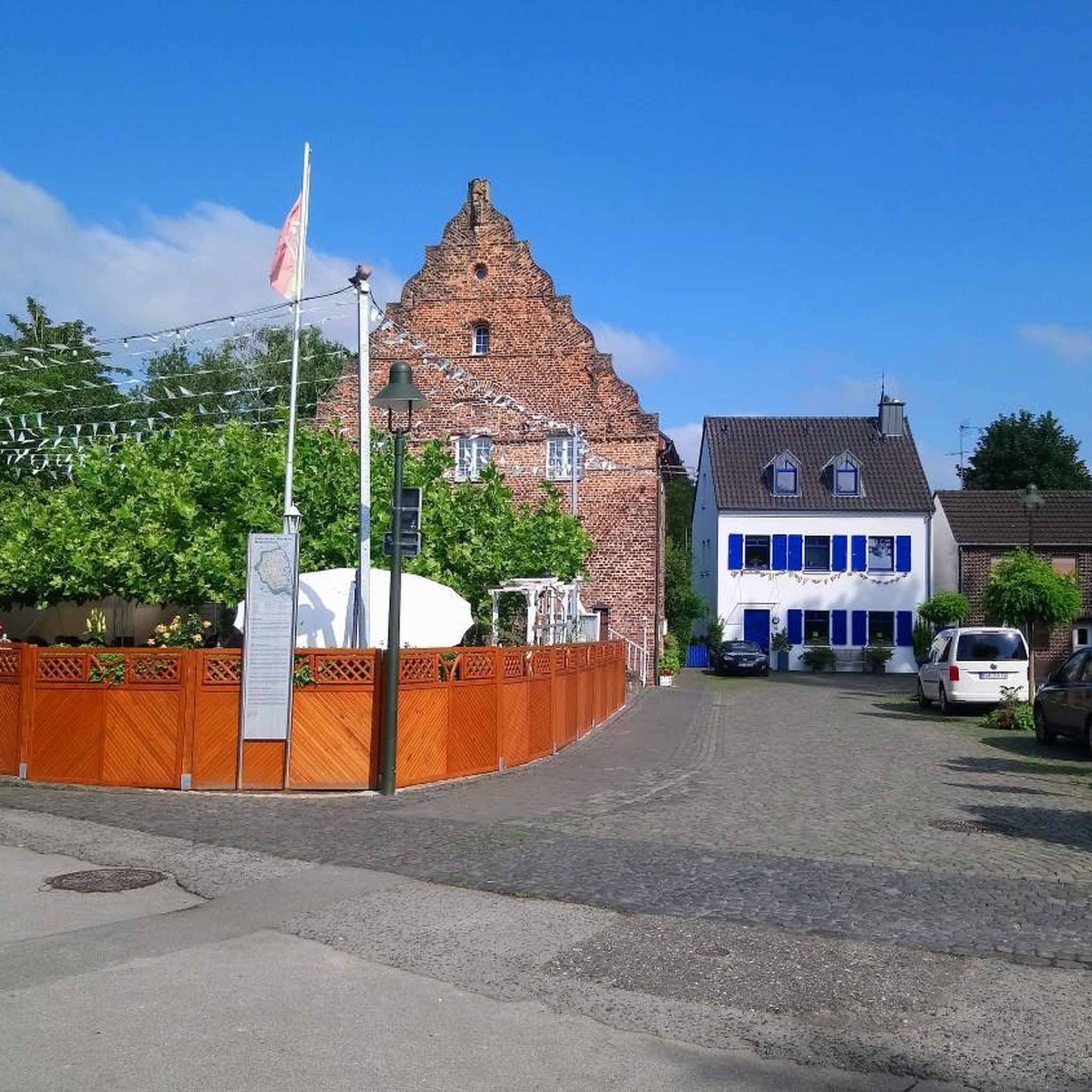
Tips from the Community

As beautiful as the Wolfsschlucht is, you should always be careful when hiking through it. If it has rained, the rocky path can be very slippery. Sturdy, well-profiled shoes are therefore strongly recommended.
4
0

Very interesting hiking trail, recommended
3
0

Great view from up here and an ideal place for a break
4
0

The Wolfsschlucht with its basalt columns can be crossed via, among other things, the Kleine Kyll mindfulness path. A beautiful, narrow path leads up the gorge, you have to wear proper shoes, the rocky path is wet and slippery. Going up is - at least for my taste - more comfortable than going down. At one point there is a wooden railing and steps help up the mountain. The gorge is incredibly beautiful and mystical. The moss-covered boulders create a very interesting atmosphere.
4
0
The Wolfsschlucht with its basalt columns can be crossed via, among other things, the Kleine Kyll mindfulness path. A beautiful, narrow path leads up the gorge, you have to wear proper shoes, the rocky path is wet and slippery. Going up is - at least for my taste - more comfortable than going down. At one point there is a wooden railing and steps help up the mountain. The gorge is incredibly beautiful and mystical. The moss-covered boulders create a very interesting atmosphere.
7
2

You feel like you're in another world here. It just looks beautiful. This is an absolute place of power!
3
0

The stony paths are great... good shoes to recommend
2
0

The Pulvermaar in the Vulkaneifel southeast of Daun is a water-filled maar whose almost circular lake is, despite its small area of around 38.48 hectares, one of the deepest in Germany at 72 meters. Like the smaller Holzmaar, it is part of the Gillenfelder Maaren. Beautiful hiking trails and nature.
4
1
Frequently Asked Questions
What unique geological features can I explore near Gipperath?
The area around Gipperath, located in the Volcanic Eifel, is renowned for its distinctive geological formations. You can explore the iconic Eifel maars, which are circular lakes formed by ancient volcanic eruptions. Notable examples include the deep Pulvermaar, the tranquil Meerfelder Maar, and the geologically significant Ulmener Maar. Additionally, you'll find unique river formations like the Whirlpools of the Kleine Kyll, where water has carved out fascinating strudel pots in ancient lava.
Are there good hiking opportunities around the natural monuments near Gipperath?
Yes, the region offers extensive hiking opportunities. The Lieser Valley, for instance, provides beautiful trails along the Lieser river. For more challenging routes, you can explore the mountain hikes around Gipperath, which include paths through gorges like the Wolfsschlucht. Many trails offer views of the maars and volcanic landscapes.
What are some of the most impressive viewpoints among the natural monuments?
One of the most impressive viewpoints is the Windsborn Crater summit, which offers a unique perspective on one of the few volcanic crater lakes north of the Alps. From here, you can look down into the almost circular lake surrounded by a 20-30 meter high rampart. The area around Pulvermaar also provides scenic views of the deepest maar in the Eifel.
Are there family-friendly natural monuments or trails near Gipperath?
Absolutely. The circular route around Pulvermaar is approximately 2.5 kilometers and is easy to manage with children, even in midsummer due to its wooded paths. The Whirlpools of the Kleine Kyll also offer an exciting and family-friendly exploration, where children can enjoy discovering the unique rock formations carved by the river.
What kind of cycling routes are available near Gipperath's natural monuments?
The region is excellent for cycling, particularly gravel biking. You can find various routes that pass by natural monuments and scenic landscapes. For example, there are routes that incorporate the Pulvermaar or offer views of the Meerfelder Maar. You can explore options like the gravel biking routes around Gipperath, which include longer tours like the Lieser Cycle Path.
What is the best time of year to visit the natural monuments in the Volcanic Eifel?
The Volcanic Eifel is beautiful year-round, but spring and autumn are particularly recommended for exploring the natural monuments. In spring, the landscape bursts with fresh greenery and blooming flora. Autumn offers vibrant foliage and comfortable hiking temperatures. Summer is also popular, especially for activities like swimming in the maars, but trails can be more crowded. Winter provides a serene, often snowy, landscape for those seeking tranquility.
Are there any natural monuments that are less crowded or 'hidden gems'?
While many maars are popular, the Wolfsschlucht (Vulkaneifel) offers a mystical and often less crowded experience. This gorge, with its moss-covered rocks and basalt columns, provides a unique atmosphere. The Meerfelder Maar, while significant, can also offer a more tranquil and idyllic setting compared to some of the more frequented maars, as only a portion of its large crater is water-filled.
What should I wear when hiking to the natural monuments?
When hiking to the natural monuments, especially in areas like the Wolfsschlucht or along river paths, sturdy, well-profiled hiking shoes are strongly recommended. Paths can be rocky, wet, and slippery, particularly after rain. Layered clothing is advisable to adapt to changing weather conditions, and waterproof outerwear is always a good idea in the Eifel region.
Can I bring my dog to the natural monuments and on hiking trails?
Many natural monuments and hiking trails in the Volcanic Eifel are dog-friendly, allowing you to explore with your canine companion. However, it's always best to keep your dog on a leash, especially in nature reserves or areas with wildlife. Always carry waste bags and ensure your dog doesn't disturb the local flora and fauna. Specific rules might apply in certain protected areas, so check local signage.
Where can I find information about the geological history of the Eifel maars?
The Eifel maars are a direct result of the region's explosive volcanic past. You can learn more about their formation, where rising magma met water-bearing rock layers causing massive explosions, through local information centers or by visiting sites like the Eckfelder Maar, which is an important archaeological site revealing ancient geological history. For further reading, the RLP Tourismus website provides insights into the 'Secrets of the Eifel Maars' at rlp-tourismus.com.
Are there any running trails near the natural monuments around Gipperath?
Yes, the diverse landscape around Gipperath also offers various running trails. You can find routes that take you through forests and along rivers, providing scenic backdrops for your run. For example, there are running trails around Gipperath that range from moderate to more challenging, allowing you to enjoy the natural beauty while exercising.
What amenities like cafes or pubs are available near the natural monuments?
While Gipperath itself is a smaller municipality, nearby towns like Manderscheid, Daun, and Wittlich offer a range of cafes, restaurants, and pubs where you can refresh after exploring the natural monuments. Some popular maars, like Pulvermaar, also have facilities like bathing stations that offer refreshing drinks and snacks during the summer season.
Most popular routes around Gipperath
Most popular attractions around Gipperath

Get inspired with the komoot mobile app


Explore more
Extend your search for the best caves by checking out these guides of the top ones around Gipperath:
