Top 20 Natural Monuments around Nack
Best natural monuments around Nack showcase a landscape characterized by vineyards, heathlands, and significant geological formations. The region features diverse natural areas, including the Siefersheimer Horn and Neu-Bamberger Heide nature reserves. These sites offer panoramic views and insights into the area's natural and historical development. The landscape provides opportunities to explore unique rock formations and expansive vistas.
Best natural monuments around Nack
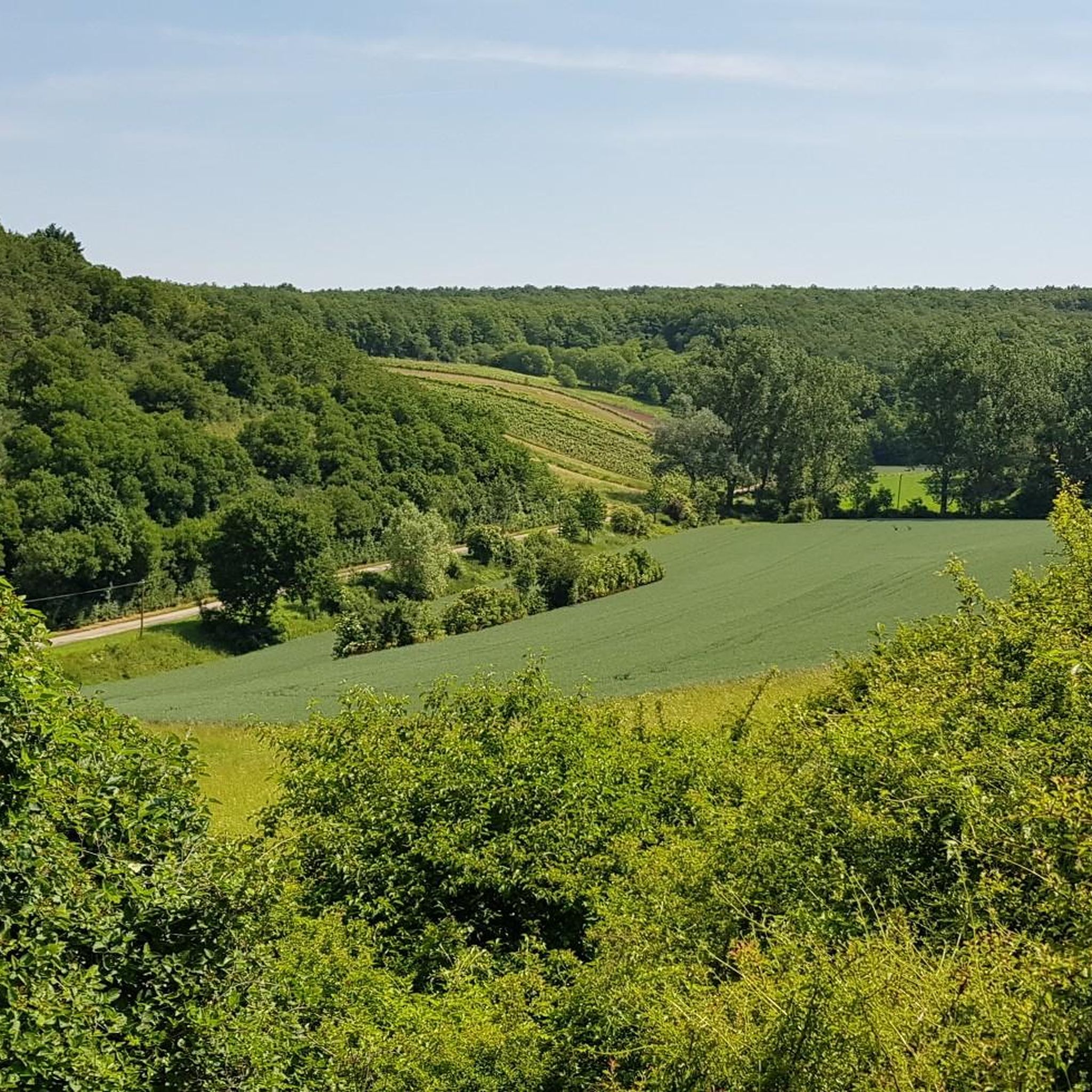
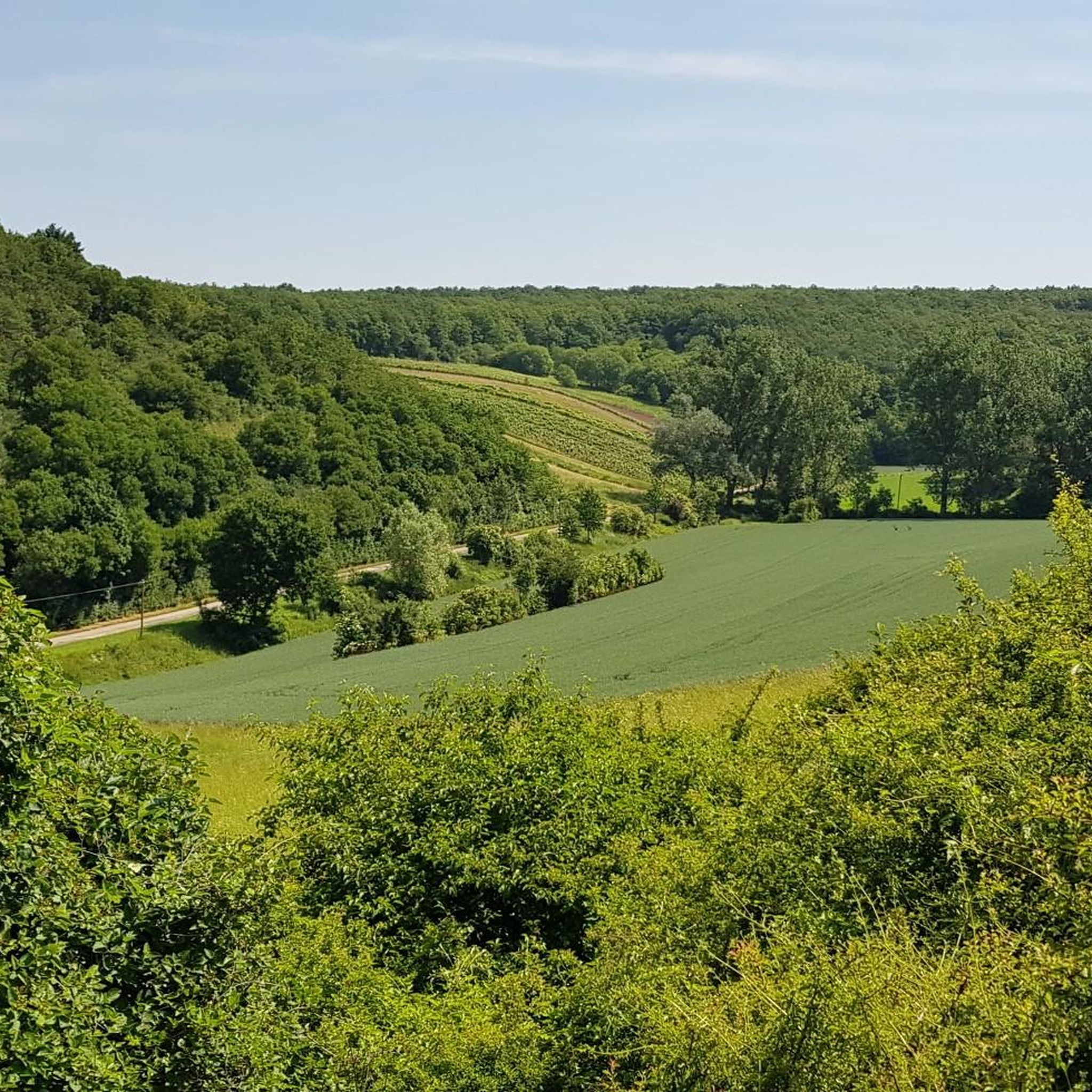
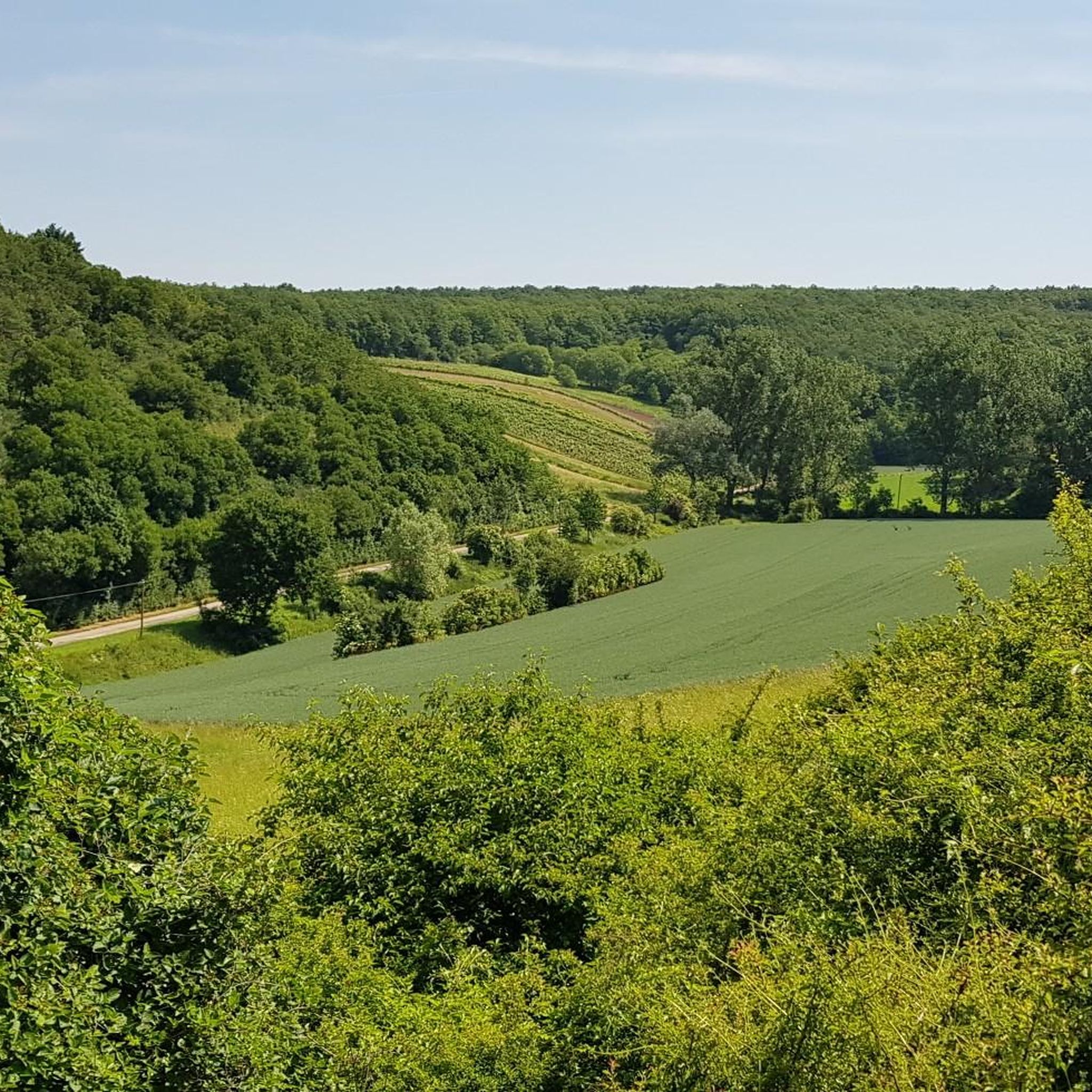
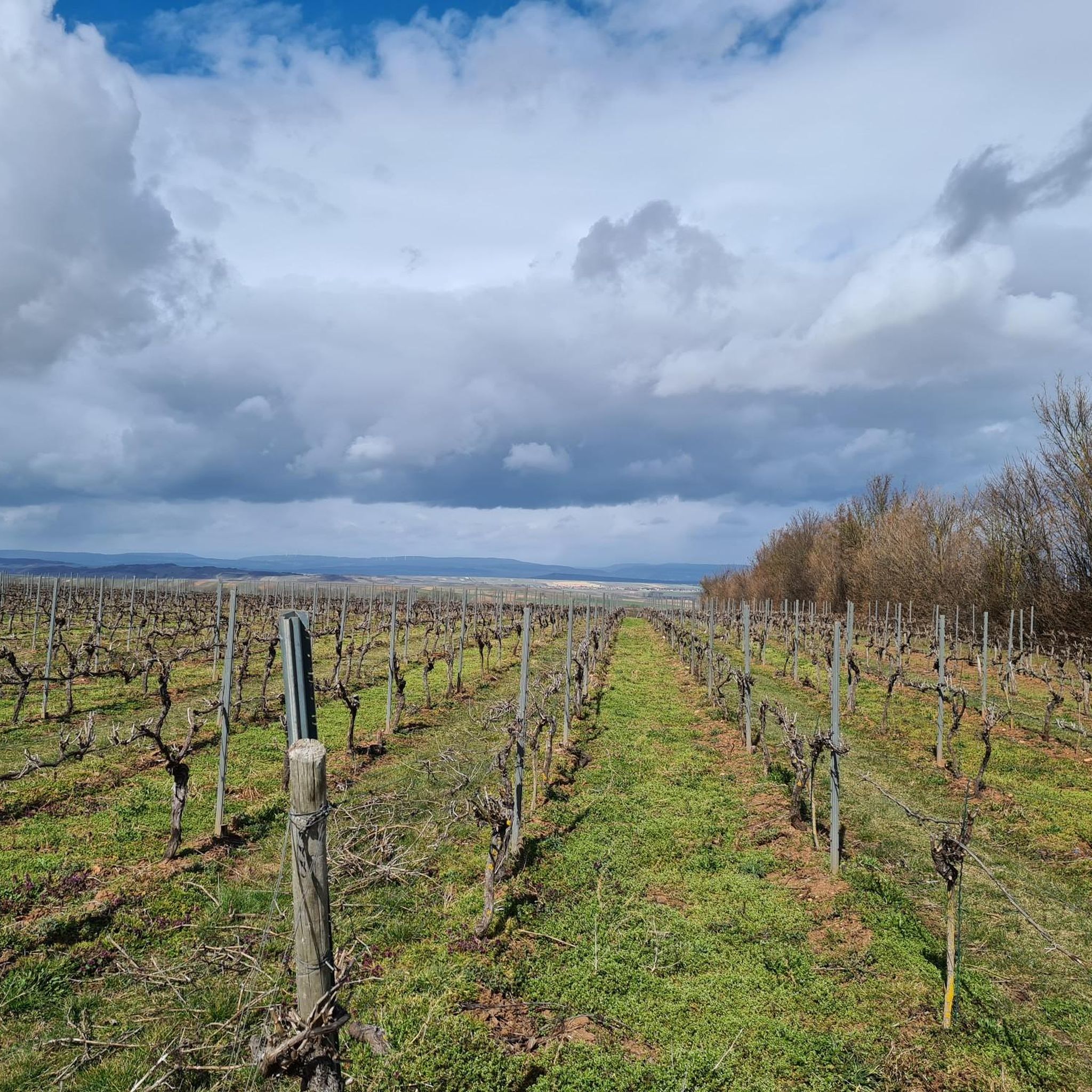
- The most popular natural monuments is View of Rheinhessen Vineyards, a viewpoint that offers an exceptional panoramic view over the Rheinhessen region. This spot is known for its "Rheinhessen's most beautiful wine view" and provides vistas stretching from the Soonwald to the Odenwald and Palatinate Forest.
- Another must-see spot is Eagle Monument on the Mühlberg, a man-made monument with historical significance. Visitors can expect an imposing structure made of porphyry blocks, offering a great view over the Neu-Bamberger Heide nature reserve.
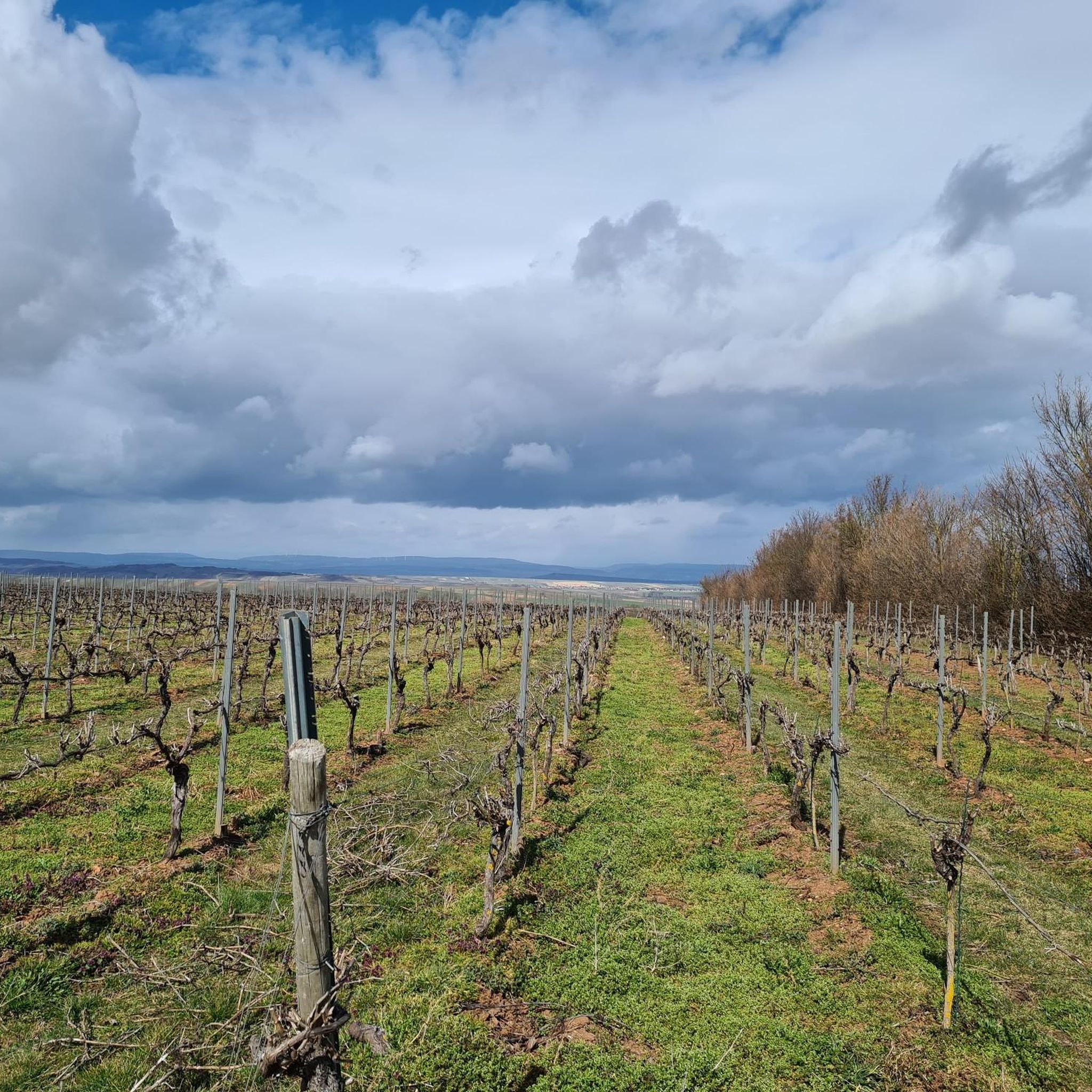
- Visitors also love Panorama Bench at Siefersheimer Horn, a viewpoint located within a vineyard. This bench provides a very nice view and is part of an educational and varied circuit.
- Nack is known for its vineyards, heathlands, and historical geological sites. The region offers a variety of natural monuments to see and explore, from ancient quarries to expansive nature reserves.
- The natural monuments around Nack are appreciated by the komoot community, with more than 570 upvotes and 170 photos shared by visitors.
Last updated: June 24, 2026
Panorama Bench at Siefersheimer Horn
Highlight • Viewpoint
Translated by Google •
Tip by

Hauck's Quarries
Highlight • Structure
The stonemason trade reached its peak in the 17th and 18th centuries. You can still admire this today in the magnificent baroque inns and town houses with their unique door portals. The evangelical market church and the bear pharmacy bear witness to a second boom in the sandstone industry around the turn of the century (1900). Flonheim sandstone was also used in the construction of Cologne Cathedral in the 19th century.
Translated by Google •
Tip by

Sign up now to discover places like this
Get recommendations on the best single tracks, peaks, & plenty of other exciting outdoor places.
Sign up for free
Eagle Monument on the Mühlberg
Highlight • Monument
On the pillar the admonition: "To honor the fallen, to teach the living".
This conflict was the birth of the German Empire, which was symbolically proclaimed in 1871 in the Hall of Mirrors at Versailles. With the founding of the empire, the old dream of a unified nation state came true for many; it permanently changed the balance of power on the European continent.
Translated by Google •
Tip by

View of Rheinhessen Vineyards
Highlight • Viewpoint
Translated by Google •
Tip by
Heathland at the Siefersheimer Horn
Highlight • Natural
Translated by Google •
Tip by

Sign up for free to discover even more natural monuments around Nack.
Sign up for free
Already have an account?
Start today with a free account
Your next adventure awaits.
Login or Signup
Tips from the Community

Don't forget sunscreen before going to sleep 🦀 🦀 🦀
1
0
Nature is taking back bit by bit!
1
0


Very beautiful heathland... you feel like you are on the Lüneburg Heath
1
0

Winzeralm on the Siefersheimer Horn with the most beautiful wine view in Rheinhessen (2016).
5
0
The scent of heather and pine trees is not only found in the Lüneburg Heath, but also in Rheinhessen. Directly southeast of Neu-Bamberg in Rhenish-Hessian Switzerland is the small nature reserve Neu-Bamberger Heide, which, together with the neighboring nature reserve Siefersheimer Horn, is home to several thousand heather shrubs and rare plants such as the service pear. The landscape is characterized by aridity, barrenness, rock and bizarre woodland.
5
0
The Hauck'sche quarry is one of 16 sandstone quarries in the Flonheim area. The emergence of the Flonheim sandstone goes back to the time of the "Rotliegend" approx. 290 million years ago. The light yellow color, partly interspersed with dark brown and black iron rinds (limonite), gives the Flonheim sandstone its unique appearance. The Flonheim sandstone was already quarried by the Romans and probably used for country houses, temples and tombstones. Excavations at the former Roman fort in Alzey bear witness to this. Over the centuries, the sandstone was used for numerous buildings in Flonheim, e.g. for the former Augustinian monastery, the defensive wall and the historic town hall. However, the Flonheimer sandstone was not only a popular building material in Flonheim, but throughout the entire region. The stonemason trade reached its peak in the 17th and 18th centuries. You can still admire this today in the magnificent baroque inns and town houses with their unique door portals. The evangelical market church and the bear pharmacy bear witness to a second boom in the sandstone industry around the turn of the century (1900). Flonheim sandstone was also used in the construction of Cologne Cathedral in the 19th century.
5
0

Very nice vineyard lounger. Today, with a stiff breeze and rain, it wasn't occupied either.
2
0
Frequently Asked Questions
What are some of the most highly-rated natural monuments to visit around Nack?
Visitors particularly enjoy the View of Rheinhessen Vineyards, which offers an exceptional panoramic view and was awarded "Rheinhessen's most beautiful wine view." The Eagle Monument on the Mühlberg is also very popular for its historical significance and great views over the Neu-Bamberger Heide nature reserve. Another favorite is the Panorama Bench at Siefersheimer Horn, known for its beautiful vineyard views.
What unique geological features can I explore in the natural monuments around Nack?
The region offers fascinating geological insights, especially at Hauck's Quarries. These ancient sandstone quarries date back approximately 290 million years to the "Rotliegend" period, showcasing unique light yellow sandstone with dark brown and black iron rinds. The quarries provide an impressive testimony to the area's geological past and its use by Romans and later for significant buildings.
Are there any natural monuments around Nack that offer historical insights?
Yes, the Eagle Monument on the Mühlberg is a significant historical site. Built in 1914, this imposing monument made of porphyry blocks commemorates the fallen of the Franco-Prussian War of 1870/71 and offers insights into the birth of the German Empire. Additionally, Hauck's Quarries reveal the historical use of Flonheim sandstone, quarried since Roman times for various constructions, including parts of Cologne Cathedral.
Are there hiking opportunities around the natural monuments in Nack?
Absolutely. The natural monuments around Nack are well-integrated into the region's hiking network. For example, the Panorama Bench at Siefersheimer Horn is part of an educational and varied circuit. You can find numerous hiking routes, including easy to moderate trails like the "View of Rheinhessische Schweiz – Hollahaus loop" or the "Dreigemeindewald – View of Nieder-Wiesen loop." Explore more options on the Hiking around Nack guide page.
Can I find cycling routes near the natural monuments in Nack?
Yes, the Nack region is excellent for cycling, with routes passing by many natural monuments. You can find various cycling tours, from easy to difficult, such as the "New Cycle Path to Eckelsheim – Beller Kirche Ruins loop" or the "Appelbach Cycle Path section." For road cyclists, options like the "Tiefenthaler Höfchen – Beller Kirche Ruins loop" are available. Discover more routes on the Cycling around Nack and Road Cycling Routes around Nack guide pages.
Which natural monuments around Nack are suitable for families?
Several natural monuments in Nack are family-friendly. The Panorama Bench at Siefersheimer Horn and the View of Rheinhessen Vineyards offer pleasant, accessible viewpoints. The Eagle Monument on the Mühlberg also provides an engaging historical stop with great views. The Heathland at the Siefersheimer Horn is another great option for families to explore nature.
When is the best time of year to visit the natural monuments around Nack?
The Nack region, with its vineyards and heathlands, is beautiful throughout much of the year. Spring and autumn are particularly pleasant for hiking and cycling, as the weather is mild and the landscapes offer vibrant colors (blossoming in spring, rich hues in autumn). Summer is also great for enjoying the views, especially from spots like the Winzeralm, though it can be warmer. The heathlands are especially picturesque when in bloom.
Can I visit the natural monuments around Nack during winter?
While some services might be limited, many natural monuments around Nack remain accessible in winter. The views can be particularly striking with a dusting of snow, offering a different perspective of the vineyards and heathlands. It's advisable to check local weather conditions and trail accessibility before planning a winter visit, as some paths might be slippery or less maintained.
What kind of views can I expect from the natural monuments in Nack?
The natural monuments in Nack are renowned for their expansive views. From the View of Rheinhessen Vineyards, you can see across the Rheinhessen region, from the Soonwald to the Odenwald and Palatinate Forest. The Panorama Bench at Siefersheimer Horn offers a very nice view over the vineyards. The Eagle Monument on the Mühlberg provides a great vantage point over the Neu-Bamberger Heide nature reserve. These spots offer panoramic vistas of rolling hills, vineyards, and natural landscapes.
Are there places to rest or get refreshments near the natural monuments?
Yes, for instance, the View of Rheinhessen Vineyards is home to the Winzeralm, a resting place for hikers and cyclists. It offers an exceptional panoramic view and serves grape juice, wine, and small snacks on weekends in the summer. The Panorama Bench at Siefersheimer Horn also provides a comfortable spot to rest and enjoy the scenery.
What makes the heathlands around Nack special?
The heathlands, such as the Heathland at the Siefersheimer Horn and the Neu-Bamberger Heide nature reserve, are unique for their pristine character and biodiversity. They are home to several thousand heather shrubs and rare plants like the service pear. The landscape is characterized by aridity, barrenness, rock, and bizarre woodland, offering a distinct natural experience that is not commonly found in other regions.
Are there any circular walks that include natural monuments in Nack?
Yes, the Panorama Bench at Siefersheimer Horn is specifically mentioned as being part of an exceptionally beautiful educational and varied circuit. This allows visitors to enjoy the views and learn about the area's nature while completing a manageable loop.
Most popular attractions around Nack

Get inspired with the komoot mobile app


Explore more
Extend your search for the best caves by checking out these guides of the top ones around Nack:
