Top 20 Natural Monuments around Weinolsheim
Best natural monuments around Weinolsheim are found within the scenic Rheinhessen region, characterized by its unique geological history and diverse landscapes. The area features vineyards, river valleys, and historical sites that are recognized for their natural significance. These locations offer insights into the region's past and provide opportunities for outdoor exploration. The landscape surrounding Weinolsheim is rich with features of natural interest, often related to its geology and viticulture.
Best natural monuments around Weinolsheim
- The most popular natural monuments is…
Last updated: June 24, 2026
Landskron Castle Ruins
Highlight • Castle
Translated by Google •
Tip by

Oppenheim Krötenbrunnen
Highlight • Monument
The Oppenheim Toad …
Translated by Google •
Tip by

Sign up now to discover places like this
Get recommendations on the best single tracks, peaks, & plenty of other exciting outdoor places.
Sign up for free
Zornheim Ruhkreuz
Highlight • Viewpoint
Translated by Google •
Tip by

Restored Selz River Near Schafhausen
Highlight • River
Translated by Google •
Tip by

Swedish Column
Highlight • Monument
We are standing on historical ground: a military masterpiece for the time.
Last but not least, the course of the Rhine has also …
Translated by Google •
Tip by

Sign up for free to discover even more natural monuments around Weinolsheim.
Sign up for free
Already have an account?
Start today with a free account
Your next adventure awaits.
Login or Signup

Tips from the Community

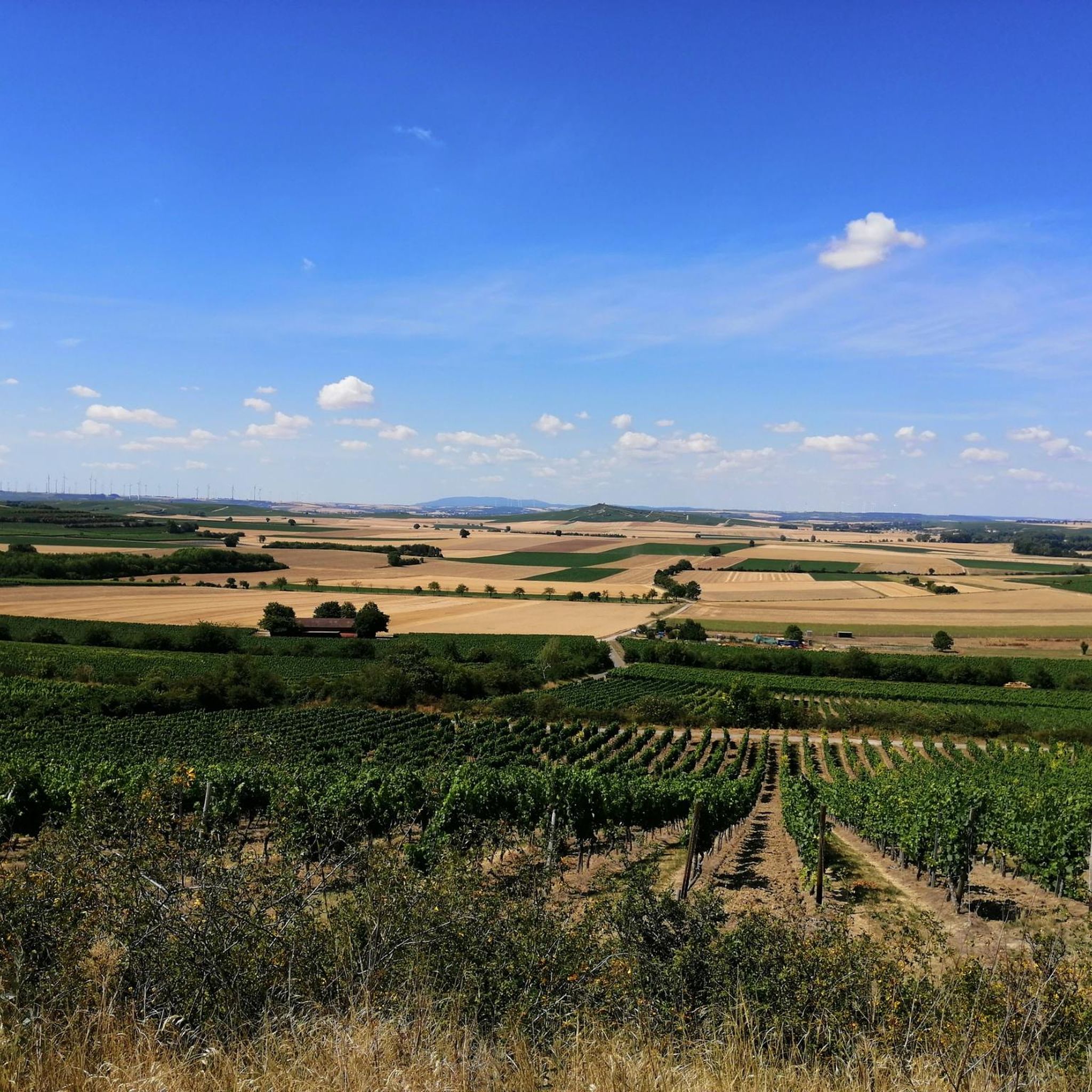
beautiful natural landscape ;-)
0
0

The renaturalized Selz River near Schafhausen is a prime example of successful nature conservation in Rheinhessen. This section of the Selz River south of Alzey-Schafhausen has undergone extensive ecological enhancement in recent years – and you'll notice this immediately when you walk along it.
1
0

Really wonderful renaturation. There are lots of places to sit and watch waterfowl.
1
0

The Swedish Column is a monument in the Kühkopf-Knoblochsaue nature reserve in Hesse. It commemorates the crossing of the Rhine by the Swedish King Gustav Adolf and his troops during the Thirty Years' War at Hahnensand near Erfelden on December 21, 1631. The twelve-meter-high column was erected in 1632 on the orders of Gustav Adolf by the fortress builder Matthäus Staud. Ludwig Bechstein describes it in his German Book of Legends, published in 1853, as "a tall column resting on four balls that support the pedestal, in the shape of an obelisk. On top it bore the seated Swedish heraldic lion with a helmeted and crowned head, holding a sword and orb in its front paws." This is how the column still appears today. The lion is looking in the direction in which the crossing took place, the battlefield and the Swedish cemetery. However, the Swedish Column is no longer in its original location. It was built in the 18th century due to the threat of erosion
11
0
The Swedish Column is a monument in the Kühkopf-Knoblochsaue nature reserve in Hesse. It commemorates the crossing of the Rhine by the Swedish King Gustav Adolf and his troops during the Thirty Years' War at Hahnensand near Erfelden on December 21, 1631. The twelve-meter-high column was erected in 1632 on the orders of Gustav Adolf by the fortress builder Matthäus Staud. Ludwig Bechstein describes it in his German Book of Legends, published in 1853, as "a tall column resting on four balls that support the pedestal, in the shape of an obelisk. On top it bore the seated Swedish heraldic lion with a helmeted and crowned head, holding a sword and orb in its front paws." This is how the column still appears today. The lion is looking in the direction in which the crossing took place, the battlefield and the Swedish cemetery. However, the Swedish Column is no longer in its original location. It was moved inland in the 18th century because of the threat of erosion. Bechstein also reports that the Swedish king and four companions sailed down the Rhine in a small boat and spotted Spanish units entrenched near Oppenheim on the left bank of the Rhine. In any case, the Spaniards had taken up positions on the Kühkopf peninsula, which was then on the left bank of the Rhine, to protect Oppenheim as a military outpost. In order to cross the river with his troops from the right bank of the Rhine, Gustav Adolf had the barn doors of the local farmers pried open and mounted on the few boats available. In this way, his troops, several thousand infantry men, as well as cavalry and artillery of unknown strength, crossed to the other bank. The crossing of the Rhine, which was then around 300 m wide, took place in two places. The Swedes managed to take Oppenheim by storm. This crossing of the Rhine is considered one of the outstanding military achievements of the Thirty Years' War. One immediate consequence was that Mainz fell into the hands of the Swedes. For this reason, another monument was erected. After the Second World War, when people were considering what motif the new windows of the Protestant church in Stockstadt am Rhein should have (the old windows were destroyed in a bombing raid), one of the motifs chosen was Gustav II Adolf, because he was welcomed in Stockstadt as a liberator and savior.
12
1

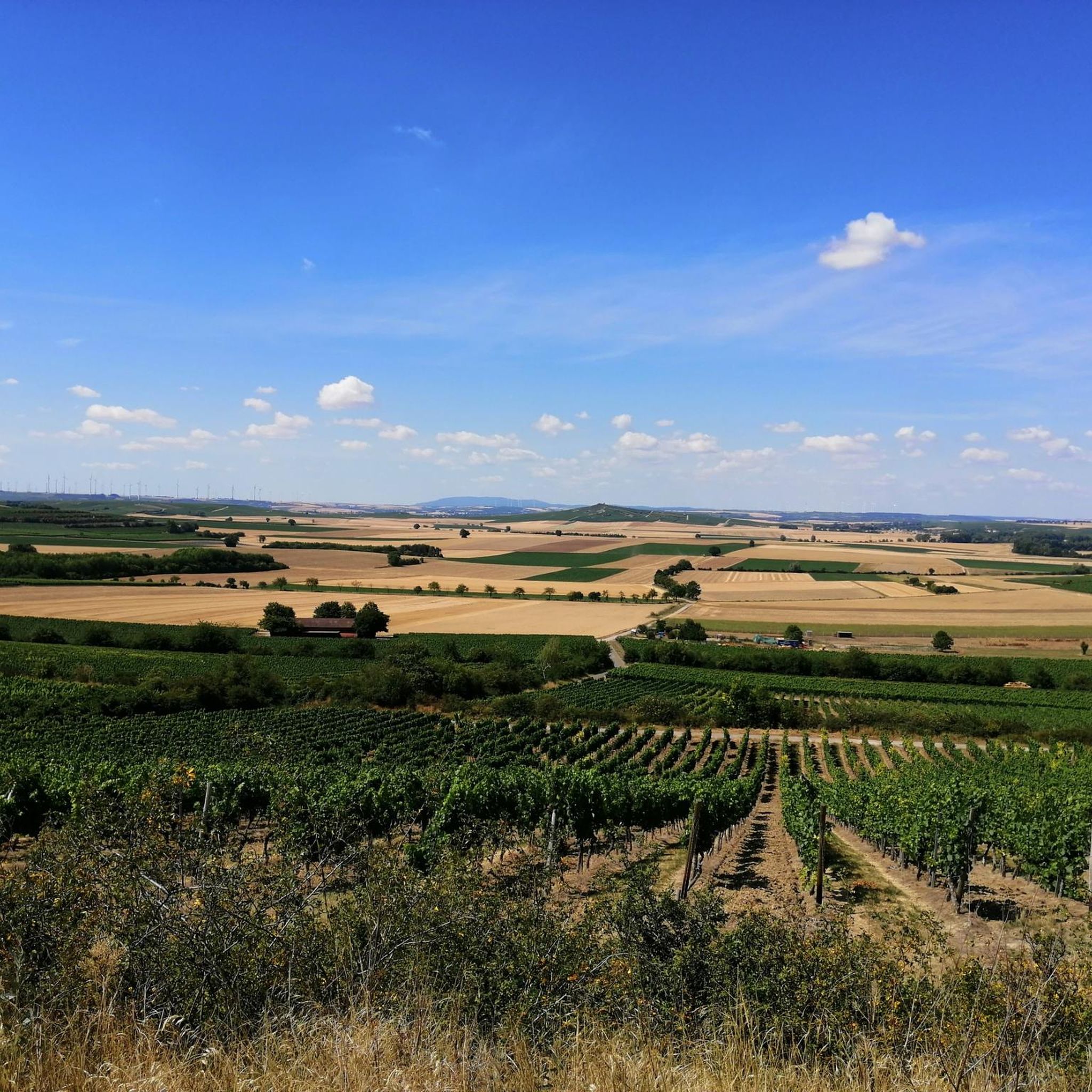
Zornheim is the perfect detour if you want to escape the hustle and bustle of Mainz. Right at the beginning of the Hiwweltour Zornheimer Berg, the Ruhkreuz awaits with a real surprise. The Frankfurt skyline is very visible on a clear day and shows how close Rheinhessen is to the Rhein-Main area. If you prefer not to see any skyscrapers, just turn around and look at the renatured Selz and the endless Reebenmeer. It is not for nothing that the Ruhkreuz near Zornheim was voted the "Most Beautiful Wine View 2020" this year. Definitely plan a trip to the place. The Lindenplatz with the Three Graces fountain and the church is one of the most beautiful squares in Rheinhessen.
1
0
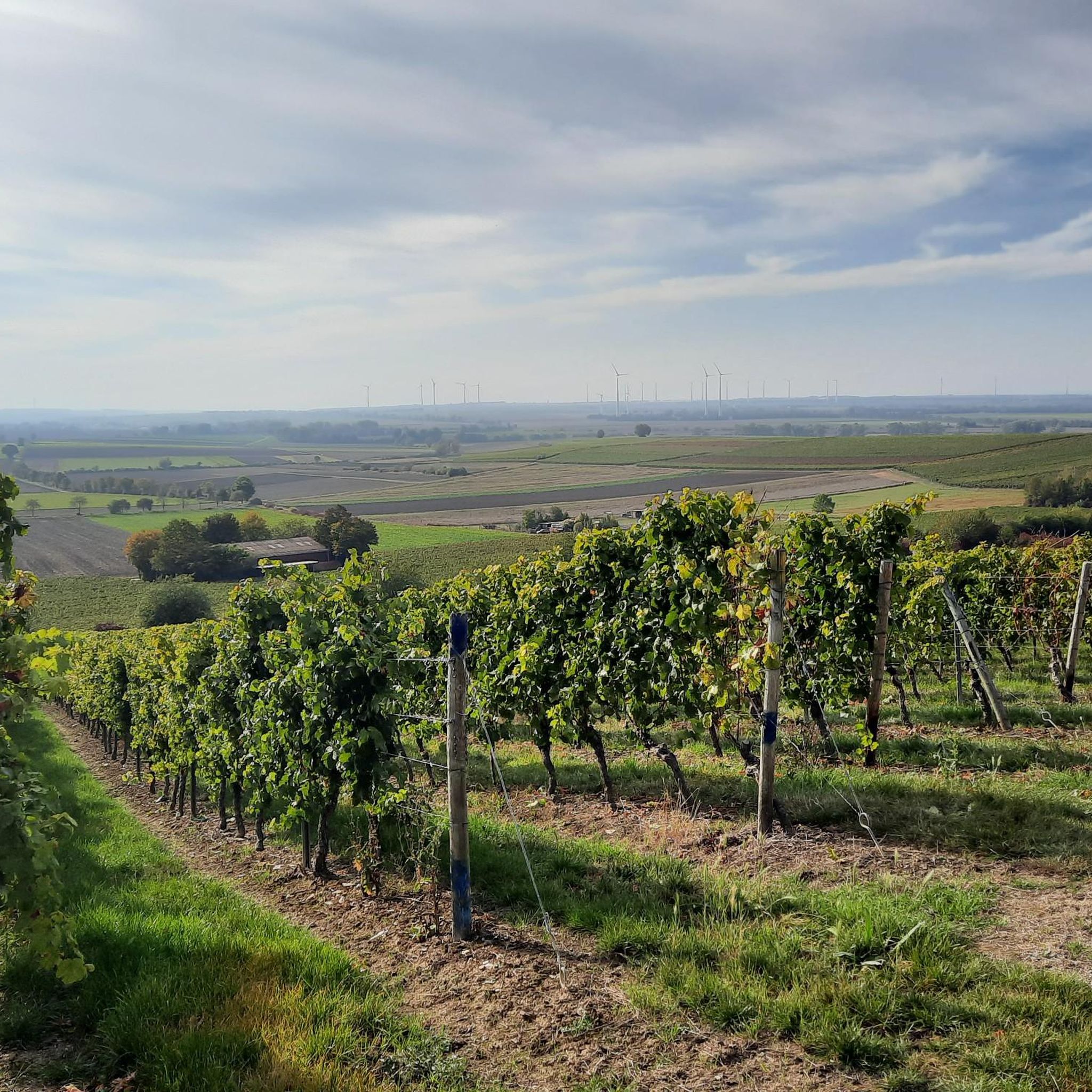
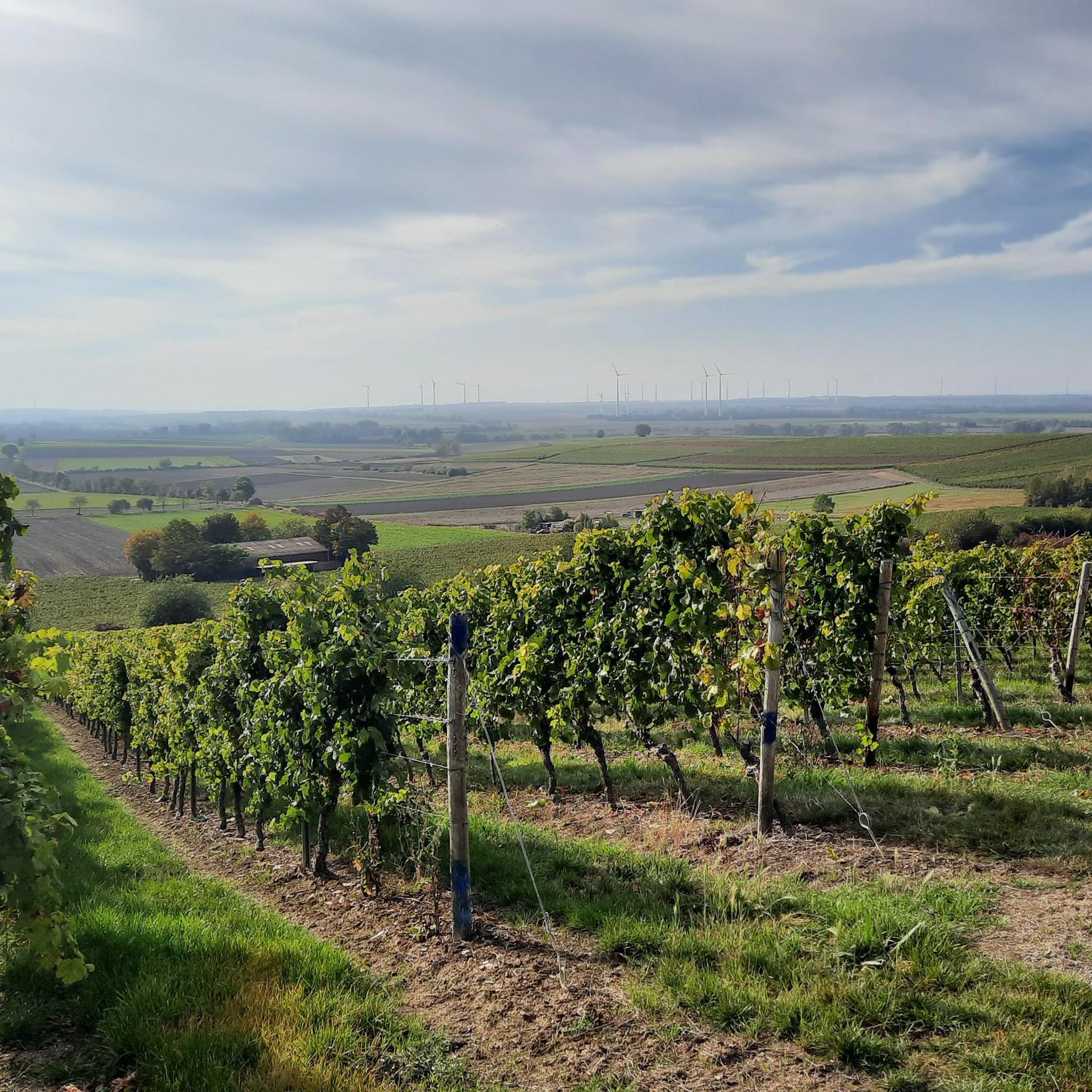
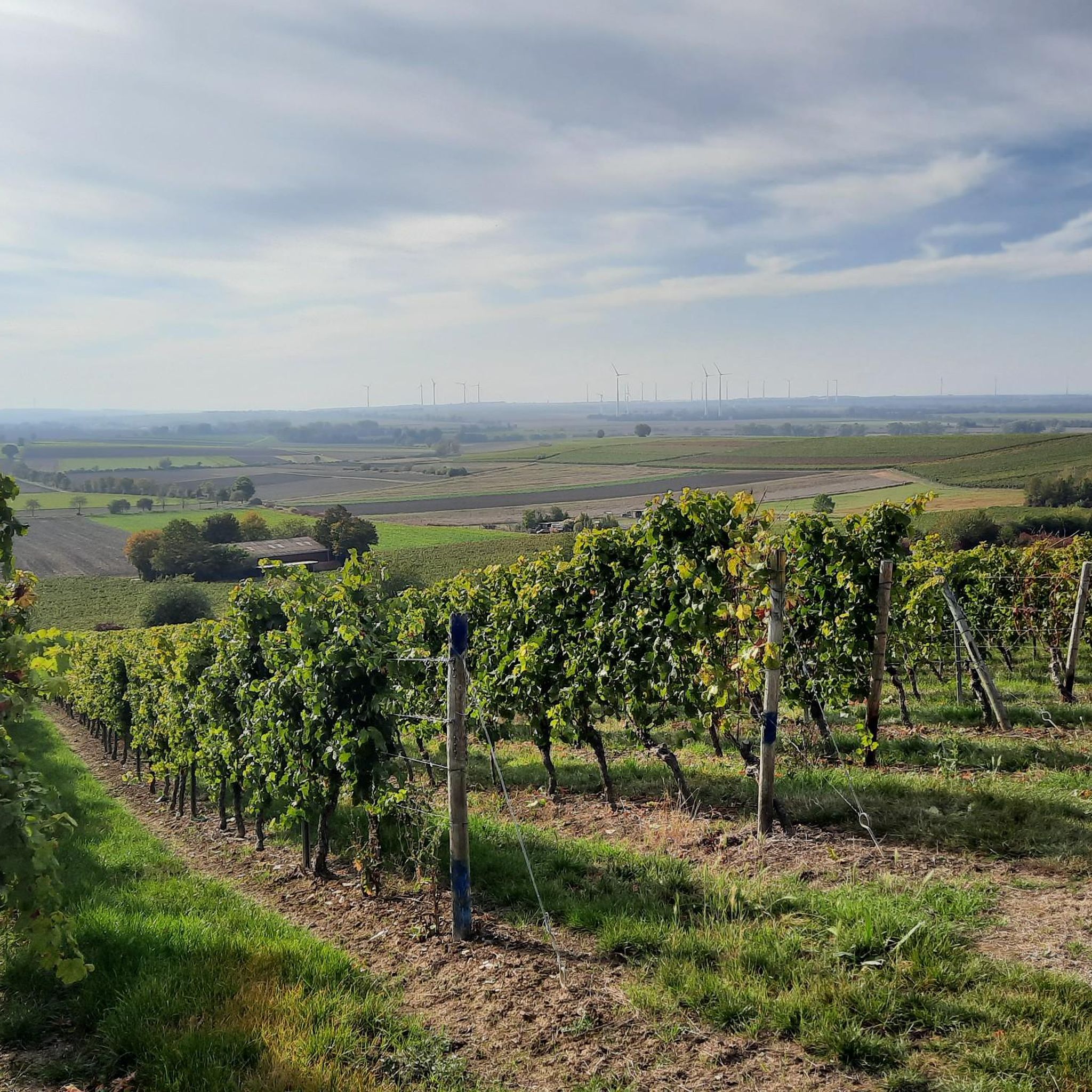
Beautiful view from the Toad Fountain over the vines to Oppenheim.
4
0

From the Ruhkreuz you can gaze far into the distance. You can see the Feldberg in the Taunus, the Frankfurt skyline, the Odenwald, the Donnersberg and the Hunsrück. The Rheinhessen flag also flies at this central vantage point.
2
1
Frequently Asked Questions
What are the most popular natural monuments around Weinolsheim?
Visitors frequently enjoy the historical significance of the Swedish Column, which commemorates a significant event during the Thirty Years' War. Another favorite is Landskron Castle Ruins, offering extensive views over the Rhine plain. The Oppenheim Krötenbrunnen, an old water system in a vineyard area, is also highly appreciated for its historical context.
Are there family-friendly natural monuments to visit near Weinolsheim?
Yes, several natural monuments are suitable for families. The Landskron Castle Ruins and the Oppenheim Krötenbrunnen are both categorized as family-friendly. Additionally, the Swedish Column and the Restored Selz River Near Schafhausen also welcome families.
What kind of historical sites can I explore among the natural monuments?
The region is rich in history intertwined with its natural beauty. You can visit the Swedish Column, a monument commemorating a 17th-century military event. The Landskron Castle Ruins offer a glimpse into a 16th-century fortress. The Oppenheim Krötenbrunnen is an ancient water system with historical significance for the town of Oppenheim. The Zornheim Ruhkreuz is a historical wayside cross and a former resting place for travelers.
What outdoor activities can I do near these natural monuments?
The area around Weinolsheim offers diverse outdoor activities. You can find numerous hiking trails, such as the 'Roman Tower, Guntersblum – Graunsberghäuschen Picnic Area loop' or the 'Weingut Manz loop'. For cycling enthusiasts, there are gravel biking routes like the 'View of the Rhine – Roter Hang Nierstein loop'. Mountain biking is also popular, with trails like the 'Schanzen Hut, Weinolsheim – Mühlbachaue Saulheim loop'. You can find more details on these activities in the hiking guide, gravel biking guide, and MTB trails guide for Weinolsheim.
Are there scenic viewpoints among the natural monuments?
Yes, the region boasts several excellent viewpoints. From the Landskron Castle Ruins, you can enjoy panoramic views over the Rhine plain, reaching Frankfurt and the Odenwald on clear days. The Zornheim Ruhkreuz also offers expansive vistas, allowing you to see the Feldberg in the Taunus, the Frankfurt skyline, and the Odenwald. The Swedish Column is another spot with a good view.
What is the best time of year to visit the natural monuments around Weinolsheim?
The Rheinhessen region, with its vineyards and diverse landscapes, is beautiful throughout the warmer months. Spring is ideal for hiking as the vineyards begin to green, and autumn offers stunning colors and wine festivals. The Zornheim Ruhkreuz, for example, has a wine bar open on weekends during the hiking season, suggesting pleasant conditions from spring through autumn.
Can I find easy hiking trails near the natural monuments?
Yes, there are options for easier walks. The 'Weingut Manz loop from Weinolsheim' is an easy hiking route, approximately 5.2 km long. Many of the natural monuments themselves, like the Oppenheim Krötenbrunnen, are accessible via relatively gentle paths through vineyards, making them suitable for leisurely strolls.
Are there opportunities for wildlife spotting near Weinolsheim's natural monuments?
The region's natural areas, particularly along water bodies, can offer chances for wildlife observation. The Restored Selz River Near Schafhausen is a prime example, where successful renaturation has created a thriving habitat. Beavers have been observed building dams here, indicating a rich ecosystem. The broader Rheinhessen region's geological history also hints at ancient marine life, making it an interesting area for natural history enthusiasts.
What unique geological features can be found in the area?
The Rheinhessen region has a fascinating geological past. While specific sites directly in Weinolsheim are not detailed, the nearby 'Küstenweg' (Coastal Path) near Alzey-Weinheim reveals a prehistoric seabed. Sites like 'The Trift' showcase exceptionally preserved cross-sections of this ancient seabed with visible shells. 'Neumühle' on the same path is renowned for its abundance of shark teeth and other ancient marine fossils, offering a unique glimpse into a subtropical sea that once covered the area.
What do visitors enjoy most about the natural monuments around Weinolsheim?
Visitors particularly appreciate the combination of stunning views, historical significance, and the opportunity for outdoor recreation. The panoramic vistas from places like Landskron Castle Ruins and Zornheim Ruhkreuz are frequently praised. The historical context of sites like the Swedish Column and Oppenheim Krötenbrunnen also adds a rich layer to the experience. The successful renaturation efforts at the Restored Selz River Near Schafhausen are also a highlight for many.
Are there any less crowded natural monuments or trails to explore?
While the main highlights are popular, the broader Rheinhessen region offers many trails through vineyards and natural landscapes that can provide a quieter experience. Exploring the various routes listed in the hiking guide or gravel biking guide for Weinolsheim might lead you to less frequented spots, especially on weekdays or during off-peak hours. The Restored Selz River Near Schafhausen, for instance, offers a peaceful recreational area.
Most popular routes around Weinolsheim
Most popular attractions around Weinolsheim

Get inspired with the komoot mobile app


Explore more
Extend your search for the best caves by checking out these guides of the top ones around Weinolsheim:
