Top 20 Mountain Passes around Ponte Capriasca
Mountain passes around Ponte Capriasca offer access to elevated terrain and scenic trails within the Capriasca region and Lugano district. This area, situated in Switzerland, features prominent peaks and routes that provide expansive views. The landscape includes diverse natural environments, from valleys to high mountain areas, showcasing the region's natural beauty and historical roots. Explorers can find challenging hikes and cultural immersion opportunities in this mountainous setting.
Best mountain passes around Ponte Capriasca
- The most popular mountain passes is San…
Last updated: June 26, 2026
Alpe di Neggia — pass summit and Ritrovo di Neggia restaurant
Highlight • Mountain Pass
Translated by Google •
Tip by

San Lucio Pass
Highlight • Mountain Pass
Translated by Google •
Tip by

Sign up now to discover places like this
Get recommendations on the best single tracks, peaks, & plenty of other exciting outdoor places.
Sign up for free
Forcora d'Arasio
Highlight • Mountain Pass
Tip by

Piazza Ticino and the Monte Ceneri Monument
Highlight • Monument
Translated by Google •
Tip by

Rifugio Giovo
Highlight • Mountain Hut
Here you can leave …
Translated by Google •
Tip by
Sign up for free to discover even more mountain passes around Ponte Capriasca.
Sign up for free
Already have an account?
Start today with a free account
Your next adventure awaits.
Login or Signup
Tips from the Community

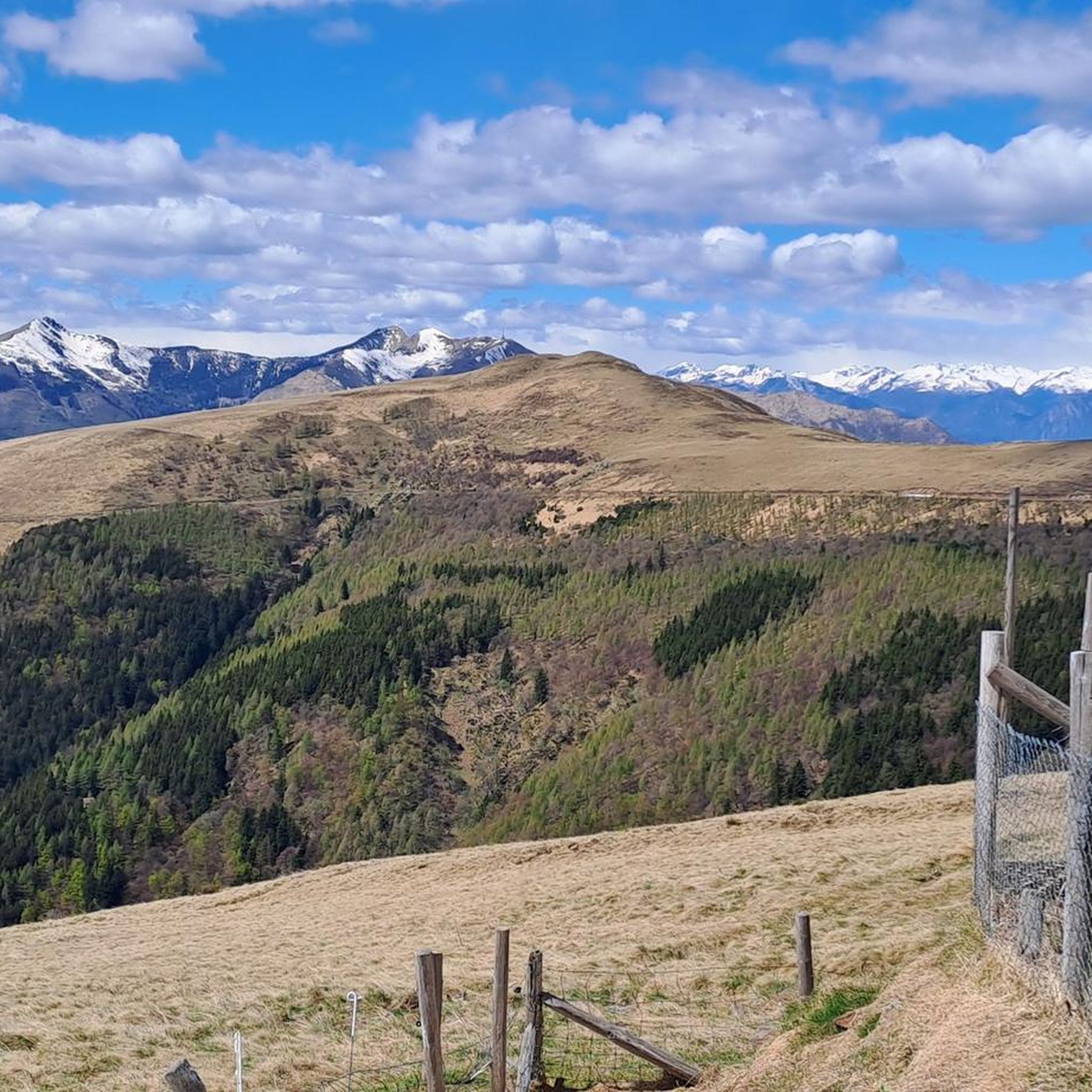
scenically very great tour. Top Top Top
0
0

Many worthwhile trails in the area!
0
0


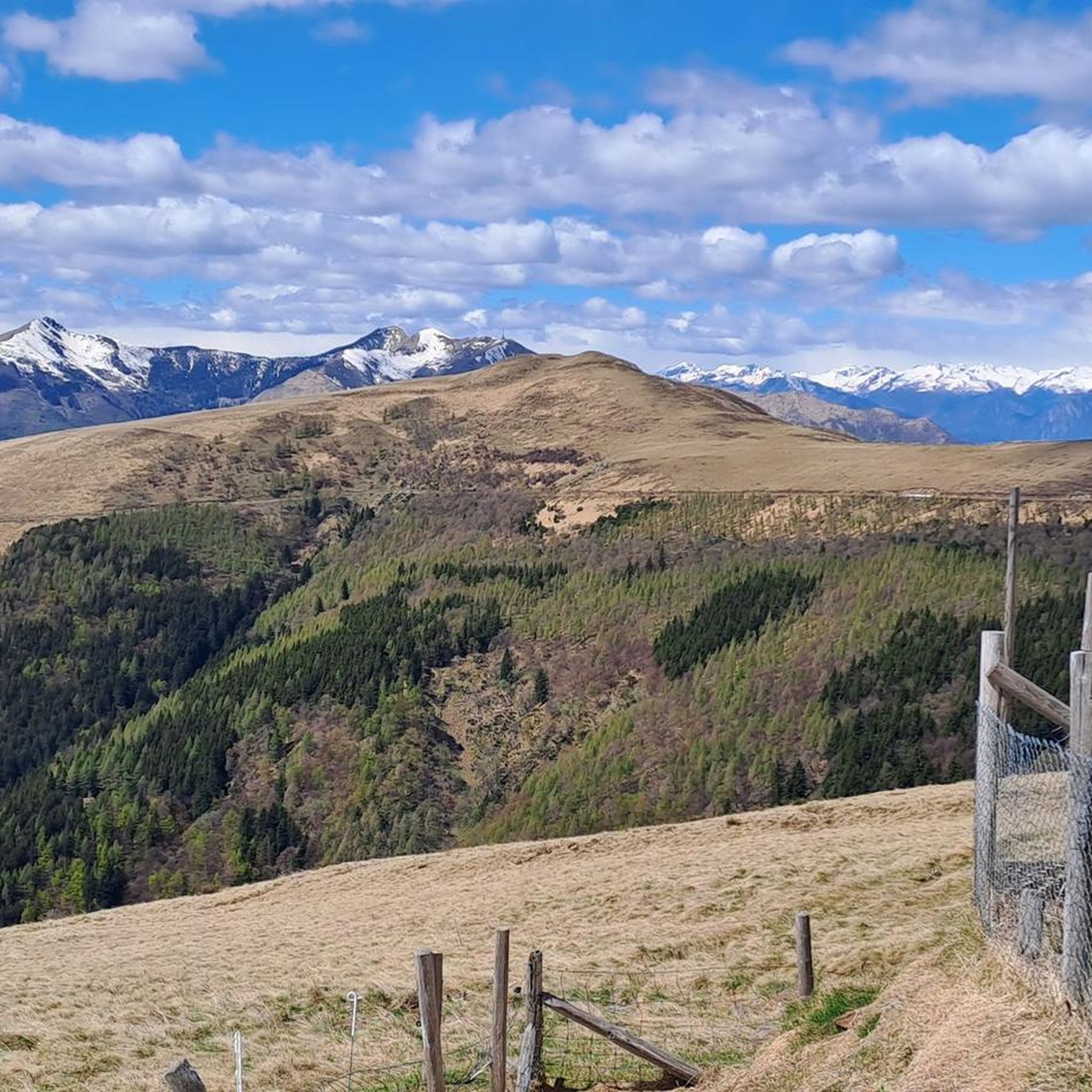
Forcora d'Arasio is at the crossroads of numerous paths that pass from Italy to Switzerland. We are in fact a few steps from the border and the view of Lake Maggiore is stupendous.
2
0

The Capanna San Lucio is a refuge that can be reached starting from Val Cavargna or from Valcolla, the opposite Swiss valley.
2
0
The Giovo Refuge is closed and unattended, in order to stay there you must ask for the keys in advance at the Sant'Anna restaurant in Germasino. Here you can leave the car to go up to Passo San Jorio or to continue on other paths. The road that gets here is not the best, as a large part of it is dirt, but with the right attention it is not a big problem.
0
0

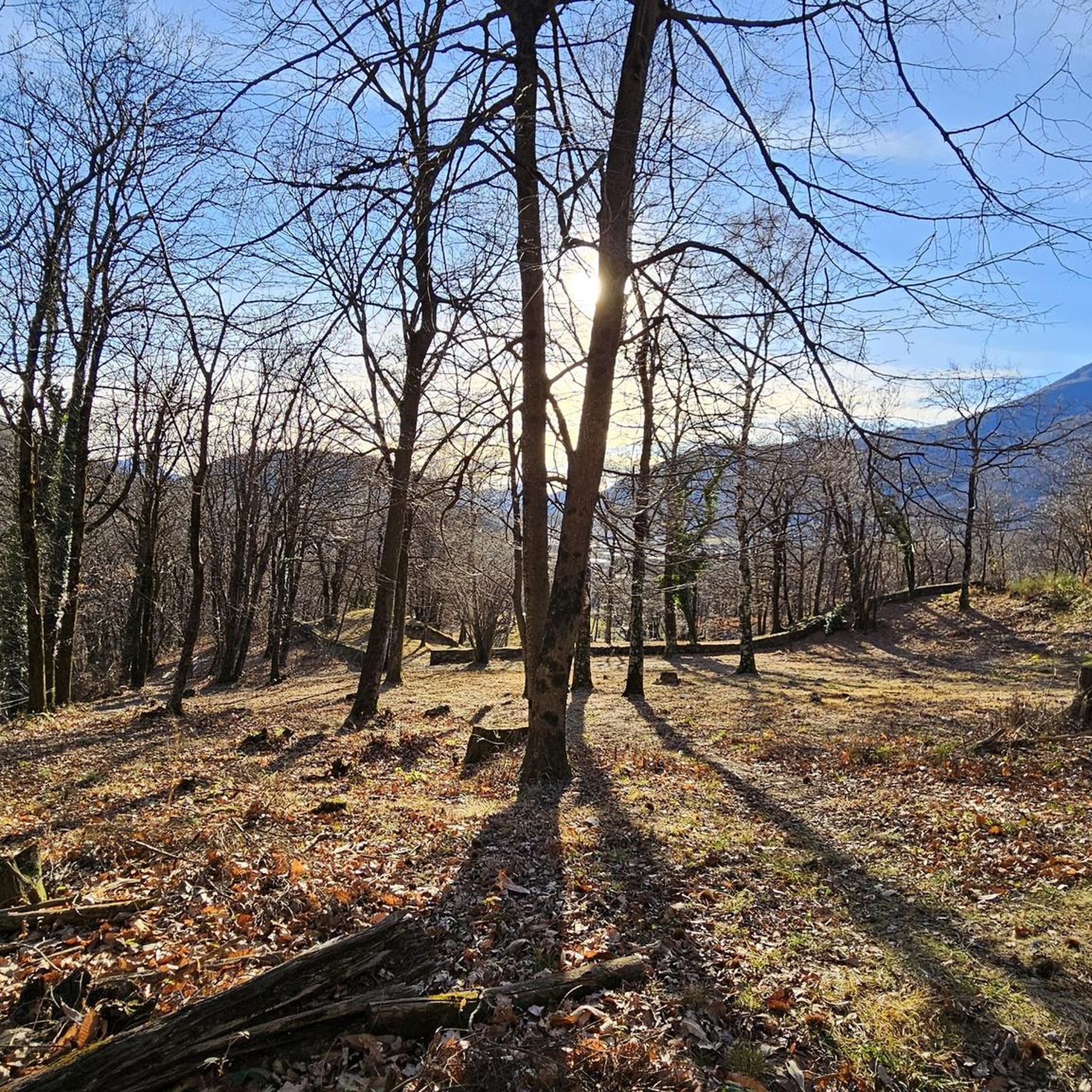
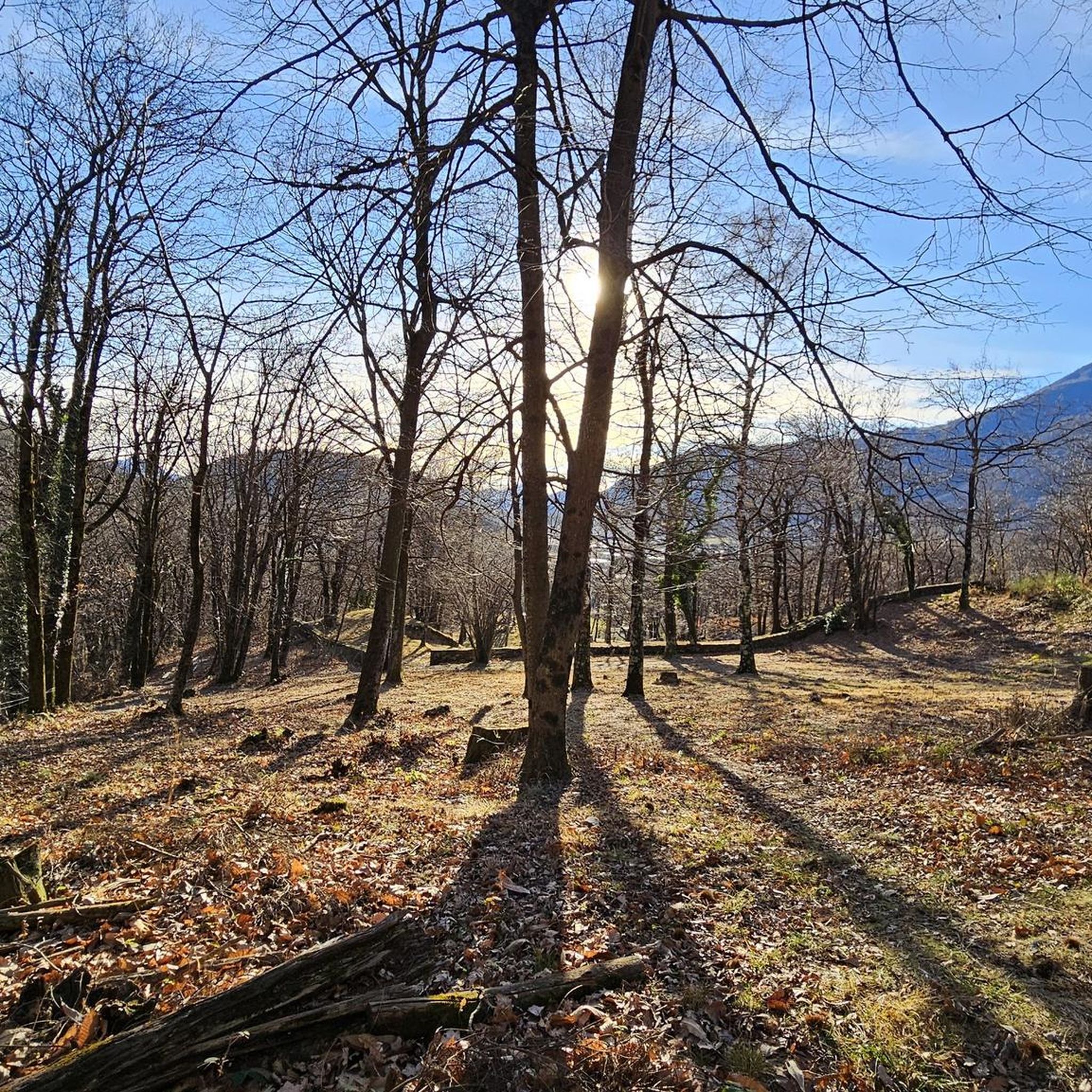
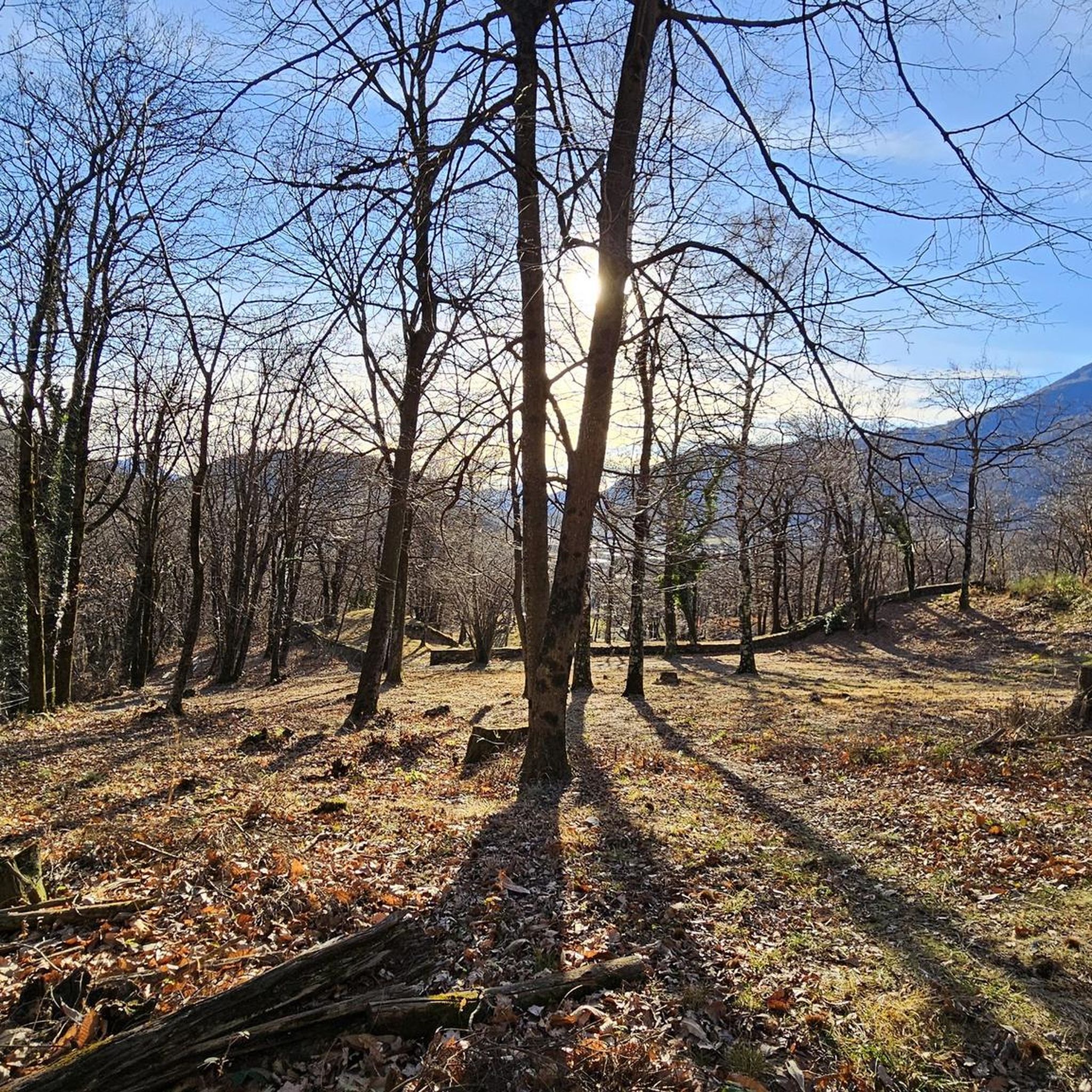
In Passo San Lucio, on the border between Italy and Switzerland, there is a church and a refuge open all year round. Here you have a wonderful view of the Val Colla and Lake Lugano.
2
1

We drove by car to the “Rivera” valley station and then took the train up to “Alpe Foppa”. Of course, the first thing to admire is the church of Santa Maria Degli Angeli. -- Quote from Google Earth Designed by world-renowned architect Mario Botta, the Church of Santa Maria degli Angeli is a masterpiece of contemporary architecture with paintings by Enzo Cucchi. A visit to the church is almost a "must", the mighty stone fortress on the mountain spur is more than a meditation room and offers the opportunity to read the surrounding landscape in a completely new way. The church is dedicated to Santa Maria degli Angeli. The building was built between 1992 and 1994 and follows a novel design approach for a place of worship. It is made of porphyry and stands on the edge of a slope from which an exceptional panoramic view opens up. The artistic design by Enzo Cucchi extends to the two main rooms: the ceiling of the transition, which is decorated with an elongated cypress, and the heart of the church. The intense blue apse takes up the theme of the offered hands, complemented by a series of twenty-two panels with Marian motifs above the windows. -- end quote The whole tour is a superlative and impresses with its all-round visibility. So plan for nice weather. In the high season, however, a lot of hiking traffic must be expected. So choose the right time. On Monte Lema you have to expect a crowded restaurant and not very motivated service. Therefore, it is not certain that you will be able to quench your thirst before you have to take the train down to the valley. Because there too you have to wait in line. Once you've arrived safely down in Miglieglia, it's possible that the queue for a bus back to "Rivera" will continue. We therefore recommend planning the tour well, finding out about the train and bus travel times and planning enough reserve time so that a missed train, bus or train connection does not spoil the beautiful day.
0
0
Frequently Asked Questions
What are some notable elevated routes or mountain passes near Ponte Capriasca?
While Ponte Capriasca is known for elevated hiking routes rather than traditional road passes, you can explore areas like San Lucio Pass, which features a church and refuge on the Swiss-Italian border with views of Val Colla and Lake Lugano. Another significant spot is Alpe di Neggia, a pass summit at 1395 m above sea level, offering a restaurant and serving as a starting point for many tours.
Are there any historical or cultural sites among the mountain passes?
Yes, San Lucio Pass is a historical site with a church and refuge. Additionally, the Piazza Ticino and Monte Ceneri Monument, located on the Monte Ceneri pass, is a significant historical landmark representing the union of three regions and the completion of the AlpTransit project.
What kind of views can I expect from these elevated routes?
The elevated routes around Ponte Capriasca offer expansive and rewarding landscapes. From San Lucio Pass, you get wonderful views of the Val Colla and Lake Lugano. Forcora d'Arasio provides stupendous views of Lake Maggiore. The Monte Gazzirola and Monte Bar areas also offer panoramic vistas of Lugano and the Alps.
Are there family-friendly options for exploring the mountain passes?
Yes, several areas are considered family-friendly. The general Capriasca Region Trails offer cultural and natural immersion suitable for various fitness levels. Specific highlights like Alpe di Neggia, Forcora d'Arasio, and Piazza Ticino and Monte Ceneri Monument are categorized as family-friendly, making them good choices for outings with children.
What outdoor activities can I do near these mountain passes?
The region offers a variety of outdoor activities. You can find challenging mountain hikes, such as those around Monte Gazzirola and Monte Bar, or more relaxed walks on the general Capriasca Region Trails. For more structured routes, explore options like those found in the Mountain Hikes around Ponte Capriasca guide. There are also opportunities for gravel biking and cycling in the wider area.
What is the best time of year to visit the mountain passes around Ponte Capriasca?
The best time to visit largely depends on the activity. For hiking and cycling, late spring through early autumn (May to October) generally offers the most favorable weather conditions. During these months, trails are typically clear of snow, and the temperatures are pleasant for outdoor exploration. Some areas might have small ski areas on their northern sides during winter, like Alpe di Neggia.
Are there places to eat or stay overnight near the mountain passes?
Yes, several passes offer facilities. Alpe di Neggia has a restaurant with overnight accommodation. At San Lucio Pass, you'll find a refuge that is open all year round, offering food and accommodation. Rifugio Giovo is a hut at 1800 m, though it is unattended and requires requesting keys in advance for an overnight stay.
What are the difficulty levels of the hiking routes in this area?
The difficulty levels vary significantly. Routes around Monte Gazzirola and Monte Bar are often described as challenging, requiring good fitness and involving significant elevation gains. For example, the 'Monte Gazzirola Ridge Walk' is challenging, and the 'Monte Bar Trail Loop' is considered difficult. However, the general Capriasca Region Trails offer a range of options, from short walks to more strenuous hikes, suitable for various fitness levels.
Can I bring my dog on the mountain pass trails?
Yes, some trails are dog-friendly. For instance, Forcora d'Arasio is categorized as dog-friendly, making it a suitable option for exploring with your canine companion. Always check specific trail regulations and be mindful of local wildlife and other hikers.
Where can I find parking or public transport access for these mountain passes?
Specific parking information is available for some highlights; for example, Alpe di Neggia has parking facilities. For Rifugio Giovo, you can leave your car to go up to San Jorio Pass, though the access road can be rough. Public transport access varies by location; for detailed information on reaching specific trailheads, it's advisable to consult local transport schedules for the Capriasca region.
What makes the mountain passes around Ponte Capriasca unique?
The mountain passes and elevated routes around Ponte Capriasca are unique for their blend of natural beauty, historical significance, and cross-border experiences. Many routes traverse both Swiss and Italian territories, offering diverse landscapes from high mountain atmospheres to views of major lakes. The region also showcases its historical-cultural roots and agrarian civilization through its thematic trails.
Most popular routes around Ponte Capriasca
Most popular attractions around Ponte Capriasca

Get inspired with the komoot mobile app


Explore more
See even more epic mountain passes by checking out these guides around Ponte Capriasca:
