Top 20 Natural Monuments around Westfeld
Best natural monuments around Westfeld are found within the Sauerland region of North Rhine-Westphalia, Germany. This area is characterized by its green valleys, dense forests, and diverse natural features. The landscape offers a variety of geological formations and hydrological sites. Exploring these natural monuments provides insight into the region's unique terrain and ecosystems.
Best natural monuments around Westfeld
- The most popular natural monuments is Apenteich Spring, a natural monument featuring historic alpine pond springs. This site is known for…
Last updated: June 24, 2026
Lippold's Cave
Highlight • Cave
About an hour west of Alfeld, at the village of Brunkensen, lies the Lippoldshöhle. It consists of several rooms, one of which is called the kitchen, another is …
Translated by Google •
Tip by

Ernst-Binnewies Tower (Tafelbergturm) on Hohe Tafel
Highlight • Viewpoint
Translated by Google •
Tip by
Sign up now to discover places like this
Get recommendations on the best single tracks, peaks, & plenty of other exciting outdoor places.
Sign up for free
Lügenstein
Highlight • Natural Monument
brunkensen.de/sehenswuerdheiten/index.htm
Translated by Google •
Tip by

Apenteich Spring
Highlight • Natural Monument
Very charming place.
Translated by Google •
Tip by

Gerzer Cliffs
Highlight • Natural Monument
Translated by Google •
Tip by

Sign up for free to discover even more natural monuments around Westfeld.
Sign up for free
Already have an account?
Start today with a free account
Your next adventure awaits.
Login or Signup
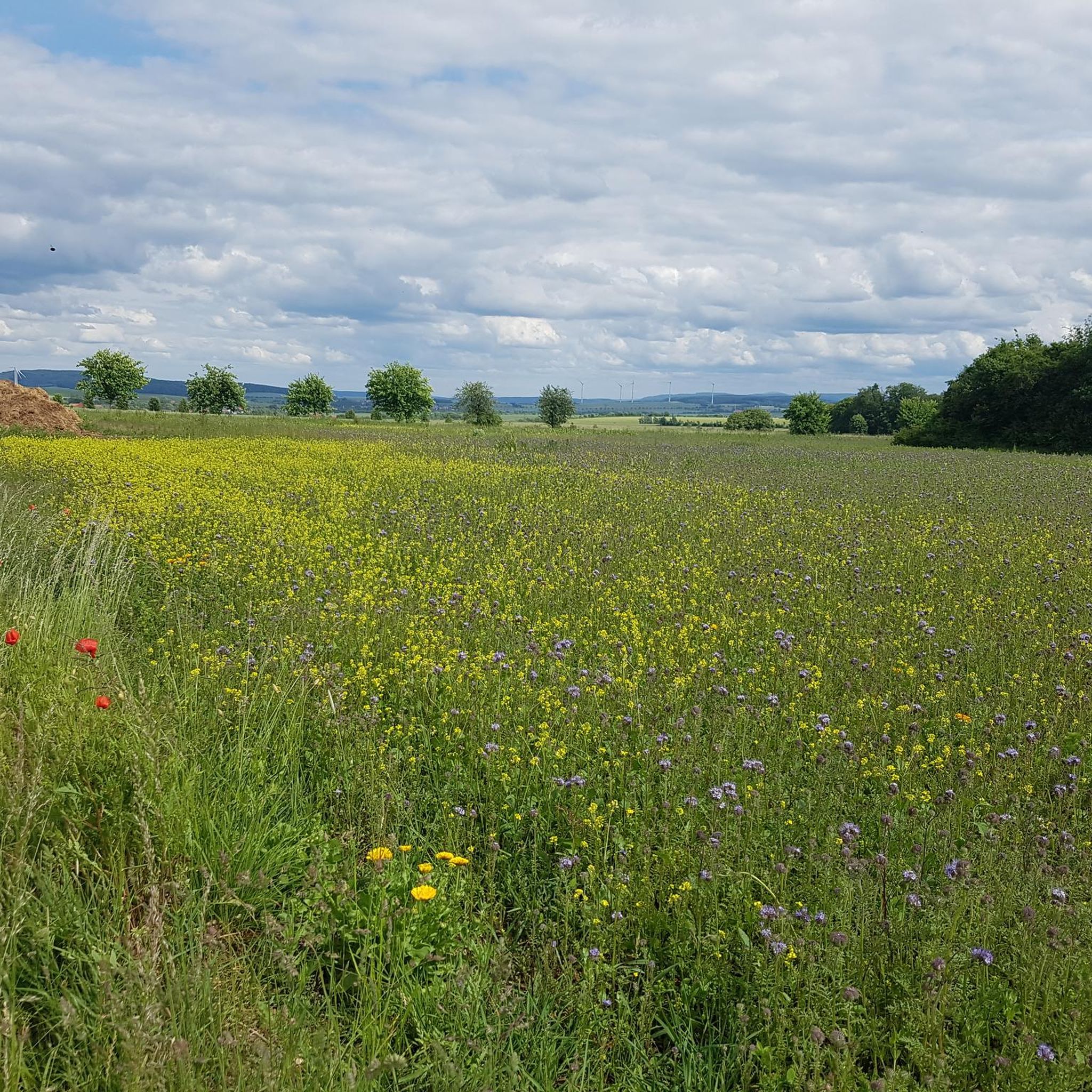
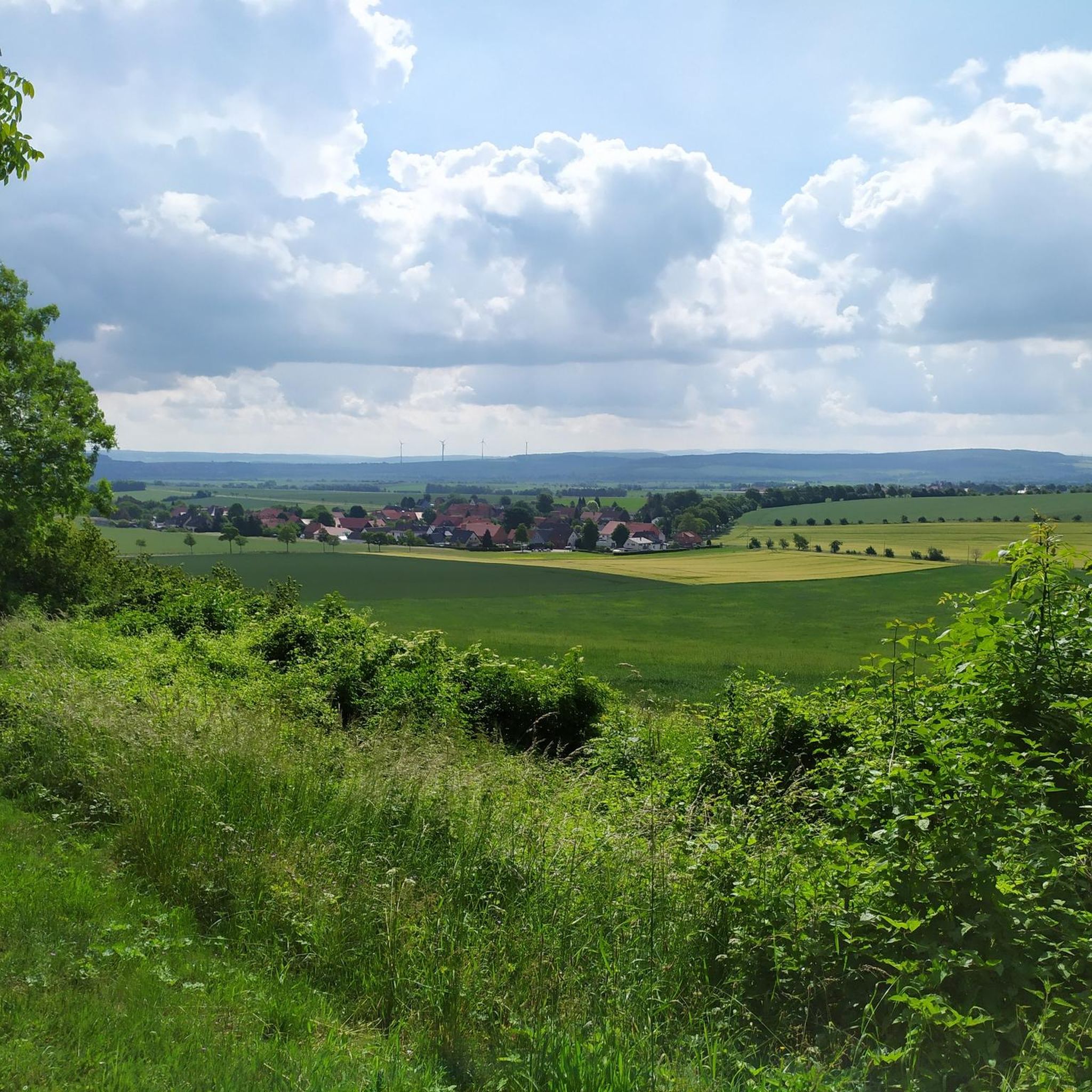
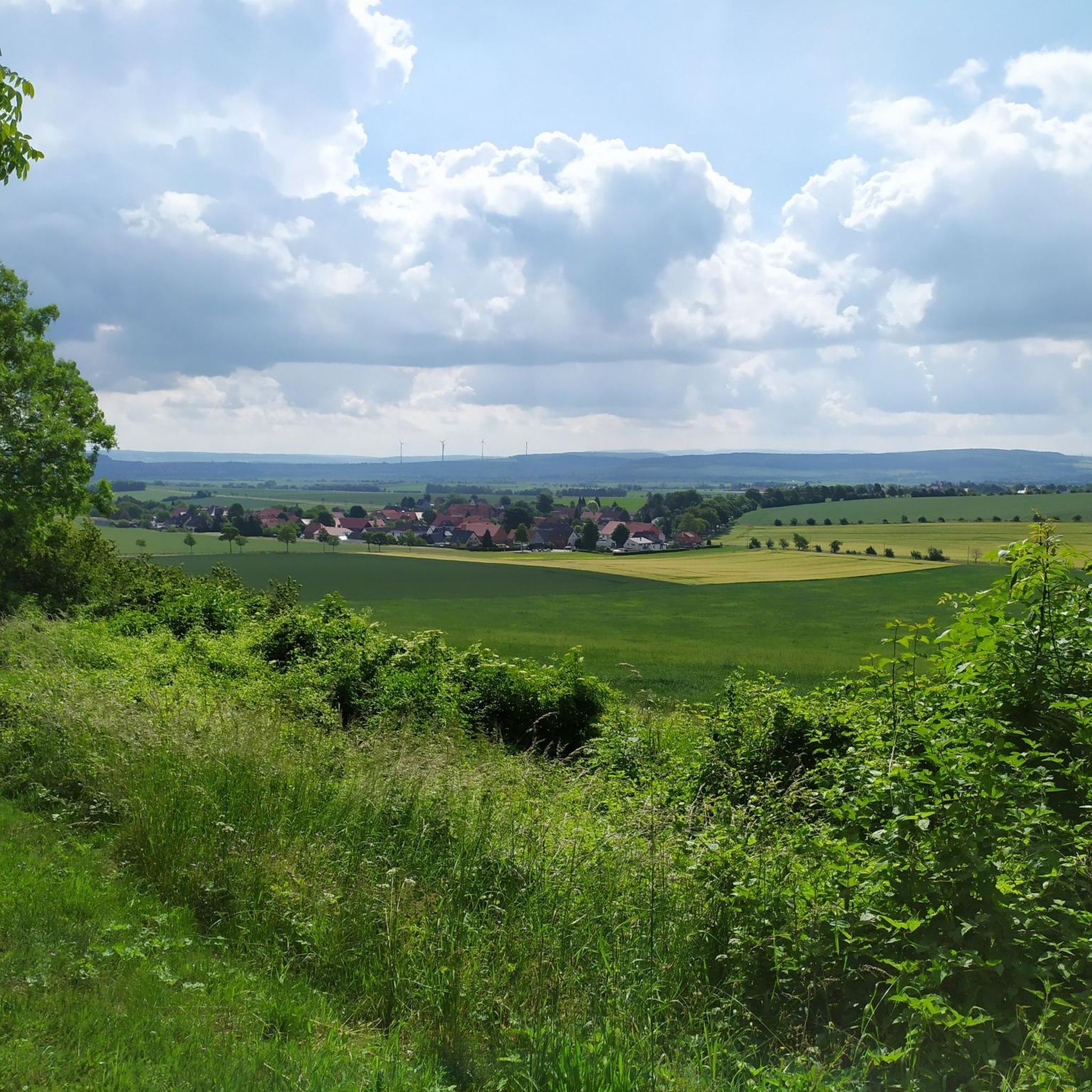
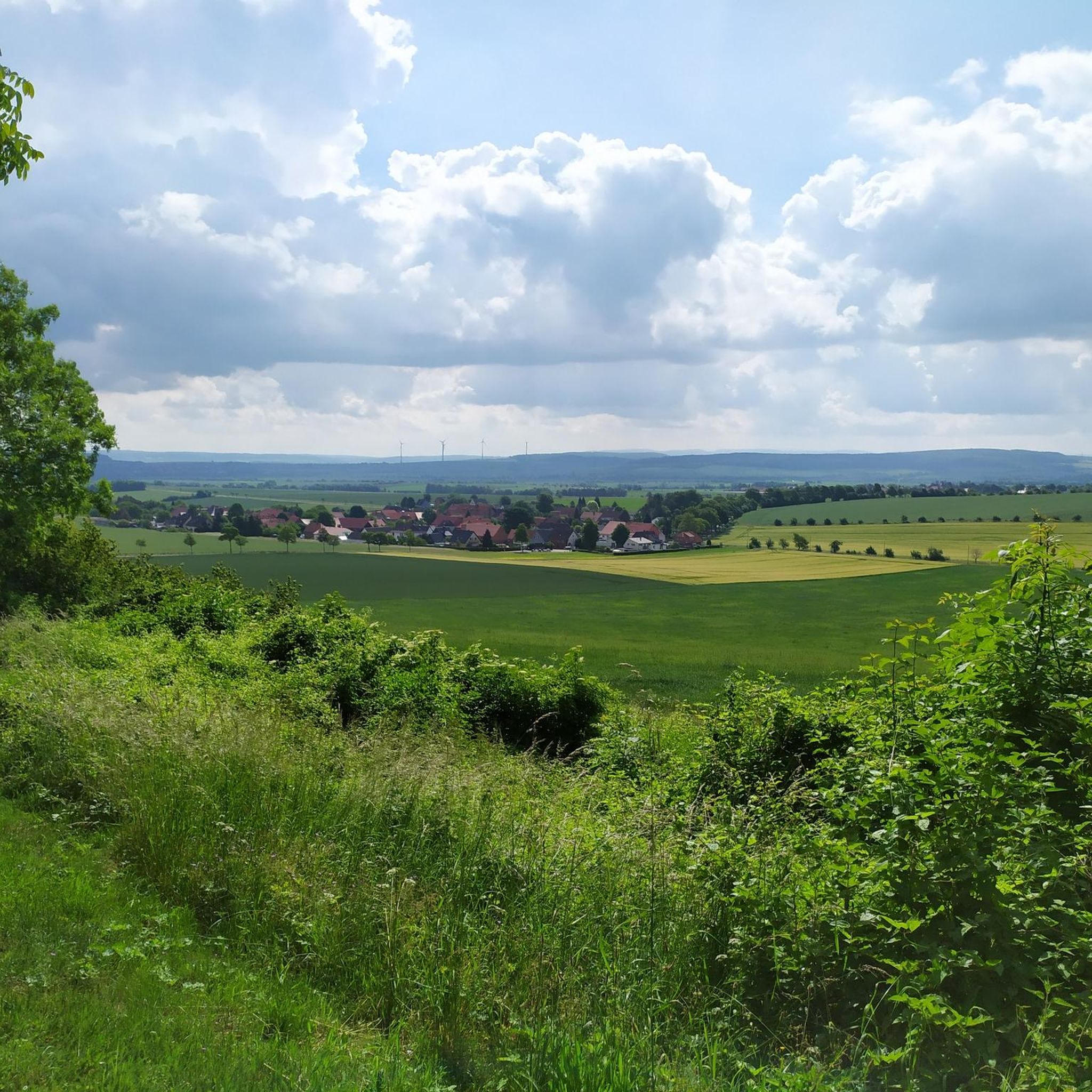
Tips from the Community

Passed by here on our 5th Ith-Hils-Weg stage.
6
0


Source with drinking water quality, it is also claimed by some to have healing properties. People with canisters keep coming here to fill up with water.
4
0


A really great view to the northwest. The remaining directions offer limited visibility. The ascent to the tower is difficult after the strenuous journey, but should not be skipped.
6
0
Hiked past again today, always impressive.
5
1


Hiking trail just below the cliffs. Can also be used as a shelter when it rains.
4
0
Frequently Asked Questions
What are some of the most popular natural monuments to visit around Westfeld?
The region around Westfeld, part of the wider Sauerland, offers several notable natural monuments. Among the most appreciated are the Apenteich Spring, known for its historic alpine pond springs and clear water, and the Ernst-Binnewies Tower (Tafelbergturm) on Hohe Tafel, which provides expansive views over the landscape. Visitors also frequently explore the Gerzer Cliffs, impressive rock formations popular with hikers and climbers.
Are there any family-friendly natural monuments near Westfeld?
Yes, the Apenteich Spring is considered family-friendly, offering a serene environment with clear spring water and a beautiful forest setting. For a more accessible experience in the broader Sauerland, the Almequellen (Alme Springs) near Brilon feature a largely barrier-free circular trail, perfect for families to enjoy the bubbling springs and lush greenery.
What kind of unique natural features can I expect to see in the Westfeld area?
The Westfeld area and the surrounding Sauerland are rich in diverse natural features. You can explore impressive rock formations like the Gerzer Cliffs and the unique Lügenstein. The region also features significant hydrological sites such as the Apenteich Spring and the Almequellen, which are large spring areas. Additionally, the broader Sauerland boasts the only natural waterfall in North Rhine-Westphalia, the Plästerlegge Waterfall, and the high-altitude moorland of Kahler Asten.
Are there any historical natural monuments or sites with historical significance?
Several natural monuments in the region hold historical significance. The Lippold's Cave is associated with local legends of a robber. The Apenteich Spring has yielded Bronze Age finds and is situated beneath former castle ruins. Further afield, the Bruchhauser Steine, recognized as Germany's first national natural monument in North Rhine-Westphalia, features ramparts from the Iron Age, adding a layer of historical depth to its geological marvel.
What outdoor activities can I do near these natural monuments?
The natural monuments around Westfeld are excellent starting points for various outdoor activities. You can find numerous hiking trails, such as those around the Gerzer Cliffs, which are directly on the Ith-Hils hiking trail. For more options, explore the many routes available for hiking around Westfeld, cycling around Westfeld, or even running trails around Westfeld. These guides offer routes of varying difficulties and distances.
Are there any natural monuments with impressive viewpoints?
Absolutely. The Ernst-Binnewies Tower (Tafelbergturm) on Hohe Tafel offers expansive views over Alfeld, Brüggen, and the Leinebergland. In the broader Sauerland, the Kahler Asten, the highest mountain in North Rhine-Westphalia, provides spectacular panoramic views of the low mountain range and its unique moorland from its summit and observation tower.
What is the best time of year to visit the natural monuments around Westfeld?
The natural monuments around Westfeld and the Sauerland region can be enjoyed year-round, each season offering a different charm. Spring brings lush greenery and strong water flow at places like the Plästerlegge Waterfall and Almequellen. Summer is ideal for hiking and enjoying the views. Autumn showcases vibrant fall foliage, especially around forested areas. Even in winter, sites like the Plästerlegge Waterfall can present a unique beauty, and the Sauerland Caves offer a weather-independent attraction.
Are there any caves to explore in the Westfeld area or nearby?
Yes, the Lippold's Cave near Alfeld is a local natural monument consisting of several rooms, though it requires a flashlight and some crawling to enter. For more extensive underground experiences, the broader Sauerland region is famous for its impressive cave systems, such as the Atta Cave near Attendorn and the Dechen Cave near Iserlohn, which showcase magnificent stalactite and stalagmite formations.
Can I bring my dog to the natural monuments and trails?
While specific regulations can vary by site, many natural areas and hiking trails in the Sauerland region are dog-friendly, provided dogs are kept on a leash. It's always advisable to check local signage at each specific natural monument or trail entrance for any restrictions. Generally, open-air sites like the Apenteich Spring and the Lügenstein are suitable for accompanied dogs.
What do visitors enjoy most about the natural monuments in this region?
Visitors frequently appreciate the tranquility and natural beauty of the area. Many enjoy the clear spring water at Apenteich Spring, finding it a wonderful place to unwind. The impressive rock formations like the Lügenstein and Gerzer Cliffs are often highlighted for their unique appearance and the challenge they offer to climbers. The expansive views from the Ernst-Binnewies Tower are also a major draw, offering a sense of perspective over the picturesque landscape.
Are there any natural monuments where I might see wildlife?
The natural environments around Westfeld and the Sauerland are home to diverse flora and fauna. Areas like the Apenteich Spring, nestled in a forest, offer opportunities for birdwatching and observing smaller forest creatures. For a truly unique wildlife experience, the Wisent Wilderness in the Wittgenstein forests allows visitors to observe Europe's largest land mammals, the European bison, in a near-natural habitat within a fenced area.
Are there any natural monuments that are particularly challenging to reach or explore?
Some natural monuments offer a more challenging experience. For instance, reaching the Lippold's Cave requires some climbing and crawling, and a flashlight is essential. The path to the Lügenstein can be a bit difficult due to roots and stones, involving some scrambling. Similarly, the ascent to the Ernst-Binnewies Tower is steep, rewarding visitors with panoramic views after the effort.
Most popular routes around Westfeld
Most popular attractions around Westfeld

Get inspired with the komoot mobile app


Explore more
Extend your search for the best caves by checking out these guides of the top ones around Westfeld:
