Top 13 Natural Monuments around Volsemenhusen
Best natural monuments around Volsemenhusen are defined by the region's direct connection to the Eider River and its proximity to the Wadden Sea National Park. Volsemenhusen is located on the banks of the Eider, Schleswig-Holstein's longest river, which features wetlands and diverse habitats. The nearby Wadden Sea National Park, a UNESCO World Heritage Site, offers a unique tidal landscape with significant biodiversity. This area provides opportunities for exploring natural features and protected areas.
Best natural monuments around Volsemenhusen
- The most…
Last updated: August 18, 2026
Bismarck Rock at Hoper Klev
Highlight • Monument
Translated by Google •
Tip by

Helmsand Causeway
Highlight • Bridge
Translated by Google •
Tip by

Sign up now to discover places like this
Get recommendations on the best single tracks, peaks, & plenty of other exciting outdoor places.
Sign up for free
Kleve Nature Reserve
Highlight • Natural Monument
Translated by Google •
Tip by

Kudensee Nature Reserve
Highlight • Lake
Translated by Google •
Tip by

Hopen Burial Mounds
Highlight • Historical Site
Translated by Google •
Tip by

Sign up for free to discover even more natural monuments around Volsemenhusen.
Sign up for free
Already have an account?
Start today with a free account
Your next adventure awaits.
Login or Signup
Tips from the Community

This remarkable boulder presumably reached the Dithmarscher Geest during the penultimate ice age 200,000 years ago. In the course of the preparations for the Kiel Canal from 1907 to 1914, the stone, with a length of 3.50 meters, a diameter of 2.00 meters, and a weight of 25 tons, came to light.
0
0

As children, we used to jump and slide down a narrow sandy path directly from the Bismarck Stone to the Käthnersvierth.
0
0

As a result of the strong melting of glaciers at the end of the last ice age (Weichsel), the sea level rose sharply and the western edge of Schleswig-Holstein's geest formed the coastline. In some places, such as the Barlter Kleve (Kleve = cliff, steep coast) near Gudendorf with a drop of 20 m, at the Kleve of Sankt Michaelisdonn (30 m drop) and between Kuden and Burg, the original cliffs formed by the surf are still visible.
1
0
The "Kleve" nature reserve, located southeast of St. Michaelisdonn in the Hopen district of Dithmarschen, has existed as such since November 8, 1962. Parts of the "Hoper or Donner Kleve" were bought by a nature conservation association as early as 1914, and then placed under the protection ordinance under the Reich Nature Conservation Act in 1938. At 11.9 hectares, it is certainly one of the smallest nature reserves in Schleswig-Holstein, but due to its animal and plant populations, it is a real treasure trove.
1
0

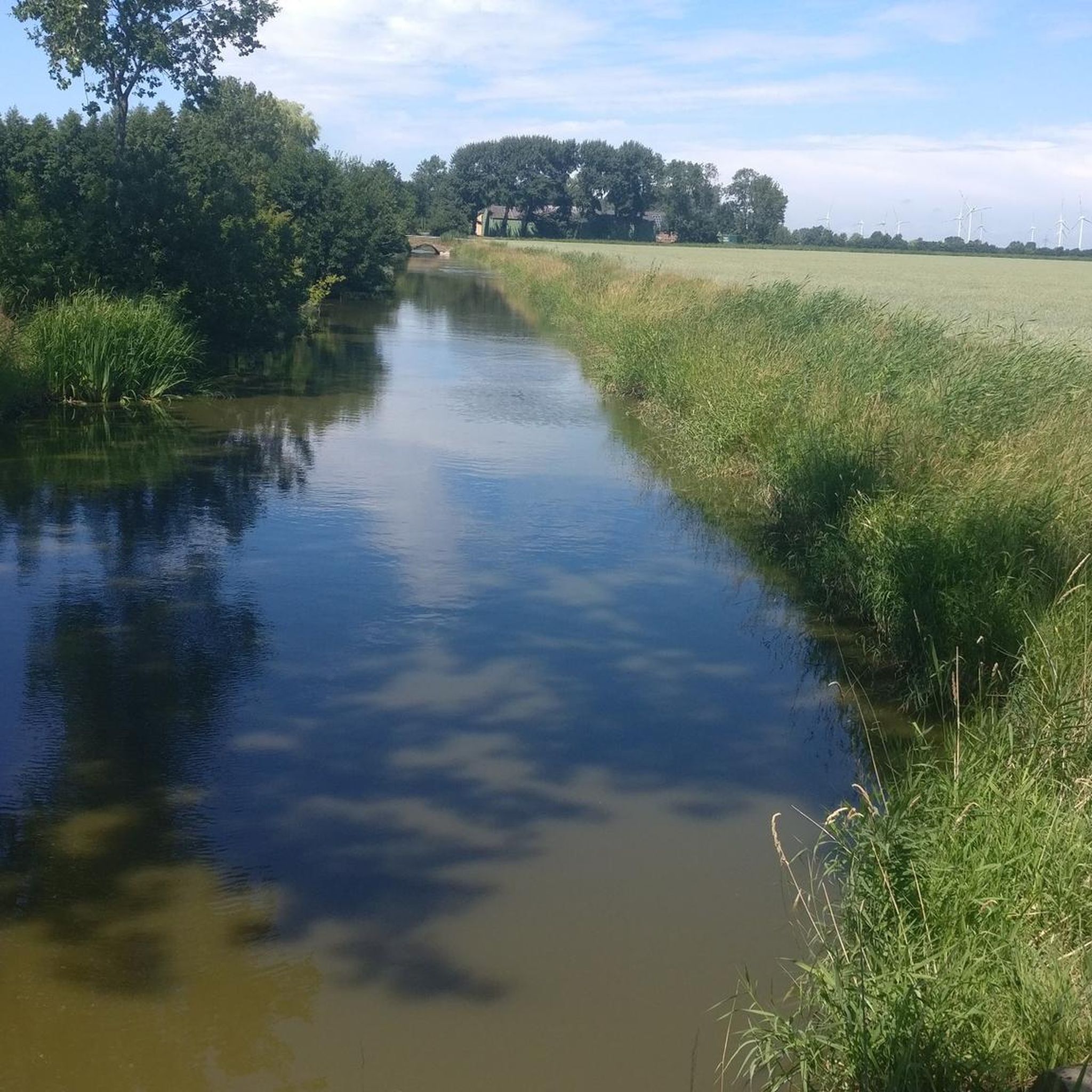
Kudensee is a municipality in the Steinburg district in Schleswig-Holstein, and also the name of the largest lake in the Dithmarschen district. The Kudensee, with an area of 38.9 hectares, has been a nature reserve since 1935 and has been expanded to 172 hectares since 1992. The lake is the last shallow-water lake in the Elbe marshes and an important European bird sanctuary. It provides a habitat for numerous bird species, including the rare bittern, and serves as a resting place for many migratory birds. The Kudensee is characterized by its extensive reed beds, remnants of marsh forest and willow bushes. The bottom of the lake consists of both soft mud and hard sand. Due to its shallow depth of a maximum of 1.2 meters, the lake has an almost uniform temperature and oxygen distribution, except when the ice is closed, which can be unfavorable for the fish. The fish species living in the lake include bream, white bream, roach, perch, ruffe, eel, pike and zander.
0
0
The Hopen burial mound field near Sankt Michaelisdonn in Schleswig-Holstein is an important archaeological site with a long history. The burial mounds mostly date from the Bronze Age (around 1800 - 1000 BC) and the pre-Roman Iron Age. The site, which originally covered extensive heathland, now consists of a few larger and many smaller burial mounds. The larger mounds are typical of the older Bronze Age and have often been enlarged by multiple reburials. The smaller burial mounds usually house urn graves containing the ashes of the deceased. Despite the cultivation and changes to the landscape since the 19th century, some of these historic sites have been preserved and offer interesting insights into burial practices and life at the time. The Hopen burial mound field is now a popular destination for hiking and cycling. Visitors can explore the remains of the mounds and learn more about the history and archaeology of the region. There are also other attractions nearby such as St. Michaelisdonn Airport and St. Michael's Church.
1
0

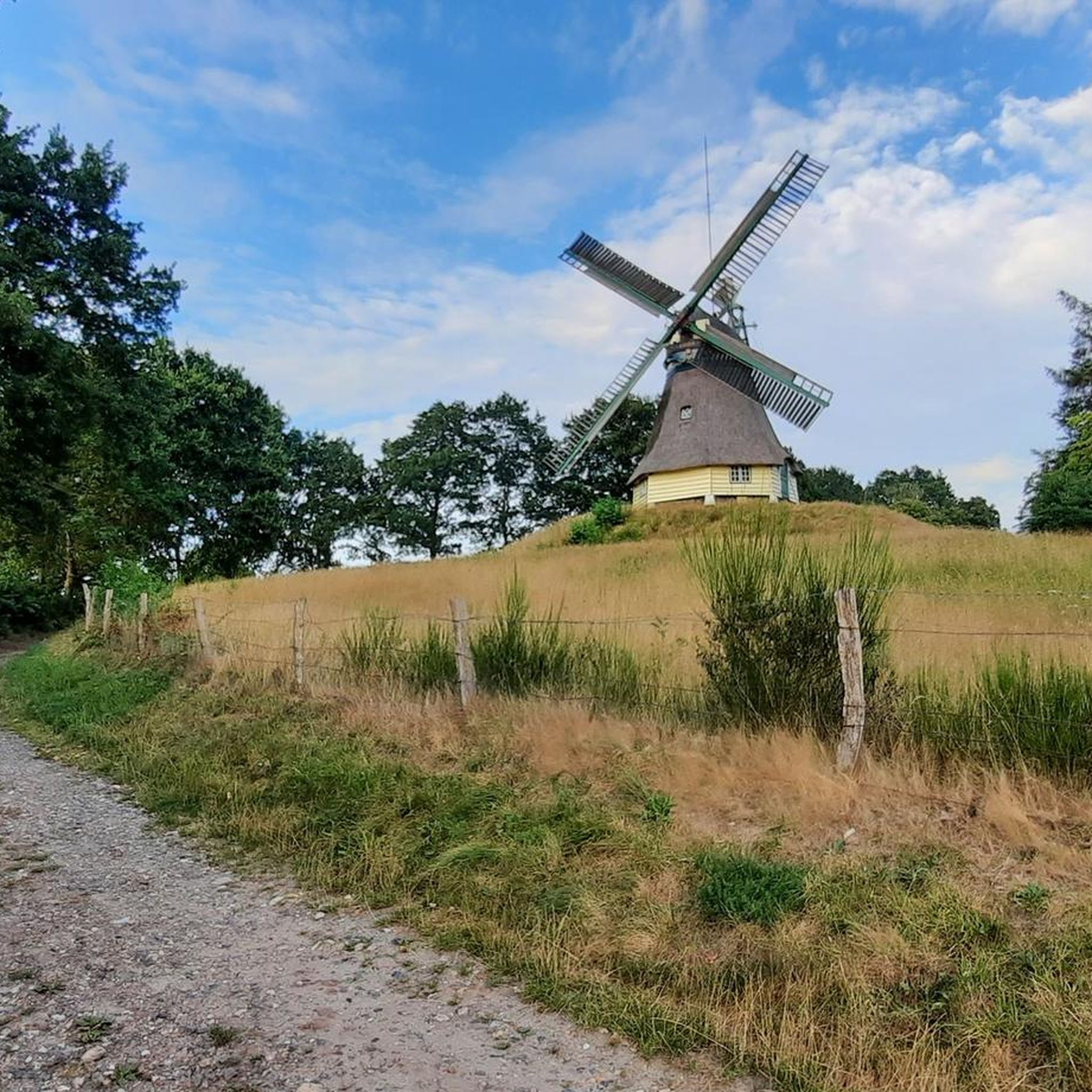
A small piece of dry grass is the last remnant of the originally extensive heathland, which only disappeared through cultivation in the 19th century. It comprises what was once a much larger field of a few larger and many smaller burial mounds, the former of which may be of the Bronze Age, the latter predominantly of the pre-Roman Iron Age.
5
0
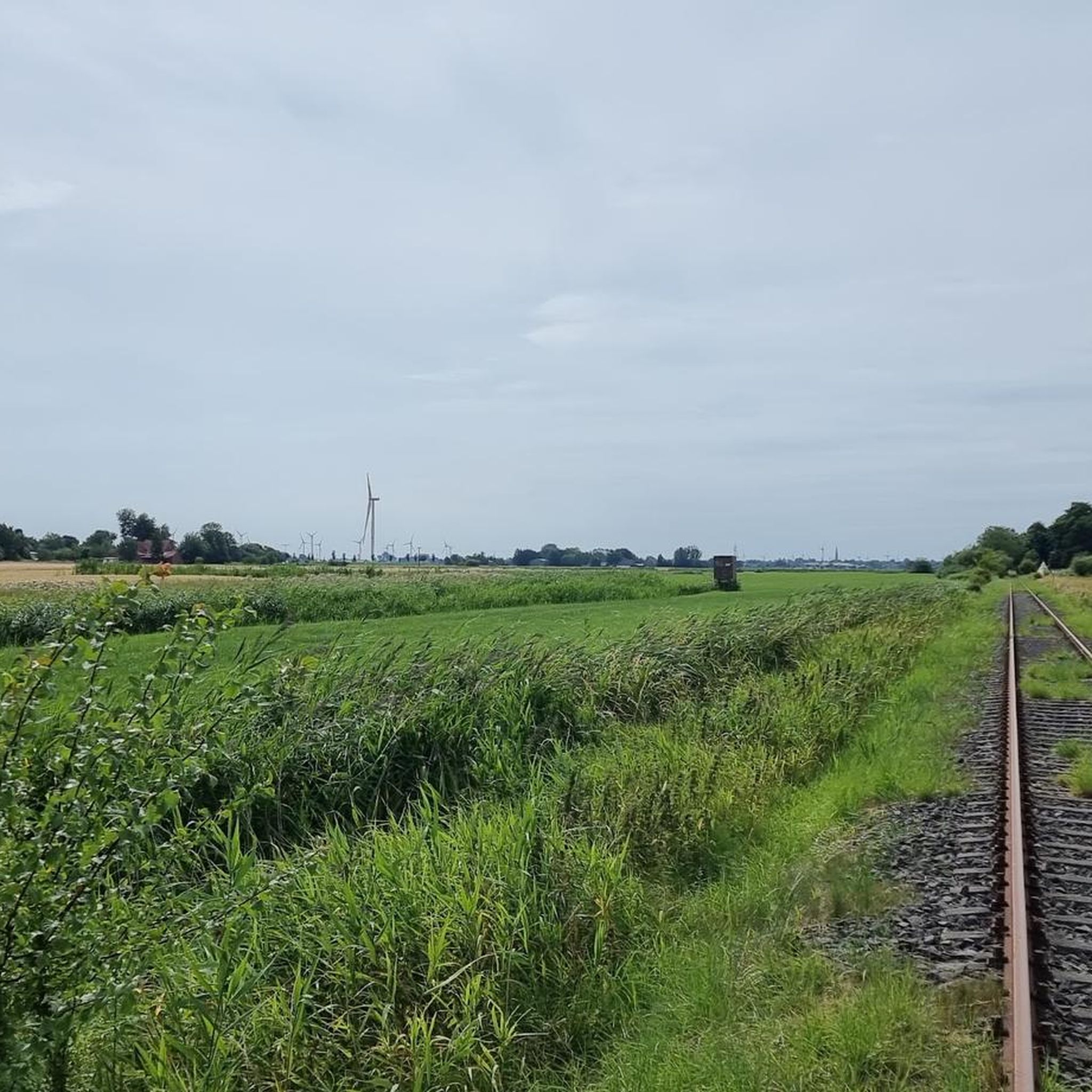
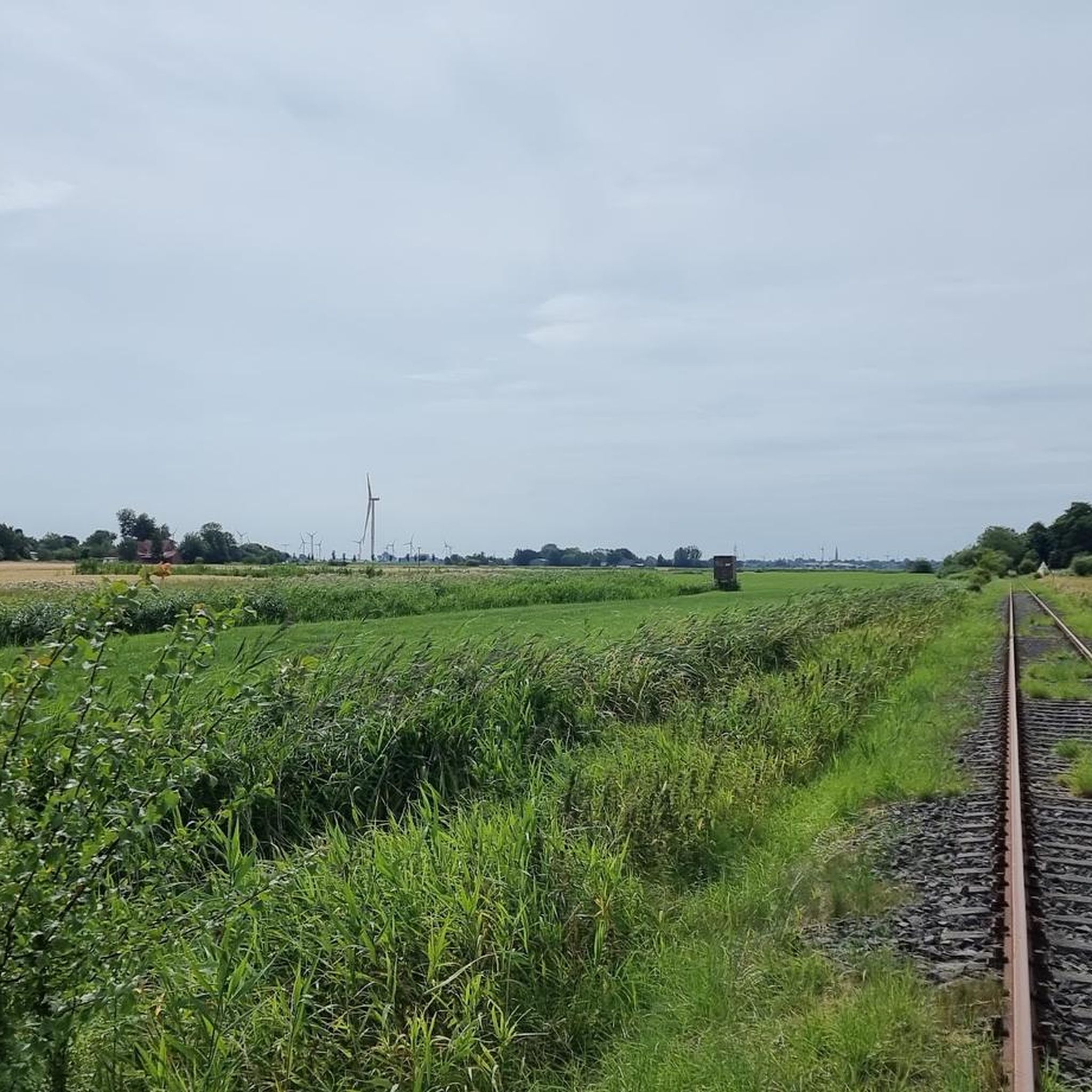
The Kudensee is the last surviving Dithmarscher See, which was once formed from sea bays. Today the Kudensee has a water area of around 40 hectares and is home to a large number of different marsh and water birds.
3
0
Frequently Asked Questions
What are the main natural features to explore around Volsemenhusen?
The region around Volsemenhusen is primarily defined by its direct connection to the Eider River and its proximity to the Wadden Sea National Park. The Eider, Schleswig-Holstein's longest river, offers serene environments with wetlands and diverse habitats. The Wadden Sea National Park, a UNESCO World Heritage Site, is a unique tidal landscape featuring tidal flats, salt marshes, and dunes, crucial for migratory birds and marine life.
Which protected natural areas can I visit near Volsemenhusen?
You can explore several protected areas, including the globally significant Wadden Sea National Park. Closer to Volsemenhusen, there's the Kleve Nature Reserve, which protects a forested slope up to 30 meters high, and the Kudensee Nature Reserve, home to the largest lake in the Dithmarschen district and an important habitat for marsh and water birds.
Are there any unique natural monuments or landmarks in the area?
Yes, the area features several unique spots. The Bismarck Rock at Hoper Klev is a significant 25-ton boulder from the Saale Ice Age, discovered during the Kiel Canal expansion. Another interesting landmark is the Helmsand Causeway, a 3.5-kilometer stone dam that connects the former island of Helmsand to the mainland and serves as an important bird sanctuary.
What kind of wildlife can be observed around Volsemenhusen?
The Wadden Sea National Park is exceptional for birdwatching, especially during migration seasons (September-October and March-May), when millions of birds gather. It also hosts the largest population of common seals in Denmark. The Eider River and its wetlands provide crucial habitats for various fish and bird species. In the Kleve Nature Reserve, you might spot up to 300 species of insects, various reptiles like slow worms and adders, as well as hares and wild rabbits.
What is the best time of year to visit the natural monuments?
Spring and summer are ideal for exploring the Eider River, perfect for cycling, hiking, or fishing. For birdwatching in the Wadden Sea National Park, the migration seasons in spring (March-May) and autumn (September-October) are particularly rewarding. The Wadden Sea offers world-class nature experiences year-round, with tidal walks being popular when conditions allow.
Are there family-friendly activities or natural monuments suitable for children?
Many natural areas around Volsemenhusen are suitable for families. The Eider River offers peaceful strolls and boat trips. The Wadden Sea National Park provides unique guided tidal walks, which can be a fascinating experience for children to explore marine life. Highlights like the Bismarck Rock at Hoper Klev and the Kudensee Nature Reserve are also generally accessible for family visits.
Can I go hiking or cycling near these natural monuments?
Absolutely! The region is well-suited for outdoor activities. You can find numerous hiking trails, including routes that pass by the Bismarck Rock at Hoper Klev and the Kleve Nature Reserve. The Eider River is particularly recommended for cycling. For more detailed routes, you can explore the hiking guide and cycling guide for Volsemenhusen.
What historical sites are located near the natural monuments?
While the focus is on natural monuments, the Hopen Burial Mounds near Sankt Michaelisdonn are an important archaeological site. These burial mounds mostly date from the Bronze Age and pre-Roman Iron Age, offering insights into ancient burial practices and the region's history.
Are there any specific viewpoints to enjoy the scenery?
Yes, several natural monuments offer scenic viewpoints. The Bismarck Rock at Hoper Klev, though now somewhat overgrown, is a nice resting place. The Helmsand Causeway provides expansive views, and the Kleve Nature Reserve has viewpoints of the Elbmarsch. The Eider River banks also offer many picturesque spots for enjoying the peaceful landscape.
What do visitors appreciate most about the natural monuments around Volsemenhusen?
Visitors frequently highlight the tranquility and impressive natural beauty of the area. The unique tidal landscape of the Wadden Sea and the serene environment of the Eider River are often praised. The opportunity for birdwatching, exploring diverse habitats, and engaging in outdoor activities like hiking and cycling are also highly valued by the komoot community.
Is it possible to go birdwatching in the Volsemenhusen area?
Yes, birdwatching is a major attraction, especially in the Wadden Sea National Park, which is a crucial stopover for millions of migratory birds. The Eider River and its surrounding wetlands also provide important habitats for numerous bird species. The best times for birdwatching are during the spring (March-May) and autumn (September-October) migration seasons.
Are there any regulations for dog owners when visiting these natural areas?
While specific rules for every trail are not detailed, it's generally advisable to keep dogs on a leash in nature reserves and protected areas like the Wadden Sea National Park and the Kleve Nature Reserve to protect wildlife. Always check local signage for specific regulations, especially during breeding seasons for birds, where access might be restricted in certain areas like Helmsand.
How accessible are the natural monuments by public transport?
While Volsemenhusen itself is a smaller community, public transport options to reach the broader natural areas like the Eider River banks and the Wadden Sea National Park exist, often requiring connections. For specific natural monuments, it's recommended to check local bus schedules or consider driving, as direct public transport might be limited. Parking is generally available near popular starting points for trails and attractions.
Most popular attractions around Volsemenhusen

Get inspired with the komoot mobile app


Explore more
Extend your search for the best caves by checking out these guides of the top ones around Volsemenhusen:
