The 20 Most Amazing Peaks around Faido
Best mountain peaks around Faido are found in the Leventina valley, within the Swiss canton of Ticino. This region features a captivating alpine landscape with numerous mountain peaks and passes. These natural formations offer panoramic views and diverse geological features. The area provides a range of hiking opportunities for outdoor enthusiasts.
Best mountain peaks around Faido
- The most popular mountain peaks is Lukmanier Pass summit, a mountain pass that historically served as an important north-south connection to Italy. It is known for its beautiful landscapes and less demanding slopes compared to other alpine passes.
- Another must-see spot is Cadlimo Hut, a hut located on the Four Sources Path, within a landscape characterized by mountain lakes. Visitors can expect easy ridge and summit ascents, circular tours, a small climbing garden, and opportunities for swimming in one of the surrounding lakes.
- Visitors also love Passo di Gana Negra (Black Rocks Pass), a mountain pass featuring graphite-black boulders amidst light-colored carbon rocks. These unique black metapelites and metamergel, dark due to organic residues, give the pass its distinctive name.
- Faido is known for its prominent mountain passes, pyramid-shaped peaks, and ridge-walking routes. The region offers a variety of mountain peaks to see and explore, catering to different hiking preferences.
- The mountain peaks around Faido are appreciated by the komoot community, with 56 upvotes and 32 photos shared by visitors.
Last updated: April 25, 2026
Cadlimo Hut
Highlight • Mountain Hut
Translated by Google •
Tip by

Lukmanier Pass summit
Highlight • Mountain Pass
When the Disentis monastery was founded around 720, the Lukmanier Pass, which could be crossed without great difficulty and was also considerably lower than the other passes in the Alps, became very important. During the Staufer period, it was considered the most important north-south connection to Italy. However, it quickly lost this role to the Gotthard and Splügen passes. In 1374, the Disentis monastery built the "Hospezi S. Maria" with a chapel on the top of the pass. Both had to make way for the construction of the reservoir in 1964. The new hospice at the current location was inaugurated on August 1, 1965 and the chapel in 1967.
The Lukmanier Pass played an important role in the choice of the route of an Alpine railway at times, because the planners assumed that it would be possible to build it without an expensive summit tunnel. In 1869, however, the decision was made in favor of the Gotthard railway. Between 1872 and 1877, a modern road was built over the Lukmanier. With the construction of the "Lai da Sontga Maria" reservoir in the 1960s, the road on the Graubünden side had to be relocated to a gallery. The importance of a supra-regional transport axis ended with the opening of the motorway tunnel through the Gotthard. Tourism in the Surselva began to suffer greatly as a result, especially as the pass was closed during the winter from 1980 onwards.
On the initiative of the municipality of Disentis and the Surselva mountain railways in particular, the "Pro Lucmagn" association was founded, which has been responsible for ensuring that the Lukmanier pass remains open for as long as possible in winter since 2005. The canton, district, municipalities and tourism in both Graubünden and Ticino provide the finances. The five-year trial phase was positive. This project has been secured for the long term since 2011. Clearly to the benefit of tourism in the Surselva as well as in the Blenio Valley.
Text / Source: Interest Group for Alpine Passes IAP, PO Box 11, 6491 Realp
alpen-paesse.ch/de/alpenpaesse/lukmanierpass
Translated by Google •
Tip by

Sign up now to discover places like this
Get recommendations on the best single tracks, peaks, & plenty of other exciting outdoor places.
Sign up for free
Passo di Gana Negra (Black Rocks Pass)
Highlight • Mountain Pass
Translated by Google •
Tip by

Acquarossa Thermal Springs
Highlight • Natural Monument
Translated by Google •
Tip by

Bocchetta del Camoghè
Highlight • Mountain Pass
From the top of the pass, a beautiful view over Val di Piora, the Gotthard road via Airolo and far into the Val Bedretto to the Nufenen pass with Blinnenhorn / Corno Gries.
Translated by Google •
Tip by

Sign up for free to discover even more peaks around Faido.
Sign up for free
Already have an account?
Start today with a free account
Your next adventure awaits.
Login or Signup
Popular around Faido
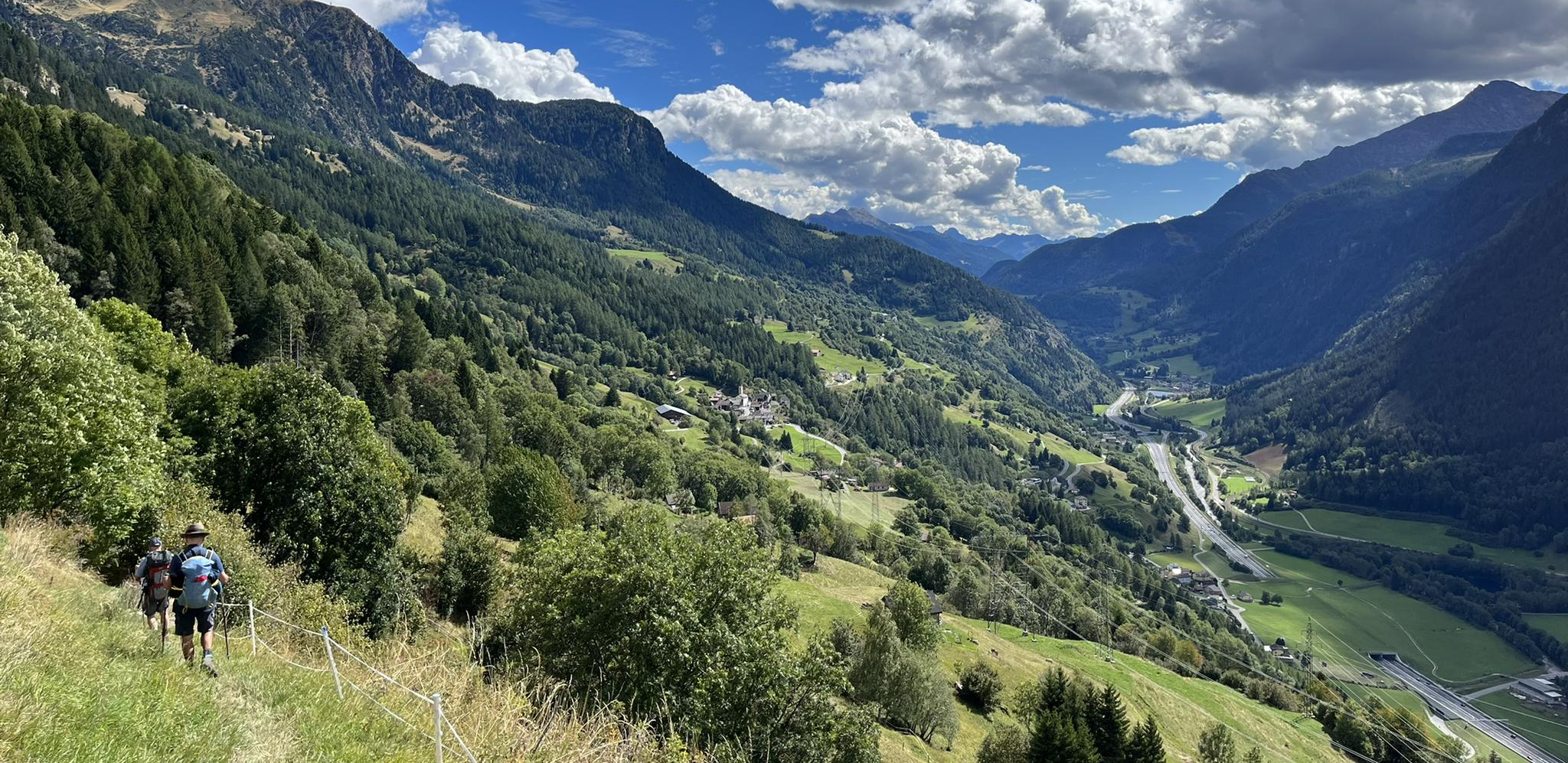
Strada alta – Hiking in the sun terrace of Switzerland
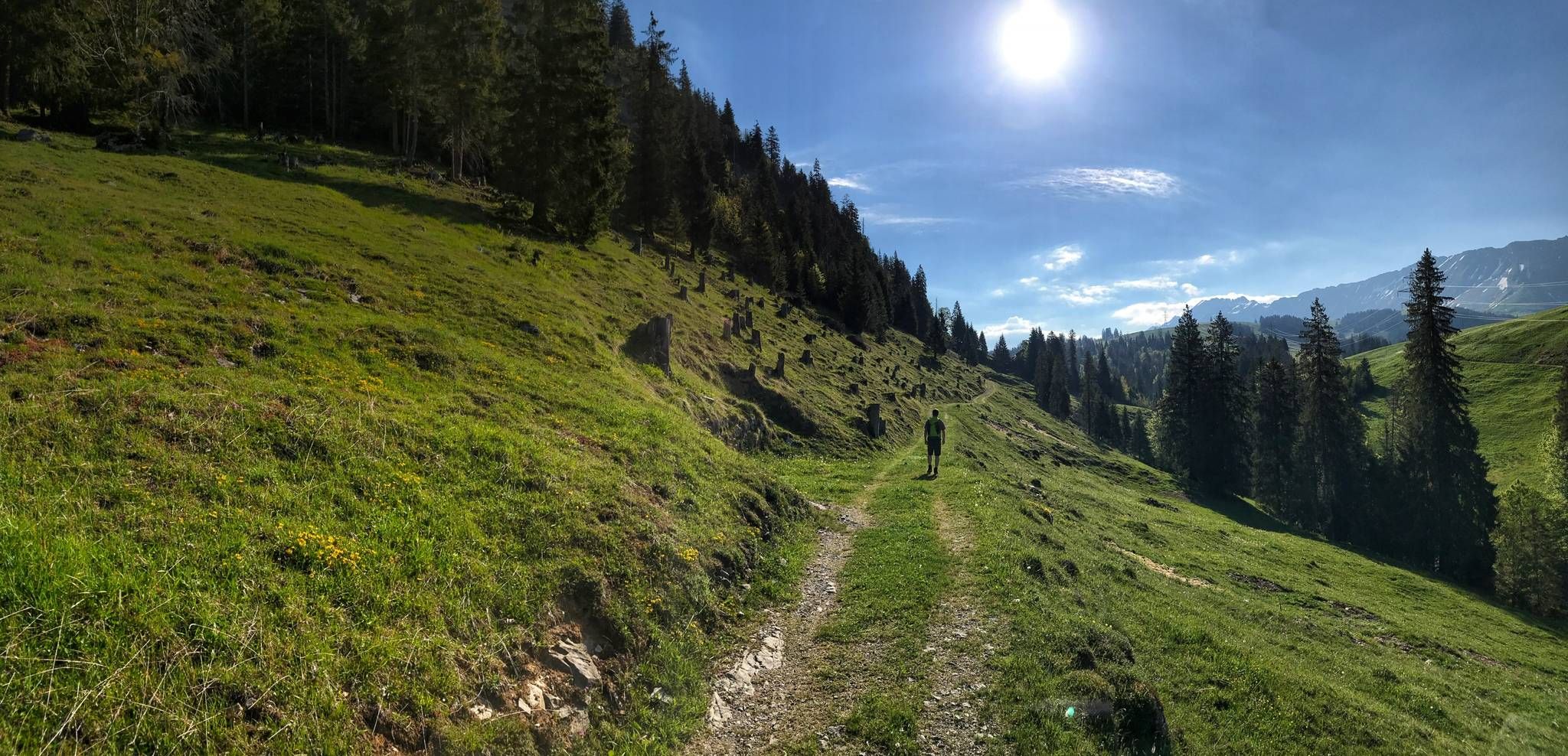
Trans Swiss Trail – Hiking across Switzerland
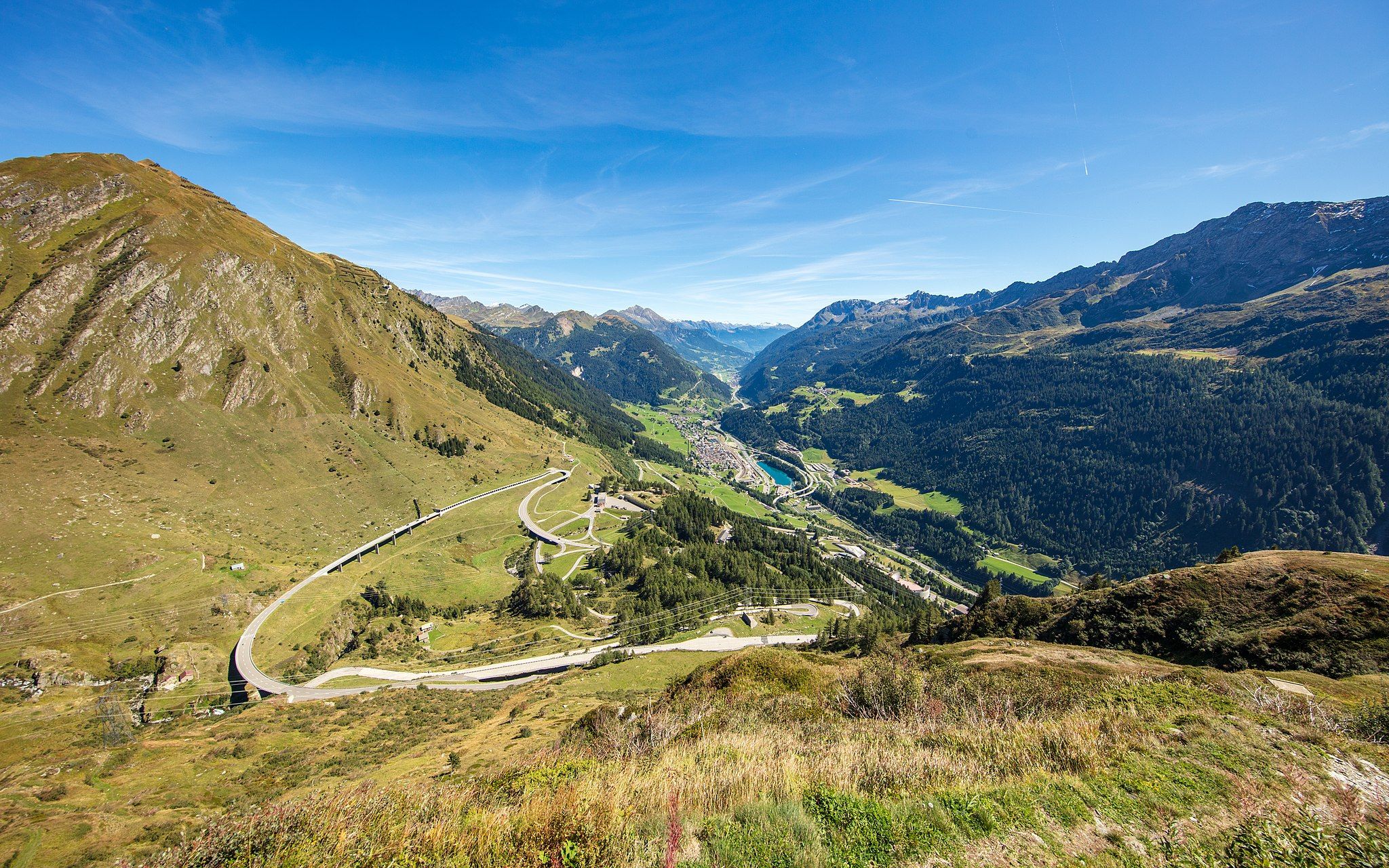
Via Gottardo – Following historic trails
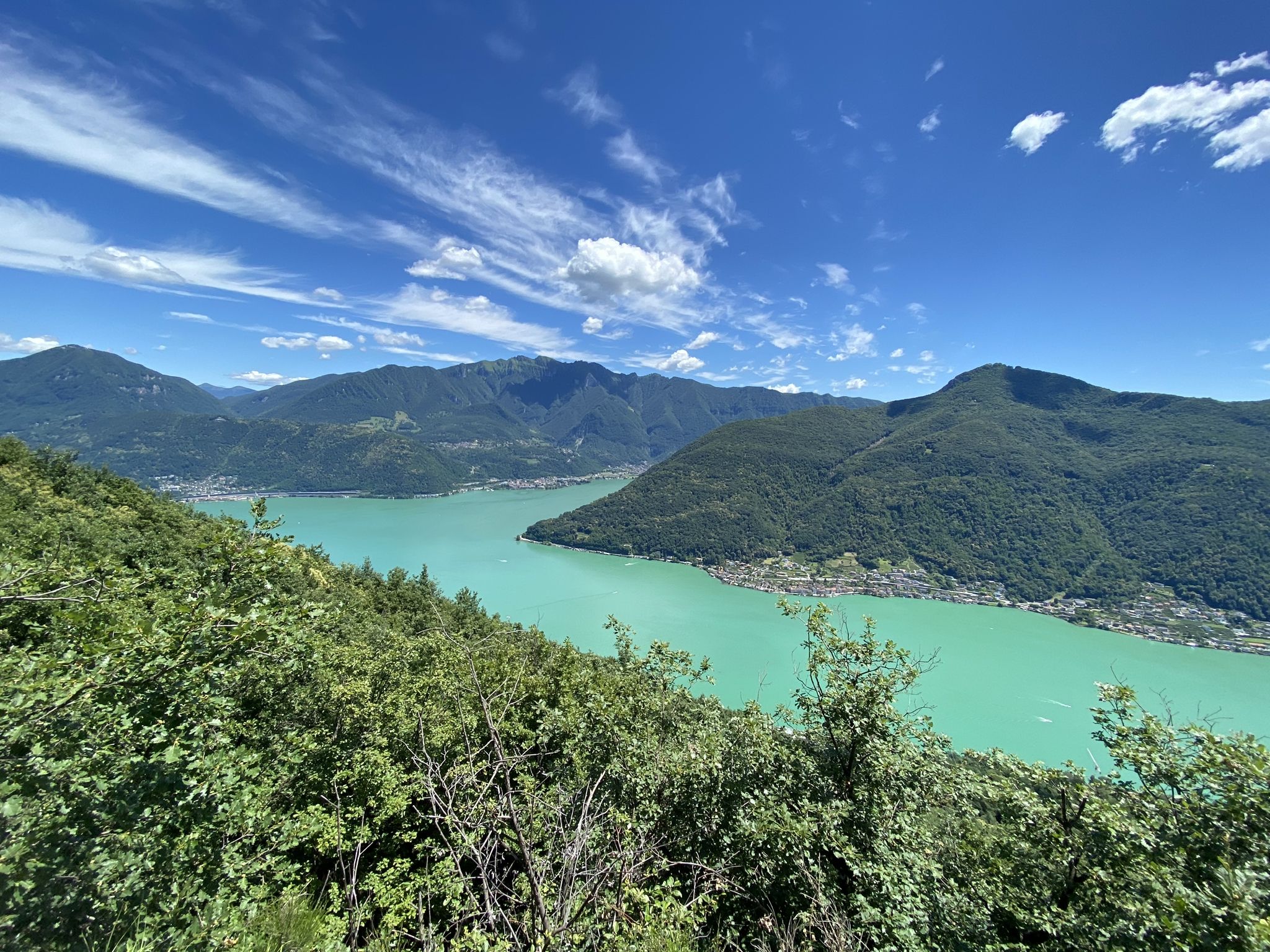
Trails with friends – komoot hiking relay through Ticino in Switzerland
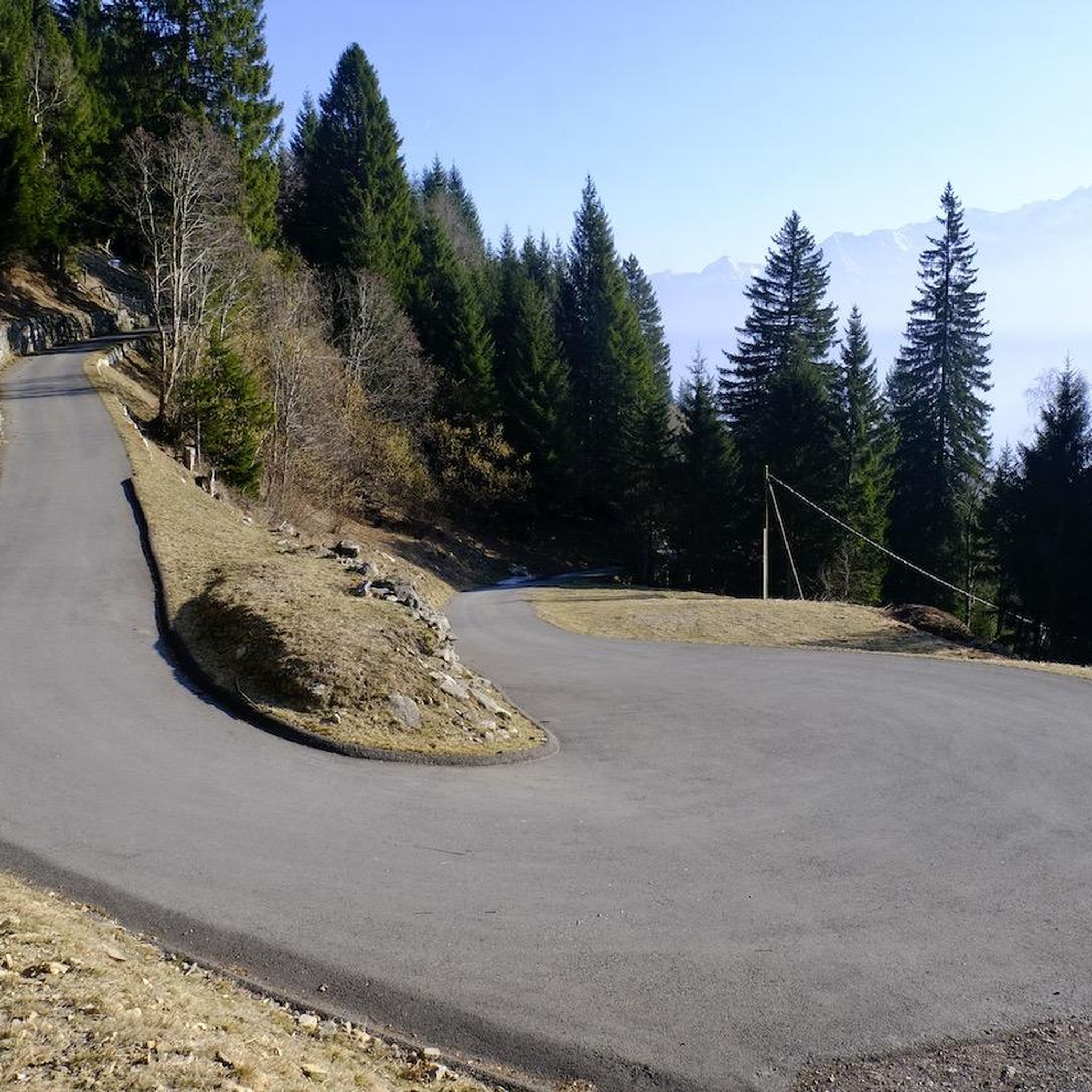
Hiking around Faido
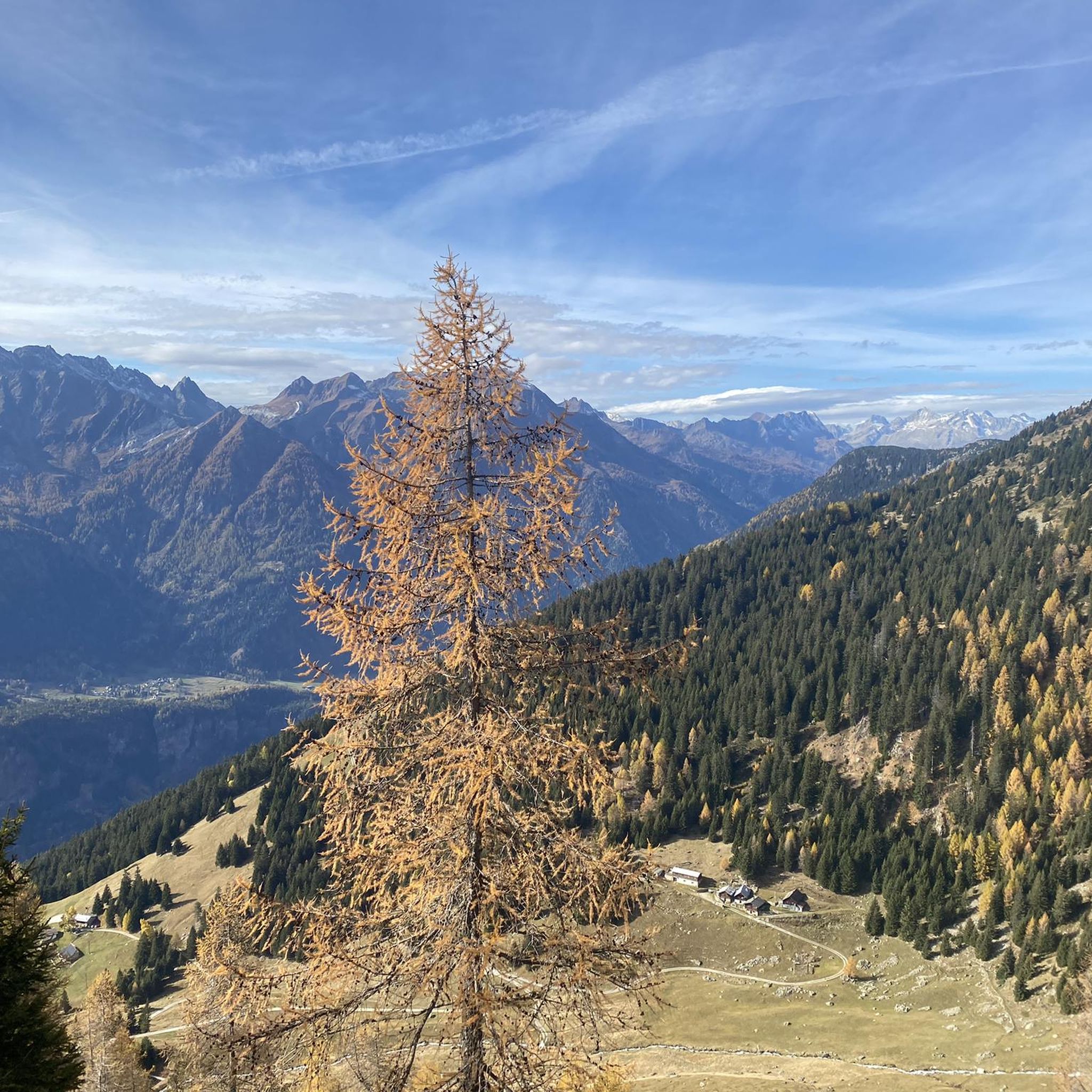
Running Trails around Faido
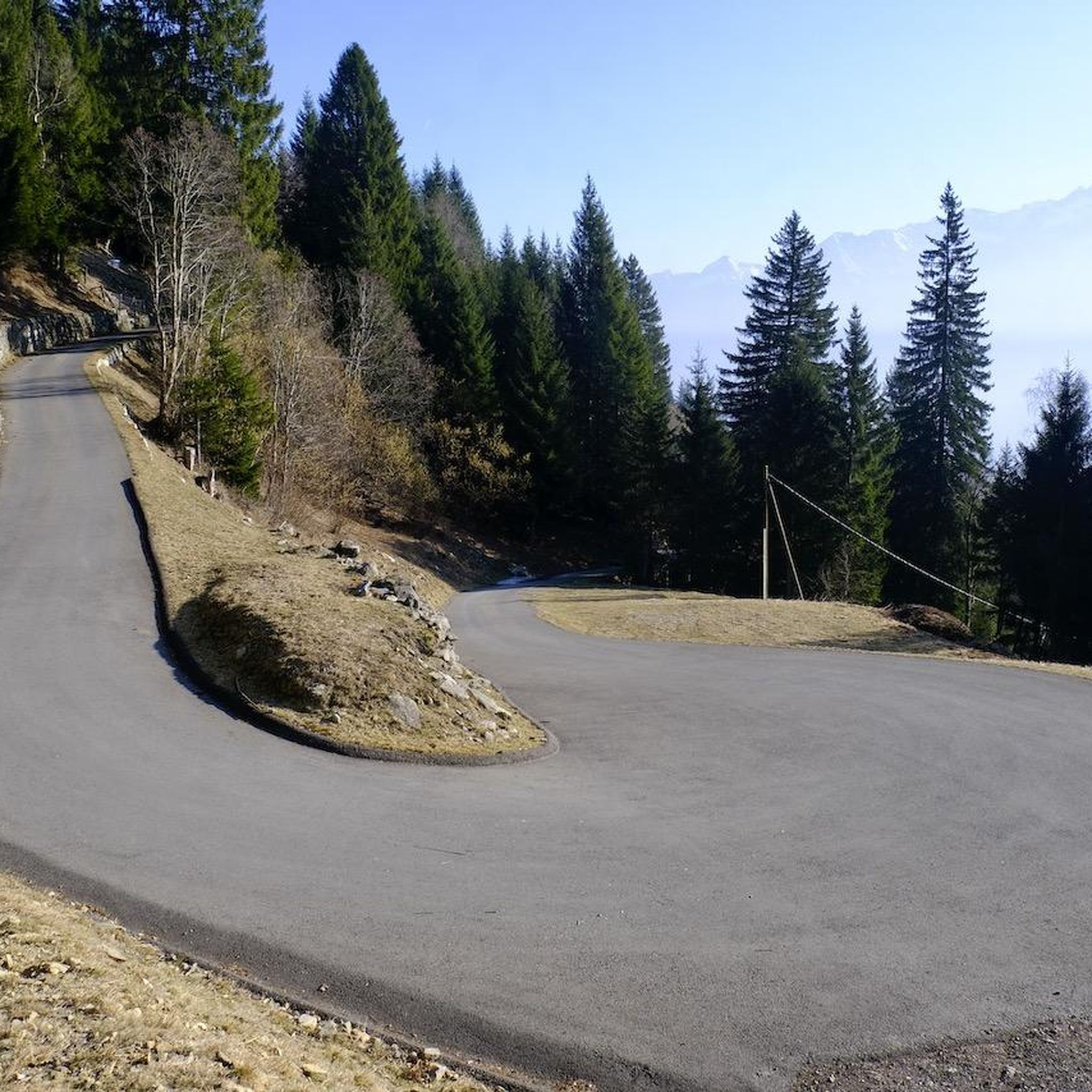
Road Cycling Routes around Faido
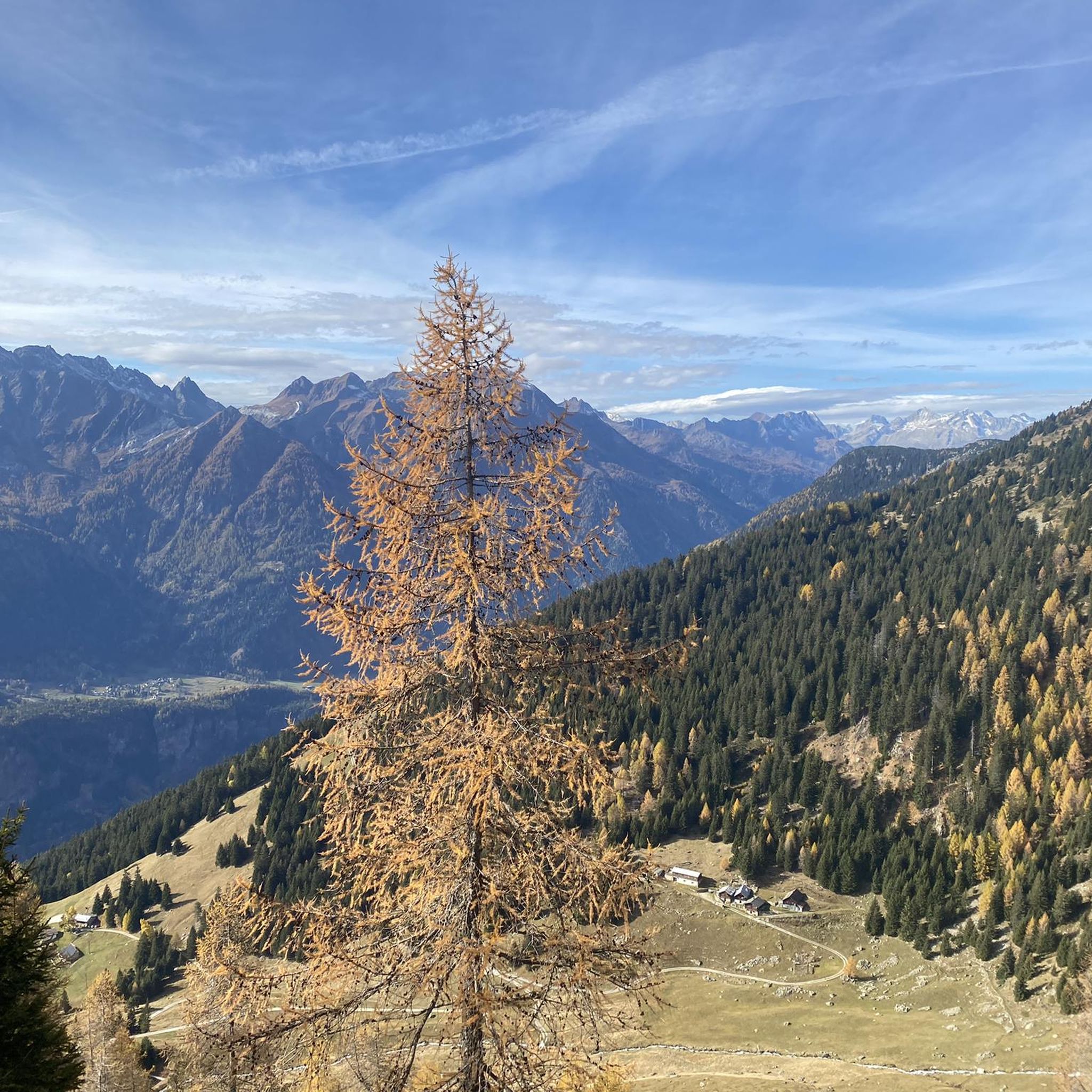
MTB Trails around Faido
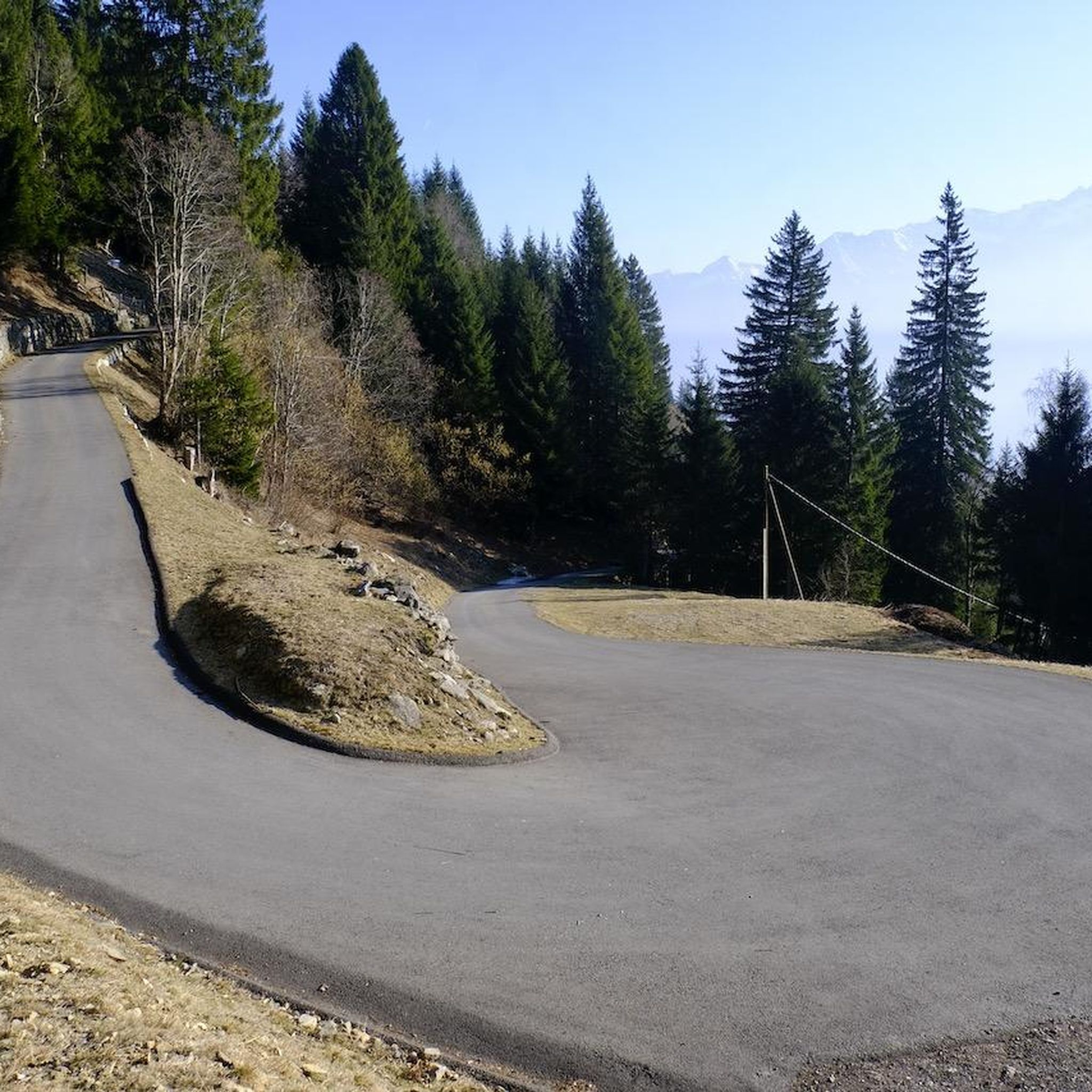
Cycling around Faido
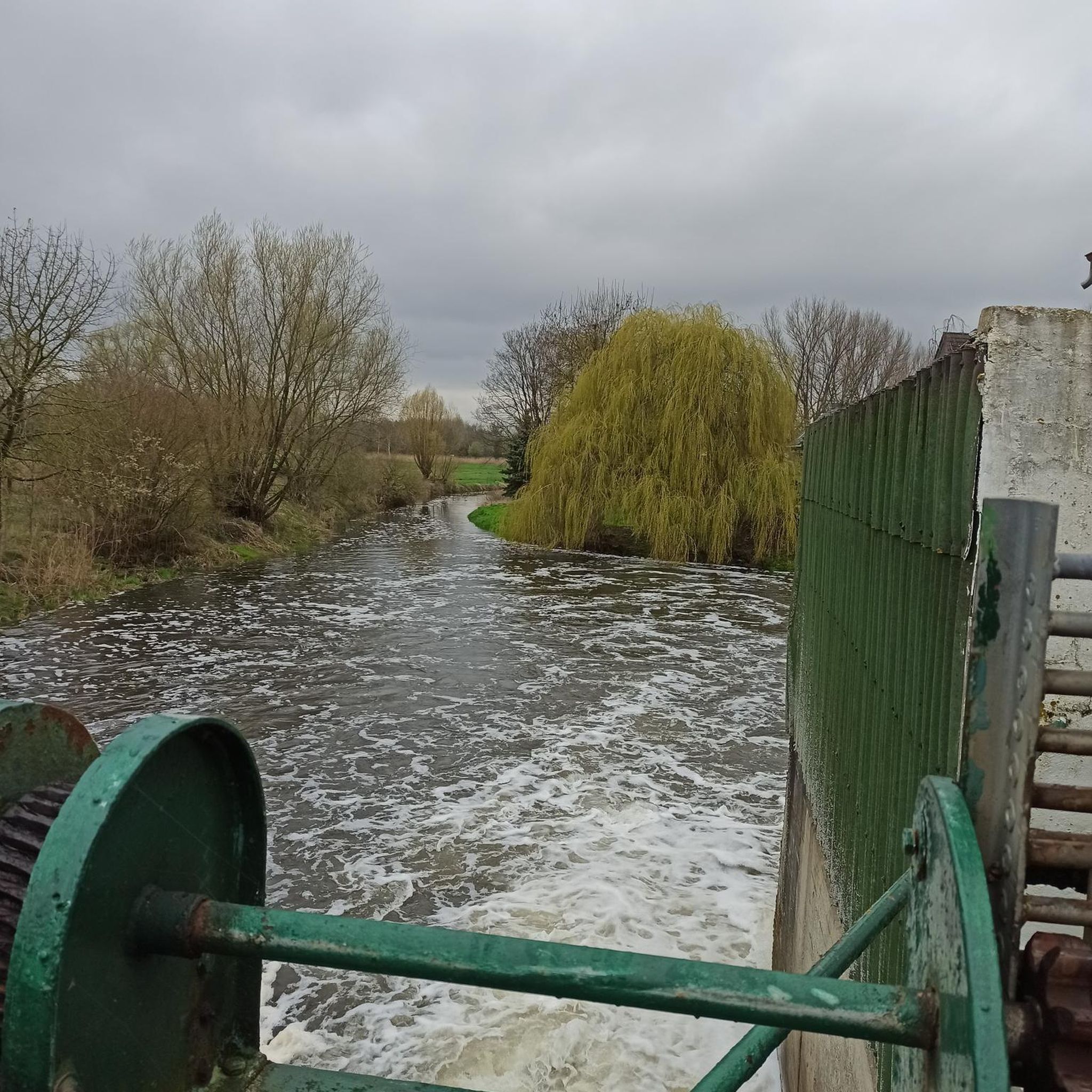
Mountain Hikes around Faido
Other adventures around Faido


Tips from the Community

Acquarossa is in the center of the Blenio Valley, a valley full of wonderful mountain bike trails, for all tastes. Discover them on komoot at www.komoot.com/it-it/collection/3576744/-blenio-bike-28-tour-mtb-in-valle-di-blenio-la-valle-del-sole or on the association's official website www.bleniobike.ch.
0
0

The black rocks are really wonderful to look at. Was one of the highlights of my tour.
2
0

We - over-60s with good mountain skills - descended from the Cabanna Cadlimo through the Val Cadlimo to the Lukmanier Pass. The common description that the route is mostly on easy-to-walk paths is a dangerous understatement. It goes over long stretches over boulder fields, which require very good surefootedness and balance. Then down over some smooth rock ledges, which are secured with chains. So it's not all that easy!
1
0

Lukmanier Pass When the Disentis monastery was founded around 720, the Lukmanier Pass, which could be crossed without great difficulty and was also considerably lower than the other passes in the Alps, became very important. During the Staufer period, it was considered the most important north-south connection to Italy. However, it quickly lost this role to the Gotthard and Splügen passes. In 1374, the Disentis monastery built the "Hospezi S. Maria" with a chapel on the top of the pass. Both had to make way for the construction of the reservoir in 1964. The new hospice at the current location was inaugurated on August 1, 1965 and the chapel in 1967. The Lukmanier Pass played an important role in the choice of the route of an Alpine railway at times, because the planners assumed that it would be possible to build it without an expensive summit tunnel. In 1869, however, the decision was made in favor of the Gotthard railway. Between 1872 and 1877, a modern road was built over the Lukmanier. With the construction of the "Lai da Sontga Maria" reservoir in the 1960s, the road on the Graubünden side had to be relocated to a gallery. The importance of a supra-regional transport axis ended with the opening of the motorway tunnel through the Gotthard. Tourism in the Surselva began to suffer greatly as a result, especially as the pass was closed during the winter from 1980 onwards. On the initiative of the municipality of Disentis and the Surselva mountain railways in particular, the "Pro Lucmagn" association was founded, which has been responsible for ensuring that the Lukmanier pass remains open for as long as possible in winter since 2005. The canton, district, municipalities and tourism in both Graubünden and Ticino provide the finances. The five-year trial phase was positive. This project has been secured for the long term since 2011. Clearly to the benefit of tourism in the Surselva as well as in the Blenio Valley. Text / Source: Interest Group for Alpine Passes IAP, PO Box 11, 6491 Realp https://www.alpen-paesse.ch/de/alpenpaesse/lukmanierpass/
12
2

Here you run on a narrow path that crosses soft green meadows and fragile sharp rocks.
1
0
The town is of Etruscan origin and dates back to the mid-7th century BC. The current name derives from the nearby iron-rich water source.
1
0

Saddle between Camoghè and Pizzo Tom, not to be confused with the Passo del Camoghè further south. A marked mountain hiking trail leads from Lago di Tom (Val Piora) via the Bocchetta to Val Canaria, where it ends in the "Sentiero panoramico". Sugar-like dolomite appears on the pass, a crumbling rock that, under the name of Piora-Mulde, sparked debate during the construction of the Gotthard Base Tunnel.
0
0
Visited by mountain hikers from all directions. The hut is located on the Four Sources Path, on the main continental watershed between the Rhine and Ticino/Po, in a landscape characterized by mountain lakes. Ibex like to show up on the ridges around Cadlimo. Easy ridge and summit ascents, circular tours, transitions, a small climbing garden and swimming in one of the lakes around the Cadlimohütte complete the mountain experience.
1
2
Frequently Asked Questions
What are some of the most notable mountain peaks and areas to explore around Faido?
The Faido region offers a captivating alpine landscape with several prominent peaks and areas. Highlights include the pyramid-shaped Pizzo Forno, known for its unobstructed views over Valle Leventina, and Pizzo Pettine, which provides a vast panorama encompassing the Monte Rosa massif and other significant summits. The area around Cadlimo Hut is also a major destination, offering easy ridge and summit ascents amidst mountain lakes.
What kind of panoramic views can I expect from the mountain peaks in the Faido region?
The mountain peaks around Faido offer stunning and diverse panoramic views. From Pizzo Forno, you can see across the Valle Leventina, extending to the Valais and Bernese Alps on clear days. Pizzo Pettine provides a comprehensive vista of the Leventina valley and numerous prominent peaks, including the Monte Rosa massif. Pizzo Molare offers commanding views of both the Val di Blenio and Valle Leventina, while Bocchetta del Camoghè boasts beautiful views over Val di Piora and towards the Nufenen pass.
Are there any historically significant mountain passes around Faido?
Yes, the Lukmanier Pass summit is historically significant. It served as an important north-south connection to Italy and was once considered the most crucial alpine pass during the Staufer period. Although it later lost its role to other passes, it remains a beautiful route with a rich history, including the former 'Hospezi S. Maria' and its chapel.
What unique geological features can I expect to see on mountain passes near Faido?
The region features several unique geological formations. At Passo di Gana Negra (Black Rocks Pass), you'll find striking graphite-black boulders amidst light-colored carbon rocks, giving the pass its distinctive name. Near Bocchetta del Camoghè, you can observe soft white Piora chalk and sugar-like dolomite, a crumbling rock that was central to debates during the construction of the Gotthard Base Tunnel.
What are the difficulty levels for hiking the mountain peaks around Faido?
Hiking difficulties vary significantly. Peaks like Pizzo Forno involve challenging alpine hiking with block terrain and ridge scrambling, rated T4. Routes to Pizzo Molare can be steep with landslide risks, requiring good fitness and sure-footedness. The hike to Cadlimo Hut can be challenging, involving boulder fields and rock ledges secured with chains. The trail across Bocchetta del Camoghè is rated T3, requiring some sense of orientation.
Are there family-friendly options for exploring the mountain peaks near Faido?
Yes, there are options suitable for families. The area around Cadlimo Hut offers easy ridge and summit ascents, circular tours, and opportunities for swimming in alpine lakes, making it a great base for family adventures. The Passo di Gana Negra (Black Rocks Pass) is also listed as family-friendly, offering unique natural sights.
What is the best time of year to visit the mountain peaks around Faido?
The best time to visit the mountain peaks around Faido is generally during the warmer months, from late spring to early autumn (June to October), when trails are clear of snow and weather conditions are more stable for hiking. Some passes, like the Lukmanier Pass, are closed during winter, though efforts are made to keep them open as long as possible for tourism.
Are there multi-day hiking opportunities in the Faido mountains?
Absolutely. The Via Alta Idra is an extensive alpine route spanning approximately 100 kilometers across Ticino ridges, connecting twelve alpine refuges. It offers stages of varying difficulty and is ideal for multi-day adventures. The Cadlimo Hut area also serves as an excellent base for multi-day mountain tours, including sections of the Four Sources Path.
What other outdoor activities can I do near the mountain peaks of Faido?
Beyond hiking, the Faido region offers a variety of outdoor activities. You can explore numerous road cycling routes, including challenging loops like the Giornico Village – Lukmanier Pass. There are also several running trails, such as the Somprei and the lakes of Chièra race, and exciting MTB trails like the Carì Bike Trail or the Lake Ritom – Capanna Cadagno loop.
What do visitors particularly enjoy about the mountain passes near Faido?
Visitors appreciate the stunning landscapes and unique features of the mountain passes. The Lukmanier Pass is loved for its beautiful scenery and less demanding slopes. The Passo di Gana Negra is highly regarded for its 'wonderful' black rocks, which are a true natural wonder. The Bocchetta del Camoghè offers beautiful views over Val di Piora and geological insights into the Piora chalk.
Are there any unique natural features or landmarks to look out for besides the peaks?
Yes, the region boasts several unique natural features. The area around Cadlimo Hut is characterized by numerous mountain lakes, and sightings of ibex on the ridges are common. Additionally, the Acquarossa Thermal Springs, located in the middle Blenio Valley, are known for their iron-rich waters and historical significance as a spa destination.
How can I reach the trailheads for mountain peaks around Faido using public transport?
While specific public transport details for every trailhead are not provided, Faido itself is accessible by public transport. From Faido, local bus services often connect to smaller villages and starting points for hikes in the surrounding valleys. For major passes like the Lukmanier Pass, public transport options are generally available, especially during the hiking season, though it's always advisable to check current schedules.
Most popular attractions around Faido

Get inspired with the komoot mobile app


Explore more
See even more amazing summits around Faido with these guides:
