Top 10 Natural Monuments around Sankt Margarethen
Best natural monuments around Sankt Margarethen include a variety of unique geological and ecological sites. This region features significant natural landmarks, offering insights into local geography and environmental preservation. Visitors can explore diverse natural features, from the lowest points in the country to expansive nature reserves. The area provides opportunities to observe protected habitats and notable natural formations.
Best natural monuments around Sankt Margarethen
- The most popular natural monuments is Lowest Point in Germany, a natural_monument that is 3.54…
Last updated: October 11, 2026
Lowest Point in Germany
Highlight • Natural Monument
Translated by Google •
Tip by

St. Margarethen Outer Dike Nature Reserve
Highlight • Natural Monument
Translated by Google •
Tip by

Sign up now to discover places like this
Get recommendations on the best single tracks, peaks, & plenty of other exciting outdoor places.
Herrenmoor Nature Reserve near Kleve
Highlight • Natural Monument
Translated by Google •
Tip by

Kudensee Nature Reserve
Highlight • Lake
Translated by Google •
Tip by

Braake River
Highlight • River
Translated by Google •
Tip by

Sign up for free to discover even more natural monuments around Sankt Margarethen.
Already have an account?
Start today with a free account
Your next adventure awaits.
Tips from the Community

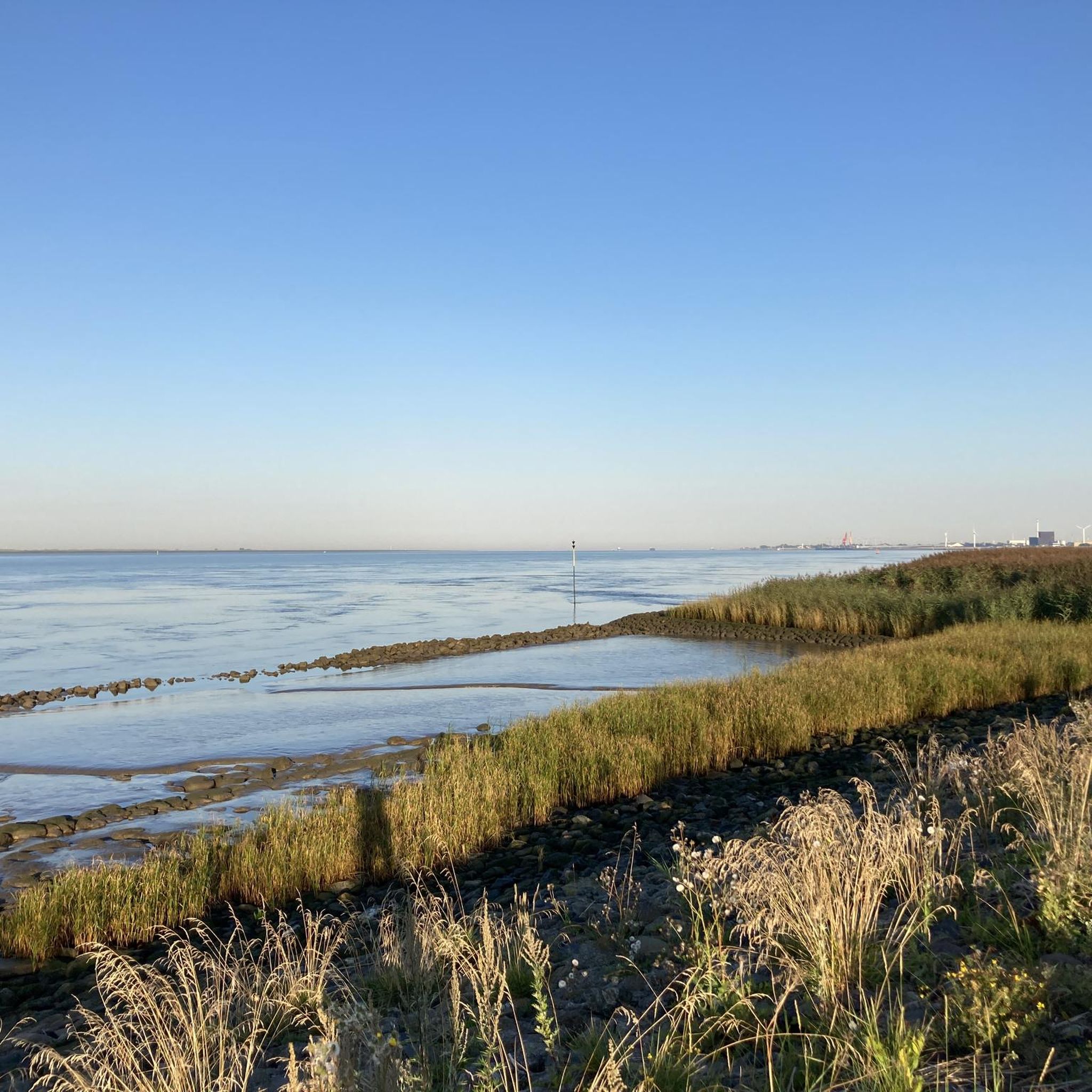
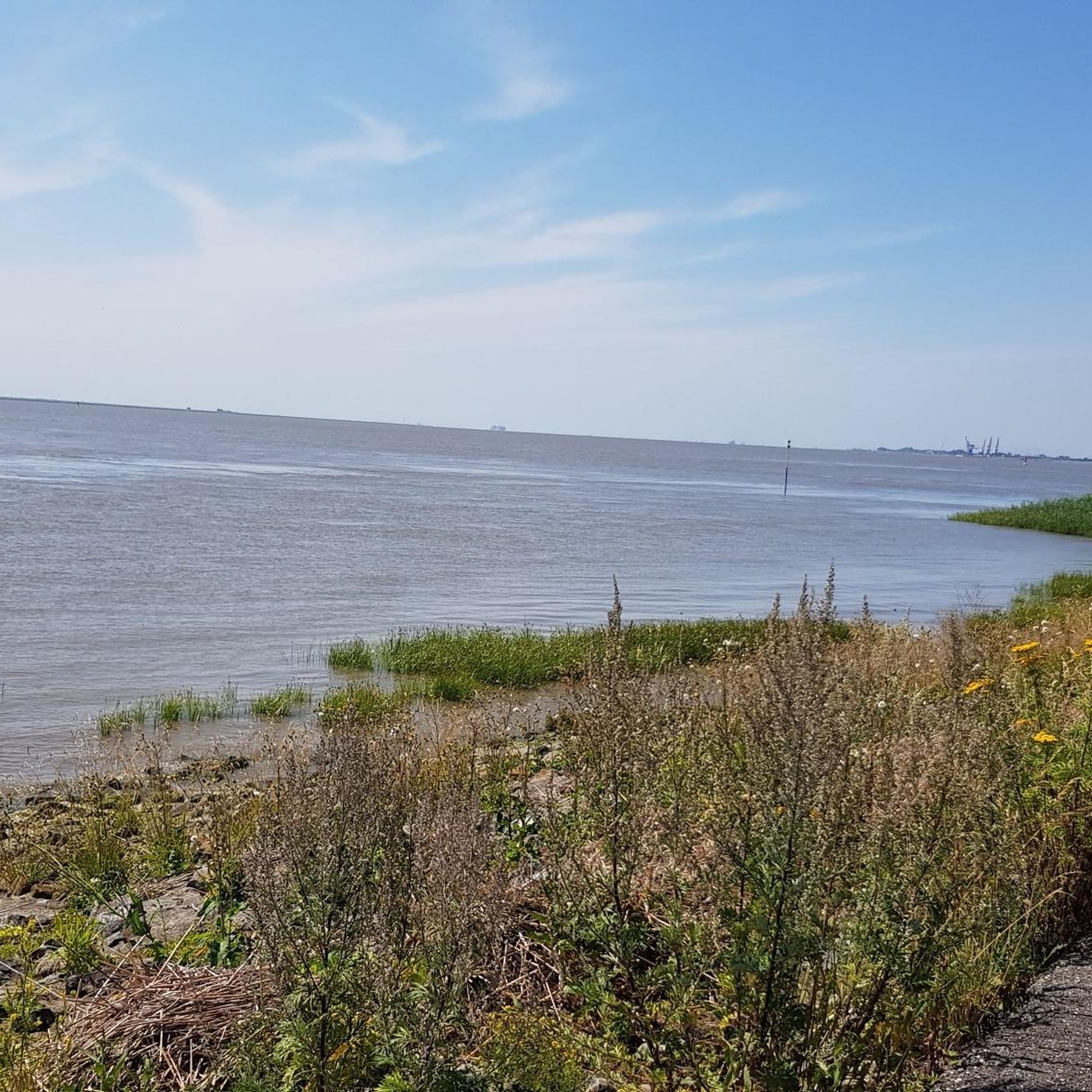
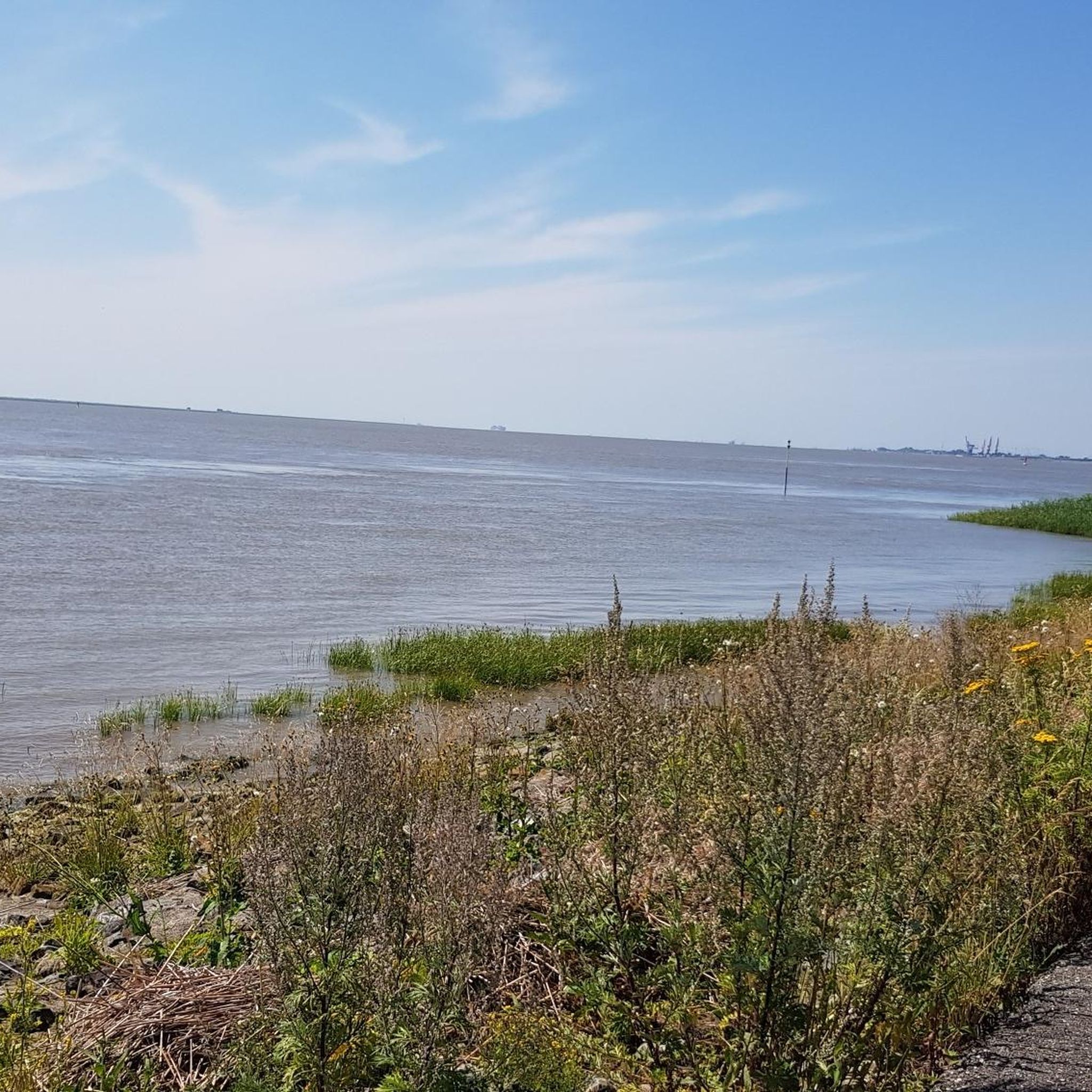
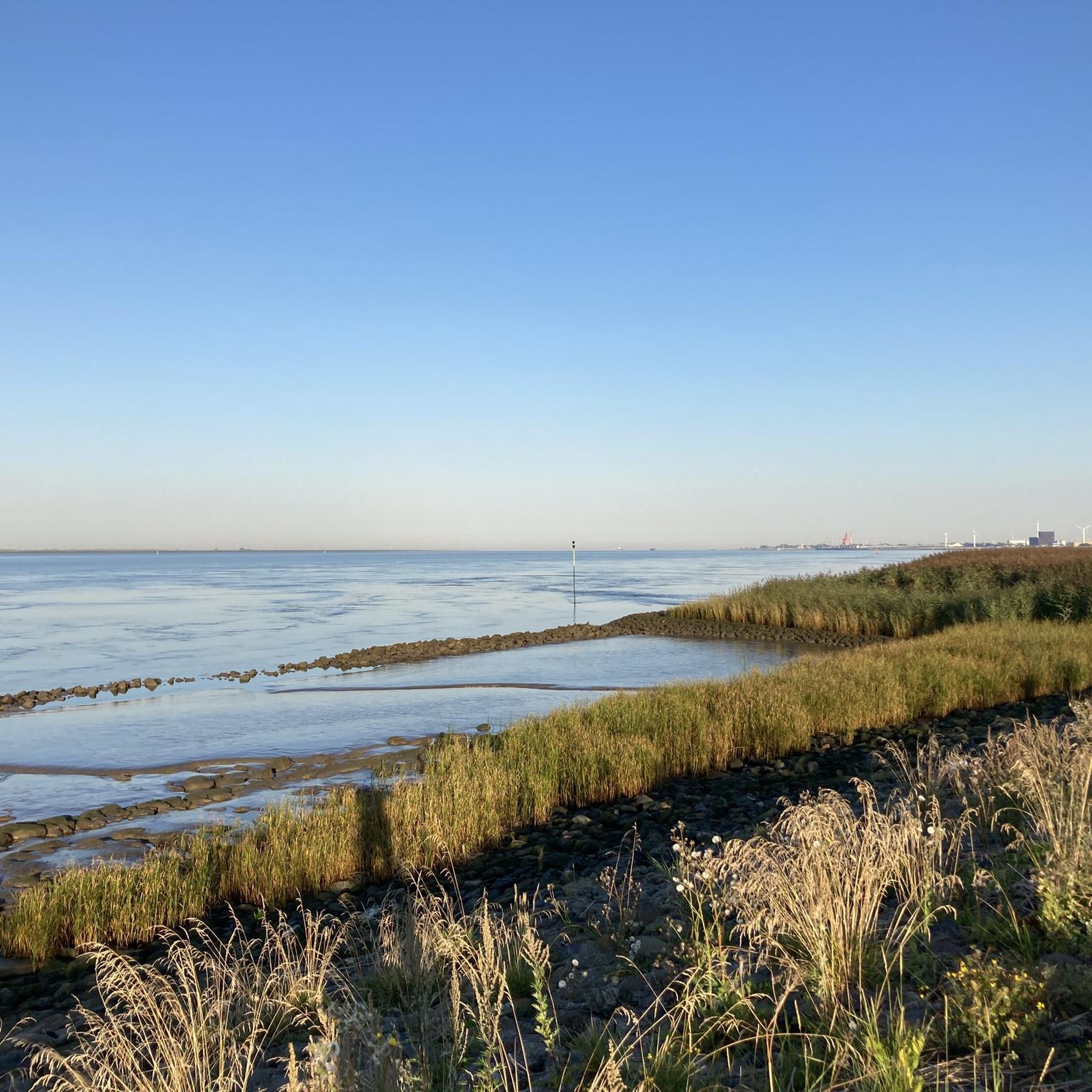
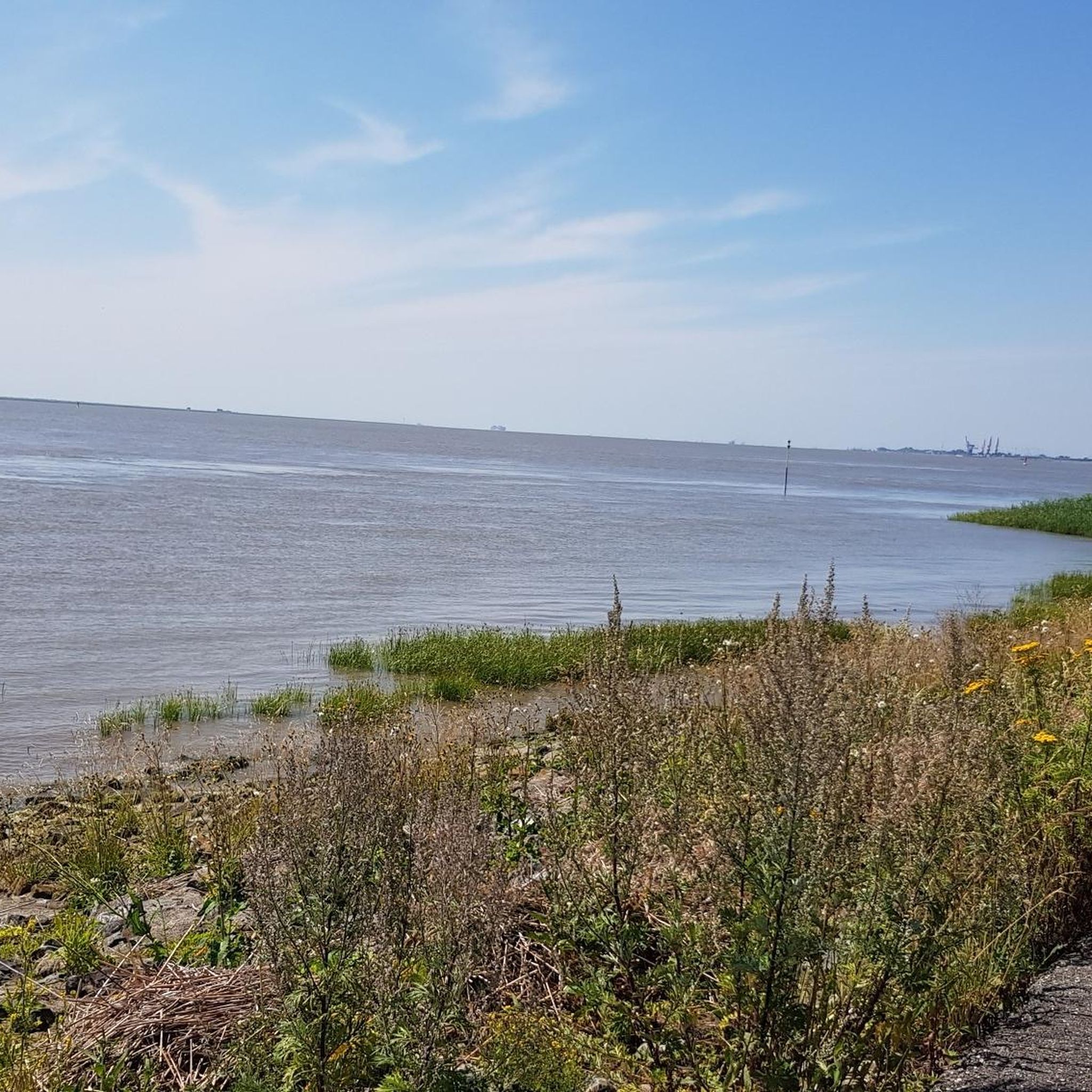
The outer dike of St. Margarethen is located near the Elbe and is now an important bird sanctuary. Originally, this area was part of a dike system that protected the hinterland from flooding. Over time, the harbor creek became increasingly silted up and port operations were discontinued. Today, the outer dike provides an important habitat for numerous bird species and is a popular destination for nature observation and cycling tours. The outer dike and the surrounding area are ideal for hikes and bike rides along the Elbe, with wonderful views of the passing ships. Historically, the area was also the site of a pilot station, but this was not rebuilt after a fire in 1902.
2
0
Kudensee is a municipality in the Steinburg district in Schleswig-Holstein, and also the name of the largest lake in the Dithmarschen district. The Kudensee, with an area of 38.9 hectares, has been a nature reserve since 1935 and has been expanded to 172 hectares since 1992. The lake is the last shallow-water lake in the Elbe marshes and an important European bird sanctuary. It provides a habitat for numerous bird species, including the rare bittern, and serves as a resting place for many migratory birds. The Kudensee is characterized by its extensive reed beds, remnants of marsh forest and willow bushes. The bottom of the lake consists of both soft mud and hard sand. Due to its shallow depth of a maximum of 1.2 meters, the lake has an almost uniform temperature and oxygen distribution, except when the ice is closed, which can be unfavorable for the fish. The fish species living in the lake include bream, white bream, roach, perch, ruffe, eel, pike and zander.
0
0

Very clean place with shelter and guest book
3
0

Very nice view, with a bad route
0
0

Who can claim that they were once below sea level? Great highlight!
2
0

The Kudensee is the last surviving Dithmarscher See, which was once formed from sea bays. Today the Kudensee has a water area of around 40 hectares and is home to a large number of different marsh and water birds.
3
0

The “Herrenmoor near Kleve” can be circumnavigated on foot from Nuttelner Vierth on municipal paths. Some of the paths are also accessible by bike. Unfortunately, the railway bridge from Kleve "Achtern Barg" to Nuttelner Vierth/Nuttelner Heide Hügel was dismantled and no replacement was made for cost reasons. This slowly beginning moor development can now be experienced by the visitor on the Nutteln moor side, where a small oak plank path leads into the moor grassland areas. https://www.steinburg.de/kreisverwaltung/information-der-fachaemter/amt-fuer-umweltschutz/naturschutz/schutzgebiete-u-schuetzte-objects/nreservate/herrenmoor-bei-kleve.html
5
1

Frequently Asked Questions
What unique natural features can I explore in Sankt Margarethen?
Sankt Margarethen offers a blend of unique natural features. You can visit the Lowest Point in Germany, which is 3.54 meters below sea level, offering a unique perspective on the elemental forces of the Elbe. Another significant site is the Lowest Point in Schleswig-Holstein, considered the lowest natural point in Germany at 3.539 meters below sea level. Beyond these, the region is home to the ancient Traubeneiche (Sessile Oak), a several-hundred-year-old protected natural monument, and the unique Maulbeerbaumallee (Mulberry Alley) with its approximately 400 mulberry trees.
Are there any nature reserves or protected areas to visit in Sankt Margarethen?
Yes, Sankt Margarethen features several important nature reserves. The St. Margarethen Outer Dike Nature Reserve is a significant bird sanctuary along the Elbe, ideal for nature observation and cycling. You can also explore the Herrenmoor Nature Reserve near Kleve, a large renatured moorland providing a habitat for many species. Additionally, the Kudensee Nature Reserve, the largest lake in Dithmarschen, is a protected FFH area and European bird sanctuary.
What historical or cultural sites are connected to the natural monuments in the area?
The region's natural sites often intertwine with its history. The Lowest Point in Germany is also considered a historical site, highlighting the engineering feats of the Elbe dyke. The St. Margarethen Quarry, while not a natural monument itself, is a profoundly significant natural and cultural landscape. It's one of Europe's oldest quarries, part of the Fertö-Neusiedler See UNESCO World Heritage Cultural Landscape, and known for its geological history and as an open-air arena for cultural events. The Maulbeerbaumallee also reflects the region's agricultural past, as mulberry trees were cultivated for silkworms.
Are there family-friendly natural monuments or activities in Sankt Margarethen?
Many natural monuments in Sankt Margarethen are family-friendly. Both the Lowest Point in Germany and the Lowest Point in Schleswig-Holstein are accessible and offer interesting educational opportunities. The St. Margarethen Outer Dike Nature Reserve and the Kudensee Nature Reserve are great for gentle walks and observing wildlife, suitable for families. The Maulbeerbaumallee provides a tranquil and picturesque pathway for walking or cycling with children.
What kind of outdoor activities can I do near the natural monuments?
The area around Sankt Margarethen is excellent for various outdoor activities. You can enjoy cycling along the Elbe and into the marshland, especially near the St. Margarethen Outer Dike Nature Reserve. There are numerous cycling routes, road cycling routes, and MTB trails available. The Herrenmoor Nature Reserve also offers paths accessible by bike and foot. The Maulbeerbaumallee is perfect for a tranquil walking or cycling experience.
Are there hiking trails associated with these natural monuments?
Yes, hiking is a popular activity. The St. Margarethen Outer Dike Nature Reserve offers trails along the Elbe. The Herrenmoor Nature Reserve near Kleve can be circumnavigated on foot, with a small oak plank path leading into the moor grassland areas. The Maulbeerbaumallee also provides a pleasant pathway for walks. For more extensive options, you can explore the various cycling and touring routes in the region, many of which are suitable for hiking.
What is the best time of year to visit the natural monuments in Sankt Margarethen?
The natural monuments in Sankt Margarethen can be enjoyed throughout the year, but each season offers a different experience. Spring brings blooming flora, such as spring Adonis and dwarf irises around the Koglberg area of the St. Margarethen Quarry. Summer is ideal for cycling and outdoor events at the quarry. Autumn offers beautiful colors along the Maulbeerbaumallee. While winter hiking is possible, some areas might be less accessible depending on weather conditions. Generally, spring to autumn provides the most comfortable conditions for exploration.
What do visitors particularly enjoy about the natural monuments in Sankt Margarethen?
Visitors appreciate the unique geological insights, the tranquility of the protected areas, and the opportunity to connect with nature. The sheer scale of sites like the Lowest Point in Germany and the Lowest Point in Schleswig-Holstein leaves a lasting impression. The St. Margarethen Outer Dike Nature Reserve is loved for its breathtaking nature experiences and birdwatching opportunities. The ancient Traubeneiche is admired for its resilience and majestic form, while the Maulbeerbaumallee offers a picturesque and historically rich walking experience.
Are there any viewpoints to enjoy scenic vistas of the natural landscape?
Yes, several natural monuments offer excellent viewpoints. The St. Margarethen Outer Dike Nature Reserve provides wonderful views of the passing ships on the Elbe. The Herrenmoor Nature Reserve near Kleve offers scenic views over the renatured moorland. The Kudensee Nature Reserve, being a large lake, also provides picturesque views of the water and surrounding marshland.
Is the St. Margarethen Quarry considered a natural monument?
While the St. Margarethen Quarry is not classified as a 'natural monument' in the same way as an individual tree or alley, it is a profoundly significant natural and cultural landscape. It offers fascinating insights into the region's geological past, with limestone deposits 20-30 million years old and numerous fossils. It's recognized for its 'outstanding value to humanity' as part of the Fertö-Neusiedler See UNESCO World Heritage Cultural Landscape, and its dramatic rocky landscape serves as a unique backdrop for cultural events.
Can I find amenities like cafes or pubs near the natural monuments?
While specific cafes or pubs might not be directly adjacent to every natural monument, Sankt Margarethen and its surrounding towns offer various amenities. The region is known for its local hospitality. For example, the community of Sankt Margarethen is known for its national drink, 'St. Margarethener Damenlikör'. You'll find options for refreshments and dining in the nearby villages and towns, especially after exploring the natural sites.
Most popular routes around Sankt Margarethen
Most popular attractions around Sankt Margarethen

Get inspired with the komoot mobile app


Explore more
Extend your search for the best caves by checking out these guides of the top ones around Sankt Margarethen:
