Top 20 Natural Monuments around Eilenburg
Best natural monuments around Eilenburg are found in a landscape shaped by geological history and the Mulde River. This region, nestled in the Leipzig area, features diverse natural attractions, from Ice Age geological formations to expansive nature parks. The area offers a variety of ecosystems and recreational opportunities for exploration. Eilenburg serves as a southern gateway to the Dübener Heide Nature Park, a significant protected area.
Best natural monuments around Eilenburg
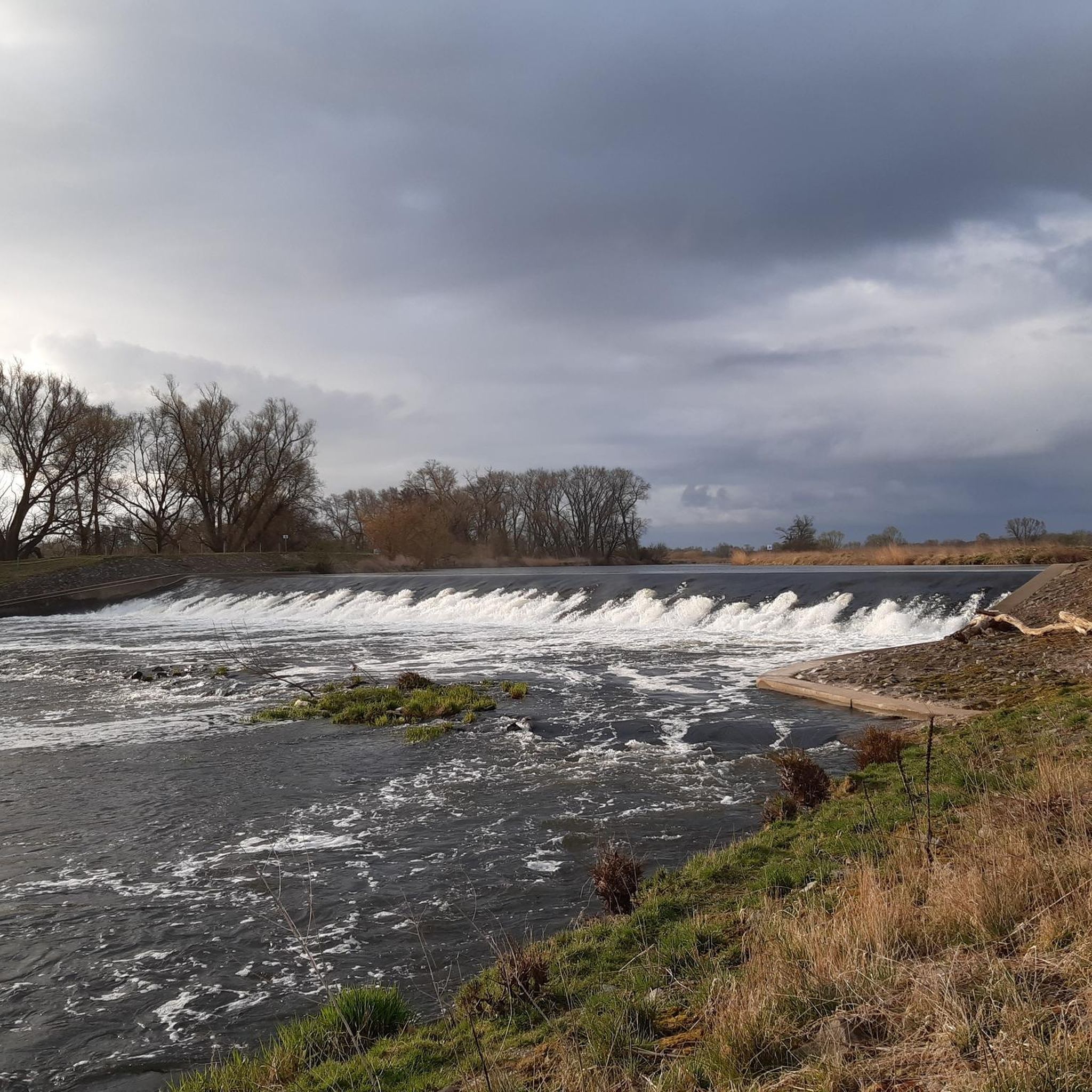
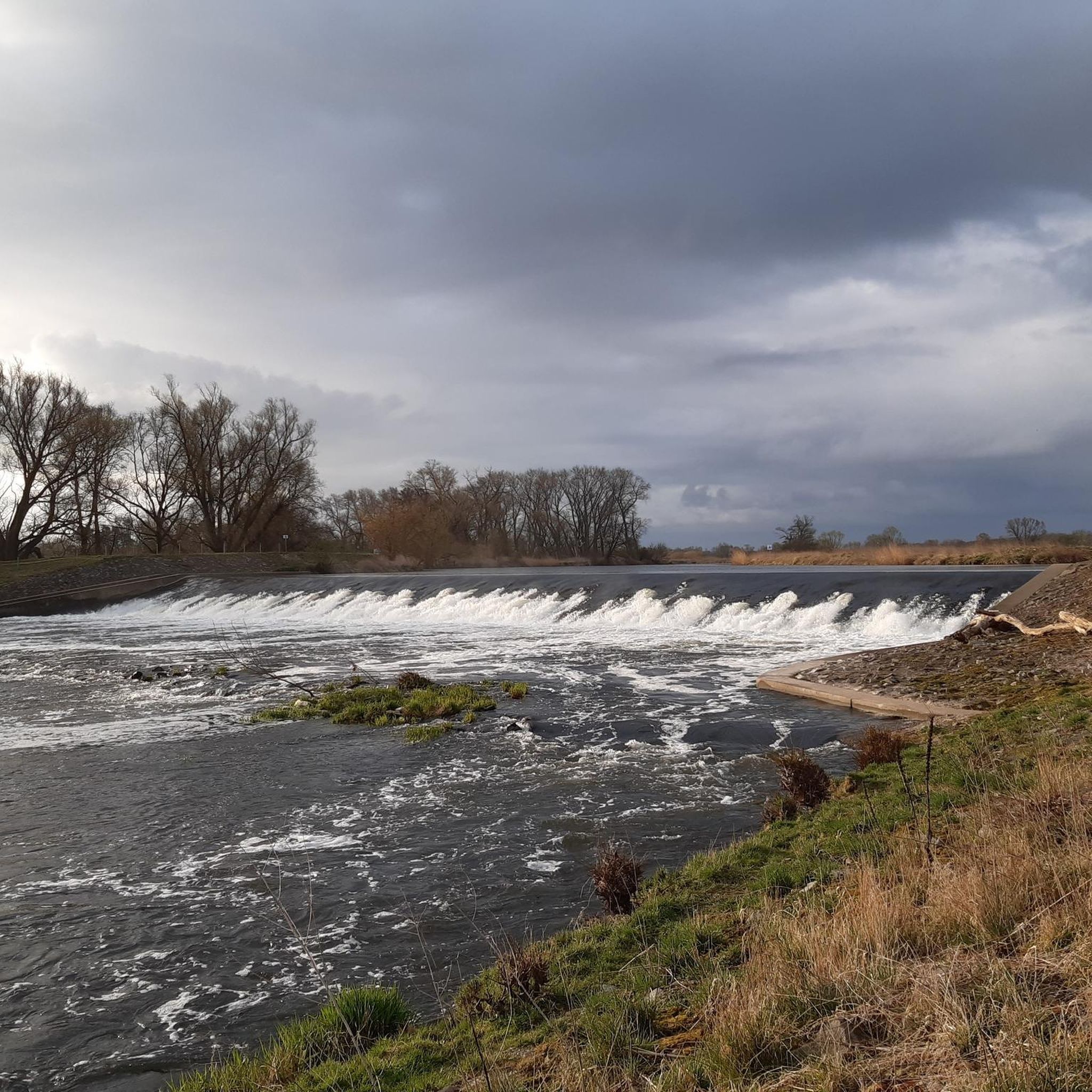
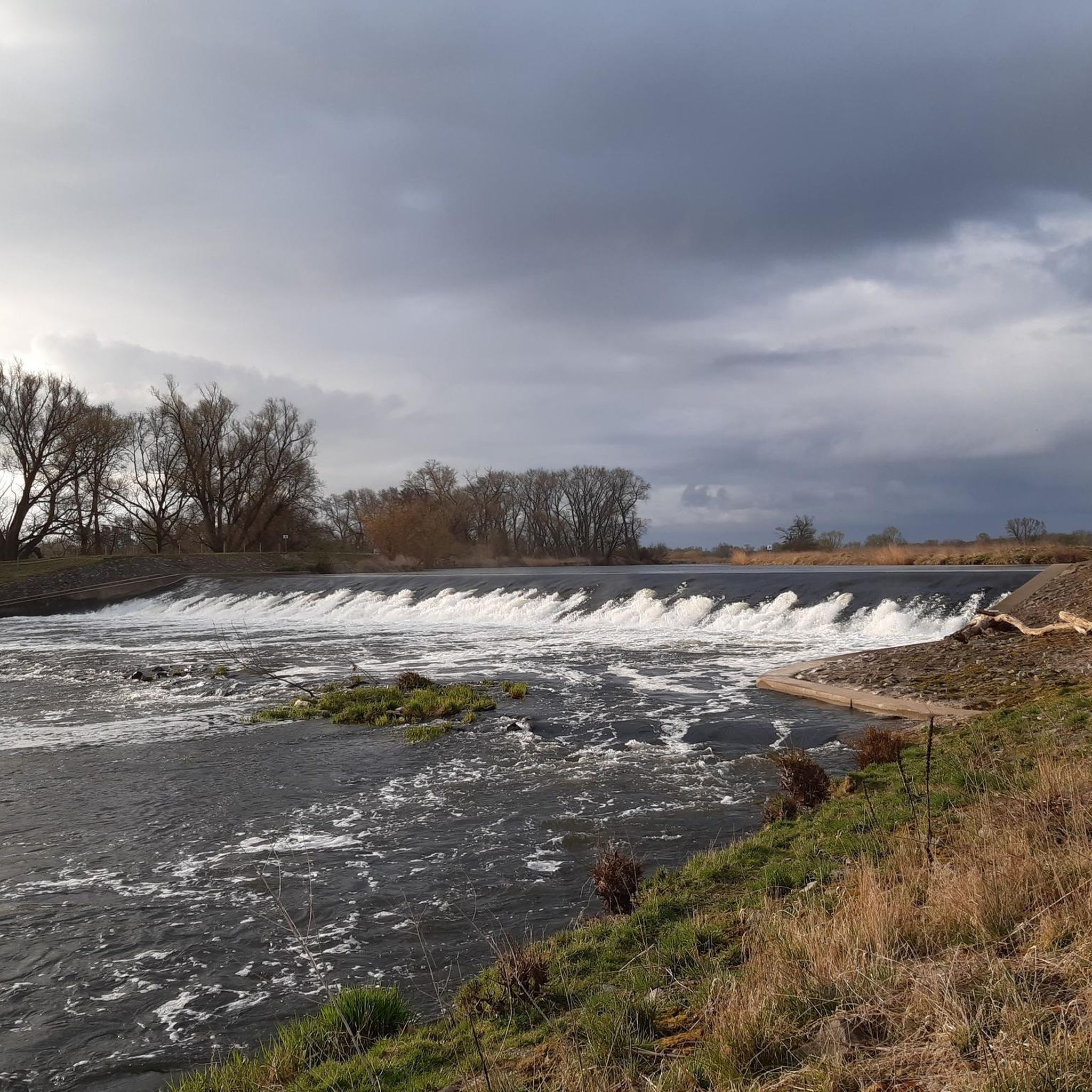
- The most popular natural monuments is Mulde Weir Kollau, an other_man_made structure that was extensively renovated in 1999. This old medieval weir supplies water to the mill race and drains floodwater into the Mulde River.
- Another must-see spot is Zinkenberg Quarry, an other_man_made site. The quarry is still partially active, with mining ongoing in the western area.
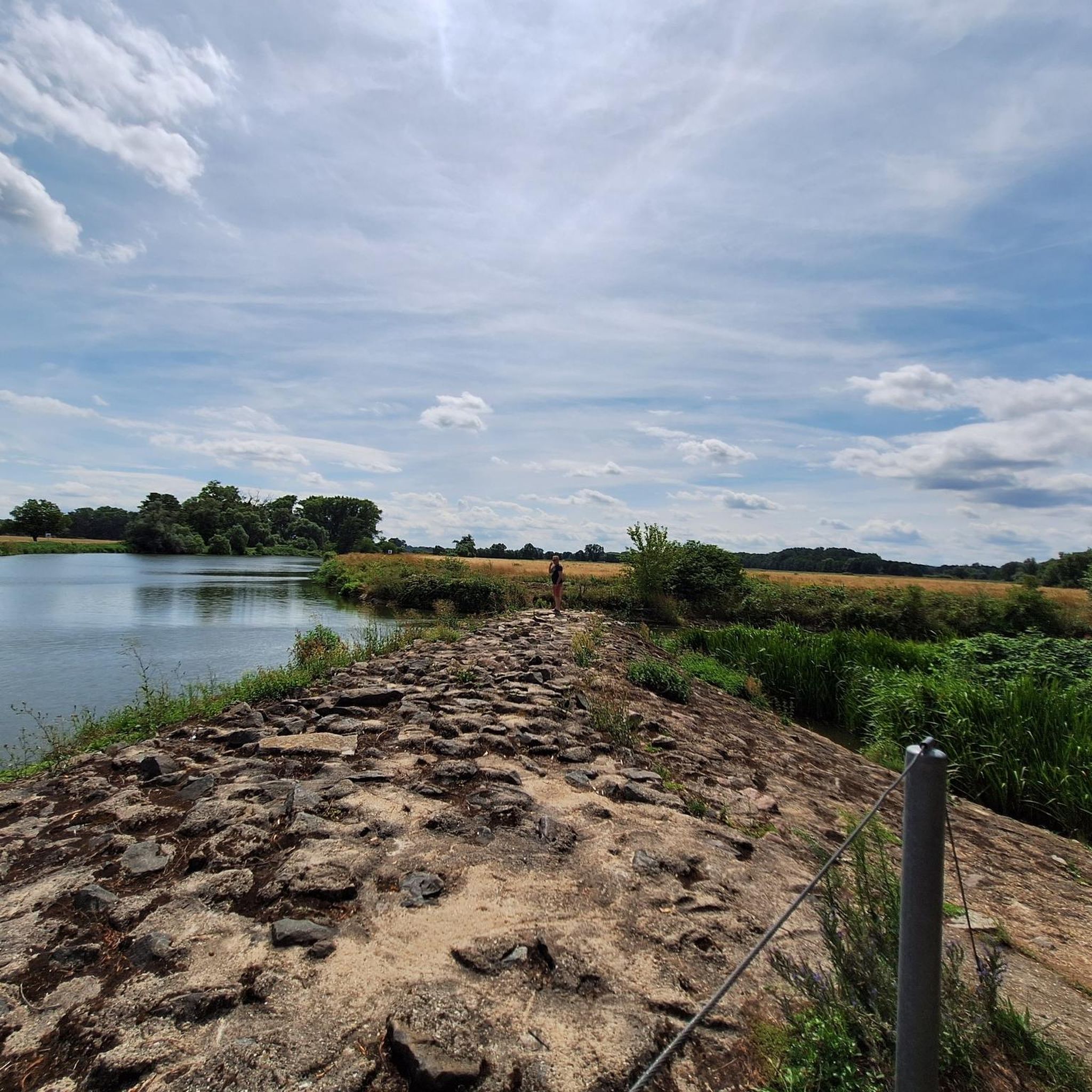
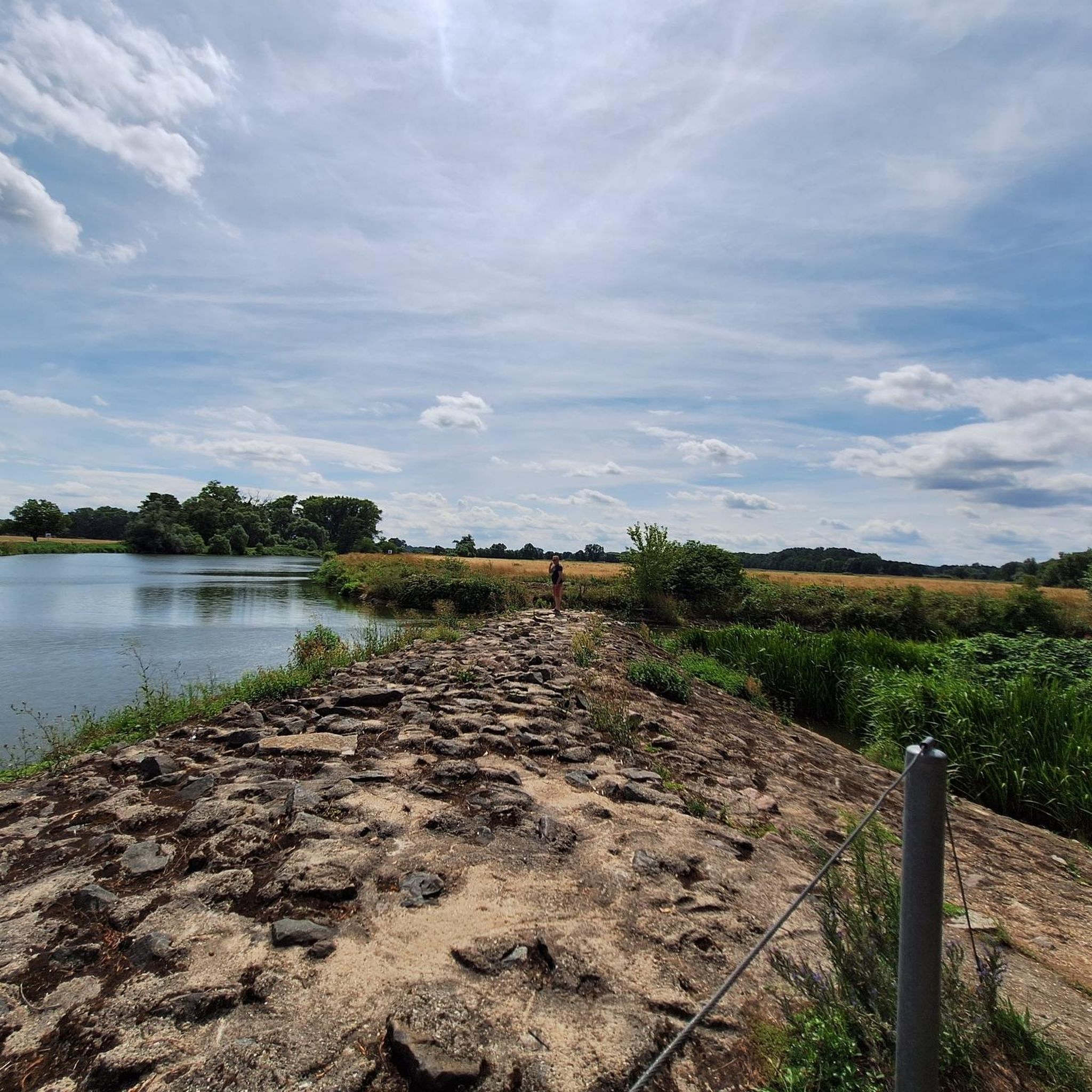
- Visitors also love Löbenberg Quarry, an other_man_made location. This quarry, operational from 1892 to 1902 and again from 1927 to 1958, now features pits filled with water.
- Eilenburg is known for its quarries, lakes, and river landscapes. The variety of natural monuments to see and explore includes sites of geological significance and former industrial areas now reclaimed by nature.
- The natural monuments around Eilenburg are appreciated by the komoot community, with more than 190 upvotes and 75 photos shared.
Last updated: October 11, 2026
Löbenberg Quarry
Highlight • Structure
Pyroxene-poor to pyroxene-free quartz porphyry is exposed in the Löbenberg quarries. Due to its high compressive strength, the "Hohburg Quartz Porphyry" is suitable for bank reinforcements, as substructure material and paving stones, as well as for specialty products in the raw materials and ceramics industries.
Translated by Google •
Tip by

Mulde Weir Kollau
Highlight • Structure
Muldewehr with information board
Translated by Google •
Tip by

Sign up now to discover places like this
Get recommendations on the best single tracks, peaks, & plenty of other exciting outdoor places.
Kaolin Lake
Highlight • Lake
04808 Hohburg (Saxony) de
Kaolin was mined near Hohburg until 1965. Then the mine was flooded and the beautiful kaolin lake was created. Usually only referred to as "de Kali" or "de Grube" by the locals, every bather will find the right one for their preferences: Large sunbathing lawn with a beach, forest side with many hidden bays, stairs for water lovers with walking disabilities and plenty of undisturbed spots for nudists. Two free parking spaces are located directly on the lake, and the ice cream parlor in the village invites you after a swim. The Kali is also very interesting for divers, since old vehicles and the like. left behind in the flood.
Source: seen.de/kaolinsee
the video of the tour: cnoops.de/aiovg_videos/von-kleinzschepa-ueber-den-%e2%9a%92-bergbaupfad-%e2%9a%92-nach-wurzen-8-november-2021 /
Translated by Google •
Tip by
Zinkenberg Quarry
Highlight • Structure
Translated by Google •
Tip by

Ratsholz Pond near Taucha
Highlight • Lake
Translated by Google •
Tip by
Sign up for free to discover even more natural monuments around Eilenburg.
Already have an account?
Start today with a free account
Your next adventure awaits.
Popular around Eilenburg
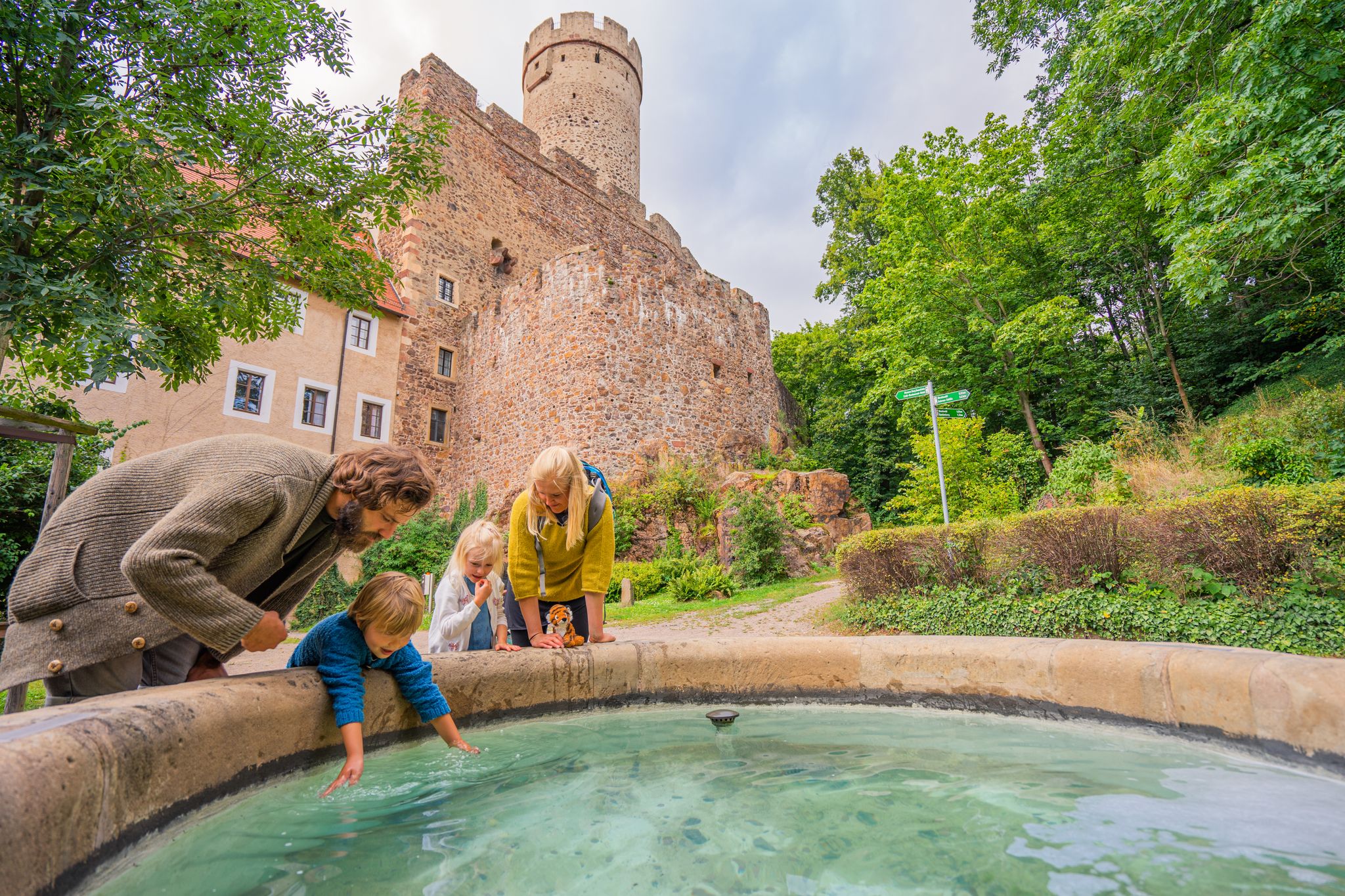
Time for little adventures – family hikes in the Leipzig region
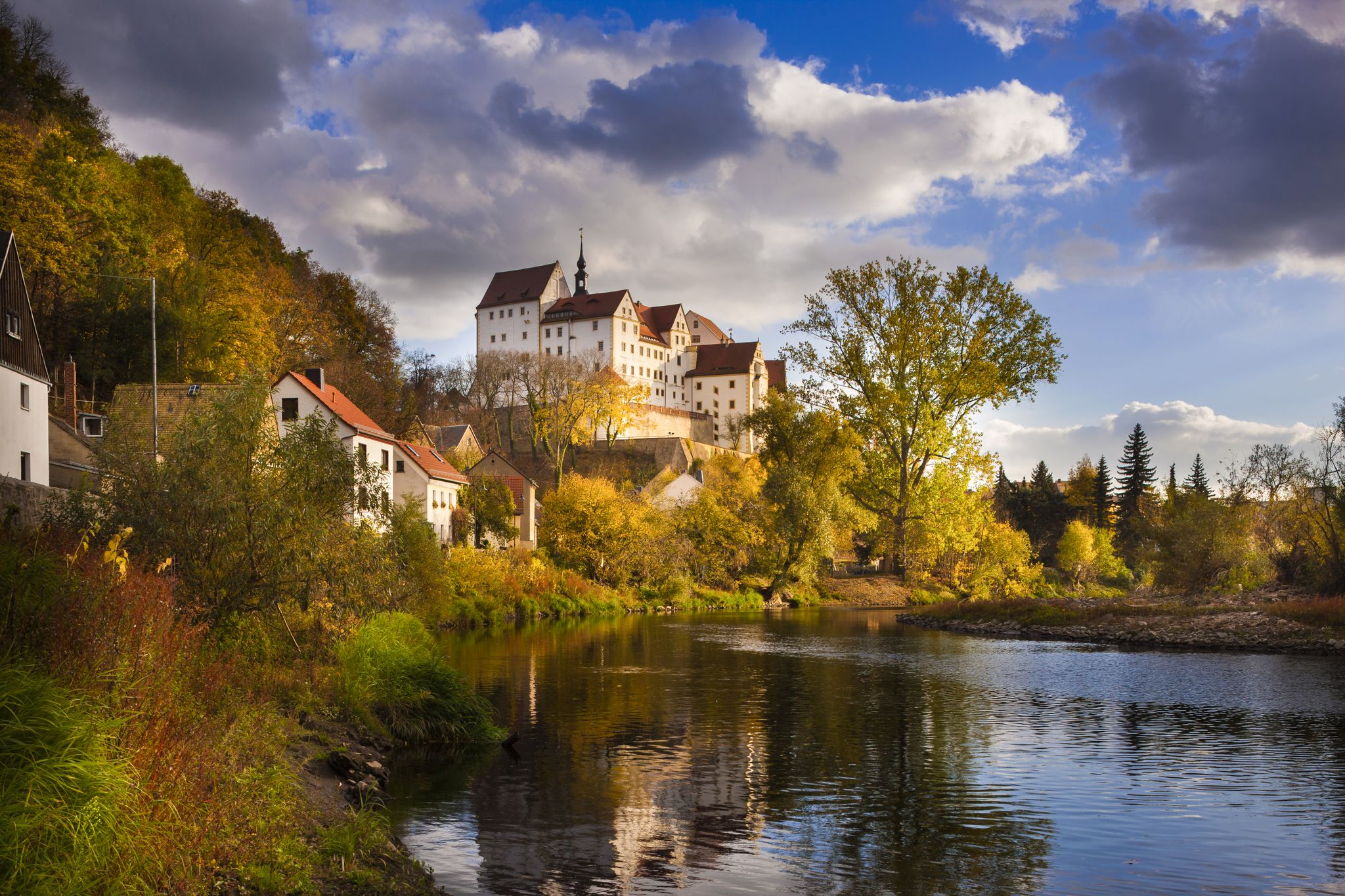
Experience art, culture and handicrafts – Germany’s Mulde Cycle Path
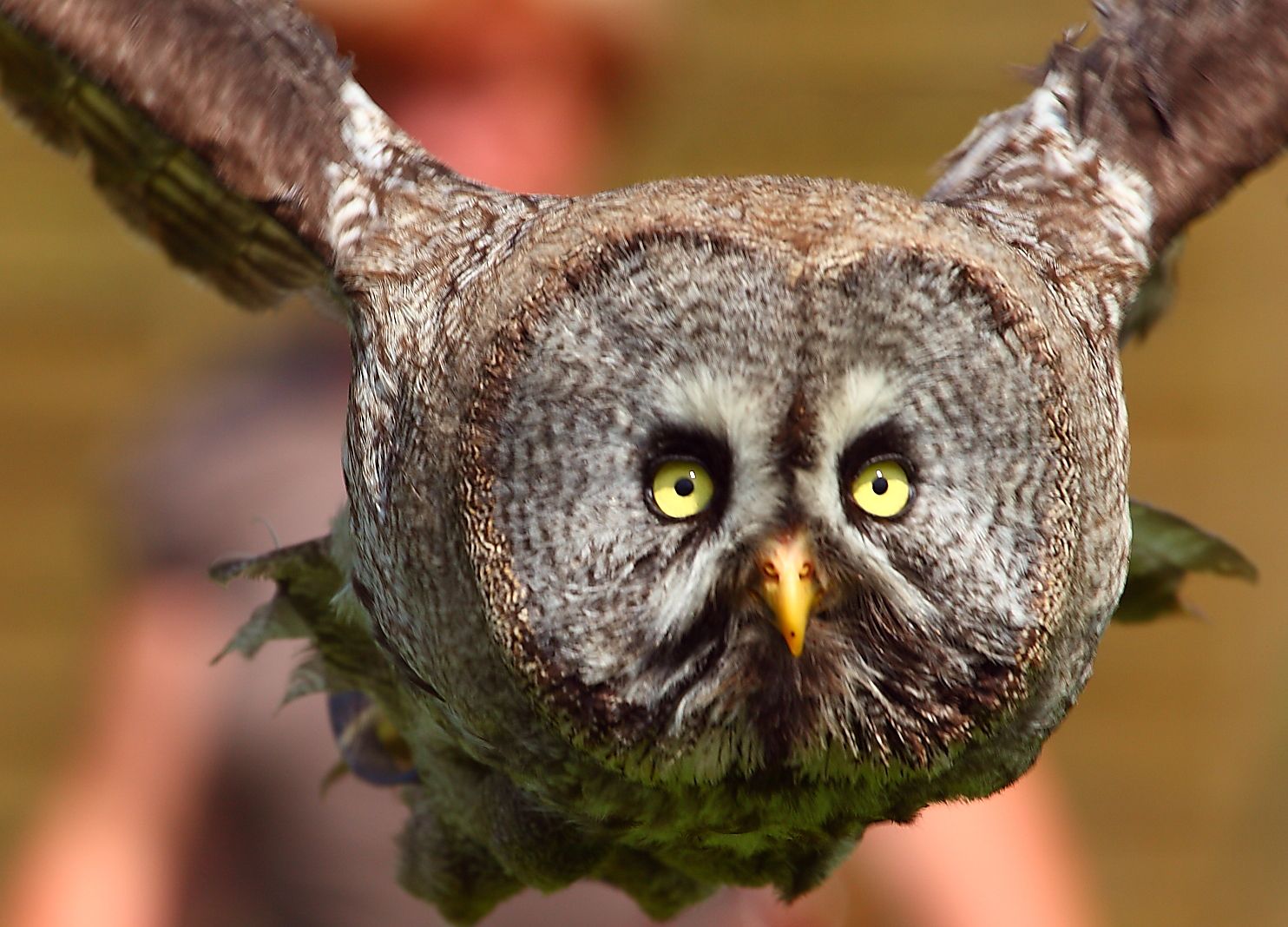
Wild horses, bears & falcons — meet wild animals by bus and train
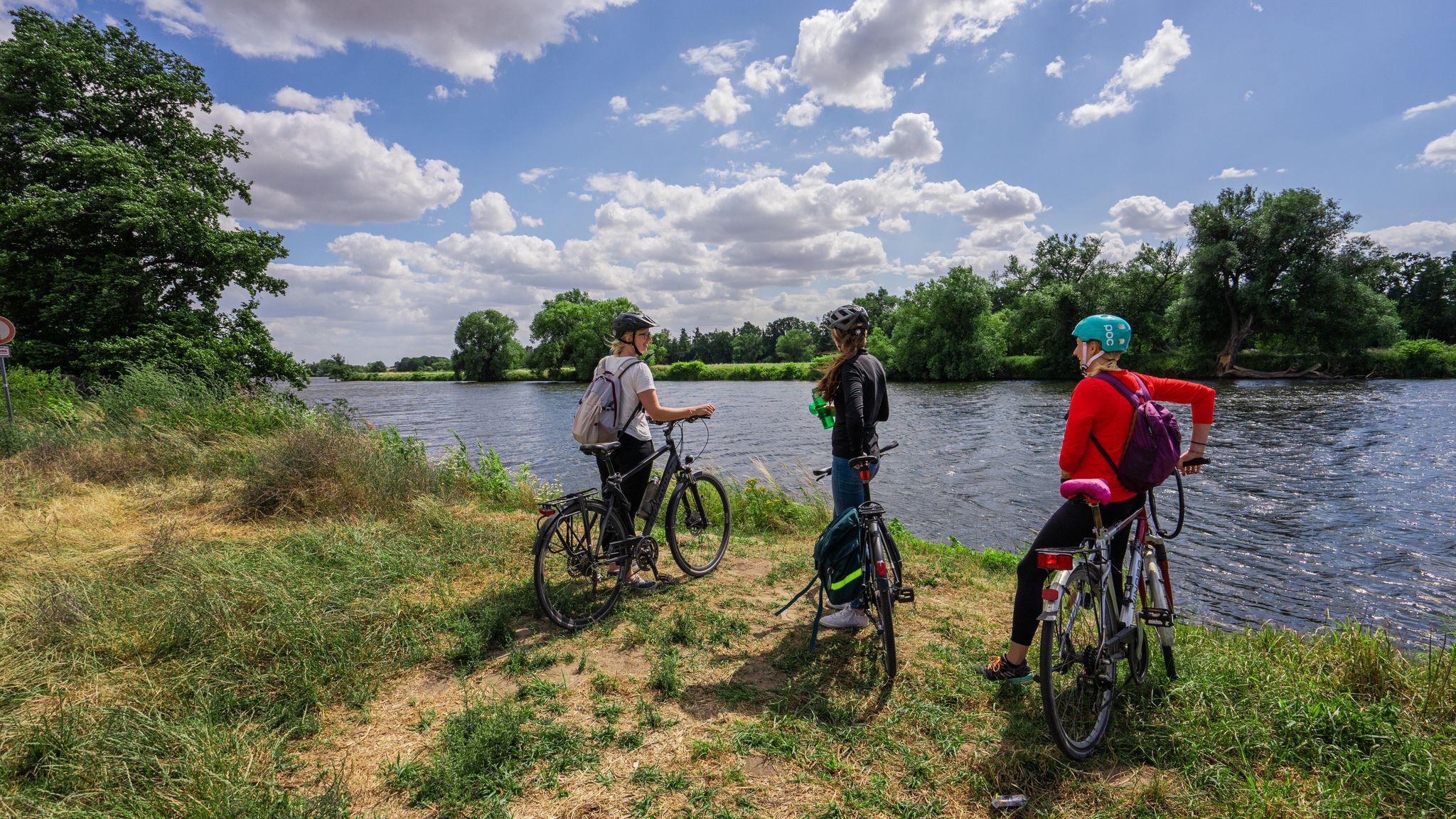
The Mulde Cycling Path
Cycling around Eilenburg
Hiking around Eilenburg
Road Cycling Routes around Eilenburg
Running Trails around Eilenburg
MTB Trails around Eilenburg
Gravel biking around Eilenburg
Other adventures around Eilenburg


Tips from the Community


An old medieval weir, extensively renovated in 1999 and restored to its current form. The so-called Bobritz Dam supplies water to the mill race, which was used to feed the mills at the time, and also drains floodwater into the Mulde River. It's a very idyllic spot. From here, however, you can't go any further; you have to walk north again. It's definitely worth the detour!
4
0

at the Muldewehr Kollau, with information boards about the planetary hiking trail
2
0


Station on the Eilenburg Planet Trail: https://eilenburg.de/tourismus/planetenwanderweg Muldewehr with information board
13
0
⬜🟥⬜ The Leipzig Circumnavigation Trail: https://www.komoot.de/tour/435582728 🔴 Moraine Tour (Taucha): https://www.komoot.de/tour/614253872 ⬜🟩⬜ The Parthe River (from its source to Leipzig along the Parthe): https://www.komoot.de/tour/432951058 ⬜🟨⬜ High-Altitude Trail (Lübschütz Ponds - Taucha, along the fields): https://www.komoot.de/highlight/3486726
6
0
Mitteldeutsche Motorenwerke GmbH (MMW, also MiMo) was a company based in Leipzig (from 1939 Taucha) that existed from 1935 to 1948 and belonged to the Auto Union group. MiMo manufactured Junkers aircraft engines under license and was Auto Union's third-largest plant after Horch in Zwickau and the Siegmar plant (formerly Wanderer) near Chemnitz. The factory was located northwest of Taucha in a wooded area, part of which belonged to Leipzig-Portitz. The production program primarily consisted of the Junkers Jumo 205, Jumo 211, and Jumo 213 engines, as well as components for the Jumo 004 jet turbine. At the time, the company employed 10,000 people (including forced laborers). As an armaments factory, the plant was partially dismantled after the end of the war in 1947, and the remaining structures were demolished. The company was removed from the commercial register of the Leipzig District Court on August 27, 1948. Source: Wikipedia
10
0
with an information board on the nature trail
9
0
Frequently Asked Questions
What unique geological formations can I explore around Eilenburg?
The region around Eilenburg offers fascinating geological insights. You can visit the Gletscherschliffe am Spielberg near Böhlitz, which are glacial striations providing tangible evidence of the Ice Age. Another impressive site is the Findling Groitzscher Riese in Groitzsch, an erratic boulder transported by ancient glaciers, making it one of Saxony's largest. Additionally, former industrial sites like the Löbenberg Quarry and Zinkenberg Quarry showcase the area's geological composition and mining history.
Are there natural monuments around Eilenburg that are suitable for families?
Yes, several natural monuments are great for families. The Nature Trail in Eilenburg Animal Park offers an accessible natural experience within the city, allowing observation of native flora and fauna. The Kaolin Lake is a popular spot for swimming and relaxation, with large sunbathing lawns and hidden bays. The Mulde Weir Kollau is also considered family-friendly, offering an idyllic spot along the river.
What outdoor activities can I do near the natural monuments in Eilenburg?
The area around Eilenburg is excellent for various outdoor activities. You can explore numerous trails for hiking, gravel biking, and mountain biking. For hiking, consider routes like the 'Eilenburg Planet Trail' or the 'Eilenburg Station – Mulde Weir Kollau loop'. If you prefer cycling, there are options like the 'Muldenaue near Eilenburg – Wooden Bridge in Dübener Heide loop' for gravel biking or 'Presseler Pond – Wooden Bridge in Dübener Heide loop' for MTB. You can find more details on these activities in the Hiking around Eilenburg, Gravel biking around Eilenburg, and MTB Trails around Eilenburg guides.
Where can I experience the Mulde River and its floodplain landscape?
The Mulde River is central to Eilenburg's natural landscape. You can enjoy picturesque views and recreational opportunities along its banks. A boat trip along the Mulde and its tributary, the Mühlgraben, offers a unique perspective. The Mulde Weir Kollau is a notable feature, and the area is popular for cycling along the Mulde cycle path. The Bobritzer Damm is another impressive feature within this charming floodplain landscape.
What is the Dübener Heide Nature Park and how can I explore it?
The Dübener Heide Nature Park is a vast protected area and the largest mixed forest region in Central Germany, with Eilenburg serving as its southern gateway. It features a diverse landscape of forests, moorlands, and small lakes, rich in flora and fauna. You can explore over 500 kilometers of marked trails for hiking and cycling. For more information on the park's significance, you can visit its Wikipedia page.
Are there any natural monuments with historical significance related to past industries?
Yes, the region's natural monuments include sites with a rich industrial past. The Löbenberg Quarry, operational from 1892 to 1958, now features water-filled pits. Similarly, the Zinkenberg Quarry is still partially active, with mining ongoing in its western area. These quarries provide insights into the industrial stone mining that shaped the region, particularly for railway construction.
What kind of wildlife and flora can I expect to see around Eilenburg's natural areas?
The natural areas around Eilenburg, particularly the Dübener Heide Nature Park, support a rich diversity of flora and fauna. This includes rare plants and numerous bird species within its varied landscape of forests, moorlands, and small lakes. The Mulde River and its floodplain also host diverse ecosystems. Even within the city, the Nature Trail in Eilenburg Animal Park provides opportunities to observe native species in wetlands and forest areas.
What do visitors enjoy most about the natural monuments around Eilenburg?
Visitors appreciate the variety of experiences offered. For instance, the Mulde Weir Kollau is described as a very idyllic spot, perfect for a peaceful detour. The Kaolin Lake is loved for its beautiful swimming opportunities and various spots for relaxation. The quarries, like Zinkenberg Quarry, are valued for their historical context and the information boards that explain their past.
Are there any natural monuments that are also part of local themed trails?
Yes, some natural monuments are integrated into local themed trails. The Mulde Weir Kollau is a station on the Eilenburg Planet Trail. The Löbenberg Quarry and Zinkenberg Quarry are both stations on the Georoute Hohburg Mining Path, offering information boards about their history. The Ratsholz Pond near Taucha is also part of a nature trail.
Can I find lakes or ponds that are considered natural monuments in the Eilenburg area?
Absolutely. The Kaolin Lake, formed from a flooded kaolin mine, is a beautiful natural monument known for swimming. Another significant water body is the Ratsholz Pond near Taucha, which is part of a nature trail and offers a tranquil forest setting.
What is the best time of year to visit the natural monuments around Eilenburg?
While specific recommendations vary by activity, spring and autumn generally offer pleasant weather for exploring the natural monuments and trails. Spring brings blooming flora, especially in areas like the Dübener Heide Nature Park, while autumn showcases vibrant foliage. Summer is ideal for water activities at places like the Kaolin Lake. Winter can offer unique, quiet landscapes for hiking, especially in the forested areas.
Most popular routes around Eilenburg
Most popular attractions around Eilenburg

Get inspired with the komoot mobile app


Explore more
Extend your search for the best caves by checking out these guides of the top ones around Eilenburg:
