Top 20 Natural Monuments around Martinroda
Best natural monuments around Martinroda feature a landscape characterized by diverse geological formations and significant natural areas. The municipality is situated at the foot of the 556-meter-high Veronikaberg, known for its protected plant species. Nearby, the Kammerlöcher Rock Formations present impressive rock faces, steep slopes, and gorges shaped by geological processes. This region offers various natural features for exploration.
Best natural monuments around Martinroda
- The most popular natural monuments is Burnt Stone Tunnel, a cave that is a medieval…
Last updated: October 11, 2026
Kickelhahn Tower
Highlight • Viewpoint
Translated by Google •
Tip by

Schneekopf Summit and Observation Tower (Thuringia Stamp Point No. 68)
Highlight • Summit
Translated by Google •
Tip by

Sign up now to discover places like this
Get recommendations on the best single tracks, peaks, & plenty of other exciting outdoor places.
Burnt Stone Tunnel
Highlight • Cave
A tunnel steeped in history, after which an incredibly beautiful view opens up. Be sure to take a break and enjoy the view.🥰
Translated by Google •
Tip by

Upper Sieglitz Pond
Highlight • Lake
Translated by Google •
Tip by

Goethe Cabin on Kickelhahn
Highlight • Monument
Translated by Google •
Tip by

Sign up for free to discover even more natural monuments around Martinroda.
Already have an account?
Start today with a free account
Your next adventure awaits.
Tips from the Community

The 'ausgebrannter Stein' (burnt-out stone) near Oberhof is an artificially created breakthrough through the rock. It was important for the Lütsche Flößgraben at the time of its construction. The alternation of fire and ice-cold water made the stone brittle and workable with mining tools. This created a tunnel 38 m long, 2.3 m high, and 2.2 m wide. If you continue along the path, you will reach the 'Hoher Stein' (high stone) with a magnificent view. The way back to Oberhof leads past the upper Sieglitzteich. Source: http://www.wandern-im-thueringer-wald.de/ausgebrannter-stein-luetsche-floessgraben
13
0

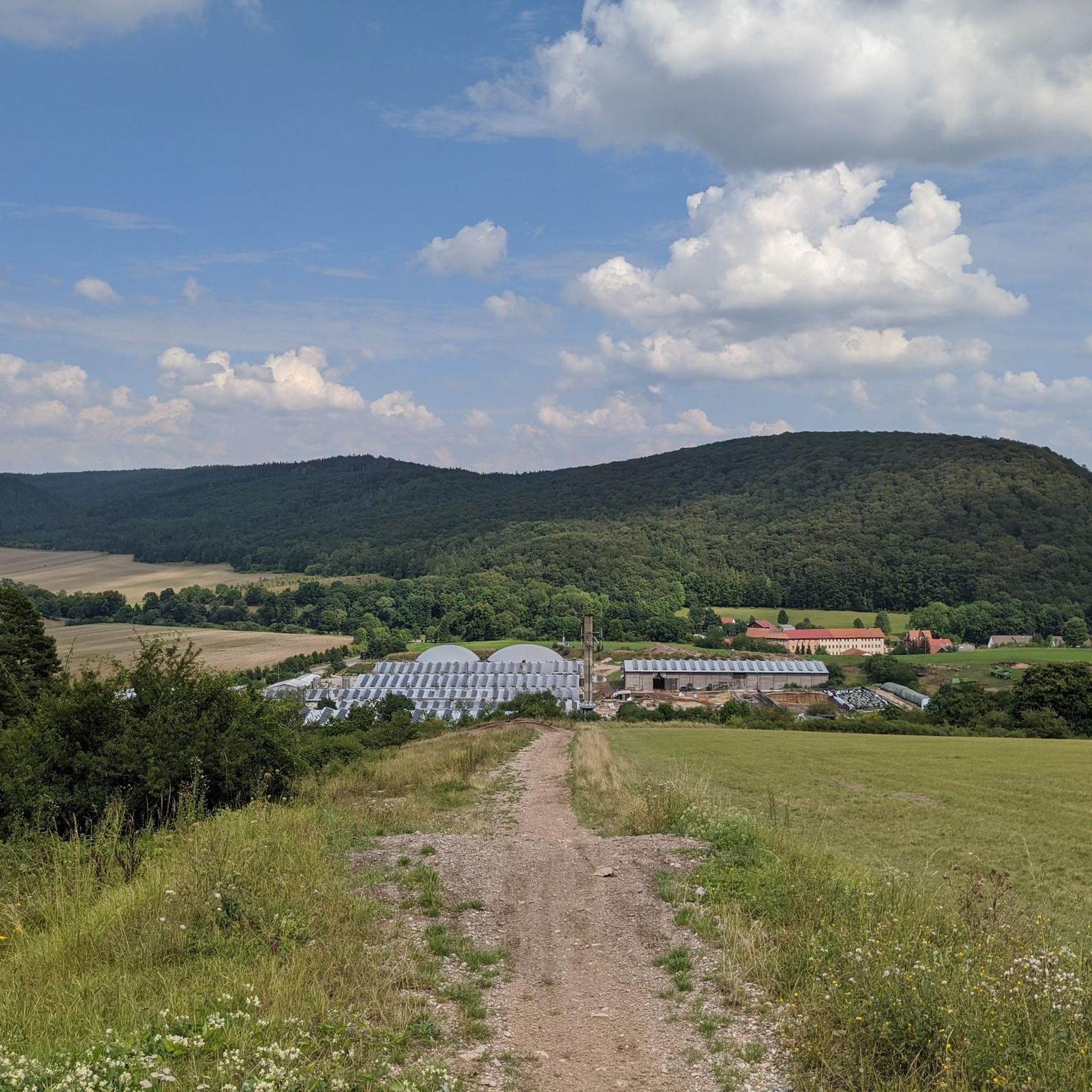
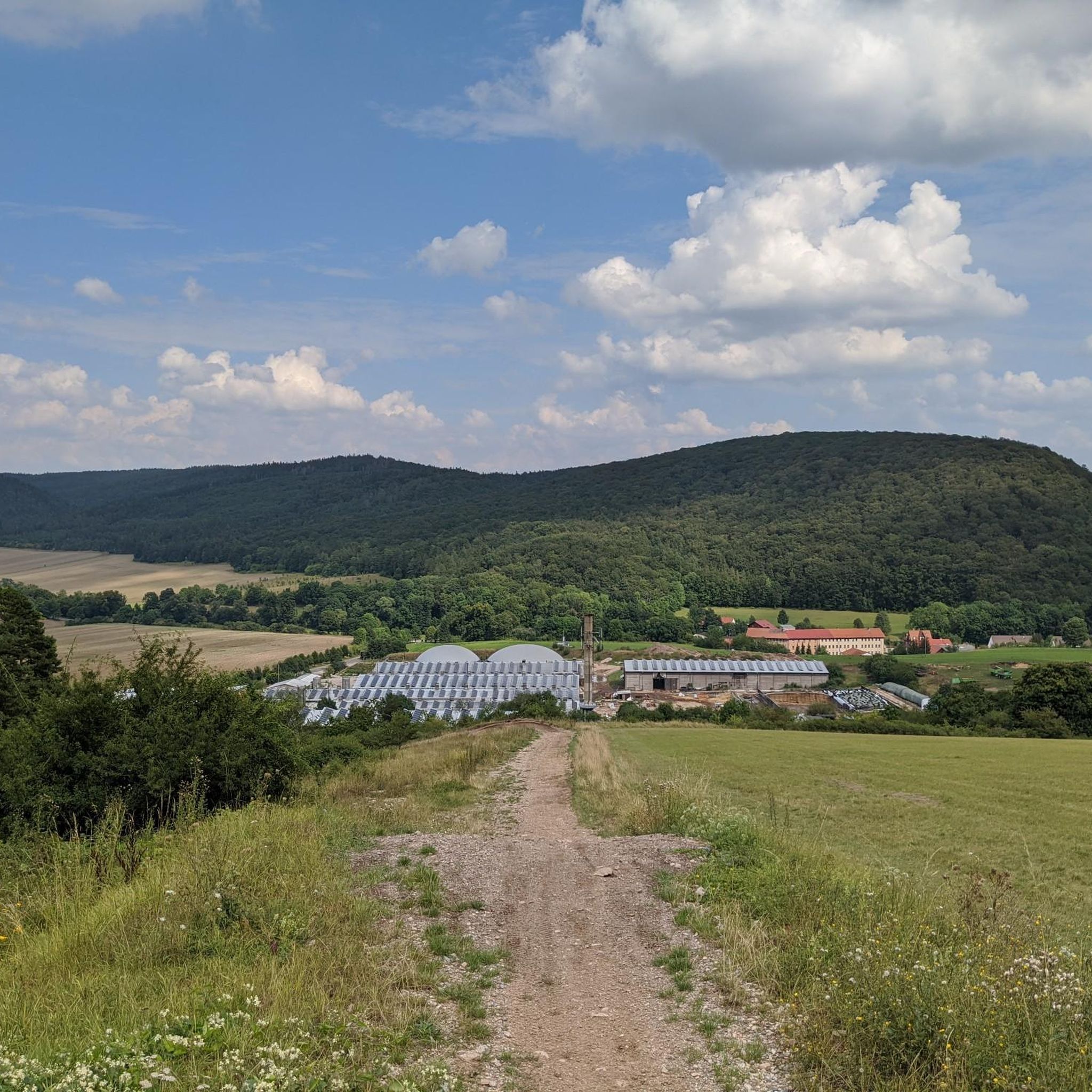
Beautiful views of several valleys. Here you can see the railway line winding through the area.
7
0

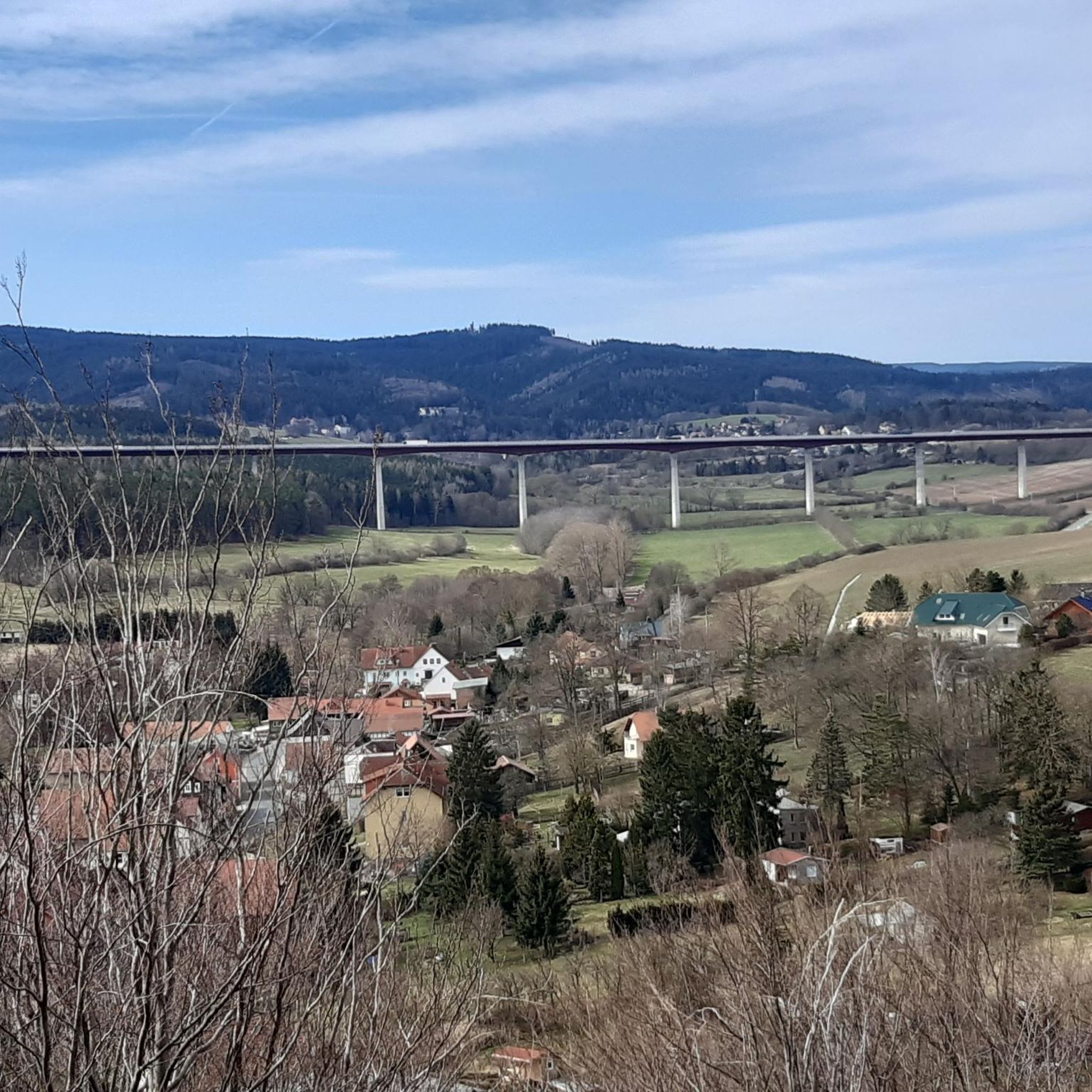
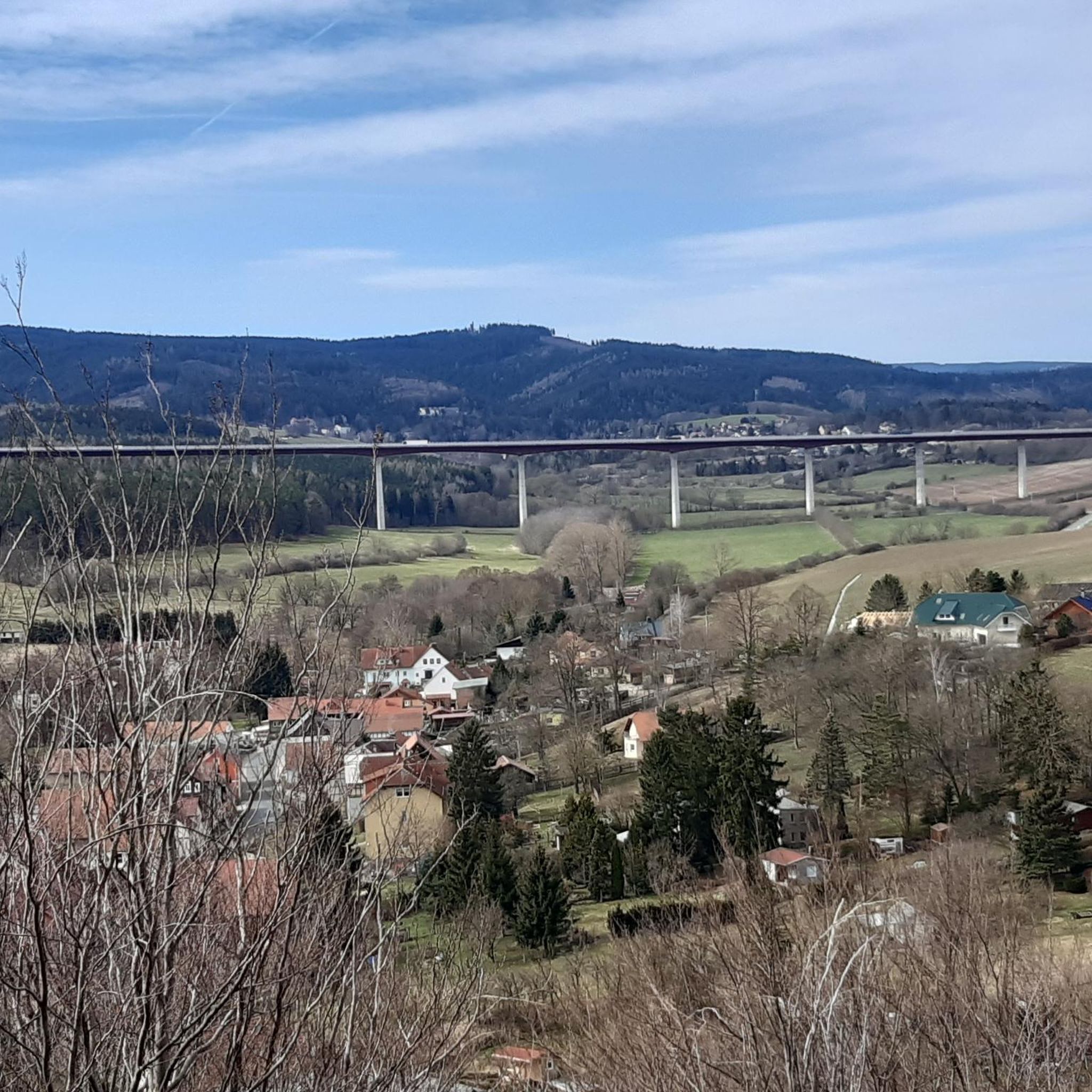
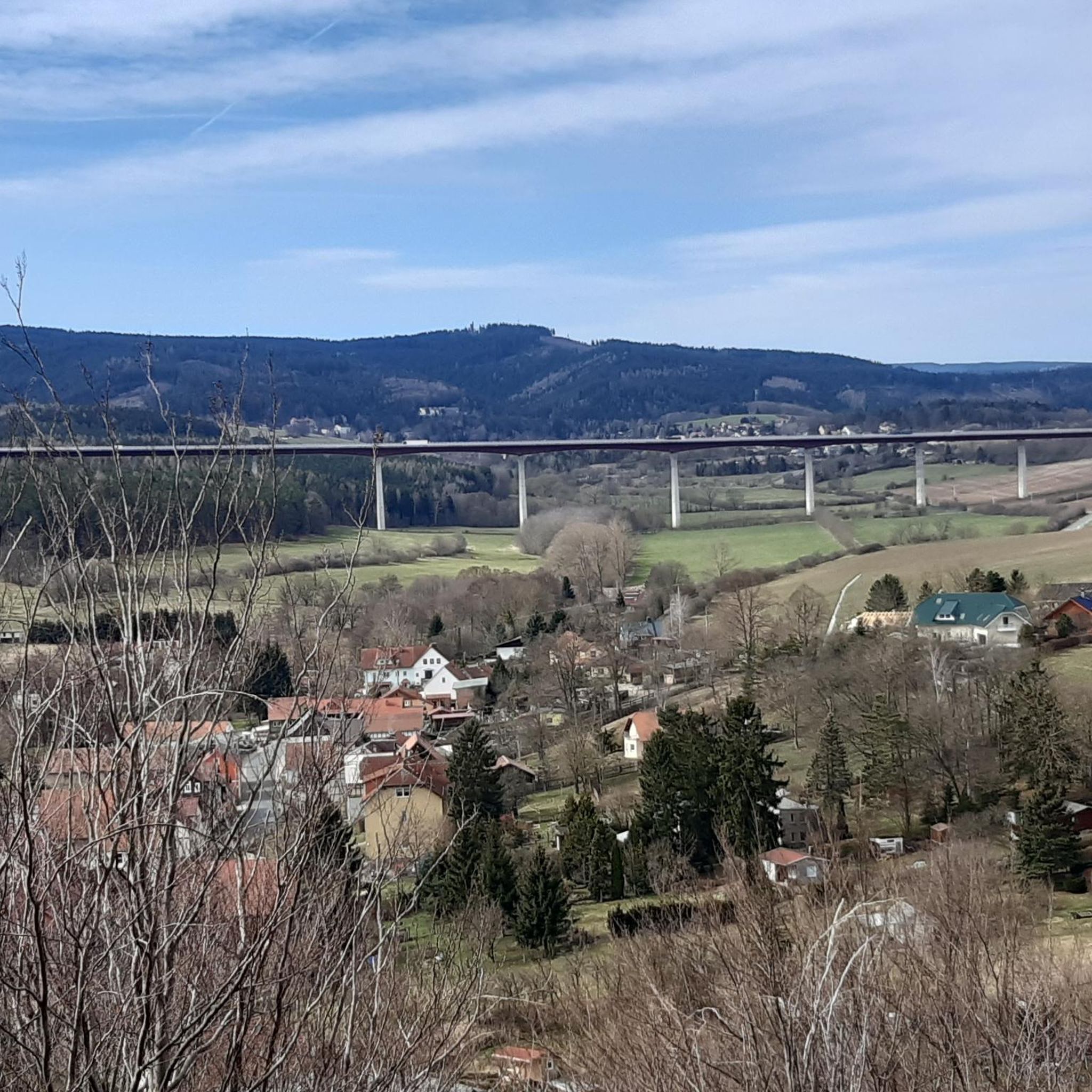
Here at 978 m you have a really great all-round view of other peaks in the Thuringian Forest and the Rhön, up to the Ettersberg near Weimar and Oberhof. With very good visibility, such as winter inversion weather conditions, the view extends to the Brocken in the Harz Mountains, to the Schneeberg (Fichtelgebirge) and to the western Ore Mountains. You can also see the “Wilde Gera” (A 71) motorway bridge, the largest arched bridge in Germany with a span of 252 m. https://schneekopf.eu/ And if you want, you can crack the 1000 meter mark here on the observation tower for three euros. Diligence also has its price.
57
2

It was probably here that Goethe wrote his poem "Over all summits is peace" in pencil on a wooden wall on the upper floor on the evening of September 6, 1780. The picturesque shed is therefore of great cultural and historical importance.
17
0
Even because of Goethe's short stays here, the Kickelhahn and the buildings located here are of great cultural and historical importance.
22
1


The tunnel was built by miners in 1704. You can easily walk through it without a lamp. In winter there are wonderful icicles. A nice highlight on the hike.
14
0

Wonderful view, of course, in nice weather and without fog.
13
0
Frequently Asked Questions
What unique natural monuments can I explore around Martinroda?
Beyond the well-known spots, you can discover fascinating sites like the Burnt Stone Tunnel, a medieval tunnel winding through rock that offers an unexpected historical experience followed by an expansive view. Another notable site is the Upper Sieglitz Pond, an idyllic lake perfect for a quiet rest.
What kind of geological formations can I expect to see near Martinroda?
The region is rich in geological features. A prime example is the Kammerlöcher Rock Formations near Angelroda, a short walk from Martinroda. These impressive formations feature rock faces, steep slopes, caves, and gorges, shaped over millions of years by geological processes and the Gera river. Some rock formations reach heights of up to 30 meters, showcasing bizarre and striking landscapes.
Are there any natural areas known for unique plant life?
Yes, the Veronikaberg, at whose foot Martinroda is nestled, is significant for its diverse array of protected plant species. It's a point of interest for nature enthusiasts, with guided orchid hikes and seminars sometimes offered, providing a unique opportunity to explore the rich flora of the mountain.
Are there historical or cultural sites integrated with the natural monuments?
Absolutely. The Burnt Stone Tunnel is a medieval tunnel, not a natural cave, created to facilitate wood removal, offering a unique blend of history and nature. Additionally, the Kickelhahn Tower area includes the Goethe house, where the famous poet wrote his 'Wandrers Nachtlied', adding a significant cultural layer to the natural viewpoint.
What outdoor activities can I do near the natural monuments around Martinroda?
The area offers a variety of outdoor activities. You can find numerous routes for mountain hiking, such as those around the Highest Point of the Rennsteig or the Kickelhahn Tower. There are also extensive MTB trails and cycling routes, including paths along the Gera Cycle Path.
Are there family-friendly natural monuments or trails suitable for children?
Many of the natural monuments and surrounding areas are suitable for families. Highlights like the Kickelhahn Tower, Schneekopf Summit, and Burnt Stone Tunnel are categorized as family-friendly. The Upper Sieglitz Pond also offers a pleasant, relaxed setting for families.
What is the best time of year to visit the natural monuments around Martinroda?
The best time to visit largely depends on your interests. Spring and summer are ideal for exploring the diverse plant life on Veronikaberg, especially for orchid hikes. Autumn offers beautiful foliage for hiking, while the geological formations like the Kammerlöcher can be appreciated year-round, though suitable footwear is always recommended due to varied terrain.
What should I wear or bring when exploring the natural monuments?
For exploring areas like the Kammerlöcher Rock Formations, suitable footwear is essential due to the varied terrain, which includes paths between rocks and slopes. Generally, comfortable hiking shoes, weather-appropriate clothing, and water are recommended for any outdoor exploration in the region.
What do visitors enjoy most about the natural monuments in this region?
Visitors frequently praise the unique experiences and stunning views. For instance, the Burnt Stone Tunnel is described as 'unexpected - unique - beautiful' with an 'incredibly beautiful view.' The Kickelhahn Tower is noted for its 'great view,' and the Schneekopf Summit offers 'magnificent views all around.'
Are there any viewpoints offering panoramic vistas of the area?
Yes, several natural monuments double as excellent viewpoints. The Kickelhahn Tower provides views over the surrounding area, and the Schneekopf Summit and Observation Tower, as the second highest elevation in Thuringia, offers panoramic views from its tower. Even after exiting the Burnt Stone Tunnel, an expansive view opens up.
Can I reach these natural monuments using public transport?
While specific public transport details for each monument vary, the Kammerlöcher Rock Formations are accessible via a 30 to 40-minute walk from Martinroda train station, making them a viable option for those relying on public transport.
Most popular routes around Martinroda
Most popular attractions around Martinroda

Get inspired with the komoot mobile app


Explore more
Extend your search for the best caves by checking out these guides of the top ones around Martinroda:
