Top 20 Natural Monuments around Sankt Thomas am Blasenstein
Best natural monuments around Sankt Thomas am Blasenstein are found in the picturesque Mühlviertel region of Upper Austria. This area features a diverse landscape with unique geological formations and cultural heritage. Visitors can explore various natural monuments, including distinctive rock formations and ancient sites. The region offers a blend of natural beauty and historical intrigue.
Best natural monuments around Sankt Thomas am Blasenstein
- The most popular natural monuments is Johannesbrunnen and Engelskapelle in Pierbach, a religious building and natural…
Last updated: October 11, 2026
Weltstein
Highlight • Natural Monument
Translated by Google •
Tip by

Schwammerlstein
Highlight • Natural Monument
Translated by Google •
Tip by

Sign up now to discover places like this
Get recommendations on the best single tracks, peaks, & plenty of other exciting outdoor places.
Peace Cross on Gipfelstein
Highlight • Monument
Translated by Google •
Tip by

Danube Floodplains Near Mitterkirchen
Highlight • Natural
Translated by Google •
Tip by

Johannesbrunnen and Engelskapelle in Pierbach
Highlight • Religious Site
Above all, the path there is a very beautiful section.
Translated by Google •
Tip by
Sign up for free to discover even more natural monuments around Sankt Thomas am Blasenstein.
Already have an account?
Start today with a free account
Your next adventure awaits.
Popular around Sankt Thomas am Blasenstein
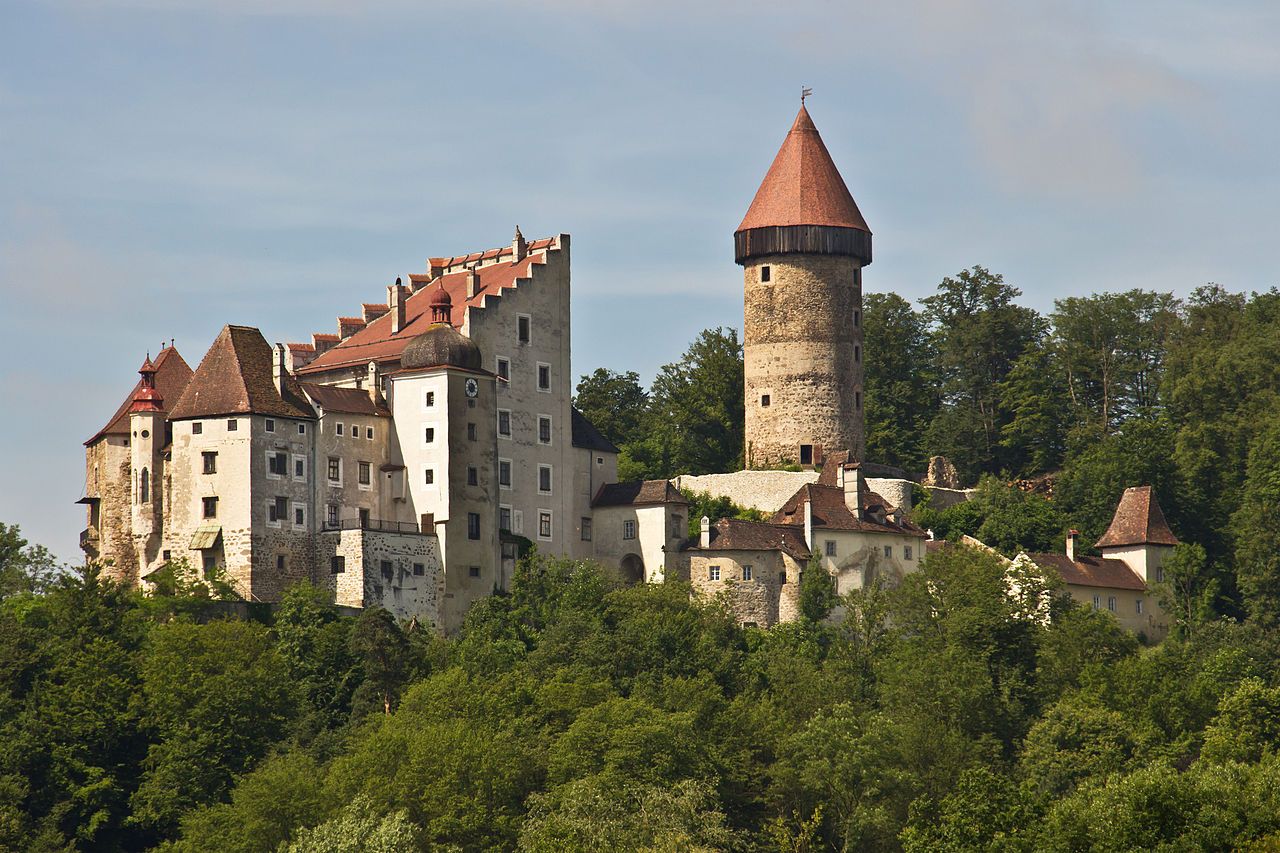
Castles & Palaces Trail – Discover the mystical Mühlviertel in Austria
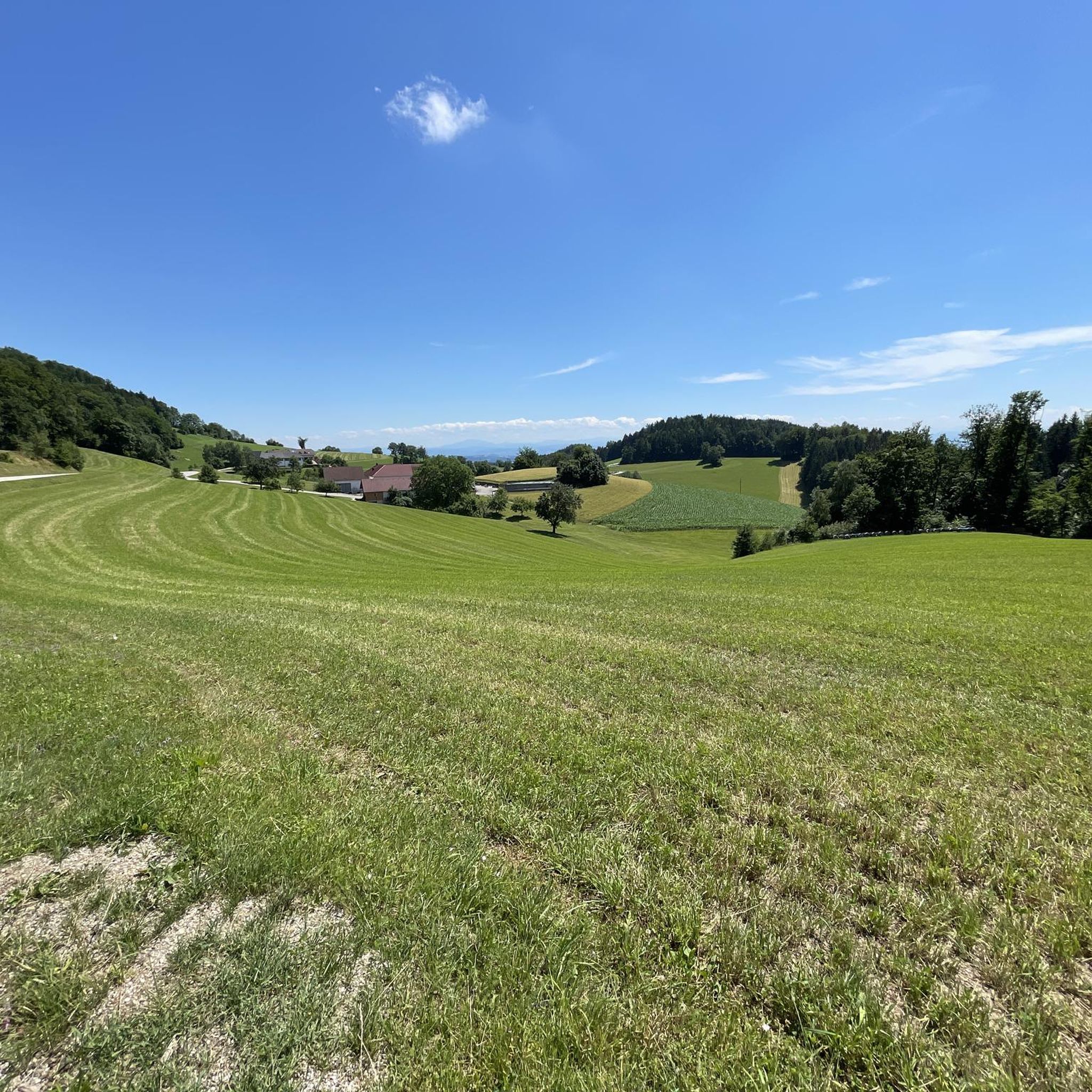
Hiking around Sankt Thomas am Blasenstein
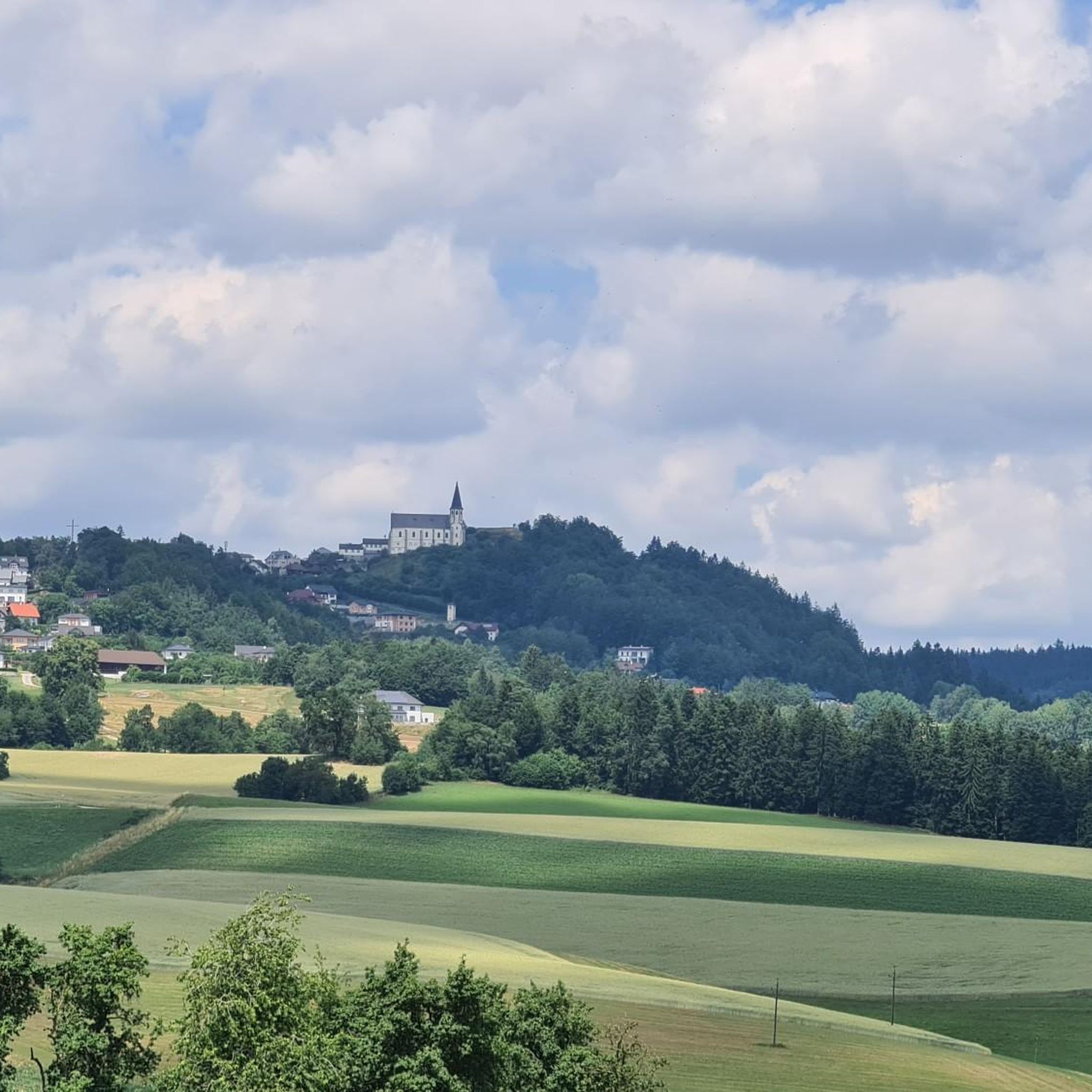
Cycling around Sankt Thomas am Blasenstein
Running Trails around Sankt Thomas am Blasenstein
MTB Trails around Sankt Thomas am Blasenstein
Road Cycling Routes around Sankt Thomas am Blasenstein

Gravel biking around Sankt Thomas am Blasenstein
Other adventures around Sankt Thomas am Blasenstein

Tips from the Community

The land and #nature that actually belongs to the water and the river.
1
0

Wonderful circular hike away from the hustle and bustle in the hilly Mühlviertel landscape. The legend of the devil (information board at the summit cross) is really brilliant, a clever farmer😜
2
1

Such rock formations are more commonly found further north in the Mühlviertel region. A great destination for a day trip that is easy to reach or can be explored via a beautiful circular hiking trail: https://www.komoot.com/de-de/tour/2058392409
2
3

This first stop on the Johannesweg⚜️ is embedded in a very impressive landscape and is a great place to pause and enjoy. Here, filling up your water bottle with the very refreshing primary rock water is a "must".🤩⚜️🔝👌🏼
1
0

The hiking trail is also wonderful when coming up from Windegg. The last stretch to the rock formation is then a matter of personal judgement.
0
0

Summit tour with beautiful views and chapel.
1
0

Anyone who starts the Johannesweg in Pierbach will soon come across the most famous photo motif of the trail. It is worth not only taking your own photo, but also stopping and visiting the chapel.
0
0
Pause and meditate in this wonderful place of power - let your thoughts wander in this hilly Mühlviertel landscape with a view of the Heindl mill.
2
1
Frequently Asked Questions
What are some of the most unique natural monuments in Sankt Thomas am Blasenstein?
Sankt Thomas am Blasenstein is home to several distinctive natural monuments. The Weltstein, at 478 meters, is one of the highest elevations in Schwertberg, offering a wonderful rest spot. Another impressive site is the Schwammerlstein, known for its unique rock formation and historical mentions. Don't miss the Johannesbrunnen and Engelskapelle in Pierbach, a serene spot with a fountain and meadow perfect for reflection.
What geological features can I expect to see among the natural monuments?
The natural monuments in Sankt Thomas am Blasenstein are primarily characterized by impressive granite rock formations. You'll encounter phenomena like 'Wollsackverwitterung' (spheroidal weathering) at sites such as the Einsiedlerstein and Zigeunermauern. These formations often include distinctive shapes, natural caves, and even ancient 'Opferschalen' (sacrificial bowls) carved into the rock.
Are there any natural monuments with historical or cultural significance?
Yes, many natural monuments in the region are rich in history and folklore. The Bucklwehluck'n (Blasenstein) is a 'Durchkriechstein' with ancient beliefs about healing and cleansing. The Einsiedlerstein, with its 'Opferschale', is considered an ancient cult site. The Zigeunermauern are steeped in local lore, believed to have been a hideout for traveling communities and featuring an 'Opfertisch'.
Are the natural monuments around Sankt Thomas am Blasenstein suitable for families?
Many natural monuments in the area are family-friendly. For instance, the Danube Floodplains Near Mitterkirchen offer plenty of nature to explore away from the cycle path, making it great for families. The Johannesbrunnen and Engelskapelle in Pierbach also provide a beautiful meadow ideal for a family picnic.
How accessible are the natural monuments, and is there parking available?
Access varies by monument. The Einsiedlerstein is accessible via hiking trails like the S4 and a short walk from a parking area. The Zigeunermauern can be reached via hiking trails S7 and S8, or by a short hike after a drive. Generally, many sites are accessible via well-maintained hiking paths, and parking is often available nearby, though it's always good to check specific trailheads.
What is the best season to visit the natural monuments in Sankt Thomas am Blasenstein?
The natural monuments can be enjoyed year-round. Spring and autumn are particularly beautiful for hiking due to the foliage, as noted for the Peace Cross on Gipfelstein. However, the unique geological formations and historical sites offer intrigue in any season, with winter providing a different, often tranquil, experience.
Can I bring my dog to the natural monuments?
While specific regulations can vary, many outdoor trails and natural areas in the Mühlviertel region are dog-friendly. It's generally advisable to keep dogs on a leash, especially near wildlife or other visitors, and to clean up after them. Always check local signage for any specific restrictions at individual natural monuments.
What kind of outdoor activities can I do near the natural monuments?
The region around Sankt Thomas am Blasenstein offers a variety of outdoor activities. You can find numerous MTB trails, mountain hikes, and running trails. Options range from moderate loops like the 'Pechölstein loop' to more difficult routes such as the 'Pammerhöhe Cross – Rechberg Bathing Lake loop'.
Are there specific hiking trails that lead to these natural monuments?
Yes, several hiking trails lead directly to or past the natural monuments. For example, the Einsiedlerstein is accessible via hiking trail S4, and the Zigeunermauern can be reached via trails S7 and S8. Many of these trails are part of circular routes, allowing you to explore multiple sites. You can find detailed routes, including the 'Zigeunermauer – Blasenstein loop', in the running trails guide.
What do visitors particularly enjoy about the natural monuments in this region?
Visitors frequently highlight the unique geological formations, the stunning views, and the tranquil atmosphere. Many appreciate the opportunity to pause and reflect in places like the Johannesbrunnen and Engelskapelle. The blend of natural beauty with rich local legends and historical significance also makes these sites particularly captivating, as seen in the folklore surrounding the Bucklwehluck'n.
What is the legend behind the Bucklwehluck'n (Blasenstein)?
The Bucklwehluck'n, a distinctive granite block, is known as a 'Durchkriechstein' (crawling-through stone). Local folklore suggests that crawling through its narrow opening from east to west can alleviate back pain and rheumatic ailments, and even cleanse one of sins. This tradition is believed to have prehistoric origins, where passing through was thought to shed illness and guilt, leading to a rebirth.
What makes the Zigeunermauern a notable natural monument?
The Zigeunermauern are the largest among the six natural monuments in Sankt Thomas am Blasenstein, reaching a summit of 744 meters. These impressive granite rock formations feature natural caves, hidden chambers, and an 'Opfertisch' (sacrificial table). Local lore suggests these caves served as a hideout for traveling communities, including the infamous robber captain Johann Georg Grasel, adding a layer of historical intrigue to their geological wonder.
What is the significance of the Einsiedlerstein (Phallusstein)?
The Einsiedlerstein is a striking, up to 6-meter-high, fungus-like rock formation composed of Weinsberger granite, notable for its phallic shape and 'Wollsackverwitterung'. A significant feature is an 'Opferschale' (sacrificial bowl) about one meter in both diameter and depth, suggesting its role as an ancient cult site. Its peculiar form and cultural history make it a fascinating destination for those interested in geology and ancient traditions. You can learn more about its history on Wikipedia.
Most popular routes around Sankt Thomas am Blasenstein
Most popular attractions around Sankt Thomas am Blasenstein

Get inspired with the komoot mobile app


Explore more
Extend your search for the best caves by checking out these guides of the top ones around Sankt Thomas am Blasenstein:
