Top 20 Natural Monuments in Bolivia
Best natural monuments in Bolivia feature a diverse landscape, encompassing high-altitude salt flats, colorful lagoons, and Andean peaks. The country's geography includes vast plains, rugged mountains, and unique geological formations. These protected areas natural monuments offer a range of natural features for exploration. Bolivia's natural environment provides varied experiences for visitors.
Best natural monuments in Bolivia
- The most popular natural monuments is Pico Austria Summit, a summit that offers panoramic views of the Cordillera Real, including Condoriri and Huayna Potosí. The climb is technically easy but requires acclimatization due to its 5327 meter altitude.
- Another must-see spot is Cerro Calvario, a viewpoint with religious significance. Visitors can expect views down to Copacabana and Lake Titicaca, especially notable at sunset.
- Visitors also love Valle de la Luna, a natural monument characterized by bizarre, eroded clay formations resembling a lunar landscape. Two short hiking trails lead through the valley, which is located about 40 minutes from La Paz.
- Bolivia is known for its diverse natural monuments, including salt flats, high-altitude lakes, and unique geological formations. Visitors can explore a variety of landscapes, from desert-like valleys to mountain summits.
- The natural monuments in Bolivia are appreciated by the komoot community, with 12 upvotes and 107 photos shared across 51 highlights.
Last updated: July 7, 2026
Valle de la Luna
Highlight • Natural Monument
Translated by Google •
Tip by

Laguna Colorada
Highlight • Lake
Its reddish color is caused by the high mineral content and algae.
The lagoon is a wonderful place for bird watching. Numerous flamingos also live here; All three species (Andean flamingo, Chilean flamingo and James flamingo) are represented.
Translated by Google •
Tip by

Sign up now to discover places like this
Get recommendations on the best single tracks, peaks, & plenty of other exciting outdoor places.
Sign up for free
Pico Austria Summit
Highlight • Summit
Translated by Google •
Tip by

Cerro Calvario
Highlight • Viewpoint
Translated by Google •
Tip by

Sacred Rock (Titikala)
Highlight • Natural Monument
Translated by Google •
Tip by

Laguna Chiar Khota
Highlight • Lake
Translated by Google •
Tip by
Valley of the Souls
Highlight • Gorge
I recommend taking the Teleférico to Irpawi station, then walking a few minutes to the main road to catch a minibus to Ovejuyo.
Tip by

Sol de Mañana Geothermal Field
Highlight • Natural Monument
Energy is generated from the steam in a nearby power plant.
Translated by Google •
Tip by
Devil's Pass
Highlight • Gorge
Translated by Google •
Tip by

Plaza de las Banderas Uyuni
Highlight • Monument
Translated by Google •
Tip by

Sign up for free to discover even more natural monuments in Bolivia.
Sign up for free
Already have an account?
Start today with a free account
Your next adventure awaits.
Login or Signup



Tips from the Community

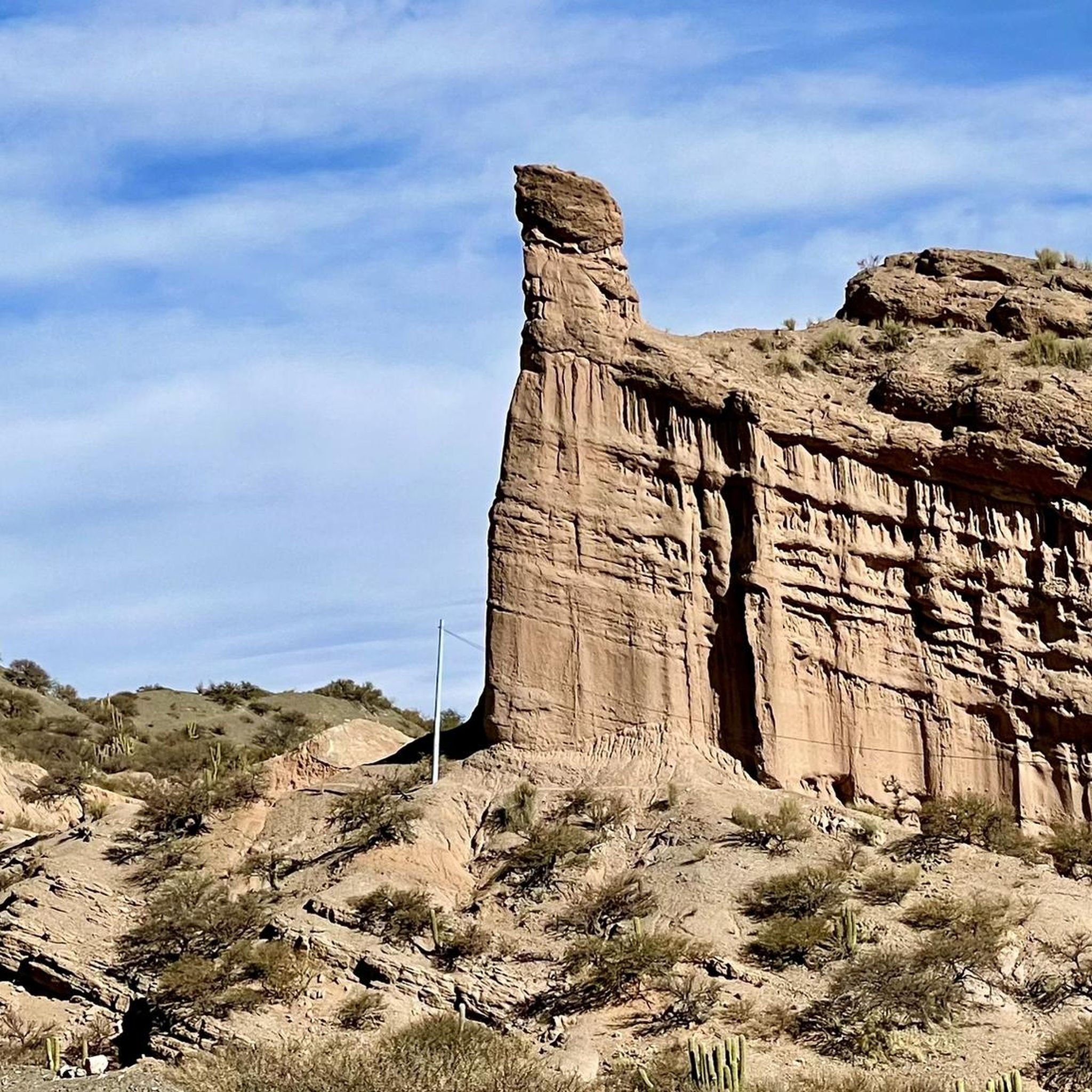
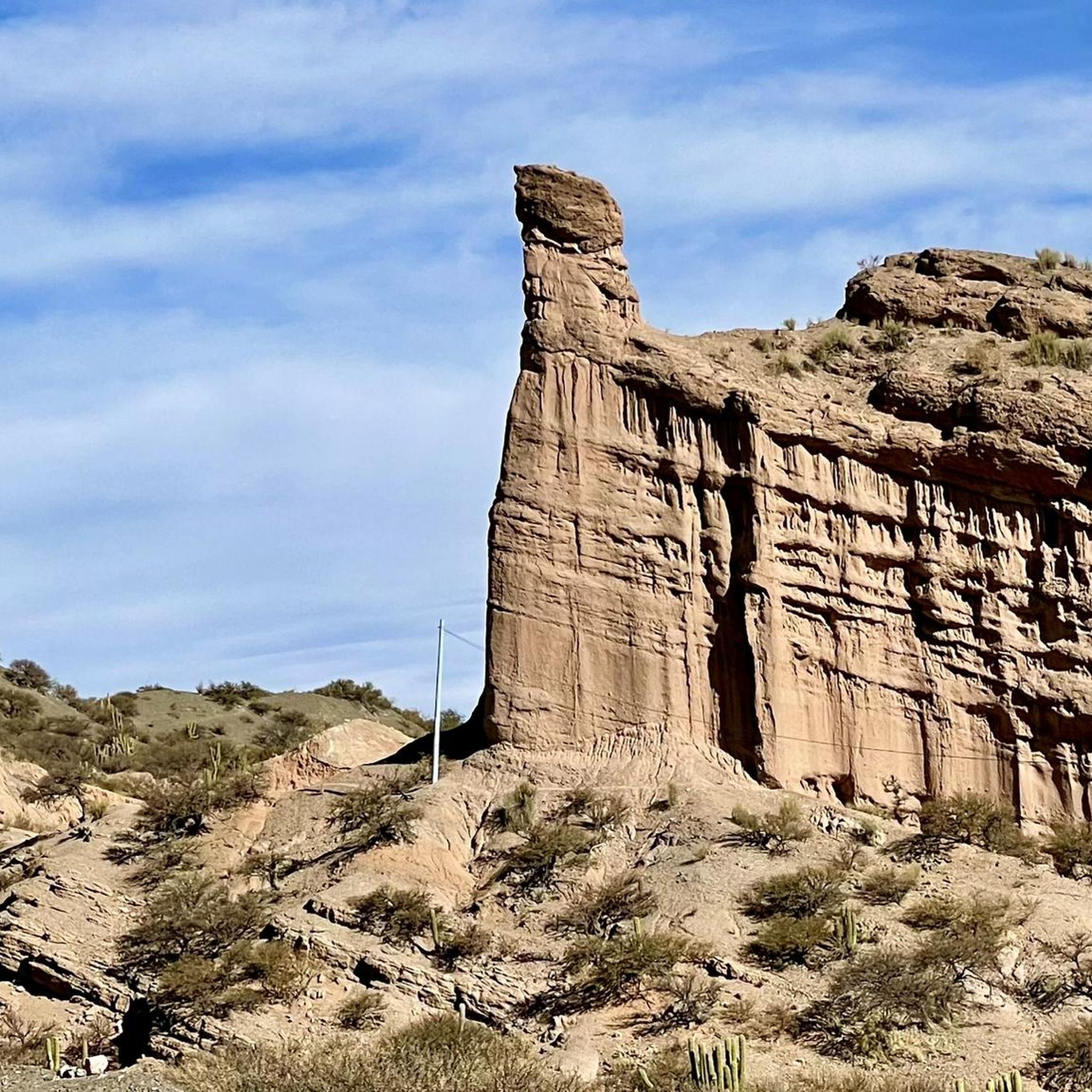
Guided tours go to the Animas Valley, but its proximity to La Paz makes it fairly easy to visit independently. I recommend taking the Teleférico to Irpawi station, then walking a few minutes to the main road to catch a minibus to Ovejuyo.
0
0

The Way of the Cross was built on this hill in the 1950s when the government decided that Copacabana should have more to offer its thousands of pilgrims than just the Basilica of the Virgin Mary.
2
0

Find your Flag 👌
1
0

Bring your national flag, club flag or something similar. The flags don't last forever and there is always a place for your own flag. A very impressive place.
1
0

Easy hike, possibly accessible by torito from Tupiza. Horseback riding trips are also offered here.
2
0

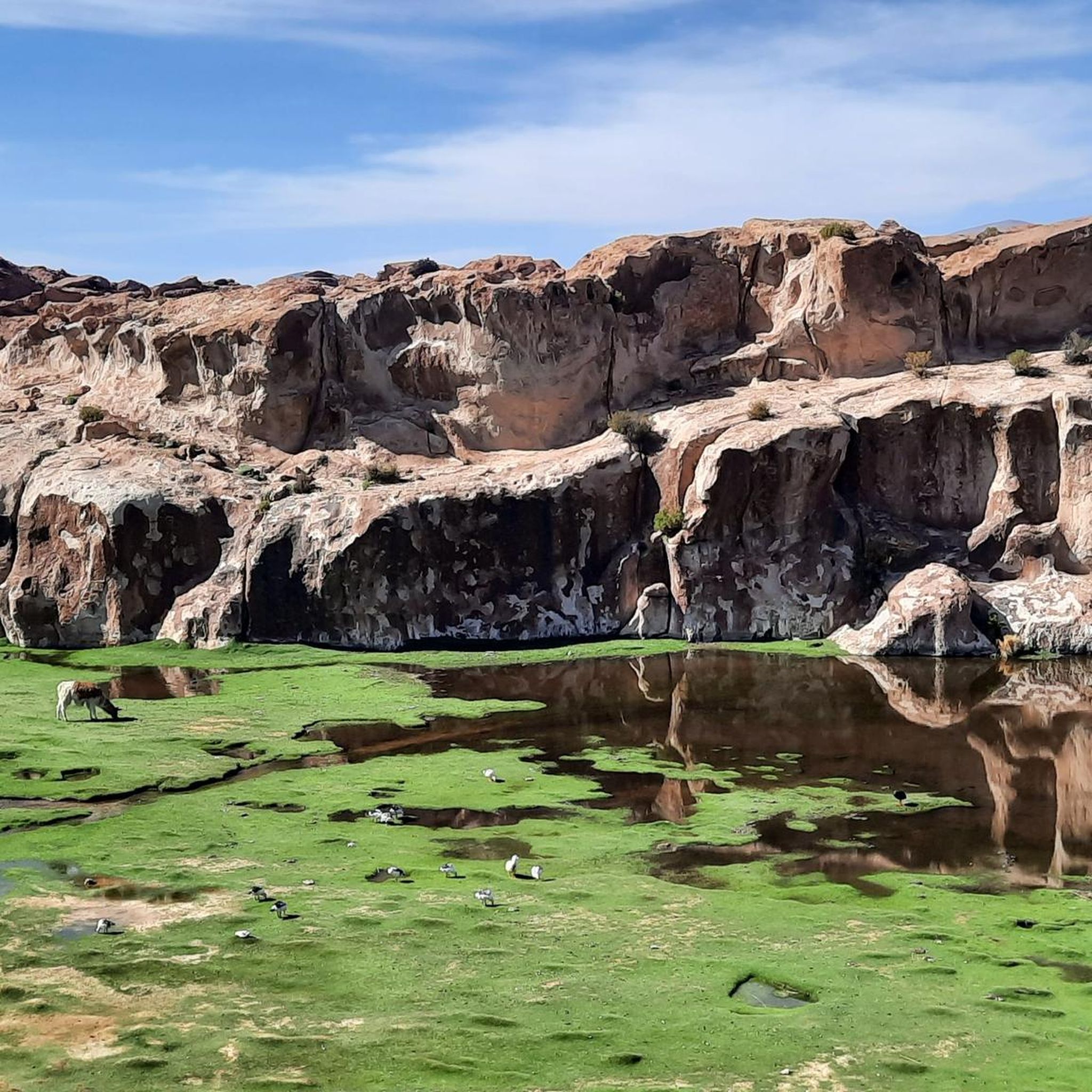
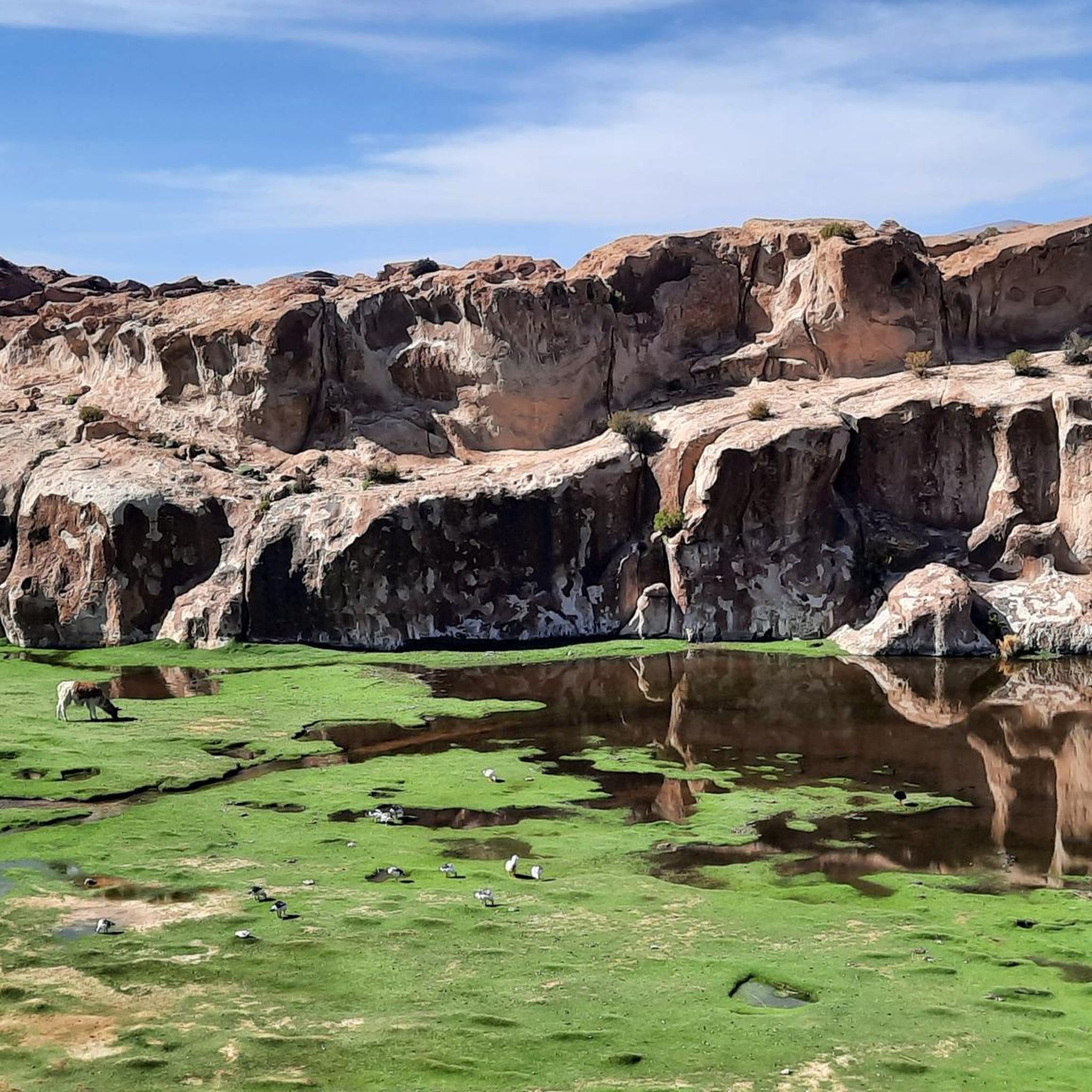
A lonely spot on the windswept Altiplano at an altitude of more than 4,000 meters: The Laguna Colorada not only has a unique location, but also combines all the colors of nature. The deep blue of the sky, the barren brown mountains and, last but not least, the unusual, bright red of the lagoon, which has given the lake the name Laguna Colorada (colored lagoon). Together with the pink flamingos that live here, the Laguna Colorada is a wonderful spectacle of nature that will delight nature lovers. During your visit to the Altiplano, explore the huge, colored salt lake, which stretches for kilometers and creates a dreamlike backdrop that no picture can really capture. Along with the Island of the Sun and the Salar de Uyuni, the Laguna Colorada is one of the most beautiful places on earth that Bolivia has to offer. Source: https://www.skr.de/bolivien-reisen/sehenswuerdigkeiten/laguna-colorada/
3
0
El Sol de Mañana is a desert area of about 2 km² in southern Bolivia in the department of Potosí, south of Laguna Colorada on the way to Salar de Chalviri, at an altitude of 4850 m above sea level, within the Eduardo Abaroa Andean Fauna National Reserve. This area is characterized by intense volcanic activity (including fumaroles and geysers), in the craters in the region you can see intense boiling mud. In addition, fumaroles and geysers emit mixed vapors of water and hot steam, which reach heights of 10 to 50 meters due to the pressure with which they are expelled. Source: https://salaruyuni.cl/tourist-attraction/sol-de-manana/#:~:text=El%20Sol%20de%20Ma%C3%B1ana%20es,de%20Fauna%20Andina%20Eduardo%20Abaroa.
1
0

The Moon Valley is an impressive area! It is not made of stone, but of clay and pebbles and is therefore removed by around 1 cm per year. Jagged, bizarre formations can be viewed and climbed. You can choose between a short and a longer route (approx. 1km) via paths, stairs and wooden walkways. It goes up and down again and again and can get a bit strenuous.
3
0
Frequently Asked Questions
What are some of Bolivia's most unique geological natural monuments?
Bolivia is home to several extraordinary geological formations. The Salar de Uyuni, the world's largest salt flat, offers a surreal landscape, especially during the rainy season when it creates a stunning 'mirror effect'. Another remarkable site is Valle de la Luna near La Paz, characterized by bizarre, eroded clay formations that resemble a lunar landscape. Further south, the Eduardo Avaroa Andean Fauna National Reserve features the vibrant red Laguna Colorada and the geothermal activity of the Sol de Mañana Geothermal Field.
Where can I experience diverse wildlife and biodiversity in Bolivia's natural monuments?
For unparalleled biodiversity, consider visiting Madidi National Park, which spans from the Andes to the Amazon rainforest and is one of the most biodiverse protected areas globally. It's a haven for jaguars, pumas, spectacled bears, and an incredible variety of bird species. Amboro National Park, near Santa Cruz, is another ecological masterpiece where three distinct ecosystems converge, offering exceptional birdwatching and wildlife spotting opportunities, including giant ferns and orchids.
Are there family-friendly natural monuments to visit in Bolivia?
Yes, several natural monuments in Bolivia are suitable for families. The Valle de la Luna offers short, easy hiking trails through its unique formations. The Devil's Pass is also listed as family-friendly, providing accessible viewpoints. While some areas require more strenuous activity, many offer accessible sections or guided tours suitable for various ages.
What are the best natural monuments for panoramic views and high-altitude experiences?
For breathtaking panoramic views and high-altitude adventures, Pico Austria Summit is an excellent choice. At 5327 meters, it offers stunning vistas of the Cordillera Real, including Condoriri and Huayna Potosí, and turquoise lagoons. Another popular viewpoint is Cerro Calvario, which provides spectacular views over Copacabana and Lake Titicaca, especially at sunset.
What kind of hiking trails can I find near Bolivia's natural monuments?
Bolivia offers a range of hiking trails near its natural monuments, from easy strolls to challenging ascents. For example, you can find easy hikes like the Laguna Colorada loop from Mirador de Flamencos, or the Cerro Calvario loop from Copacabana. More challenging options include the Pico Austria Summit – Laguna Chiar Khota loop. You can explore more options for hiking in Bolivia on the Hiking in Bolivia guide or for easier routes, check the Easy hikes in Bolivia guide.
Do I need a permit or pay an entrance fee to visit natural monuments in Bolivia?
Yes, some natural monuments and protected areas in Bolivia require an entrance fee or permit. For instance, there is a 20 Bs (Bolivianos) entry fee for the national park area around Pico Austria Summit, collected by local rangers. Similarly, Valle de la Luna has an entry fee of 15 Bs. It's advisable to check specific requirements for each site before your visit.
What is the best season to visit Bolivia's natural monuments?
The best season to visit Bolivia's natural monuments generally depends on the region and what you want to experience. The dry season (May to October) is often preferred for high-altitude areas like the Salar de Uyuni and the Andean reserves, offering clear skies and easier travel conditions. However, the 'mirror effect' at Salar de Uyuni is best observed during the rainy season (December to March). For rainforest areas like Madidi and Amboro, the dry season also offers more comfortable trekking conditions and potentially better wildlife viewing.
Can I reach some natural monuments in Bolivia using public transport?
While many remote natural monuments require organized tours or private transport, some are accessible via public transport. For example, Valle de la Luna near La Paz can be reached by taking the Teleférico to Irpawi station, then a minibus towards Mallasa. For other locations, especially in more remote areas, minibuses or shared taxis might be available from nearby towns, though options can be limited.
Are there any natural monuments in Bolivia with historical or cultural significance?
Yes, beyond their natural beauty, some sites hold cultural significance. Cerro Calvario in Copacabana, for instance, is a viewpoint with religious importance, featuring a Way of the Cross. The Sacred Rock (Titikala) is another natural monument with deep historical and cultural roots, particularly for indigenous communities.
What should I pack when visiting high-altitude natural monuments in Bolivia?
When visiting high-altitude natural monuments like Pico Austria Summit or the Eduardo Avaroa Andean Fauna National Reserve, it's crucial to pack for varying conditions. Essential items include layers of warm clothing, a windproof and waterproof jacket, sturdy hiking boots, sunscreen, sunglasses, a hat, and plenty of water. Acclimatization is also vital due to the high altitudes. A headlamp or flashlight is recommended for evening visits to viewpoints like Cerro Calvario.
What other outdoor activities can I do near Bolivia's natural monuments?
Beyond hiking, Bolivia offers various outdoor activities near its natural monuments. Cycling is a popular option, with routes like the Lago San Jacinto loop near Tarija or the challenging Los Quesos loop. You can find more cycling routes in the Cycling in Bolivia guide. Many areas also offer opportunities for birdwatching, photography, and exploring local culture, especially in and around national parks like Madidi and Amboro.
Most popular routes in Bolivia
Most popular attractions in Bolivia

Get inspired with the komoot mobile app


Didn’t find what you were looking for?
Find even more amazing natural monuments in Bolivia by checking out the top Highlights region by region:
Explore more
Extend your search for the best caves by checking out these guides of the top ones in Bolivia:
