The best hikes from bus stations in Bolivia
4.6
(203)
1,568
hikers
7
hikes
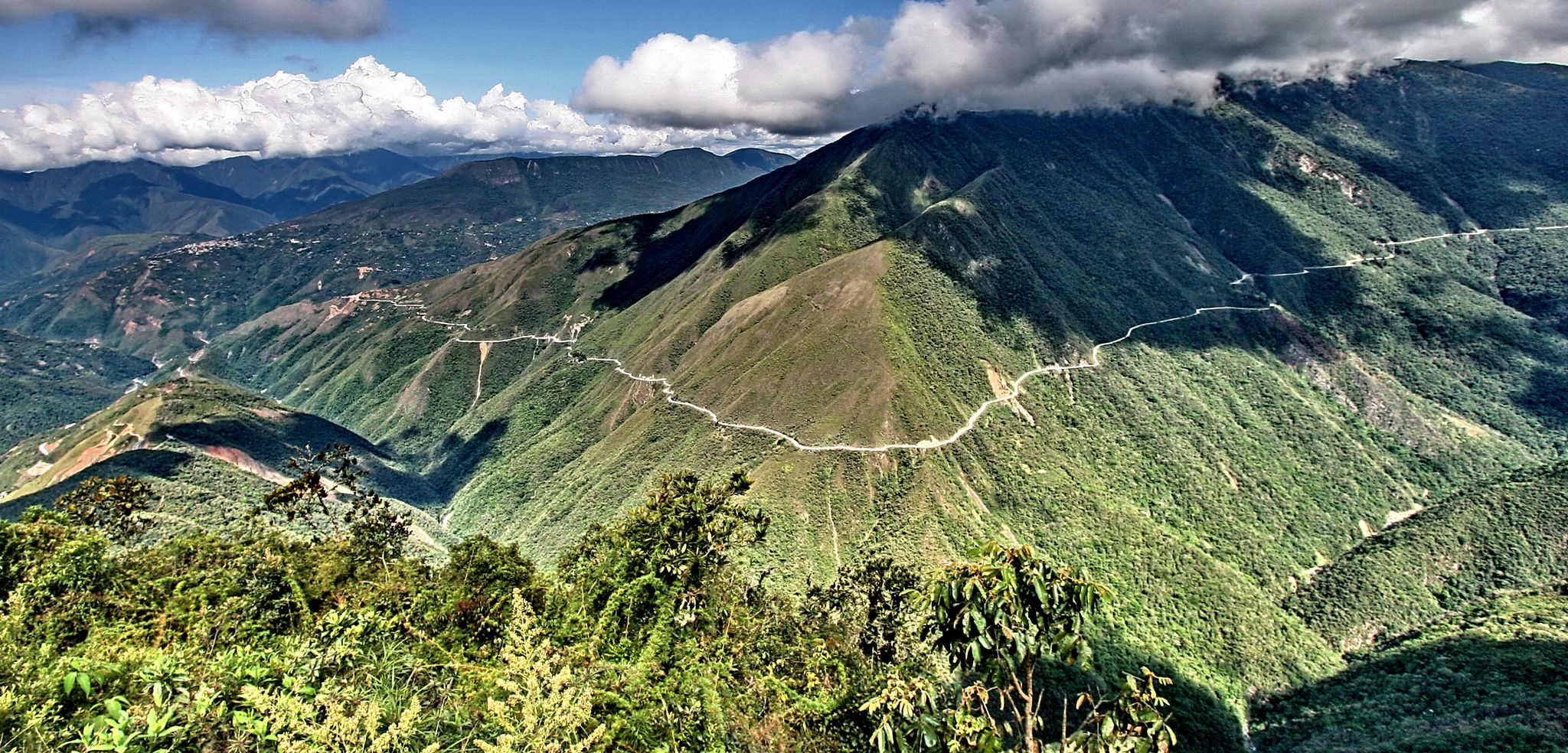
Hiking in Bolivia offers a diverse range of landscapes, from the high-altitude Andean peaks and vast Altiplano to subtropical cloud forests and unique geological formations. The country is characterized by its dramatic elevation changes, encompassing towering mountains, expansive salt flats, and deep valleys. These varied terrains provide a wide array of bus station hiking trails, allowing access to remote natural beauty and cultural sites. The routes often traverse ancient paths, connecting urban centers with stunning natural environments.
Best bus station…
Last updated: July 10, 2026
4.8
(28)
294
hikers
11.2km
05:54
830m
830m
Hard hike. Very good fitness required. Sure-footedness, sturdy shoes and alpine experience required.
5.0
(5)
32
hikers
12.5km
06:22
850m
850m
Hard hike. Very good fitness required. Sure-footedness, sturdy shoes and alpine experience required.

Sign up for free
4.2
(16)
43
hikers
11.1km
03:28
410m
400m
Moderate hike. Good fitness required. Easily-accessible paths. Suitable for all skill levels.
4.5
(2)
20
hikers
10.6km
02:53
160m
160m
Moderate hike. Good fitness required. Easily-accessible paths. Suitable for all skill levels.
3.7
(3)
15
hikers
10.5km
03:11
350m
340m
Moderate hike. Good fitness required. Easily-accessible paths. Suitable for all skill levels.
Get access to more routes and recommendations from other explorers.
Sign up for free
Already have an account?
Our route recommendations are based on thousands of hikes, rides, and runs completed by other people on komoot.
Start today with a free account
Your next adventure awaits.
Login or Signup



Tips from the Community

The route did deviate a bit and we had to go under the barbed wire once. But a really beautiful route
0
0

A beautiful glimpse into the landscape of this area. Wealthy people also live in Samaipata. The surroundings of their houses are sometimes the size of a park.
0
0

The five-aisled Catedral Basílica de Nuestra Señora de La Paz, as it is called in full, was built from March 24, 1835 under the direction of Manual Sanahuja and inaugurated in 1925. The consecration took place during the 100th anniversary celebrations of Bolivia's independence.
0
0
The 18th-century Palais Marquis de Villa Verde houses a surprisingly modern museum that showcases the regional peculiarities and unique characteristics of Bolivia's independent cultures.
0
0
During the colonization period, eucalyptus trees grew around Plaza Murillo, which, among other things, surrounded the city's most important drinking water source, the Neptune Fountain. Even then, the square was the center of social life and a popular meeting place for the residents of La Paz.
1
0
The seat of the President of Bolivia has been rebuilt, expanded, remodeled and modernized many times throughout its history. Much of the architecture and interior still dates back to the new building in 1853 and the remodeling in 1923.
0
0

Plaza Pedro de Anzúrez is a quiet, historic square in Sucre that is a wonderful place to relax. Nestled at the foot of Churuquella Hill, the square offers a wide view of the city, especially impressive at sunset. It is fascinating to see how this plaza has retained its colonial charm. Old streets with special names such as "Street of the Black Cat" and "Street of the Quarrelsome Cat" bear witness to a turbulent history. A special highlight is the café that is located here and invites you to take a cozy break. Anyone interested in history should visit the La Recoleta convent, which adorns one of the square's facades, as well as marvel at the old sundial and the historic fountain from 1630. The flair of this place is unmistakable, a mix of colonial architecture, quiet corners and historical heritage - the perfect spot to experience Sucre from its authentic side.
1
0

This square is at its most beautiful on Sundays, when it is largely closed to vehicles. A variety of events take place here then, a stage is set up for musicians, and dance groups and sports groups can be found here.
2
0
Frequently Asked Questions
How many bus-accessible hiking trails are available in Bolivia?
Komoot offers several bus-accessible hiking trails in Bolivia, with 7 routes currently featured in this guide. These routes vary in difficulty, including 1 easy, 4 moderate, and 2 difficult options, ensuring there's something for different experience levels.
When is the best time of year to hike from bus stations in Bolivia?
The dry season, generally from May to September, is ideal for hiking in Bolivia. During this period, you can expect more stable weather conditions, clearer skies, and better trail accessibility, especially in the high-altitude regions. Always check local forecasts before heading out.
Are there beginner-friendly hiking routes accessible by bus in Bolivia?
While many routes in Bolivia present moderate to difficult challenges due to the terrain and altitude, there are options for beginners. For instance, the Plaza 25 de Mayo – Time & Coffee La Recoleta loop from Sucre offers a moderate experience with less elevation gain, making it suitable for those new to hiking or looking for a more relaxed walk.
What kind of challenging hikes can I find that are accessible by public transport?
Bolivia offers truly challenging hikes, often leading to high-altitude peaks. For experienced trekkers, routes like the Pico Austria Summit – Laguna Chiar Khota loop from La Rincondada provide significant elevation gain and stunning views of the Cordillera Real. These routes require good physical condition and proper acclimatization.
What interesting natural landmarks can I see along these bus-accessible routes?
Many bus-accessible routes in Bolivia offer access to incredible natural landmarks. Near La Paz, you can explore unique geological formations such as the Valle de la Luna or the dramatic rock spires of the Valley of the Souls. Some trails also lead to impressive summits like Pico Austria Summit, offering panoramic views of the Andean landscape.
Are there any loop hikes available from bus stations?
Yes, several routes are designed as loops, allowing you to start and end at the same point, which is convenient when relying on public transport. Examples include the challenging Laguna Chiar Khota – Pico Austria Summit loop from La Rincondada or the more moderate View of Samaipata loop from Samaipata.
What should I pack for a day hike from a bus station in Bolivia?
Given Bolivia's diverse climates and altitudes, it's crucial to pack layers, including warm clothing, a waterproof jacket, and sun protection (hat, sunglasses, high SPF sunscreen). Always carry plenty of water, snacks, a first-aid kit, and a fully charged phone. For high-altitude hikes, consider trekking poles and be prepared for rapid weather changes.
What do other hikers enjoy most about hiking in Bolivia?
The komoot community highly rates hiking in Bolivia, with an average score of 4.7 stars. Reviewers often praise the unparalleled geographical diversity, from the towering peaks of the Andes to the unique geological formations, and the opportunity to experience ancient trails and less crowded natural environments.
Are there any hikes that offer great viewpoints near bus stations?
Absolutely. Many trails provide spectacular viewpoints. For instance, the Simón Bolívar Monument – Calle Jaén loop from La Paz offers urban vistas combined with natural beauty. Higher altitude routes often provide expansive panoramas of the Cordillera Real and surrounding valleys, such as those found on the Pico Austria trails.
Do I need special permits for hiking near bus stations in Bolivia?
For most day hikes from bus-accessible locations, especially those on established trails or within urban-adjacent natural areas, specific permits are generally not required. However, if your hike takes you into national parks, protected areas, or involves climbing higher peaks like Huayna Potosí, you will likely need to register or pay an entrance fee. Always check the specific requirements for your chosen route in advance.
Most popular attractions in Bolivia

Get inspired with the komoot mobile app


Didn’t find what you were looking for?
Check out more Hikes throughout Bolivia below and find the perfect route in your destination.
Explore more
Browse the best Hikes in other regions.
