Top 5 Mountain Passes in Hungary
Mountain passes in Hungary offer scenic winding roads through elevated regions. These areas are characterized by natural beauty, opportunities for outdoor activities, and often historical significance. The country's mountains, though generally lower in elevation, feature volcanic formations, karstic landscapes, and extensive forests. Visitors can enjoy panoramic views, explore ancient castles, and engage in activities like hiking and cycling.
Best mountain passes in Hungary
- The most popular mountain passes is Kevély Saddle, a mountain pass that serves as a verification point for the National Blue Tour. This location provides a rain-protected rest area with a fireplace and forest furniture, suitable for a break.
- Another must-see spot is Olasz-kapu Pass, a mountain pass and natural monument. This area is notable for its asphalt route, which follows the track of an old light railway, and for the Italian Gate, carved through rock by Italian prisoners.
- Visitors also love Vízverés Saddle (510 m), a mountain pass and viewpoint. This saddle is a gravel forest road intersection between Tahi and Visegrád, offering a pleasant resting place on a beautiful meadow.
- Hungary is known for mountain passes that are also viewpoints, trails, and natural monuments. These locations offer diverse natural beauty and recreational opportunities within forested areas.
- The mountain passes in Hungary are appreciated by the komoot community, with more than 90 upvotes and over 10 photos contributed by users.
Last updated: October 11, 2026
Kevély Saddle
Highlight • Mountain Pass
Translated by Google •
Tip by

Olasz-kapu Pass
Highlight • Mountain Pass
Translated by Google •
Tip by

Sign up now to discover places like this
Get recommendations on the best single tracks, peaks, & plenty of other exciting outdoor places.
Vízverés Saddle (510 m)
Highlight • Mountain Pass
Translated by Google •
Tip by

Huta Saddle
Highlight • Mountain Pass
Translated by Google •
Tip by

Köpüs-nyereg Junction
Highlight • Trail
Translated by Google •
Tip by
Start today with a free account
Your next adventure awaits.
Popular around Hungary
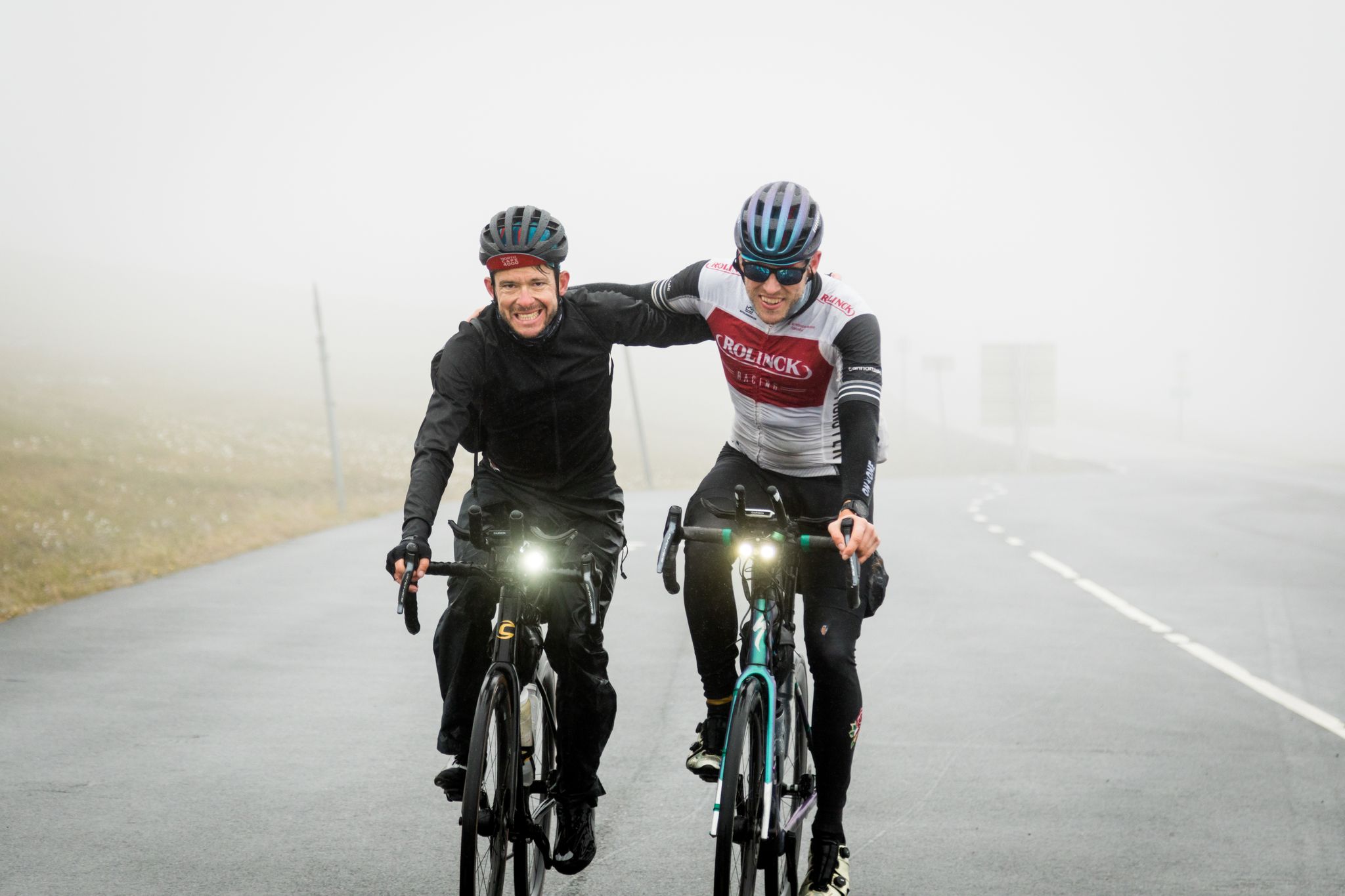
NorthCape4000 – 12 days from Lake Garda to the North Cape
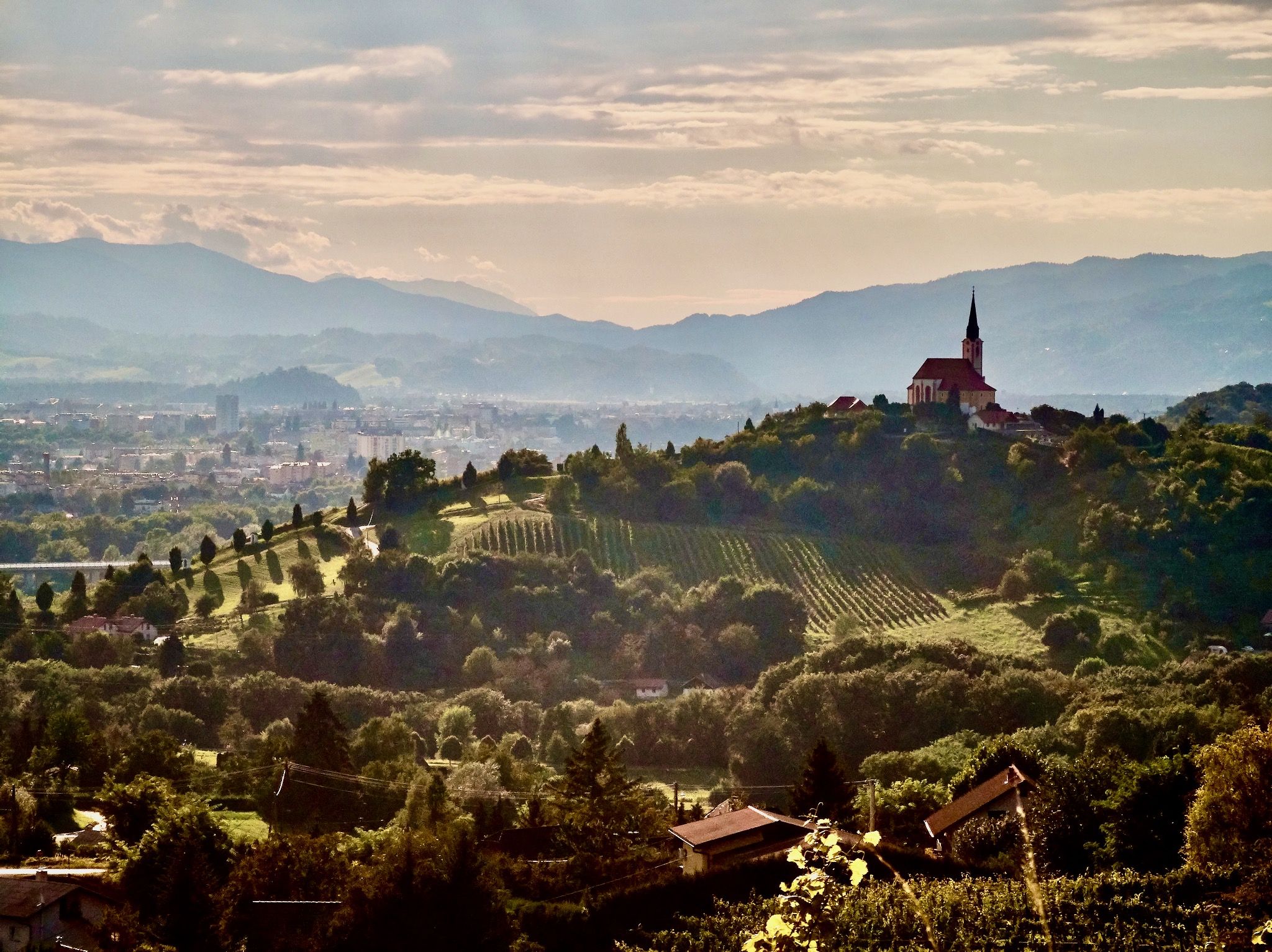
Budapest to Venice via the beautiful Soča Valley
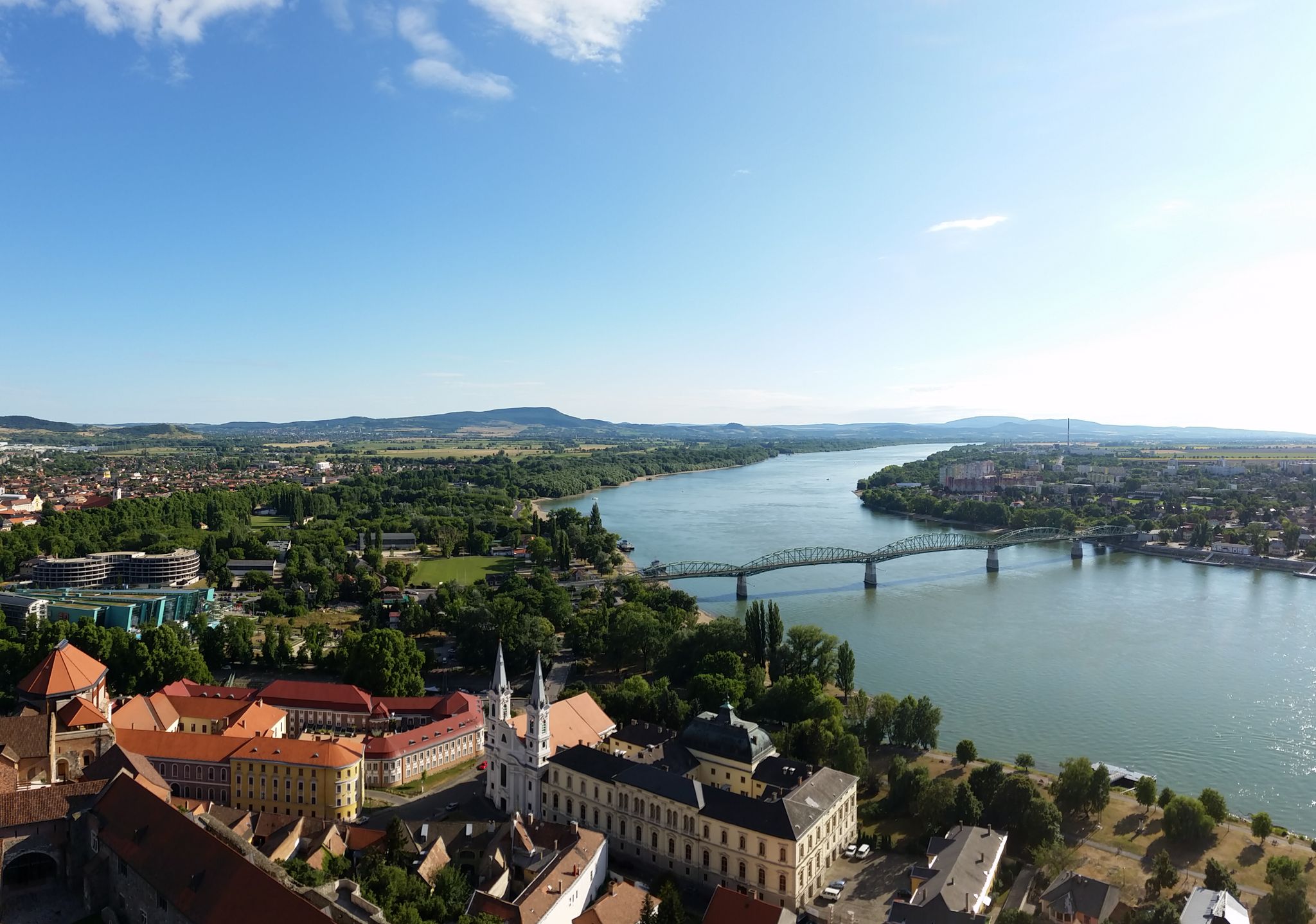
The Danube Cycle Path – From Donaueschingen to Budapest
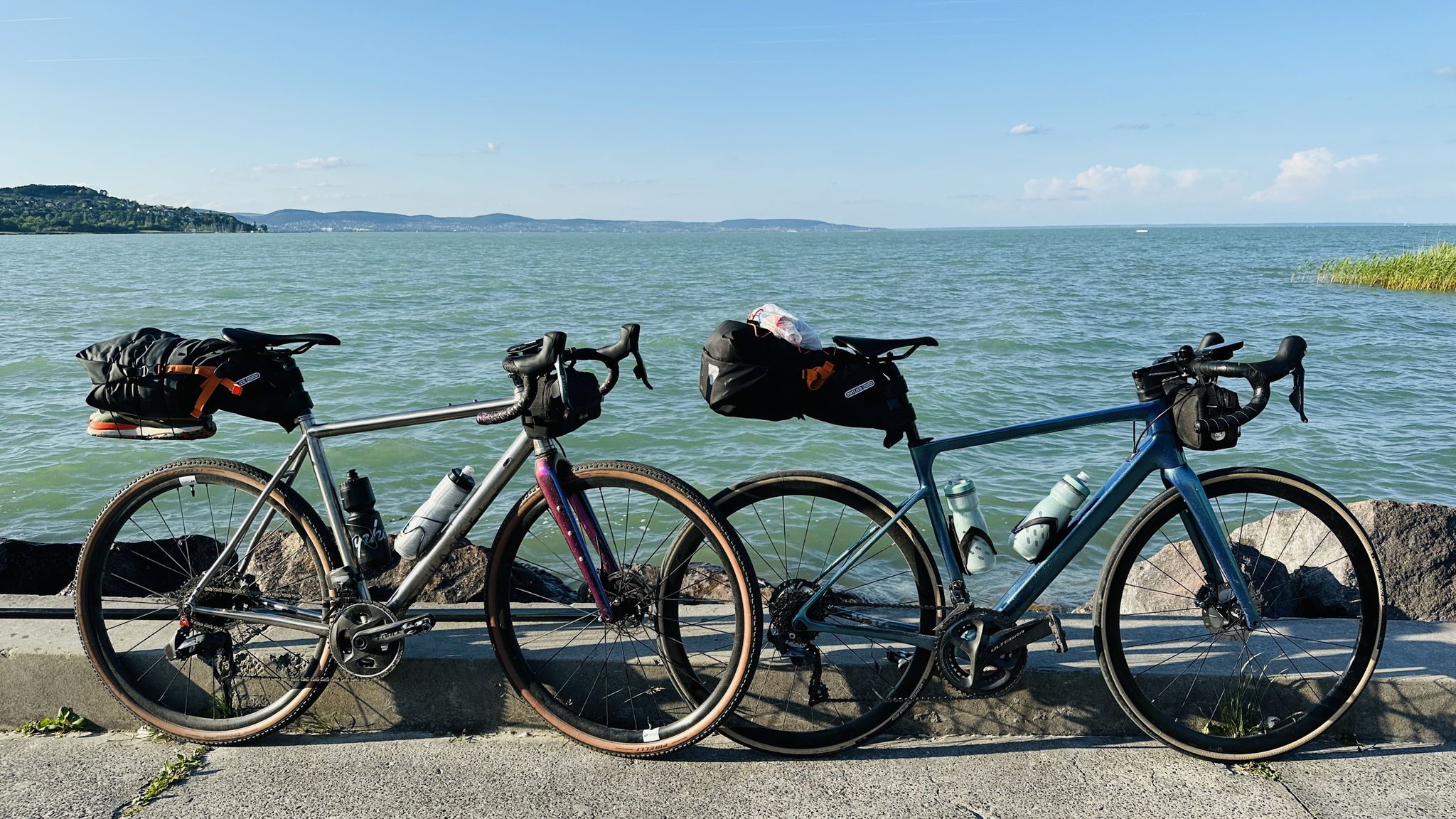
Riding two Koppels through five countries
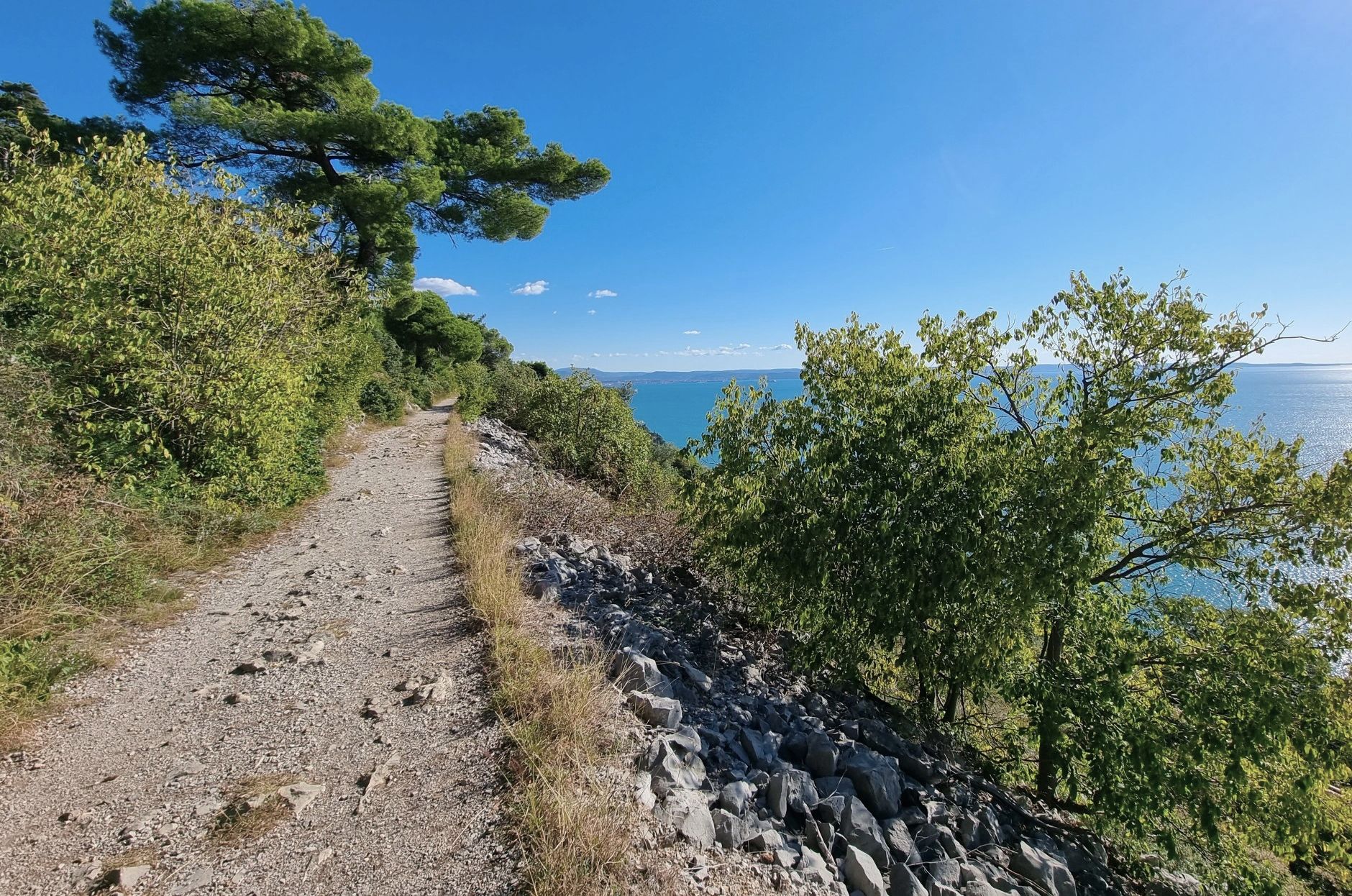
Ride to the sea – gravel bikepacking from Austria’s Vienna to Italy’s Grado
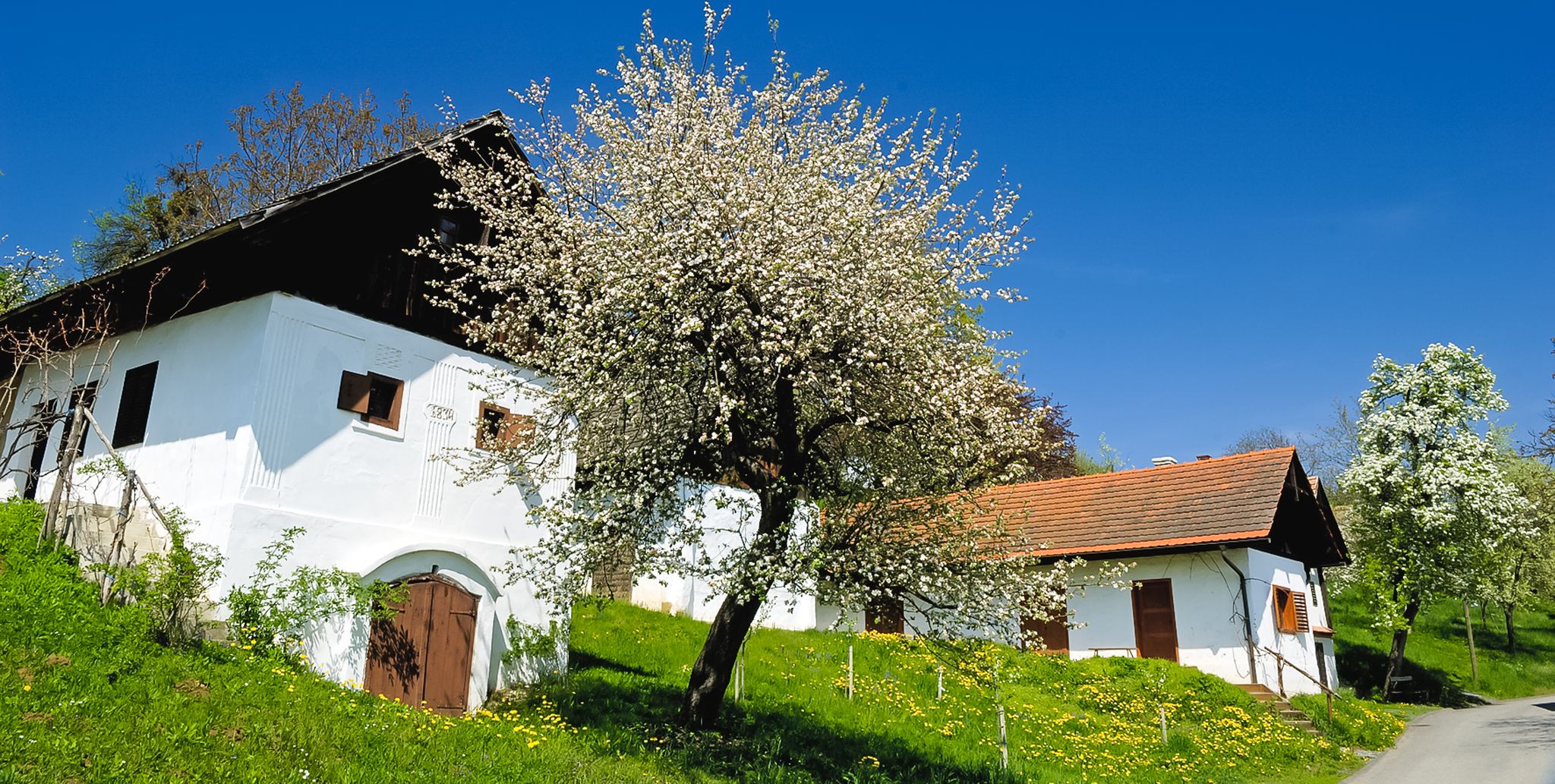
Roman paths in the Burgenland – Amber Trail East Route
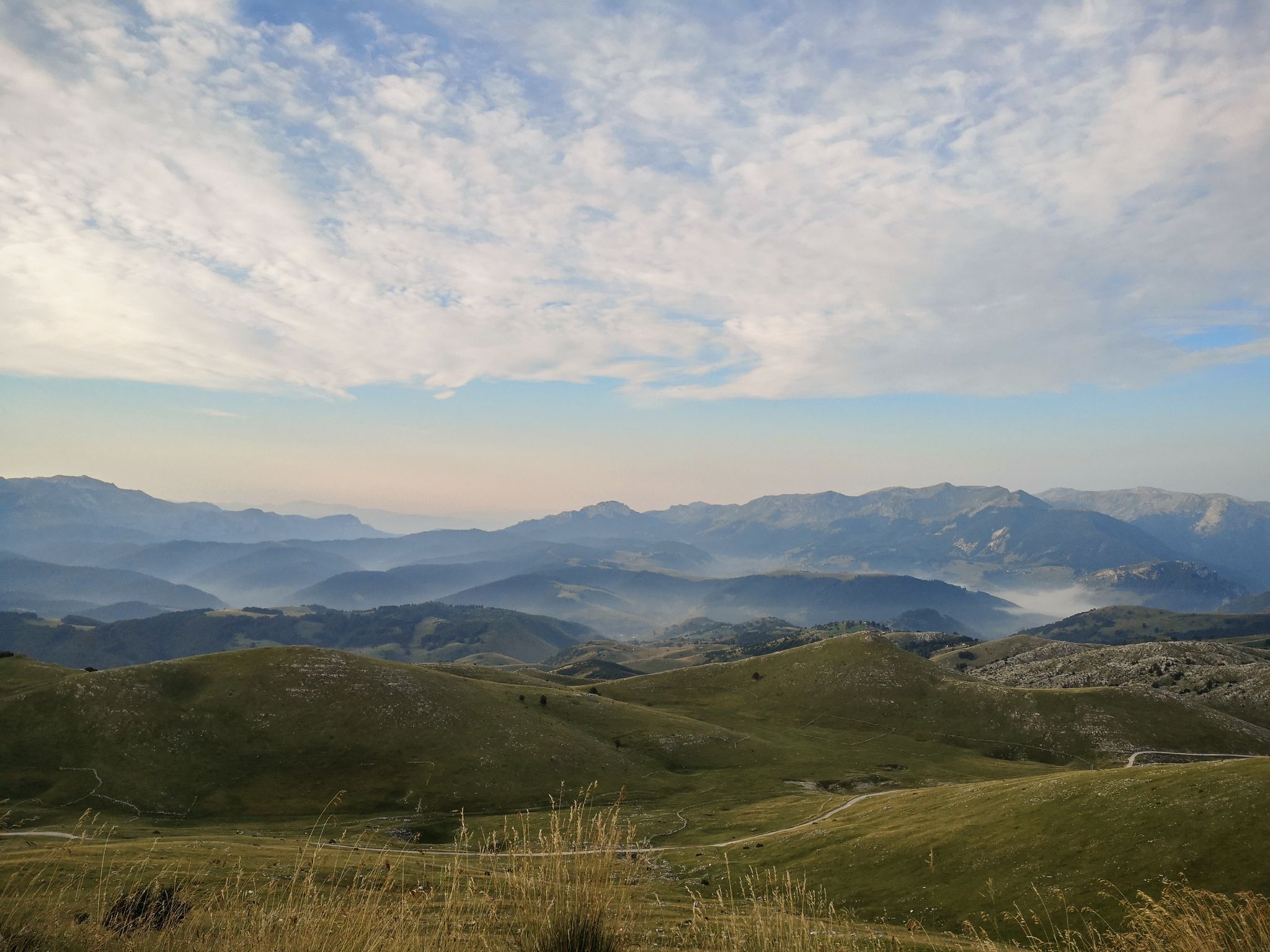
As we wrote history – the Transcontinental Race #TCRN06
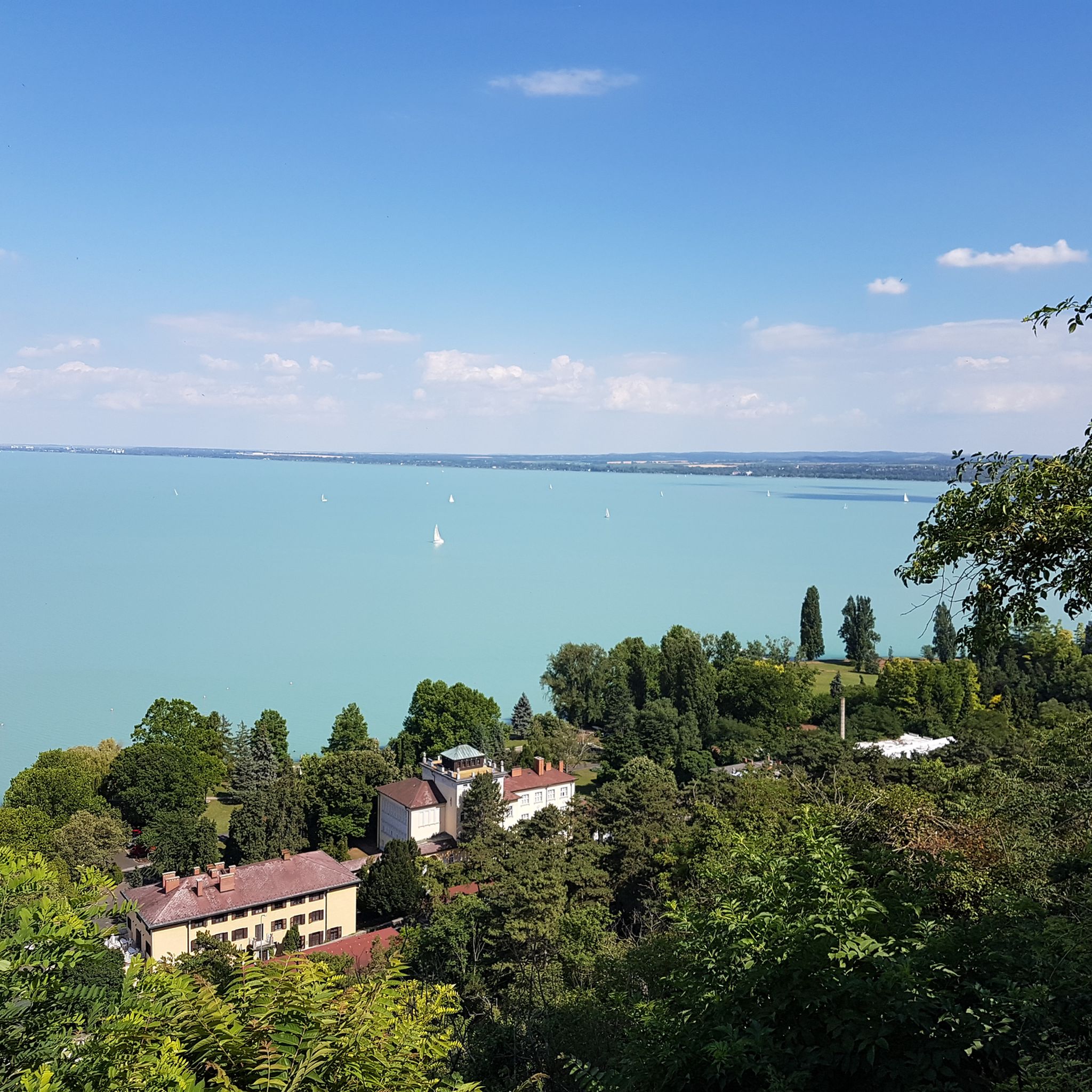
Cycling in Hungary
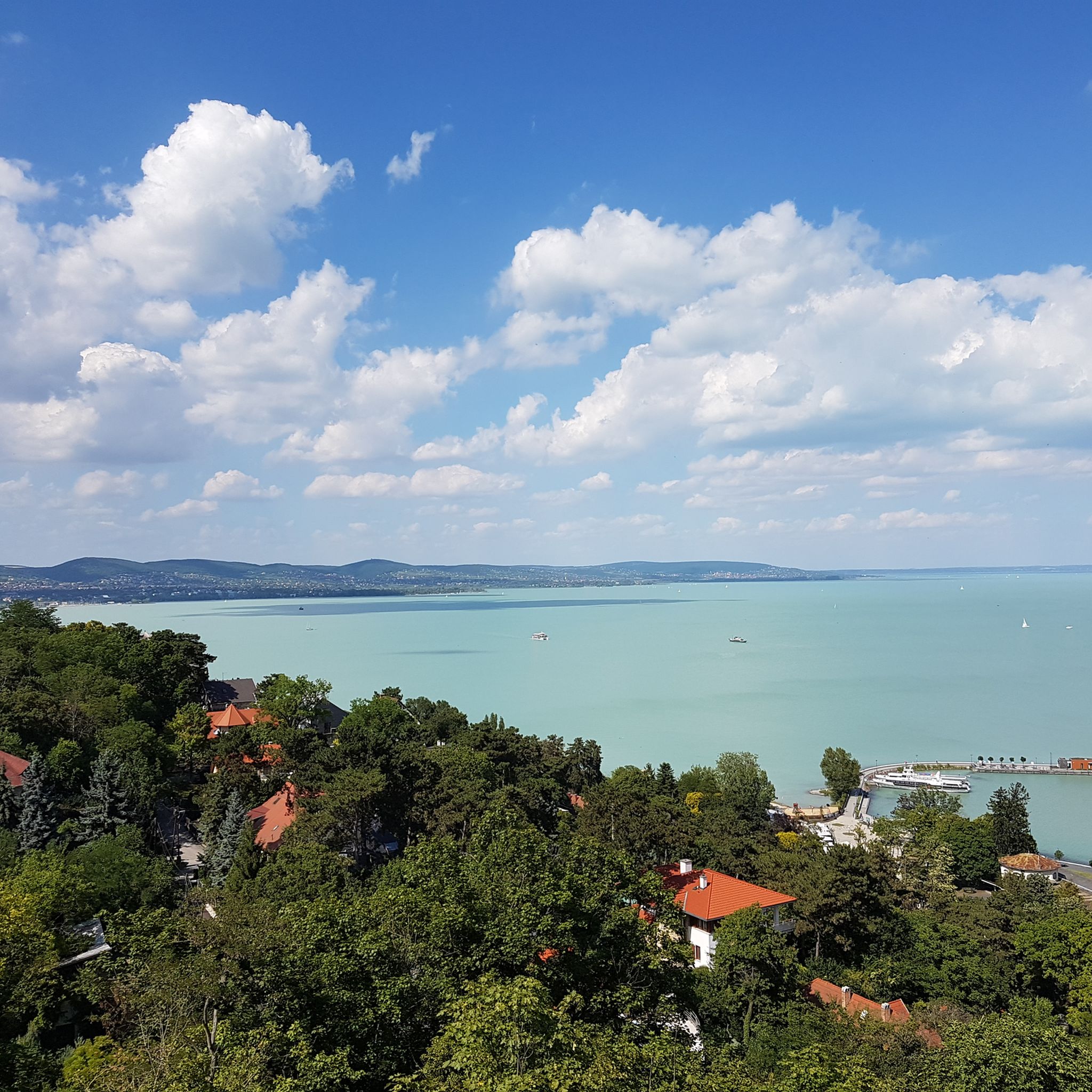
Hiking in Hungary
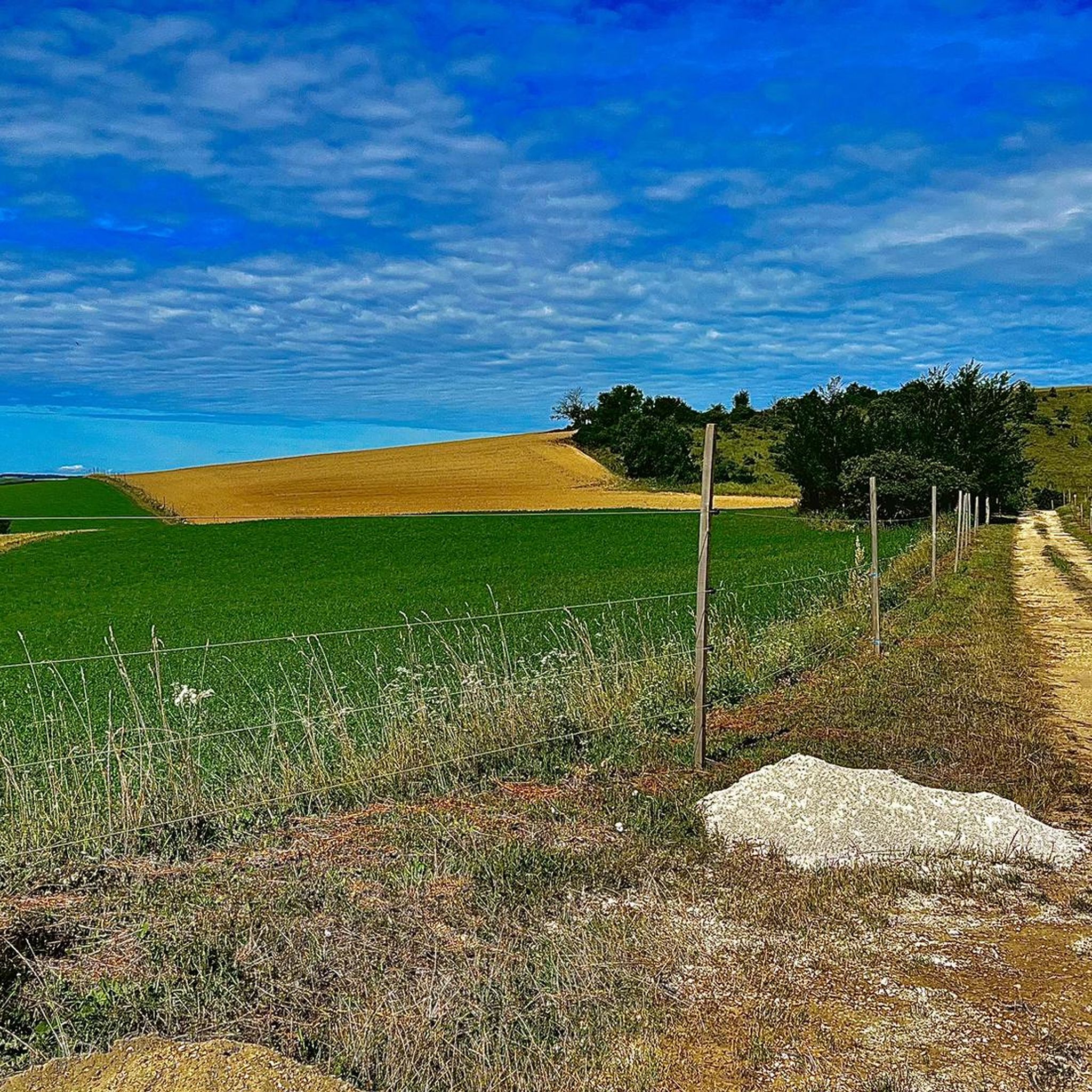
Road Cycling Routes in Hungary
Other adventures in Hungary


Tips from the Community

Nothing special, just a doline and a saddle (there are a few more around here)
0
0

This place can be explored starting from Jávorkút. You can go on forest paths and on a designated bike route on asphalt. I am now describing the asphalt route. From Jávorkút, you actually have to follow the asphalt road leading there until there is a fork. Here you can head back to the Lazy Valley towards Miskolc - Lillafüred, and turn right to Nagy mező. You have to go to Nagy mező, and when you reach it, you have to continue on the asphalt. There will be another fork where you have to keep right, and in a short time you will reach the Jewish Meadow where the Italian Gate is located. It is noteworthy that the asphalt we came on is actually the track of the old light railway, so there used to be a train here. It also transported stone and wood to the iconic landmark, the engine house, from where the wagons were lowered onto a funicular and then continued through Szilvásvárad towards Slovakia. The Italian Gate is famous because 150 Italian prisoners carved through the rock face here by hand so that the train could pass.
0
0

One of the verification points of the National Blue Tour is also the Kevély Saddle. If you come from the Rozális Brick Factory, expect an elevation gain of ~250m. At the sealing point, there is a rain-protected rest area, a fireplace, and forest furniture. It is just the right place for a little rest. If we want to add other sights to our tour, then I recommend the blue triangle, which takes us to a lookout point at a maximum of 100m away, or we can climb up to the Nagy Kevély Tető in the opposite direction, which is at least a 20-40 minute detour due to the elevation gain.
2
0

Very nice meadow in the middle of the forest. Here you can also hike for a few hours with dog and children or to rest on a longer trekking trail. There is a small canopy with table and benches which provides protection from sun and rain. Also a small fireplace is available. (Please always check the local regulations for lighting a fire, especially in the summer).
1
0

The end of the climb from the direction of Tahi and Visegrád. A nice meadow at the intersection of tourist and forest roads. In autumn, there is usually a wonderful kikerics sea.
0
0

An important tourist road intersection. The intersection of the blue +, yellow + and red x marked roads is on the saddle between huta-bérc (920 m) and Semmi-bérc (906 m).
0
0
Star crossroads (forest roads and hiking trails) on a beautiful meadow. If you have struggled so far, it is worth resting here.
0
0
A gravel forest road between Tahi and Visegrád and the point of intersection of the blue. Pleasant resting place.
2
0
Frequently Asked Questions
What kind of natural beauty can I expect to see around mountain passes in Hungary?
Hungary's mountain passes, though generally lower in elevation than the Alps, offer significant natural beauty. You'll find scenic winding roads through extensive forests, volcanic formations, and karstic landscapes. Many passes double as viewpoints, providing panoramic vistas. For example, Olasz-kapu Pass is a natural monument, and Vízverés Saddle (510 m) is known for its beautiful meadow.
Are there any historical or cultural points of interest near these mountain passes?
Yes, some mountain passes in Hungary have historical significance. A notable example is Olasz-kapu Pass, where the 'Italian Gate' was carved through rock by Italian prisoners, allowing an old light railway to pass. The Mátra Mountains also feature historical sites like Sirok Castle, perched on a volcanic rock, offering both history and views.
What outdoor activities can I do near the mountain passes in Hungary?
The regions around Hungary's mountain passes are excellent for various outdoor activities. You can enjoy hiking, cycling, and even skiing in some areas. Komoot offers numerous routes, including mountain hikes, MTB trails, and gravel biking routes, allowing you to explore the diverse landscapes.
Are there family-friendly mountain passes or trails suitable for children?
Absolutely. Several mountain passes and their surrounding areas are suitable for families. Kevély Saddle, for instance, offers a rain-protected rest area with a fireplace and forest furniture, perfect for a break with children and dogs. Vízverés Saddle (510 m) is also categorized as family-friendly, providing a pleasant meadow for resting.
What is the terrain like on Hungarian mountain passes, and what difficulty levels can I expect?
The terrain around Hungarian mountain passes varies, often featuring steep slopes, rocky sections, and extensive forest cover, especially in regions like the Mátra Mountains. While generally lower in elevation, they offer diverse challenges. Many passes are considered 'intermediate' difficulty, suitable for those with some hiking or cycling experience. You can find both easier paths and more challenging routes depending on the specific pass and trail.
What facilities are available at the mountain passes?
Some mountain passes offer basic facilities for visitors. For example, Kevély Saddle provides a rain-protected rest area with a fireplace and forest furniture, making it a good spot for a break. Other passes might have simple resting places or meadows, but it's always advisable to carry your own supplies.
When is the best time to visit the mountain passes in Hungary?
The best time to visit depends on your preferred activities. Spring and autumn offer pleasant temperatures for hiking and cycling, with lush greenery or vibrant fall colors. Summer is also popular for outdoor activities. In winter, some higher elevation areas, particularly in the Mátra Mountains, offer opportunities for skiing.
Can I find scenic viewpoints along these mountain passes?
Yes, many mountain passes in Hungary are also designated viewpoints, offering stunning panoramic views of the surrounding landscapes. Kevély Saddle, Olasz-kapu Pass, Vízverés Saddle (510 m), and Huta Saddle are all known for their scenic vistas.
What do visitors enjoy most about Hungary's mountain passes?
Visitors frequently appreciate the tranquility and natural beauty of these areas. The winding roads, extensive forests, and panoramic viewpoints are often highlighted. Many enjoy the opportunities for outdoor activities like hiking and cycling, and the chance to discover historical elements like the Italian Gate at Olasz-kapu Pass. The well-maintained rest areas, such as the one at Kevély Saddle, also contribute to a pleasant experience.
Are there specific mountain ranges in Hungary known for their passes?
While Hungary doesn't have towering ranges like the Alps, the Mátra Mountains and Bükk Mountains are particularly known for their scenic winding roads and elevated regions that function as passes. The Mátra Mountains are home to Hungary's highest peak, Kékes, and offer routes like Mátrafüred - Parádsasvár. The Bükk Mountains feature complex geology and diverse natural beauty, with roads like Eger - Mónosbél.
Can I find long-distance hiking trails that pass through these areas?
Yes, some mountain passes are part of significant long-distance hiking routes. Kevély Saddle, for instance, serves as a verification point for the National Blue Tour, a well-known long-distance trail in Hungary. Other passes, like Köpüs-nyereg Junction, are intersections for various marked hiking trails.
Most popular routes in Hungary
Most popular attractions in Hungary

Get inspired with the komoot mobile app


Explore more
See even more epic mountain passes by checking out these guides in Hungary:
