The best gravel rides in Hungary
4.3
(100)
810
riders
147
rides
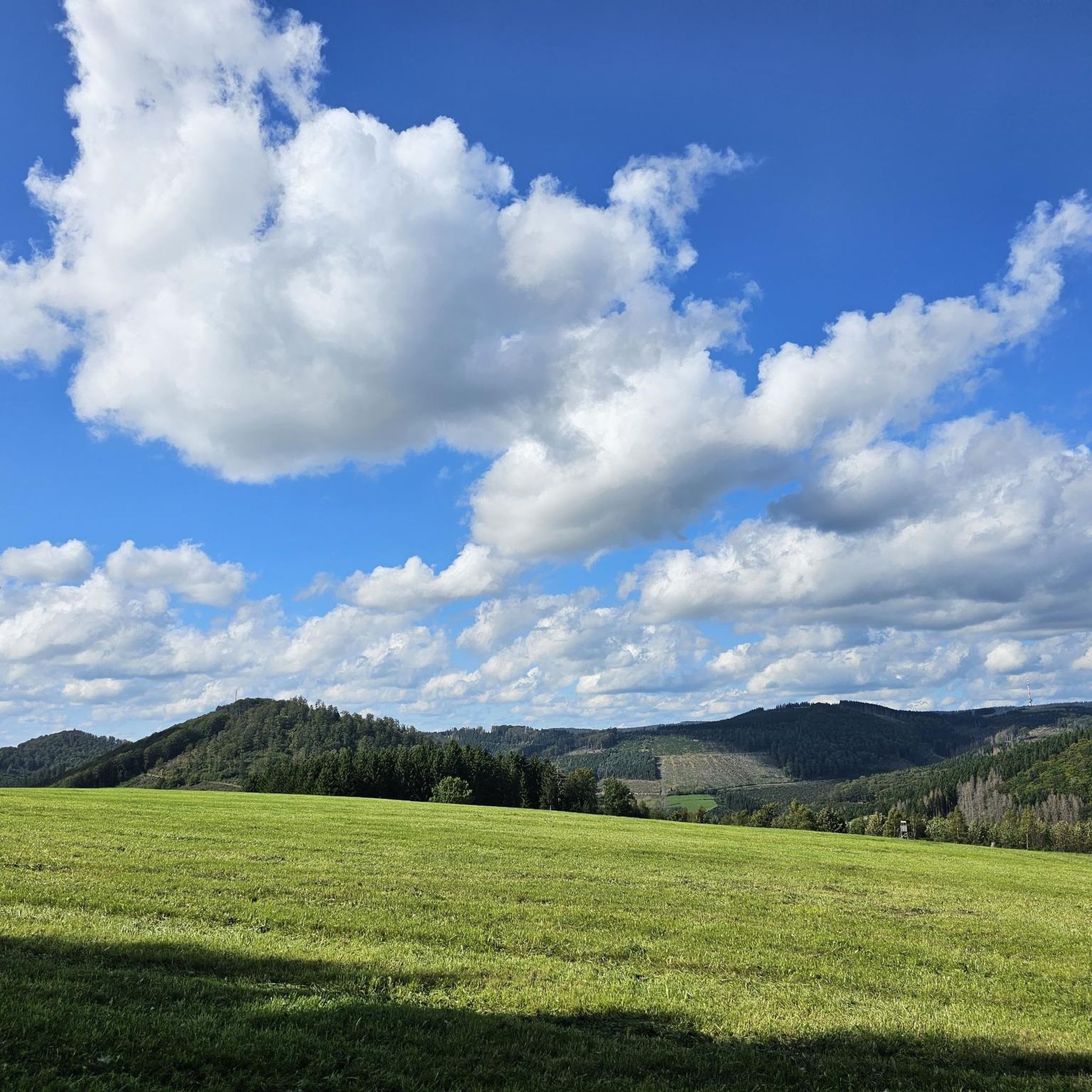
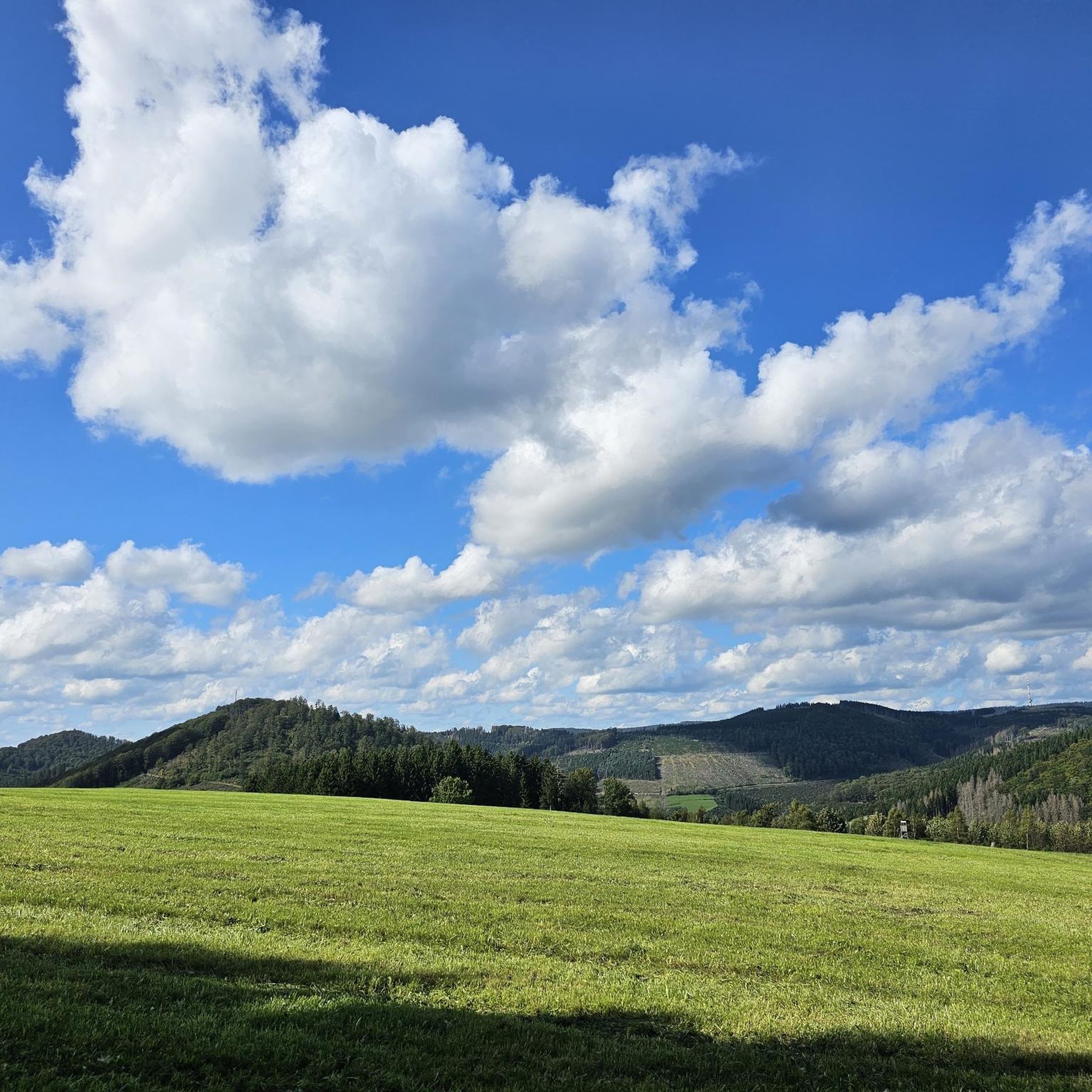
Gravel biking in Hungary offers diverse terrain, from the rolling hills and vineyards of the Lake Balaton region to the forest roads of the Danube Bend. The landscape features extensive national parks, river valleys, and volcanic hills, providing varied surfaces for gravel cycling. Riders can explore routes along the Danube River, through the Mátra Mountains, or within the Tokaj wine region. This varied topography ensures a range of gravel roads suitable for different skill levels.
Best gravel bike trails in Hungary
- The most popular gravel bike trail is Pap Meadow – József Spring loop from Nagymaros-Visegrád, a 32.1 miles (51.7 km) trail that takes 3 hours 59 minutes to complete. This challenging route features significant elevation gain through forested areas.
- Another top favourite among local gravel bikers is Guckler Károly Lookout – Virágos-nyereg loop from Moholy-Nagy University of Art and Design, a difficult 18.3 miles (29.4 km) path. This route combines urban starting points with natural sections, including hills and varied surfaces.
- Local gravel bikers also love the Tasi Dam and Lock – Dömsöd Riverside Promenade loop from Dunavarsány, a 54.6 miles (87.9 km) trail leading through riverside paths, often completed in about 4 hours 58 minutes.
- Gravel biking in Hungary is defined by expansive lakes, river valleys, and forested hills. The network offers options for different ability levels, from beginner gravel bike trails to advanced gravel biking routes.
- The routes in Hungary are highly rated by the komoot community with an average score of 4.4 stars from over 60 reviews. More than 700 gravel bikers have used komoot to explore Hungary's varied terrain.
Last updated: October 19, 2026
26
riders
54.5km
04:06
650m
650m
Hard gravel ride. Very good fitness required. You may need to push your bike for some segments of this route.
24
riders
Hard gravel ride. Very good fitness required. You may need to push your bike for some segments of this route.

5.0
(1)
37
riders
84.7km
05:13
1,100m
1,100m
Hard gravel ride. Very good fitness required. You may need to push your bike for some segments of this route.
21
riders
66.6km
04:22
850m
850m
Hard gravel ride. Very good fitness required. You may need to push your bike for some segments of this route.
4.5
(2)
14
riders
51.7km
03:59
1,270m
1,270m
Hard gravel ride. Very good fitness required. Mostly paved surfaces. Suitable for all skill levels.
4.5
(2)
15
riders
Hard gravel ride. Very good fitness required. You may need to push your bike for some segments of this route.
2.0
(1)
15
riders
68.0km
04:07
910m
910m
Hard gravel ride. Very good fitness required. Mostly paved surfaces. Suitable for all skill levels.
5.0
(1)
19
riders
87.8km
04:54
110m
110m
Hard gravel ride. Good fitness required. You may need to push your bike for some segments of this route.
10
riders
143km
08:44
1,200m
1,200m
Hard gravel ride. Very good fitness required. Mostly paved surfaces. Suitable for all skill levels.
4.0
(1)
9
riders
25.8km
01:49
410m
410m
Moderate gravel ride. Good fitness required. Mostly paved surfaces. Suitable for all skill levels.
Get access to more routes and recommendations from other explorers.
Already have an account?
Our route recommendations are based on thousands of hikes, rides, and runs completed by other people on komoot.
Start today with a free account
Your next adventure awaits.
Popular around Hungary




Other adventures in Hungary


Tips from the Community

Border Guard Park, and Iron Curtain illustration, on the Hungarian-Slovenian border strip. A real forest "crossing point" that is freely accessible. A resting point, explanatory signs, a campfire site, and the border stones make for a truly unique location!
0
0
Fishing lake located on the outskirts of Diósjenő, which is divided into 2 parts and separated by a bridge (dam), these are Jenői lake and Tolmácsi lake. Beautiful surroundings, with many holiday homes.
0
0
The famous castle, visible from afar, has free entry and unparalleled views!
0
0

The Balaton-Radweg (Balatoni Bringakörút) is a classic for active holidaymakers, and the section around Gyenesdiás on the northwestern shore of the lake is undoubtedly one of the most varied stretches. Gyenesdiás itself proudly markets itself as a „family-friendly village“ – and you can feel it in the saddle too.
0
0
A small memorial site with benches that also serves as a forest rest area. Near Vérteskozma.
0
0
At first it was a burial place for Hungarians and German-speaking (Swabian) residents, but the joint grave of 7 Hungarian victims of World War II also stands here.
0
0
In the center of Nagykovácsi, on Kossuth Lajos Street (Tisza István Square), we can find the starting point of the Horizont bicycle tour route. The area is also the starting point of an excellent tour route, and the OKT also runs nearby. It is also the final stop of BKK, and if we arrive by car, there will be plenty of space to park in the area. There are many restaurants, cafes, and grocery stores within a few hundred meters. So it is worth organizing a tour from here or returning here.
0
0
It can be reached on foot, via a forest road, not far from the border of Zalaszántó. It is touched by the OKT and Horizont hiking trails.
0
0
Frequently Asked Questions
What kind of terrain can I expect on gravel bike trails in Hungary?
Hungary offers a diverse range of gravel biking terrain. You'll find everything from rolling hills and vineyards, especially around the Lake Balaton region, to forest roads in areas like the Danube Bend and the Mátra Mountains. Expect varied surfaces including gravel, dirt, and sometimes challenging singletrack, particularly in national parks and upland areas. The country's landscape includes expansive lakes, river valleys, and volcanic hills, providing a rich backdrop for exploration.
Are there any challenging gravel routes for experienced riders in Hungary?
Yes, Hungary has numerous challenging gravel routes. For instance, the Dömörkapu Waterfall – View from Dobogókő loop from Pomáz is a difficult 41.2-mile (66.3 km) trail with significant elevation gain, passing by a waterfall and offering scenic viewpoints. The Mátra Mountains also provide more rugged rides with substantial elevation changes, suitable for those seeking a harder gravel experience.
Can I find family-friendly gravel biking options in Hungary?
While many routes offer a challenge, there are options suitable for families or those seeking an easier ride. The Well-Surfaced Bike Path – View of the Danube River loop from Boráros tér is an easy 18.3-mile (29.4 km) trail that follows riverside paths, making it a good choice for a more relaxed outing. Look for routes with lower elevation gain and well-maintained surfaces.
What natural features or landmarks can I see along gravel bike trails in Hungary?
Hungary's gravel trails often lead through beautiful natural and historical sites. You might encounter waterfalls, such as the Dömörkapu Waterfall, or explore historic towns and vineyards. The Lake Balaton region offers panoramic lake views and ancient wine regions, while the Danube Bend features scenic levees and connections to historic towns like Esztergom and Visegrád. The Tokaj Wine Region, a UNESCO World Heritage site, allows you to cycle through vineyards and past wine cellars.
How many gravel bike trails are available in Hungary?
There are over 200 gravel bike trails available in Hungary, catering to various skill levels. This includes approximately 13 easy routes, 78 moderate routes, and 122 difficult routes, ensuring a wide range of options for every gravel biker.
What do other gravel bikers enjoy most about gravel biking in Hungary?
The komoot community highly rates gravel biking in Hungary, with an average score of 4.5 stars from over 110 reviews. Riders often praise the diverse terrain, from expansive lakes and river valleys to forested hills, and the opportunity to combine physical activity with cultural immersion and natural exploration. The varied surfaces and scenic viewpoints are frequently highlighted.
Are there any circular gravel bike routes in Hungary?
Yes, many gravel routes in Hungary are designed as loops, allowing you to start and end at the same point. Examples include the Hungarian Parliament Building – Virágos-nyereg loop from Bajza utca, a moderate 19.0-mile (30.6 km) path that combines urban and natural sections, and the Bicycle Tree – Saint Wendelin Memorial loop from Kecskéd alsó, a difficult 54.8 km route.
What is the best time of year for gravel biking in Hungary?
Spring and autumn are generally the best seasons for gravel biking in Hungary, offering pleasant temperatures and beautiful scenery. Summer can be warm, especially in open areas, but routes through forested regions provide shade. Winter conditions can vary, with some areas experiencing snow and ice, making certain trails less accessible or requiring specific gear.
Are there gravel routes near Budapest with good views?
Absolutely. The Hungarian Parliament Building – Virágos-nyereg loop from Bajza utca offers a moderate ride that starts from an urban point in Budapest and leads to natural sections with hills and varied surfaces, providing views of the city and surrounding areas. The Danube Bend, easily accessible from Budapest, also features scenic routes along the river with views of historic towns.
Can I find gravel trails that pass by historical or cultural sites?
Many gravel routes in Hungary are rich in historical and cultural significance. For example, the View of the Arch Bridge – Zirc Cistercian Abbey loop from Veszprém is a challenging 85 km route that takes you past significant architectural landmarks. The Tokaj Wine Region routes also lead through ancient vineyards and past traditional wine cellars, offering a glimpse into Hungary's winemaking heritage.
Are there any long-distance gravel biking routes in Hungary?
Hungary offers several longer gravel routes for those seeking extended adventures. The Vineyards Near Lake Neusiedl – View of Lake Neusiedl loop from Fertőszéplak-Fertőd is a difficult 109.9 km route, while the Danube Riverside Cycle Path – Szob ⛪ loop from Kismaros covers 84.1 km, providing substantial distances for long-haul gravel biking.
What regions are particularly good for gravel biking in Hungary?
Key regions for gravel biking in Hungary include the Lake Balaton area with its rolling vineyards and forest trails, the Danube Bend known for scenic river routes and historic towns, and the Tokaj Wine Region with its vineyard paths. The Mátra Mountains offer more challenging, high-elevation rides, while the Bakony region is noted for its extensive gravel road systems.
Most popular routes in Hungary
Most popular attractions in Hungary

Get inspired with the komoot mobile app


Didn’t find what you were looking for?
Check out more Gravel rides throughout Hungary below and find the perfect route in your destination.
Explore more
Browse the best Gravel rides in other regions.
