Top 20 Natural Monuments in Hungary
Natural monuments in Hungary feature a diverse landscape, including extensive cave systems, vast steppes, and significant lakes. The country's natural heritage encompasses unique geological formations, rich biodiversity, and varied riverine environments. These sites offer insights into Hungary's natural history and provide diverse outdoor experiences. Hungary is characterized by its subterranean wonders, wide plains, and volcanic formations.
Best natural monuments in Hungary
- The most popular natural monuments is Kisfaludy Lookout Tower, a viewpoint offering panoramic views. It provides a 360-degree…
Last updated: October 11, 2026
Gate of Freedom – Pan-European Picnic Memorial
Highlight • Monument
Translated by Google •
Tip by

Kisfaludy Lookout Tower
Highlight • Viewpoint
Tip by

Sign up now to discover places like this
Get recommendations on the best single tracks, peaks, & plenty of other exciting outdoor places.
Elizabeth Lookout Tower
Highlight • Viewpoint
Translated by Google •
Tip by

Geschriebenstein Observation Tower (Írottkő Lookout)
Highlight • Viewpoint
Translated by Google •
Tip by

Liberty Statue and Citadel (Gellért Hill)
Highlight • Monument
Translated by Google •
Tip by

Rám Gorge
Highlight (Segment) • Gorge
Tip by
Musical fountain for the Margarite Island
Highlight • Monument
Translated by Google •
Tip by

Three-country border point Austria–Hungary–Slovenia
Highlight • Monument
Translated by Google •
Tip by

Tihany Hermit Caves
Highlight • Cave
Translated by Google •
Tip by

Hétforrás (Seven Springs)
Highlight • Natural Monument
The abundant spring was built in 1896 in honor of the Millennium, …
Translated by Google •
Tip by

Sign up for free to discover even more natural monuments in Hungary.
Already have an account?
Start today with a free account
Your next adventure awaits.
Popular around Hungary

NorthCape4000 – 12 days from Lake Garda to the North Cape
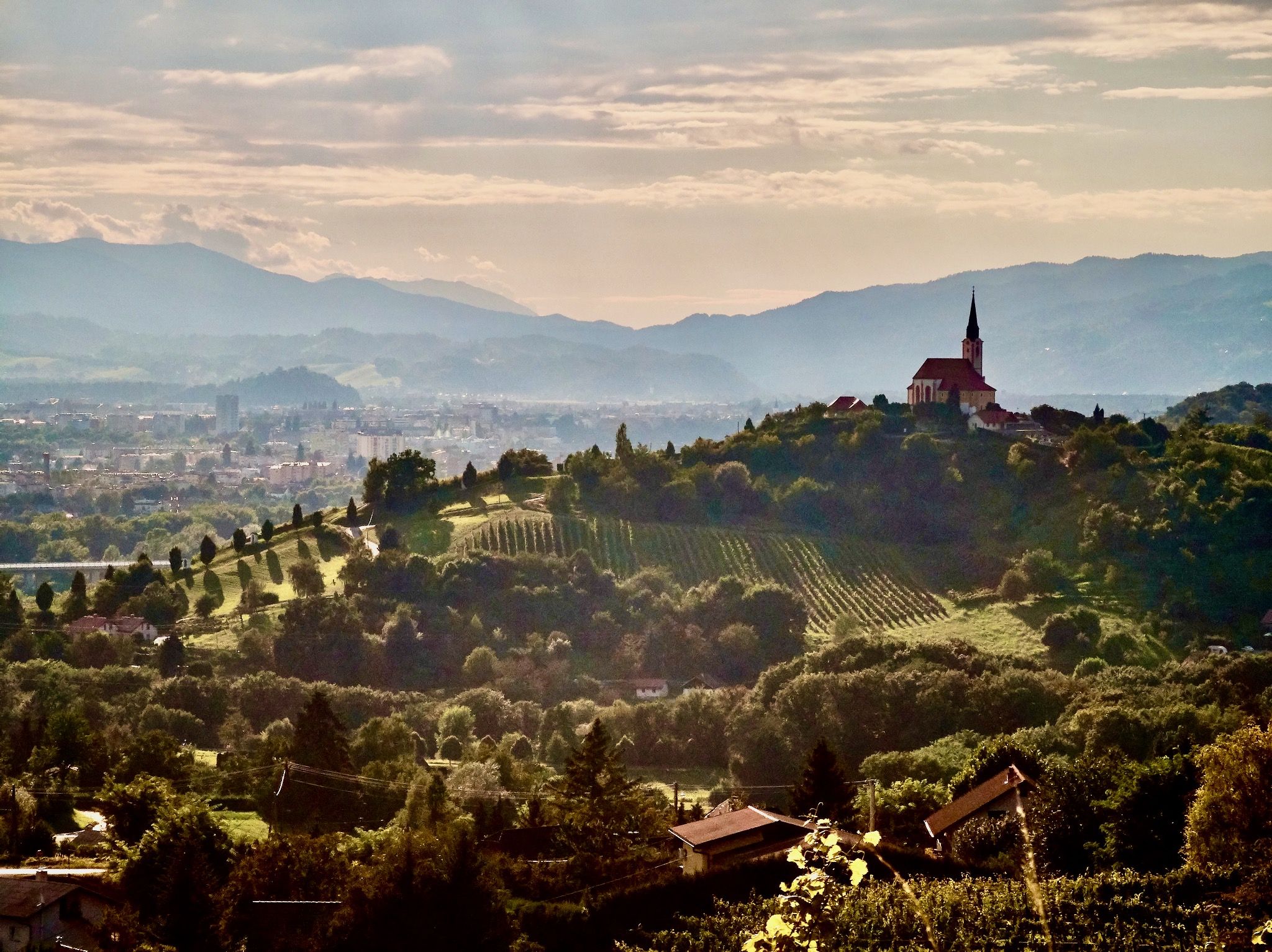
Budapest to Venice via the beautiful Soča Valley
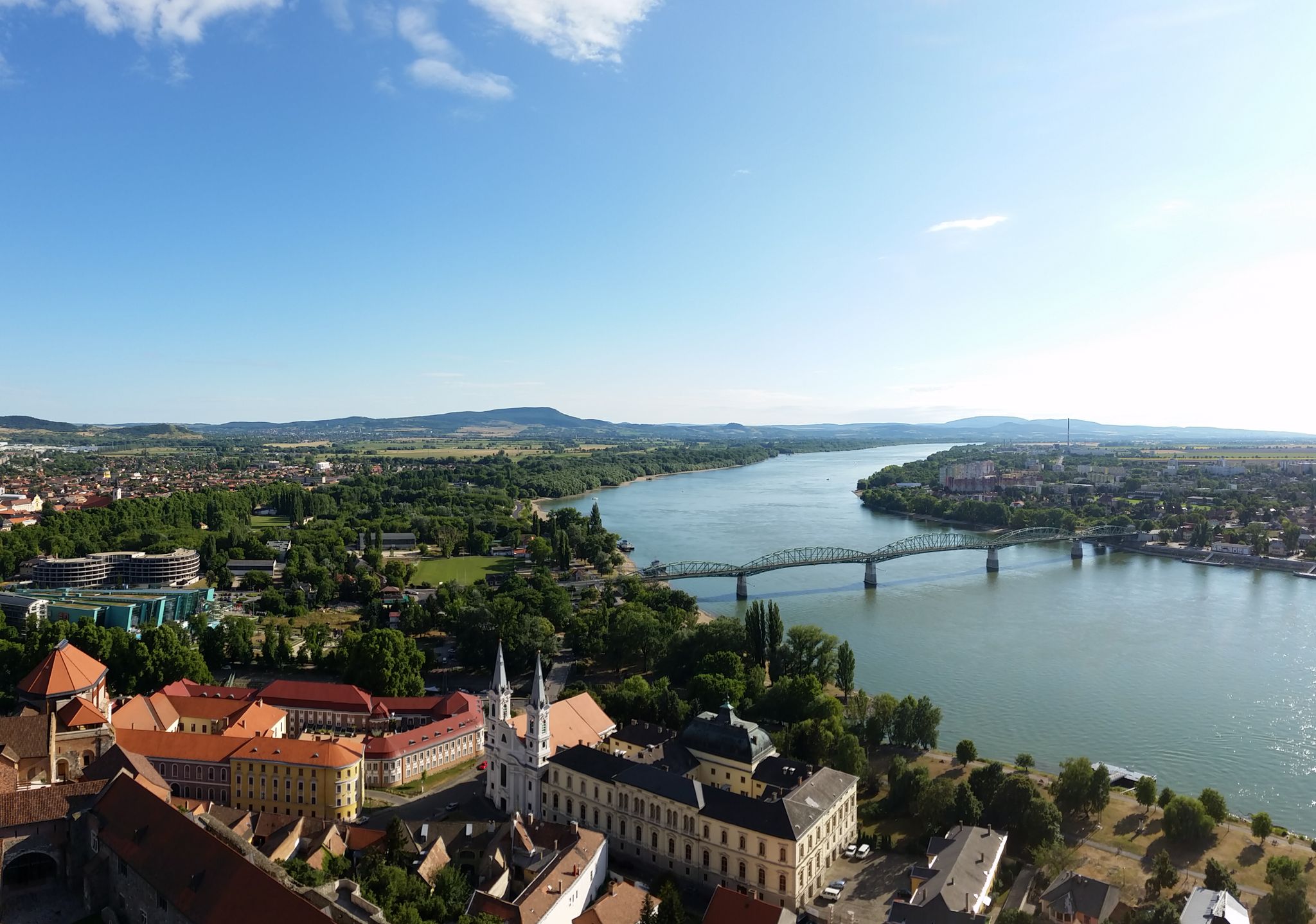
The Danube Cycle Path – From Donaueschingen to Budapest
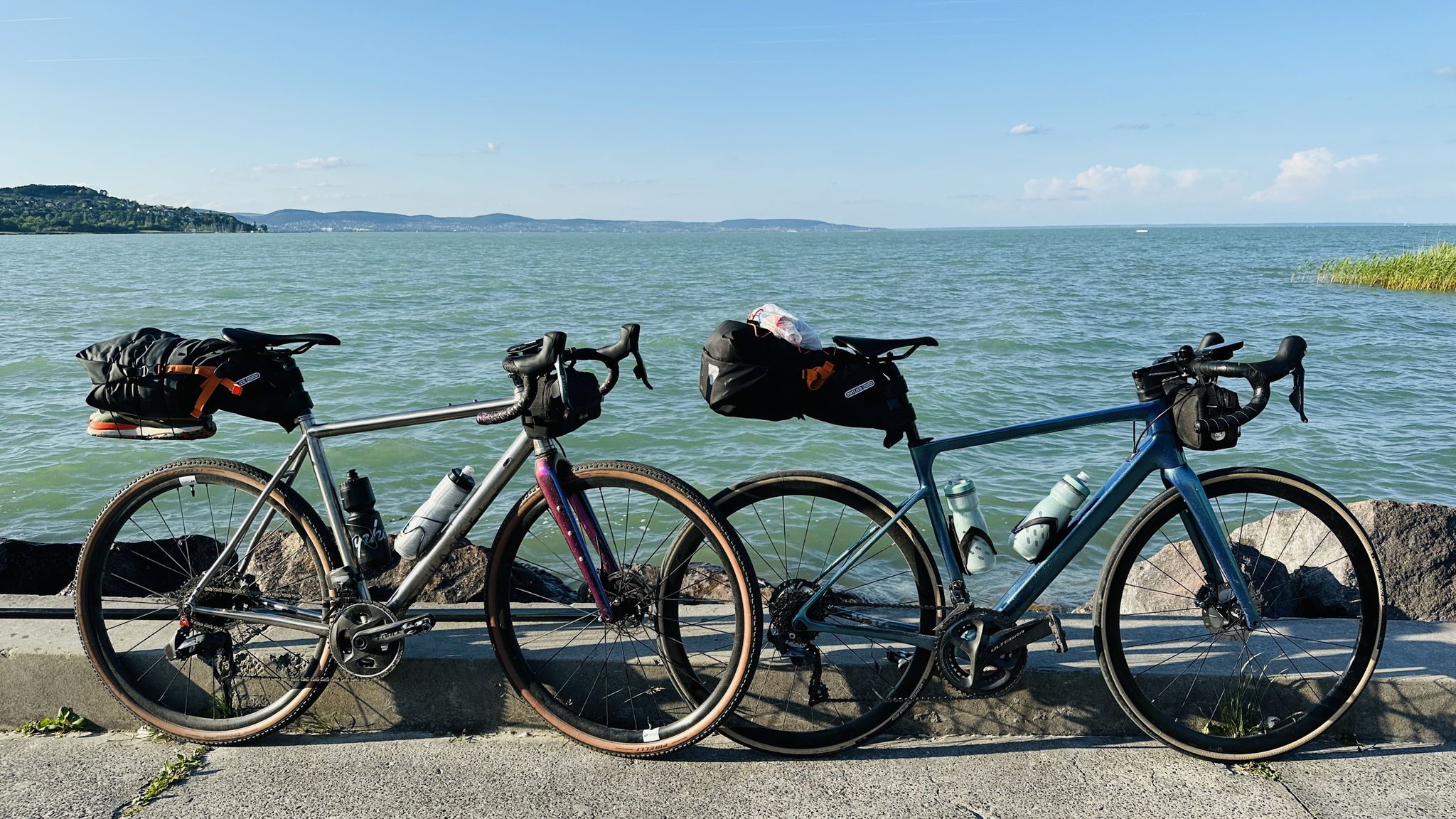
Riding two Koppels through five countries
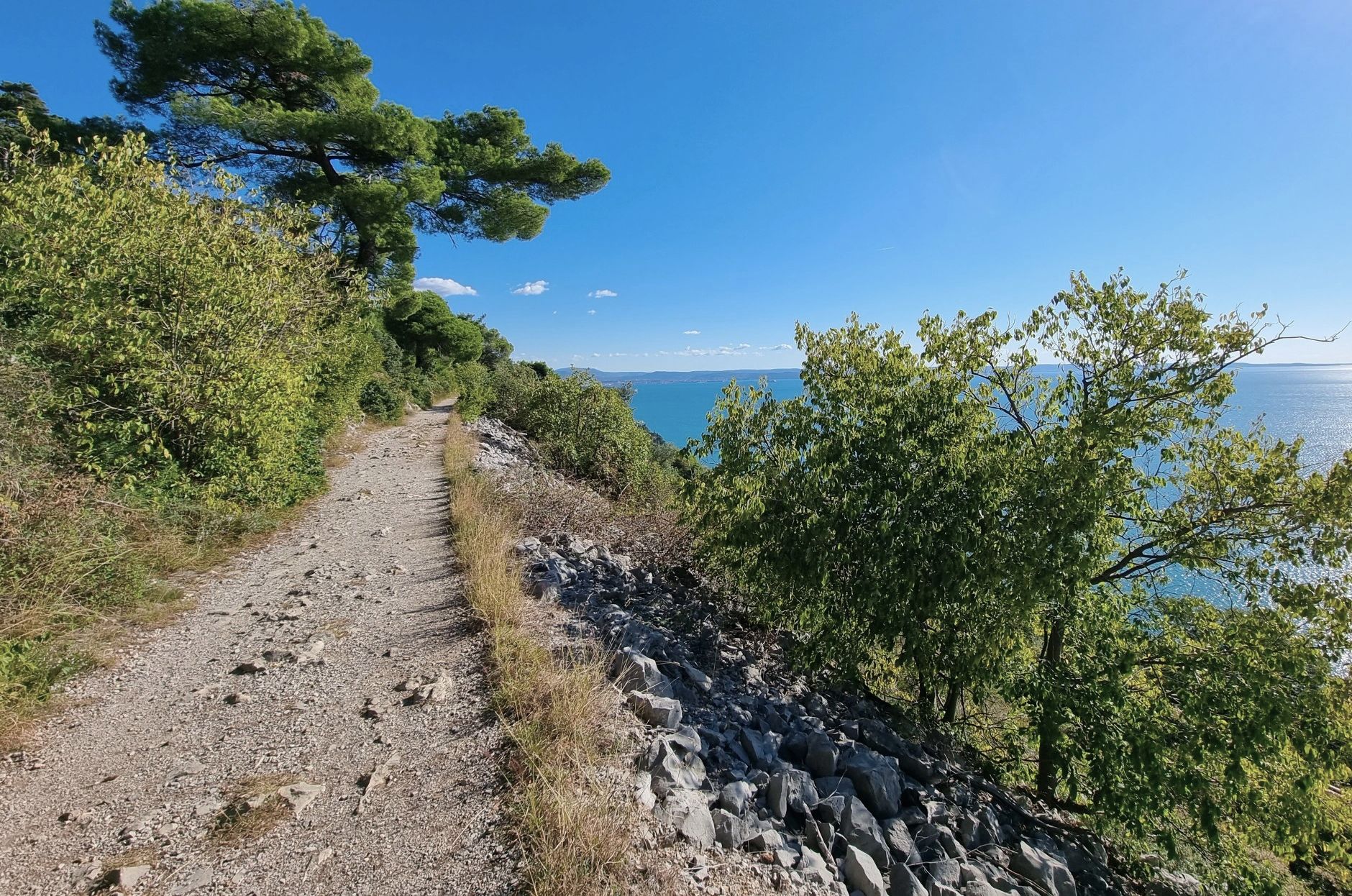
Ride to the sea – gravel bikepacking from Austria’s Vienna to Italy’s Grado
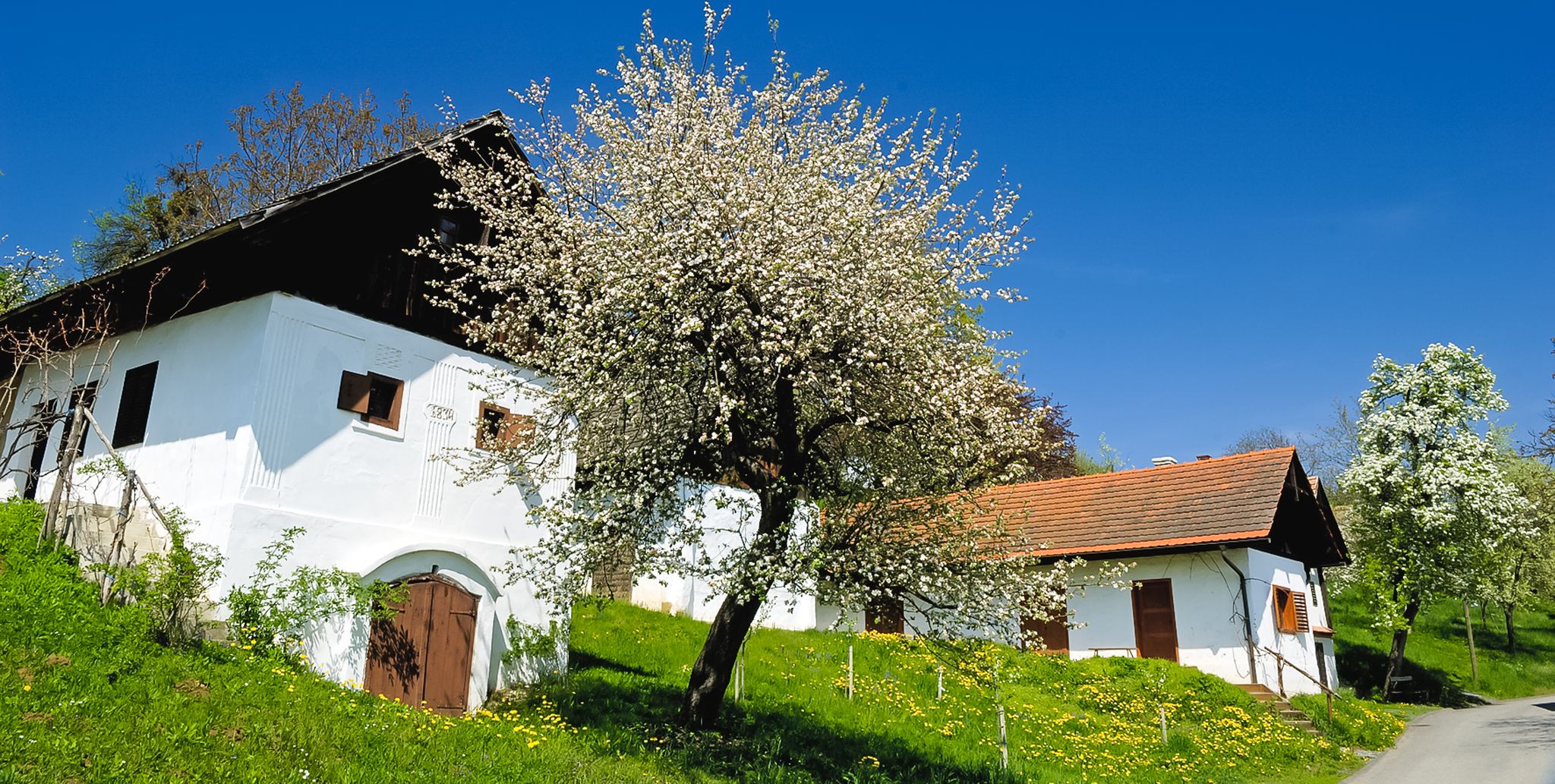
Roman paths in the Burgenland – Amber Trail East Route
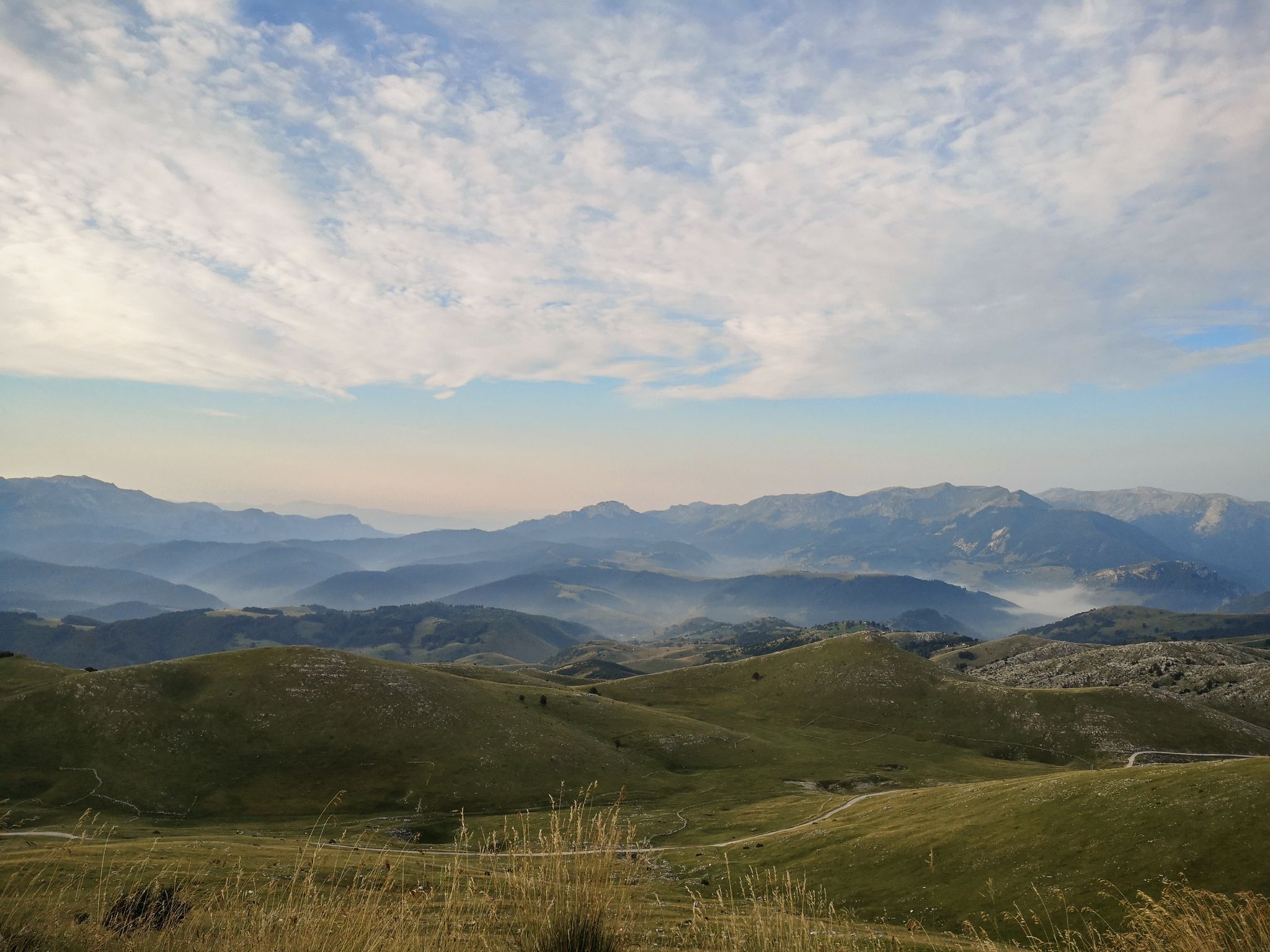
As we wrote history – the Transcontinental Race #TCRN06
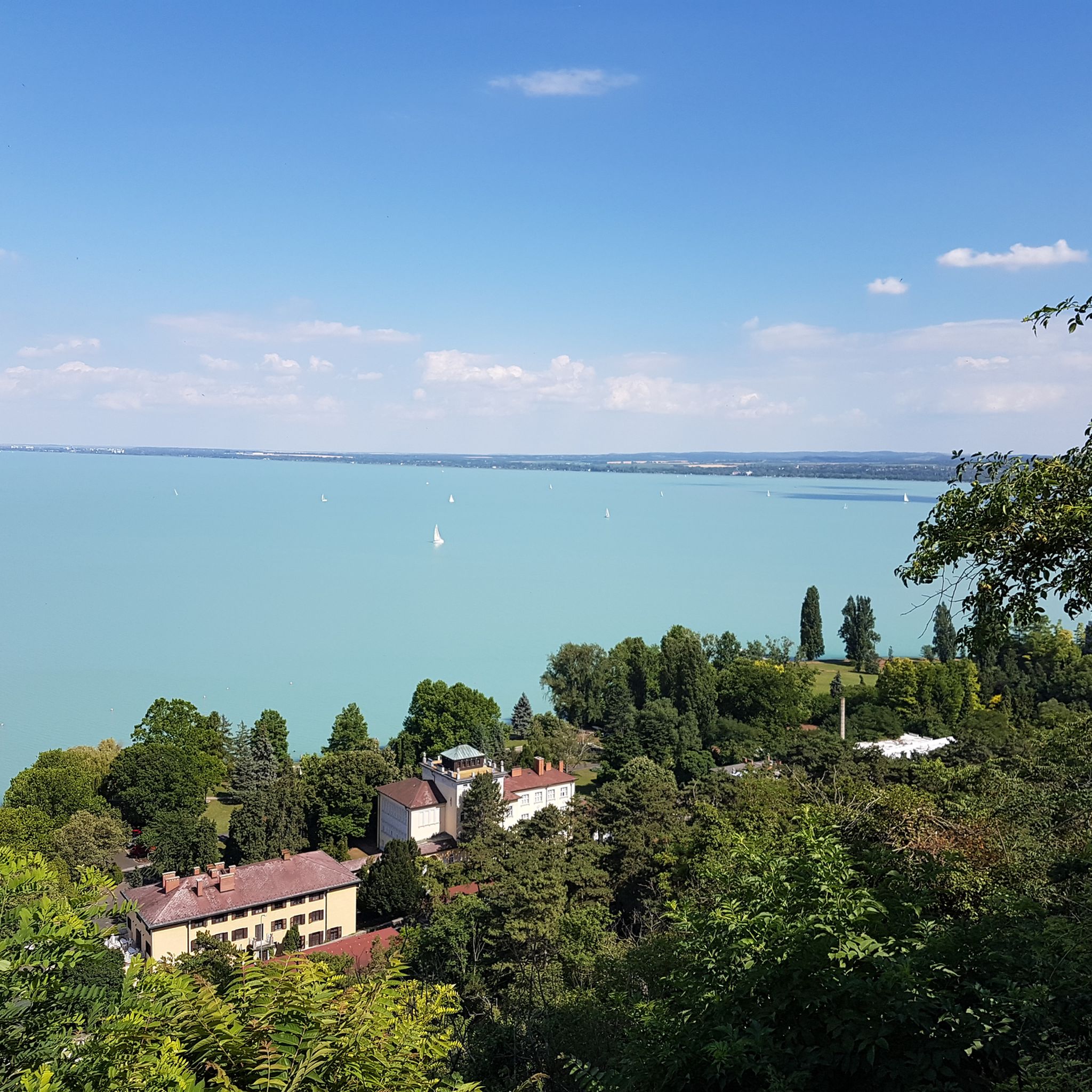
Cycling in Hungary
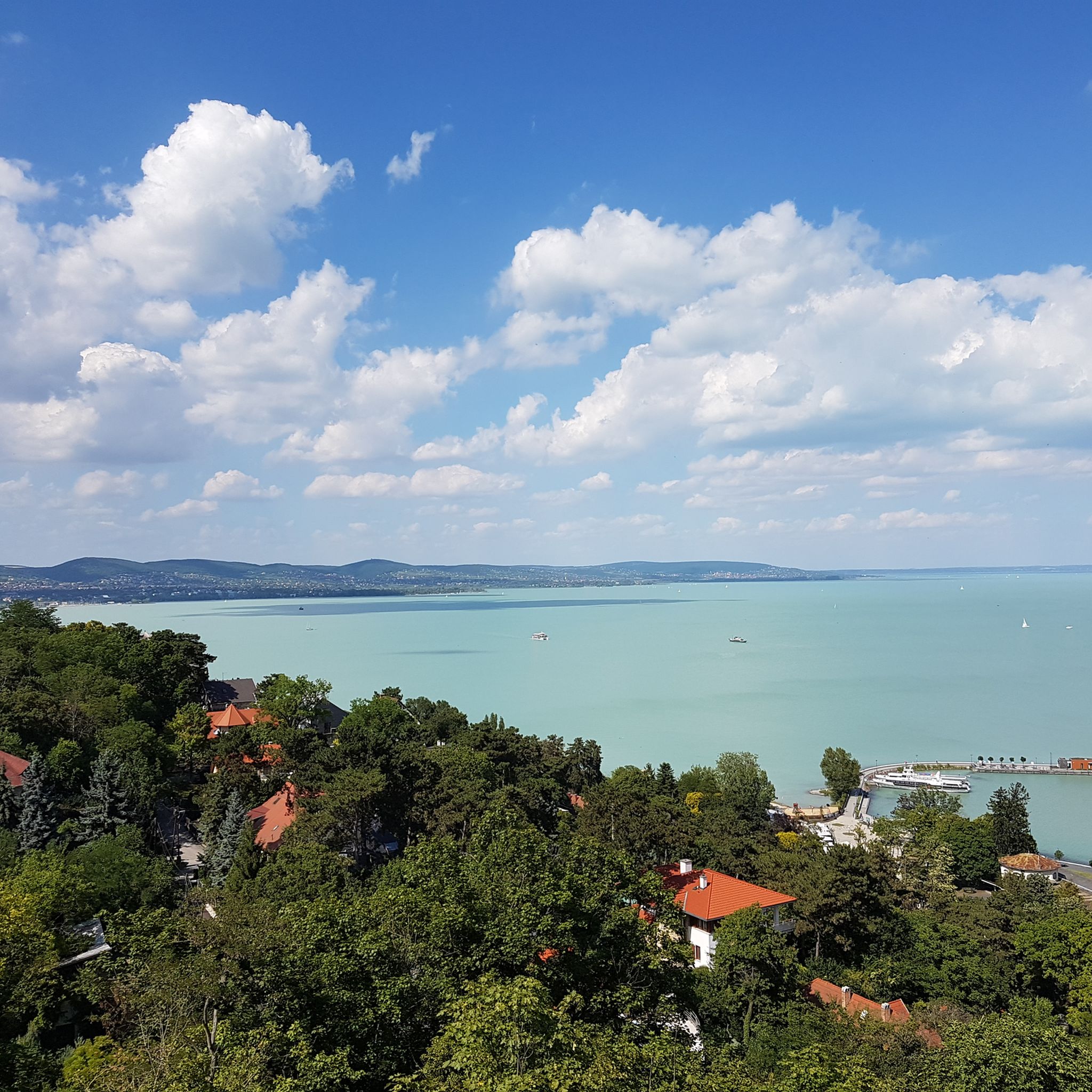
Hiking in Hungary
Road Cycling Routes in Hungary
Other adventures in Hungary


Tips from the Community

The "Great Musical Fountain" on Margaret Island (Margitsziget) is one of Budapest's most popular free attractions. Considered one of the largest fountains of its kind in Europe, it offers a stunning interplay of water, light, and music. The basin has a diameter of 35 meters, covering a water surface of over 1,000 square meters. The jets of water can shoot up to 10 meters high. Over 150 nozzles and around 250 LED lights create spectacular color effects, especially after dark. The fountain plays music daily from May to October. The program is usually arranged by hour.
1
1

If you decide to pass by Margaret Island, you cannot miss this charming fountain that will captivate you more than once.
2
0

A magnificent spectacle, with classical music or songs by Coldplay—no matter what—the water display is unique and absolutely worth seeing. You can admire the musical display every hour on the hour from 11 a.m. to 10 p.m. An absolute spectacle.
3
0

This outstanding fountain on Margaret Island is considered one of the largest in Europe. The musical fountain features hourly musical shows and a light show at night.
4
0

A very pleasant and interesting place in the middle of the forest. Tables and benches invite you to linger. A visit is highly recommended.
1
0

This stone tower, built in 1911 on Budapest’s highest point at 527 m from local limestone, honors Empress Elisabeth and rewards you with sweeping panoramas of the city—on clear days, even the Mátra Mountains and the Great Hungarian Plain! 🏙️ Access easily via Normafa or the Libegő chairlift. Ideal at sunset or by night to catch the city lights. 🌅✨
3
0


It is one of the best-known tourist attractions of the Kőszeg Mountains. National Blue Tour Sealing Site, and it's also spectacular. Of course, there is also a saying associated with it. You can read about them on the local bulletin board. Around Forrás there is a picnic area with a rain shelter. And a few steps away, we can find traces of history - a few decades ago - with an abandoned border guard base. All this a few steps from the Austrian border. It can be reached on perfect quality asphalt roads and forest roads, it is only 2.4 km away from the "documented" parking lot.
1
0
Frequently Asked Questions
What unique natural features can I explore in Hungary?
Hungary offers a diverse range of natural features. You can explore the extensive cave systems of the Aggtelek Karst, including the impressive Baradla-Domica cave system. The vast plains of the Hortobágy National Park, known as the puszta, offer a unique grassland ecosystem. Lake Hévíz is the world's largest biologically active, natural, swimmable thermal lake, while the Tihany Peninsula features volcanic geyser cones and ancient landscapes. The Balaton Uplands National Park also boasts volcanic remnant hills and unique 'seas of stones'.
Are there any natural monuments in Hungary that are suitable for families?
Yes, several natural monuments in Hungary are family-friendly. The Elizabeth Lookout Tower in Budapest is easily accessible via the Libegő chairlift and offers sweeping city panoramas. The Hétforrás (Seven Springs) is another pleasant spot. Hortobágy National Park provides opportunities to see traditional Hungarian livestock and birdlife, which can be engaging for children. The Tihany Peninsula also offers gentle walks and the historic Abbey.
What are some of the best viewpoints among Hungary's natural monuments?
Hungary has several stunning viewpoints. The Kisfaludy Lookout Tower offers a 360-degree panorama of Lake Balaton and the surrounding volcanic mountains. The Elizabeth Lookout Tower provides sweeping views of Budapest. For a cross-border experience, the Geschriebenstein Observation Tower (Írottkő Lookout) sits on the highest mountain of Burgenland, offering great views of Austria and Hungary. Additionally, the Liberty Statue and Citadel on Gellért Hill provides excellent city and river views.
What kind of hiking trails can I find near Hungary's natural monuments?
You'll find a variety of hiking trails. For a challenging experience, the Rám Gorge offers a distinct, one-direction trail with new wooden stairs. The Tihany Peninsula and Balaton Uplands National Park feature trails through volcanic landscapes. For easier options, you can explore routes like the 'Tihany Hermit Caves – Tihany Benedictine Abbey loop' or the 'View of Badacsony – Basalt Organ Pipes loop'. You can find more hiking options in the Easy hikes in Hungary guide.
Are there any historical or cultural sites integrated with Hungary's natural monuments?
Absolutely. The Tihany Peninsula is home to the historic Tihany Benedictine Abbey, founded in 1055, which adds a significant cultural layer to its natural beauty. In Hortobágy National Park, you can see the iconic Nine-Arch Bridge and traditional sweep-wells, reflecting centuries of pastoral tradition. The Tokaj Wine Region, a UNESCO World Heritage Site, showcases a unique cultural landscape shaped by viticulture on volcanic slopes. The Danube-Ipoly National Park also contains historical sites like Visegrád Castle, offering cultural exploration within a natural setting.
What is the best time of year to visit Hungary's natural monuments?
The best time to visit depends on your interests. For the vibrant lavender fields of the Tihany Peninsula, June and July are ideal. Hortobágy National Park is excellent for birdwatching, especially during migratory seasons. Lake Hévíz offers year-round bathing due to its warm thermal waters. Generally, spring and autumn provide pleasant temperatures for hiking and exploring, while summer is great for water-related activities.
Can I find any hidden gems or less-known natural monuments in Hungary?
While many sites are well-known, you can discover some quieter spots. The Tihany Hermit Caves offer a surprisingly quiet historical experience on the peninsula. In the Aggtelek Karst, while not publicly accessible, the Béke cave is known for its pure air. Exploring the smaller trails within the Balaton Uplands National Park can also lead to less crowded geological formations and scenic views away from the main tourist paths.
What types of outdoor activities, besides hiking, can I do near these natural monuments?
Beyond hiking, Hungary's natural monuments offer various activities. Cycling is popular, with routes like the 'Tagore Promenade, Balatonfüred – Tihany–Szántód Ferry loop' near Lake Balaton. You can find more cycling options in the Cycling in Hungary guide. Running trails are also available, such as the 'Old Lake (Öreg-tó), Tata loop'. For more running ideas, check the Running Trails in Hungary guide. Boating is possible in the Tapolca Lake Cave within the Balaton Uplands, and Lake Hévíz is perfect for therapeutic bathing.
Are there any natural monuments in Hungary that are UNESCO World Heritage Sites?
Yes, Hungary is home to several natural monuments recognized by UNESCO. The Aggtelek Karst and Caves are a UNESCO World Heritage Site, known for their extensive cave systems. Hortobágy National Park, with its unique puszta landscape, is also a UNESCO site. Additionally, the Tokaj Wine Region Historical Cultural Landscape, while primarily cultural, is recognized for the unique natural attributes that contribute to its world-renowned wines. You can learn more about the Aggtelek Karst on naturalworldheritagesites.org and Hortobágy on unesco.org.
What are the geological highlights of Hungary's natural monuments?
Hungary's natural monuments are rich in geological diversity. The Aggtelek Karst features extensive limestone cave systems with impressive stalagmites and stalactites. The Tihany Peninsula is a volcanic area with distinctive geyser cones. The Balaton Uplands National Park is a 'storehouse of geological treasures,' showcasing volcanic remnant hills, hot spring cones, and unique 'seas of stones.' The Tokaj Wine Region's volcanic slopes create a special microclimate crucial for its famous wines. These sites demonstrate the effects of ancient tropical and glacial climates and volcanic activity.
Are there any natural monuments that are easily accessible by public transport?
Some natural monuments are relatively accessible. The Elizabeth Lookout Tower in Budapest can be reached via the Libegő chairlift, which is connected to public transport. While many natural areas require a car, major national parks often have visitor centers that can be reached by bus from nearby towns. It's always recommended to check local public transport schedules for specific destinations.
What can I expect regarding amenities and facilities near Hungary's natural monuments?
Amenities vary greatly by location. Popular sites like the Elizabeth Lookout Tower might have small cafes nearby. Hortobágy National Park has visitor centers and some traditional eateries. Lake Hévíz is a spa town with extensive facilities, including hotels, restaurants, and medical services. In more remote areas, facilities might be limited to basic parking and restrooms. It's advisable to carry water and snacks, especially on longer hikes.
Most popular routes in Hungary
Most popular attractions in Hungary

Get inspired with the komoot mobile app


Didn’t find what you were looking for?
Find even more amazing natural monuments in Hungary by checking out the top Highlights region by region:
Explore more
Extend your search for the best caves by checking out these guides of the top ones in Hungary:
