Top 20 Natural Monuments around Wiesbaden
Best natural monuments around Wiesbaden offer a diverse landscape shaped by its proximity to the Rhine and Main rivers. The region is characterized by rolling hills, extensive green spaces, and historical thermal springs. This area provides numerous opportunities to explore natural features, from river confluences to elevated viewpoints. Wiesbaden's natural environment is a blend of geological formations and cultivated parks, providing varied outdoor experiences.
Best natural monuments around Wiesbaden
- The most popular natural monuments is Main estuary, a river…
Last updated: July 7, 2026
Main estuary
Highlight • River
Translated by Google •
Tip by

Grauer Stein Climbing Crag
Highlight • Climb
Showing Translation
Tip by

Sign up now to discover places like this
Get recommendations on the best single tracks, peaks, & plenty of other exciting outdoor places.
Sign up for free
Snake Trail Sommerberg near Frauenstein
Highlight • Trail
Translated by Google •
Tip by

Leichtweiß Cave
Highlight • Cave
Translated by Google •
Tip by

Goethestein Monument and Rhine Valley View
Highlight • Monument
Showing Translation
Tip by

Stork Reserve and Rhine Meadows Dike
Highlight (Segment) • Natural Monument
Translated by Google •
Tip by

Grey Stone Climbing Rock
Highlight • Climb
Translated by Google •
Tip by

Ludwig Schwenk Hut at Grauer Stein
Highlight • Mountain Hut
Translated by Google •
Tip by
Kellerskopf Observation Tower
Highlight • Viewpoint
Translated by Google •
Tip by

Kochbrunnen Pavilion
Highlight • Natural Monument
Translated by Google •
Tip by
Sign up for free to discover even more natural monuments around Wiesbaden.
Sign up for free
Already have an account?
Start today with a free account
Your next adventure awaits.
Login or Signup
Popular around Wiesbaden
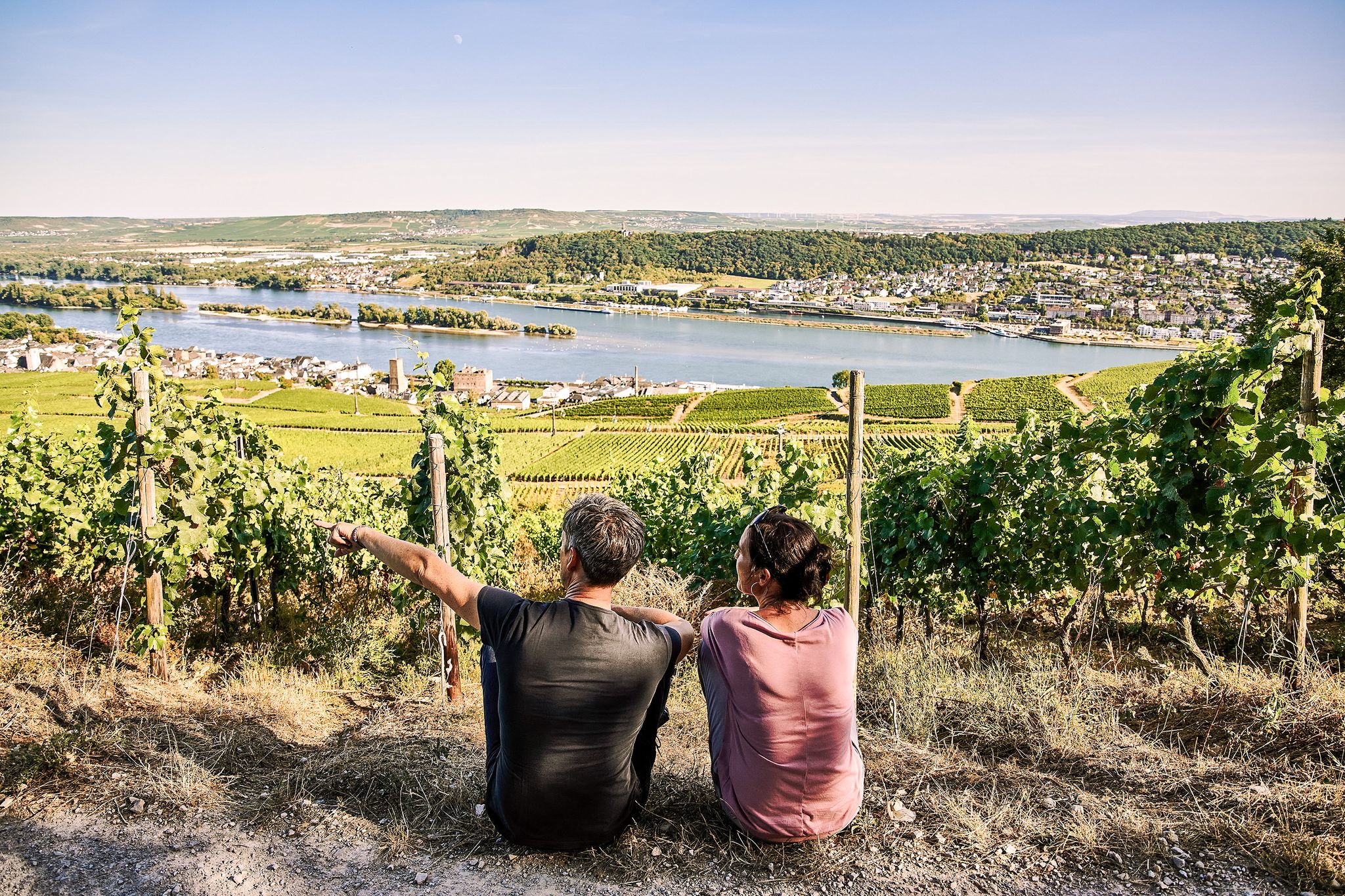
Riesling Loops – 14 routes rich in wine and history
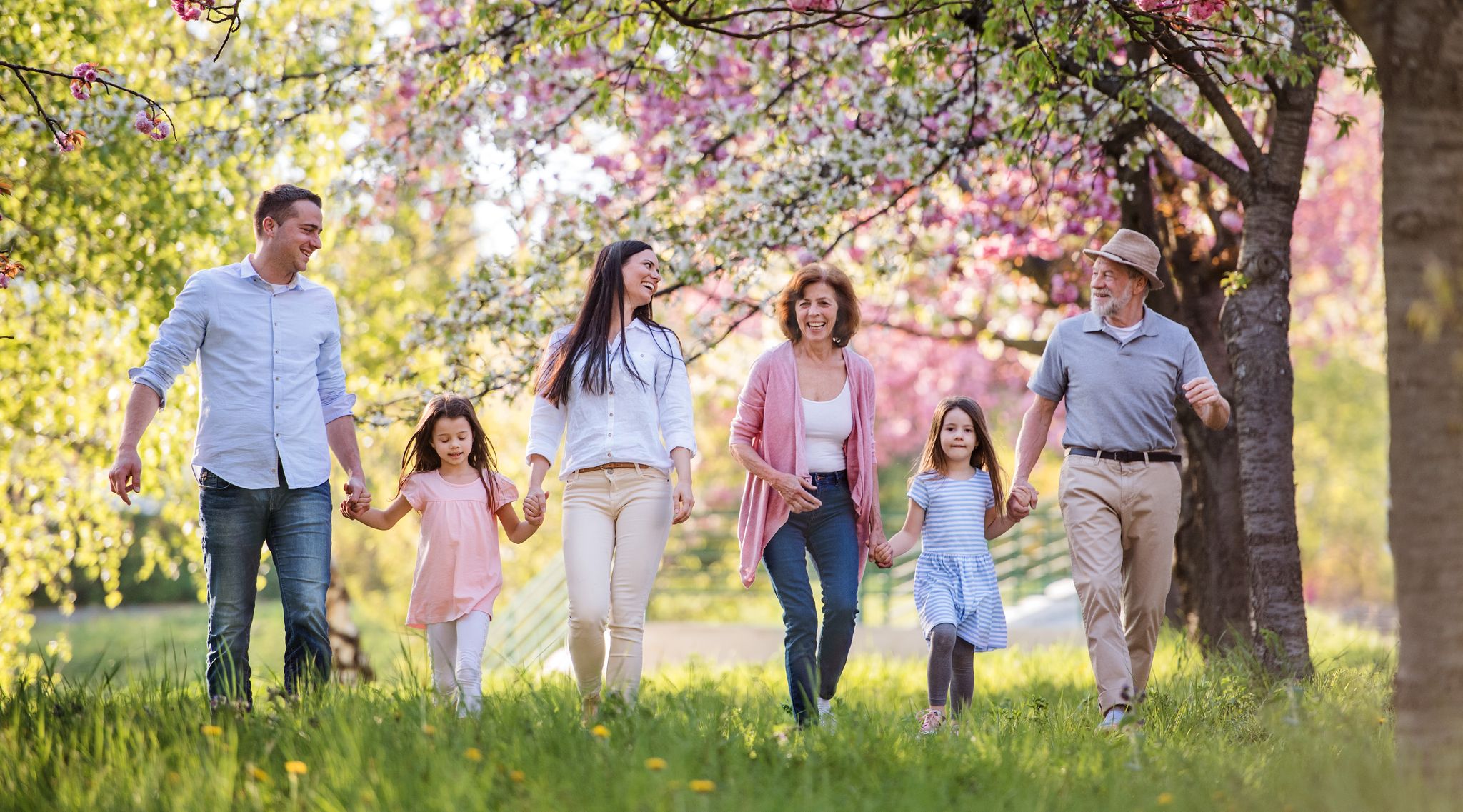
Spring is here – hiking with family by bus & train in Rhine-Main
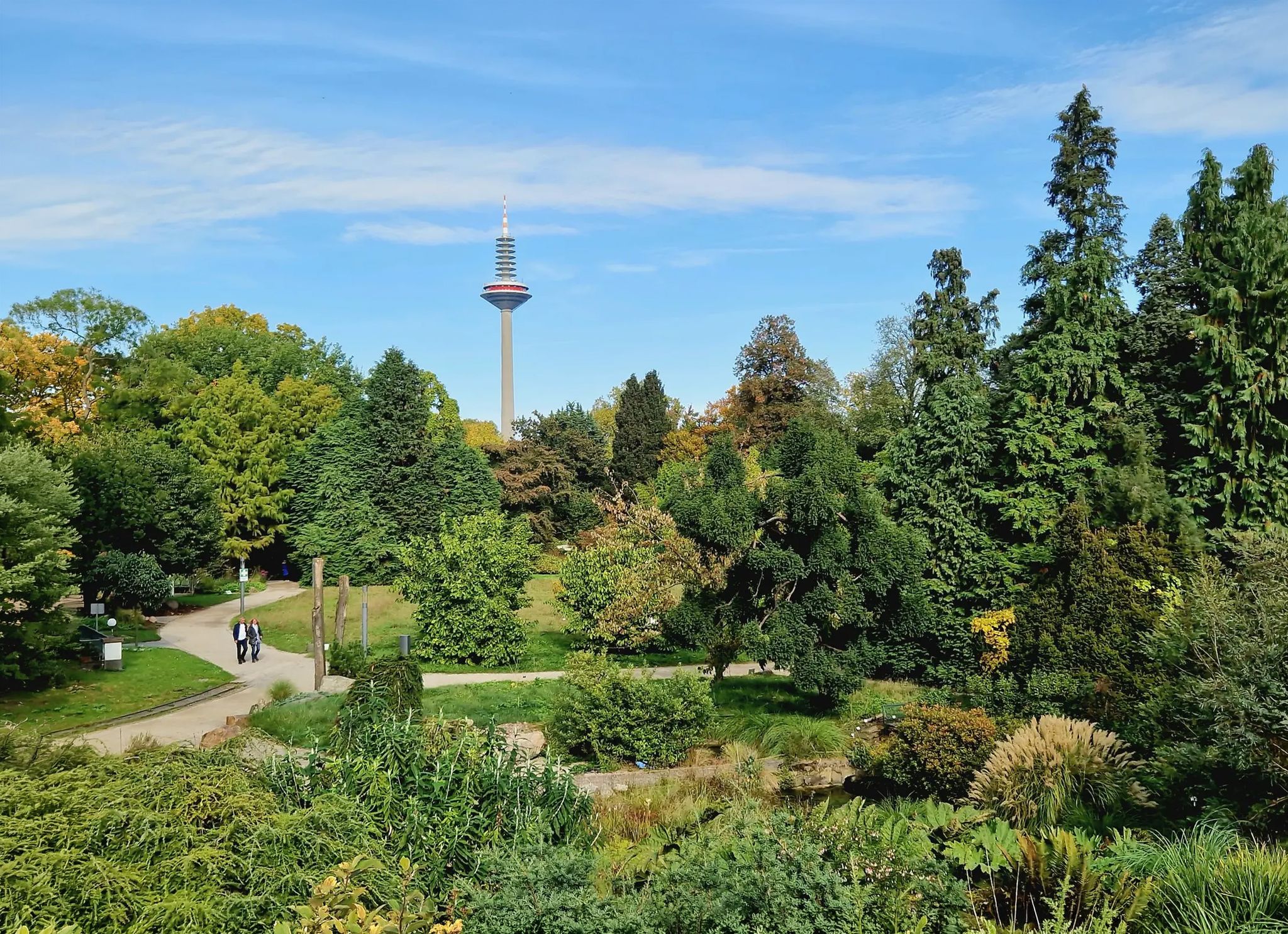
Einfach durch Wiesbaden, Mainz, Darmstadt und Frankfurt am Main
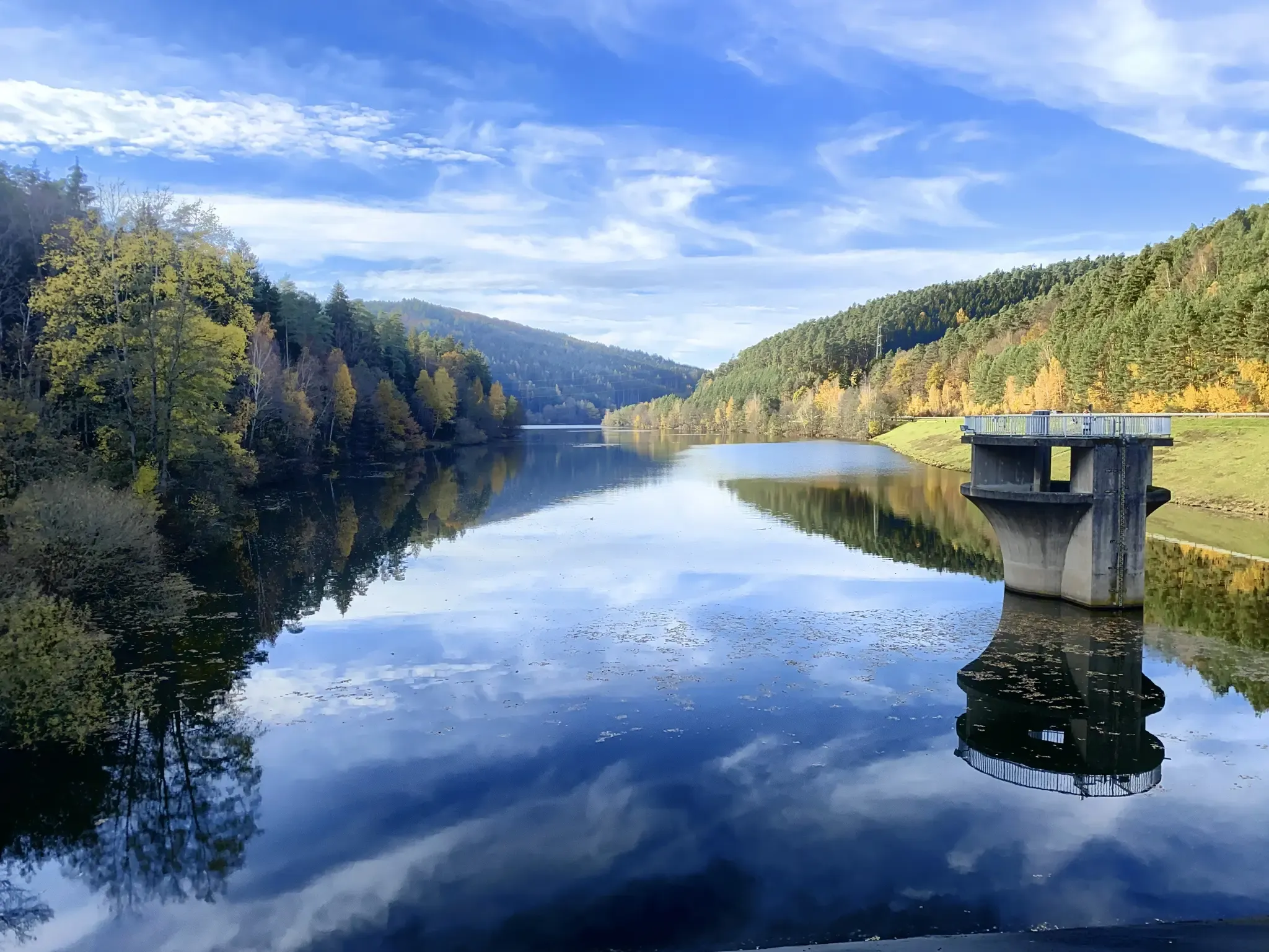
Mit Rosbacher auf Tour im Rhein-Main-Gebiet
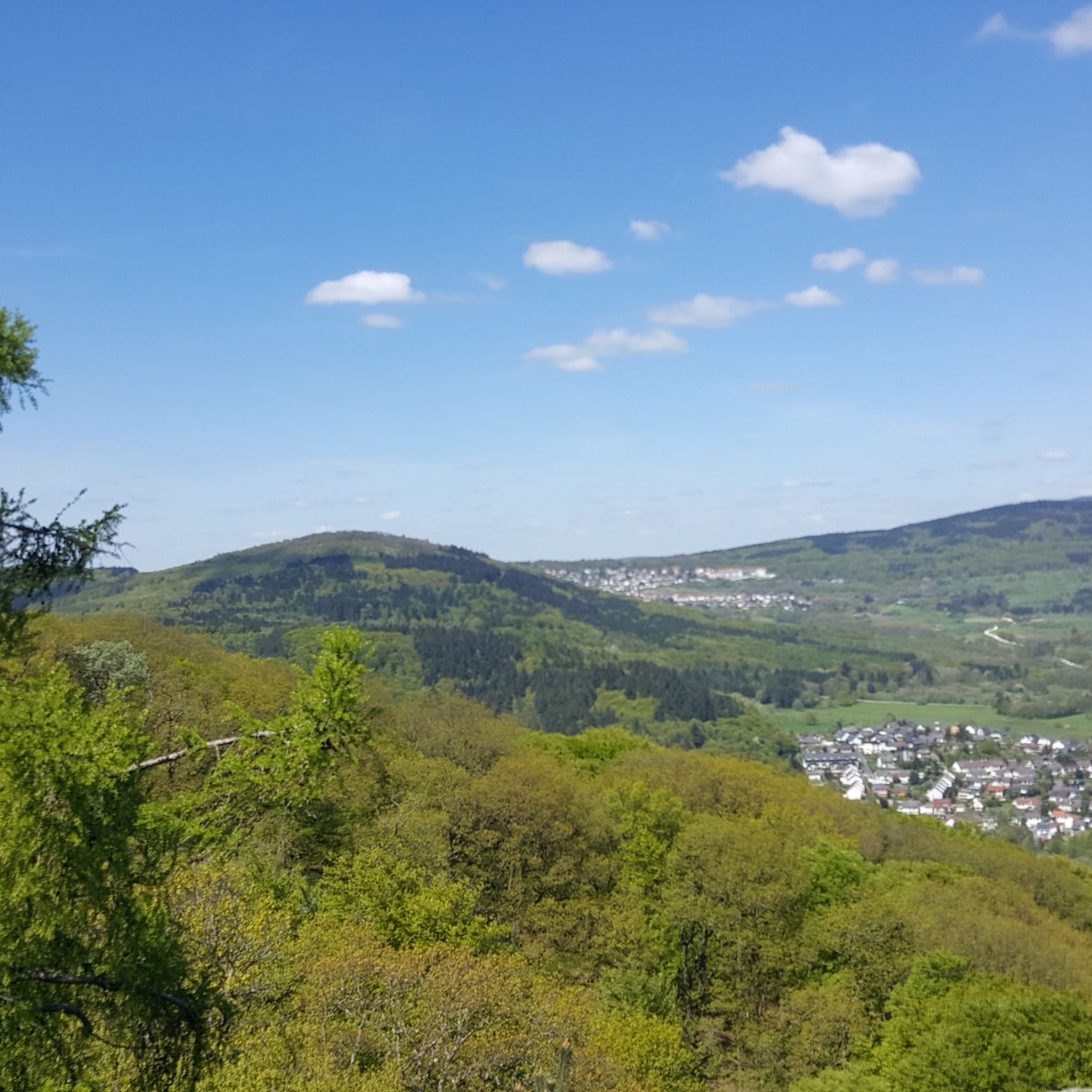
Hiking around Wiesbaden
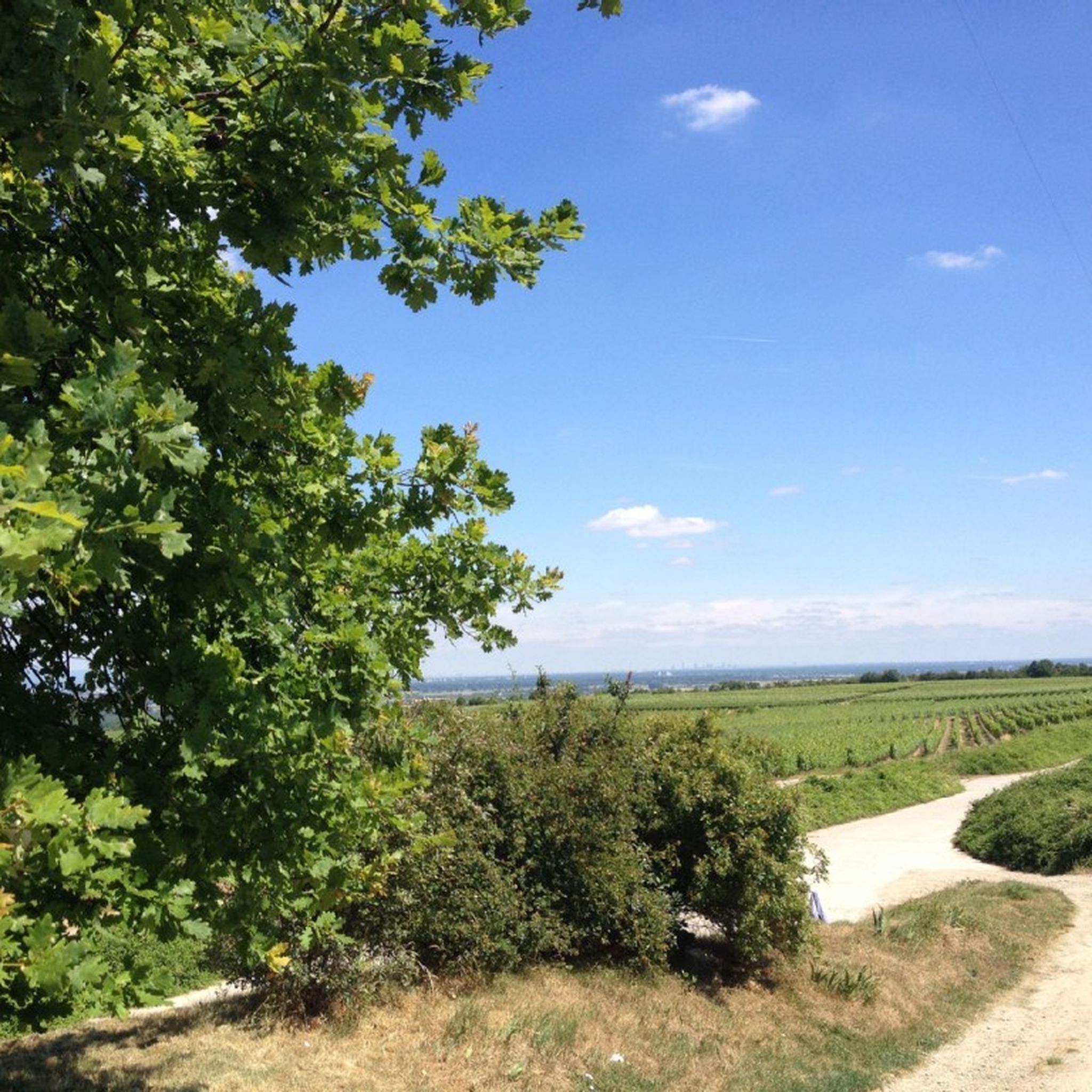
Cycling around Wiesbaden
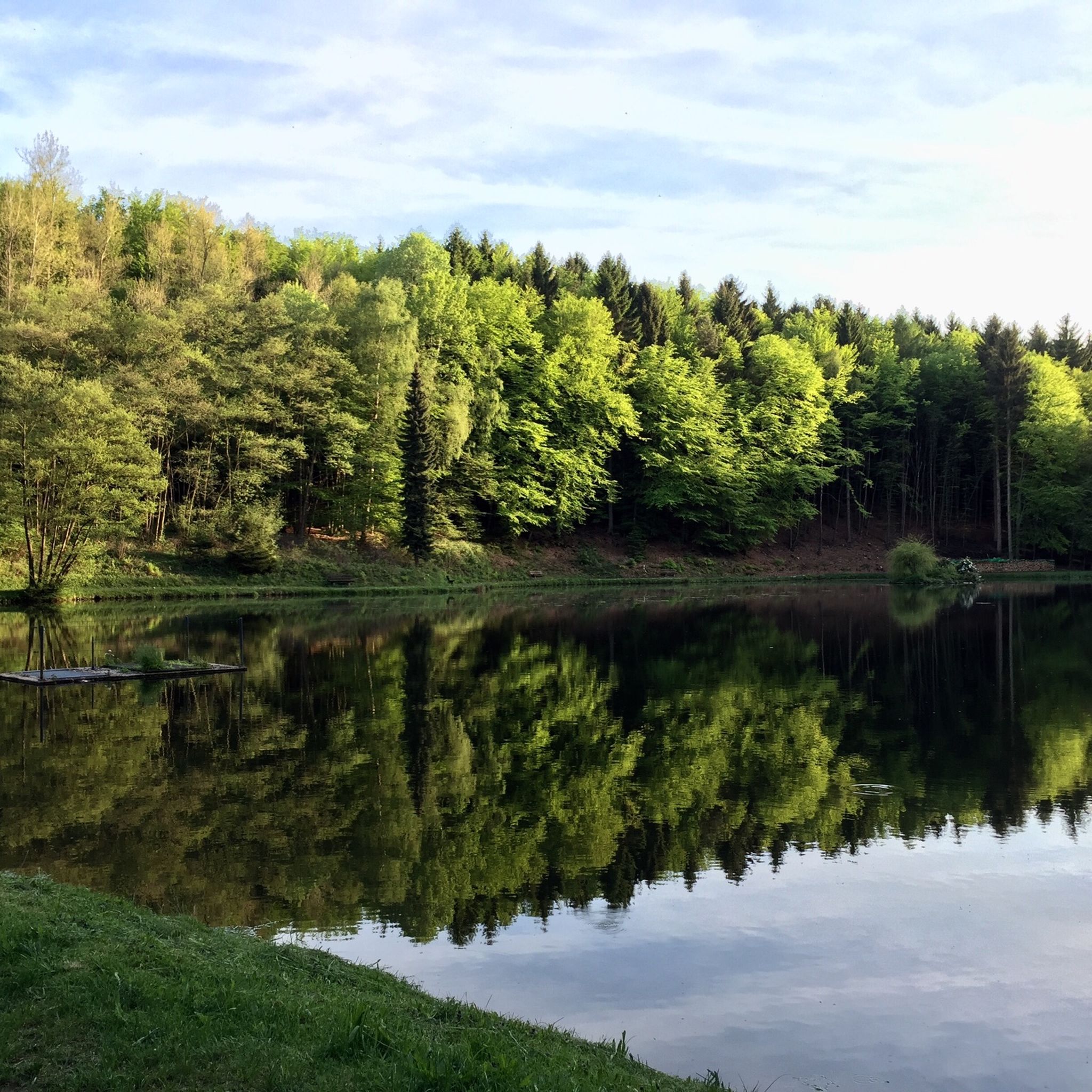
Running Trails around Wiesbaden
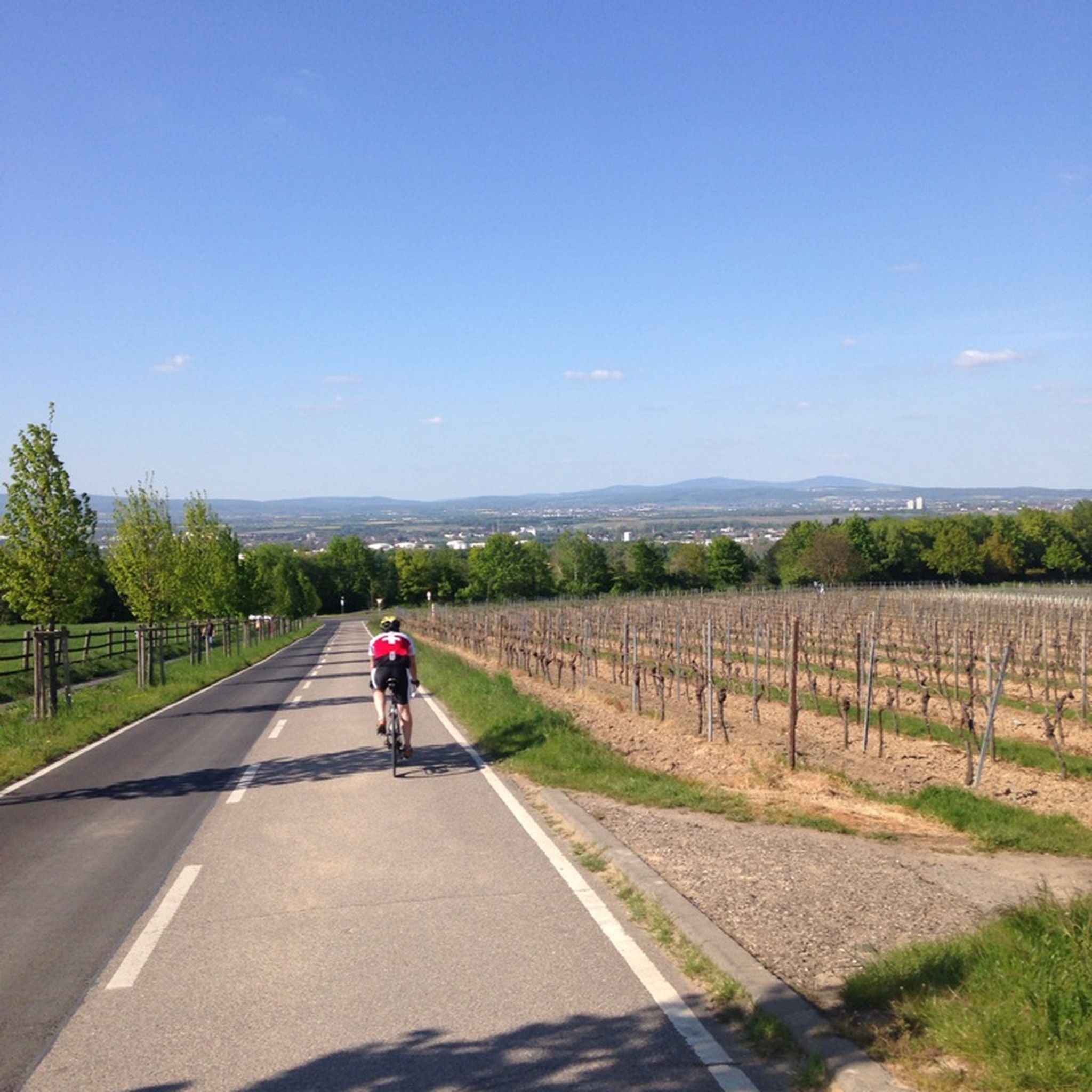
Road Cycling Routes around Wiesbaden
MTB Trails around Wiesbaden
Gravel biking around Wiesbaden
Other adventures around Wiesbaden


Tips from the Community

Here there is a beautiful avenue of plane trees along the path
7
0
The Goethestein near the Wiesbaden district of Frauenstein is a tetrahedron erected in 1932 in memory of Johann Wolfgang von Goethe's stay at this location.
9
0
The Goethestein near the Wiesbaden district of Frauenstein is a tetrahedron erected in 1932 to commemorate Johann Wolfgang von Goethe's stay at this location. The Goethestein in Frauenstein, erected in 1932 On the southeast flank of the Spitzen Stein, an elevation of the Rheingaugebirge mountains 254.5 m above sea level, southeast of the Frauenstein castle ruins, sits the Hof Nürnberg, a popular excursion restaurant and winery, from which one has a good view of the Rhine and the Rheingau with its vineyards. In 1815, Johann Wolfgang von Goethe stopped here during his second stay in Wiesbaden to conduct geological studies. In 1932, a monument was erected in his honor next to the Hof, above the vineyards, 230 meters above sea level, with a view of Frauenstein, Walluf, and the Mainz Rhine side: the so-called Goethestein, a tetrahedron built on the base of an equilateral triangle made of blocks, whose soaring tip is reminiscent of an obelisk.
11
0
The first stone enclosure of the spring, serving as a drinking fountain, was built in 1823. It was open and enclosed by a 1.6-meter-high wall. Access for non-spa guests was blocked from then on. This led to protests at the time. Later, the unprotected spring was criticized, so a metal grate was placed over it (the so-called "Cheese Dome"). The current Kochbrunnen Pavilion was built in 1887/88 as part of the magnificent spa complex and stood at the end of the drinking hall. A staircase led down from the hall to the bubbling spring, from which the fountain maids filled glass jugs to serve the healing water to the spa guests in glasses. Seven decorative grilles closed off the temple, which visitors could peek into. However, it was only accessible through the drinking hall. After the war, in April 1952, the operators, as they had already done in 1937, established a new serving area in the fountain colonnade at Bowling Green. The 129-meter-long colonnade was fully glazed. The drinking hall, the portal, and the open section of the promenade were demolished in July 1955. The following year, the spa administration removed the ornate domed roof and replaced it with a simple sloping one. The Kochbrunnen fountain was inaugurated in December 1970. In 1976/77, the pavilion was relocated and renovated; at the same time, three of the seven ornate grilles had to be reconstructed. One original grille was preserved, and the roof was rebuilt, somewhat simplified, as an octagonal dome. The bubbling spring was closed, and a residual amount of water now flows through a four-armed, curved spout into a stone basin. The temple has since been accessible from four sides.
14
0
The Kochbrunnen in Wiesbaden is the city's most famous and hottest thermal spring. This sodium chloride thermal spring was the center of Wiesbaden's drinking cure in the 19th century.[1] Its name refers to its water temperature of over 66 °C.
17
0

The vantage point offers a fantastic view over the Rhine plain, the Rheingau region, and the surrounding vineyards. 🍇Erected in 1932 in honor of Johann Wolfgang von Goethe, the striking tetrahedron commemorates his spa stay in Wiesbaden in 1815. At that time, Goethe wandered through the vineyards and returned to this place again and again – fascinated by the landscape and its geological features.
5
0

A very beautiful fountain with ferrous water
7
0
Frequently Asked Questions
What kind of natural features can I explore around Wiesbaden?
Wiesbaden offers a diverse range of natural features, from significant river confluences to elevated viewpoints and unique rock formations. You can visit the Main estuary, where the Main river meets the Rhine, or discover the Leichtweiß Cave, a historical site nestled within a forest. The region also features numerous green spaces like the Kurpark, an English-style garden with a tranquil lake, and the Fasanerie, a natural animal and plant park.
Are there any natural monuments with historical significance in the Wiesbaden area?
Yes, several natural monuments around Wiesbaden also hold historical significance. The Goethestein Monument and Rhine Valley View commemorates Goethe's visit in 1815 and offers expansive vistas. The Leichtweiß Cave is another historical site. Additionally, the Kochbrunnen, Wiesbaden's most famous thermal spring, has been admired since Roman times for its mineral-rich waters and elegant pavilion.
What are some family-friendly natural monuments to visit near Wiesbaden?
Many natural monuments around Wiesbaden are suitable for families. The Snake Trail Sommerberg near Frauenstein offers an informative and engaging walk about the Aesculapian snake. The Main estuary is great for observing river traffic, and the Stork Reserve and Rhine Meadows Dike provides opportunities for wildlife spotting. The Fasanerie, a free-entry animal and plant park, is also a fantastic option for families with its native wildlife, walking trails, and playgrounds.
Where can I find the best viewpoints of the Rhine Valley and surrounding areas?
For stunning panoramic views, head to the Goethestein Monument and Rhine Valley View. Another excellent spot is the Kellerskopf Observation Tower, which offers a fantastic panorama extending over the Rhine-Main area to the Odenwald. The Neroberg, Wiesbaden's local mountain, also provides breathtaking views of the city and the Rhine Valley, accessible by foot, bike, or the historic Nerobergbahn funicular.
Are there opportunities for climbing at any natural monuments?
Yes, the Grauer Stein Climbing Crag is a popular rock formation for climbers. It's an interesting spot to visit even if you're not climbing, as you can observe others in action. Nearby, you can also find the Ludwig Schwenk Hut at Grauer Stein, which serves as a good base.
What outdoor activities can I do near these natural monuments?
The natural monuments around Wiesbaden are excellent starting points for various outdoor activities. You can find numerous running trails, including routes like the 'Kurpark Pathway' or the 'Nerobergbahn Funicular loop', which you can explore further in the Running Trails around Wiesbaden guide. For hiking, consider easy routes like the 'Neroberg and Rabengrund Trail' or more moderate options like the 'Grauer Stein Climbing Crag loop', detailed in the Hiking around Wiesbaden guide.
Are there any natural monuments that are particularly good for wildlife observation?
The Stork Reserve and Rhine Meadows Dike is an excellent location for observing birds and other wildlife. Additionally, the Fasanerie (Pheasantry) is a near-natural animal park where you can see native wildlife such as deer, wolves, and wild boars in a spacious, natural setting.
What is the best time of year to visit the natural monuments around Wiesbaden?
The natural monuments around Wiesbaden can be enjoyed year-round, but each season offers a different experience. Spring brings blooming flora, especially beautiful in areas like the Kurpark and Biebrich Palace Park. Summer is ideal for outdoor activities and enjoying the views from Neroberg or the Main estuary. Autumn offers vibrant fall foliage, while winter can provide a unique, serene atmosphere, especially around the steaming Kochbrunnen or snow-dusted viewpoints.
Can I find natural monuments that are easily accessible or suitable for a leisurely stroll?
Yes, several natural monuments are perfect for easy access and leisurely walks. The Wiesbaden spa gardens (Kurpark) offer serene walking paths around a tranquil lake. The Bowling Green and Kurhaus Wiesbaden area is also easily accessible and provides a pleasant environment for a stroll. Biebrich Palace Park, with its extensive landscaped gardens, is another excellent choice for a relaxed walk.
What do visitors enjoy most about the natural monuments in Wiesbaden?
Visitors frequently praise the diverse experiences offered by Wiesbaden's natural monuments. Many appreciate the stunning views from places like the Goethestein Monument and Rhine Valley View, especially during cherry blossom season. The opportunity to observe climbers at the Grauer Stein Climbing Crag is also a unique draw. The peaceful atmosphere of the Wiesbaden spa gardens and the informative nature of the Snake Trail Sommerberg are also highly valued.
Are there any natural monuments where I can experience Wiesbaden's famous thermal springs?
While not a natural monument in the traditional sense of a landscape feature, the Kochbrunnen is Wiesbaden's most famous and hottest thermal spring. It's a central spa icon where you can sample the mineral water and observe the fascinating colors it imparts to the metal fountain, especially with the steam on a cold day. It's a direct experience of the natural geothermal activity that defines Wiesbaden.
Most popular routes around Wiesbaden
Most popular attractions around Wiesbaden

Get inspired with the komoot mobile app


Explore more
Extend your search for the best caves by checking out these guides of the top ones around Wiesbaden:
