Top 20 Natural Monuments in the Mühlviertel
Best natural monuments in the Mühlviertel showcase the region's unique granite landscape and rolling hills in Upper Austria. This area offers diverse natural attractions, highlighting its geological and ecological heritage. Visitors can explore ancient traditions and experience serene natural beauty across its varied terrain. The Mühlviertel landschaft provides numerous opportunities for outdoor activities.
Best natural monuments in the Mühlviertel
- The most popular natural monuments is Tripoint Monument (Germany–Austria–Czech Republic), a man-made monument that allows visitors to cross borders between…
Last updated: August 16, 2026
Steinerberg Danube Loop 🏞️
Highlight • River
Tip by

Tripoint Monument (Germany–Austria–Czech Republic)
Highlight • Monument
If …
Translated by Google •
Tip by

Sign up now to discover places like this
Get recommendations on the best single tracks, peaks, & plenty of other exciting outdoor places.
Sign up for free
Sternstein Observation Tower
Highlight • Viewpoint
Translated by Google •
Tip by

Pfenningberg Summit Cross
Highlight • Summit
Translated by Google •
Tip by

Braunberg Hut
Highlight • Mountain Hut
Translated by Google •
Tip by

Weltstein
Highlight • Natural Monument
Translated by Google •
Tip by

Sluice with fish ladder
Highlight • Structure
Translated by Google •
Tip by

Teufelsschüssel Rock Formation
Highlight • Natural Monument
Translated by Google •
Tip by

Kerzenstein
Highlight • Natural Monument
Translated by Google •
Tip by

Großer Zeißberg Summit
Highlight • Summit
Translated by Google •
Tip by

Sign up for free to discover even more natural monuments in the Mühlviertel.
Sign up for free
Already have an account?
Start today with a free account
Your next adventure awaits.
Login or Signup
Popular around Mühlviertel
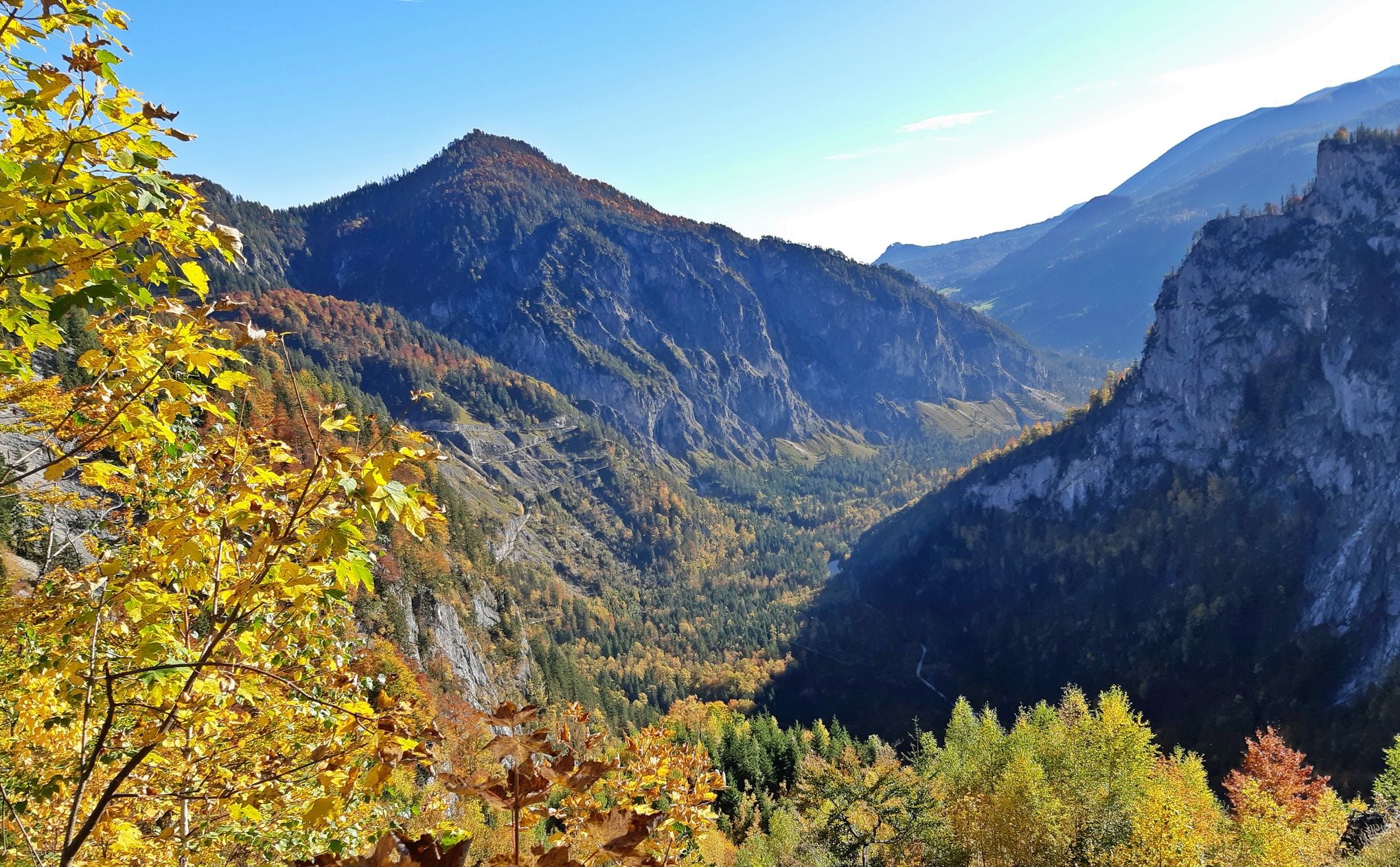
Salt Trail — On old paths through Upper Austria
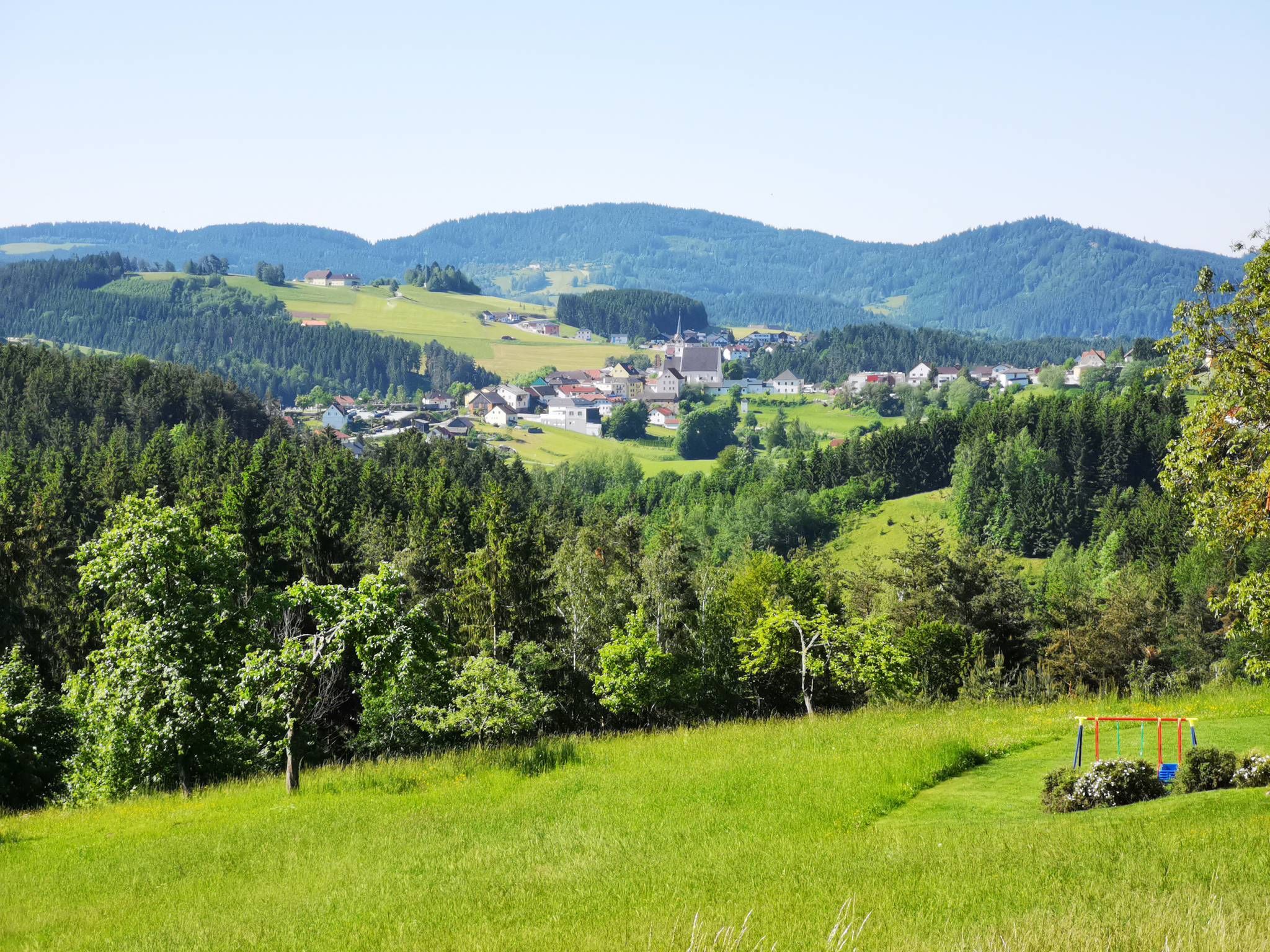
Austria's Mühlviertel Cycle Path — A hilly idyll
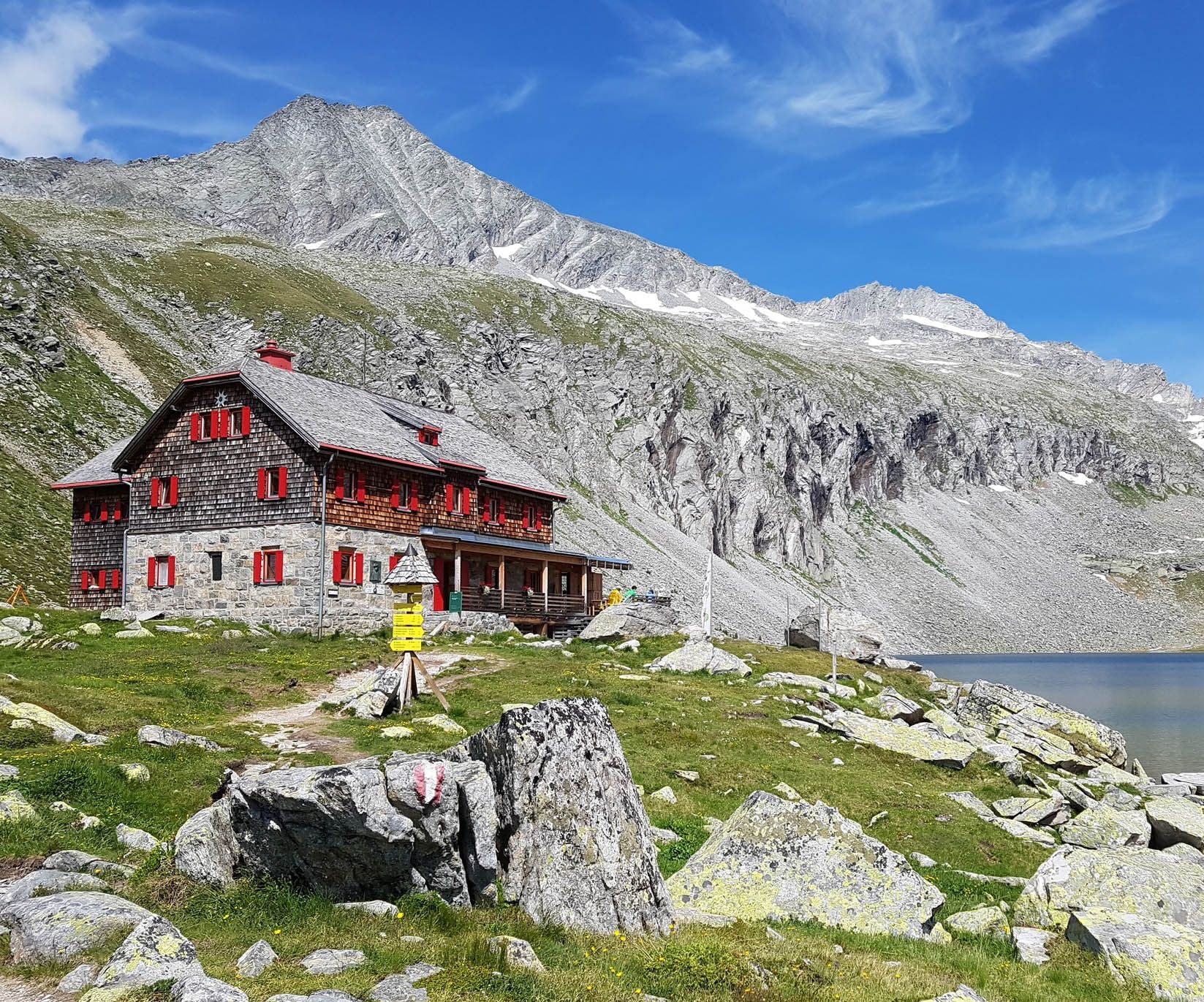
Ruperti Trail – Hike from Austria's Bohemian Forest to the Carnic Alps
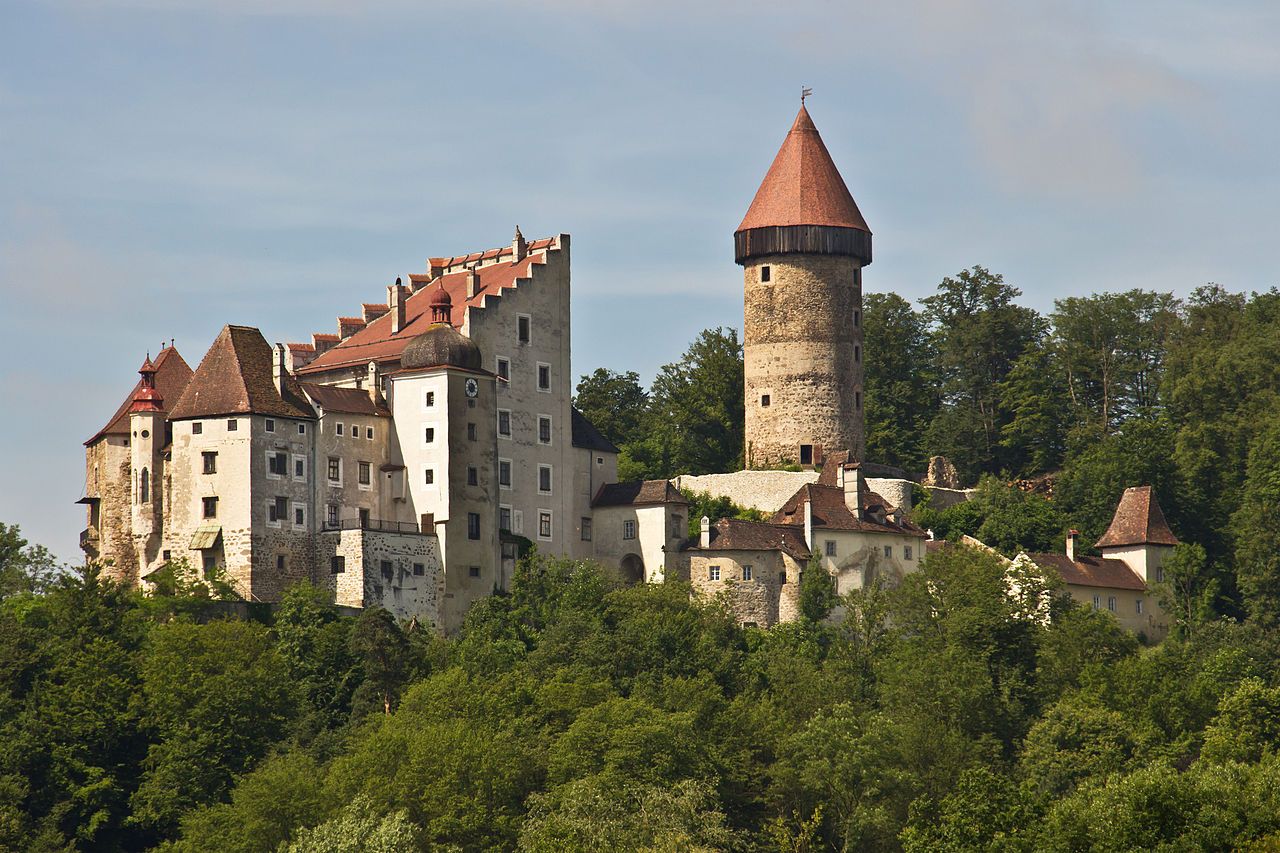
Castles & Palaces Trail – Discover the mystical Mühlviertel in Austria
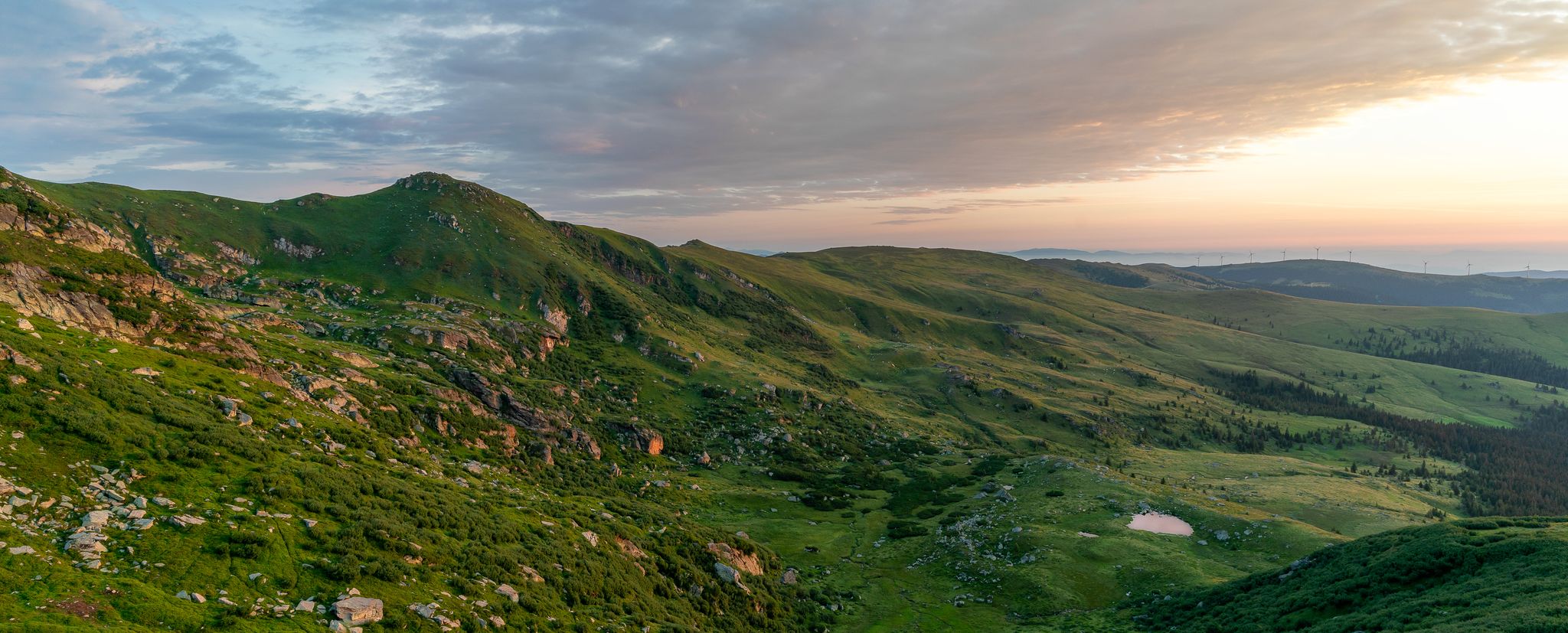
North-South Trail through Austria – Small country, big paths!
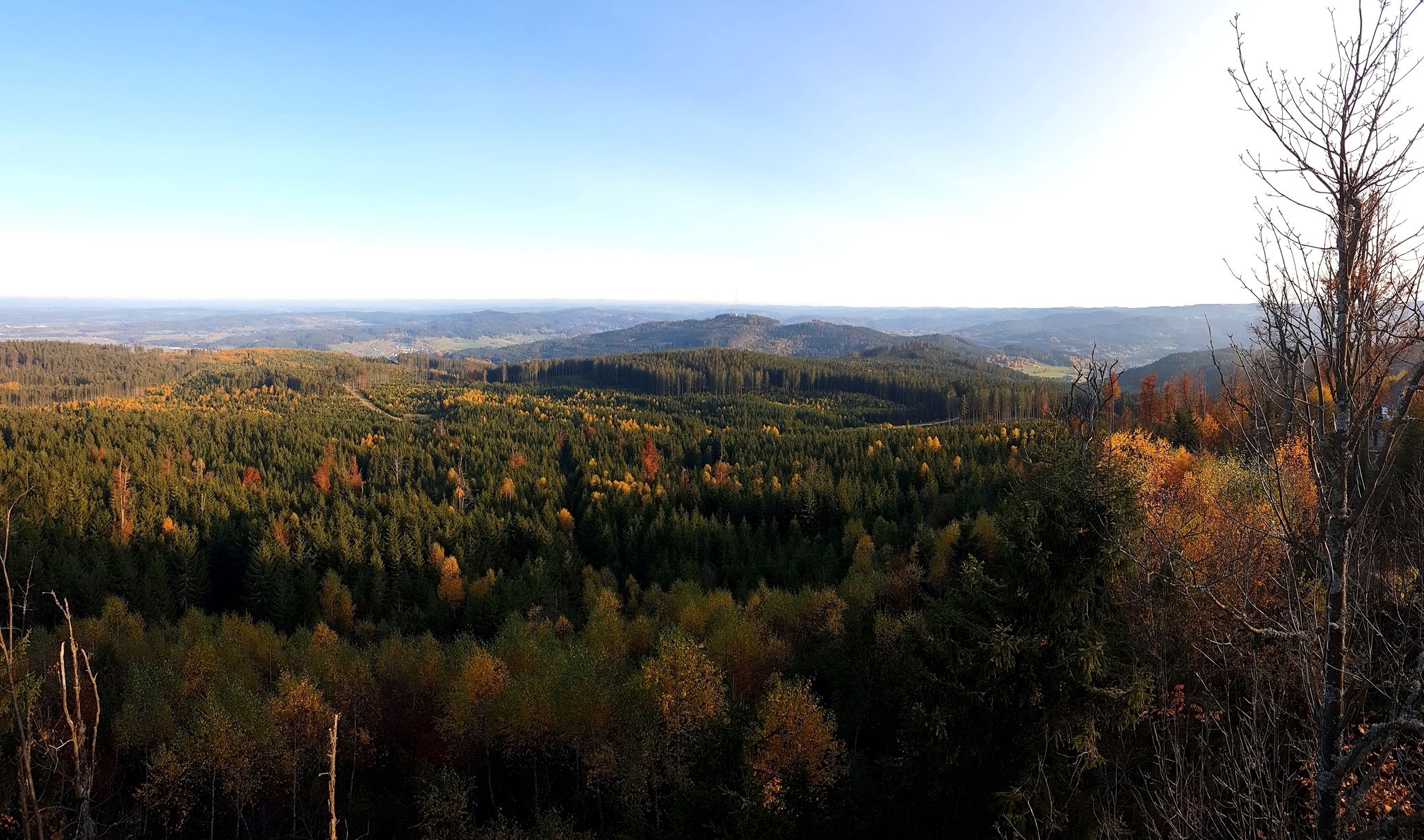
Nordwaldkamm trail – Hiking between the Czech Republic and Austria
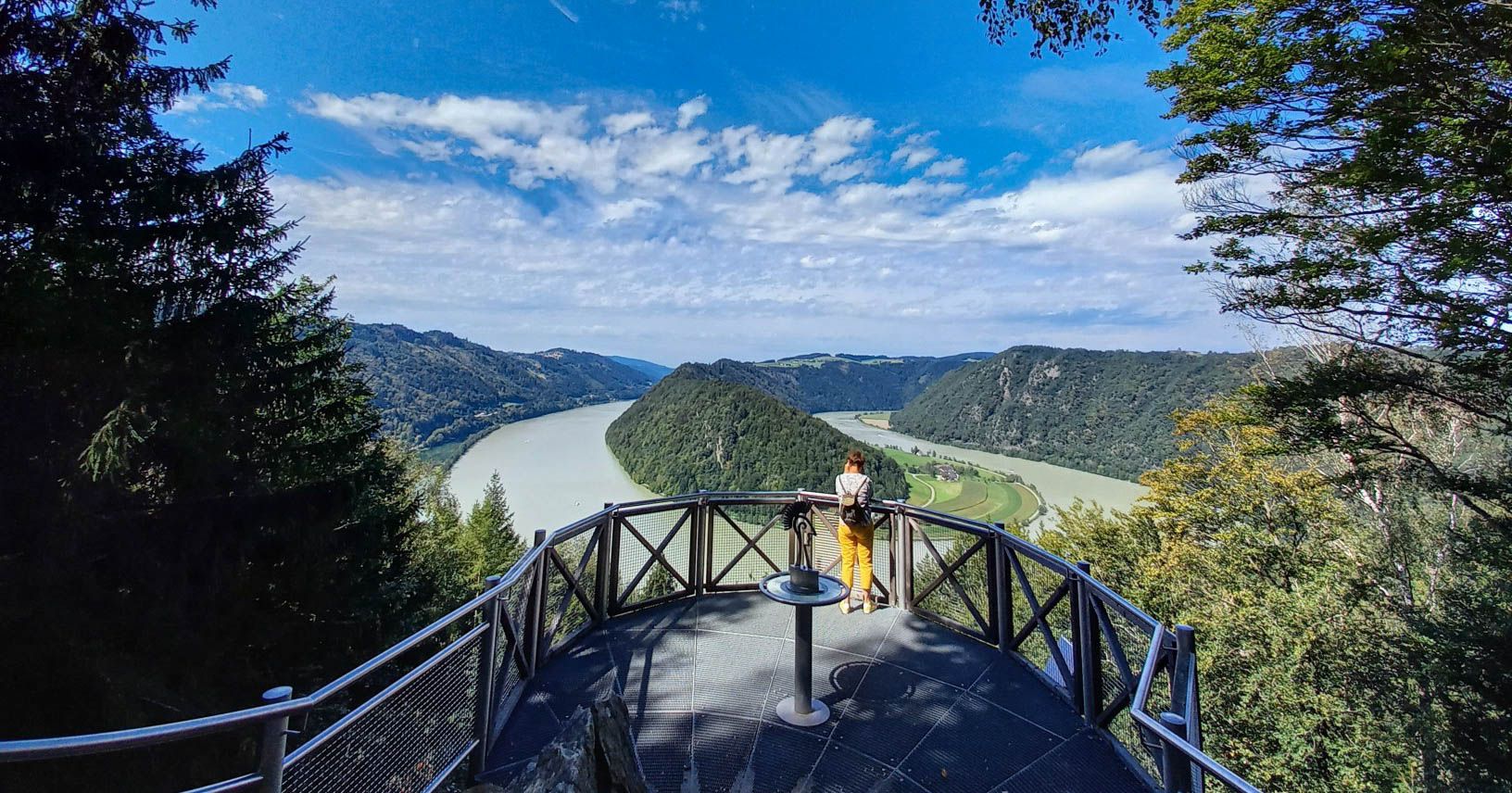
Danube Trail – Legendary long-distance hiking along the Danube River
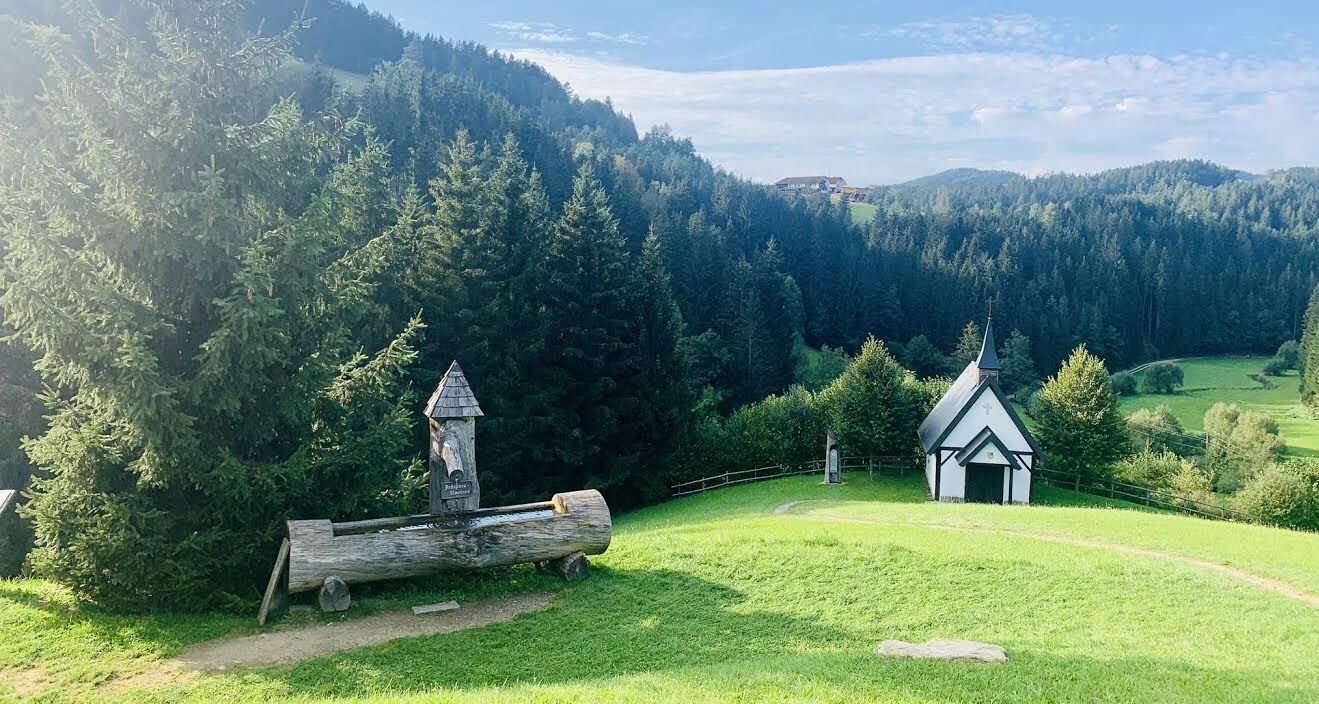
St. John's Pilgrimage Route – A spiritual path through Austria's Mühlviertel
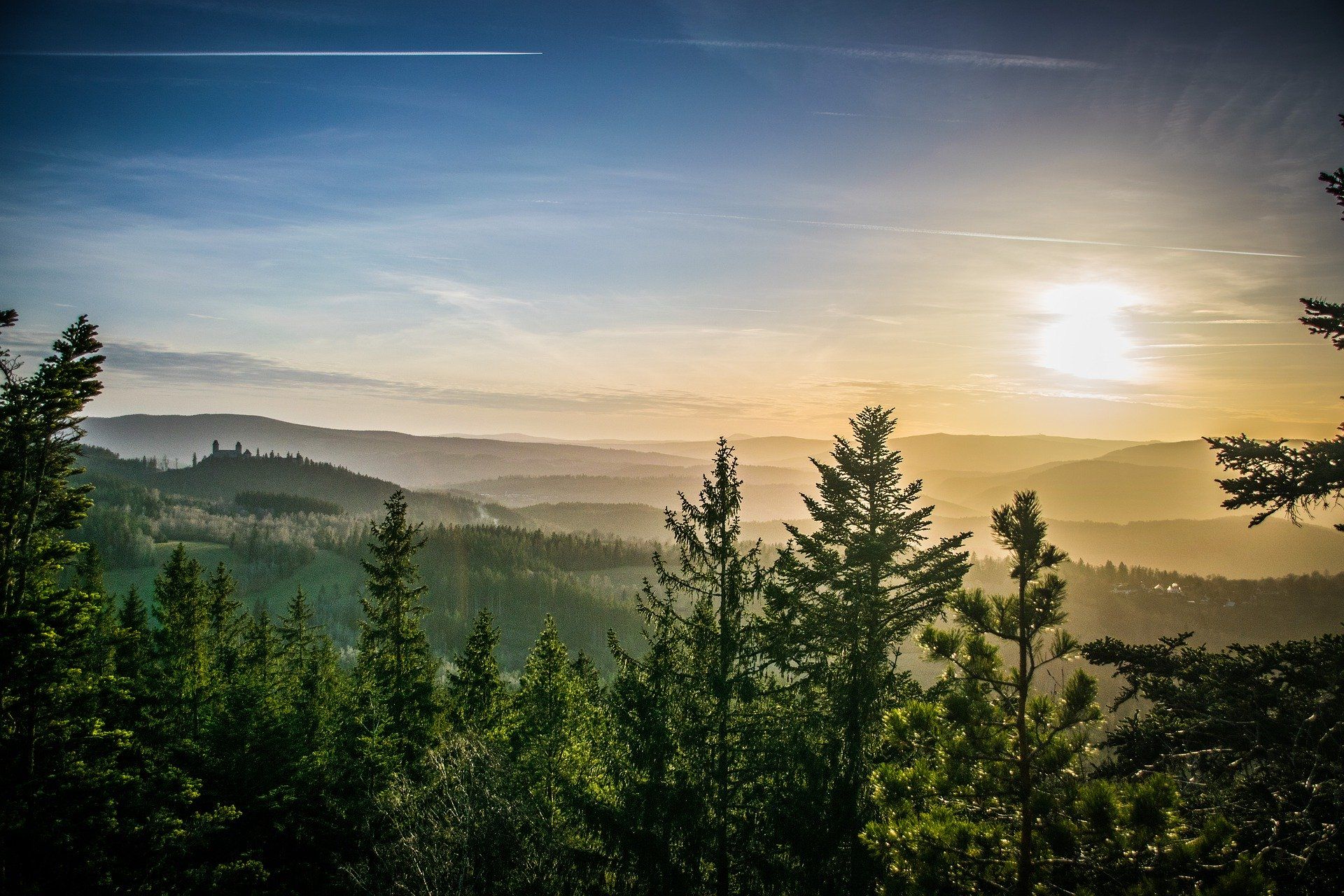
The Path of Deceleration – hiking through the Bohemian Forest
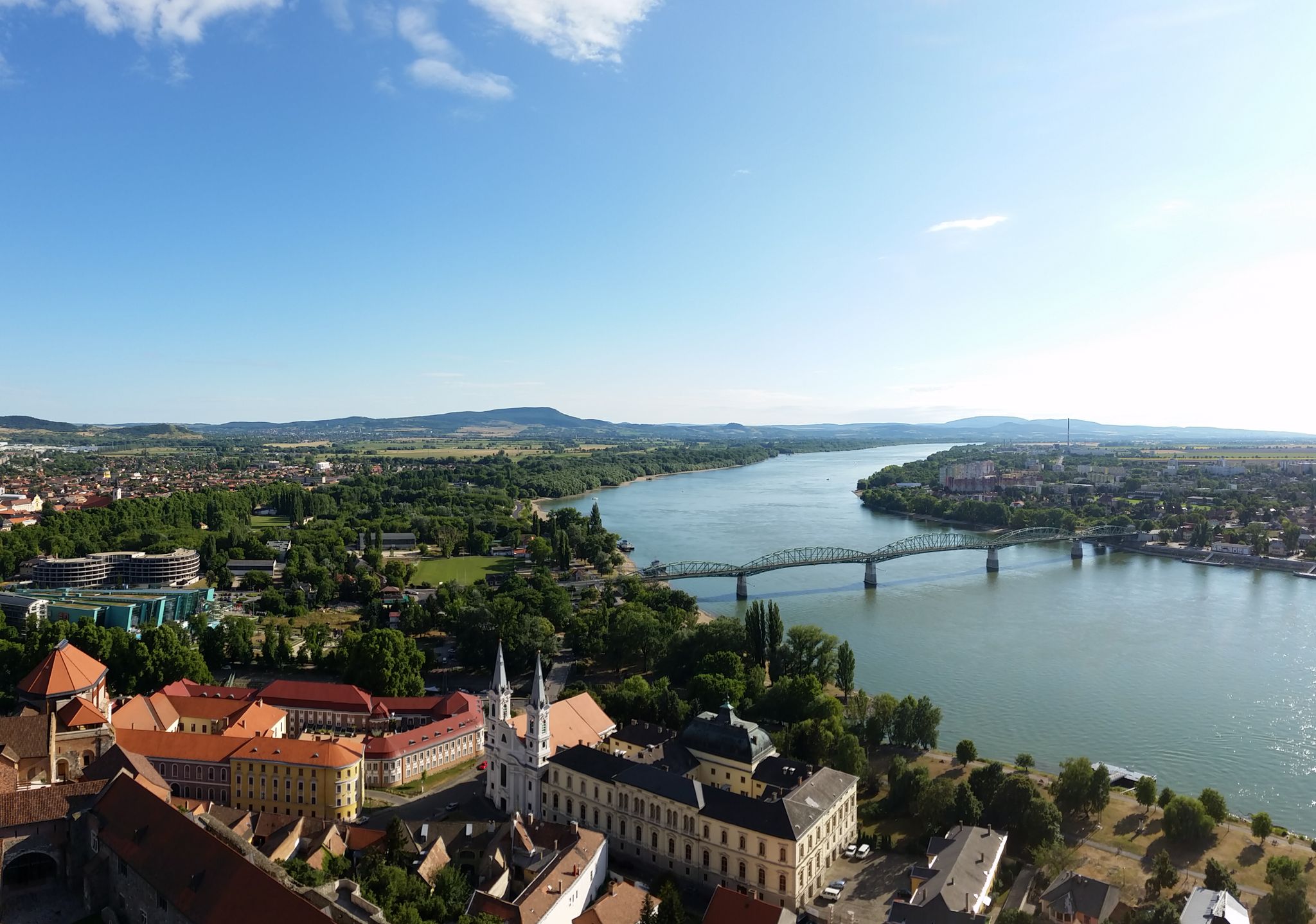
The Danube Cycle Path – From Donaueschingen to Budapest
Other adventures in the Mühlviertel


Tips from the Community

The Kerzenstein is a striking natural monument in the idyllic Pesenbach Valley. A vertical granite rock, its shape reminiscent of a candle—hence its name.
1
0

Wonderful circular hike away from the hustle and bustle in the hilly Mühlviertel landscape. The legend of the devil (information board at the summit cross) is really brilliant, a clever farmer😜
2
1

Such rock formations are more commonly found further north in the Mühlviertel region. A great destination for a day trip that is easy to reach or can be explored via a beautiful circular hiking trail: https://www.komoot.com/de-de/tour/2058392409
2
2
Unfortunately, there is no summit cross on the highest elevation with granite rocks on the Zeissberg, but the view and the tranquility of this place of power are all the more beautiful.
1
0

KERZENSTEIN, PATH AB Mitte closed after the rains
1
0

The hiking trail is also wonderful when coming up from Windegg. The last stretch to the rock formation is then a matter of personal judgement.
0
0

nice, a very large pike and you can go in.
0
0

Summit tour with beautiful views and chapel.
1
0
Frequently Asked Questions
What unique rock formations can I explore in the Mühlviertel?
The Mühlviertel is renowned for its distinctive granite rock formations. You can visit the Kerzenstein in the Pesenbach Valley, a twelve-meter-high granite column shaped by wind. Another marvel is the Schwammerling in Rechberg, an oval granite block resting on a 3-meter-high rock, resembling an oversized mushroom. Don't miss the Bucklwehluck'n in St. Thomas am Blasenstein, a 'crawling stone' with a gap believed to cure ailments, or the Teufelsschüssel Rock Formation, known for its impressive boulders and bowl-like depressions.
Are there any significant historical or cultural natural monuments in the Mühlviertel?
Yes, several natural monuments in the Mühlviertel are steeped in history and tradition. The Bucklwehluck'n in St. Thomas am Blasenstein is an ancient cult stone with a tradition of crawling through its gap for healing. The region also features over 90 Pitch-oil Rocks, granite stones with grooves used historically for extracting healing pitch oil, a craft recognized by UNESCO. Additionally, you can find Schalensteine (cup-marked stones) like the Einsiedlerstein and Tauf- und Opferstein, believed to have served prehistoric religious purposes. The Heidenstein in Eibenstein was an ancient meeting place and site for astronomical observations.
Where can I find the highest points or best panoramic views in the Mühlviertel?
For breathtaking panoramic views, consider visiting the Plöckenstein, the highest peak in the Austrian part of the Bohemian Forest at 1,378 meters, offering views as far as the Alps on clear days. The Sternstein Observation Tower also provides amazing vistas across the Böhmerland and the northern limestone Alps. Other notable viewpoints include the Pfenningberg Summit Cross and the Weltstein, one of the highest elevations in Schwertberg, appreciated for its tranquil atmosphere.
What kind of unique natural landscapes, beyond rock formations, does the Mühlviertel offer?
Beyond its granite formations, the Mühlviertel boasts diverse natural landscapes. The Stillensteinklamm is a picturesque five-kilometer-long gorge, known for its rushing Gießenbach stream and mystical stone formations. The Tannermoor, Austria's highest raised forest bog, is a Natura 2000 protected area with rare plants and animals, offering a mystical experience, especially when fog rolls in. The region also features numerous river valleys with deep gorges, such as the Burgstall Gorge, and extensive granite landscapes that define its natural appeal.
Are there family-friendly natural monuments suitable for children?
Yes, the Mühlviertel offers several natural monuments that are great for families. The Stillensteinklamm gorge features a well-secured climbing system, making it suitable for children to explore its fairytale-like atmosphere. The Weltstein is a wonderful place for a rest during hikes and is considered family-friendly. The Sluice with fish ladder is another family-friendly highlight, offering an interesting stop. Additionally, the Braunberg Hut is a family-friendly spot with facilities.
What are the best hiking opportunities around the natural monuments in the Mühlviertel?
The Mühlviertel offers a wide range of hiking opportunities around its natural monuments. You can explore the Stillensteinklamm on a scenic route that has earned the Upper Austrian Hiking Quality Seal. The Schwammerling in Rechberg is easily accessible via a nature park trail. For those interested in cultural history, there's a Pitch Oil hiking trail in Elz with educational displays. Many of the region's natural monuments are integrated into extensive trail networks. For more detailed routes, you can explore the Hiking in the Mühlviertel guide.
Can I find easy hiking trails near the natural monuments?
Absolutely. The Mühlviertel has options for easy hikes that allow you to enjoy its natural beauty without strenuous effort. The Schwammerling in Rechberg is easily accessible via a gentle nature park trail. Many of the Schalensteine and Pitch-oil rocks can be found along accessible paths. For specific easy routes, you can check out the Easy hikes in the Mühlviertel guide, which includes trails like the Wolfsschlucht and Bad Kreuzen's Kneippweg.
Are there opportunities for cycling or mountain biking near the natural monuments?
Yes, the Mühlviertel's diverse landscape is well-suited for cycling and mountain biking. While specific natural monuments might be hiking-focused, the surrounding region offers numerous routes. For mountain biking enthusiasts, the MTB Trails in the Mühlviertel guide provides options like the 'View of the Lipno Reservoir – Schwarzenberg Canal loop' or the 'Ameisberg Tower – Granitland Trail'. Many areas around the natural monuments are part of broader cycling networks, allowing you to combine visits with a bike tour.
What is the <a href="https://www.komoot.com/highlight/101950" target="_blank" rel="noopener">Tripoint Monument (Germany–Austria–Czech Republic)</a>?
The Tripoint Monument is a unique man-made monument that allows visitors to stand in Germany, Austria, and the Czech Republic simultaneously. It offers a special flair and is a popular spot for a break, providing a tangible experience of crossing borders with just a few steps. It's a highly rated highlight by the komoot community.
What is the best time to visit the natural monuments in the Mühlviertel?
The best time to visit the natural monuments in the Mühlviertel largely depends on your preferred activities. Spring and autumn offer pleasant temperatures for hiking and exploring the rock formations and gorges, with vibrant foliage or blooming flora. Summer is ideal for longer hikes and enjoying the lush landscapes. Some areas, like the Plöckenstein, are enjoyable in both summer and winter, offering different scenic experiences. The Tannermoor can be particularly mystical when fog envelops the landscape, which can happen in various seasons.
What do visitors enjoy most about the natural monuments in the Mühlviertel?
Visitors frequently appreciate the tranquil atmosphere and the opportunity for rest and rejuvenation that many sites offer, such as the Weltstein. The impressive rock formations, like the Teufelsschüssel Rock Formation, are often described as powerful places. The unique blend of natural beauty, geological marvels, and rich historical and cultural significance, from ancient cult stones to traditional pitch-oil sites, makes for a compelling experience. The panoramic views from peaks like the Plöckenstein and the Sternstein Observation Tower are also highly praised.
Are there any natural monuments that are particularly good for contemplation or finding a 'place of power'?
Yes, the Mühlviertel is known for its 'places of power' that invite contemplation. The Schalensteine, ancient cup-marked stones like the Einsiedlerstein and Tauf- und Opferstein, are considered such sites. The Heidenstein in Eibenstein, with its historical significance as a meeting place and for astronomical observations, also evokes a sense of mystery and power. The Teufelsschüssel Rock Formation is described as a pleasant place to linger and the most powerful place on the path to deceleration.
Most popular routes in the Mühlviertel
Most popular attractions in the Mühlviertel

Get inspired with the komoot mobile app


Didn’t find what you were looking for?
Find even more amazing natural monuments in the Mühlviertel by checking out the top Highlights region by region:
Explore more
Extend your search for the best caves by checking out these guides of the top ones in the Mühlviertel:
