The best city hikes and walks in the Mühlviertel
4.6
(18689)
111,934
hikers
41
hikes
Urban hiking trails in the Mühlviertel traverse a diverse landscape characterized by gentle rolling hills, forests, and river valleys. The region features distinctive granite formations and ancient boulders, shaping its geological character. Many routes follow the Große Mühl and Kleine Mühl rivers, offering varied scenery. The terrain generally includes expansive forests and open areas, providing accessible paths for urban exploration.
Best urban hiking trails in the Mühlviertel
- The most popular urban hiking route is Bad Leonfelden Market Square – Bad…
Last updated: July 4, 2026
28
hikers
Easy hike. Great for any fitness level. Easily-accessible paths. Suitable for all skill levels.
5.0
(1)
23
hikers
Easy hike. Great for any fitness level. Easily-accessible paths. Suitable for all skill levels.

Sign up for free
20
hikers
4.37km
01:07
20m
20m
Easy hike. Great for any fitness level. Easily-accessible paths. Suitable for all skill levels.
15
hikers
5.40km
01:25
40m
40m
Easy hike. Great for any fitness level. Easily-accessible paths. Suitable for all skill levels.
10
hikers
3.79km
00:58
10m
20m
Easy hike. Great for any fitness level. Easily-accessible paths. Suitable for all skill levels.
Get access to more routes and recommendations from other explorers.
Sign up for free
Already have an account?
Our route recommendations are based on thousands of hikes, rides, and runs completed by other people on komoot.
Start today with a free account
Your next adventure awaits.
Login or Signup
Popular around Mühlviertel
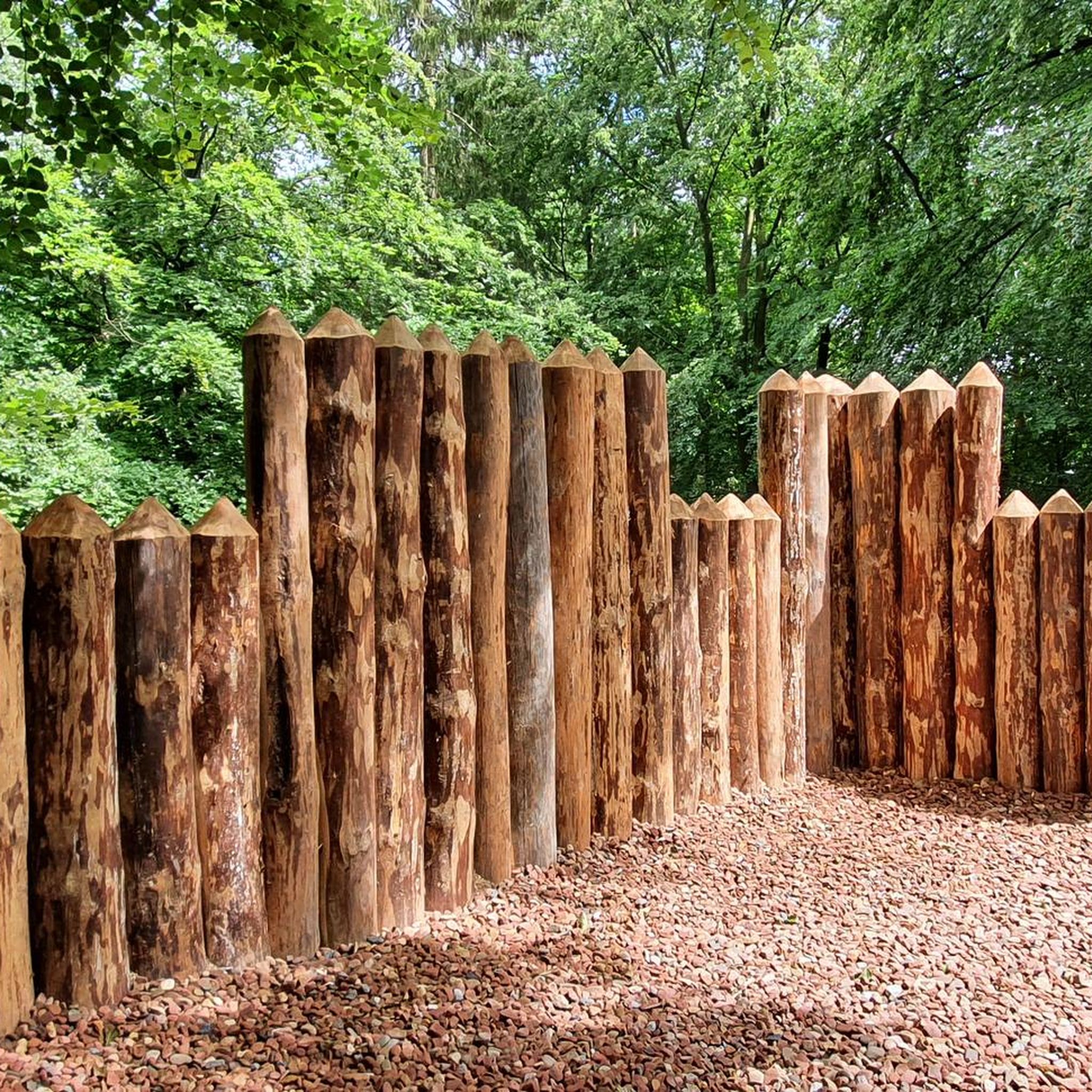
City hikes in Bezirk Urfahr-Umgebung
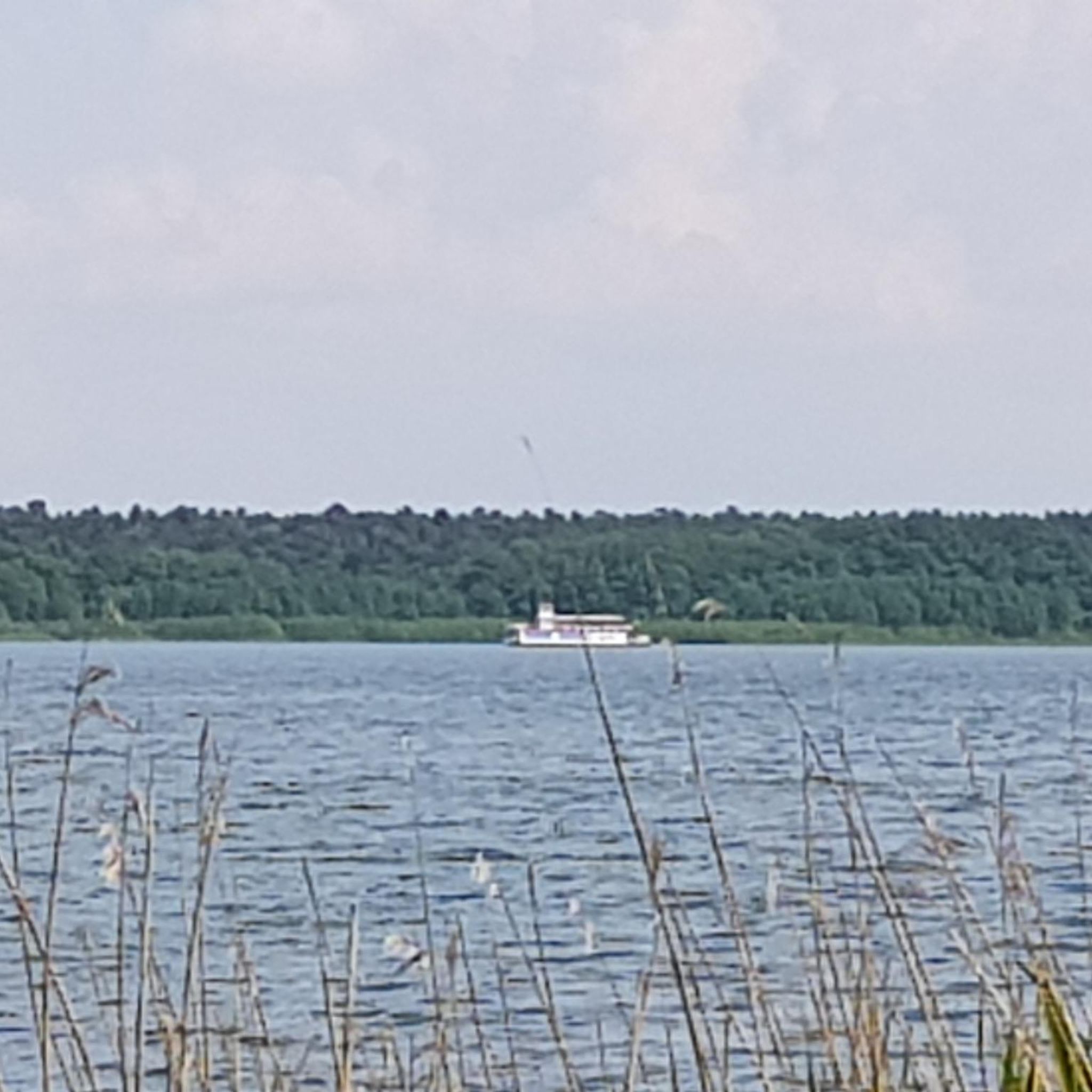
City hikes around Perg
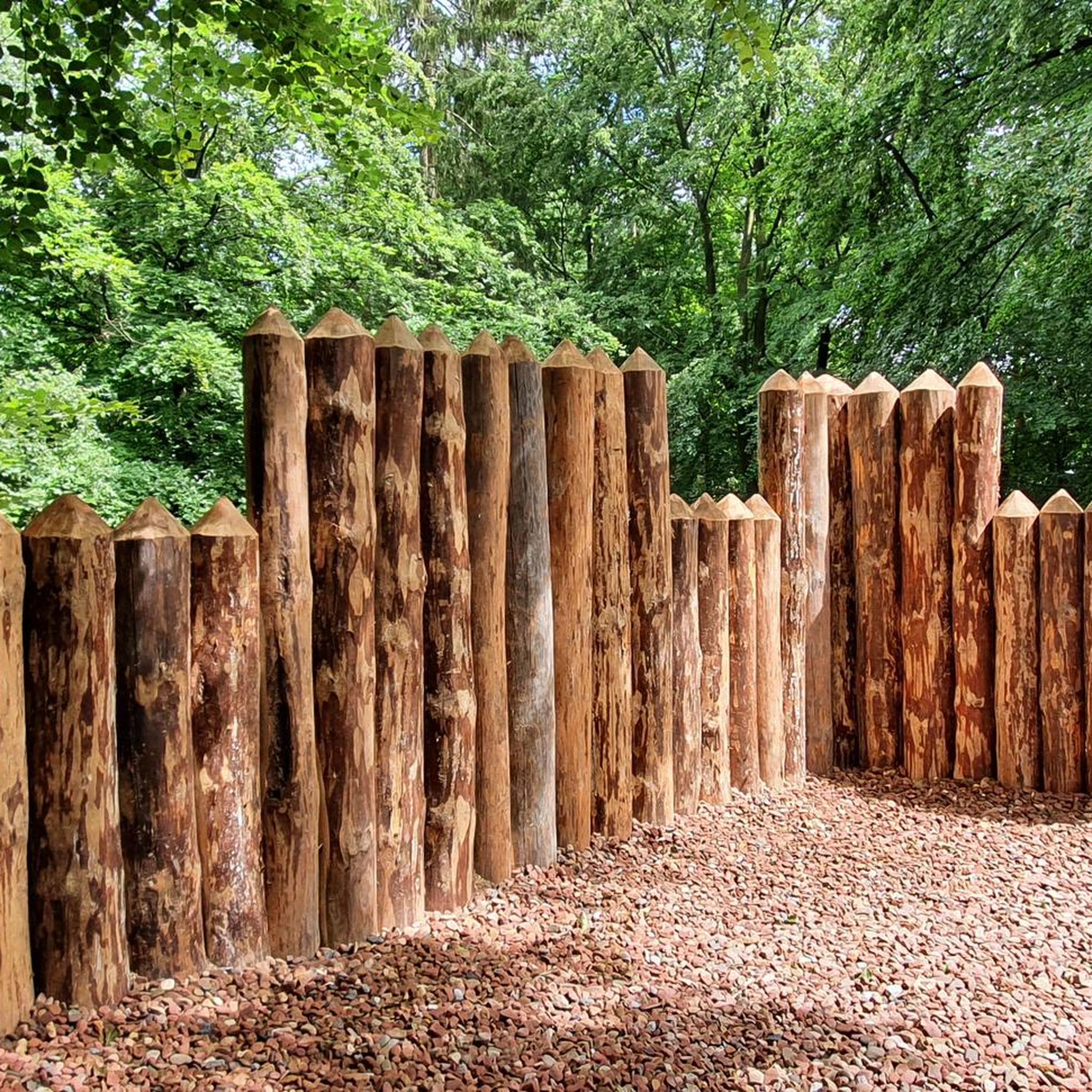
City hikes in Bezirk Rohrbach

City hikes around Bezirk Freistadt
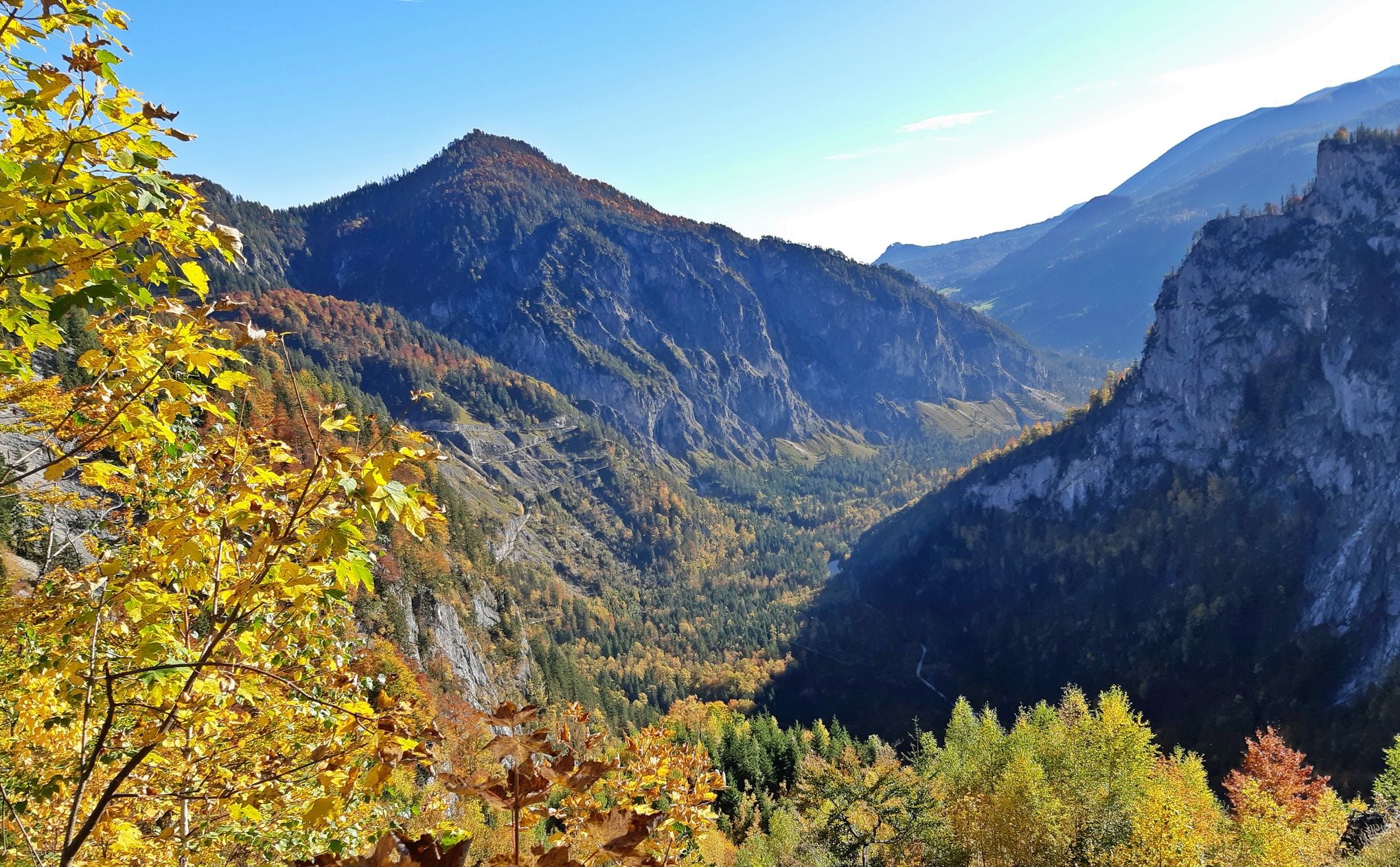
Salt Trail — On old paths through Upper Austria
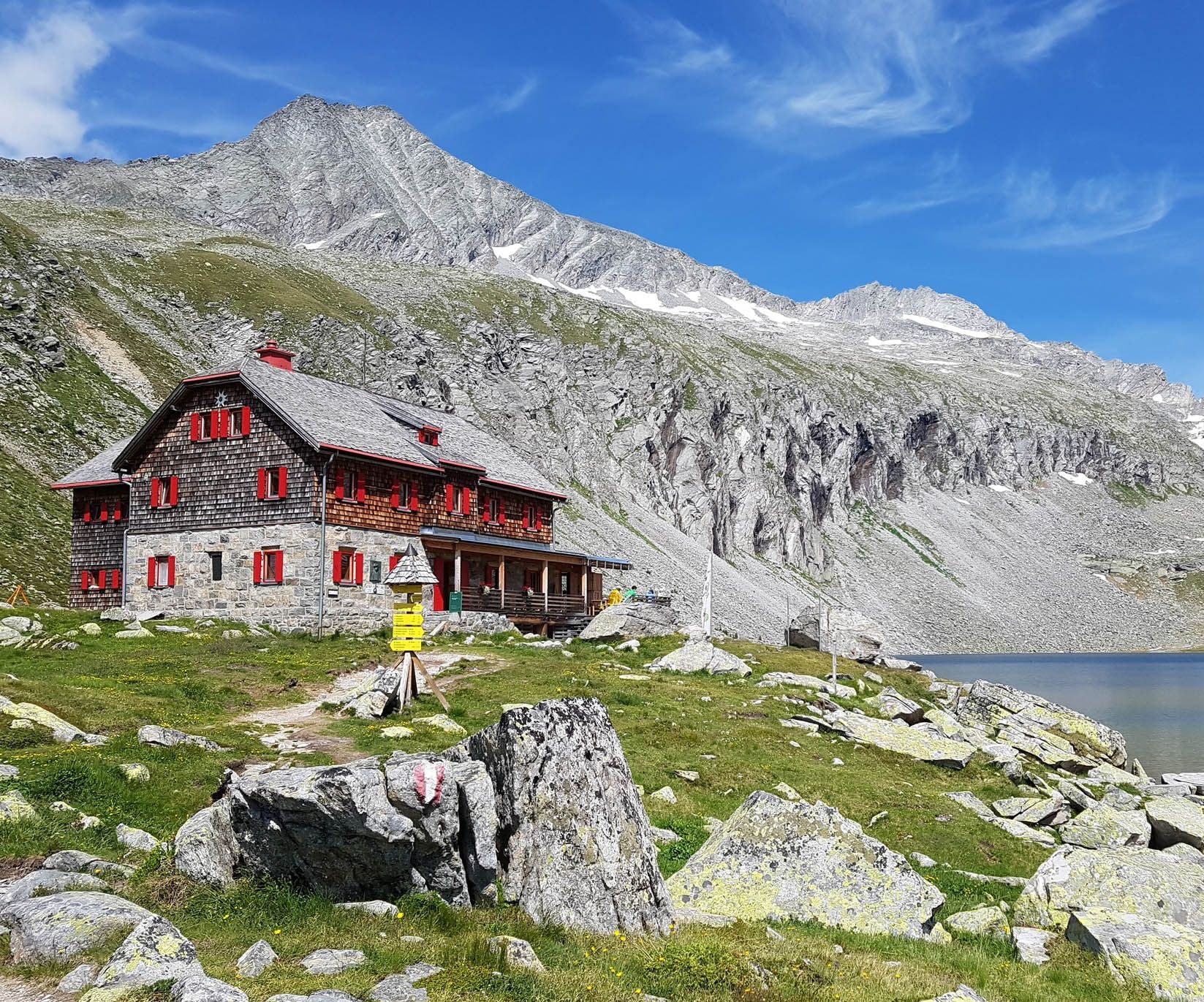
Ruperti Trail – Hike from Austria's Bohemian Forest to the Carnic Alps
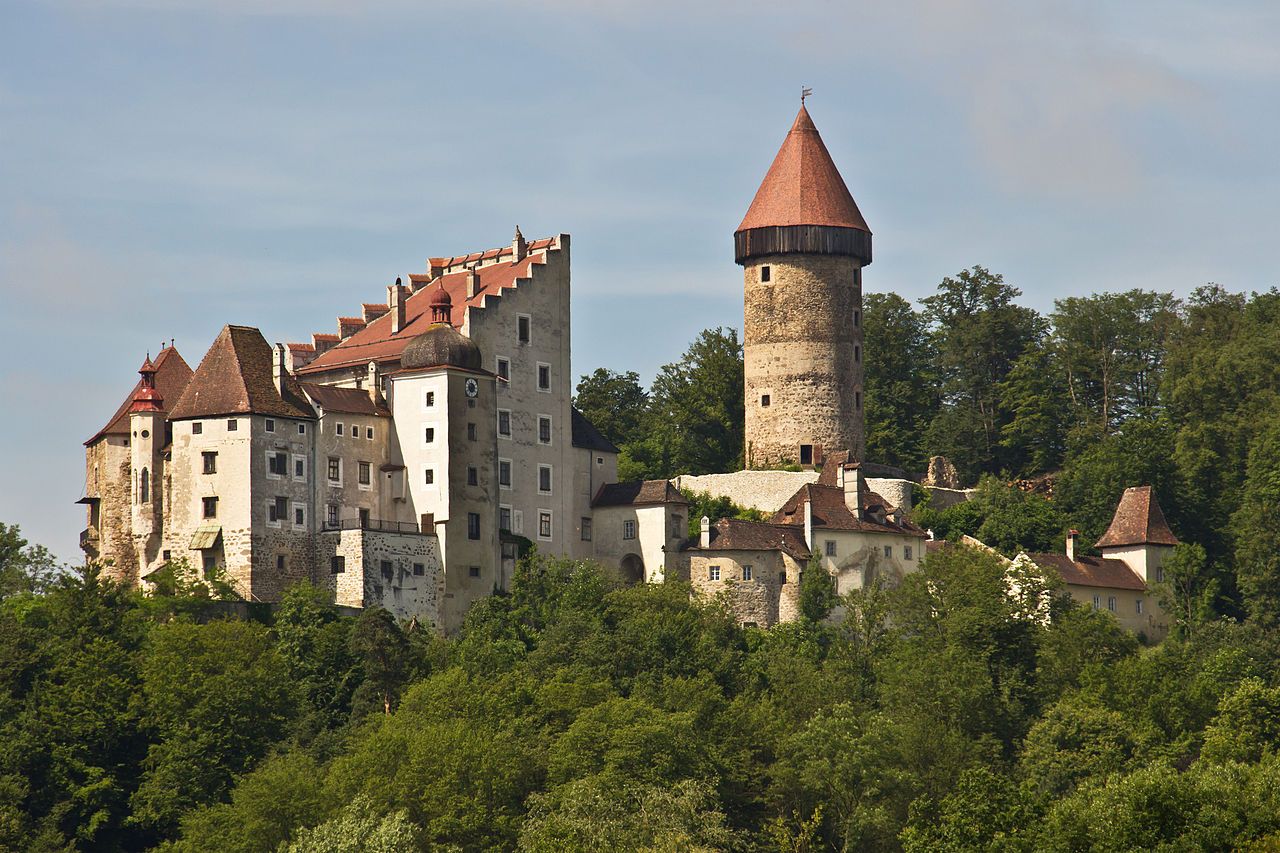
Castles & Palaces Trail – Discover the mystical Mühlviertel in Austria
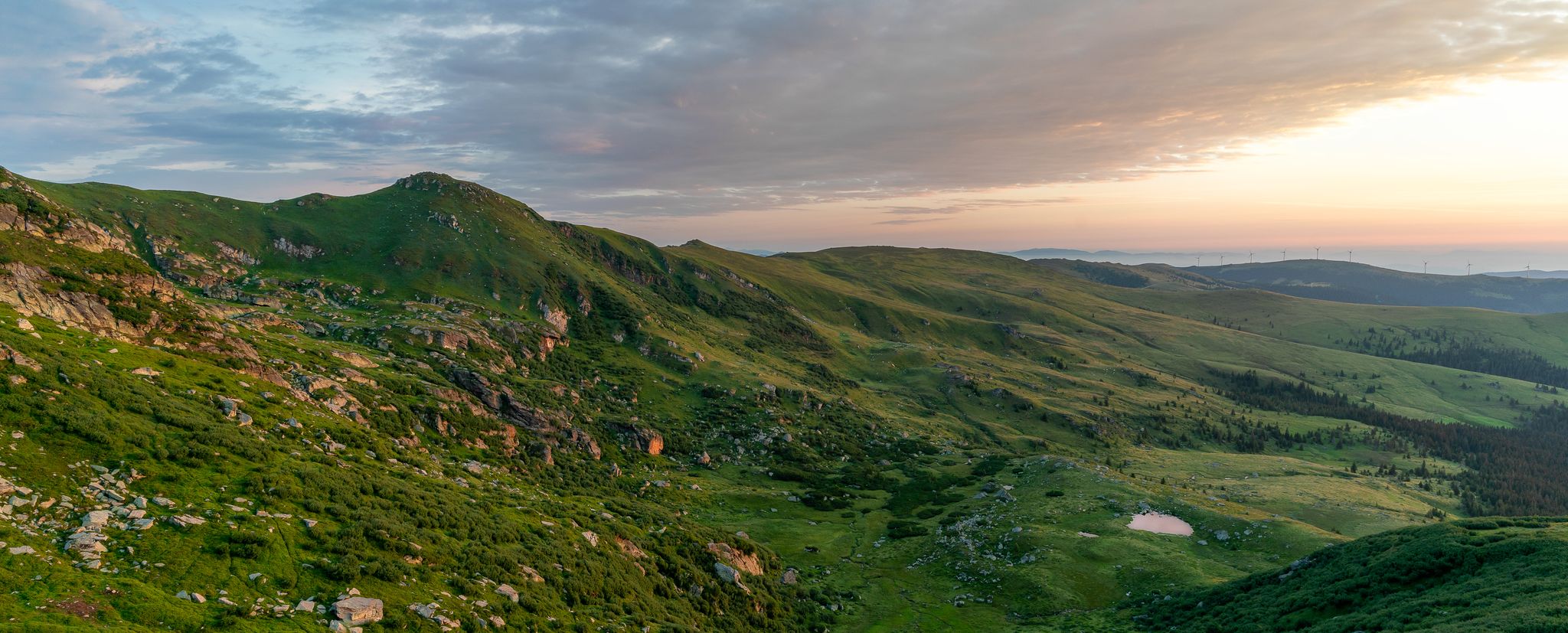
North-South Trail through Austria – Small country, big paths!
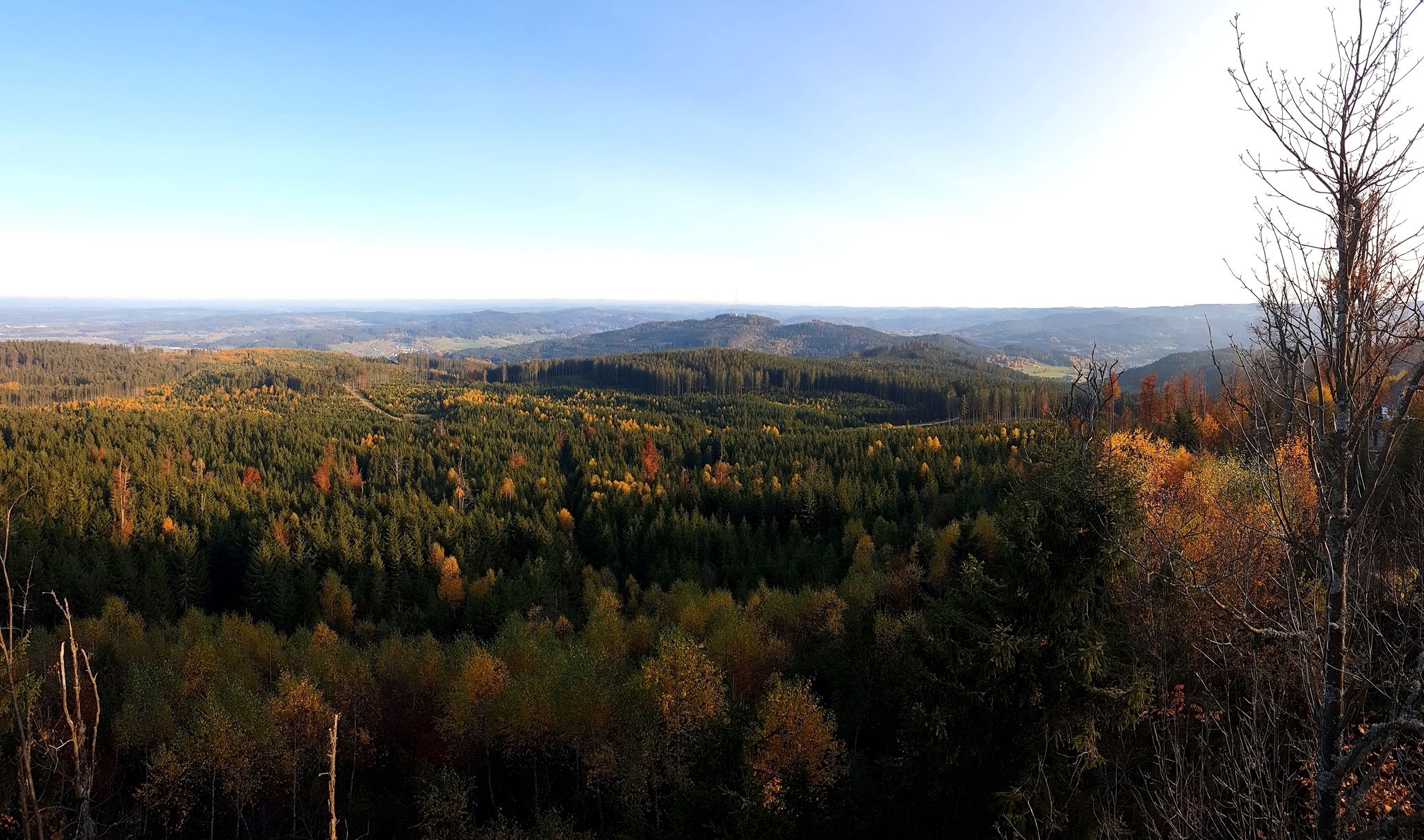
Nordwaldkamm trail – Hiking between the Czech Republic and Austria
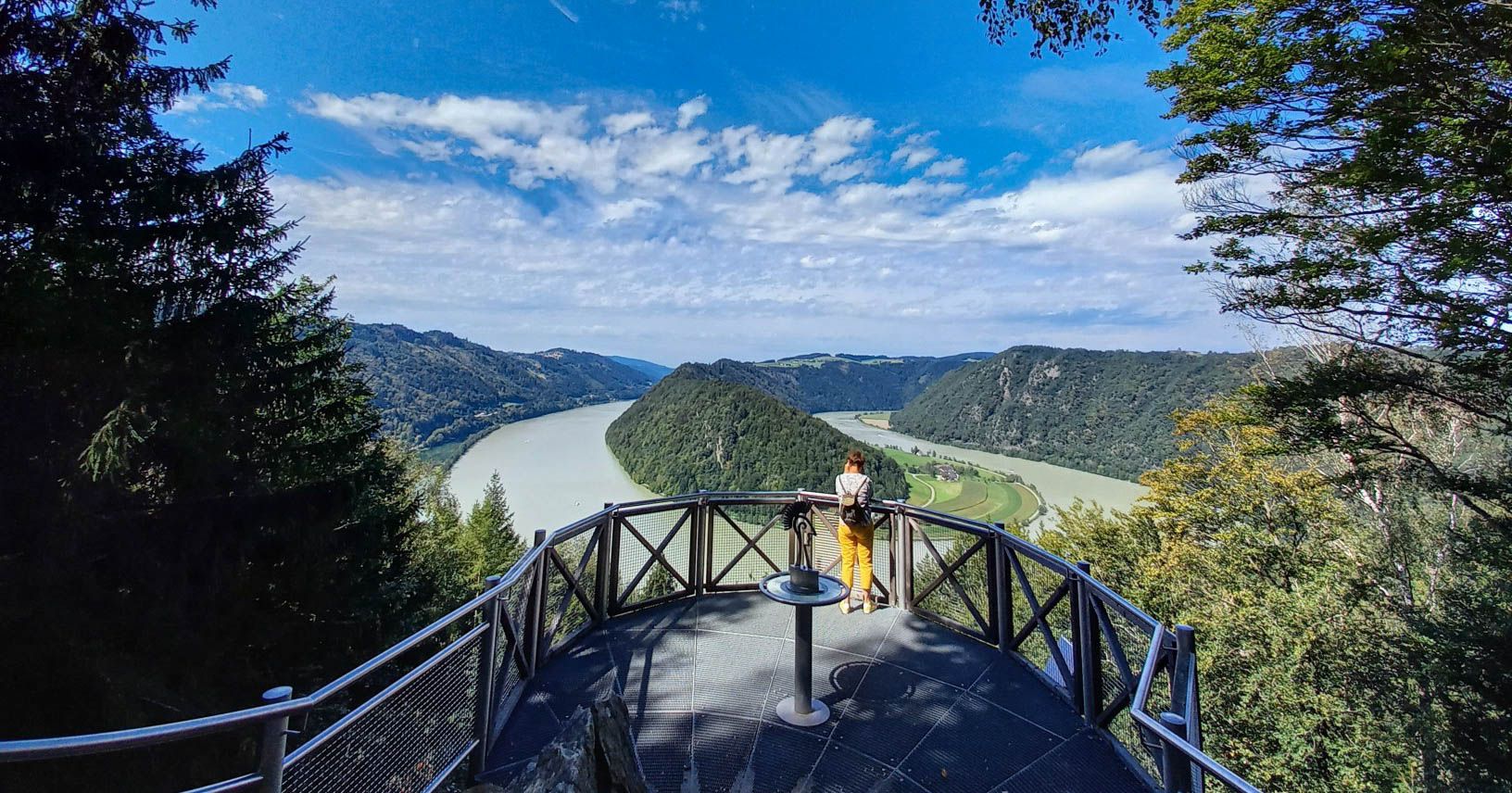
Danube Trail – Legendary long-distance hiking along the Danube River
Other adventures in the Mühlviertel


Tips from the Community

The Scheiblingturm, a historic component of Freistadt's city fortifications, owes its name to its characteristic floor plan, which resembles a disc. This round tower is one of two towers built in the 15th century to strengthen the city's defense. The construction of these round towers was a direct reaction to the Hussite attacks, who attempted to take Freistadt. Although the Hussites failed, they left behind burnt suburbs, which made it clear to the people of Freistadt how important improved protection of the city walls and especially the water system was. Particular attention was paid to the protection of the city moat, which played a central role in the defense strategy. The water inlet and outlet at the lowest point of the moat were specifically secured to prevent manipulation or sabotage by attackers. The Scheiblingturm thus stood as a strategically important point not only for the protection of the city walls but also for securing the water supply in the moat. Thus, the Scheiblingturm contributed significantly to increasing the city's defense. Its robust construction and location enabled the defenders to repel attacks and protect the city's vital infrastructure from enemy interference. Even today, the Scheiblingturm is a reminder of these times and the importance of well-thought-out city security in the Middle Ages.
5
0
The Böhmertor, a historical landmark in the north of the old town Anyone strolling through the northern alleys of the old town will inevitably encounter the imposing Böhmertor. This gate owes its name to its direct connection to Bohemia, more precisely to the trade route that began here, the Prager Straße. Since the city's founding, the structure, built from robust granite stones, has served as an important defensive structure and guarded the access to the old town. Upon closer inspection, the coat of arms of the town of Freistadt catches the eye, adorning the gate and lending it a special dignity. Despite numerous fires in the city center, the Böhmertor stood firm; even the devastating city fire of 1880 could only do it little harm, although the original wooden roof was lost at that time. An exciting detail on the sidelines: while the flames destroyed many buildings back then, the well-situated shop of the Vergeiner brothers was spared because they were in Vienna for study purposes at the time. For every city stroller, the Böhmertor is not only a testament to past times but also a living piece of history that tells stories of trade, defense, and unwavering resilience. Those who linger here can almost feel the pulse of the history that has shaped this city.
1
0

The Falkensteiner Hotel Bad Leonfelden.
0
0
Miesenwald loop trail on the hiking trail near Kastner Lebzelterei on the outskirts of Bad Leonfelden.
0
0
Panoramic view from Bad Leonfelden Kastner Lebzelterei into the Mühlviertel region.
0
0
The town hall stands at the western end of the main square, northeast of the parish church in the town of Bad Leonfelden in the Mühlviertel region.
0
0
The parish church in Bad Leonfelden is dedicated to St. Bartholomew.
0
0

In this oldest gingerbread house in the country, a master of the Kastner dynasty practiced the gingerbread craft as early as 1559. The family business has been passed down from father to son through 13 generations.
0
0
Frequently Asked Questions
How many urban hiking trails are available in the Mühlviertel region?
The Mühlviertel region offers a wide selection of urban hiking trails, with over 40 routes available for you to explore. These trails cater to various preferences, ensuring there's something for everyone.
What kind of terrain can I expect on urban hikes in the Mühlviertel?
Urban hikes in the Mühlviertel often feature a mix of paved paths, gravel trails, and sometimes natural, unpaved sections as they weave through towns and their surrounding green spaces. The region is known for its distinctive granite formations and gentle rolling hills, which can sometimes be incorporated into these urban routes, offering varied and interesting landscapes.
Are there any easy urban hikes suitable for beginners or families?
Yes, the Mühlviertel has many easy urban hikes perfect for beginners and families. For example, the Bad Leonfelden Market Square – Bad Leonfelden Parish Church loop is a short and gentle option. Another great choice is the Parish Church Steyregg – Steyregg bathing lake loop, which offers pleasant scenery without significant elevation changes.
What are some notable landmarks or attractions I might see on urban trails?
Urban trails in the Mühlviertel often pass by historical sites and natural features. You might encounter charming market squares, parish churches, or even unique geological formations. For instance, the Freistadt – Linzertor Freistadt loop takes you through the historic town of Freistadt. While not directly on urban routes, the region is also home to fascinating natural highlights like the Stillensteinklamm gorge or the Wolfsschlucht Nature and Culture Trail, which are worth exploring nearby.
Are there urban hikes that are circular routes?
Many urban hikes in the Mühlviertel are designed as convenient circular routes, allowing you to start and end at the same point. Examples include the Bad Leonfelden Market Square – Old Salt Road Memorial Stone loop and the Bridge Over the Aist – Pop loop from Schwertberg. These are ideal for a relaxed outing without needing to arrange transport back to your starting point.
What do other hikers enjoy most about urban hiking in the Mühlviertel?
The komoot community highly rates the Mühlviertel's urban hikes, with an average score of 4.6 stars. Reviewers often praise the region's diverse and unspoiled natural landscape, the unique granite formations, and the well-maintained network of trails that seamlessly blend urban exploration with natural beauty.
Is public transport available to access urban hiking trails in the Mühlviertel?
Yes, many towns in the Mühlviertel are accessible by public transport, making it convenient to reach the starting points of urban hiking trails. It's advisable to check local bus or train schedules for specific routes and towns you plan to visit to ensure smooth travel.
Are there parking facilities near the urban hiking trailheads?
Most towns and villages in the Mühlviertel offer public parking facilities, often near town centers or popular attractions, which are usually convenient starting points for urban hikes. Specific parking availability can vary by location, so checking local signage is always recommended.
Can I find cafes or pubs along urban hiking routes in the Mühlviertel?
Absolutely! Urban hikes in the Mühlviertel often pass through or near town centers, where you'll find a variety of cafes, bakeries, and traditional pubs (Gasthäuser). These establishments offer perfect opportunities to take a break, enjoy local refreshments, or grab a meal during your walk.
What is the best season for urban hiking in the Mühlviertel?
The Mühlviertel is beautiful for urban hiking year-round. Spring brings blooming nature, while summer offers warm weather for leisurely strolls. Autumn showcases vibrant foliage, and even winter can be charming with crisp air and potentially snow-dusted landscapes. The choice depends on your preference for weather and scenery.
Are there any specific natural features to look out for on urban walks?
While urban walks focus on towns, they often connect to the Mühlviertel's unique natural heritage. Keep an eye out for the region's characteristic granite formations, which are a defining geological feature. You might also encounter picturesque river valleys or glimpses of the idyllic forests that surround the urban areas.
Most popular routes in the Mühlviertel
Most popular attractions in the Mühlviertel

Get inspired with the komoot mobile app


Didn’t find what you were looking for?
Check out more Hikes throughout Mühlviertel below and find the perfect route in your destination.
Explore more
Browse the best Hikes in other regions.
