Obere Allerniederung Bei Celle
Obere Allerniederung Bei Celle
Top 5 Natural Monuments in Obere Allerniederung Bei Celle
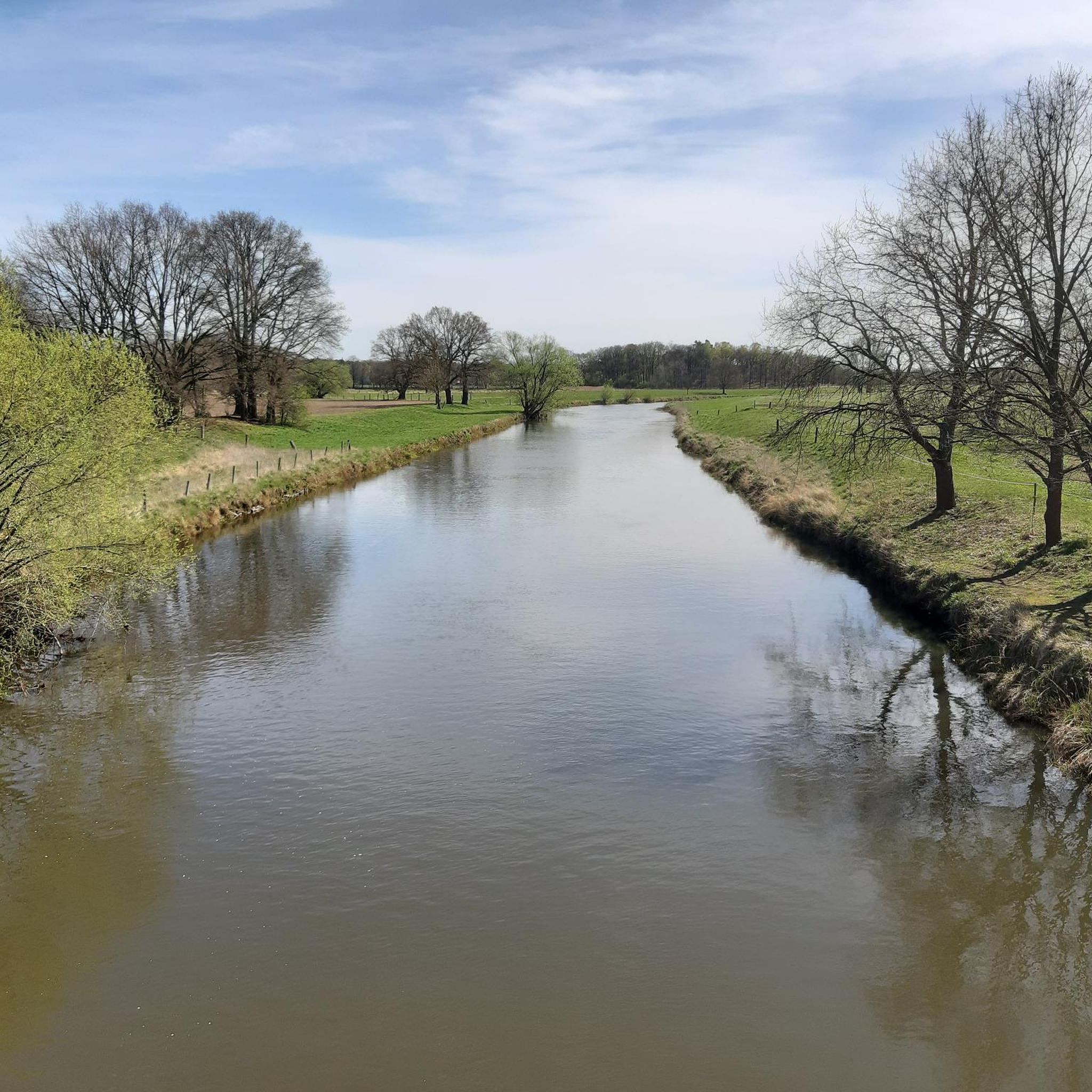
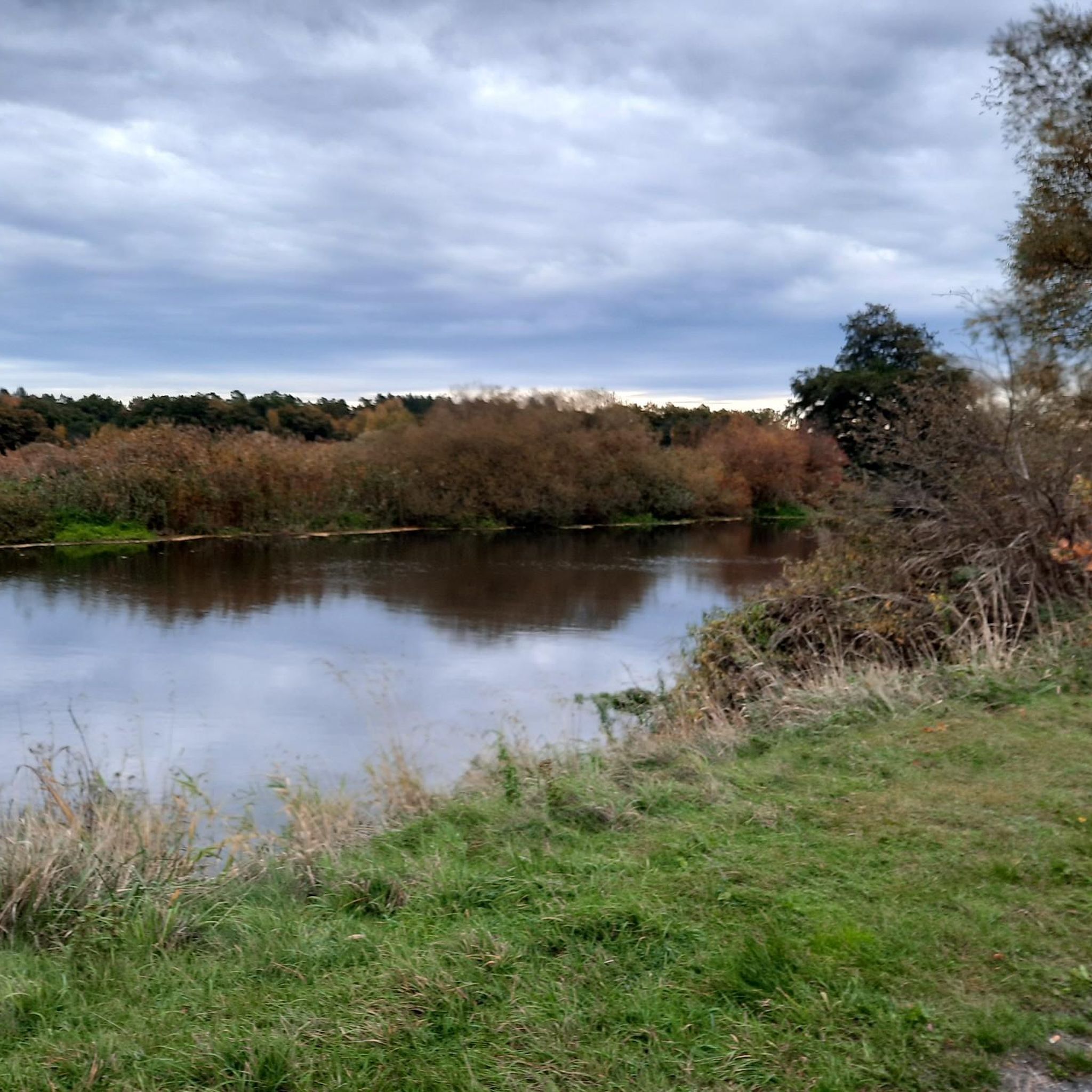
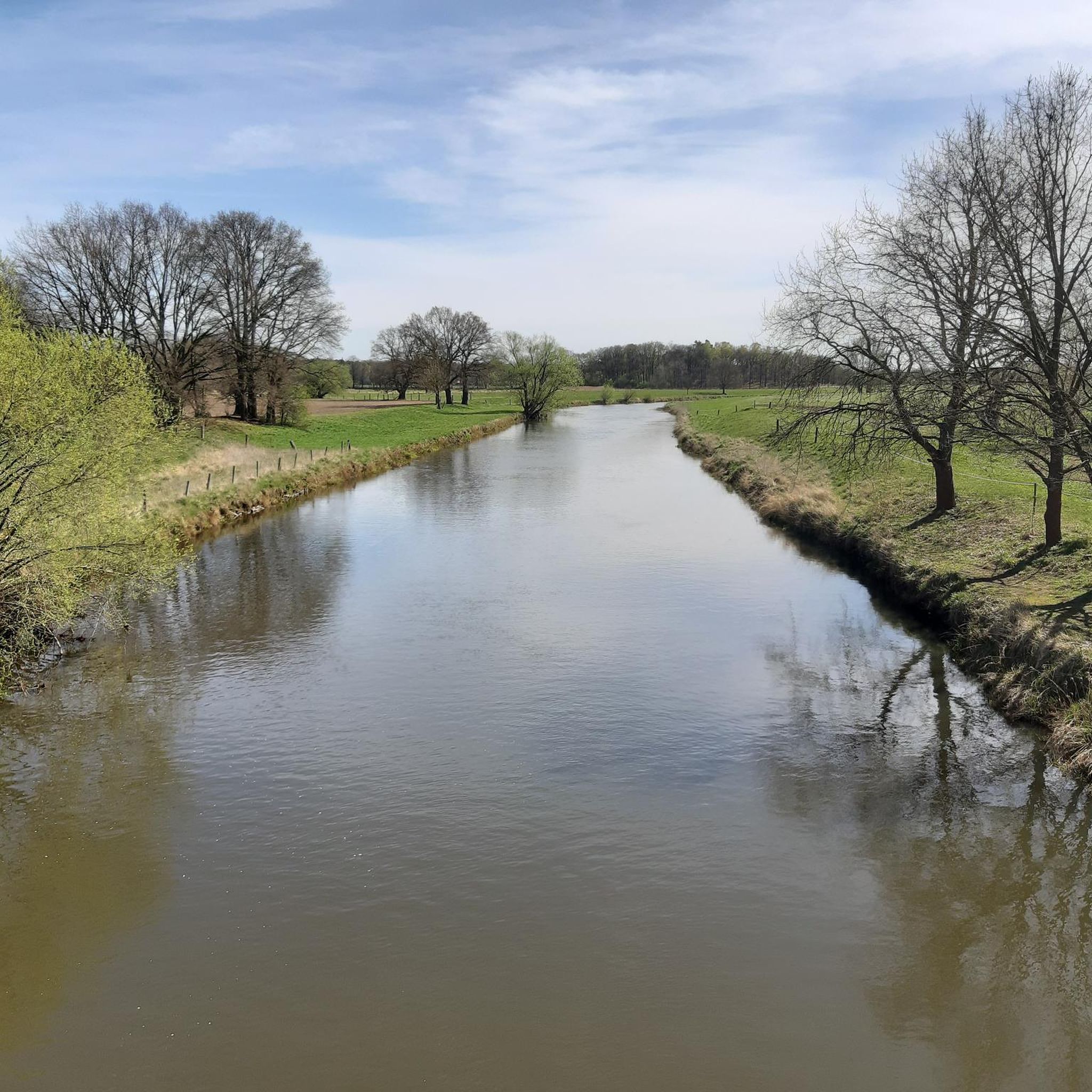
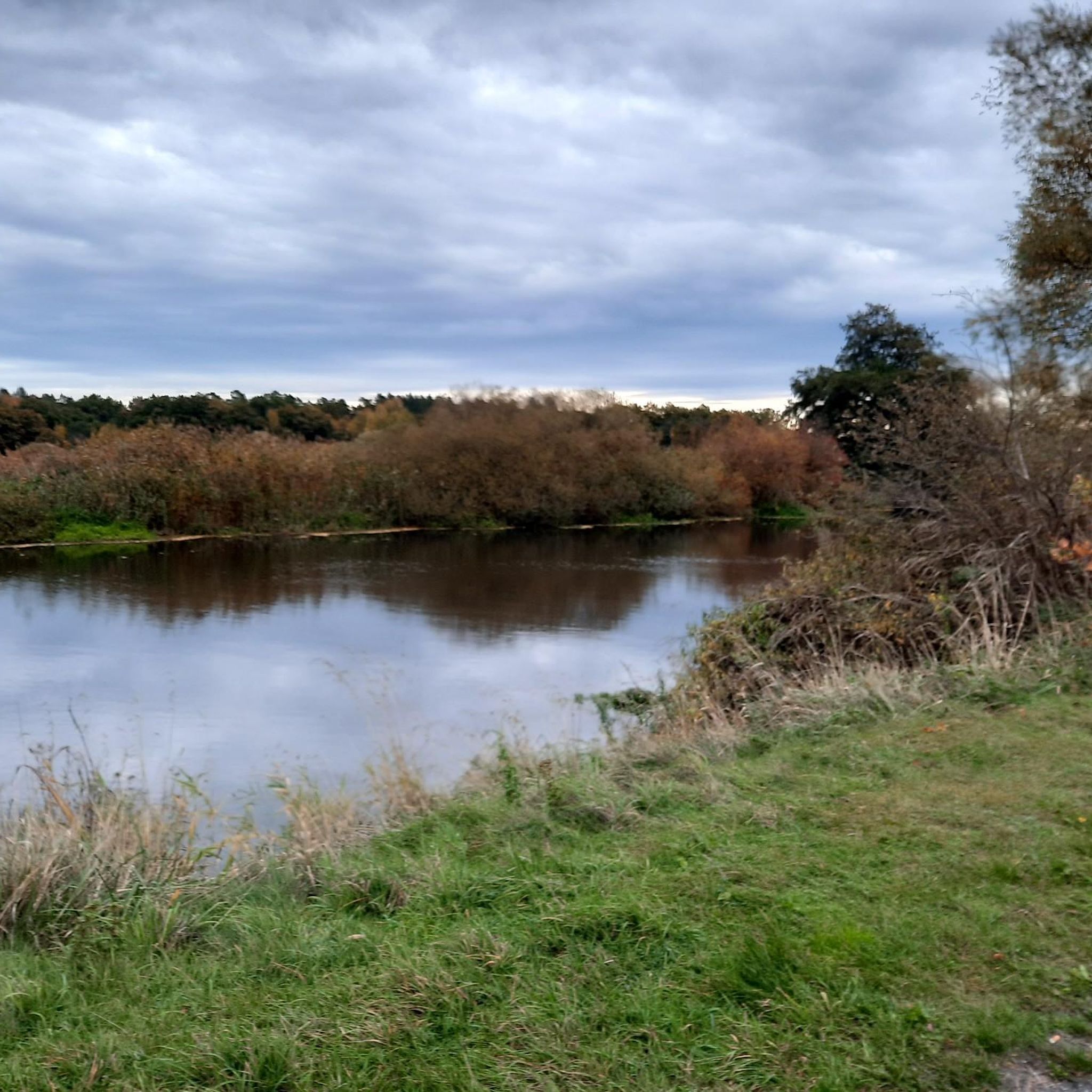
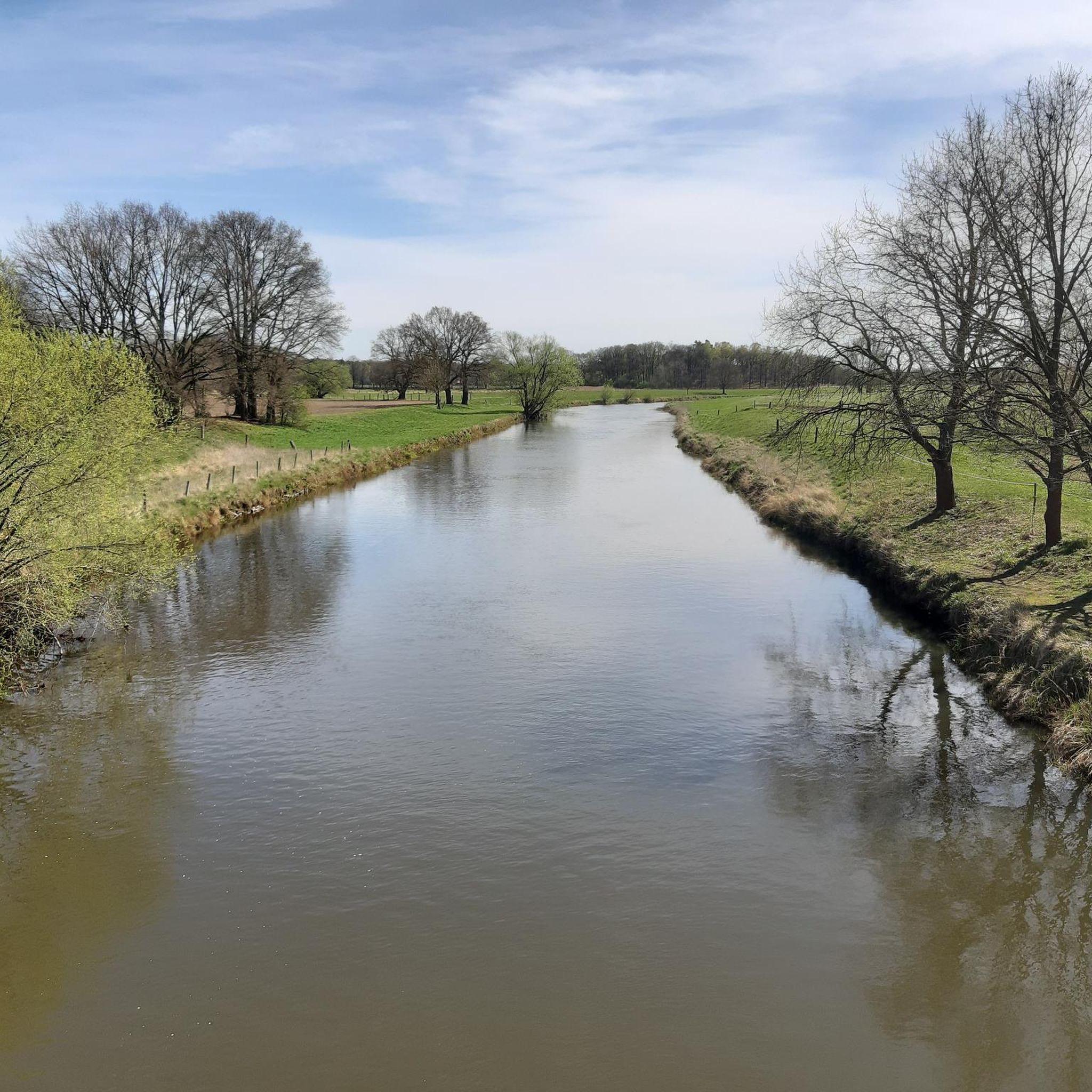
Best natural monuments in Obere Allerniederung Bei Celle are primarily found within a significant nature reserve, encompassing approximately 239 hectares. This area is characterized by the Aller River and its floodplains, which shape a dynamic landscape of diverse biotopes. The region offers a variety of habitats, including riparian woodlands, wet meadows, and species-rich grasslands, supporting rich biodiversity. It serves as a vital refuge for numerous protected plant and animal species, making it a key location for nature observation.
Best natural…
Last updated: July 5, 2026
Obere Allerniederung Nature Reserve near Celle
Highlight • Natural
Translated by Google •
Tip by

Dammaschwiesen Celle
Highlight • Natural
Translated by Google •
Tip by

Sign up now to discover places like this
Get recommendations on the best single tracks, peaks, & plenty of other exciting outdoor places.
Sign up for free
Medicinal herb garden
Highlight • Natural
Translated by Google •
Tip by
Chestnut Avenue on the Osterdeich
Highlight • Natural Monument
Translated by Google •
Tip by

Heather Field in Obere Allerniederung Nature Reserve
Highlight • Natural
Translated by Google •
Tip by

Sign up for free to discover even more natural monuments in Obere Allerniederung Bei Celle.
Sign up for free
Already have an account?
Start today with a free account
Your next adventure awaits.
Login or Signup
Popular around Obere Allerniederung Bei Celle

Tips from the Community

The heath in the middle of the Upper Allerniederung nature reserve!
0
0

Please stay on the path, nature will thank you 😉
1
0
At this time of year (August) you can sometimes imagine the path through the heath more than see it, but if you push the heather bushes aside and find your way, you can hardly get lost. The heather blossom is already clearly visible, even though it was only August 9th.
1
0

A nice connection from Celle to Altencelle
1
0

50 white-blossoming horse chestnuts grow on the Allerdeich, 198 on the Osterdeich and 237 on the Philipp-Simon-Dawosky-Allee, the former fishing dyke. Still. Because over the next few years, the leaf miner and the bacterium Pseudomonas will continue to damage the trees. "They've been plaguing the plants for years," says the tree expert. "It's the interaction of the leaf miner and Pseudomonas," says Hoppenstedt, who knows the pests very well. While the insect ensures that the trees are no longer able to carry out photosynthesis to the required extent by laying their eggs on the leaves, the plants, which are around 60 to 80 years old, absorb the bacteria from the ground. "Pseudomonads often thrive on dead organic material, and they're often found close to roots." And the combination of these two pests kills trees after several growing seasons. "Then fungi develop, such as rattle fungus and oyster mushrooms, which in turn cause white rot in the wood." Source (October 2016): https://www.cz.de/Celle/Aus-der-Stadt/Celle-Stadt/Celler-Kastanien-bald-nicht-mehr-zu-retten
3
0

In fact, it was my first time there... This avenue alone is amazing. Quite a lot of traffic….
2
0
At the Osterdeich there is a 1800m long avenue with chestnuts, probably planted in 1935.
2
0

Avenue on the Osterdeich along the Aller. Old horse chestnuts probably around 90 years old. https://www.baumkunde.de/baumregister/6655-kastanienallee_am_osterdeich/
3
0
Frequently Asked Questions
What natural features can I expect to see in the Obere Allerniederung bei Celle?
The Obere Allerniederung bei Celle is a significant nature reserve characterized by the Aller River and its dynamic floodplains. You'll find a variety of habitats, including small-scale riparian and fen woodlands, wet thickets, wet meadows, species-rich grasslands, reed beds, and numerous smaller still waters. These diverse biotopes create a rich and varied landscape to explore.
Are there specific natural monuments within the Obere Allerniederung Nature Reserve worth visiting?
Yes, while the entire area is a natural monument, some specific spots stand out. Visitors particularly enjoy the Heather Field in Obere Allerniederung Nature Reserve, a beautiful heather area nestled within the forest. Another popular spot is the Chestnut Avenue on the Osterdeich, an 1800m long avenue of old horse chestnuts offering scenic views along the Aller River.
What kind of wildlife can be observed in the Obere Allerniederung bei Celle?
The nature reserve is a vital refuge for a multitude of protected plant and animal species. Keep an eye out for otters, rare fish species like the spined loach and bitterling, and flat river mussels. It's also an excellent location for birdwatching, with species such as the corn crake, little grebe, spotted crake, and lapwing frequently sighted.
Are there any historical sites or cultural landmarks in the area?
Yes, the area offers a glimpse into ancient history. You can visit the Iron Age Burial Mounds on Schwalbenberg. These urn fields, discovered in the 1920s-30s, date back 2600 years, offering a tangible connection to the early Iron Age.
What recreational activities are available in the Obere Allerniederung bei Celle?
The area provides ample opportunities for outdoor activities. There's a dense network of walking and cycling paths along the Aller and Lachte rivers. Canoeing is also an option for those who wish to experience the river from the water. You can find various routes for hiking, running, and gravel biking in the region.
Are there easy walking or hiking trails suitable for all ages?
Absolutely. The Obere Allerniederung offers many easy walking routes. A popular hiking trail runs from Altencelle to Celle over the Pfennigbrücke, which is suitable for all ages. For more options, you can explore easy hikes in Obere Allerniederung Bei Celle, which includes routes like the 'Chestnut Avenue on the Osterdeich – Gertrudenkirche Altencelle loop'.
Can I go cycling in the Obere Allerniederung bei Celle?
Yes, the area features a well-developed network of cycling paths, particularly along the Aller and Lachte rivers. These paths allow you to immerse yourself in the tranquil natural surroundings. For gravel biking enthusiasts, there are several routes available; check out the gravel biking guide for Obere Allerniederung Bei Celle for detailed routes.
Are there options for running trails in the Obere Allerniederung bei Celle?
Yes, the region offers various running trails for different fitness levels. You can find routes like the 'Running loop from Obere Allerniederung bei Celle' or longer, more challenging options. For a comprehensive list of routes, refer to the running trails guide for Obere Allerniederung Bei Celle.
Is the Obere Allerniederung bei Celle suitable for families?
Yes, the Obere Allerniederung is very family-friendly. Many of the natural features and trails, such as the Obere Allerniederung Nature Reserve near Celle and the Chestnut Avenue on the Osterdeich, are categorized as family-friendly. The easy walking paths and opportunities for nature observation make it an enjoyable destination for all ages.
What is the best time of year to visit the Obere Allerniederung bei Celle?
The Obere Allerniederung bei Celle can be enjoyed year-round, but each season offers a different experience. Spring brings lush greenery and blooming flora, while summer is ideal for cycling and canoeing. Autumn showcases beautiful fall colors, and even in winter, the tranquil river landscape has its own serene charm. For specific highlights like the Heather Field, late summer (August/September) is best for seeing the heather in bloom.
How accessible is the Obere Allerniederung bei Celle from Celle?
The nature reserve is highly accessible, located just a few steps from the historic city of Celle. Its proximity to the city allows for a unique blend of urban convenience and natural wilderness, making it easy to reach for a day trip or a short escape into nature.
Are there any unique or 'hidden gem' spots to discover?
Beyond the well-known paths, the Medicinal herb garden is a unique spot. It's one of the largest of its kind in Europe, inviting visitors to stroll among fragrant medicinal herbs and learn about their uses. You can also get an excellent view of the garden from the river side of the Aller.
Can I bring my dog to the natural monuments in Obere Allerniederung bei Celle?
While the guide data does not explicitly state dog-friendly policies for every single highlight, nature reserves generally welcome dogs on leashes. Given the extensive network of walking and cycling paths, it's a popular area for dog owners. Always ensure your dog is kept under control and follow local signage regarding pets.
Most popular routes in Obere Allerniederung Bei Celle
Most popular attractions in Obere Allerniederung Bei Celle

Get inspired with the komoot mobile app


Explore more
Extend your search for the best caves by checking out these guides of the top ones in Obere Allerniederung Bei Celle:
