Top 5 Natural Monuments in Eugenio Espejo (Calpaqui)
Best natural monuments in Eugenio Espejo (Calpaqui) include volcanic lakes, significant waterfalls, and viewpoints offering expansive vistas. The region's landscape features diverse natural attractions, from high-altitude lagoons to sacred trees. These sites often hold cultural importance for local communities, adding to their significance. Visitors can explore a variety of natural settings, reflecting the area's geological and cultural heritage.
Best natural monuments in Eugenio Espejo (Calpaqui)
- The most popular natural monument is Peguche Waterfall, a waterfall with beautifully landscaped hiking trails. This site is considered a sacred place by local communities, where rituals and ceremonies are performed.
- Another must-see spot is San Pablo Lake, a lake of volcanic origin situated at 2,660 meters above sea level. Visitors can take boat rides across the lake, which is known as Imbacocha in Kichwa.
- Visitors also love El Lechero Sacred Tree and Viewpoint, a viewpoint featuring an ancient tree considered sacred. From this location, views of San Pablo Lake, the Fuya Fuya Mountains, and the city of Otavalo are visible.
- Eugenio Espejo (Calpaqui) is known for its waterfalls, lakes, and viewpoints. The area offers a variety of natural monuments to see and explore, each with distinct geological and cultural characteristics.
- The natural monuments in Eugenio Espejo (Calpaqui) are appreciated by the komoot community, with 11 upvotes and 11 photos shared across the highlights.
Last updated: July 4, 2026
Peguche Waterfall
Highlight • Waterfall
Entrance fees are required.
Translated by Google •
Tip by

El Lechero Sacred Tree and Viewpoint
Highlight • Viewpoint
From the El Lechero viewpoint you can see Lake San Pablo, the Fuya Fuya Mountains, the Cotacachi Volcanoes, Imbabura and a great view of the city of Otavalo. The place where the tree stands is considered a sacred place with healing powers by local people. There are indigenous Otavaleños who perform many purification rituals and spiritual ceremonies.
El Lechero is a place open to the public, where you can not only take beautiful photos, but also have picnics. To get there, you'll have to walk a steep 5km or so from Otavalo or hire a taxi for around $4 each way. There is no transport at the top. Ask the driver to wait if he doesn't want to go back.
Source: planetandes.com/es/ecuador/andes/imbabura/otavalo/el-lechero-arbol-sagrado-otavalo
Translated by Google •
Tip by
Sign up now to discover places like this
Get recommendations on the best single tracks, peaks, & plenty of other exciting outdoor places.
Sign up for free
San Pablo Lake
Highlight • Lake
Source: de.wikipedia.org/wiki/Lago_San_Pablo
You can take boats across the lake. There are a few stalls at the departure point.
Translated by Google •
Tip by
Laguna Caricocha or Lagunas de Mojanda
Highlight • Lake
Translated by Google •
Tip by

Scenic viewpoint Lagunas de Mojanda
Highlight • Viewpoint
Translated by Google •
Tip by
Sign up for free to discover even more natural monuments in Eugenio Espejo (Calpaqui).
Sign up for free
Already have an account?
Start today with a free account
Your next adventure awaits.
Login or Signup

Tips from the Community

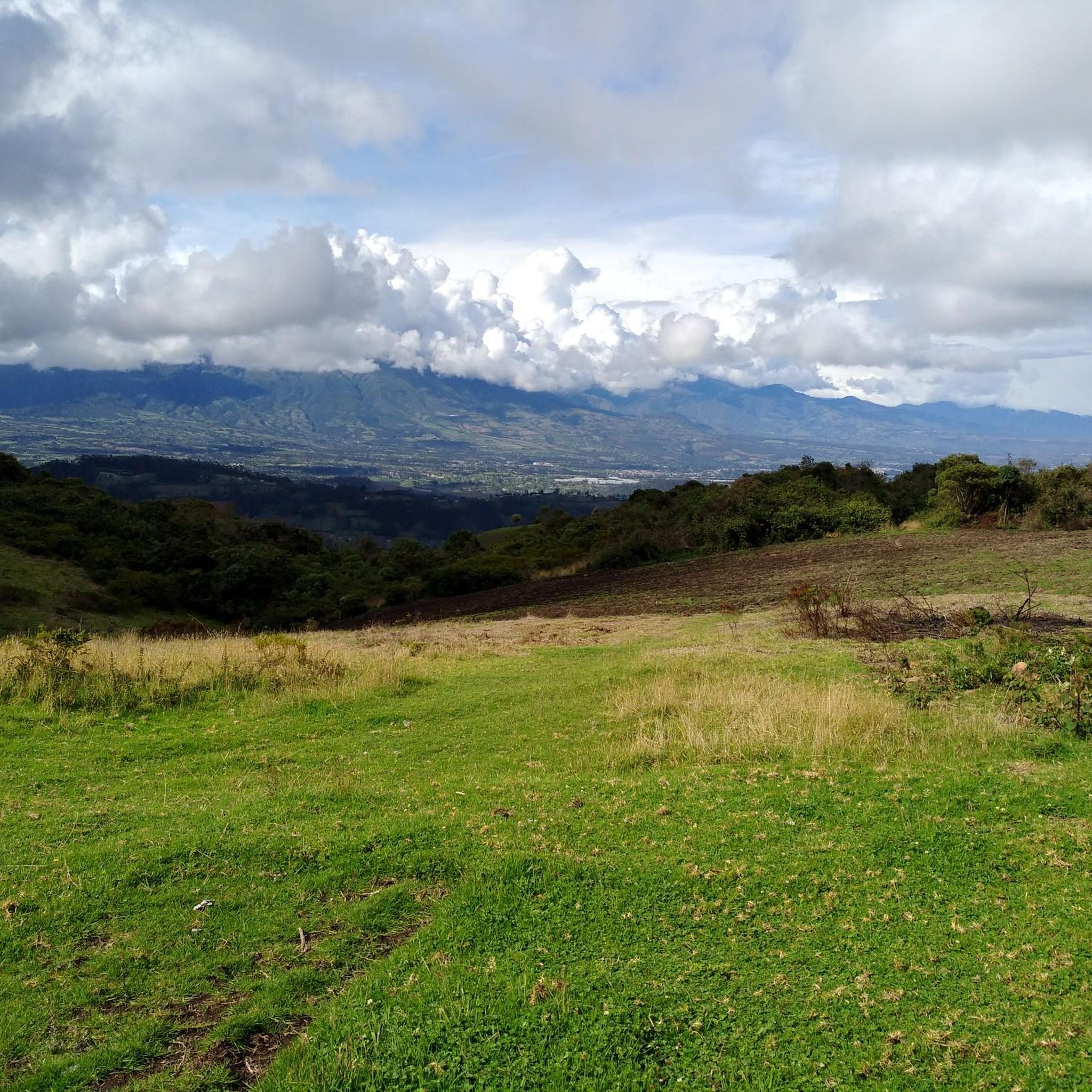
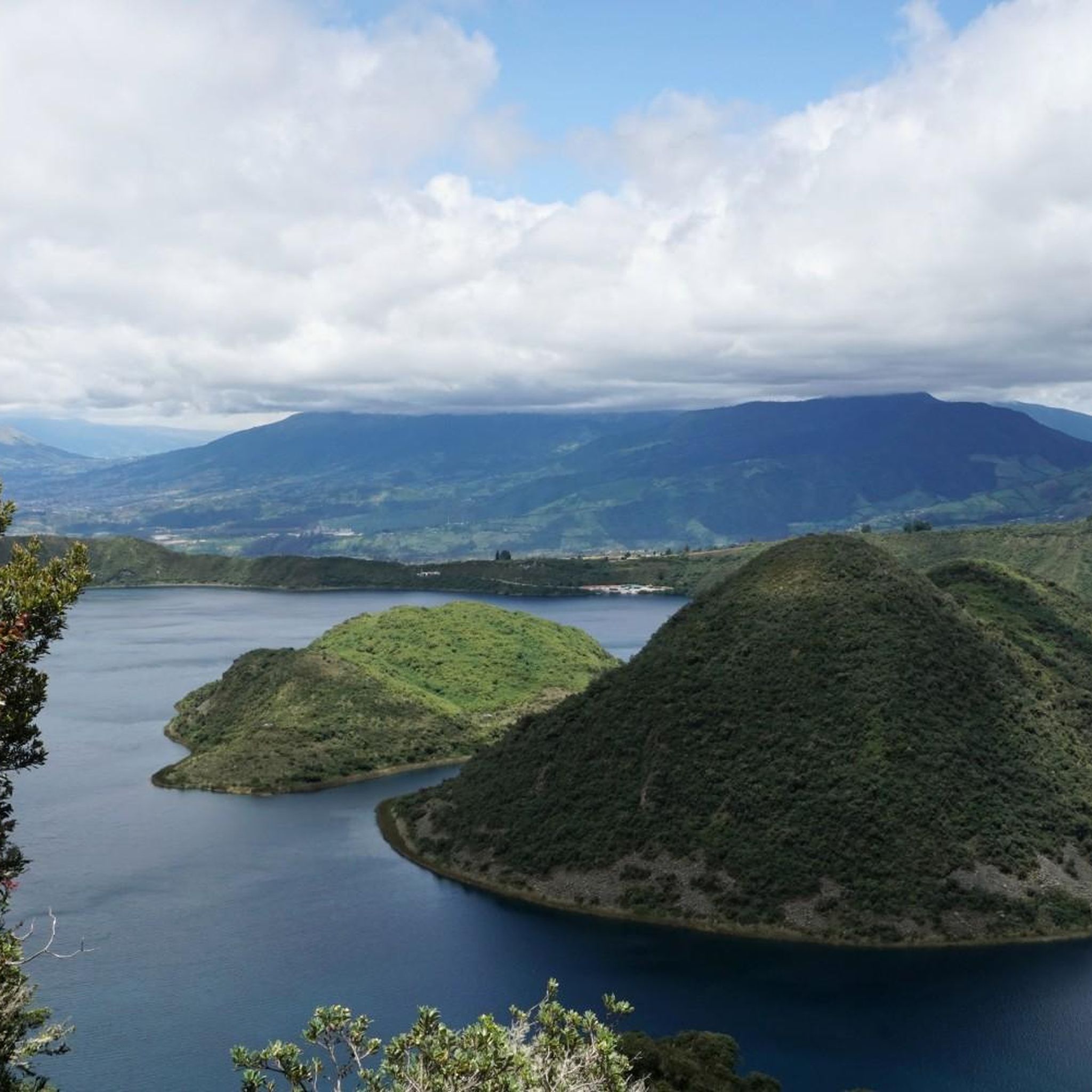
From this panoramic point (about 4,000 meters above sea level) you can observe the three lagoons that form the Lagunas de Mojanda complex: Caricocha lagoon, Huarmicocha lagoon and Chiriacu lagoon. The climb on the dirt road to get here is challenging but the ride on the dark volcanic sand is an unforgettable experience.
1
0
The Lagunas de Mojanda is a complex of three lagoons that formed within the cone of an inactive stratovolcano. The first lagoon, the largest is called Laguna Caricocha. The road to reach the lagoon from Otavalo is very steep and cobbled, but the view and tranquility are worth the effort.
0
0

Look for a sacred place with beautifully landscaped hiking trails. At the top you can crawl through narrow caves and discover other smaller waterfalls. Entrance fees are required.
2
0
El Lechero is a viewpoint whose tree at the top of the hill is considered sacred. Although unknown to many people, this tranquil spot offers beautiful views of the surrounding area. Located in Otavalo, Ecuador near Condor Park. El Lechero, Otavalo's sacred tree, is part of local mythology and is believed to house the soul of a cursed lover who fell in love with a boy from a rival family. And then it was transformed into nearby Lake San Pablo. From the El Lechero viewpoint you can see Lake San Pablo, the Fuya Fuya Mountains, the Cotacachi Volcanoes, Imbabura and a great view of the city of Otavalo. The place where the tree stands is considered a sacred place with healing powers by local people. There are indigenous Otavaleños who perform many purification rituals and spiritual ceremonies. El Lechero is a place open to the public, where you can not only take beautiful photos, but also have picnics. To get there, you'll have to walk a steep 5km or so from Otavalo or hire a taxi for around $4 each way. There is no transport at the top. Ask the driver to wait if he doesn't want to go back. Source: https://www.planetandes.com/es/ecuador/andes/imbabura/otavalo/el-lechero-arbol-sagrado-otavalo/
2
0
Lake San Pablo or Imbacocha, Spanish Lago San Pablo, Kichwa: Impakucha ("Lake of the Andean Climbing Catfish": impa "Andean Climbing Catfish", kucha "lake") is located in the province of Imbabura in northern Ecuador, at 2,660 m above sea level, below the Imbabura volcano, has a water surface of about 1.8 km² and is of volcanic origin. Source: https://de.wikipedia.org/wiki/Lago_San_Pablo You can take boats across the lake. There are a few stalls at the departure point.
0
0

El Lechero is an ancient tree on a hilltop above Otavalo overlooking the San Pablo Lagoon, Otavalo and Imbabura Volcano. What is special about this tree is not only its age (it is said to be more than a thousand years old), but also its religious background. According to the indigenous people, it is said to have healing abilities. It is not for nothing that he is visited and worshiped for rituals or weddings
0
1

Frequently Asked Questions
What natural features can I explore in Eugenio Espejo (Calpaqui)?
Eugenio Espejo (Calpaqui) offers a diverse range of natural features. You can visit volcanic lakes like San Pablo Lake, impressive waterfalls such as Peguche Waterfall, and various viewpoints like El Lechero Sacred Tree and Viewpoint, which provide panoramic vistas of the surrounding landscape and other natural monuments.
Are there any sacred natural sites in Eugenio Espejo (Calpaqui)?
Yes, the region is rich in culturally significant natural sites. Peguche Waterfall is considered a sacred place by local communities, where rituals and ceremonies are performed. Similarly, El Lechero Sacred Tree and Viewpoint features an ancient tree believed to have healing powers, and Huanduc Rumi (Sacred Stone) is known as a mystical place for renewing energies.
What kind of outdoor activities can I do near the natural monuments?
The area around Eugenio Espejo (Calpaqui)'s natural monuments is excellent for outdoor activities. You can find numerous hiking trails, including routes around the Mojanda Lakes and to Peguche Waterfall. For more detailed information on hiking, mountain biking, and cycling routes, you can explore the dedicated guides for Hiking in Eugenio Espejo (Calpaqui), MTB Trails in Eugenio Espejo (Calpaqui), and Cycling in Eugenio Espejo (Calpaqui).
Are there family-friendly natural monuments to visit?
Yes, San Pablo Lake is noted as a family-friendly natural monument. Visitors can enjoy boat rides on the lake, and the surrounding area offers a pleasant environment for families to spend time together.
What is the best time to visit the Peguche Waterfalls?
For the most spectacular views of the Peguche Waterfalls, the rainy season from October to May is ideal, as the water flow is at its strongest. However, be aware that heavy rains can lead to muddy trails and potential flooding or landslides.
How difficult are the hiking trails around the natural monuments?
Hiking trail difficulties vary. For instance, the trails around Peguche Waterfall are generally considered easy to moderate. However, routes leading to the Scenic viewpoint Lagunas de Mojanda can be challenging, especially the dirt road ascent to the viewpoint at around 4,000 meters above sea level. Always check specific route details before heading out.
Can I reach the natural monuments using public transport?
While direct public transport might be limited to some sites, taxis are a common way to reach many natural monuments. For example, El Lechero Sacred Tree and Viewpoint can be reached by a taxi ride from Otavalo, or a steep 5km walk. Similarly, the Mojanda lagoons are about a 45-minute taxi ride from Otavalo.
Are there viewpoints offering panoramic views of the region?
Absolutely. El Lechero Sacred Tree and Viewpoint offers stunning views of San Pablo Lake, the Fuya Fuya Mountains, and the city of Otavalo. Additionally, the Scenic viewpoint Lagunas de Mojanda provides a panoramic perspective of the three Mojanda lagoons from approximately 4,000 meters above sea level.
What is special about San Pablo Lake?
San Pablo Lake, also known as Imbacocha, is a volcanic lake situated at 2,660 meters above sea level beneath the Imbabura volcano. It's notable for its volcanic origin and tranquil waters. Visitors can enjoy boat rides across the lake, appreciating the serene landscape. Its Kichwa name, Imbakucha, translates to 'Lake of the Andean climbing catfish'.
What are the Lagunas de Mojanda and what can I do there?
The Lagunas de Mojanda are a trio of high-altitude lagoons, including Caricocha, Huarmicocha, and Chiriacu, visible from the Scenic viewpoint Lagunas de Mojanda. The area is popular for hiking, with trails around the lakes and opportunities to ascend nearby mountains like Fuya Fuya, offering panoramic views on clear days. The terrain can be uneven and muddy during rainy periods.
Can I find places for picnics near the natural monuments?
Yes, some natural monuments are suitable for picnics. El Lechero Sacred Tree and Viewpoint is a place open to the public where you can not only take beautiful photos but also have picnics. Peguche Waterfall also offers areas for picnicking amidst its lush surroundings.
What do visitors enjoy most about the natural monuments in Eugenio Espejo (Calpaqui)?
Visitors frequently appreciate the unique blend of natural beauty and cultural significance. The beautifully landscaped hiking trails at Peguche Waterfall, the tranquil boat rides on San Pablo Lake, and the breathtaking panoramic views from El Lechero Sacred Tree and Viewpoint are often highlighted. The sense of peace and connection to local traditions at these sacred sites also leaves a lasting impression.
Most popular attractions in Eugenio Espejo (Calpaqui)

Get inspired with the komoot mobile app


Explore more
Extend your search for the best caves by checking out these guides of the top ones in Eugenio Espejo (Calpaqui):
