Top 11 Natural Monuments in São Paulo
Natural monuments in São Paulo present a variety of natural landscapes, offering a contrast to the city's urban environment. The region encompasses significant remnants of the Atlantic Forest, providing expansive green spaces and opportunities for outdoor recreation. These areas showcase rich biodiversity, including diverse flora and fauna, and feature numerous landmarks and viewpoints. Visitors can explore a range of natural features, from dense forests to impressive rock formations and waterfalls.
Best natural monuments in São Paulo
- The most popular natural…
Last updated: July 15, 2026
Limoeiro Viewpoint
Highlight • Viewpoint
Even before arriving the valleys are magnificent, it is not as isolated as I imagined, but you …
Translated by Google •
Tip by

Paquetá Waterfall
Highlight • Waterfall
Tip by

Sign up now to discover places like this
Get recommendations on the best single tracks, peaks, & plenty of other exciting outdoor places.
Sign up for free
Pontal da Fortaleza
Highlight • Viewpoint
Translated by Google •
Tip by

Meio-Dia Waterfall
Highlight • Waterfall
Translated by Google •
Tip by

Parque Trianon
Highlight • Forest
Tip by

Joanópolis
Highlight • Settlement
Translated by Google •
Tip by

Gruta dos Crioulos
Highlight • Cave
Translated by Google •
Tip by

Pedra do Baú Base
Highlight • Climb
Guide is mandatory (at least on weekends)
Tip by

Pedra Grande Waterfall
Highlight (Segment) • Waterfall
Translated by Google •
Tip by

Instituto Plantarum Botanical Garden
Highlight • Natural
plantarum.org.br
Translated by Google •
Tip by

Sign up for free to discover even more natural monuments in São Paulo.
Sign up for free
Already have an account?
Start today with a free account
Your next adventure awaits.
Login or Signup
Tips from the Community

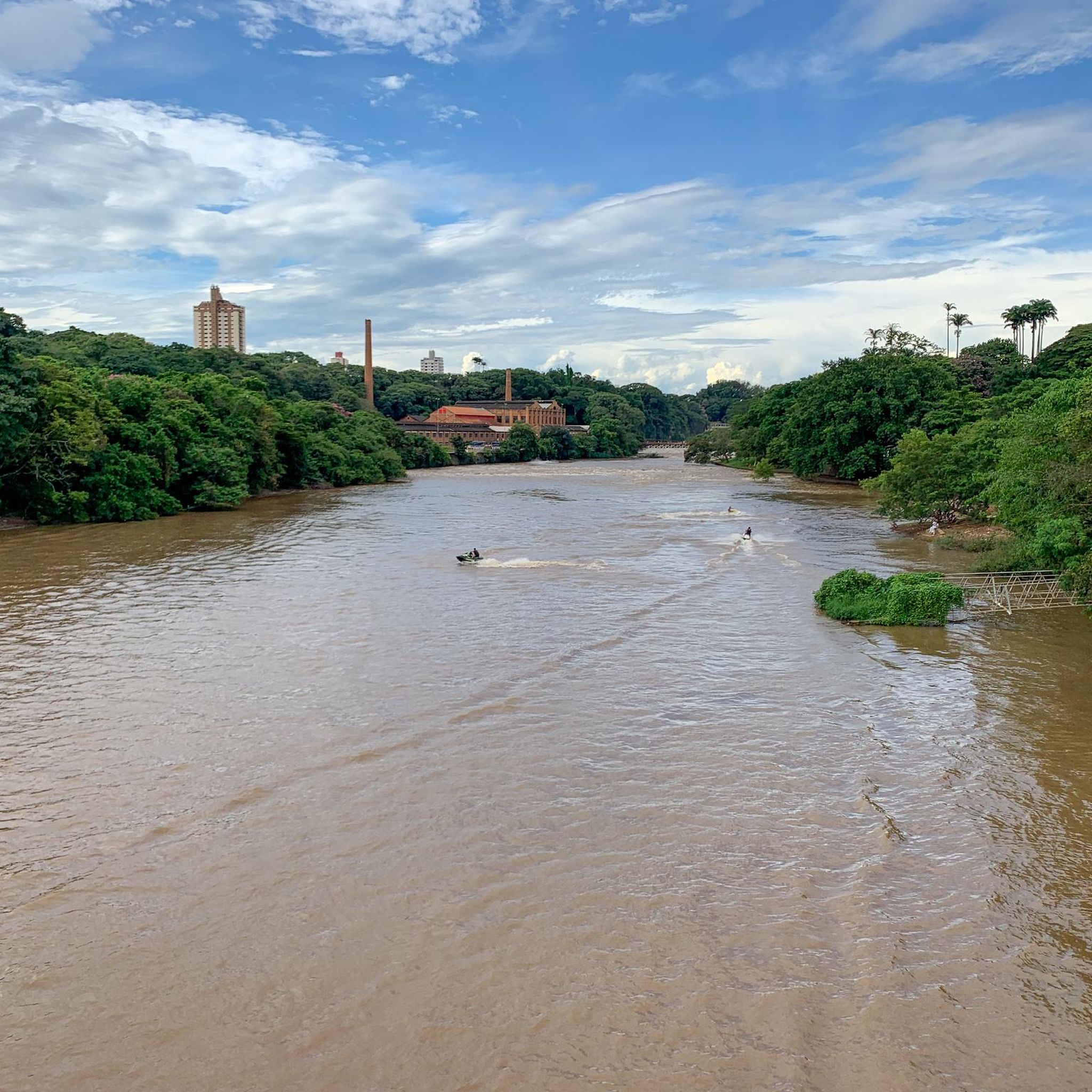
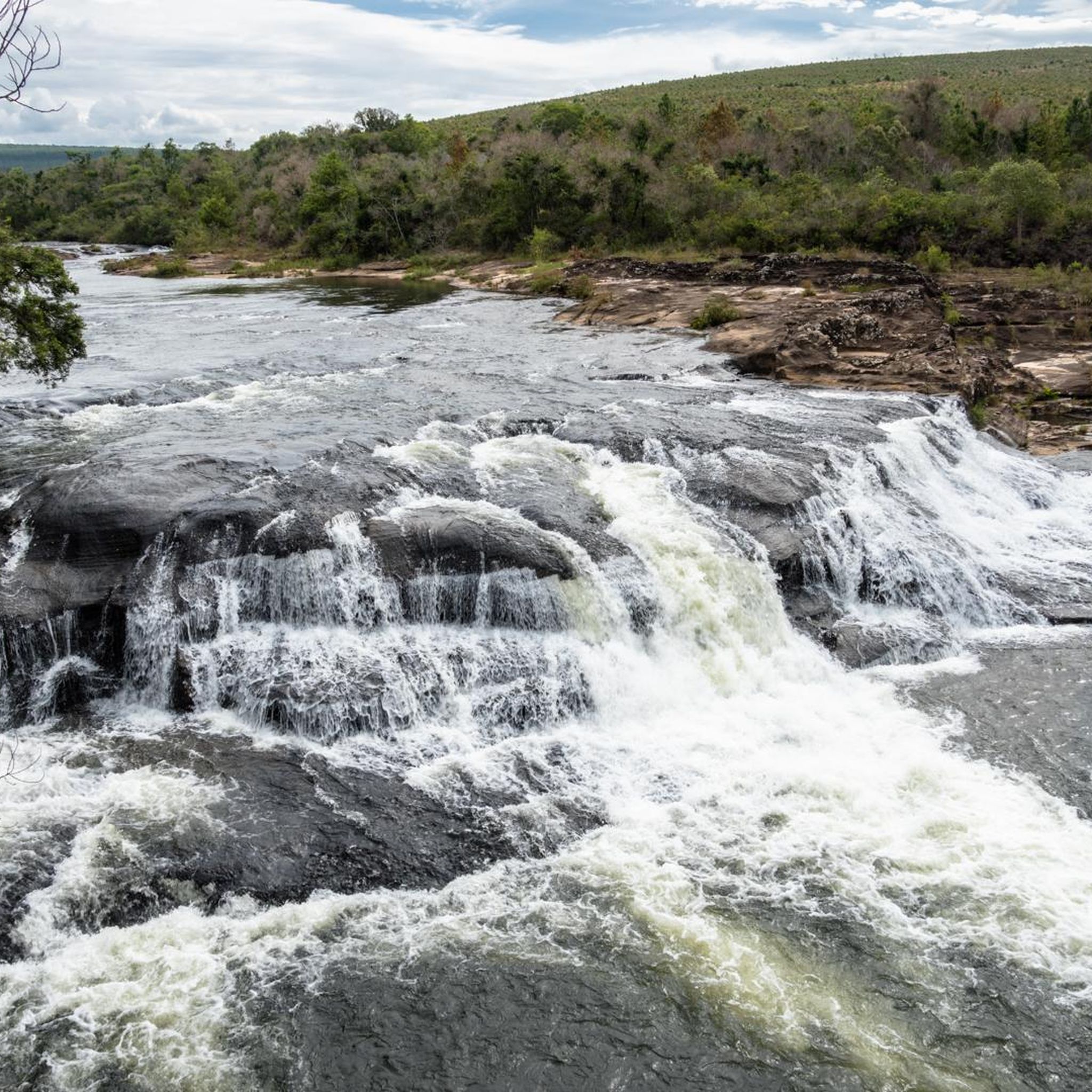
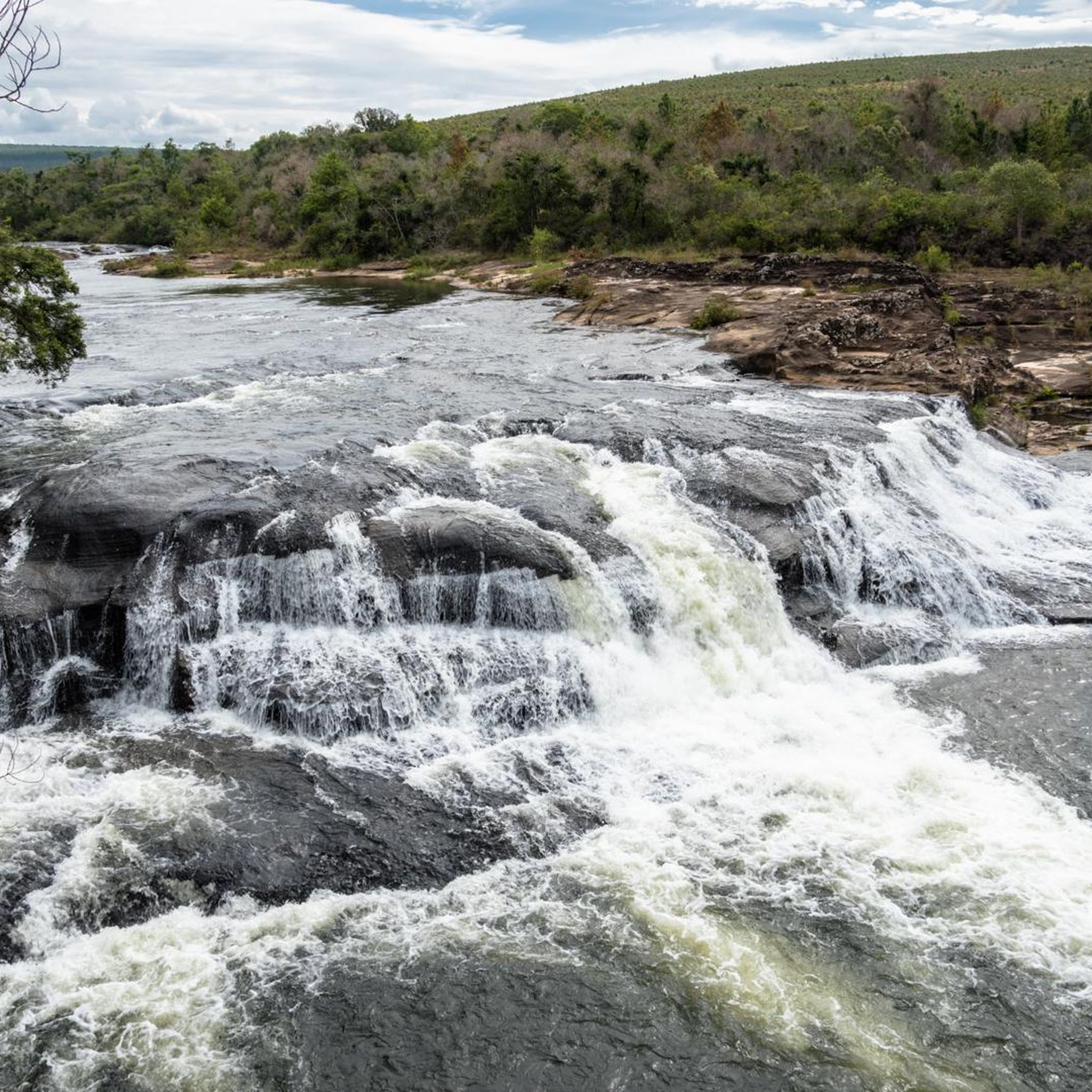
The waterfall got its name from the time of day when the sun shines on its area. To get there, take the Morungaba-Amparo road, near the winding part there is a traffic sign and a few meters inside, a pedestrian crossing through the fence, it is like a turnstile, there is no need to jump the fence because entry is allowed there. To get to the waterfall you need to walk a few meters through the open space, then go down a stretch of dirt stairs in the middle of the trail. If you bring anything (food, drinks and the like), collect the packaging and take back any trash produced.
0
0
Entrance by the edge of the road, at the height of the sign, there is a turnstile-type passage in the fence, no need to jump it, it is not trespassing. If you bring something to eat or drink, take your trash back, if you see other people's trash, take it back if possible. The name Cachoeira do Meio Dia is exactly because the sun shines there at this time, so plan to enjoy the place, go into the water and see the nature around. There is a small trail to be done on foot, between the fence at the edge of the road and the waterfall, some dirt steps, roots and rocks, but it is very worthwhile.
0
0

Most of them go by bike, but the final route is a walking trail, I recommend taking a lock to secure the bikes at the beginning of the final walking trail. You can even take your bike, but the trail is narrow, only one person passes at a time, and you will have to carry the bike on several stretches if you decide to take it with you. Advantage of being free, with no entry fee. It has a large and delightful swimming pool.
0
0

Here you start the climb to Bau, with equipment and schedule (on weekends) Guide is mandatory (at least on weekends)
0
0

Nice park with lots of greenery and art too. The trees provide plenty of shade, so it's pleasantly cool here on hot days.
0
0


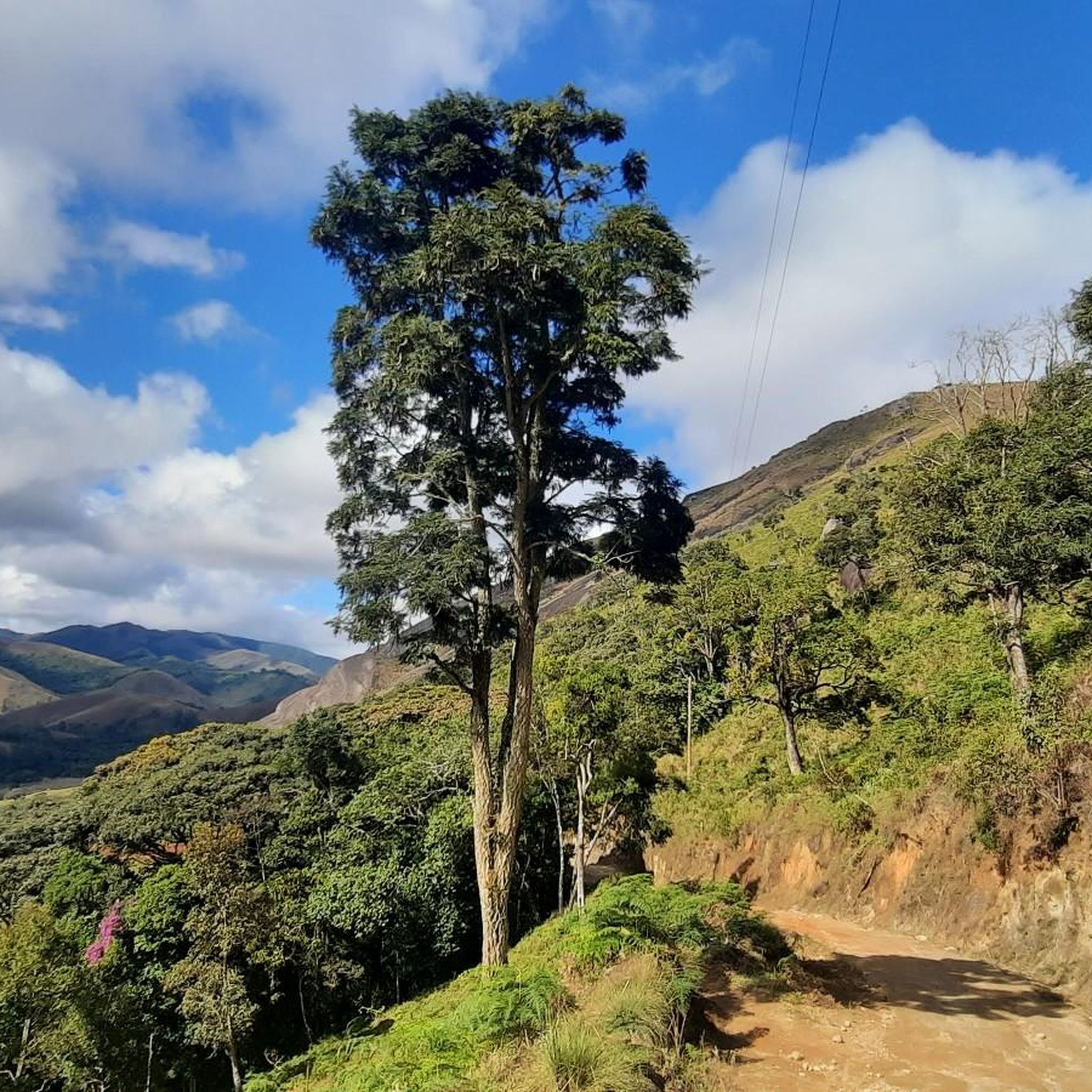
Very impressive when a tree grows out of the rock, which seems to be unaffected by storms and the relentless sun. An example of what nature can do.
0
0

Instituto Plantarum is a botanical research institute in Nova Odessa in the Brazilian state of São Paulo. http://plantarum.org.br/
0
0
Frequently Asked Questions
What kind of natural features can I expect to see in São Paulo's natural monuments?
São Paulo's natural monuments showcase a variety of natural landscapes, including significant remnants of the Atlantic Forest, impressive rock formations, and numerous waterfalls. You'll find expansive green spaces, dense forests, and diverse flora and fauna. For example, Pontal da Fortaleza features a unique tree growing from rock, highlighting nature's resilience in a distinct geological setting.
Which natural monuments offer the best panoramic views of São Paulo?
For breathtaking panoramic views, consider visiting Limoeiro Viewpoint, which offers extensive vistas after a challenging climb. Another excellent option is the Pedra Grande viewpoint within Parque Estadual da Cantareira, providing unparalleled views of the city's skyline from 1,010 meters altitude.
Are there any significant forest areas or parks within the city of São Paulo?
Yes, São Paulo has several important green spaces within or very close to the city. Parque Trianon is a forest area with abundant greenery, offering a cool, shaded environment. Horto Florestal (Alberto Löfgren State Park) is easily accessible and provides a peaceful escape with lush greenery, while Ibirapuera Park, though urban, features large lawns, lakes, and diverse vegetation, including natural forest areas.
Where can I experience the Atlantic Forest in São Paulo?
To experience the Atlantic Forest, visit Parque Estadual da Cantareira, one of the largest native urban forests globally and a UNESCO Biosphere Reserve. Another vast option is Parque Estadual Serra do Mar, the largest protected area on the Brazilian coast and a UNESCO World Heritage Site, characterized by dense rainforest and lush vegetation.
Can I spot wildlife in São Paulo's natural monuments?
Yes, many natural monuments in São Paulo are home to diverse wildlife. Horto Florestal, for instance, hosts turtles, herons, monkeys, ducks, capybaras, and various wild birds. Parque Estadual da Cantareira boasts a rich fauna with 866 animal species, including 233 bird species, making it a significant area for bird conservation.
What kind of hiking trails are available near São Paulo's natural monuments?
You'll find a range of hiking trails, from easy walks to challenging climbs. Parque Estadual da Cantareira offers extensive trails, including those leading to waterfalls. For an immersive rainforest experience, Parque Estadual Serra do Mar provides challenging trekking trails. For easier options, explore the easy hikes in São Paulo, such as the Ibirapuera Lake Trail or routes in Horto Florestal.
Are there family-friendly natural monuments in São Paulo?
Absolutely. Parque Trianon is noted as family-friendly, offering a pleasant park environment. Horto Florestal provides picnic areas, playgrounds, and opportunities for wildlife observation. Instituto Plantarum Botanical Garden is also a family-friendly option, offering a blend of nature and education.
What outdoor activities can I do near these natural monuments?
Beyond hiking, you can enjoy various outdoor activities. Parque Estadual da Cantareira is great for waterfall excursions. Parque Estadual Serra do Mar offers challenging trekking. For cycling, there are cycle paths in the Curucutu Nucleus of Serra do Mar State Park. You can also find running trails and road cycling routes in the broader São Paulo area, including around Ibirapuera Park.
Are there any caves or unique geological formations to explore?
Yes, you can explore unique geological features. The Gruta dos Crioulos is a cave worth visiting. Further afield, the Alto Ribeira Tourist State Park (PETAR) is renowned for its more than 300 caves, offering significant adventure and ecotourism opportunities in a well-preserved area of the Atlantic Rainforest.
What should I know about visiting waterfalls in São Paulo's natural monuments?
São Paulo's natural monuments feature several beautiful waterfalls, such as Paquetá Waterfall, Meio-Dia Waterfall, and Pedra Grande Waterfall. When visiting, it's highly recommended to bring repellent due to insects like borachudos. Also, exercise caution when swimming, especially after heavy rains, as water conditions can be dangerous.
Are there any botanical gardens among São Paulo's natural monuments?
Yes, the São Paulo Botanical Garden is a significant natural area covering 360,000 square meters, featuring numerous trails, a Bamboo Tunnel, and Nymphéas Lake. Additionally, the Instituto Plantarum Botanical Garden offers another opportunity to explore diverse plant species.
What is the best time of year to visit São Paulo's natural monuments?
São Paulo generally has a mild climate, but the dry season (typically May to September) is often preferred for outdoor activities as it offers cooler temperatures and less rain, making trails more accessible and enjoyable. However, the lushness of the Atlantic Forest is vibrant year-round.
Most popular routes in São Paulo
Most popular attractions in São Paulo

Get inspired with the komoot mobile app


Explore more
Extend your search for the best caves by checking out these guides of the top ones in São Paulo:
