Top 14 Natural Monuments in Buenos Aires
Best natural monuments in Buenos Aires include a variety of natural spaces, from ecological reserves to botanical gardens, providing green lungs within and near the urban landscape. These areas offer significant natural beauty, ecological importance, and opportunities for outdoor recreation. The region features diverse ecosystems, including woodlands, ponds, and grasslands, supporting a range of flora and fauna. These natural sites serve as vital areas for conservation and public enjoyment.
Best natural monuments in Buenos Aires
- The most popular natural monuments…
Last updated: July 15, 2026
San Vicente Lagoon Nature Reserve
Highlight • Lake
by bike return at 15/16 to avoid heavy return traffic
Translated by Google •
Tip by

Monte de los Fresnos
Highlight • Forest
Translated by Google •
Tip by

Sign up now to discover places like this
Get recommendations on the best single tracks, peaks, & plenty of other exciting outdoor places.
Sign up for free
Cerro de las Ánimas
Highlight • Summit
Translated by Google •
Tip by
Old red granite quarry
Highlight • Structure
Translated by Google •
Tip by
Pools of Parque Provincial Ernesto Tornquist
Highlight • Gorge
Translated by Google •
Tip by

Cerro Tres Picos Summit
Highlight • Summit
Translated by Google •
Tip by

El Centinela Hill
Highlight • Natural Monument
Translated by Google •
Tip by
Monument to the Wings of the Nation
Highlight • Monument
Translated by Google •
Tip by

La Movediza Hill
Highlight • Natural Monument
Translated by Google •
Tip by
Cerro Largo (viewpoint)
Highlight • Viewpoint
Translated by Google •
Tip by
Sign up for free to discover even more natural monuments in Buenos Aires.
Sign up for free
Already have an account?
Start today with a free account
Your next adventure awaits.
Login or Signup
Tips from the Community

This hike is a medium-difficulty trail. It's recommended to wear good shoes, have water, and have promotions. Install the komoot app to use the map to guide you.
0
0

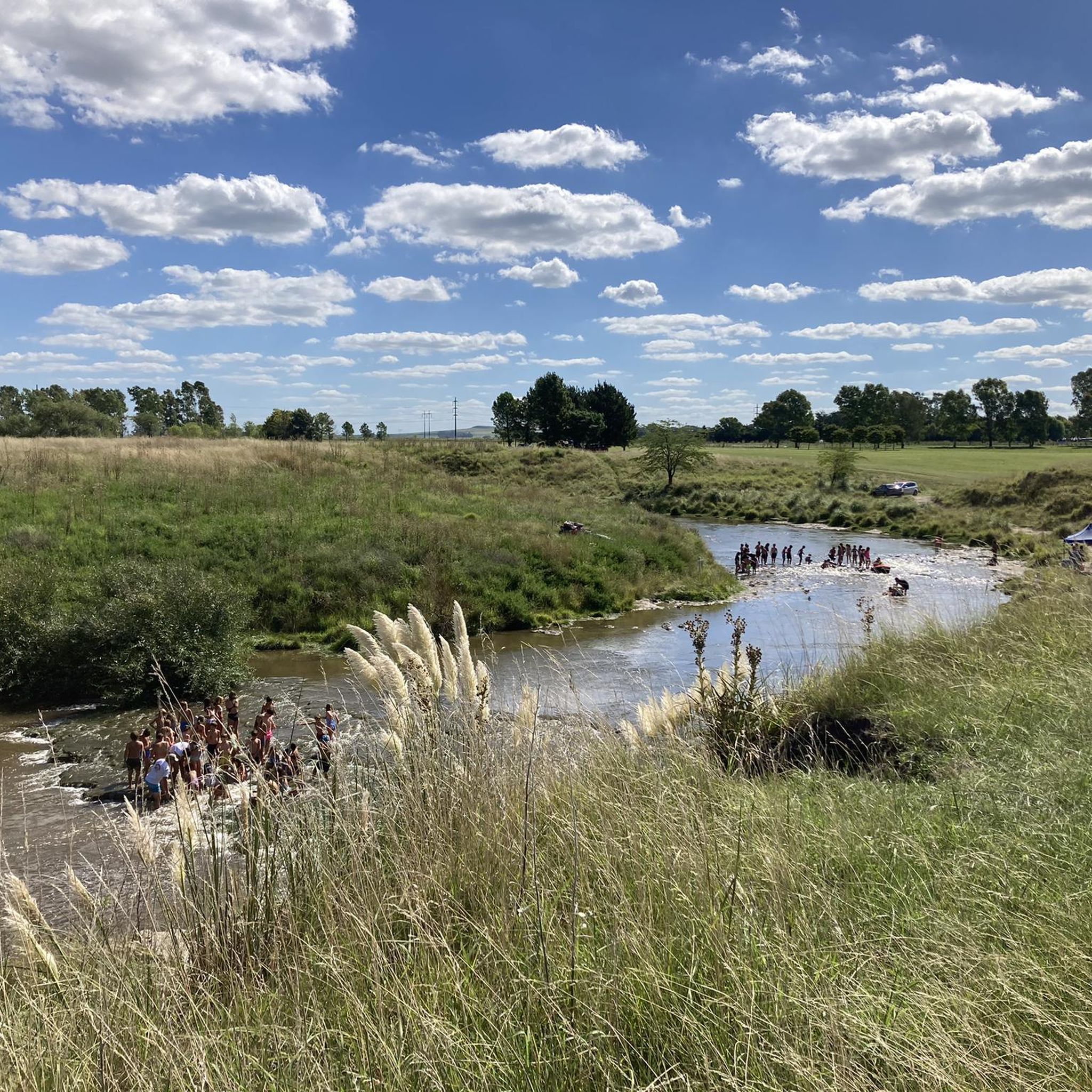
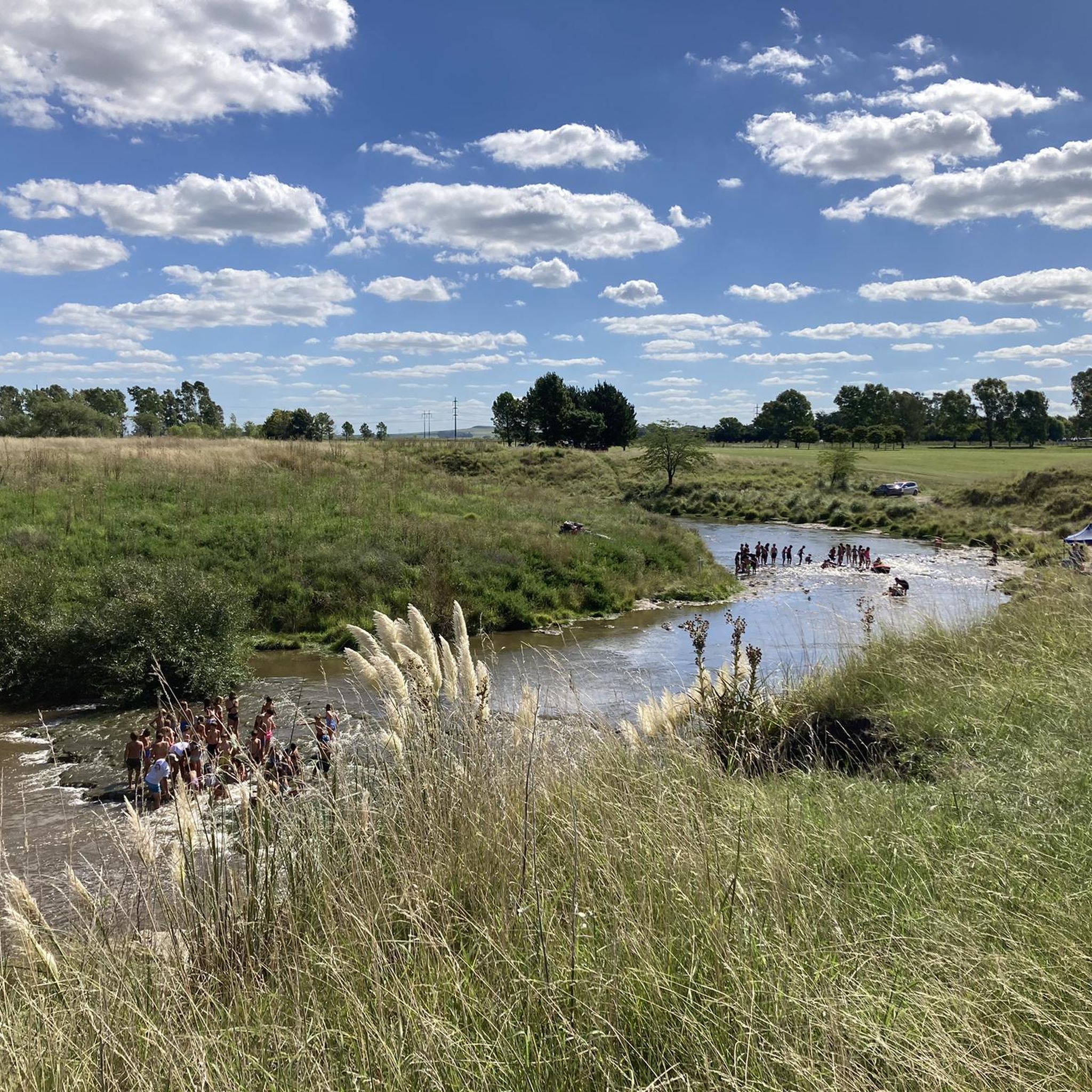
There are many cool pools here to cool off in!
2
0


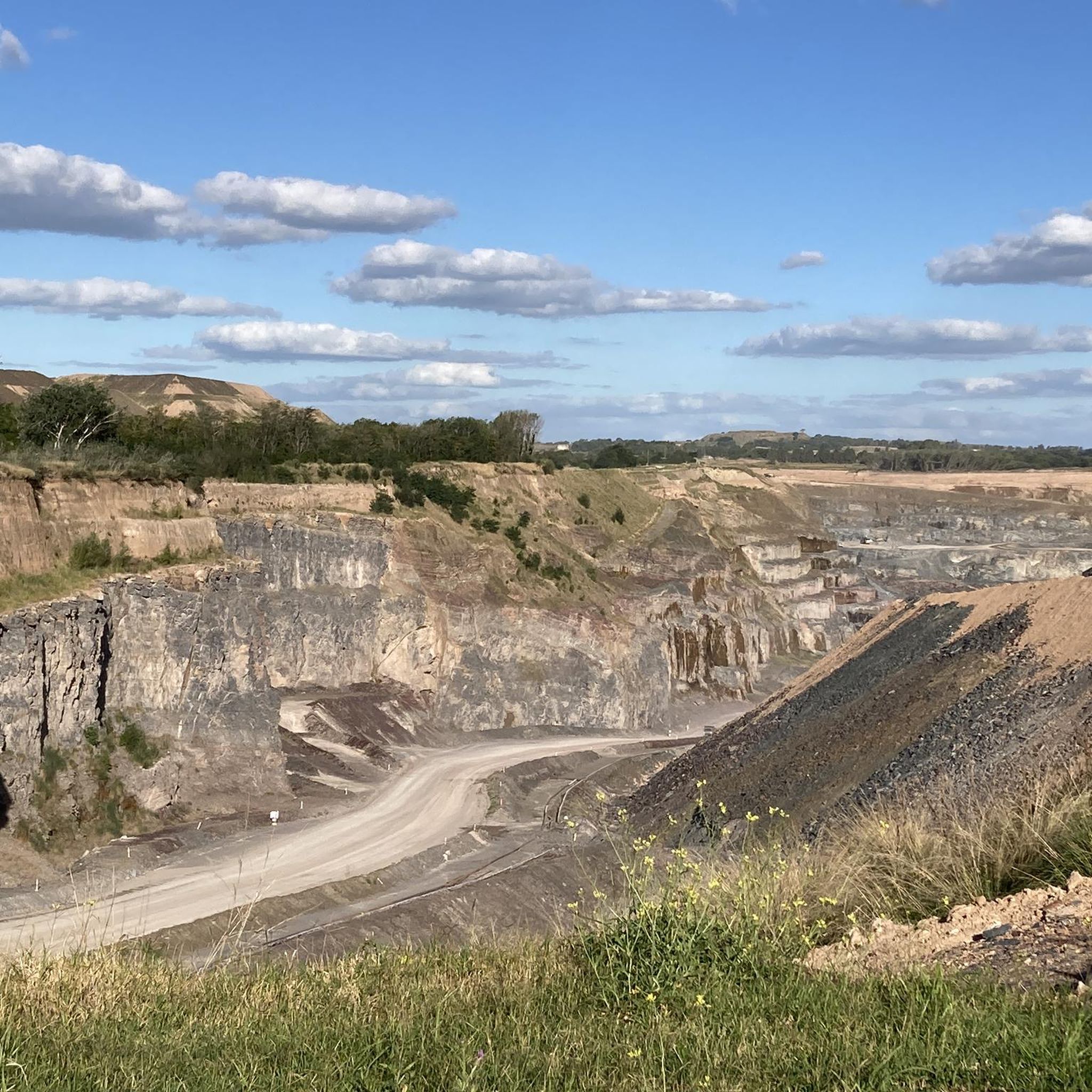
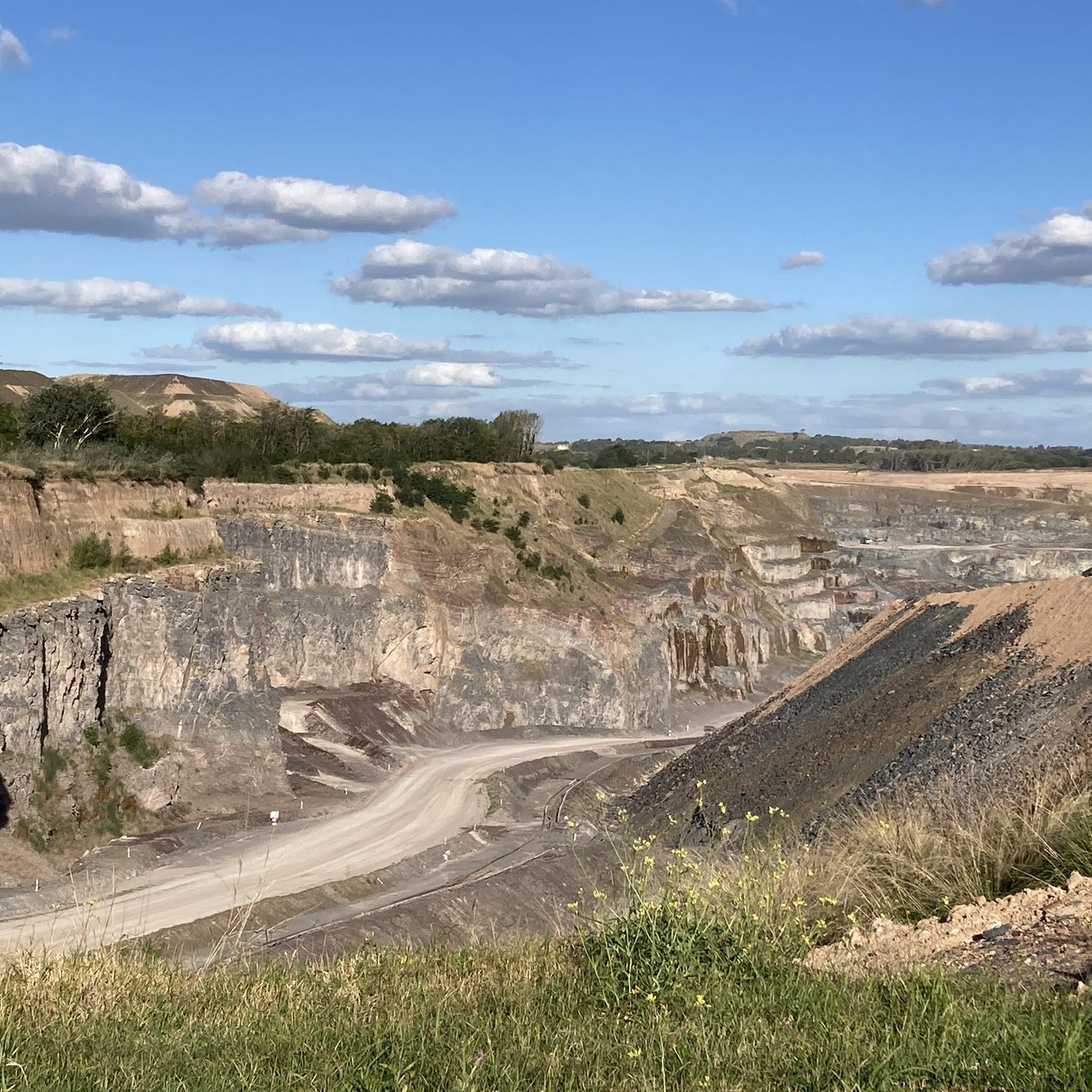
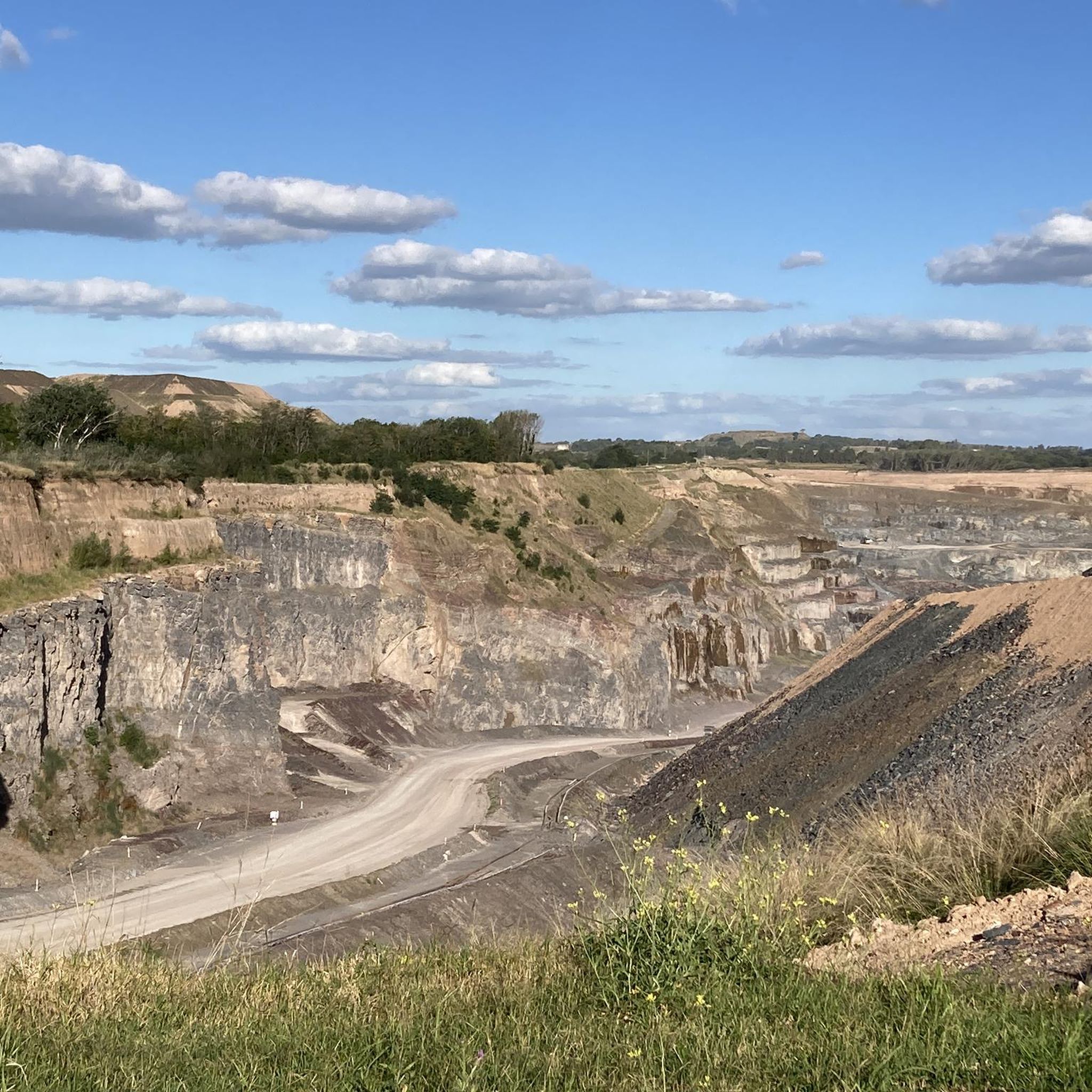
Sierra Chica began to be known in the second half of the 19th century for its stone deposits. The particular thing about this town is that it is not just any stone: it is granite (basically black and red) and it is generously provided at ground level. In the viewpoint that is located on the side of the road, you can see the disused quarry that has filled with water and offers a very picturesque visual landscape.
5
0
Beautiful and highly recommended to enjoy among nature! It is an area for walking, resting and contemplating nature with an area of 22 hectares. The slope of what is now Monte de los Fresnos was acquired by Compañía Argentina de Cemento Portland in 1942. Monte de Fresnos was created in 1962 at the initiative of said company, which planned to plant 22,000 specimens of ash trees. Among the various varieties, the space has elms, ash trees and acacias, with the main objective of generating a green lung for the community.
5
0
From its top at 501 meters above sea level, the views of the city of Tandil and the area are undoubtedly wonderful. The hill is part of the Tandilia chain, one of the oldest mountain formations in the American continent with 130 million years. The only disadvantage to having these impressive views is that you have to take a path that starts on private property from Sendero de las Animas and then goes into the mountains where you will have to open your way since there is no marked path. It is also a very entertaining and picturesque route, and reaching the top does not require too much physical demand. Remember that in the hot months you will not have shade to shelter until you reach the top where there are some trees. Bring water, proper footwear and long pants in case there is a viper in the mountains.
4
0
The Cerro Largo viewpoint offers the best panoramic views of the entire area of Sierras Bayas, Bella Vista, Mount Peloni and to the west the city of Olavarria. You can get here by car or by bike or on foot, there is a path that goes around the entire hill above and below. A very nice and quiet place that deserves to visit it with the family.
6
0
Monte de Fresnos was created in 1962 at the initiative of the Argentine Portland Cement Company. On that occasion, it was planned to plant 22,000 ash trees. The first 2,000 trees were planted in pits made with a pick and shovel. Today it is an area for walking, resting and contemplating nature. It has an extension of 22 hectares. Here the visitor will find various species of trees, pastures and birds. Due to its characteristics, it becomes an ecological space to enjoy. This mountain fulfills a vital function that makes it the green lung of the community.
6
0
Frequently Asked Questions
What types of natural monuments can I explore in Buenos Aires?
Buenos Aires offers a diverse range of natural monuments, from tranquil lakes and ecological reserves to challenging summits and lush botanical gardens. You can find places like the San Vicente Lagoon Nature Reserve, which is ideal for a relaxing afternoon, or the more adventurous Cerro Tres Picos Summit for hikers. The region also features unique geological formations such as the Pools of Parque Provincial Ernesto Tornquist, known for its cooling waters.
Are there family-friendly natural monuments in Buenos Aires?
Yes, several natural monuments in Buenos Aires are suitable for families. The San Vicente Lagoon Nature Reserve is a great spot for a family outing and cycling. The Monte de los Fresnos offers a peaceful area for walking and contemplating nature, with 22 hectares of trees and birds. Additionally, the Cerro Largo (viewpoint) provides panoramic views and is accessible by car, bike, or foot, making it a nice quiet place to visit with family.
What kind of wildlife and unique flora can I expect to see in Buenos Aires' natural areas?
Buenos Aires' natural spaces are rich in biodiversity. The Costanera Sur Ecological Reserve, for instance, is a significant spot for birdwatching, home to hundreds of bird species, and features diverse flora. The Reserva Ecológica de Vicente López is a haven for over 250 bird species, various fish, reptiles, mammals, and approximately 250 native plant species. The Jardín Botánico boasts some 5,000 flower species from around the world, including many from Argentina, while the Jardín Japonés showcases Japanese flora like cherry blossoms and azaleas.
What outdoor activities can I do near these natural monuments?
You can enjoy a variety of outdoor activities. For hiking, consider routes like the 'Puesto Glorieta – Ascent to Cerro Tres Picos loop' or the 'Senda de las Ánimas – Trail of the Spirits loop'. If you prefer mountain biking, there are trails such as the 'Independence Park Viewpoint – Lake of the Fort loop'. You can find more details and routes in the Hiking in Buenos Aires guide or the MTB Trails in Buenos Aires guide.
How difficult are the trails at natural monuments in Buenos Aires?
The difficulty varies depending on the location. For example, the hike to Cerro Tres Picos Summit is considered medium-difficulty and challenging, requiring good shoes and water. In contrast, the Pools of Parque Provincial Ernesto Tornquist can be navigated by most, but appropriate footwear and a calm pace are recommended due to the slope. Many areas, like the Costanera Sur Ecological Reserve, offer easy walking, running, and cycling paths.
Are there any natural monuments with historical or cultural significance?
While many natural monuments focus on ecological value, some areas have historical context. For example, the Monte de los Fresnos was created in 1962 as an initiative to plant 22,000 ash trees, serving as a 'green lung' for the community. The Jardín Botánico, established in 1898, features French and Italian gardens and a herb museum, blending natural beauty with historical landscape design. The Jardín Japonés, a gift from the Japanese Government, offers a serene environment with cultural significance.
What is the best time to visit the natural monuments in Buenos Aires?
The best time to visit largely depends on your preferred activities and tolerance for heat. Spring (September to November) and autumn (March to May) generally offer pleasant temperatures, ideal for outdoor activities like hiking and cycling. During these seasons, flora like the roses in El Rosedal or the cherry blossoms in the Japanese Garden are often at their peak. Summer (December to February) can be hot and humid, while winter (June to August) is cooler but still suitable for walks.
Are there natural monuments that are easily accessible by public transport?
Yes, several key natural areas are well-connected. The Costanera Sur Ecological Reserve is centrally located along the Río de la Plata and is accessible via various public transport options. The Ecoparque, Parque Tres de Febrero (Palermo Woods), Jardín Japonés, and Jardín Botánico are all situated within the Palermo neighborhood, which is easily reachable by bus, subway, or taxi from most parts of the city.
What should I pack for a visit to a natural reserve in Buenos Aires?
For a comfortable visit, consider packing essentials based on the activity. If you plan on hiking or exploring trails, wear good specific footwear to avoid surprises or sprains, and carry enough water, especially for medium-difficulty trails like Cerro Tres Picos Summit. Sunscreen, a hat, and insect repellent are advisable year-round. For birdwatching at places like Costanera Sur, binoculars would be beneficial. Always check the weather forecast before your visit.
What do visitors enjoy most about the natural monuments in Buenos Aires?
Visitors frequently appreciate the tranquility and natural beauty these sites offer amidst the urban landscape. Many enjoy the opportunity to observe diverse wildlife, such as the hundreds of bird species at Costanera Sur Ecological Reserve, or the rescued animals at Ecoparque. The peaceful atmosphere of places like the San Vicente Lagoon Nature Reserve and the scenic views from spots like Cerro Largo (viewpoint) are also highly valued. The ability to walk, cycle, and picnic in green spaces is a common highlight.
Are there any natural monuments that offer unique geological features?
Yes, the region has some interesting geological formations. The Pools of Parque Provincial Ernesto Tornquist is a notable gorge with many cool pools, offering a unique landscape for exploration. Additionally, the Old red granite quarry presents a distinct geological site, featuring a lake within its bounds and offering viewpoints.
Most popular routes in Buenos Aires
Most popular attractions in Buenos Aires

Get inspired with the komoot mobile app


Didn’t find what you were looking for?
Find even more amazing natural monuments in Buenos Aires by checking out the top Highlights region by region:
Explore more
Extend your search for the best caves by checking out these guides of the top ones in Buenos Aires:
