Top 6 Natural Monuments around Clee St. Margaret
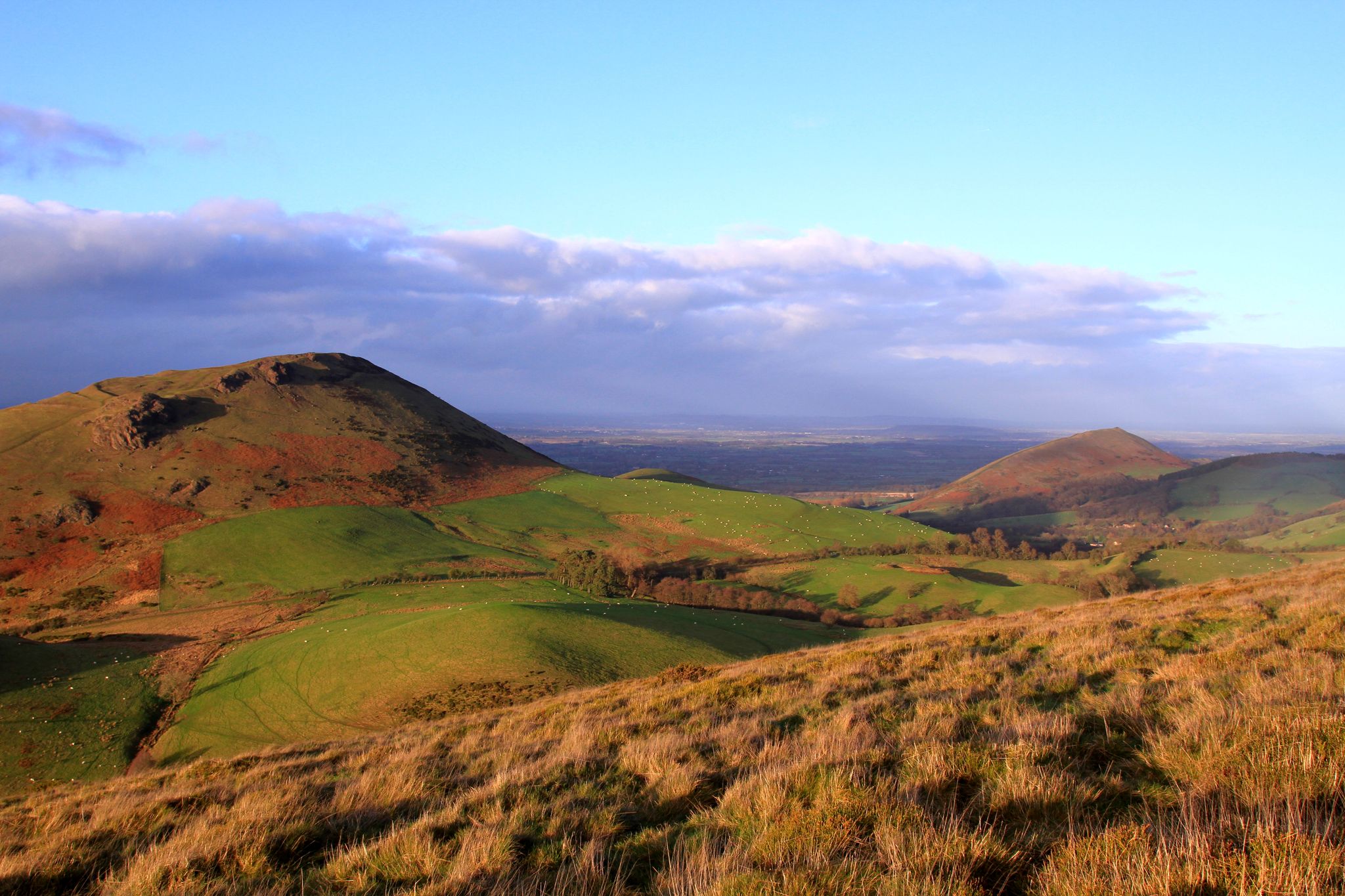
Best natural monuments around Clee St. Margaret are situated within the Shropshire Hills Area of Outstanding Natural Beauty (AONB). This region is characterized by elevated landscapes, notably the Clee Hills, which offer expansive views and unique ecological features. The area provides opportunities for exploring natural formations and historical sites. Clee St. Margaret serves as a base for accessing these prominent natural monuments.
Best natural monuments around Clee St. Margaret
- The most popular natural monuments is Abdon Burf Summit (Highest Point…
Last updated: July 1, 2026
Abdon Burf Summit (Highest Point of Brown Clee Hill)
Highlight • Viewpoint
Tip by

Titterstone Clee Hill summit
Highlight • Natural Monument
Tip by
Sign up now to discover places like this
Get recommendations on the best single tracks, peaks, & plenty of other exciting outdoor places.
Sign up for free
Nordy Bank Hillfort
Highlight • Viewpoint
Tip by
Boyne Water Lake
Highlight • Natural Monument
Tip by

Caynham Camp Iron Age Hillfort
Highlight • Natural Monument
Tip by
Sign up for free to discover even more natural monuments around Clee St. Margaret.
Sign up for free
Already have an account?
Start today with a free account
Your next adventure awaits.
Login or Signup
Popular around Clee St. Margaret

Other adventures around Clee St. Margaret

Tips from the Community

Nice route to the Clee Hills. Parking to the north as well at the excitingly named Cockshutford
0
0

There is the bracket of the original Trig Point cemented into the path that leads to the Toposcope.
0
0

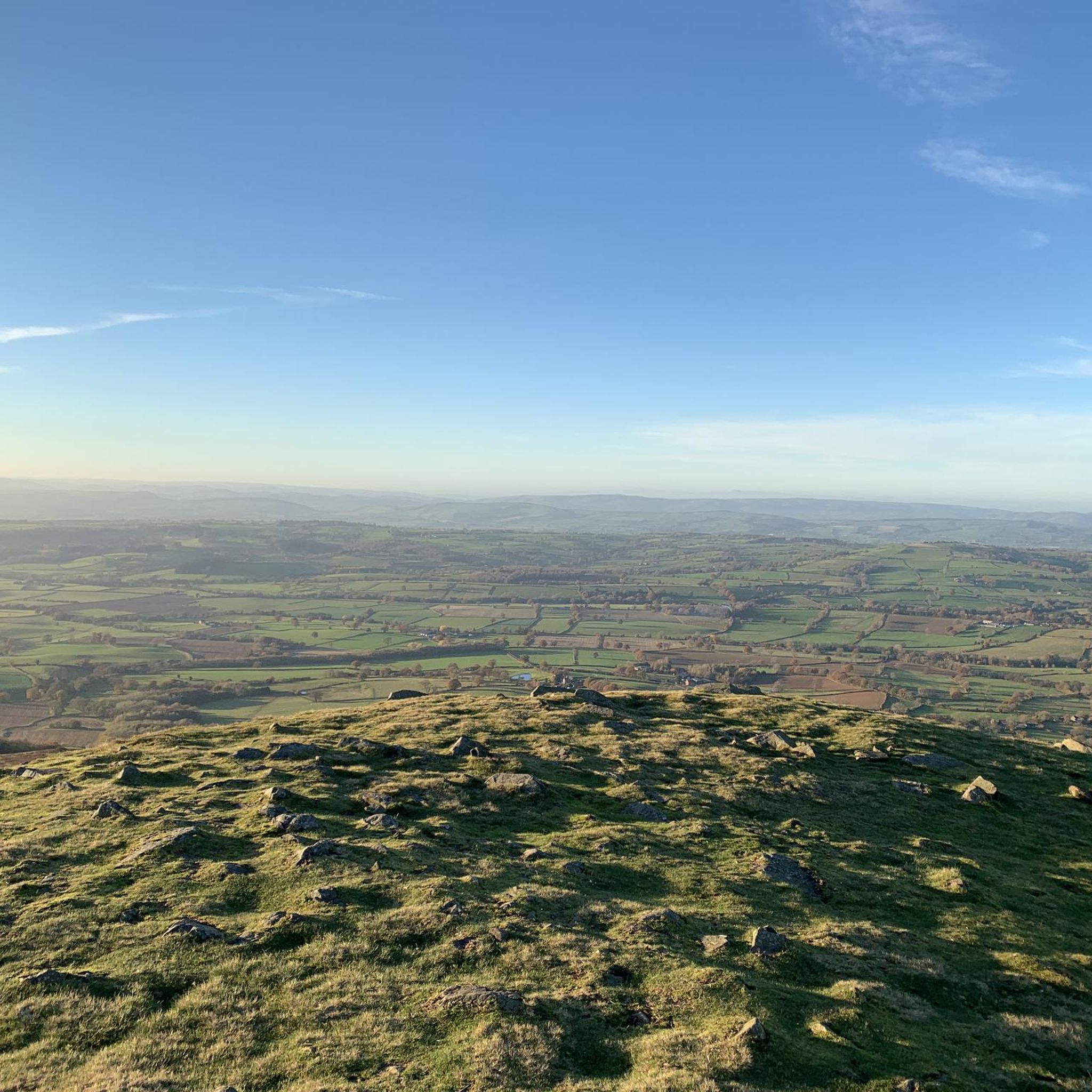
Incredible 360 views all around. A great muddy descent from the top.
0
0

Discover this tranquil little lake tucked away in the Shropshire Hills. The lake makes a great picnic spot, or if you're feeling daring, a wild swimming spot, too.
1
0

Obviously not wild swim today, but a great spot to consider in the summer months, if wild swimming is your thing. https://myoutdoors.co.uk/adventure/dark-adventures-in-the-shropshire-hills-katy-goes-wild-swimming
0
0


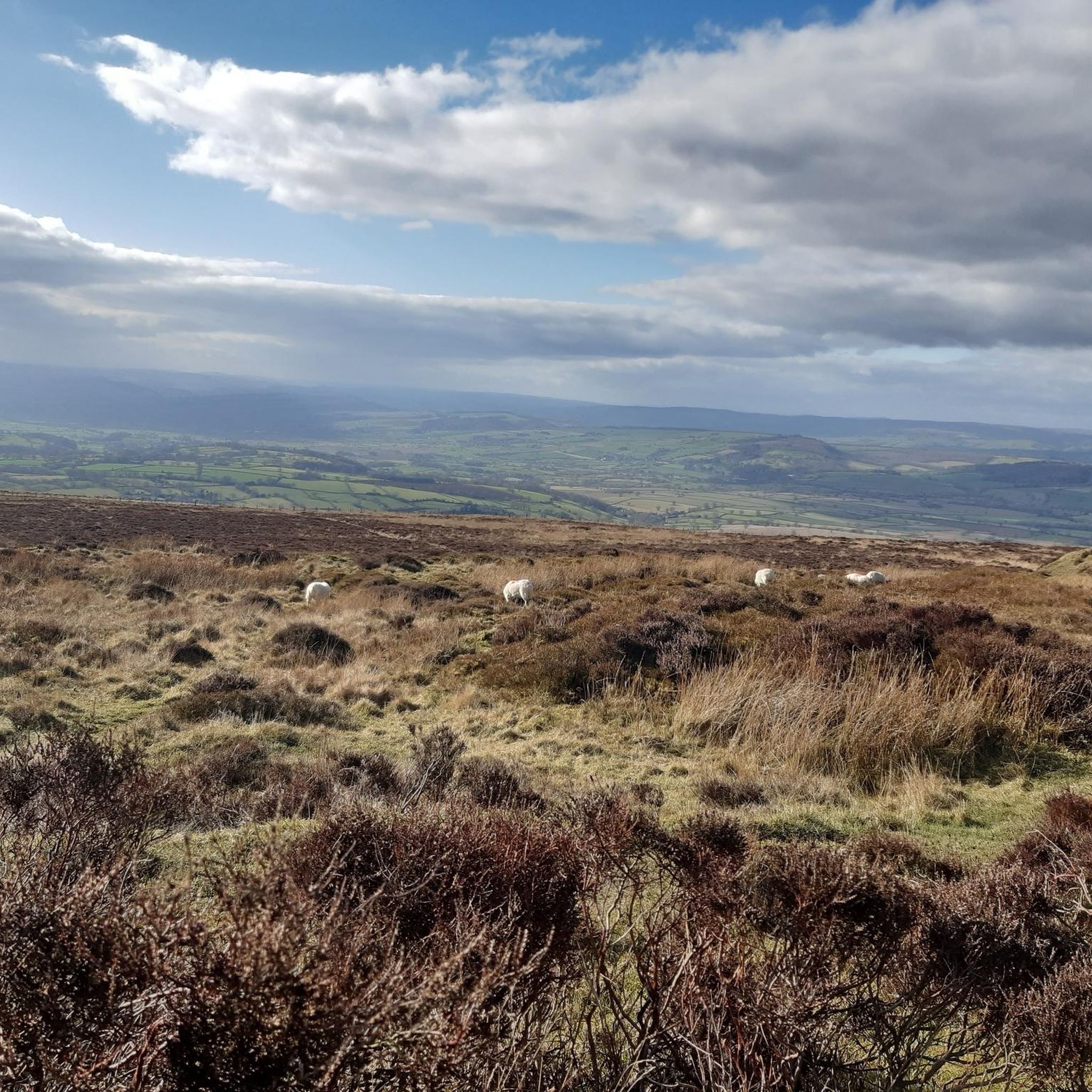
Beautiful views of the Shropshire countryside with views extending to the counties beyond.
2
0
Frequently Asked Questions
What are the most prominent natural monuments to visit around Clee St. Margaret?
The region is dominated by the Clee Hills. Key natural monuments include Abdon Burf Summit, the highest point in Shropshire with expansive views, and Titterstone Clee Hill summit, known for its radar dome and exceptional views. Additionally, Clee Burf offers fantastic vistas and historical intrigue.
Are there any family-friendly natural monuments or activities in the area?
Yes, Boyne Water Lake is a tranquil spot that is considered family-friendly. It's ideal for a picnic and offers the potential for wild swimming during warmer months. The open heathland on the Clee Hills also provides space for families to explore, though some ascents can be challenging.
What kind of historical features can be found among the natural monuments?
The natural monuments around Clee St. Margaret are rich in history. Both Clee Burf and Titterstone Clee Hill summit are sites of Iron Age hillforts, though some have been altered by historical quarrying. Nordy Bank Hillfort on Brown Clee Hill also retains visible ramparts. Additionally, Abdon Burf Summit has a poignant history as the site of numerous wartime plane crashes.
What outdoor activities can I do near these natural monuments?
The area offers a variety of outdoor activities. You can find numerous cycling routes, including those around Clee St. Margaret, ranging from moderate to difficult. For road cyclists, there are also dedicated road cycling routes. Running enthusiasts can explore various running trails, many of which pass by the hillforts and summits.
Are there good hiking trails for beginners or those looking for easier walks?
While many trails in the Clee Hills can be intermediate to challenging due to elevation, there are options for easier exploration. The open heathland on the western flanks of Brown Clee Hill, near Abdon Burf Summit, offers less strenuous walking with fantastic views. For a gentle experience, the area around Boyne Water Lake provides a tranquil setting for a leisurely stroll.
What kind of views can I expect from the natural monuments?
The natural monuments, particularly the summits, offer expansive and exceptional panoramic views. From Abdon Burf Summit, you can see across open heathland and beyond Shropshire on clear days. Clee Burf provides fantastic vistas of the Shropshire Hills AONB, and Titterstone Clee Hill summit offers 360-degree views of the surrounding landscapes.
What is the best time of year to visit the natural monuments around Clee St. Margaret?
The Clee Hills offer beauty year-round. Clear days, particularly in spring and autumn, provide the best conditions for enjoying the expansive views. Late summer is ideal for experiencing the purple heather on the broader Shropshire Hills heathlands like The Long Mynd. Winter walks can be dramatic, but weather conditions on the exposed summits require appropriate gear.
What unique geological features can be observed in the region?
The Shropshire Hills AONB, which encompasses Clee St. Margaret, is known for its distinctive geology. While the Clee Hills themselves show evidence of historical quarrying, the wider region features dramatic quartzite rock formations at the Stiperstones, shattered during the last Ice Age. Wenlock Edge, a nearby ridge, is a designated Site of Special Scientific Interest due to its geology as a fossilized coral barrier reef.
Is there wildlife to observe around the natural monuments?
Yes, the open heathland and natural areas are home to diverse wildlife. The broader Shropshire Hills, including areas like The Long Mynd, are known for their insect and bird life, such as green hairstreak butterflies and stonechats. Cramer Gutter, on the slopes of Titterstone Clee, is particularly noted for specialist bogland plants and dragonflies.
Are there any natural monuments suitable for dog walking?
Many of the open heathland areas on the Clee Hills are suitable for dog walking, provided dogs are kept under control, especially around livestock and ground-nesting birds. The trails leading to summits like Abdon Burf Summit and Clee Burf are popular with dog walkers. Always check local signage for specific restrictions.
What do visitors particularly enjoy about the natural monuments in this area?
Visitors frequently highlight the magnificent views and the sense of achievement from reaching the summits. The historical significance, including Iron Age hillforts and wartime crash sites, adds a compelling layer to the natural beauty. Many appreciate the open heathland for hiking and the opportunity for 'snack stops' with stunning backdrops, as well as the tranquility of spots like Boyne Water Lake.
Most popular routes around Clee St. Margaret
Most popular attractions around Clee St. Margaret

Get inspired with the komoot mobile app


Explore more
Extend your search for the best caves by checking out these guides of the top ones around Clee St. Margaret:
