Top 5 Natural Monuments in Perlacher Forst
Best natural monuments in Perlacher Forst offers a significant natural space southeast of Munich, spanning over 13 km². This forest, part of the Munich gravel plain, provides a crucial recreational area with diverse tree populations including oak and hornbeam. While primarily a cultivated forest, it features unique natural elements and offers opportunities for nature immersion. The area is characterized by its expansive woodlands and well-maintained trails.
Best natural monuments in Perlacher Forst
- The most popular natural monument is View of…
Last updated: June 30, 2026
View of the Alps from Perlacher Mugl
Highlight • Viewpoint
Translated by Google •
Tip by

Viecherl Tower
Highlight • Structure
Showing Translation
Tip by

Sign up now to discover places like this
Get recommendations on the best single tracks, peaks, & plenty of other exciting outdoor places.
Sign up for free
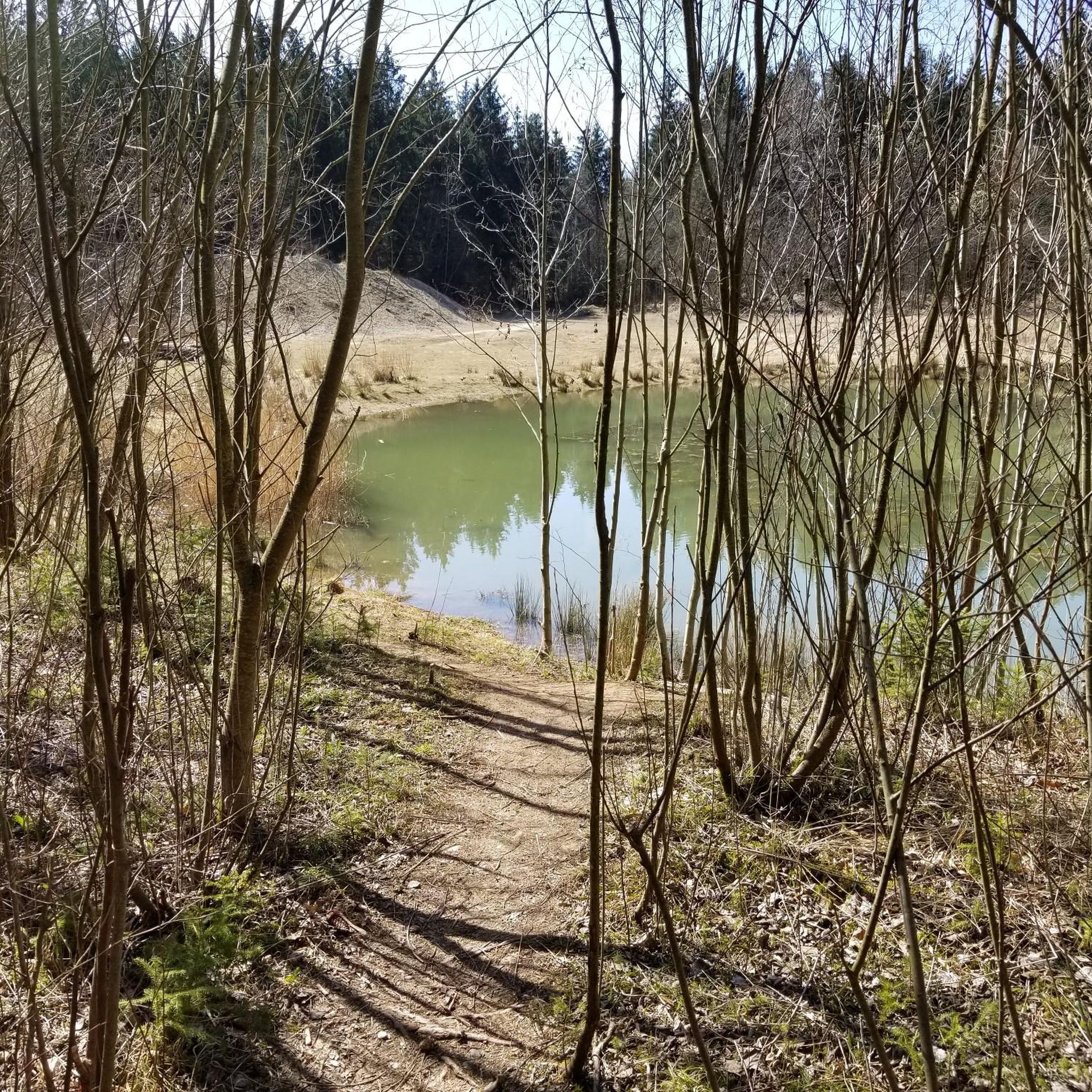
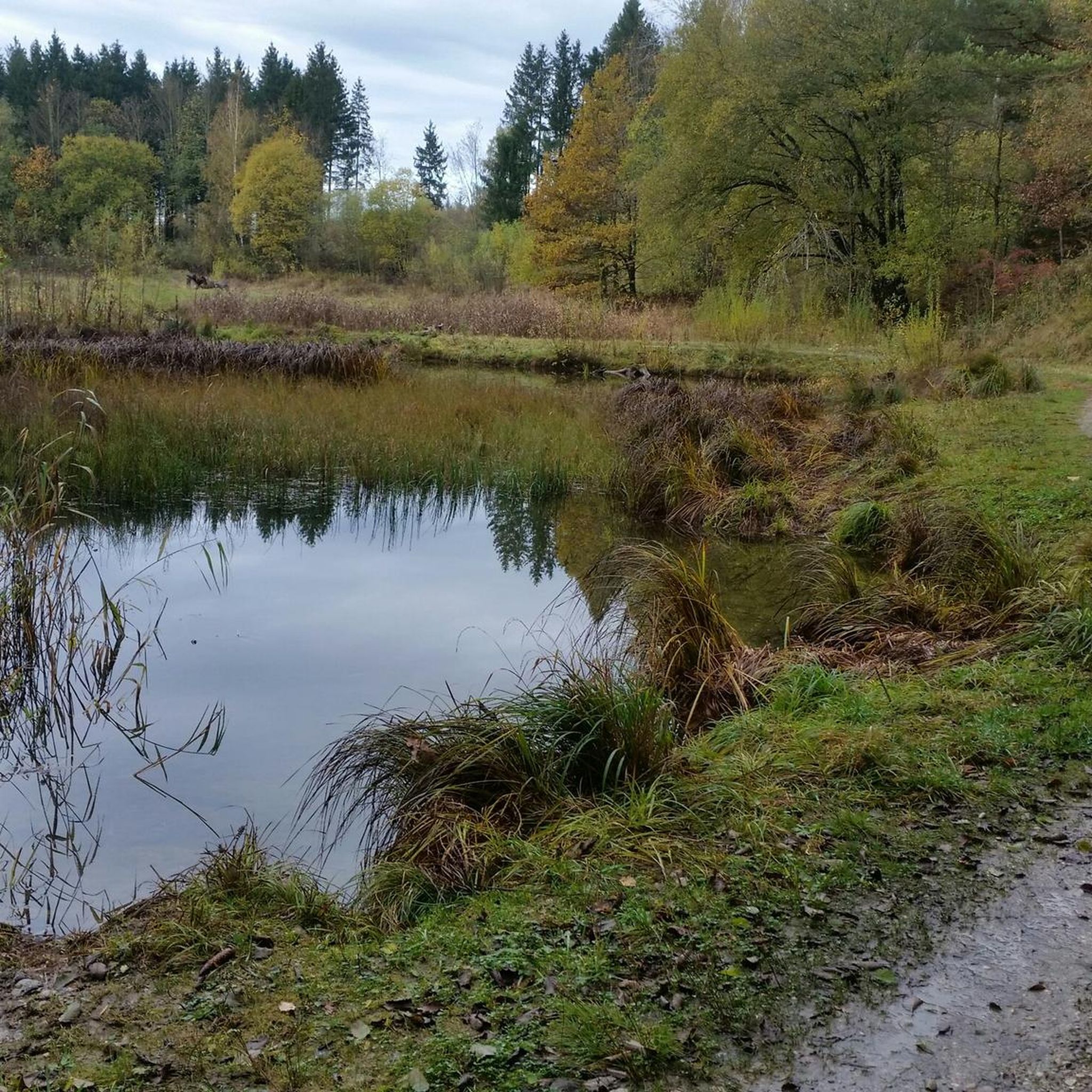
Hirschbrunnen and Overflow Pond
Highlight • Natural Monument
Translated by Google •
Tip by

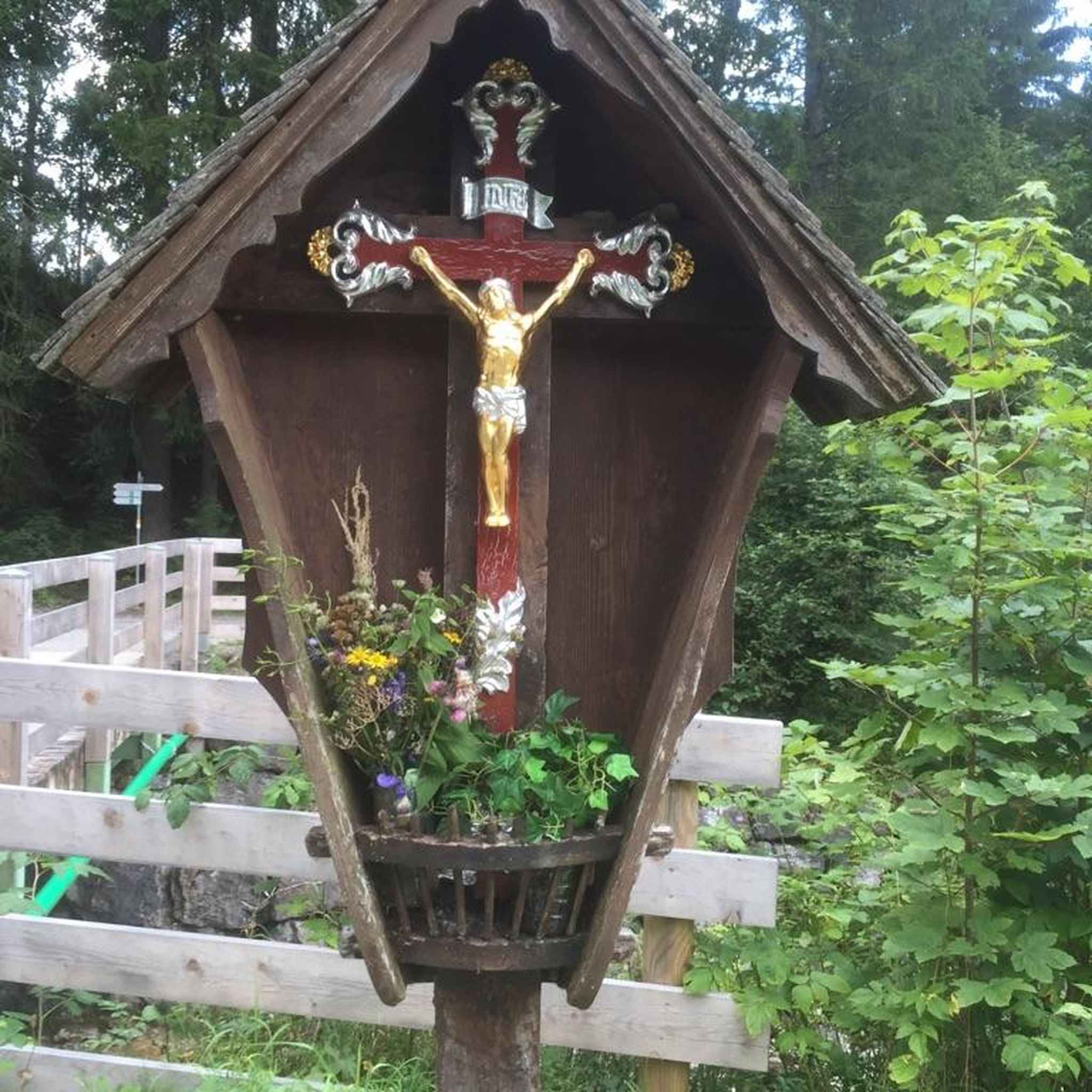
300-year-old oak
Highlight • Natural Monument
Translated by Google •
Tip by
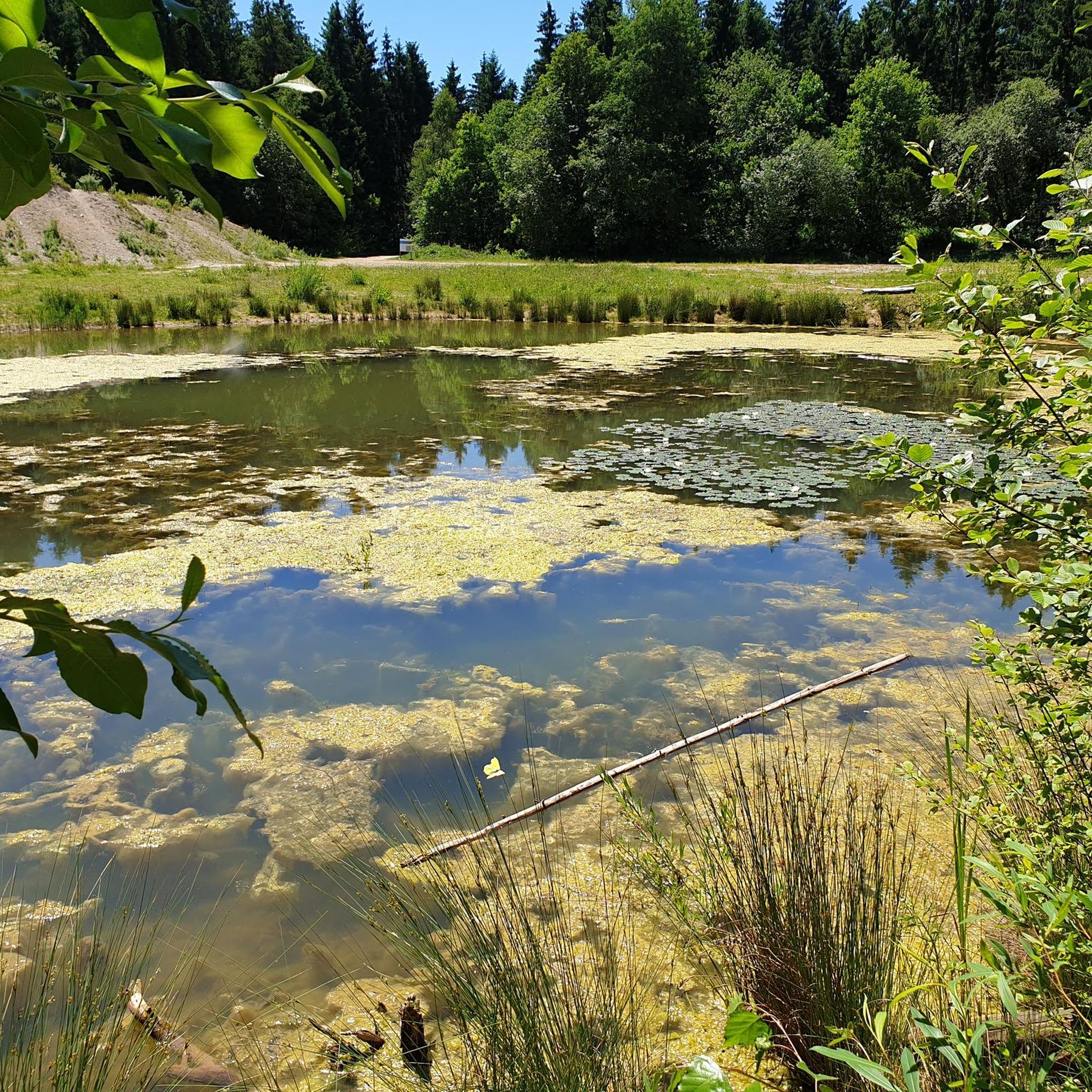
Arelat Pond
Highlight • Lake
Translated by Google •
Tip by
Start today with a free account
Your next adventure awaits.
Login or Signup


Tips from the Community

In the meantime, the oak tree is already 350 years old.
0
0

Former transformer house converted into XXL hotel for wildlife
0
0


The Viecherlturm: here are some breeding boxes and nesting caves for various bird and insect species.
2
0

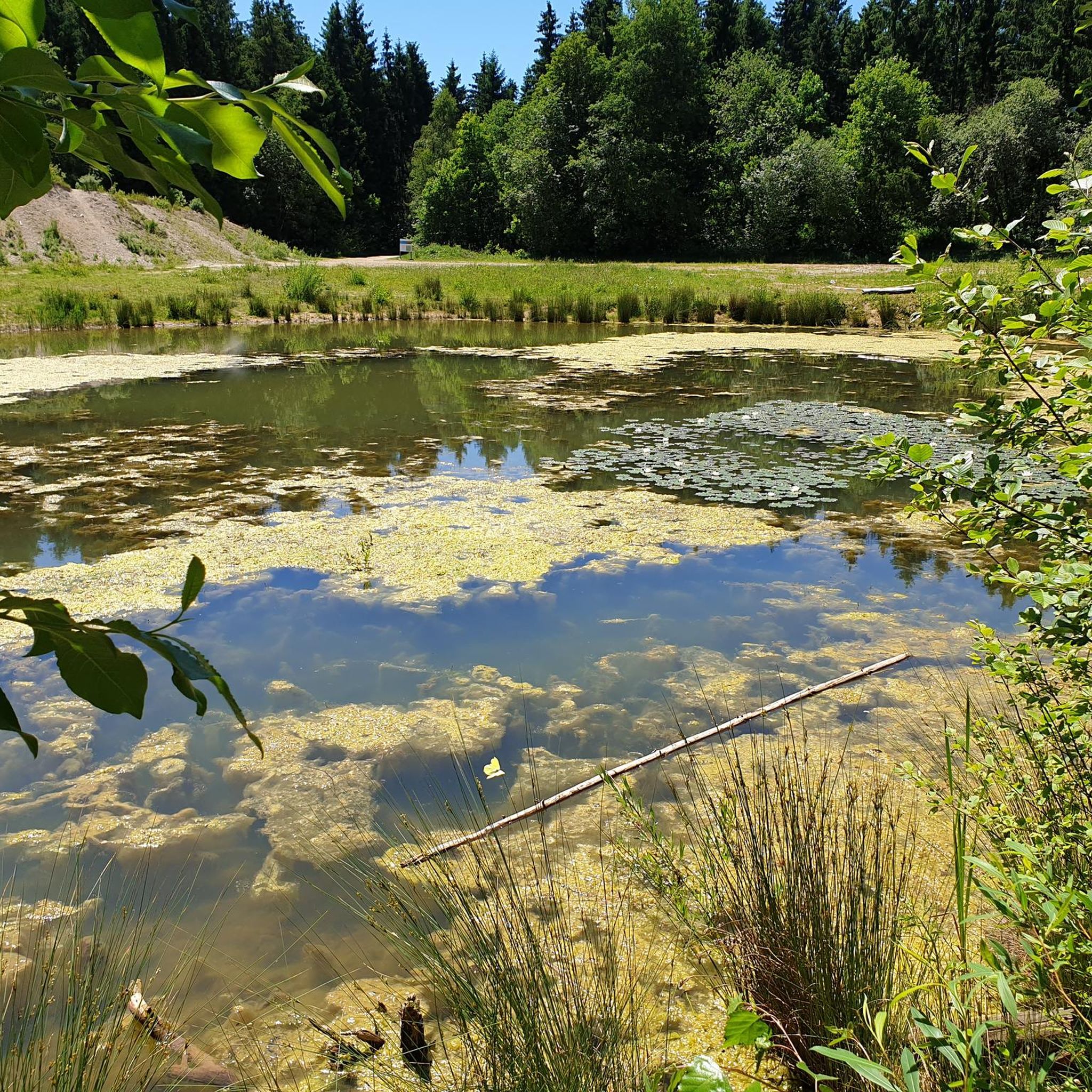
The Perlacher Forest lies in the area of the Munich gravel plain, which has a water-permeable layer of gravel on the surface. That is why there are very few standing or flowing water. The Arelatümpel, which can be reached by a short detour from the Perlach-Geräum main road, is one of some beautifully landscaped biotopes that have now grown into real little natural paradises. Here you can watch frogs, toads, tadpoles and one or the other adder. Various types of dragonflies also feel at home here and romp about on the damp, damp surface.
3
0
The "Viecherl-Turm" (Critter Tower), also visible from the country road, contains nesting and breeding sites for various bird species and offers a home for amphibians, reptiles, and insects, as well as for bats. With the motto: "All under one roof." Info on the exciting concept: http://oberhaching.bund-naturschutz.de/natur-vor-der-haustuer/viecherlturm.html
8
0

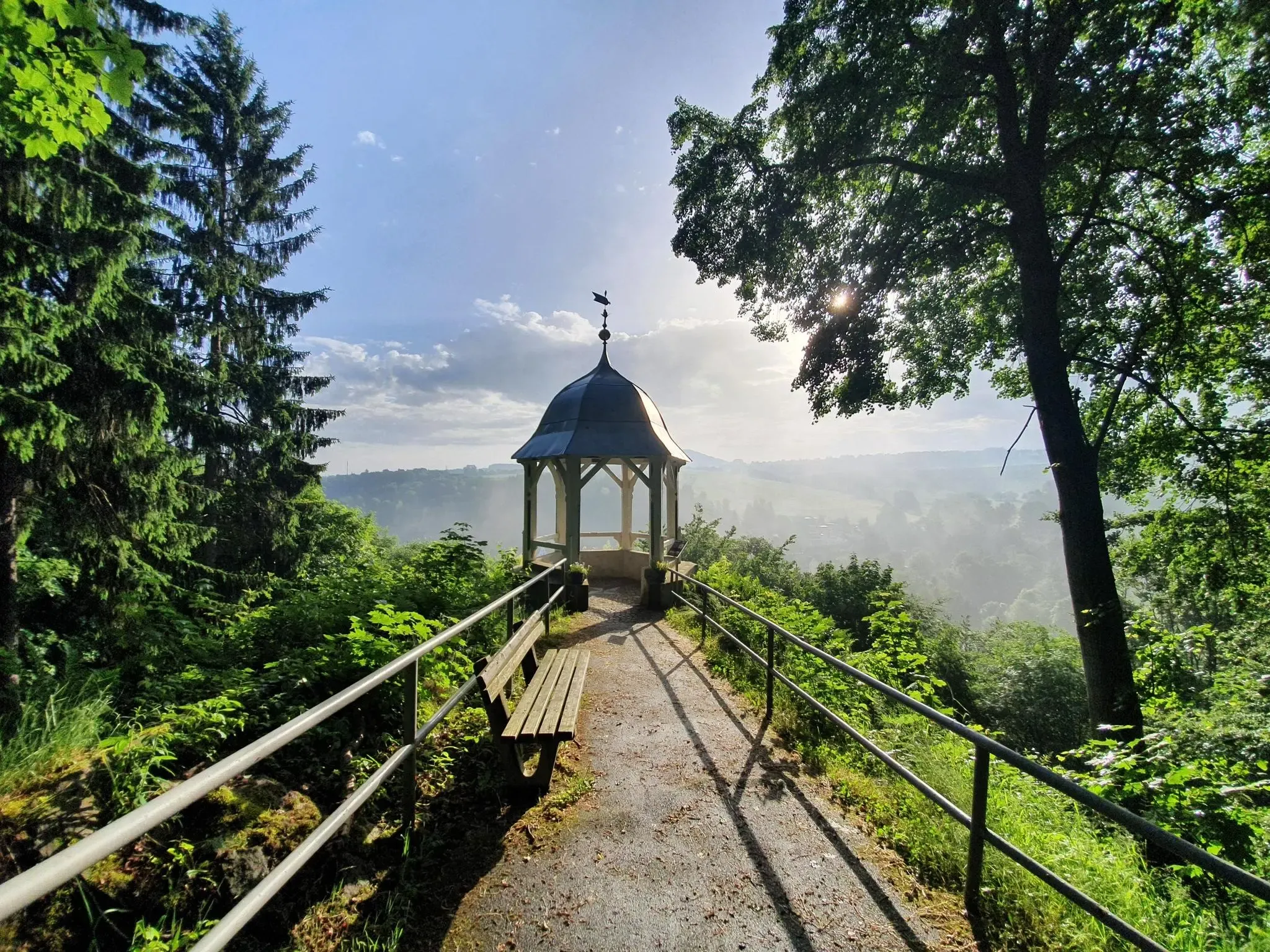
The view cannot be compared to that of a mountain peak, but it is very good for Munich standards! On sunny days you can easily see the mountains and sit on one of the benches for a little refreshment. So the 20 meters in altitude are worth it. 😉
5
1

a very nice idea with many incubators attached to the tower
0
0
Frequently Asked Questions
What are some of the most popular natural monuments in Perlacher Forst?
Visitors frequently enjoy the panoramic views from View of the Alps from Perlacher Mugl, a 26-meter-high lookout hill. Another cherished spot is the 300-year-old oak, considered one of the oldest trees in the area. The serene Hirschbrunnen and Overflow Pond also offers a quiet place for a break.
What kind of views can I expect from the natural monuments in Perlacher Forst?
The primary viewpoint is the Perlacher Mugl, which offers lovely views of the expansive surrounding forest landscape. On clear days, you can even catch a glimpse of the Alps, providing a unique perspective for Munich standards.
Are there family-friendly natural monuments in Perlacher Forst?
Yes, several natural monuments are suitable for families. The trails leading to spots like the Perlacher Mugl, the 300-year-old oak, and the Hirschbrunnen and Overflow Pond are generally well-maintained and easy to navigate. The forest itself is known for its mostly straight and well-maintained paths, making it suitable for prams and younger children.
Can I observe wildlife at the natural monuments in Perlacher Forst?
Absolutely. The Arelat Pond is a beautifully landscaped biotope where you can spot frogs, toads, tadpoles, and various dragonflies. Additionally, the Viecherl Tower, a repurposed transformer station, provides nesting and breeding grounds for various bird species, amphibians, reptiles, insects, and bats, making it a hub for local wildlife.
What is the best time of year to visit the natural monuments in Perlacher Forst?
The Perlacher Forst is enjoyable year-round. Spring brings fresh greenery and blooming flora, while summer offers a cool escape from the city heat. Autumn transforms the forest with vibrant colors, and even in winter, the quiet, snow-dusted paths offer a peaceful experience. The well-maintained trails make it accessible in most weather conditions.
Are there any historical natural monuments or sites in the area?
While the forest itself was cultivated about 120 years ago, you can find historical elements. The 300-year-old oak stands as a living testament to the area's past. The Hirschbrunnen and Overflow Pond commemorates the last deer hunted in the area in 1914, offering a glimpse into its history as a hunting ground.
What outdoor activities can I do near these natural monuments?
The Perlacher Forst is a popular recreational area. You can enjoy extensive hiking on its well-maintained trails. For cycling enthusiasts, there are numerous routes suitable for mountain biking. You can find detailed guides for these activities, including routes like the 'Perlacher Forest North Entrance – Giesinger Geräumt loop' for hiking or the 'Marienklausensteg Bridge over the Isar – Isarauen (Isar Floodplains) loop' for MTB, on the Hiking in Perlacher Forst and MTB Trails in Perlacher Forst guide pages.
Are the trails to the natural monuments in Perlacher Forst suitable for all fitness levels?
Yes, the Perlacher Forst is known for its mostly flat and well-maintained trails, many of which are asphalted or gravel. This makes them suitable for a wide range of fitness levels, including casual walkers, joggers, and cyclists. The elevation changes are minimal, with the highest point being the 26-meter-high Perlacher Mugl, which is easily accessible.
What do visitors enjoy most about the natural monuments in Perlacher Forst?
Visitors particularly appreciate the opportunity to escape the city and immerse themselves in nature. The peaceful atmosphere, the diverse tree population, and the well-maintained paths for various activities are frequently praised. The rewarding views from the Perlacher Mugl and the ecological interest of spots like the Arelat Pond are also highlights.
Are there any unique natural features besides the specific monuments?
Beyond the designated natural monuments, the Perlacher Forst itself is a significant natural space. It's part of Munich's green belt and features a diverse tree population, including oak and hornbeam forests, as well as fen woodlands. Although it has few standing water bodies due to its location on the Munich gravel plain, smaller surface waters can be found in disused gravel pits, contributing to localized ecosystems.
Where can I find information about parking or public transport to access the natural monuments?
The Perlacher Forst is well-integrated into Munich's infrastructure. While specific parking details for each monument are not provided here, the forest is generally accessible by car with various entry points. For public transport, you can check local Munich transport (MVV) routes that serve the areas surrounding the Perlacher Forst. For more detailed logistical information, you might find resources on the Foravisit Munich website.
Most popular routes in Perlacher Forst
Most popular attractions in Perlacher Forst

Get inspired with the komoot mobile app


Explore more
Extend your search for the best caves by checking out these guides of the top ones in Perlacher Forst:
