Top 5 Natural Monuments in Mollendaalbos
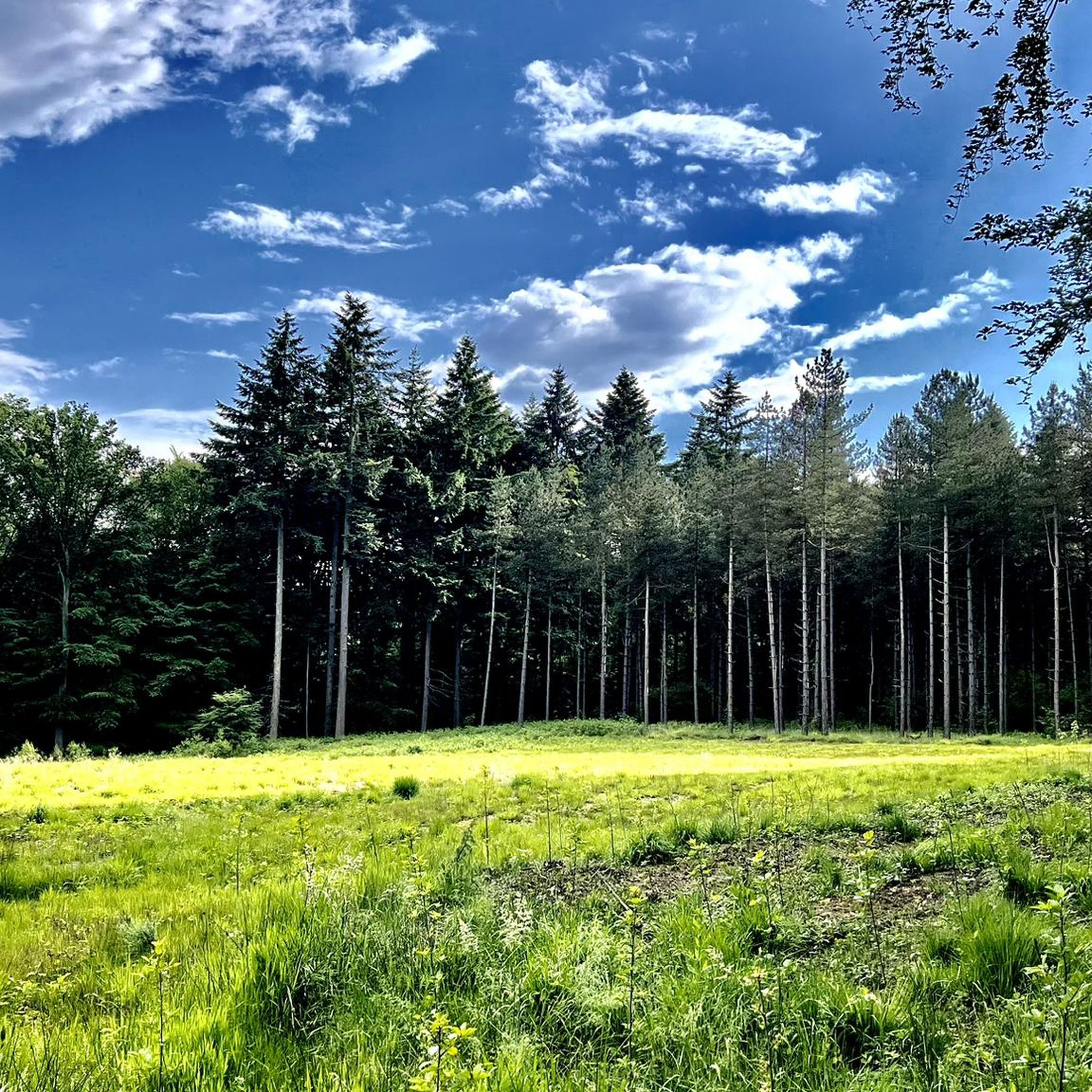
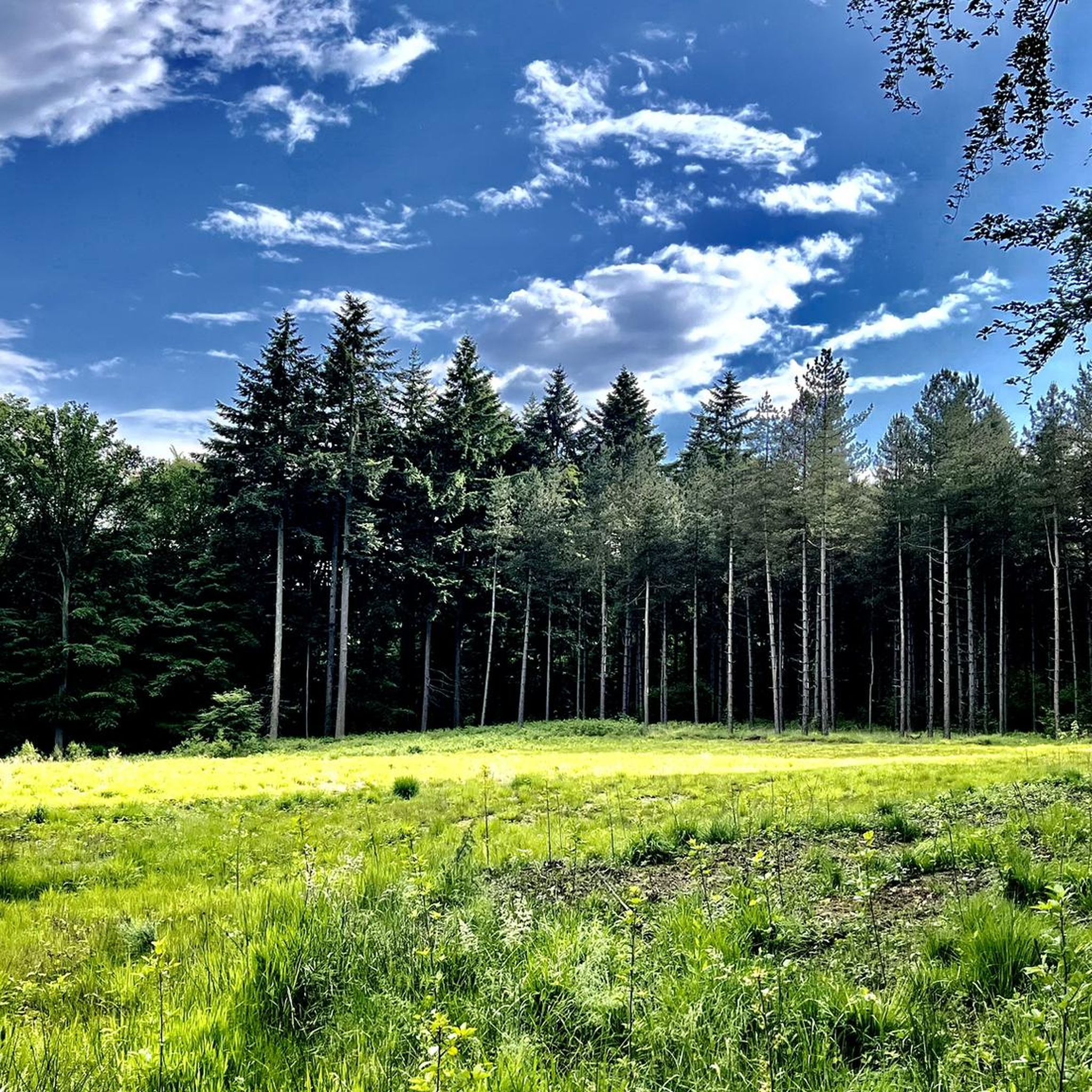
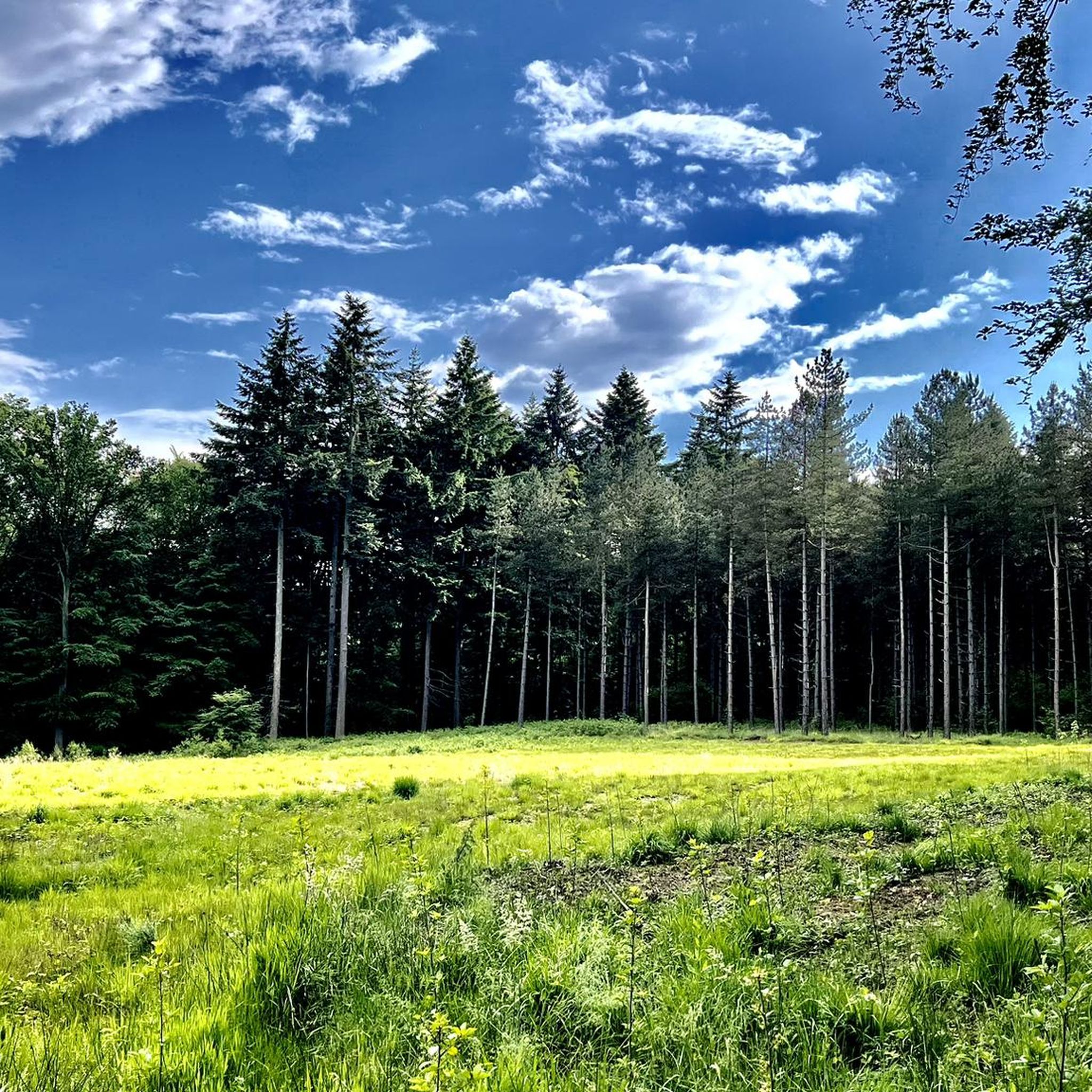
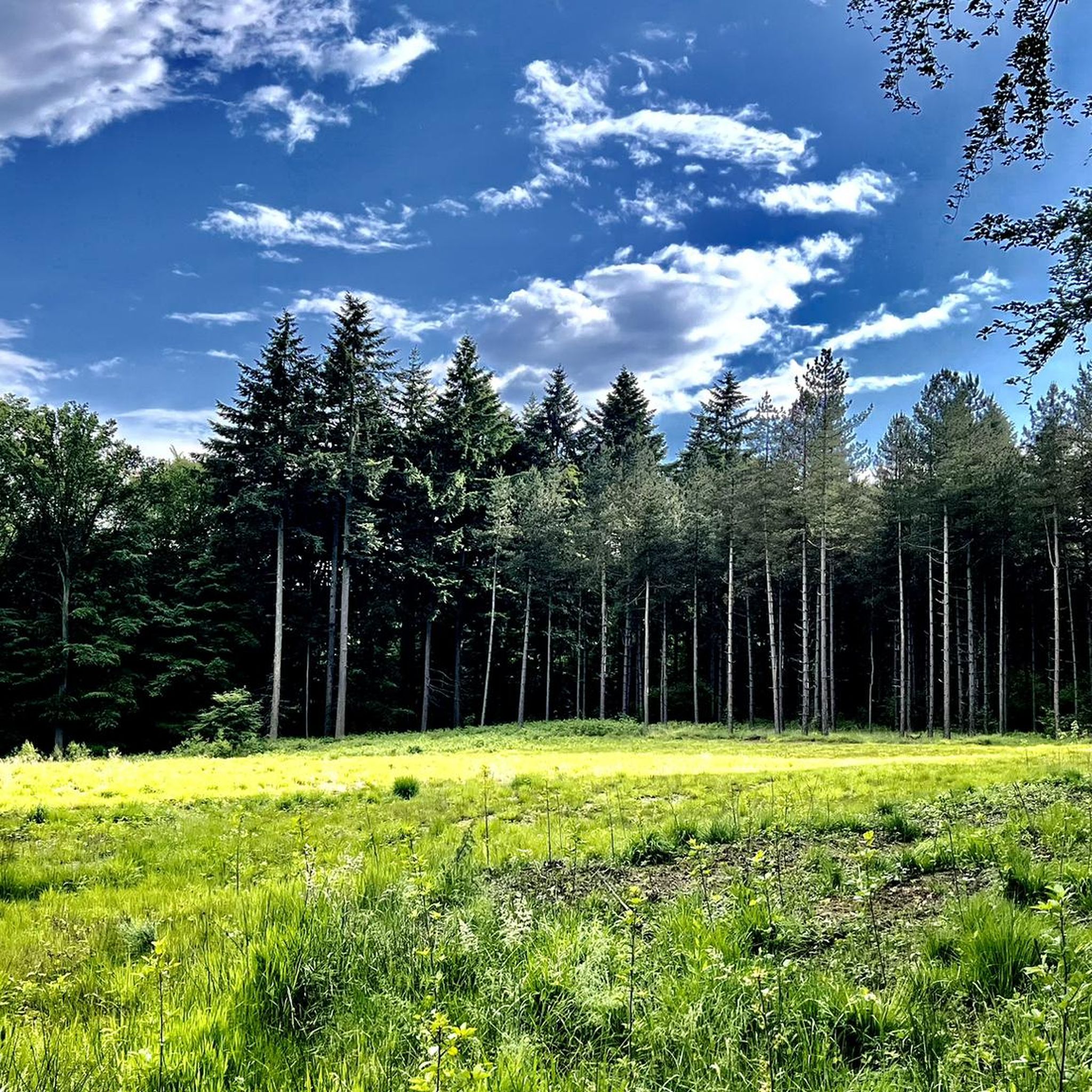
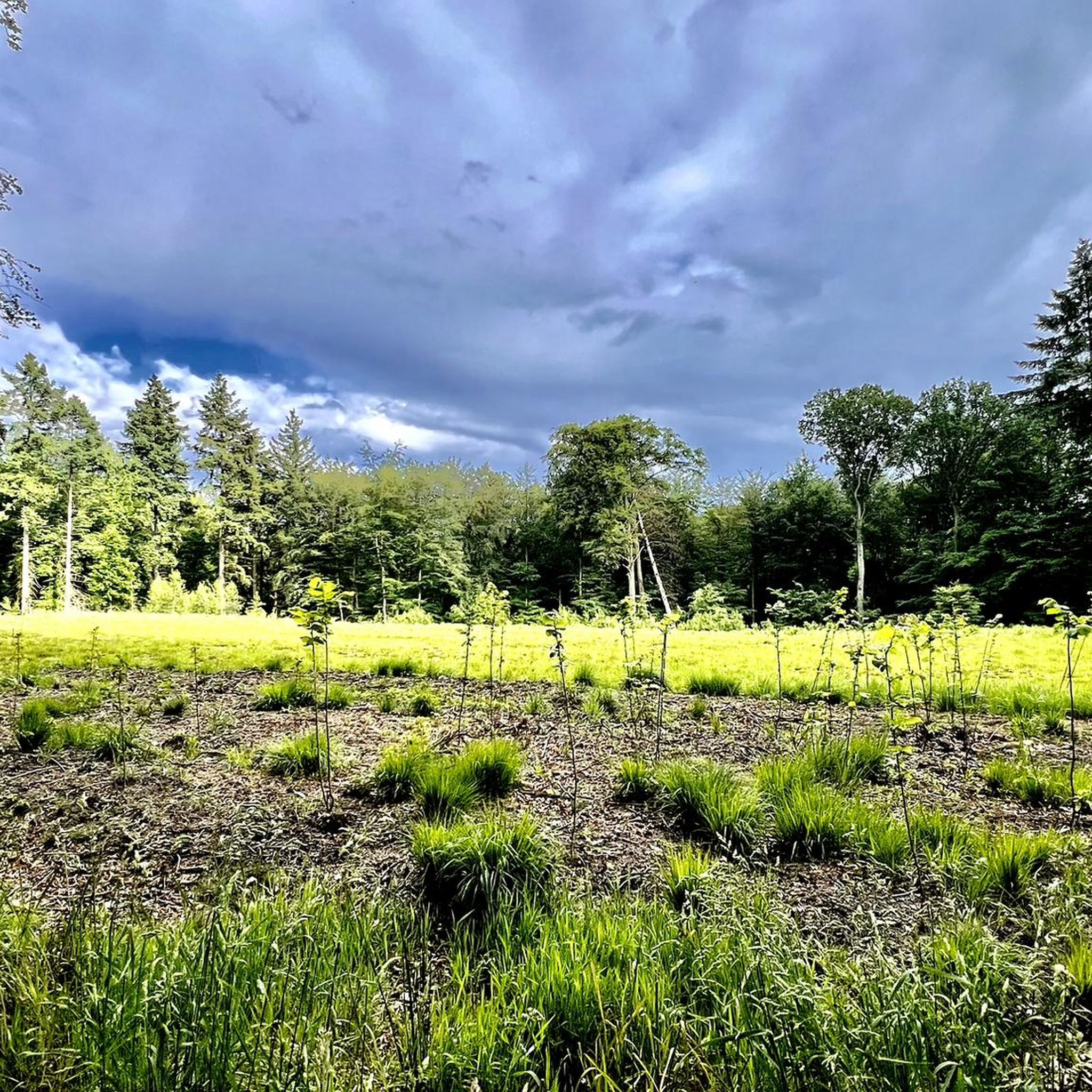
Best natural monuments in Mollendaalbos are part of the larger Meerdaalwoud and Heverleebos complex, forming an expansive mixed deciduous forest. This area features sandy to loamy soil, supporting diverse plant life adapted to nutrient-poor grounds. The forest is characterized by dominant beech and oak trees, with many old specimens contributing to its natural environment. Mollendaalbos offers an extensive network of trails for experiencing its flora and ancient trees.
Best natural monuments in Mollendaalbos
- The most popular natural monuments is Meerdaal…
Last updated: June 30, 2026
Meerdaal Forest and Heverlee Forest
Highlight • Forest
Translated by Google •
Tip by

Thick Oak 300 years old – 5 meters in circumference
Highlight • Natural Monument
The monumental oak is more than 300 years old and has a …
Translated by Google •
Tip by

Sign up now to discover places like this
Get recommendations on the best single tracks, peaks, & plenty of other exciting outdoor places.
Sign up for free
"Het fluiterke" – sculpture by Ad Wouters
Highlight • Monument
From the picnic bench you have a beautiful view of the two tree sculptures by the local artist Ad …
Translated by Google •
Tip by
Bierbeekse Poort, Meerdaalwoud
Highlight • Forest
Translated by Google •
Tip by

Earthen embankment for 'Lakenjacht' - 17th century
Highlight • Historical Site
The …
Translated by Google •
Tip by
Sign up for free to discover even more natural monuments in Mollendaalbos.
Sign up for free
Already have an account?
Start today with a free account
Your next adventure awaits.
Login or Signup

Tips from the Community

One can wander around here for hours.
0
0

Already 304 years old? Time flies!
0
0

The Bierbeekse gate to the Meerdaalwoud offers a parking lot with information board, accessible via a short cobblestone path, located opposite a charming white house. From the parking lot, which of course has a picnic bench and more, you can easily reach the forest with some beautiful stately avenues. The information board focuses on the sights and activities for children in the vicinity of this part of Meerdaalwoud. The map on the information board shows you the entire region, between Egenhovenbos and here with Heverleebos and the Meerdaalwoud, both of which have existed since after the last Ice Age and together cover 2000 hectares. You are also close to the language border here.
7
0

From Mollendaal up a treacherous cobblestone road that hurts the calves, but with a concrete gutter next to it. Continues to climb imperceptibly but steeply.
1
0

Beautiful to see and pleasant to have a picnic here in the middle of nature
4
0

Beautiful in March/April when the wood anemones bloom.
6
0

Together with the Egenhoven Forest, the Meerdaal Forest and the Heverlee Forest cover an area of 2050 hectares and form the largest mixed deciduous forest in Flanders. In contrast to the otherwise fertile soils of the surrounding lands, this soil is sandy to loamy. Therefore, you will find a large variety of plants such as coltsfoot, common sage bush, moorberry, wild strawberry, chickweed, marsh fern and false sage, which are satisfied with nutrient-poor soils. Be very quiet and you might see deer - in these forests you will find the oldest deer population in Flanders. Bird lovers will also get their money's worth here and can watch songbirds and birds of prey. Don't be surprised if you suddenly see dwarves, monsters, trolls or goblins - the oxygen hasn't gone to your head. On the "Path of Ad" you can discover mysterious and fairytale tree sculptures.
2
0

Beautiful large woodpecker sculpture is carved in an old dodo oak. This is the work of the local artist Ad Wouters.
4
1
Frequently Asked Questions
What are some of the most unique natural monuments to visit in Mollendaalbos?
Beyond the expansive Meerdaal Forest and Heverlee Forest, you can discover the impressive Thick Oak, a monumental tree over 300 years old with a trunk circumference of more than 5 meters. Another notable spot is Kathedraaldreef - Pruikemakers, a forest trail where stately old trees create a cathedral-like canopy.
Are there family-friendly natural monuments in Mollendaalbos?
Yes, several natural monuments are suitable for families. The Meerdaal Forest and Heverlee Forest complex itself is family-friendly, offering diverse plant life and the chance to spot deer. The Thick Oak is a great spot for a picnic, and the "Het fluiterke" sculpture provides a fairytale-like picnic area with unique tree sculptures that kids often enjoy.
What kind of wildlife can I expect to see around the natural monuments?
Mollendaalbos is home to the oldest deer population in Flanders, so if you are quiet and observant, you might spot them. Bird lovers can also enjoy watching various songbirds and birds of prey within the Meerdaal Forest and Heverlee Forest complex.
What is the general terrain like when exploring the natural monuments in Mollendaalbos?
The terrain in Mollendaalbos is characterized by sandy to loamy soil, supporting a wide variety of plant life adapted to nutrient-poor grounds. The forest is dominated by beech and oak trees, with many ancient specimens. You'll find an extensive network of trails, generally suitable for walking or cycling, with some areas featuring slight inclines or cobblestone paths.
Are there historical sites or features near the natural monuments?
Yes, you can find historical elements within the forest. For instance, the Earthen embankment for 'Lakenjacht' is a 17th-century remnant of a hunting technique, featuring an almost 2-meter-high earth wall that is 6 to 7 meters wide at its base and approximately 400 meters long.
What outdoor activities can I do near these natural monuments?
Mollendaalbos offers a variety of outdoor activities. You can explore numerous running trails, with options like the 'Mommedeel Shelter loop' or the 'Warandedreef in Meerdaalwoud' loop. For cycling enthusiasts, there are gravel biking routes, including the 'Meerdaal Forest and Heverlee Forest' loop. Hiking is also very popular, with trails such as the 'Mollendaal Shelter – Church Road loop' available. You can find more details on these activities in the Running Trails in Mollendaalbos, Gravel biking in Mollendaalbos, and Hiking in Mollendaalbos guides.
What do visitors enjoy most about the natural monuments in Mollendaalbos?
Visitors frequently appreciate the grandeur of the ancient trees, the extensive forest ecosystems, and the unique natural features. The Thick Oak is often highlighted as a perfect picnic spot, and the Kathedraaldreef - Pruikemakers is praised for its impressive, cathedral-like atmosphere. The overall tranquility and natural beauty of the forest are also highly valued.
Are there any viewpoints or scenic spots among the natural monuments?
While not a traditional viewpoint, the area around the "Het fluiterke" sculpture offers a beautiful view, particularly from its picnic bench, overlooking the unique tree sculptures by artist Ad Wouters. The Kathedraaldreef - Pruikemakers also provides a highly scenic experience with its impressive canopy of old trees.
What is the best time of year to visit Mollendaalbos to see its natural monuments?
Mollendaalbos offers beauty throughout the year. Spring (March/April) is particularly recommended when the wood anemones bloom, adding vibrant color to the forest floor, especially around the Thick Oak and along the Kanselierdreef near Kathedraaldreef - Pruikemakers. Autumn also brings stunning foliage as the deciduous trees change color.
Are there specific rules for dogs on the trails around the natural monuments?
While Mollendaalbos is generally welcoming to visitors, specific dog rules can vary. It's always advisable to keep dogs on a leash to protect wildlife and ensure a pleasant experience for all visitors. Please check local signage upon arrival for any specific regulations regarding pets in certain areas.
How long does it typically take to walk through the main natural monuments?
The time required depends on which natural monuments you wish to visit and the length of your chosen route. For example, a moderate hike like the 'Mollendaal Shelter – Church Road loop' is about 10.4 km and can take a few hours. Shorter walks focusing on individual highlights like the Thick Oak or Kathedraaldreef - Pruikemakers can be done in under an hour, depending on your starting point.
Are there any facilities like cafes or pubs near the natural monuments in Mollendaalbos?
While the immediate vicinity of the natural monuments within the deep forest may not have direct facilities, the broader Mollendaalbos area and surrounding villages offer options for cafes and pubs. It's recommended to check for establishments in nearby towns like Blanden or Vaalbeek before or after your visit.
Most popular routes in Mollendaalbos
Most popular attractions in Mollendaalbos

Get inspired with the komoot mobile app


Explore more
Extend your search for the best caves by checking out these guides of the top ones in Mollendaalbos:
