The best cycling routes in Mollendaalbos
4.3
(1527)
25,419
riders
902
rides
Touring cycling in Mollendaalbos offers routes through the largest mixed deciduous forest in Flanders, encompassing parts of the Meerdaal Forest and Heverlee Forest. The terrain features sandy to loamy soil, supporting diverse plant life and wildlife. Cyclists can expect a mix of well-paved and gravel paths, connecting to broader regional cycling networks. The area provides varied landscapes suitable for different fitness levels, with some routes offering significant elevation gain.
Best touring cycling routes in Mollendaalbos
- The most popular touring cycling…
Last updated: July 10, 2026
13
riders
24.0km
01:29
140m
140m
Easy bike ride. Great for any fitness level. Mostly paved surfaces. Suitable for all skill levels.
4
riders
31.7km
01:59
220m
220m
Moderate bike ride. Good fitness required. Mostly paved surfaces. Suitable for all skill levels.

Sign up for free
3
riders
6.04km
00:33
50m
50m
Easy bike ride. Great for any fitness level. Mostly paved surfaces. Suitable for all skill levels.
5.0
(1)
6
riders
Moderate bike ride. Good fitness required. Mostly paved surfaces. Suitable for all skill levels.
2
riders
40.7km
02:27
280m
280m
Moderate bike ride. Good fitness required. Mostly paved surfaces. Suitable for all skill levels.
Get access to more routes and recommendations from other explorers.
Sign up for free
Already have an account?
Our route recommendations are based on thousands of hikes, rides, and runs completed by other people on komoot.
Start today with a free account
Your next adventure awaits.
Login or Signup

Tips from the Community

F24 from Leuven to Tienen, cycle path (Kessel-Lo) and then cycle highway following the tracks until just before Boutersem, then along normal roads towards Tienen, I myself haven't been further than Boutersem
0
0

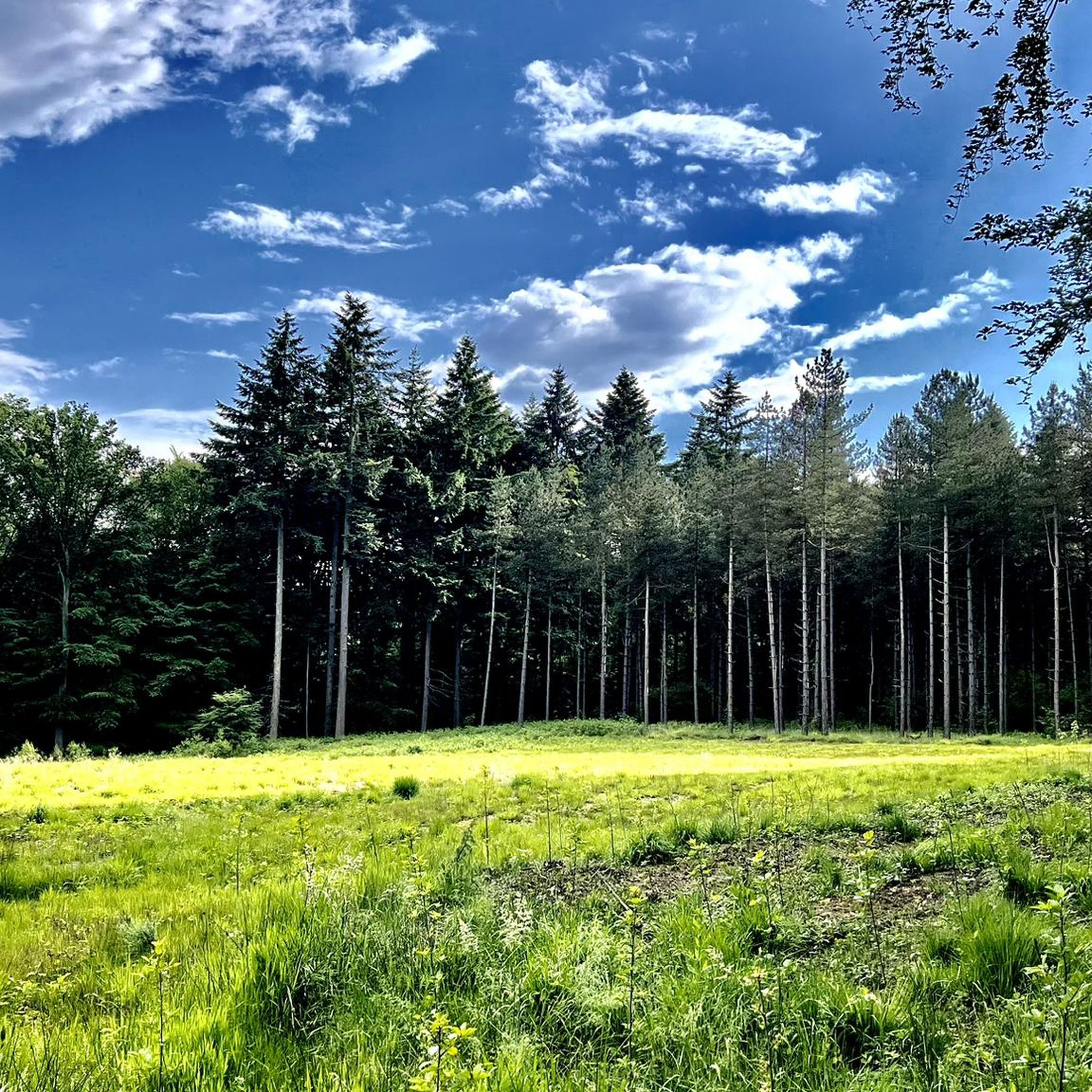
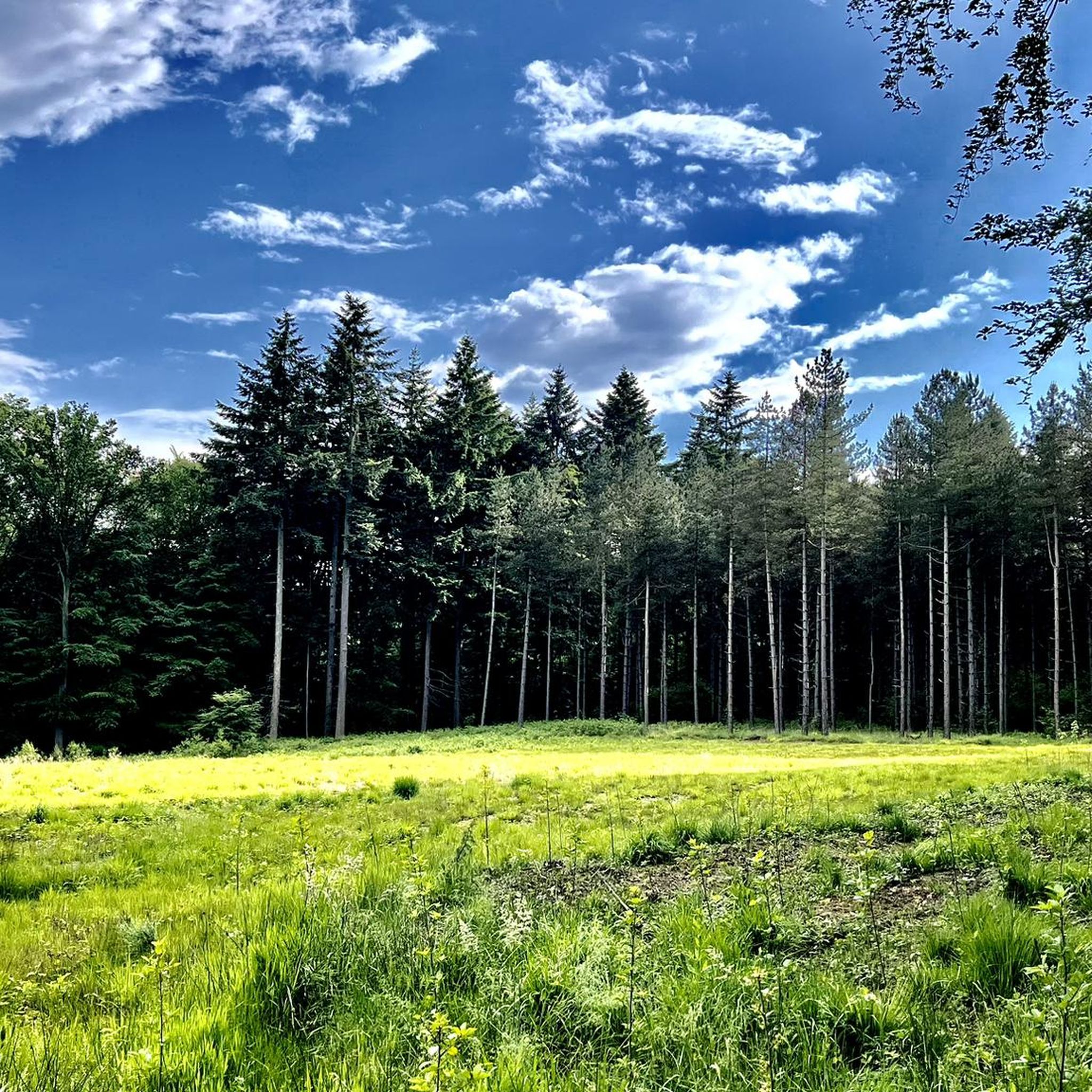
At a moderate speed you can fully enjoy the Brabantse Woud.
5
0
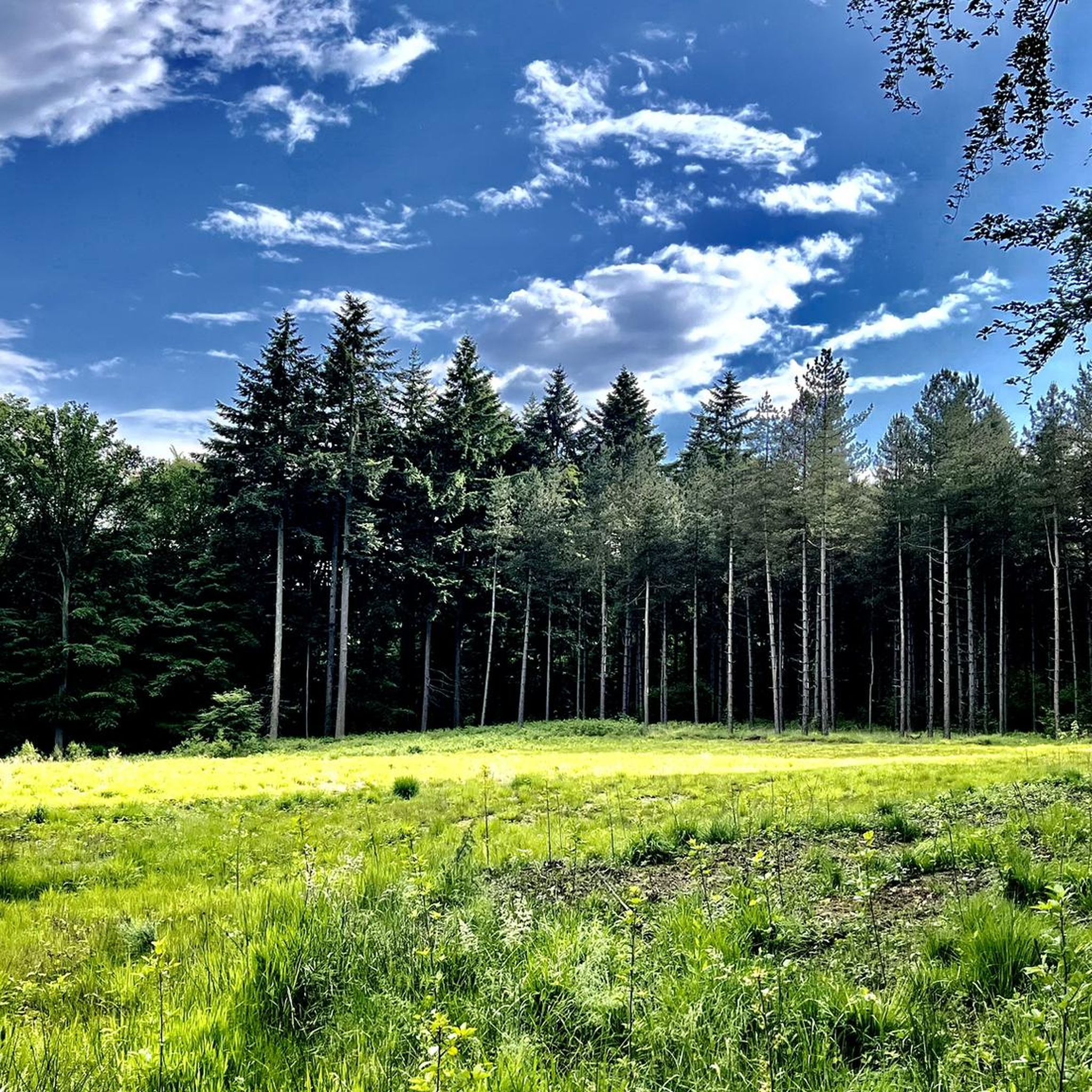
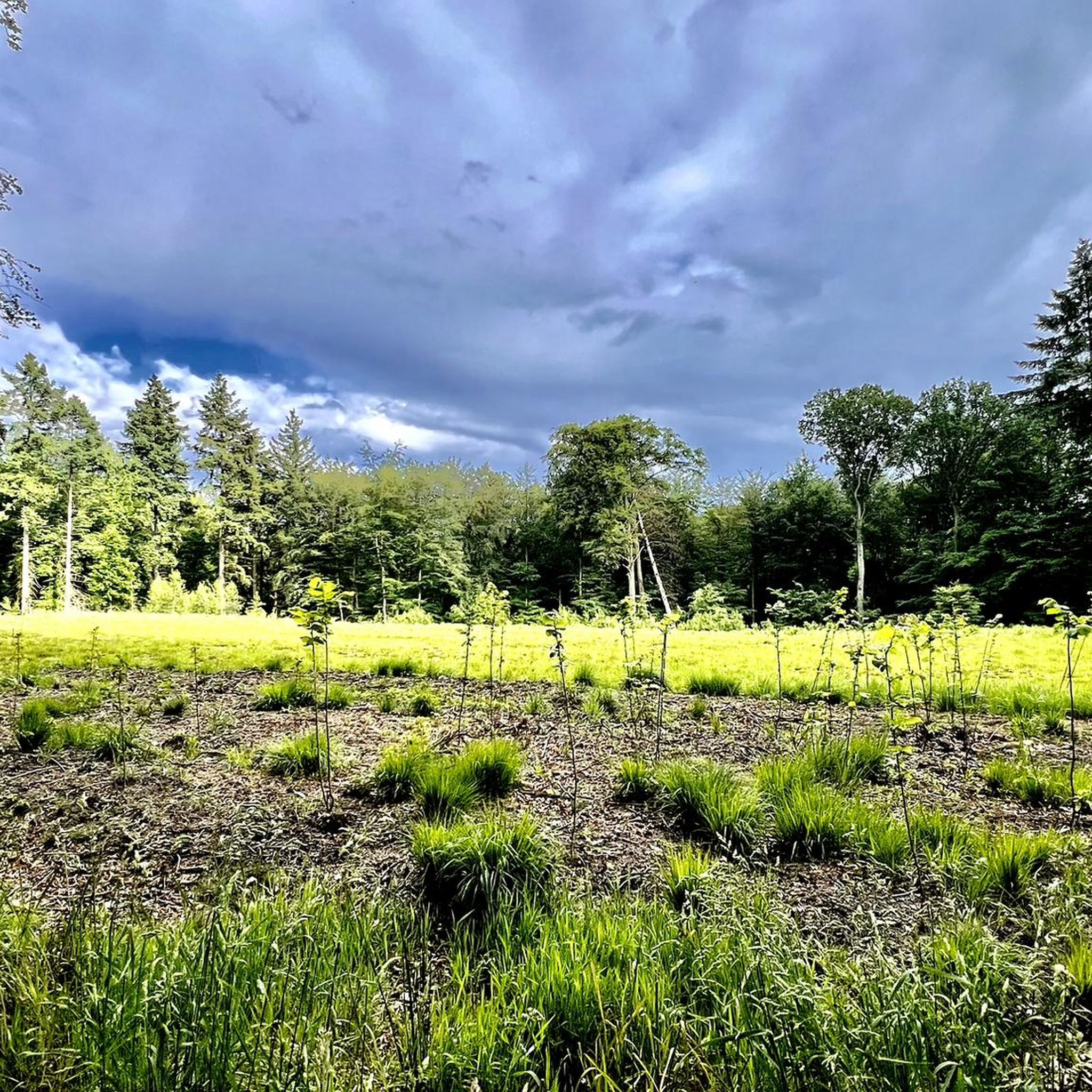
On this path, you can enjoy beautiful views of the Dijle landscape. Enjoy it to the fullest at a moderate speed.
5
0

This monumental pulpit was made for the abbey church (Norbertines) of Ninove and consists of a rock and two palm trees. At the bottom, the conversion of Norbert is depicted, and Peter in a cave. In 1807, it was transferred to St. Peter's Basilica in Leuven. Source and more: https://ornamentsnijder.blogspot.com/2024/05/preekstoel-in-de-collegiale-sint.html
5
0

Park Abbey is considered one of the best-preserved abbeys in Western Europe. Besides the abbey and its church, the complex also includes an estate and extensive grounds with meadows and ponds. Although the abbey largely dates from the 17th and 18th centuries, its history goes back to 1129, when the Duke of Brabant gifted his hunting grounds in Leuven to the Premonstratensians. The Premonstratensians, or Norbertines, were considered wealthy and powerful and were therefore called the "Park Princes." They led a privileged life and devoted themselves to art and literature. The abbey's library once housed a renowned collection of manuscripts and early printed books. The abbots adorned the interiors with works of art, including the stained-glass windows by Jean de Caumont in the cloister and the stucco ceilings by Jan Christiaen Hansche. Source: Flemishmastersinsitu.com
0
0
One of the avenues leading to the abbey, largely preserved over the last two centuries, runs along the Molenbeek stream, just like the Negenbunderspad further east. Poplars have been planted along some of the avenues. This path runs between one of the parking lots of the Kessel-Lo provincial domain and the abbey's Noorderpoort gate, along the stream. It's frequently used and offers beautiful views of the abbey, the Werbeheuvel hills to the northeast, and the meadows and surrounding built-up areas of Kessel-Lo and Linden.
6
0
Vlierbeek Abbey is located northeast of Leuven. To the south, it borders the Negenbunders and the Molenbeek valley, which, until the first half of the 20th century, connected to the then-existing part of the Lovenarenbroek. The avenues, the abbey site, and the surrounding fields have largely been preserved over the past two centuries. The priory was founded by the Benedictines of Affligem in 1127. The first monastic buildings were erected from 1158 onwards, and the first church was built in 1170. During the Wars of Religion, the abbey was destroyed. Reconstruction did not begin until 1642. A second building campaign began in 1776, during which only the church and the abbot's quarters were completed. The ruins of the original church tower still exist. The abbey was dissolved in 1796, but thanks to the Concordat, the first monks were able to return in 1801. In 1829, Vlierbeek became an independent parish. The abbey church is a defining feature: a remarkably homogeneous building in the Classical style, a series of geometric volumes devoid of any ornamentation. Adjacent to the church is the cemetery, which is still in use. In the garden adjacent to the church, we still find remains of the cloister, rebuilt in the 17th century. The old abbot's quarters date from the 16th century but have been renovated several times. In the vegetable garden, a 17th-century gazebo with a rococo stucco ceiling still stands, used as a chapel since 1963. Several outbuildings adjacent to the western enclosure wall were converted into private residences in the 19th century. The 18th-century carriage house was also converted into a residence. Farmhouse buildings from the 17th century stand against the northern fence, which originally housed a bakery and brewery. The 17th-century northern gate was originally equipped with a drawbridge, the ironwork of which has been preserved. The western gate with the gatehouse dates from the 16th century. Behind the farm, traces of the Baroque garden and its associated canal system can still be seen. The plot of the former 17th-century parterre garden is still recognizable. Also worth mentioning are the garden belonging to the rectory and the garden near the former coach house, as well as remnants of the 18th-century moated island garden in the northeast corner, remnants of hedges, the old cloister, and the vegetable garden. Inventory of Immovable Heritage: Vlierbeek Abbey Domain, https://id.erfgoed.net/erfgoedobjecten/135101
5
0
This year, the globe celebrates its 35th anniversary. The spherical vessel was painted like a globe by architect Ortwin Deroo in 1993. It was renovated in 2017. The water tower itself was built in 1969 by the Ateliers de Construction de Jambes. The steel water tower with its spherical crown is 29 meters tall. The tower has a capacity of 500m³ of water and provides drinking water to approximately 5,000 households in Bierbeek, Lovenjoel, Kessel-Lo, Lubbeek, Blanden, and Haasrode, as well as the Pellenberg hospital. Inventory of Immovable Heritage: Bierbeek Water Tower, https://id.erfgoed.net/erfgoedobjecten/307079
0
0
Frequently Asked Questions
How many touring cycling routes are available in Mollendaalbos?
Mollendaalbos offers a wide selection of touring cycling routes, with over 800 options recorded on komoot. These routes cater to various preferences, from easy loops to more challenging paths with significant elevation gain.
What kind of terrain can I expect when cycling in Mollendaalbos?
The terrain in Mollendaalbos is characterized by its mixed deciduous forest, part of the larger Meerdaal and Heverlee Forests. You'll find a mix of well-paved and gravel paths. While some segments might be unpaved, even normal racing bikes can manage in dry conditions. The soil is typically sandy to loamy.
Are there any easy touring cycling routes suitable for beginners in Mollendaalbos?
Yes, Mollendaalbos has numerous easy routes. Approximately 342 of the available routes are classified as easy. An example is the Meerdaal Forest and Heverlee Forest – Brasserie 500 loop from Blanden, which is 12.6 km long with minimal elevation gain.
What are some challenging touring cycling routes in Mollendaalbos?
For those seeking a challenge, Mollendaalbos offers about 155 difficult routes. One such route is the Mollendaal Shelter – Rest bench loop from Bierbeek, a 6.2 km trail that, despite its length, is rated difficult due to its terrain and passes by the notable Mollendaal Shelter.
What natural features or landmarks can I see along the cycling routes?
Mollendaalbos is rich in natural beauty and unique landmarks. You can explore the expansive Meerdaal Forest and Heverlee Forest, encounter the impressive Thick Oak, a monumental tree over 300 years old, or discover the artistic tree sculptures along the "Path of Ad," such as "Het fluiterke" – sculpture by Ad Wouters.
Are there any circular touring cycling routes in Mollendaalbos?
Many of the touring cycling routes in Mollendaalbos are designed as loops, allowing you to start and end at the same point. For instance, the Klein Heidestraat Climb – View of the Hageland Hills loop from Bierbeek offers a substantial circular ride of over 55 km.
What is the best time of year to go touring cycling in Mollendaalbos?
Mollendaalbos is enjoyable year-round, but spring and autumn offer particularly pleasant conditions with vibrant foliage and comfortable temperatures. In dry conditions, even gravel paths are suitable for most bikes. Winter cycling is possible, but some unpaved segments might be more challenging.
Is Mollendaalbos suitable for family-friendly cycling trips?
Yes, Mollendaalbos offers routes suitable for families. The diverse network includes many easy and moderate paths that are less demanding, allowing families to enjoy the natural surroundings together. Look for shorter, flatter routes for younger cyclists.
What do other touring cyclists enjoy most about Mollendaalbos?
The area is highly rated by the komoot community, with an average score of 4.3 stars from over 1,400 reviews. Reviewers often praise the diverse landscapes, the extensive network of paths through the largest mixed deciduous forest in Flanders, and the unique artistic elements like the tree sculptures.
Are there opportunities to see wildlife while cycling in Mollendaalbos?
Mollendaalbos is home to diverse wildlife. Cyclists might spot the oldest deer population in Flanders, as well as various songbirds and birds of prey, especially during quieter times of the day or year. The rich plant life also contributes to a vibrant ecosystem.
Are there any cafes or places to stop for refreshments along the routes?
While specific cafes directly on every route are not listed, the region around Mollendaalbos, including nearby cities like Leuven, offers various options for refreshments. Some routes, like the Meerdaal Forest and Heverlee Forest – Brasserie 500 loop from Blanden, may pass by or near establishments where you can take a break.
How long do touring cycling routes in Mollendaalbos typically take to complete?
Route durations vary significantly based on length and difficulty. Shorter, easier loops, like the 6.2 km Mollendaal Shelter – Rest bench loop from Bierbeek, can be completed in about 35 minutes. Longer routes, such as the 55.6 km Klein Heidestraat Climb – View of the Hageland Hills loop from Bierbeek, can take over 3 hours.
Most popular routes in Mollendaalbos
Most popular attractions in Mollendaalbos

Get inspired with the komoot mobile app


Explore more
Browse the best Cycling routes in other regions.
