Top 18 Natural Monuments around Vile
Best natural monuments around Vile are found in a region characterized by its coastal landscapes and the significant Minho River, which forms a natural border. This area offers a blend of natural beauty and historical significance, with viewpoints overlooking the Atlantic Ocean and river estuaries. The terrain includes mountains and beaches, providing diverse natural settings for exploration. Visitors can experience unique ecosystems where river and sea waters meet, alongside ancient historical sites.
Best natural monuments around Vile
- The most popular…
Last updated: June 30, 2026
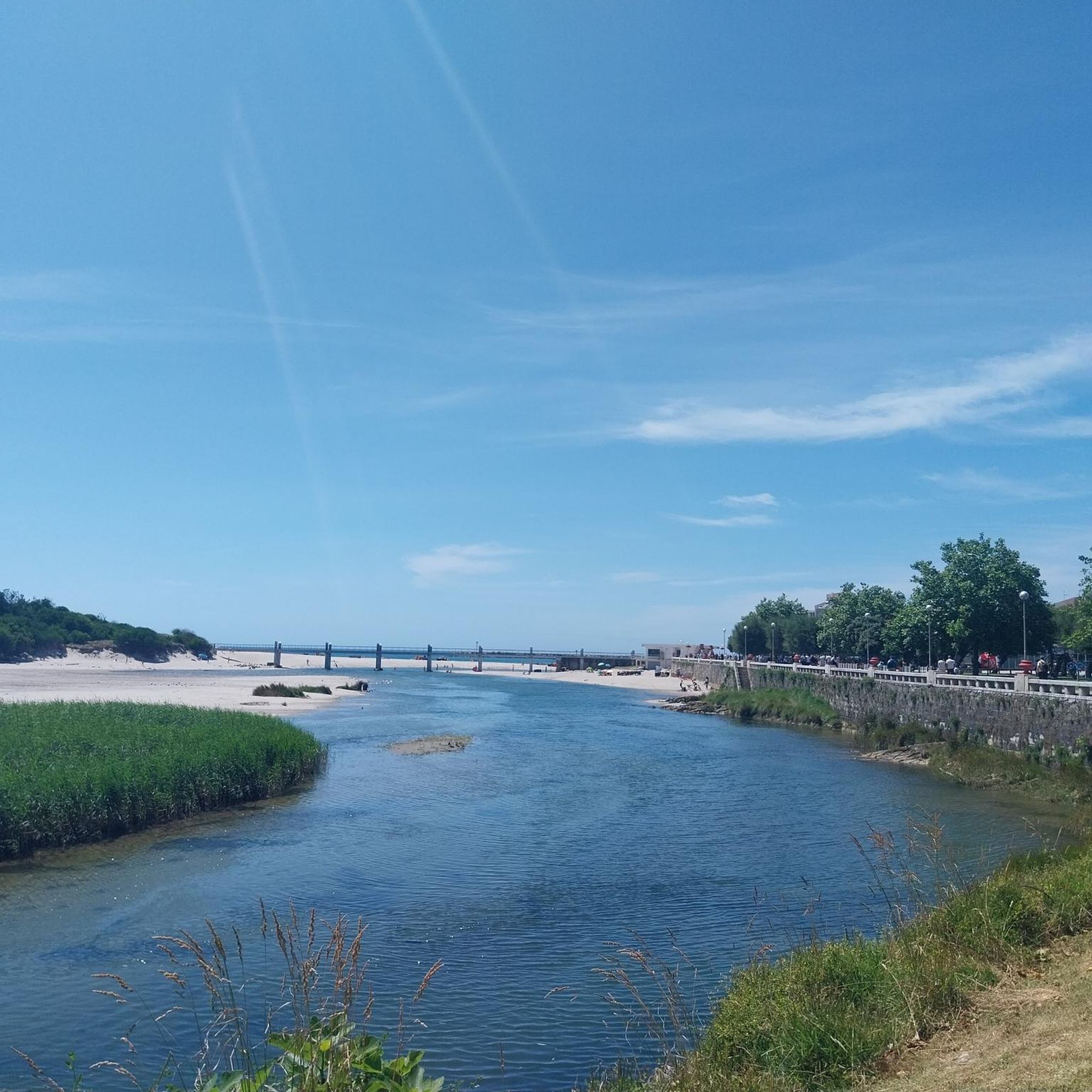
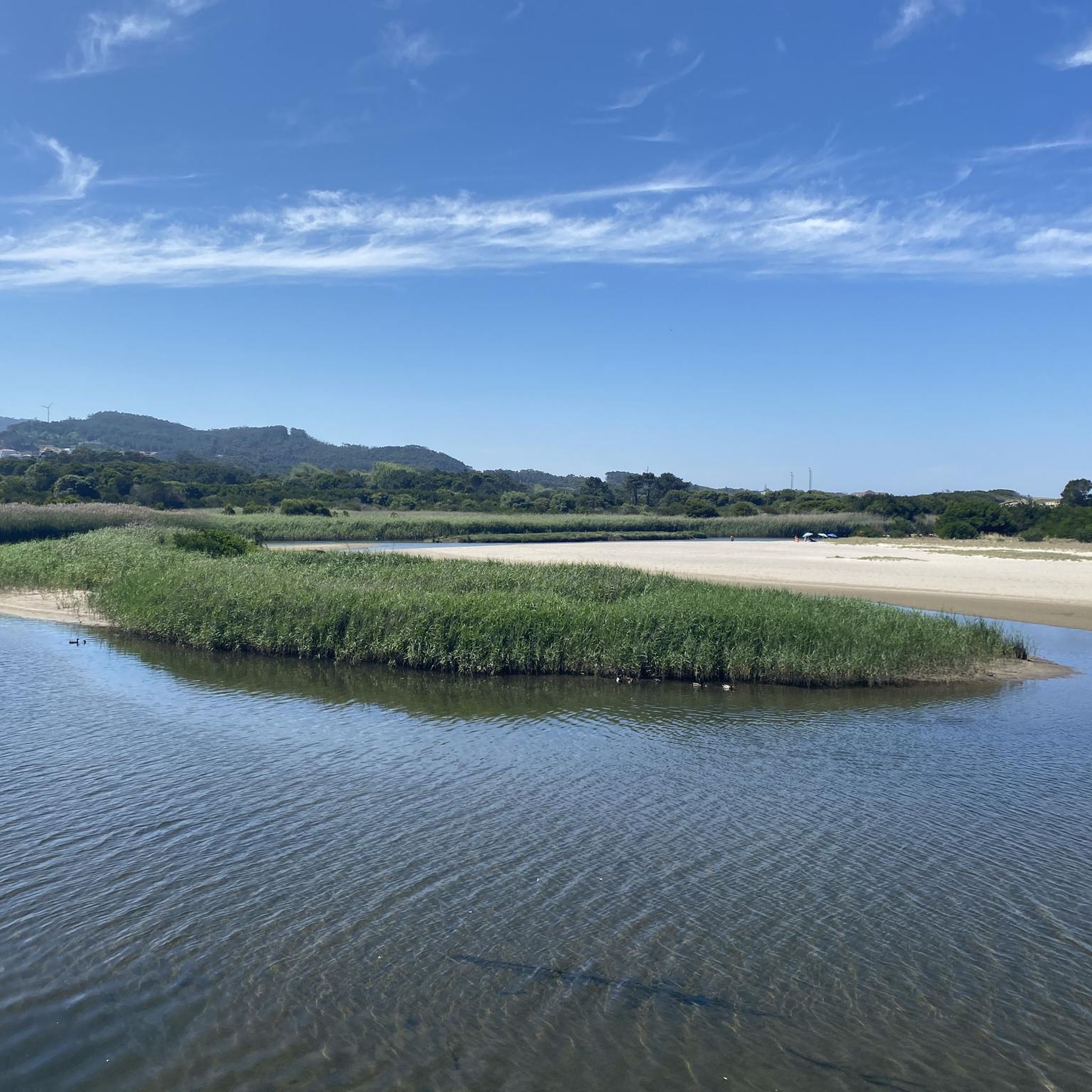
View over the mouth of the Minho River
Highlight • Viewpoint
Translated by Google •
Tip by

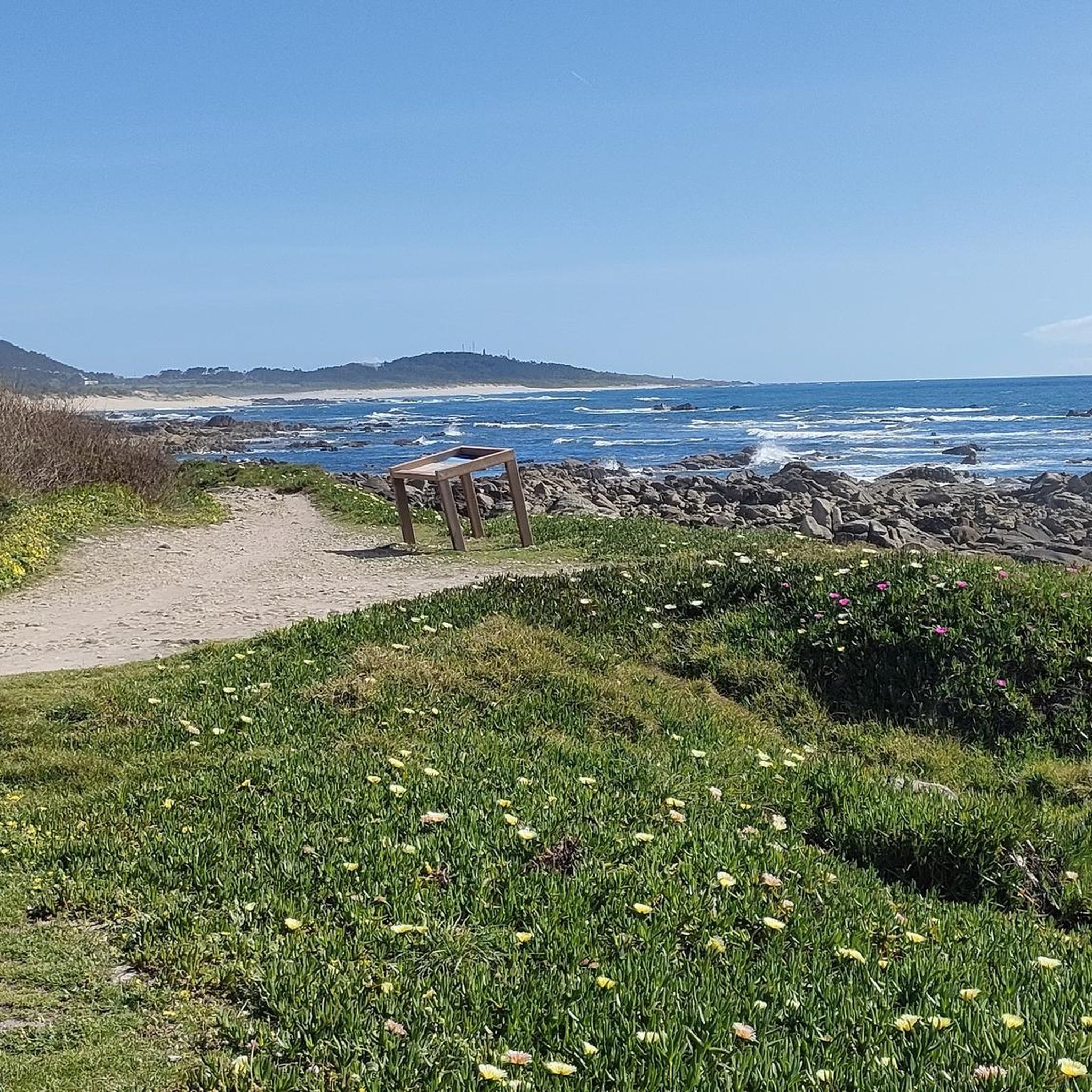
Monte de Santa Trega
Highlight • Viewpoint
Translated by Google •
Tip by

Sign up now to discover places like this
Get recommendations on the best single tracks, peaks, & plenty of other exciting outdoor places.
Sign up for free
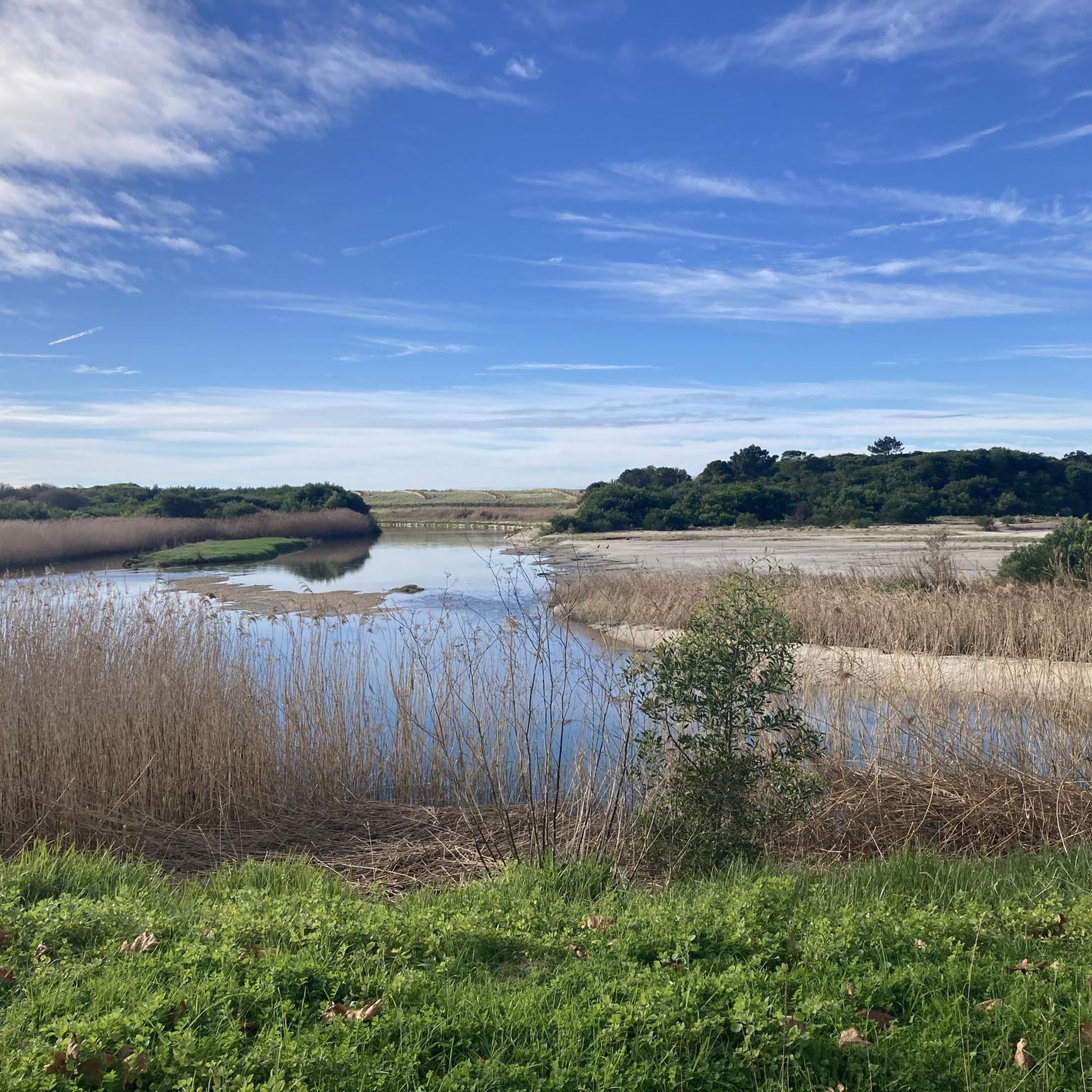
Black Pool
Highlight • Natural Monument
Translated by Google •
Tip by

Rock Engravings on Fornelos Beach
Highlight • Historical Site
Translated by Google •
Tip by

Castro de Santa Tecla
Highlight • Historical Site
Translated by Google •
Tip by
Sign up for free to discover even more natural monuments around Vile.
Sign up for free
Already have an account?
Start today with a free account
Your next adventure awaits.
Login or Signup

Tips from the Community

In Spain (Galicia) Muíños do Picón and do Folón: On the Spanish side, in O Rosal, the area offers hiking trails with views of Portugal and the river mouth from elevated points. A Guarda: The Spanish city on the other side of the river also offers direct views of the Portuguese beach and the dynamic river mouth.
1
0
In Portugal (Caminha and Vila Nova de Cerveira) Foz do Minho Beach: Located in the town of Caminha, this river beach offers a fantastic and direct view of the river mouth, with Spain (A Guarda) on the other side of the river. It is a popular spot for walking and watching the sunset. Deer Viewpoint and Swing: Situated in Vila Nova de Cerveira (just before reaching the actual river mouth, but overlooking the valley), it is often described as having "the best view of the Minho," crossing the entire river valley from Valença to the mouth. It offers a stunning panoramic view and easy access. Foz do Minho Restaurant: This restaurant in Vilarelho, Caminha, is known for having an excellent view of the river mouth from its windows, combining gastronomy with scenery.
1
0
The view of the mouth of the Minho River, where the river flows into the Atlantic Ocean and forms the natural border between Portugal and Spain, is one of the most beautiful landscapes in Northern Portugal. There are several viewpoints from which this stunning view can be appreciated. The landscape is marked by the meeting of the river's fresh water with the sea, creating a unique ecosystem and a visibly impressive border line.
1
0

The entire complex is well worth seeing. It features numerous old mills lined up next to each other. The valley was once covered with mills from top to bottom. Even today, it's still an exciting complex, even though most of it has fallen into disrepair, the structure is still clearly recognizable.
0
0

Fantastic views of Spain and Portugal
0
0
Climb with beautiful views of Spain and Portugal
0
0

Nestled in a small cove, Fornelos Beach is worth a visit in itself, but here we also find an interesting series of petroglyphs carved into the reddish rocks. These engravings, carved into two boulders, date back to the Bronze Age, specifically between the 3rd and 8th centuries BC, and protrude several meters above the sand. We can make out serpentine motifs, schematic zoomorphic figures, particularly deer, dimples, horseshoes, and grooves carved into the rock, presumably depicting a hunting scene. https://www.altominho.pt/pt/visitar/o-que-ver/gravuras-rupestres-da-praia-de-fornelos/
1
0

The castros were fortified enclosures, surrounded by moats and walls. Inside, the stone houses, with circular layouts and thatched roofs, were distributed in neighbourhoods, separated by streets and squares. Other longer constructions functioned as meeting or worship spaces, and some villages even had steam baths. The Castro de Santa Tecla, in the Galician town of A Guarda (Pontevedra), is a representative example, but there are more.
7
1
Frequently Asked Questions
What natural features define the Vile region's natural monuments?
The Vile region is characterized by its coastal landscapes and the significant Minho River, which forms a natural border between Portugal and Spain. You'll find diverse natural settings including river estuaries, mountains, and beaches. Key natural features include the panoramic View over the mouth of the Minho River and the serene Black Pool with its river and waterfall.
Are there historical or cultural sites among the natural monuments in Vile?
Yes, the region offers a blend of natural beauty and historical significance. A prominent example is Monte de Santa Trega, a viewpoint and summit that hosted one of the largest Celtic settlements in the northeast of the Iberian Peninsula. Nearby, Castro de Santa Tecla showcases well-preserved ruins of a large fortification and settlement from the 1st century. You can also discover ancient Rock Engravings on Fornelos Beach dating back to the Bronze Age.
Which natural monuments around Vile are suitable for families?
Several natural monuments in the Vile area are family-friendly. The View over the mouth of the Minho River offers stunning vistas that can be enjoyed by all ages. The Black Pool is a magical place where locals, including children, enjoy swimming in a natural setting. Additionally, the historical Castro de Santa Tecla provides an engaging educational experience for families.
What kind of outdoor activities can I do near the natural monuments in Vile?
The Vile region is excellent for various outdoor activities. You can explore the area through mountain biking, road cycling, and gravel biking. For example, there are numerous MTB Trails around Vile, Road Cycling Routes around Vile, and Gravel biking around Vile. Many routes offer scenic views of the Minho River and the Atlantic coast.
Are there any easy walks or beginner-friendly trails to explore the natural monuments?
While some highlights like Monte de Santa Trega and Black Pool are rated as intermediate, many viewpoints and coastal areas offer easier access for walks. The general appeal of the region's natural monuments is their accessibility for exploration, with paths leading to stunning views and historical sites. For specific easy routes, you might find suitable options within the broader Gravel biking around Vile guide, which includes some easier sections.
What is the best time of year to visit the natural monuments around Vile?
The Vile region, with its coastal and riverine landscapes, offers beauty throughout the year. Spring and autumn provide pleasant temperatures for hiking and exploring, with lush greenery or vibrant fall colors. Summer is ideal for enjoying the beaches and swimming spots like the Black Pool. Even in winter, the dramatic coastal views and historical sites like Monte de Santa Trega can be impressive, especially with fewer crowds.
Can I find any unique or 'hidden' natural monuments in the Vile area?
Beyond the well-known viewpoints, the Vile area holds some unique discoveries. The Black Pool, with its river, waterfall, and old mills, is described as a 'magical place' by visitors. The ancient Rock Engravings on Fornelos Beach, nestled in a small cove, offer a glimpse into Bronze Age history in a secluded natural setting.
What wildlife might I encounter near the natural monuments in Vile?
Given the region's diverse ecosystems where river and sea waters meet, you can expect to encounter various wildlife. The Minho River estuary is a significant area for birdwatching, especially migratory species. The unspoilt forests and crystal-clear streams in the broader region are known for rich and varied wildlife, including wild trout in the waterways.
What do visitors particularly enjoy about the natural monuments around Vile?
Visitors are consistently impressed by the stunning panoramic views, particularly from spots like the View over the mouth of the Minho River and Monte de Santa Trega, which offer expansive vistas of the Atlantic Ocean and the Minho River. The blend of natural beauty with significant historical sites, such as the Celtic settlements, is also highly appreciated. The opportunity for swimming in natural settings, like the Black Pool, is another highlight for many.
Where can I find panoramic views of the Minho River and the Atlantic Ocean?
For breathtaking panoramic views, head to the View over the mouth of the Minho River. This spot offers a unique perspective where the river meets the Atlantic, marking the natural border between Portugal and Spain. Another excellent location is Monte de Santa Trega, which provides expansive views of both the ocean and the river from its summit.
Are there any natural swimming spots in the Vile area?
Yes, the Black Pool is a popular natural monument featuring a river and waterfall where locals, including families, go swimming. It's known for its refreshing waters, though it can be quite deep and not very warm in the middle.
What kind of historical settlements can be explored in the Vile region?
The Vile region is rich in ancient settlements. Monte de Santa Trega hosted one of the largest Celtic settlements in the northeast of the Iberian Peninsula. You can also visit Castro de Santa Tecla, a well-preserved example of a fortified enclosure with circular stone houses and reconstructed dwellings from the 1st century.
Most popular attractions around Vile

Get inspired with the komoot mobile app


Explore more
Extend your search for the best caves by checking out these guides of the top ones around Vile:
