Top 20 Natural Monuments around Bieszczady
Best natural monuments around Bieszczady are found in a wild region of southeastern Poland, characterized by its pristine mountain landscapes. This area is home to unique ecosystems, including vast beech forests and extensive montane meadows known as "połoniny." The Bieszczady Mountains offer a diverse natural environment, protecting significant flora and fauna. It provides numerous opportunities for exploring its distinct geographical features.
Best natural monuments around Bieszczady
- The most popular natural monuments is Tarnica Peak, a summit that is the…
Last updated: August 9, 2026
Tarnica Peak
Highlight • Summit
Translated by Google •
Tip by

Orłowicz Pass
Highlight • Mountain Pass
Translated by Google •
Tip by
Sign up now to discover places like this
Get recommendations on the best single tracks, peaks, & plenty of other exciting outdoor places.
Sign up for free
Mała Rawka
Highlight • Summit
Translated by Google •
Tip by

Dział
Highlight • Trail
Translated by Google •
Tip by

Wielka Rawka
Highlight • Summit
Translated by Google •
Tip by
Kruhly Wierch
Highlight • Summit
Translated by Google •
Tip by

Halicz
Highlight • Summit
Translated by Google •
Tip by
Bukowe Berdo
Highlight • Summit
Translated by Google •
Tip by
Caryna Polonyna
Highlight • Viewpoint
Translated by Google •
Tip by
Dwernik Kamień
Highlight • Summit
Translated by Google •
Tip by
Sign up for free to discover even more natural monuments around Bieszczady.
Sign up for free
Already have an account?
Start today with a free account
Your next adventure awaits.
Login or Signup


Other adventures around Bieszczady

Tips from the Community

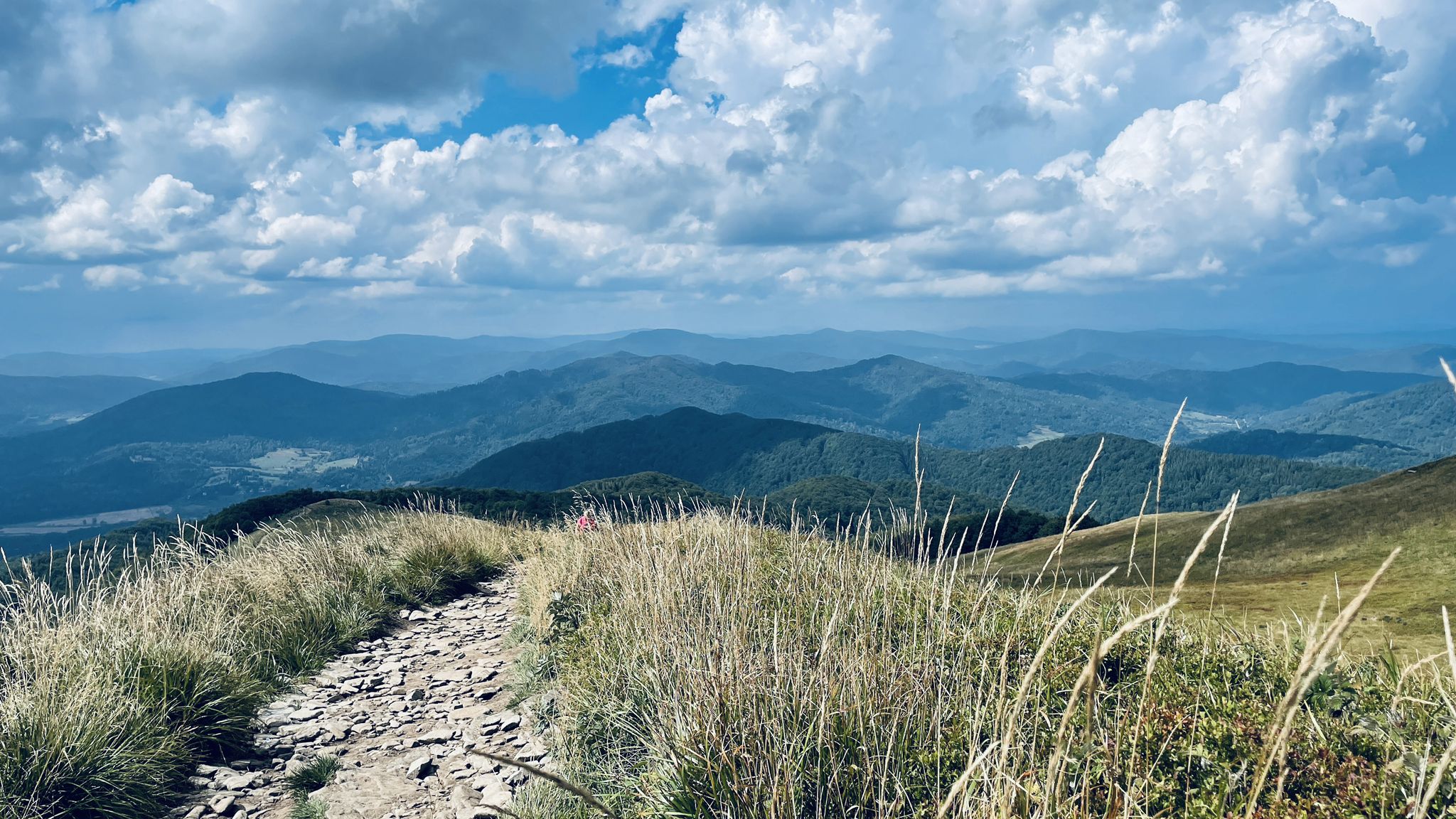
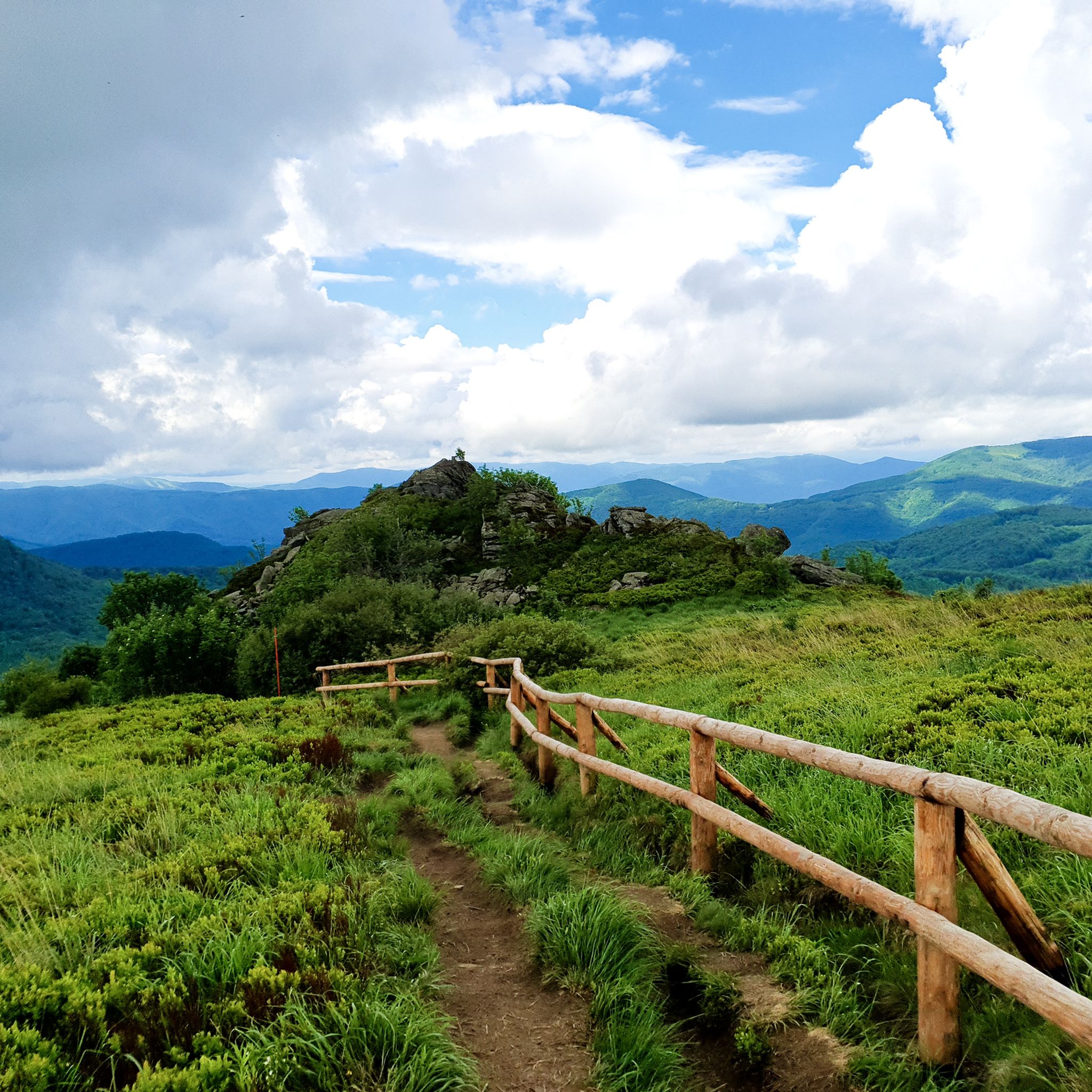
So you've reached Kruhly Wierch, the highest point on Połonina Caryńska (1,297 m). What are those views? From here, you can see the Sanocko-Turczańskie Mountains, Połonina Wetlińska, and the massifs of Mała and Wielka Rawka. A beautiful sight. (There are benches too!)
1
0
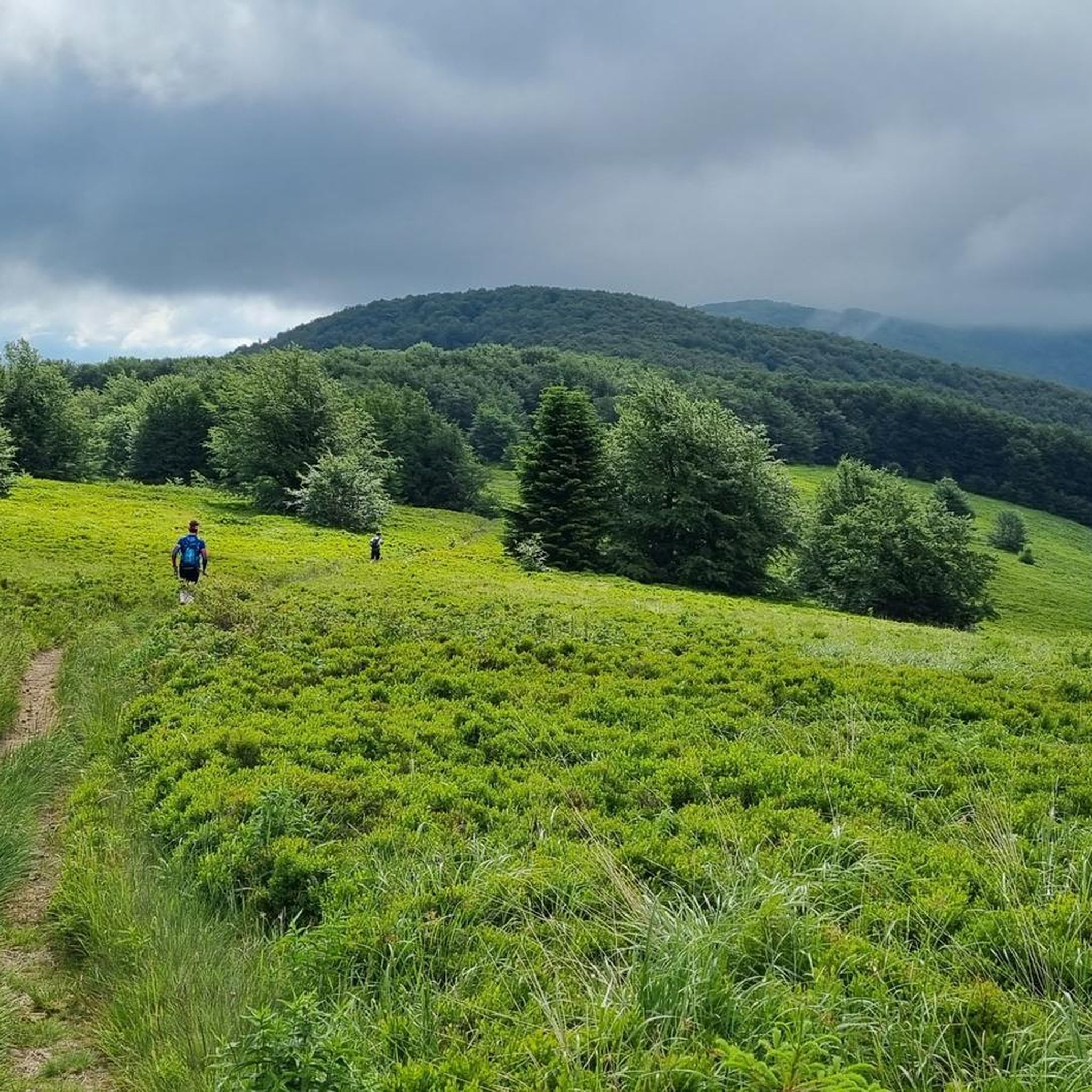
This whole area is extraordinary – this mountain pasture offers incredible views of the Bieszczady Mountains. It lies between the Wołosata and Dwernik rivers. From here, it's a short hike to the highest peak in this pasture – Kruhli Wierch (1,297 m). I highly recommend setting off in that direction!
1
0
Halicz, at 1,333 meters above sea level, is the third highest peak in the Polish Bieszczady Mountains. It lies between Kopa Bukowska and Rozsypaniec. The views will blow you away: from here you can see Połonina Bukowska, Połonina Równa, Starostyna, and in the distance, the peaks of Popadia and Wielka Sywula.
1
0


Beautiful views, in good weather the Tatra Mountains are in the palm of your hand
0
0

The shelter is in good condition and there is a table next to it, a good place for a break.
0
0
Frequently Asked Questions
What are some of the most scenic viewpoints among the natural monuments in Bieszczady?
The Bieszczady Mountains are renowned for their expansive panoramic views. For breathtaking vistas, consider hiking to Tarnica Peak, the highest point in the Polish Bieszczady, which offers views of almost the entire range. Caryna Polonyna also provides incredible views, often with less foot traffic than other popular spots. Additionally, Bukowe Berdo, a picturesque ridge, offers countless viewpoints of the surrounding mountains.
Are there any family-friendly natural monuments or trails suitable for beginners in Bieszczady?
Yes, the Bieszczady region offers options for families and those seeking easier trails. The Szepity Waterfall on the Hylate stream is a family-friendly natural monument, offering an accessible and interesting place to admire cascades and unique rock formations. The Sine Wiry Nature Reserve, protecting the picturesque gorge of the Wetlina River, is also noted for its easy trail suitable for families.
What kind of wildlife can I expect to see around the natural monuments in Bieszczady?
The Bieszczady Mountains are a haven for wildlife, particularly within the Bieszczady National Park. This region is a crucial habitat for large mammals such as wolves, lynxes (the park's symbol), and brown bears, which have the most numerous population in Poland here. European bison were also reintroduced in the 1960s. While sightings of larger animals can be rare, you'll likely encounter diverse birdlife and smaller forest creatures.
What is the best time of year to visit the natural monuments in Bieszczady?
The Bieszczady Mountains offer different charms throughout the year. Late spring to early autumn (May to October) is generally considered the best time for hiking, with pleasant temperatures and lush greenery. Autumn is particularly striking, as the vast beech forests, especially within Bieszczady National Park, turn a vibrant reddish color. Winter offers a unique, serene experience for those prepared for snow and colder conditions.
Are there popular hiking routes that connect multiple natural monuments?
Many trails in Bieszczady allow you to experience multiple natural monuments. For instance, the trail to Tarnica Peak often passes through other scenic areas. The region's extensive network of trails, including the Main Beskid Trail, connects various peaks and poloniny, offering challenging multi-day hikes or shorter loops. You can find detailed hiking routes, including those to Mała Rawka and Wielka Rawka, on the Hiking around Bieszczady guide.
What are the most popular mountain passes in the Bieszczady region?
One of the most frequented mountain passes in the Bieszczady Mountains is Orłowicz Pass. It serves as a significant junction for multiple trails, making it a popular spot for hikers. The pass is named after Mieczysław Orłowicz, a notable tourist activist who authored early Bieszczady guides.
What unique natural features characterize the Bieszczady Mountains?
The Bieszczady Mountains are characterized by their unique mountain ecosystems. Key features include vast beech forests, which are particularly stunning in autumn, and extensive montane meadows known as 'połoniny'. The region also boasts impressive rock formations, picturesque gorges like the Sine Wiry Nature Reserve, and the highest peak in the Polish Bieszczady, Tarnica Peak.
Are there opportunities for other outdoor activities near the natural monuments?
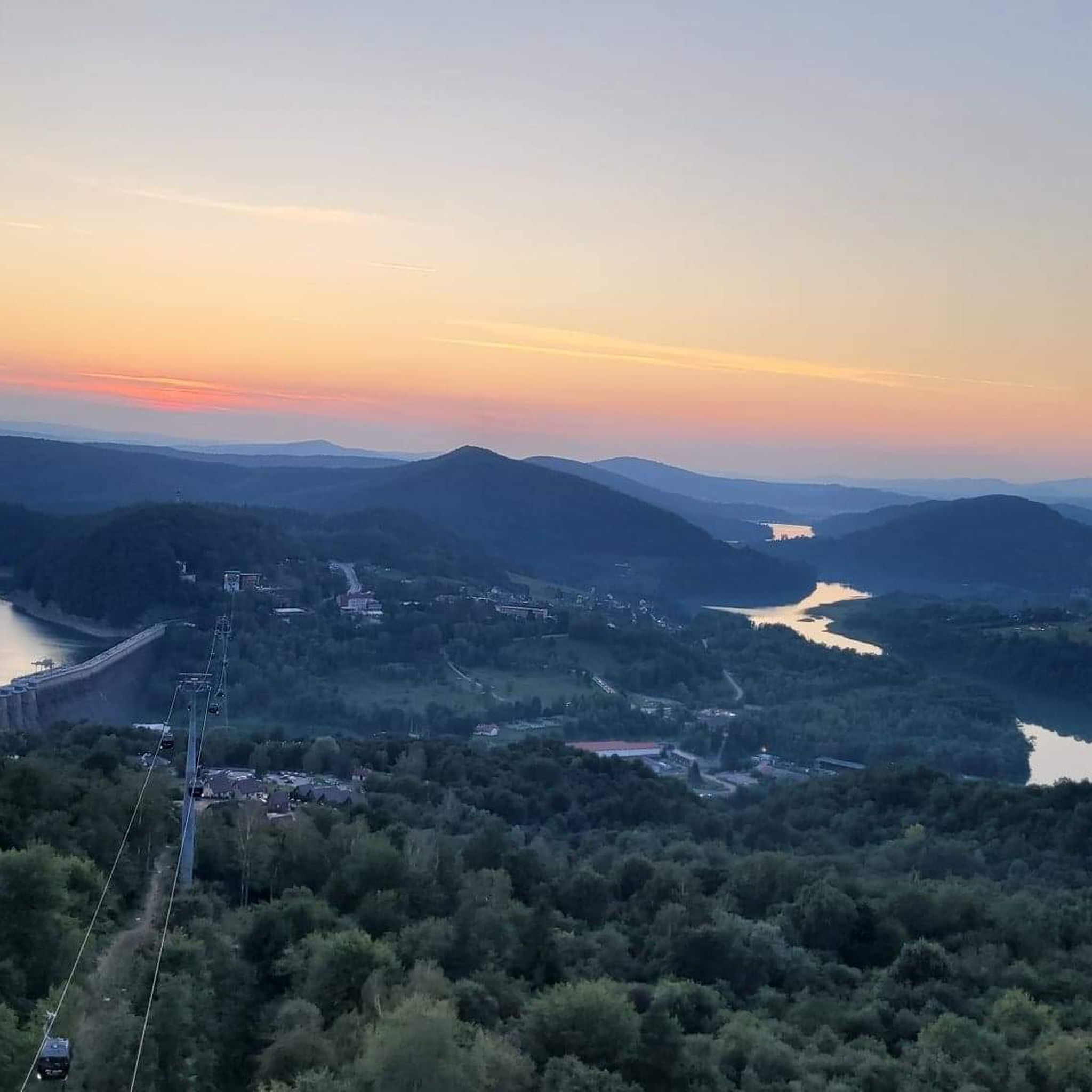
Beyond hiking, the Bieszczady region offers various outdoor activities. The artificial Lake Solina, created by Poland's highest dam, is a popular spot for sailing, swimming, fishing, and other water sports. For cycling enthusiasts, there are numerous road cycling routes around the region, which you can explore in the Road Cycling Routes around Bieszczady guide.
What is the significance of Bieszczady National Park in protecting these natural monuments?
Bieszczady National Park, established in 1973, plays a crucial role in protecting the highest parts of the Bieszczady Mountains and their unique ecosystems. It is the fourth-largest national park in Poland and safeguards vast beech forests, poloniny, and a rich diversity of flora and fauna, including rare large mammals. The park ensures the preservation of these natural monuments for future generations. You can find more information on their official website: bdpn.gov.pl.
What do visitors enjoy most about the natural monuments in Bieszczady?
Visitors frequently praise the true wilderness experience and the spectacular panoramic views offered by the Bieszczady natural monuments. Many appreciate the less crowded trails compared to other mountain ranges, allowing for a peaceful immersion in nature. The unique beauty of the poloniny, the challenge of reaching summits like Halicz, and the sense of discovery are often highlighted by those who explore the region.
Are there any less-known natural monuments worth exploring for peace and quiet?
For those seeking tranquility away from the more frequented paths, Bukowe Berdo is an excellent choice. This picturesque ridge, located within the Bieszczady National Park, offers stunning vistas but is often less crowded than other popular destinations, providing a more serene hiking experience.
How long does it typically take to hike to some of the main natural monuments?
Hiking times vary significantly depending on the monument and your starting point. For example, a moderate hike to Tarnica Peak from Wołosate can take a few hours. Shorter, moderate loops like the one to the shelter on Połonina Wetlińska from Przełęcz Wyżna can be completed in a couple of hours. Longer, more difficult routes, such as those encompassing Kruhly Wierch or multiple peaks, can be full-day excursions. Always check specific route details for estimated times and difficulty.
Most popular routes around Bieszczady
Most popular attractions around Bieszczady

Get inspired with the komoot mobile app


Didn’t find what you were looking for?
Find even more amazing natural monuments around Bieszczady by checking out the top Highlights region by region:
Explore more
Extend your search for the best caves by checking out these guides of the top ones around Bieszczady:
