Top 18 Natural Monuments around Gdańsk
Best natural monuments around Gdańsk include a diverse range of natural formations, from coastal areas and elevated viewpoints to extensive parks and reserves. The city is situated on the Baltic Sea coast, offering a unique blend of maritime and forested landscapes. These sites provide opportunities for outdoor activities and engagement with the region's ecological features. The area's postglacial topography contributes to varied terrain, including hills, valleys, and river systems.
Best natural monuments around Gdańsk
- The most popular natural monuments is Westerplatte Memorial, a man-made monument that is a peninsula known as the site where World War II began, featuring memorials and ruins. It offers a historical perspective on the region's past alongside its natural setting.
- Another must-see spot is Lake Otomińskie, a lake located in the Kashubian Lake District, surrounded by beech forests and ancient oaks. It serves as a recreational area for locals and is integrated into several marked tourist routes.
- Visitors also love Oliwa Stream in the Tricity Landscape Park, a river that is a primary watercourse draining the Oliwa Forests within the Tricity Landscape Park. This stream flows into the Bay of Gdańsk and historically powered numerous mills.
- Gdańsk is known for its diverse natural monuments, including coastal reserves, forested hills, and historic parks. Visitors can explore a variety of natural monuments, from bird sanctuaries to ancient trees and scenic viewpoints.
- The natural monuments around Gdańsk are appreciated by the komoot community, with over 260 upvotes and more than 400 photos shared across the highlights.
Last updated: October 15, 2026
Westerplatte Memorial
Highlight • Monument
Translated by Google •
Tip by

Lake Otomińskie
Highlight • Lake
Translated by Google •
Tip by

Sign up now to discover places like this
Get recommendations on the best single tracks, peaks, & plenty of other exciting outdoor places.
Mewia Łacha Nature Reserve
Highlight • Natural Monument
Translated by Google •
Tip by

Oliwa Stream in the Tricity Landscape Park
Highlight • River
pl.wikipedia.org/wiki/Potok_Oliwski
Translated by Google •
Tip by

Palm House Gdańsk
Highlight • Structure
Translated by Google •
Tip by
Japanese Garden in Oliwa Park
Highlight • Structure
Translated by Google •
Tip by
Entrance to Ronald Reagan Park
Highlight • Natural Monument
Park greenery includes planting trees and shrubs, lawns, ground cover roses and planting of perennials and ornamental grasses, as well as dense trees and shrubs.
The park is equipped with benches, decorative litter bins, ping-pong tables and chess games. In the Park of Ronald Reagan, there are also specially designated areas for grilling and burning bonfires.
Translated by Google •
Tip by
Valley of Clear Water
Highlight • Natural Monument
Translated by Google •
Tip by
Devil's Stone
Highlight • Natural Monument
Translated by Google •
Tip by
Pond in the Valley of Elves
Highlight • Lake
Translated by Google •
Tip by
Sign up for free to discover even more natural monuments around Gdańsk.
Already have an account?
Start today with a free account
Your next adventure awaits.
Popular around Gdańsk
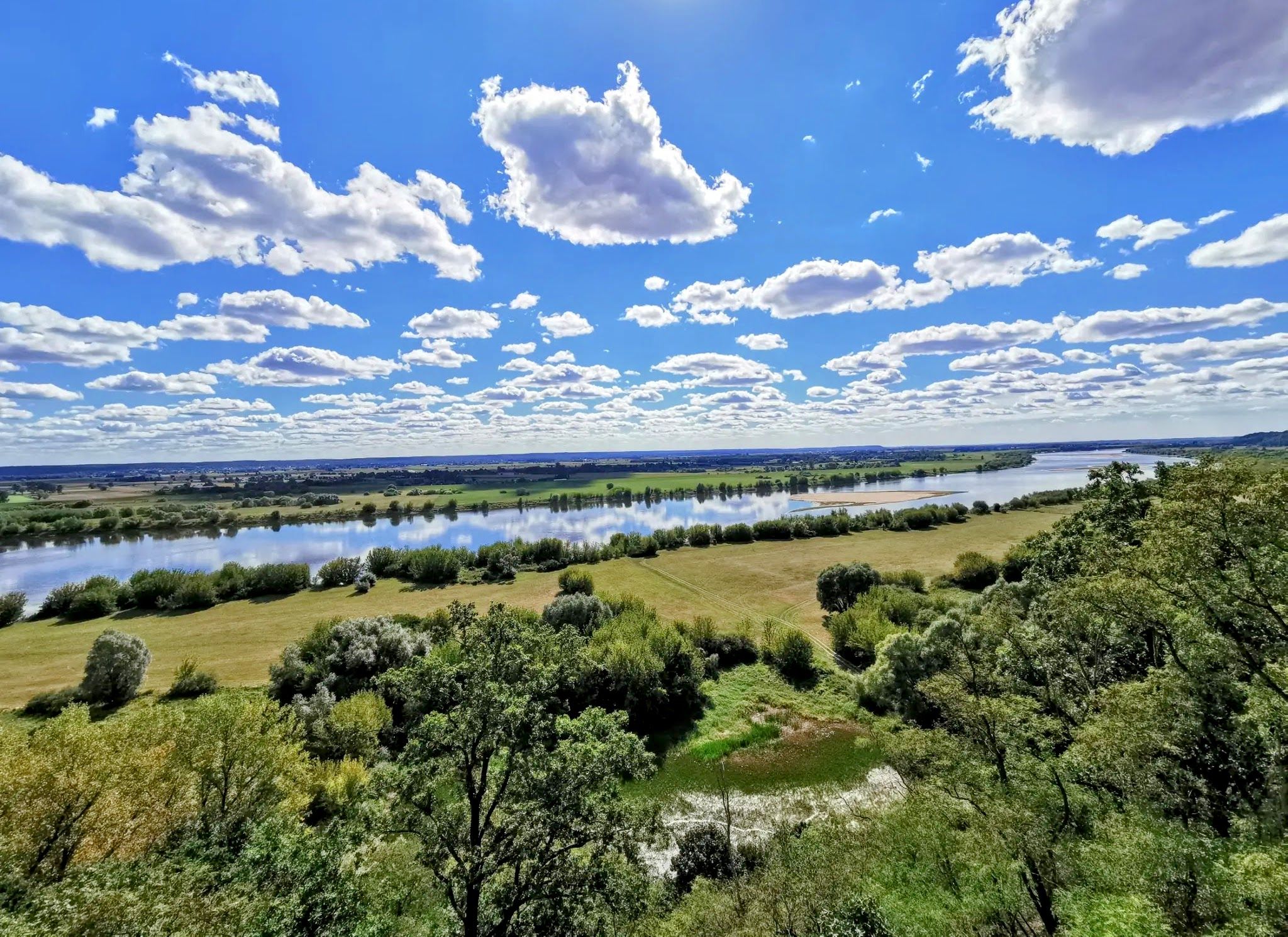
Vistula Cycle Route – The Queen of Polish Rivers in the Spotlight
EuroVelo 9 – The Amber Route from the Baltic to Adriatic Sea
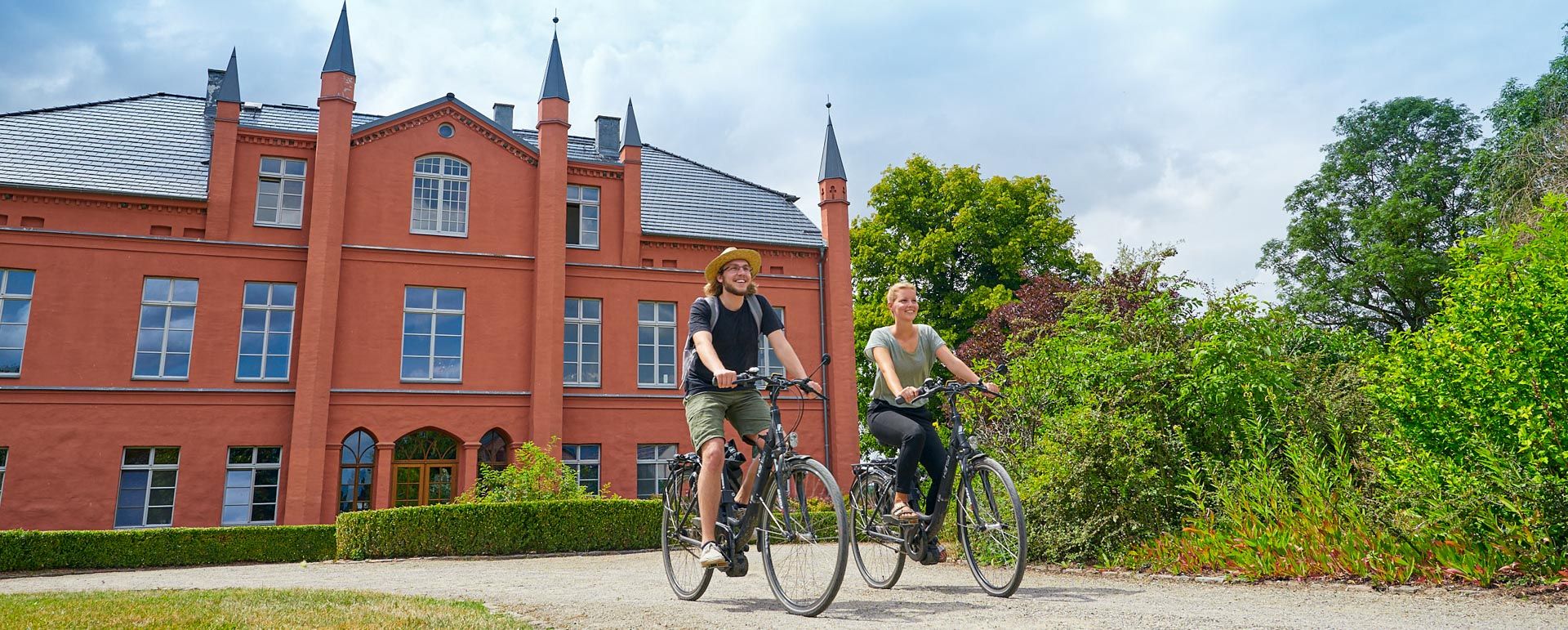
Baltic Manors – Exploring historic manor houses along the South Baltic coast
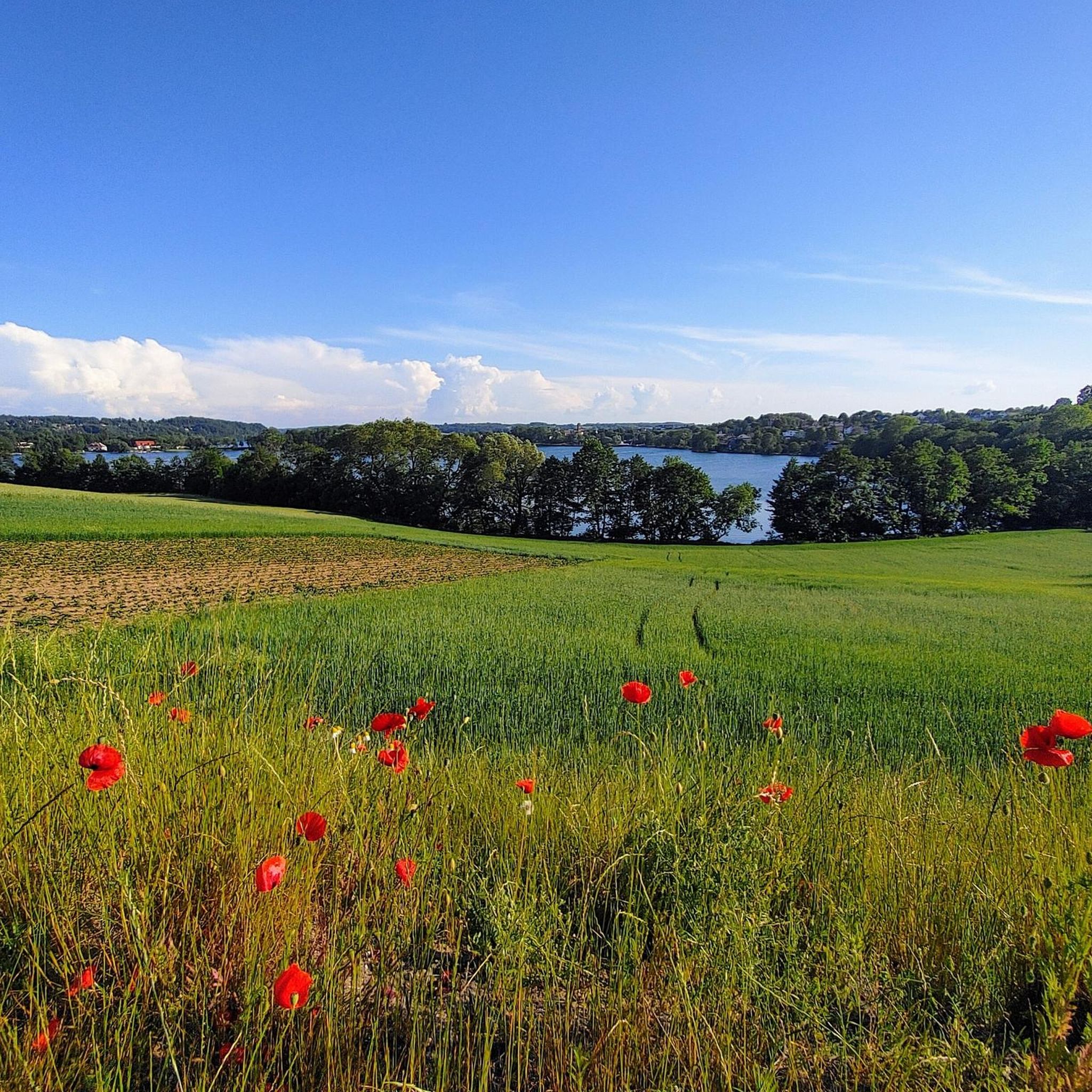
Cycling around Gdańsk
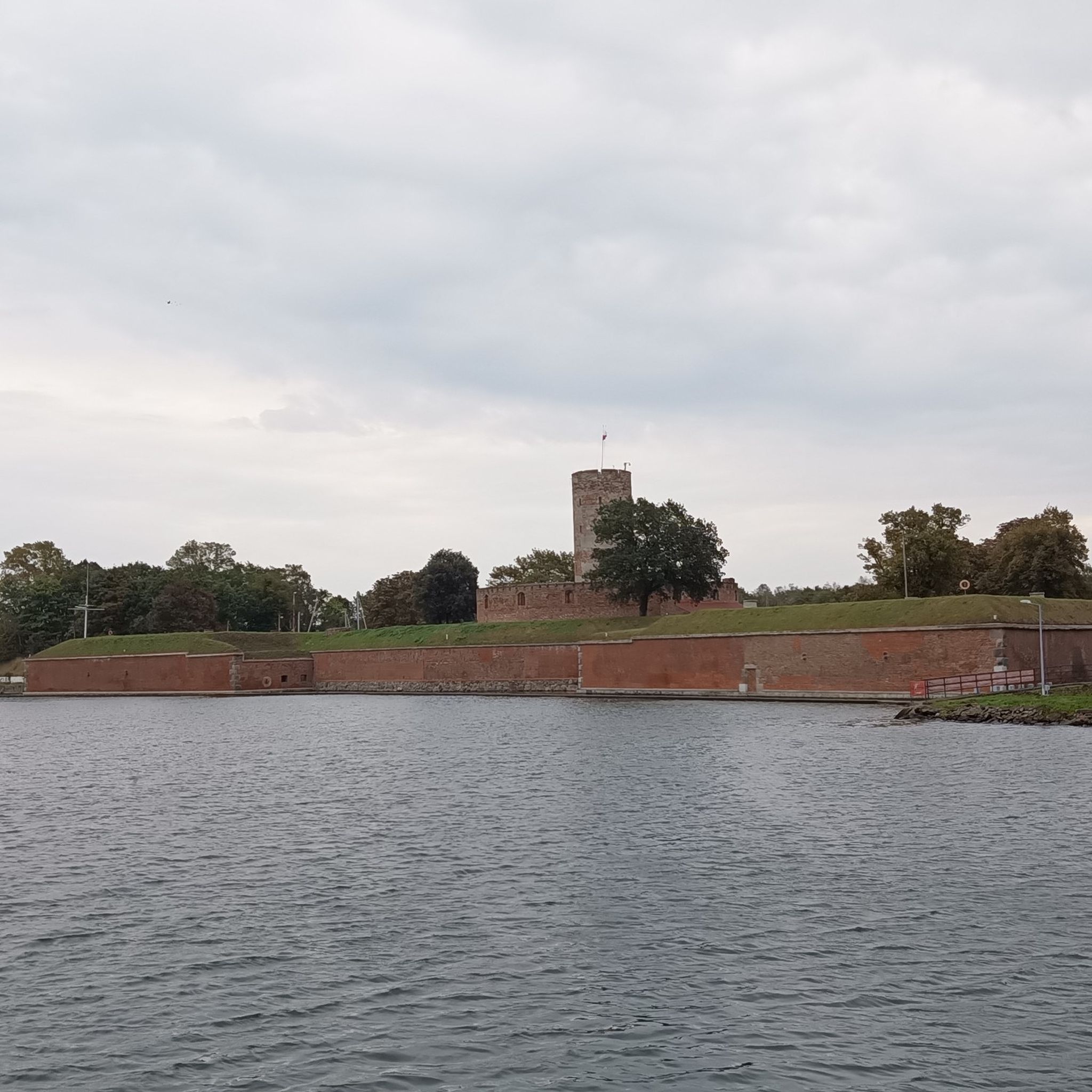
Hiking around Gdańsk
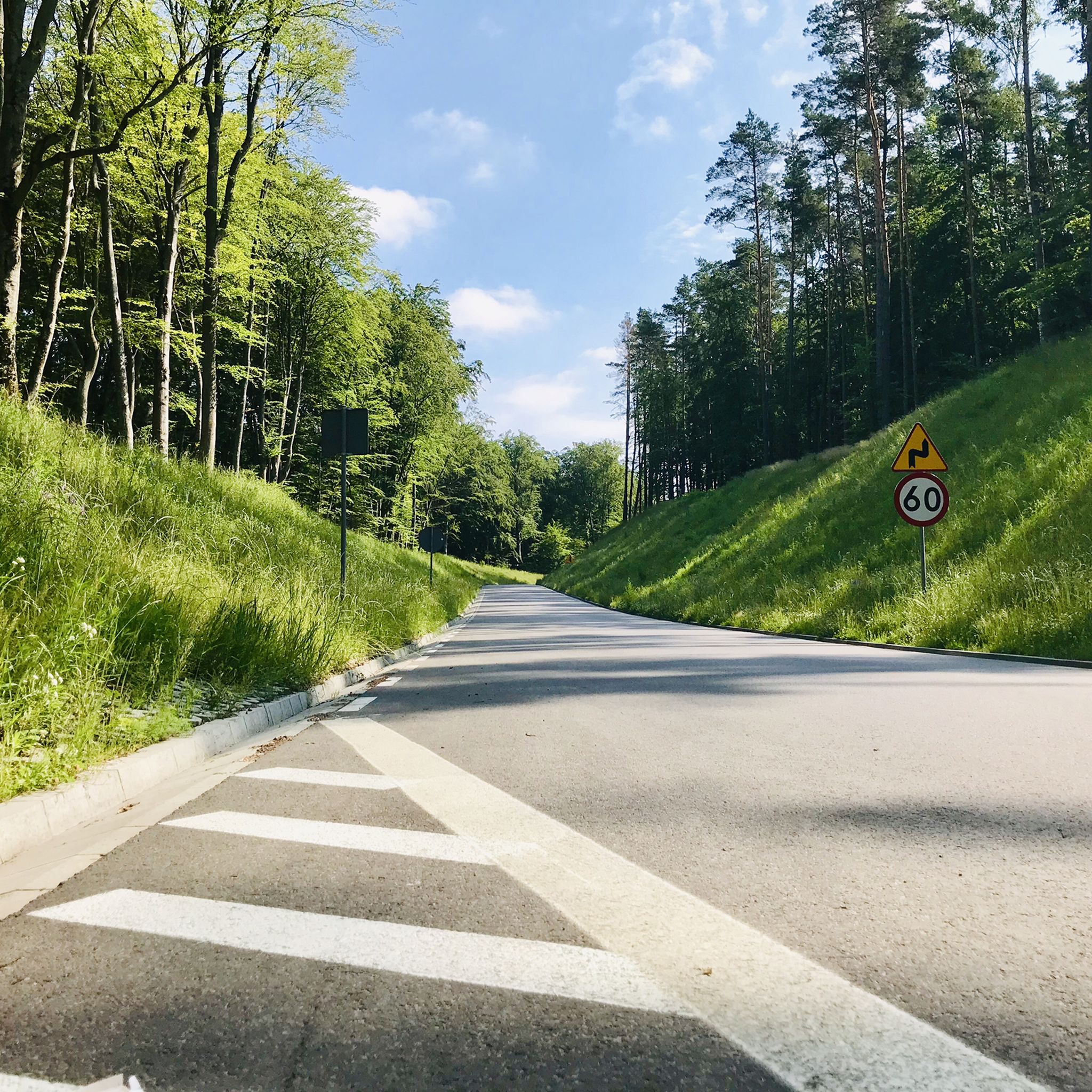
Road Cycling Routes around Gdańsk
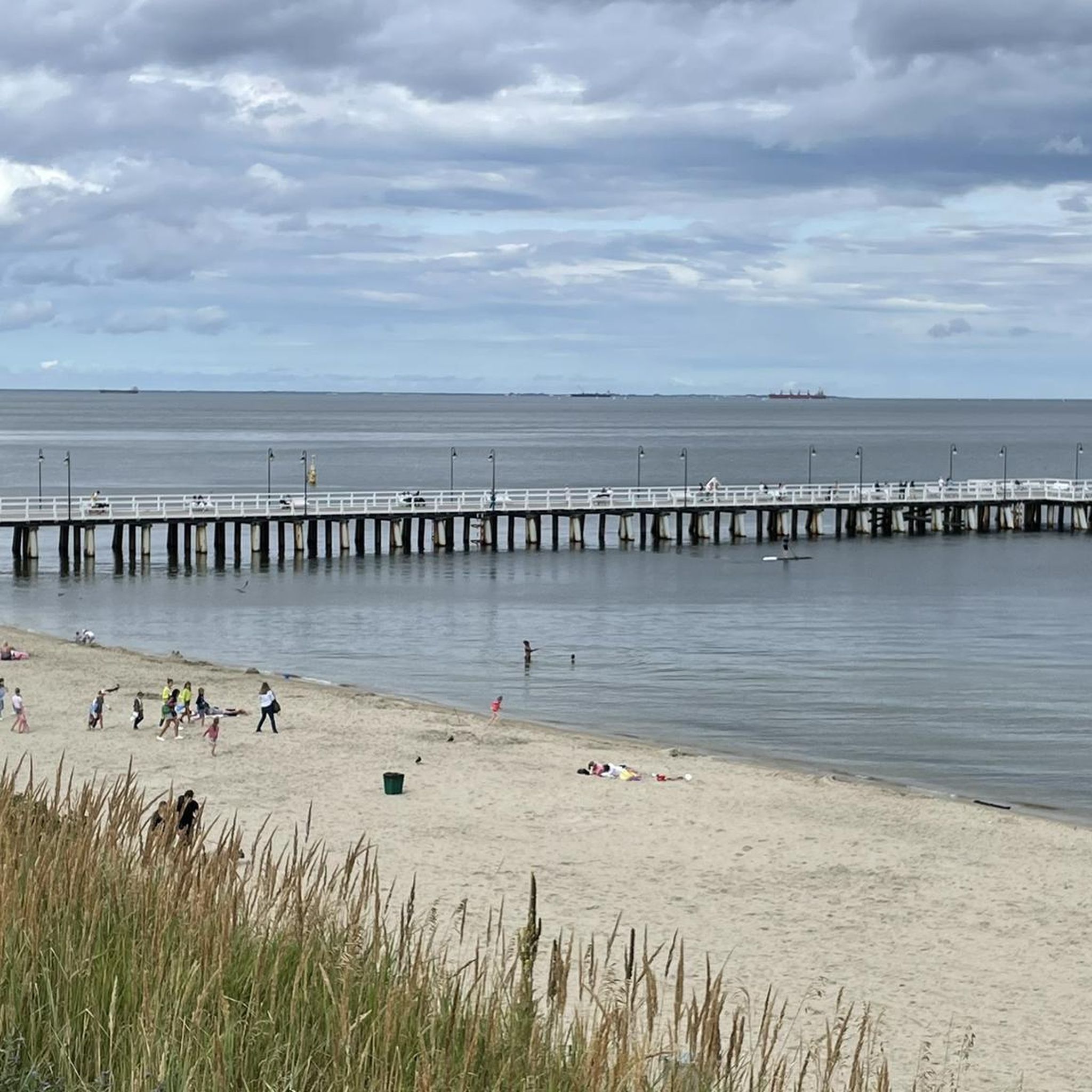
Running Trails around Gdańsk
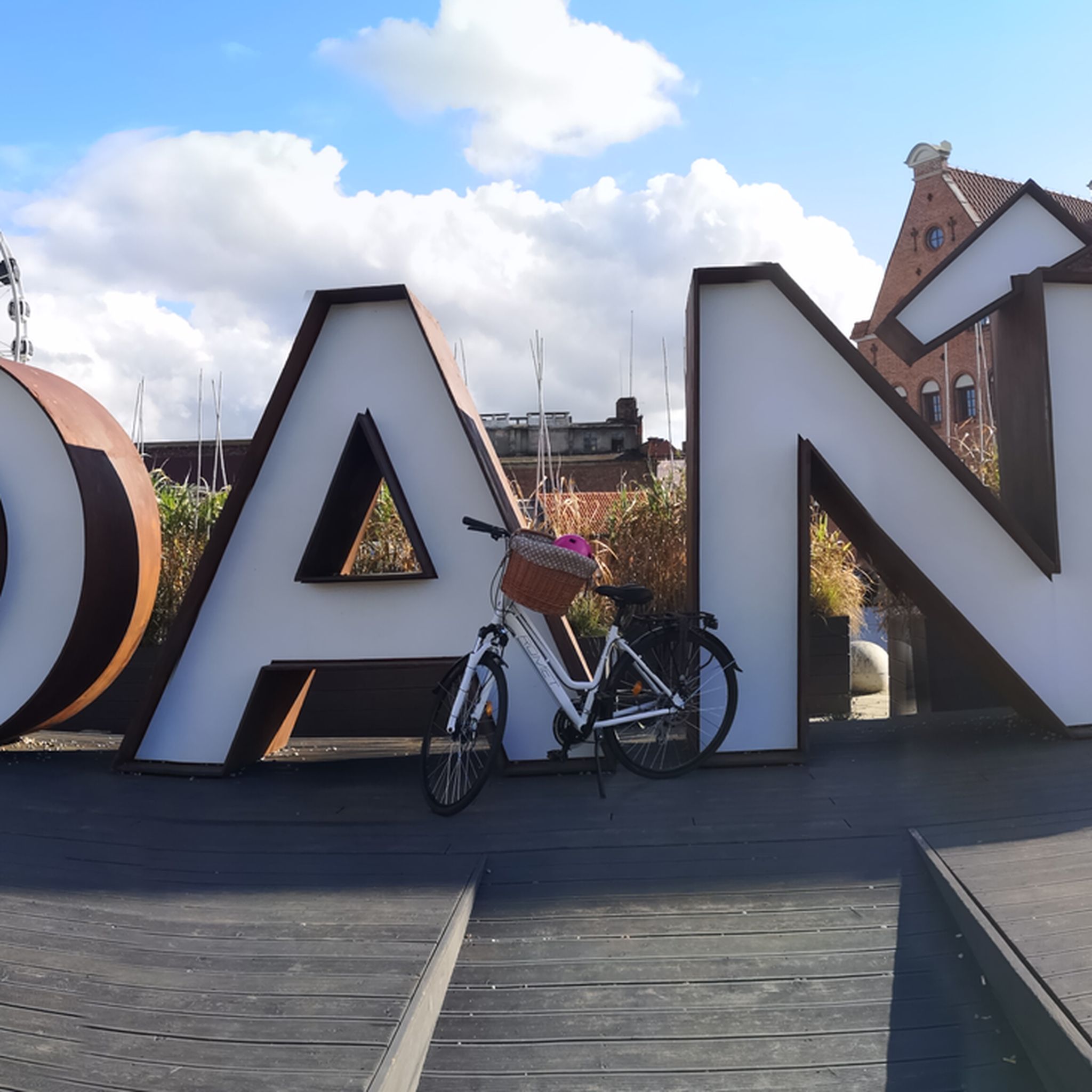
MTB Trails around Gdańsk

Gravel biking around Gdańsk
Other adventures around Gdańsk


Tips from the Community

The opening hours and days of the palm house are shown in the attached photo. There is a cafe operating on the palm house grounds with seating inside the building and under umbrellas outside. Ordering ice cream is done at the counter inside the building, but with the receipt you receive, you need to go outside and choose your flavors at the stand in front of the building, behind the umbrellas. The ice cream is tasty, but the selection is small. A scoop of ice cream costs 9 PLN and is quite large. WW
0
0

The Westerplatte Monument rises visibly above the harbor canal – a 23-meter-high granite monument commemorating the Polish defenders who held out here for seven days in September 1939. The complex is located on an artificial hill on the edge of the wooded peninsula and is accessible via a well-trodden path that passes ruins and memorial plaques. The site combines tranquil nature with a somber history and offers an impressive view of the Bay of Danzig – a moving stop on any route through the region.
2
0

Very beautiful place especially during the cherry blossom period (early May)
0
0

From this path on the shore here you can see perfectly how the Vistula flows into the Baltic Sea. An interesting and unusual view. In addition, you will definitely hear the "chatter" of birds, which are abundant in the Mewia Łacha Reserve (on both sides of the river mouth).
0
0

The correct name is the Monument to the Defenders of the Coast https://www.gdansk.pl/turystyka-w-gdansku/kopiec-pomnik-obroncow-wybrzeza,a,9233
1
0

Visit Westerplatte early in the morning to explore this historic site in peace and quiet. It was here that World War II began on September 1, 1939, when Polish soldiers heroically fought against the overwhelming German forces. Take advantage of the hiking trail that winds past the ruins of the fortifications and don't miss the Westerplatte Monument – it offers a breathtaking view of the Bay of Gdańsk. A place that truly brings history to life!
1
0

A small but charming corner in OLIWSKI PARK. Free admission as part of the Park.
0
0

It was created in the second half of the 18th century as a monastery winter garden with exotic plants. It was a compositional element of the park. It is located off its main road, southeast of the abbey palace. In the 19th century, in the 1950s and in 1984, it was expanded, as a result of which the palm house buildings consisted of the eastern, single-story, brick building on a rectangular plan (glazed from the south) and the western part, whose modern, cylindrical form was built in 1954. In September 2017, the existing structure of the palm house was demolished and a new, higher facility was planned in its place. The new structure of the palm house has the form of a cylindrical, glass, automatically opening rotunda, 24 m high and 17 m wide.
0
0
Frequently Asked Questions
What kind of natural monuments can I explore in Gdańsk?
Gdańsk offers a diverse range of natural monuments, from coastal areas and elevated viewpoints to extensive parks and reserves. You can find significant natural features like Lake Otomińskie, surrounded by beech forests, and the Oliwa Stream in the Tricity Landscape Park, which drains the Oliwa Forests. The region's postglacial topography creates varied terrain, including hills, valleys, and river systems.
Which natural monuments in Gdańsk offer panoramic views?
For panoramic views, Pacholek Hill in the Oliwa district is an excellent choice. It rises over 100 meters above sea level and features an observation tower at its summit, providing extensive vistas across the entire Tri-city area and, on clear days, even the Hel peninsula. Additionally, Devil's Stone, located on Pacholek Hill, also offers rewarding views.
Are there any natural monuments in Gdańsk suitable for birdwatching or wildlife observation?
Yes, the Birds' Paradise Reserve (Rezerwat Ptasi Raj) on Sobieszewo Island is a prime location for birdwatching. Situated at the estuary of the Smiala Wisla River, it's a crucial breeding ground and resting place for over 200 species of migratory birds. Sobieszewo Island itself, with its two ornithological reserves, is also home to gray seals, which can sometimes be observed from special decks.
Are there family-friendly natural monuments or activities in Gdańsk?
Several natural monuments are great for families. Ronald Reagan Park is equipped with benches, ping-pong tables, chess games, and designated areas for grilling and bonfires. Oliwa Park offers extensive grounds, a Botanical Garden, and a Palm House, perfect for leisurely strolls. Lake Otomińskie is also considered family-friendly, serving recreational functions for locals.
What outdoor activities, like hiking or cycling, can I do near Gdańsk's natural monuments?
The natural monuments around Gdańsk are excellent for outdoor activities. The Tricity Landscape Park, which encompasses areas like Pacholek Hill and the Oliwa Forest, offers numerous hiking and biking trails. For specific routes, you can explore options like the easy hikes around Gdańsk, or more challenging MTB trails and running trails that often pass through these natural areas.
How can I reach the natural monuments in Gdańsk using public transport?
Many natural monuments in Gdańsk are accessible via public transport. For instance, Pacholek Hill and Oliwa Park are located in the Oliwa district, which is well-served by trams and buses. Sobieszewo Island can be reached by bus from central Gdańsk. It's advisable to check local public transport schedules for the most up-to-date routes to specific locations.
Are there any historical natural monuments in Gdańsk?
Yes, Westerplatte Memorial is a significant historical site that also functions as a natural monument. It's a largely forested peninsula known as the site where World War II began, featuring memorials and ruins alongside its natural setting. Another example is the Millennium Tree Monument.
What is the best time of year to visit Gdańsk's natural monuments?
The natural monuments around Gdańsk are beautiful year-round, but each season offers a unique experience. Spring and autumn are particularly good for birdwatching at the Birds' Paradise Reserve due to migrations. Autumn foliage provides stunning views, especially from Pacholek Hill and within the Tricity Landscape Park. Summer is ideal for enjoying the beaches of Sobieszewo Island and leisurely walks in parks like Oliwa Park and Orunia Park.
Are there natural monuments suitable for easy walks or less strenuous activities?
Absolutely. Oliwa Park and Orunia Park both offer extensive grounds with picturesque alleys, fountains, and ponds, perfect for leisurely strolls. Ronald Reagan Park also provides pleasant paths. For a slightly longer but easy walk, the trail to Mewia Łacha from Sobieszewo Island is a good option, as highlighted in the easy hikes around Gdańsk guide.
Where can I find peaceful, less crowded natural spots in Gdańsk?
For tranquility, Sobieszewo Island is known as the greenest and most untamed part of Gdańsk, offering wide, sandy, and often secluded beaches. The Birds' Paradise Reserve, while popular for birdwatching, provides a peaceful retreat. The ecological site Valley of Clear Water, with its protected biotope, also offers a serene environment away from the city bustle.
What unique natural features define the Tricity Landscape Park?
The Tricity Landscape Park is an expansive postglacial wonder covering approximately 20,000 hectares. It features diverse landscapes including dense forests (pine, beech, and oak), coastal zones, dunes, and marshy areas. It's home to numerous nature reserves, such as Mewia Łacha, protecting unique flora and fauna. The park's hilly terrain also provides many panoramic viewpoints.
What makes Sobieszewo Island a special natural monument?
Sobieszewo Island is unique for being the greenest and 'wildest' part of Gdańsk, located at the mouth of the Vistula River. It boasts 11 kilometers of wide, sandy, and often uncrowded beaches. Beyond its beautiful coastline, it's an ecological haven with diverse ecosystems and two ornithological reserves, 'Birds' Paradise' and 'Sea Gull Backwater', making it a crucial habitat for over 300 bird species and gray seals.
Are there any natural monuments with unique geological formations or legends?
Yes, on Pacholek Hill, you can find a large rock known as the Devil's Stone, which is shrouded in local legend. This natural monument adds a touch of folklore to the scenic landscape of the Oliwa Forest complex.
Most popular routes around Gdańsk
Most popular attractions around Gdańsk

Get inspired with the komoot mobile app


Didn’t find what you were looking for?
Find even more amazing natural monuments around Gdańsk by checking out the top Highlights region by region:
Explore more
Extend your search for the best caves by checking out these guides of the top ones around Gdańsk:
