Top 13 Natural Monuments in Haleakalā Wilderness
Best natural monuments in Haleakalā Wilderness are found within a 24,719-acre sanctuary of unique geological formations and diverse ecosystems. This Hawaiian wilderness is known for its volcanic landscapes, including a massive erosional valley with numerous volcanic features. The park also hosts rare flora and fauna, showcasing a high level of endemism. Its significant elevation changes contribute to a wide array of ecosystems, from subalpine shrublands to rainforests.
Best natural monuments in Haleakalā Wilderness
- The most popular natural monuments is Keonehe‘ehe‘e…
Last updated: August 22, 2026
Haleakalā Visitor Center
Highlight • Rest Area
Translated by Google •
Tip by

Keonehe‘ehe‘e Trail (Sliding Sands) Middle Segment
Highlight (Segment) • Trail
Translated by Google •
Tip by

Sign up now to discover places like this
Get recommendations on the best single tracks, peaks, & plenty of other exciting outdoor places.
Sign up for free
Split Rock (Keoneheʻeheʻe Trail, Haleakalā Wilderness)
Highlight • Natural Monument
Translated by Google •
Tip by
Pele's Paint Pot
Highlight • Natural Monument
Translated by Google •
Tip by
Rainbow Bridge — Halemau‘u Trail
Highlight (Segment) • Viewpoint
Tip by

Sign up for free to discover even more natural monuments in Haleakalā Wilderness.
Sign up for free
Already have an account?
Start today with a free account
Your next adventure awaits.
Login or Signup
Popular around Haleakalā Wilderness




Tips from the Community

Split Rock is a large rock cut in half, and the Keonehe'ehe'e trail passes between the two parts. Here, the endangered Haleakala silverswords grow, and it's crucial to avoid touching them. These delicate 'ahinahina live for 3-90 years, producing a stunning flowering stalk before scattering their seeds. Park staff protect them by fencing out silversword-munching ungulates, removing non-native plants, and educating visitors to stay on trails and avoid stepping on fragile seedlings.
0
0
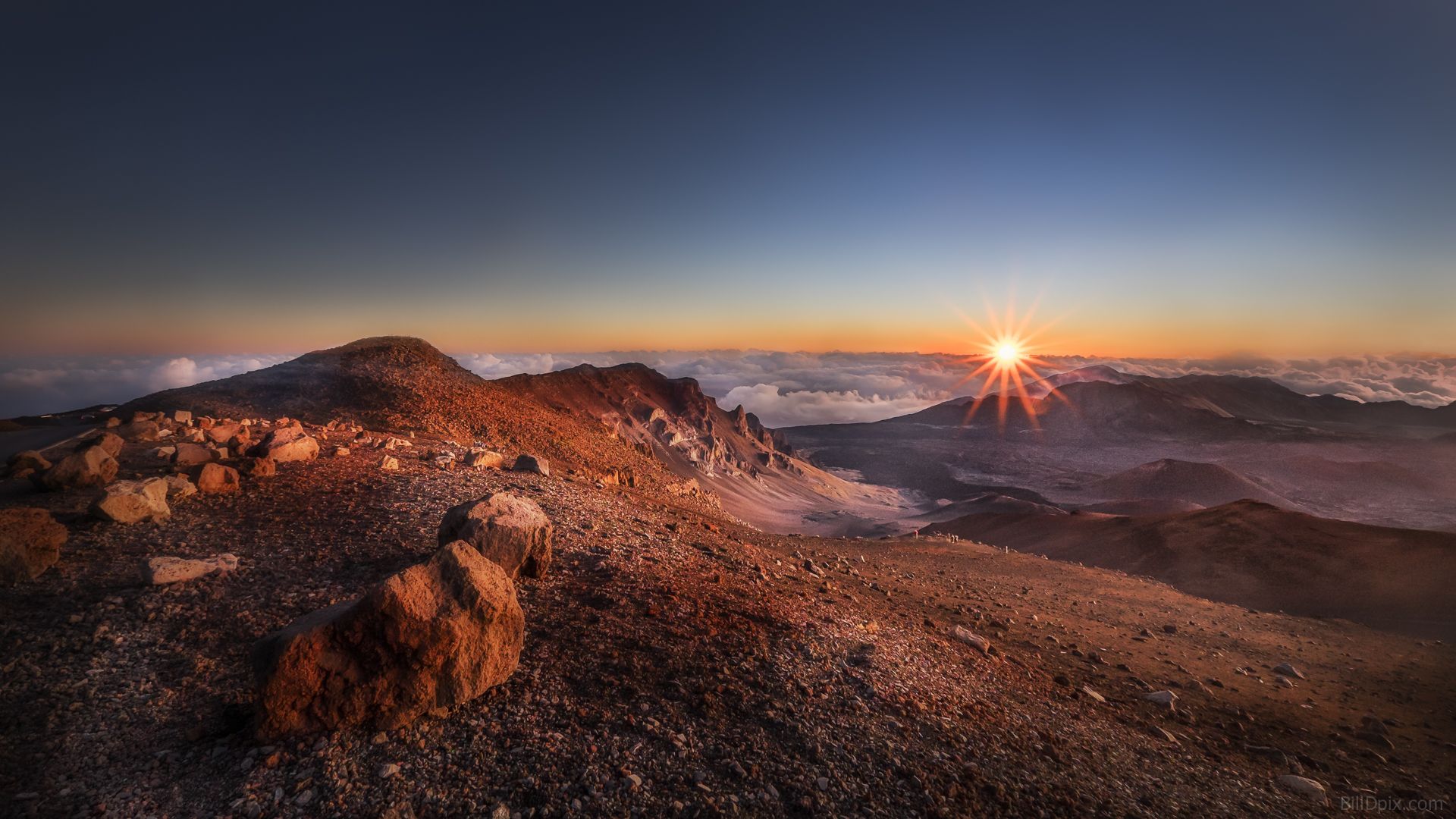
The Visitor Center is open daily, with outside accessible restrooms available 24 hours daily. Inside, there are panoramic orientation tables of the landscape and knowledgeable staff that can provide information on the history of Haleakalā, which means house of the sun, and its importance to the indigenous peoples. The view from here is stunning, and if you plan early, this is an excellent spot to watch the sunrise, which has been a visitor attraction since the late 1800s.
0
0

The Halemau´u Trail narrows as it follows a ridgeline, dubbed Rainbow Bridge, which offers panoramic views into Haleakalā crater. This is a great turn around point for hikers who don't want to descend into the crater.
2
0

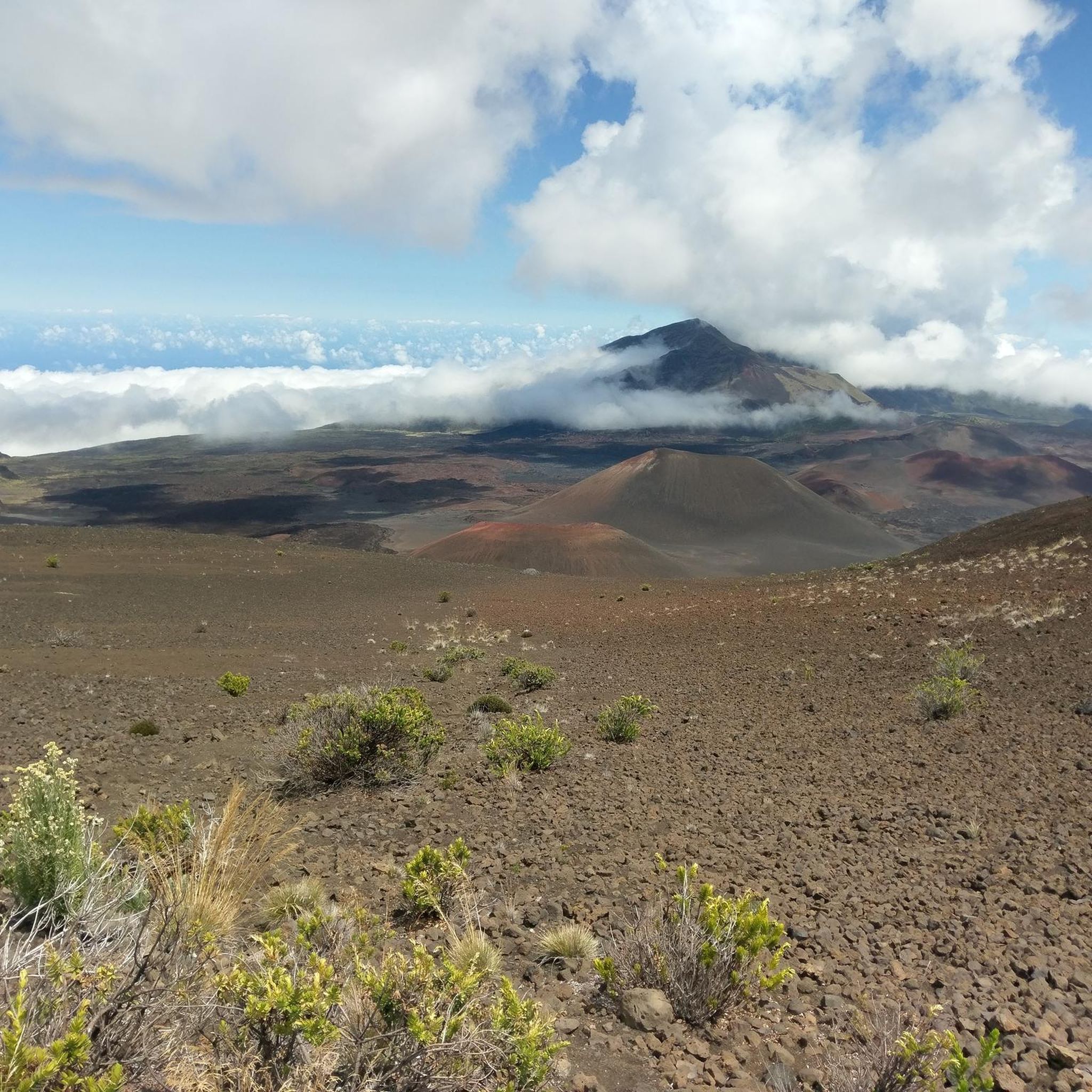
You will expend a lot of energy on the loose black sand towards the crater floor. Ok going down, but if you plan to go back up this way, it is taxing. Wear gaiters if available prevent sand and small rocks from getting into your shoes.
1
0

Breathtakingly beautiful! A must have
0
0

Just gorgeous the dreary landscape. Several different colors of earth and lava.
5
1
Fantastic, please think about protecting the plants.
5
0
Frequently Asked Questions
What are some of the most unique natural monuments to explore in Haleakalā Wilderness?
Haleakalā Wilderness offers a range of unique natural monuments. You can explore the dramatic, lunar-like landscape of the Keonehe‘ehe‘e Trail (Sliding Sands) Middle Segment, known for its grandiose play of colors from different shades of sand. Another must-see is Split Rock, a large rock cut in half with the trail passing directly between its two parts. Don't miss Pele's Paint Pot, where oxidized sands create a spectacular rainbow effect on the ground.
What geological features can I expect to see within the Haleakalā Crater?
The Haleakalā Crater, despite its name, is a massive erosional valley featuring numerous volcanic elements. You'll encounter striking rust-hued volcanic cinder cones, which are prominent formations formed by secondary eruptions. The crater floor itself spans about 19 square miles and showcases a diverse landscape of forest, desert, and meadow, with colors ranging from red and orange to green, especially under sunlight.
Are there any unique plant or animal species I might encounter in Haleakalā Wilderness?
Yes, Haleakalā National Park is a sanctuary for unique biodiversity. You might spot the endangered 'Āhinahina (Haleakalā Silversword), a striking silver-leafed plant endemic to high altitudes on Maui, particularly along the Keoneheʻeheʻe (Sliding Sands) Trail or at overlooks like Puʻu ʻUlaʻula. Keep an eye out for the Nēnē (Hawaiian Goose), an endangered native Hawaiian goose, especially in the subalpine shrublands.
What makes Haleakalā Wilderness a special place for stargazing?
Haleakalā is renowned as one of the best places in the United States for stargazing. Its high elevation and location above the tropical inversion layer provide exceptionally clear views and very dark skies. This offers an unforgettable opportunity to witness breathtaking displays of stars, the Milky Way, and other celestial bodies in a remarkably quiet natural setting.
Are there family-friendly natural monuments or activities in Haleakalā Wilderness?
Yes, the Haleakalā Visitor Center is considered family-friendly and offers panoramic orientation tables and information about the park's history. While many trails can be challenging, there are also easier options. For instance, you can find several easy hikes in the area, such as the Halemauʻu Trail or various loops around the Summit Building and Visitor Center. You can explore more options on the Easy hikes in Haleakalā Wilderness guide.
What is the best time of year to visit the natural monuments in Haleakalā Wilderness?
Haleakalā's high elevation means temperatures are significantly cooler than at sea level, and weather can change rapidly. While specific 'best' times vary by activity, the clear views and exceptional stargazing are often best experienced during drier periods. However, visitors should always be prepared for cold temperatures at the summit, regardless of the season, and pack layers.
What hiking trails allow me to experience the natural monuments up close?
The Keonehe‘ehe‘e Trail (Sliding Sands) is a popular choice, offering sensational views into the crater and a chance to see the diverse colored sands. Another excellent option is the Halemau'u Trail, which narrows along a ridgeline dubbed Rainbow Bridge, providing panoramic views into the Haleakalā crater. Both trails are designated National Recreation Trails.
Beyond hiking, what other outdoor activities can I do near the natural monuments?
While hiking is a primary activity, Haleakalā Wilderness also offers opportunities for cycling. You can find challenging routes like 'Haleakalā via the Park Headquarters Visitor Center' or 'Pi'ilani Highway', as well as moderate options like the 'Nahiku Road Loop'. For more details, refer to the Cycling in Haleakalā Wilderness guide. Additionally, there are waterfall hikes available in the broader region, such as those found in the Waterfall hikes in Haleakalā Wilderness guide.
Do I need permits to visit the natural monuments in Haleakalā Wilderness?
Access to Haleakalā National Park requires an entrance fee. For specific activities like sunrise viewing at the summit, a separate reservation is often required. It's advisable to check the official National Park Service website for the most current information regarding fees and any necessary permits or reservations for your visit. You can find more details on planning your visit at nps.gov.
What should I pack for a visit to the natural monuments in Haleakalā Wilderness?
Due to the significant elevation changes and potential for rapid weather shifts, it's crucial to pack layers. Even if it's warm at the base, the summit area is always colder. Bring warm clothing, including a jacket, and consider hats and gloves, especially for sunrise or sunset viewing. Sun protection (sunscreen, sunglasses) is also essential due to the high altitude. Sturdy hiking shoes are recommended for exploring trails.
Where can I find information and facilities within Haleakalā Wilderness?
The Haleakalā Visitor Center is a key facility. It offers panoramic orientation tables and knowledgeable staff who can provide information on the history of Haleakalā and its importance to indigenous peoples. The Visitor Center is open daily, with outside accessible restrooms available 24 hours. It's also a prime location for watching the sunrise.
Most popular routes in Haleakalā Wilderness
Most popular attractions in Haleakalā Wilderness

Get inspired with the komoot mobile app


Explore more
Extend your search for the best caves by checking out these guides of the top ones in Haleakalā Wilderness:
