The best road cycling routes in Haleakalā Wilderness
4.8
(4)
295
riders
7
rides
Road cycling in Haleakalā Wilderness offers routes with significant elevation gain, ascending from near sea level to over 10,000 feet. The region is dominated by the Haleakalā volcano, featuring a vast crater, towering cinder cones, and diverse ecosystems. Cyclists navigate paved roads that transition through various climate zones, from lush lower slopes to barren subalpine landscapes. This area is renowned for its challenging climbs and panoramic views of Maui and the surrounding islands.
Best road cycling routes in Haleakalā Wilderness
- The most popular road cycling route is Paia to Haleakalā (Cycle to the Sun), a 71.3 miles (114.8 km) trail that takes 6 hours 52 minutes to complete. This route features an iconic ascent to the Haleakalā summit, known for its extreme elevation gain.
- Another top favourite among local road cyclists is Summit Building – Haleakalā Visitor Center loop from Kahului Airport, a difficult 83.7 miles (134.7 km) path. This route ascends through diverse ecological zones, offering expansive views as it climbs towards the summit.
- Local road cyclists also love the Hana Highway to Piilani Highway, a 35.7 miles (57.4 km) trail leading through coastal sections and challenging climbs, often completed in about 5 hours 20 minutes.
- Road cycling in Haleakalā Wilderness is defined by volcanic landscapes, extreme elevation changes, and diverse ecological zones. The network offers options for different ability levels, though many routes are challenging.
- The routes in Haleakalā Wilderness are highly rated by the komoot community with an average score of 4.9 stars from over 6 reviews. More than 551 road cyclists have used komoot to explore Haleakalā Wilderness's varied terrain.
Last updated: July 9, 2026
57.4km
05:20
1,200m
1,200m
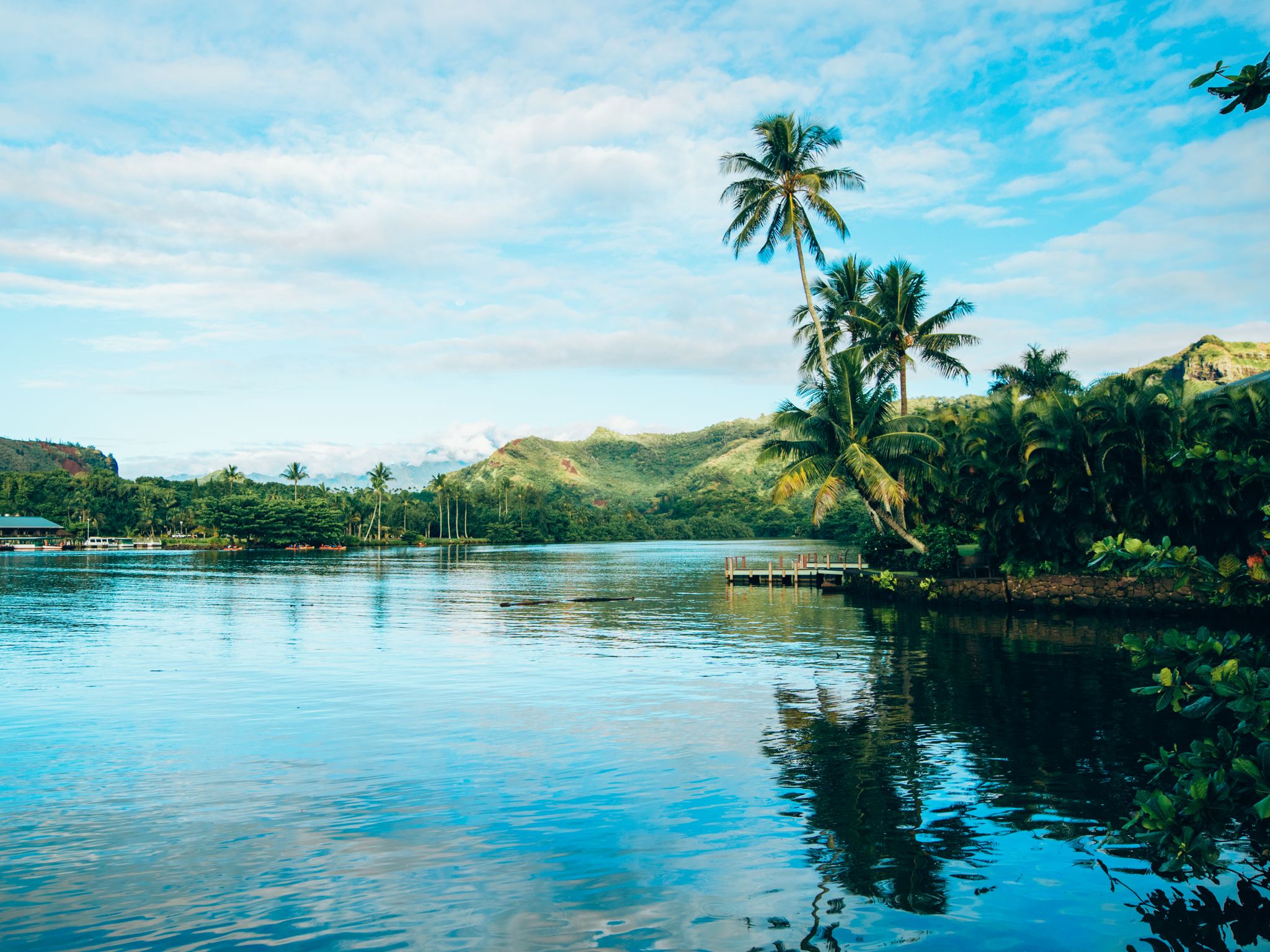
Embark on a truly epic road cycling journey along Maui's eastern and southern coasts, combining the iconic Hana Highway with the wilder Piilani Highway. This difficult 35.7-mile (57.4 km) route offers a constant change of scenery, from the lush rainforests and cascading waterfalls of the Hana side to the dramatic coastal views and lava fields of the Piilani section, especially as you pass Kūloa Point. Expect a challenging ride with 3941 feet (1201 metres) of elevation gain, taking around 5 hours and 19 minutes, making it ideal for experienced cyclists seeking adventure.
Planning your ride requires attention to the varied road conditions; while the Hana Highway is mostly paved, the Piilani Highway includes substantial unpaved and gravel segments, particularly a 6-mile stretch past Haleakalā National Park. Cycling anti-clockwise is often recommended to keep the ocean on your right and manage traffic on the narrower sections. Be aware that the Piilani Highway can narrow to a single lane along cliffs with blind curves, so honk before turns for safety.
What makes this route truly special is its blend of the famed Road to Hana experience with the untamed beauty of Maui's
23
riders
15.9km
01:06
510m
510m
Moderate road ride. Good fitness required. Mostly well-paved surfaces and easy to ride.

Sign up for free
5.0
(1)
16
riders
Hard road ride. Very good fitness required. Mostly well-paved surfaces and easy to ride.
5
riders
28.9km
01:41
700m
700m
Moderate road ride. Good fitness required. Mostly well-paved surfaces and easy to ride.
5.0
(2)
323
riders
93.2km
05:43
2,570m
2,570m
Hard road ride. Very good fitness required. Mostly well-paved surfaces and easy to ride.
Get access to more routes and recommendations from other explorers.
Sign up for free
Already have an account?
Our route recommendations are based on thousands of hikes, rides, and runs completed by other people on komoot.
Start today with a free account
Your next adventure awaits.
Login or Signup



Tips from the Community

Beautiful mountain ride through different zones of climate and vegetation. Perfect asphalt. Considerate drivers. 15 dollars entrance fee to the national park, even for cyclists.
0
0

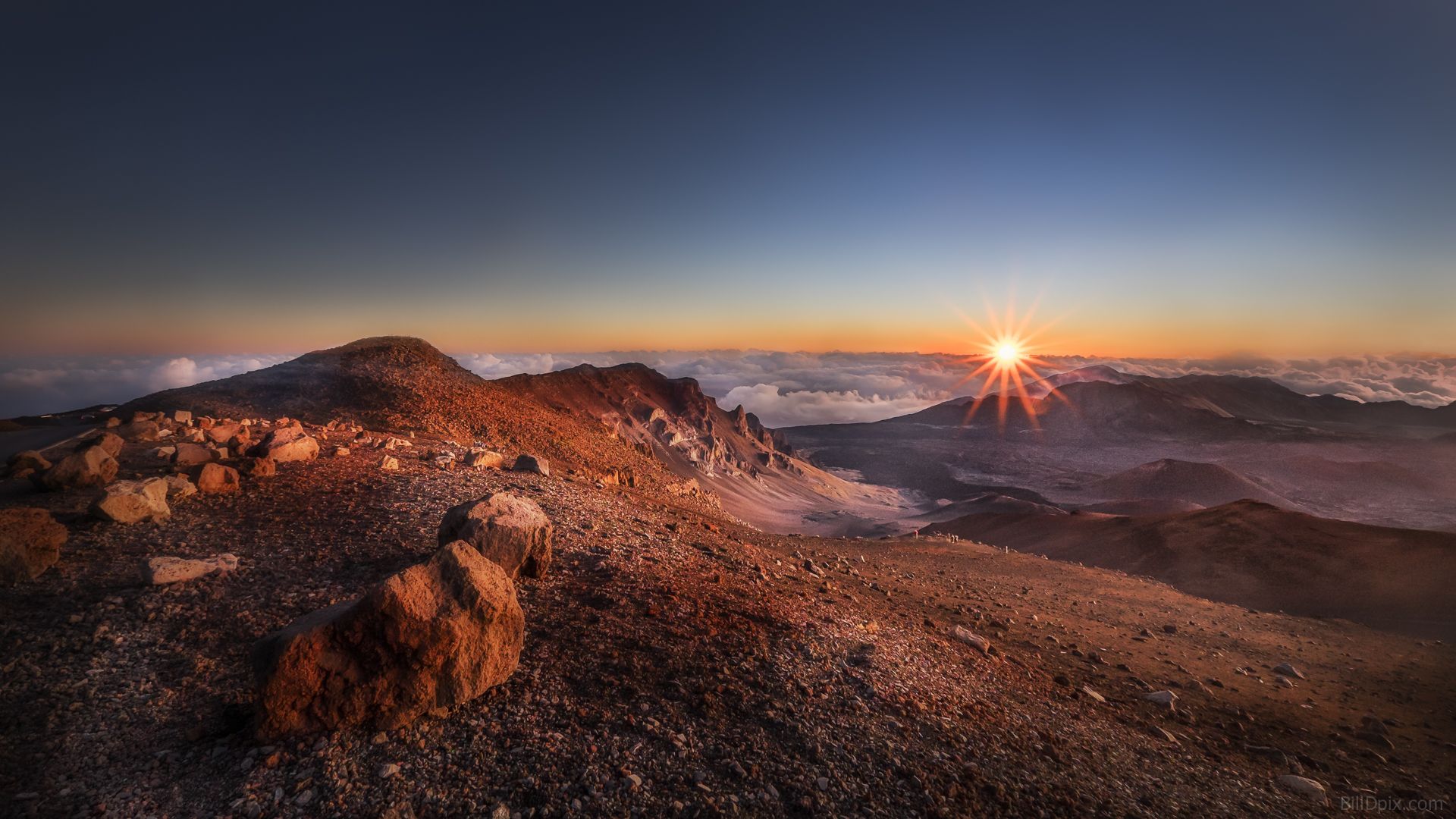
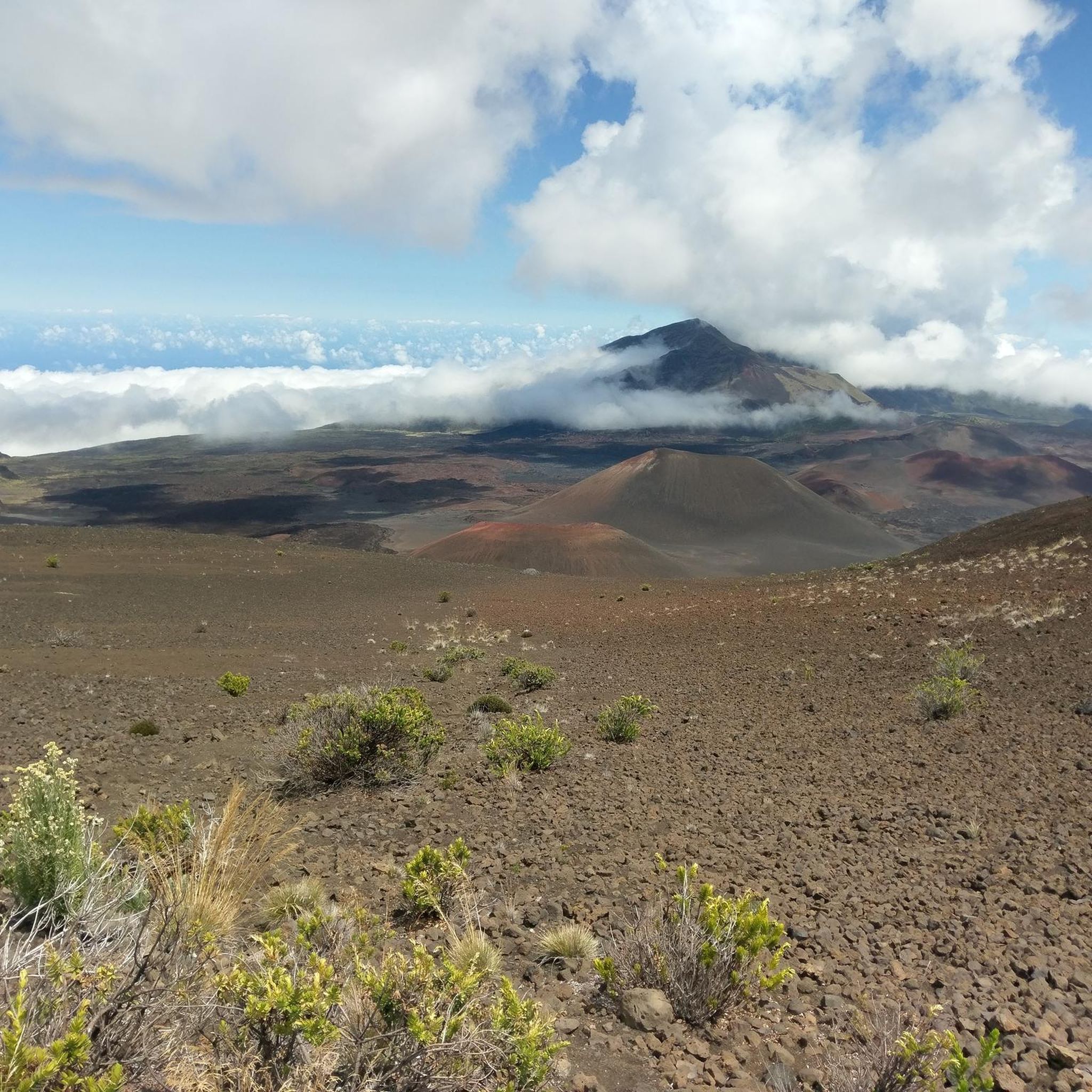
Here you have a great view into the volcano funnel. It's also a great position to watch sunset.
0
0
This is a wonderful drive on an excellent road up to 3060 m altitude. We drove partly through clouds and short before the summit it cleared up and we got awarded with an outstanding view around the island.
0
0

Kūloa Point overlooks the Alenuihāhā Channel. You can overlook dark black sand beaches as they are pounded by blue waters. Makahiku Falls looms overhead with its 200-foot tall cliffside.
0
0
Haleakalā's summit currently resides at 10,023 feet. It is believed that it once sat at 15k feet, but it is so heavy that the volcano is sinking into the earth's crust. Today, the volcano is 28,000 feet above the sea floor making it the THIRD tallest mountain on earth!
0
0

Kūloa Point overlooks the Alenuihāhā Channel, which separates Maui from Hawaiʻi Island. On a clear day, you can see the island from the visitor deck, some thirty miles away. A trail runs along the point where you can take a self-guided tour of Kīpahulu to learn more about generations of the people's scared bond with their homeland and its importance.
0
0
This store is a great place to stop during a ride, with a wide selection of local foods, snacks and drinks. Here, you can grab a deli sandwich made to order to take with you or sit outside on the patio overlooking Makawao and enjoy several options, from a fantastic Acai bowl with granola and berries, fresh ahi poke, delicious ice cream, gelato, Kombucha, and Kona coffee.
0
0
The Visitor Center is open daily, with outside accessible restrooms available 24 hours daily. Inside, there are panoramic orientation tables of the landscape and knowledgeable staff that can provide information on the history of Haleakalā, which means house of the sun, and its importance to the indigenous peoples. The view from here is stunning, and if you plan early, this is an excellent spot to watch the sunrise, which has been a visitor attraction since the late 1800s.
0
0
Frequently Asked Questions
How many road cycling routes are available in Haleakalā Wilderness?
There are 5 road cycling routes detailed in this guide for Haleakalā Wilderness. These routes range from moderate to difficult, offering significant elevation gains and diverse scenery.
What makes road cycling in Haleakalā Wilderness unique?
Haleakalā offers one of the most challenging and rewarding road cycling experiences globally. You can ascend from near sea level to over 10,000 feet at the summit, gaining more than 10,000 vertical feet over approximately 36 paved miles. The landscape dramatically transforms from tropical vegetation to barren volcanic terrain above the clouds, providing unparalleled views and a sustained test of endurance.
Are there any family-friendly road cycling options in Haleakalā Wilderness?
The road cycling routes in Haleakalā Wilderness are generally challenging due to significant elevation gain and high altitudes. While there are no routes specifically designated as 'family-friendly' in this guide, shorter sections or lower elevation rides might be considered for experienced families. Always assess the difficulty and conditions carefully.
What are some notable landmarks or viewpoints along the road cycling routes?
As you ascend, you'll encounter various points of interest. The Haleakalā Visitor Center is a key stop near the summit. Other natural features and viewpoints include Split Rock and Rainbow Bridge — Halemau‘u Trail. The summit itself, particularly Puʻu ʻUlaʻula (Red Hill), offers breathtaking panoramic views of the crater and surrounding islands.
What is the best time of year to go road cycling in Haleakalā?
Haleakalā can be cycled year-round, but conditions vary significantly. The dry season (April to October) generally offers more stable weather. However, regardless of the season, be prepared for rapidly changing conditions, including cold temperatures, strong winds, rain, and mist, especially at higher elevations. Always check the weather forecast before your ride.
What are the permit and fee requirements for cycling in Haleakalā National Park?
A park entrance fee is required to enter Haleakalā National Park, even for those entering by bicycle. Additionally, if you plan to visit the summit for sunrise, a separate reservation is required. It's advisable to check the official National Park Service website for the most current information on fees and permits before your visit.
Are there any loop routes for road cycling in the area?
Yes, there are loop options available. For instance, the Crater Road loop from Hula Sandalwoods Cafe and Inn and the slightly longer Haleakalā National Park – Crater Road loop from Hula Sandalwoods Cafe and Inn offer circular routes that allow you to experience the unique volcanic landscape.
What should I know about the elevation and difficulty of these routes?
The routes in Haleakalā Wilderness are known for their significant elevation gain. For example, the Paia to Haleakalā (Cycle to the Sun) route climbs over 3,000 meters. The average gradient is around 5.3%, but sections, especially near the summit, can reach 9%. The reduced oxygen at high altitudes adds to the challenge, making these routes suitable for experienced cyclists.
What do other road cyclists enjoy most about road cycling in Haleakalā Wilderness?
The area is highly rated by the komoot community, with an average score of 4.9 stars. Reviewers often praise the dramatic scenery changes from tropical to volcanic landscapes, the unparalleled challenge of the climb, and the exhilarating long descents. The unique experience of cycling above the clouds and the panoramic views from the summit are frequently highlighted.
Are there options for public transport or parking near the cycling routes?
While there isn't extensive public transport directly serving the cycling routes up Haleakalā, many cyclists arrange for drop-offs or utilize parking areas at the base of the climb, such as in Paia or near the park entrance. Be aware that parking within the National Park may require a fee and can be limited, especially during peak times. Planning your logistics in advance is crucial.
Can I find cafes or accommodations near the road cycling routes?
At the base of Haleakalā, towns like Paia, Makawao, and Kula offer various cafes, restaurants, and accommodation options. As you ascend into Haleakalā National Park, facilities become very limited. It's recommended to carry sufficient water and snacks for your ride and plan any meal stops before or after your ascent.
What are the weather conditions like at the summit, and what gear should I bring?
Weather at the summit of Haleakalā can be extreme and unpredictable, even on a sunny day at lower elevations. Temperatures can drop significantly, often below freezing, and strong winds, rain, or mist are common. It's essential to bring multiple layers of clothing, including a windproof and waterproof jacket, gloves, and a hat, to prevent hypothermia. Sunscreen and plenty of water are also crucial.
Most popular routes in Haleakalā Wilderness
Most popular attractions in Haleakalā Wilderness

Get inspired with the komoot mobile app


Explore more
Browse the best Road cycling routes in other regions.
