Top 4 Natural Monuments around Cedar Crest
Best natural monuments around Cedar Crest are located at the eastern base of the Sandia Mountains, within the Cibola National Forest. This region features diverse ecosystems, including piñon-juniper forests, ponderosa pines, and aspens at higher elevations. The landscape offers opportunities for outdoor recreation and immersion in natural settings. Cedar Crest is known for its waterfalls, historical sites, and scenic viewpoints.
Best natural monuments around Cedar Crest
- The most popular natural monuments is Kiwanis Cabin, a hut that was built…
Last updated: April 29, 2026
Kiwanis Cabin
Highlight • Mountain Hut
The Corps are known to have built countless infrastructures around …
Tip by

Sandia Crest Overlook
Highlight • Viewpoint
Tip by

Sign up now to discover places like this
Get recommendations on the best single tracks, peaks, & plenty of other exciting outdoor places.
Sign up for free
Travertine Falls
Highlight • Waterfall
Tip by

View of the Sandia Mountains
Highlight (Segment) • Viewpoint
Tip by
Sandia Crest Climb
Highlight (Segment) • Climb
Tip by

Sign up for free to discover even more natural monuments around Cedar Crest.
Sign up for free
Already have an account?
Start today with a free account
Your next adventure awaits.
Login or Signup

Other adventures around Cedar Crest

Tips from the Community

This seasonal waterfall is at its best during spring, when the water flows most abundantly; otherwise, you might catch just a trickle. Nevertheless, it's a splendid sight, and the fact that it's less frequented makes it a tranquil spot to enjoy.
0
0

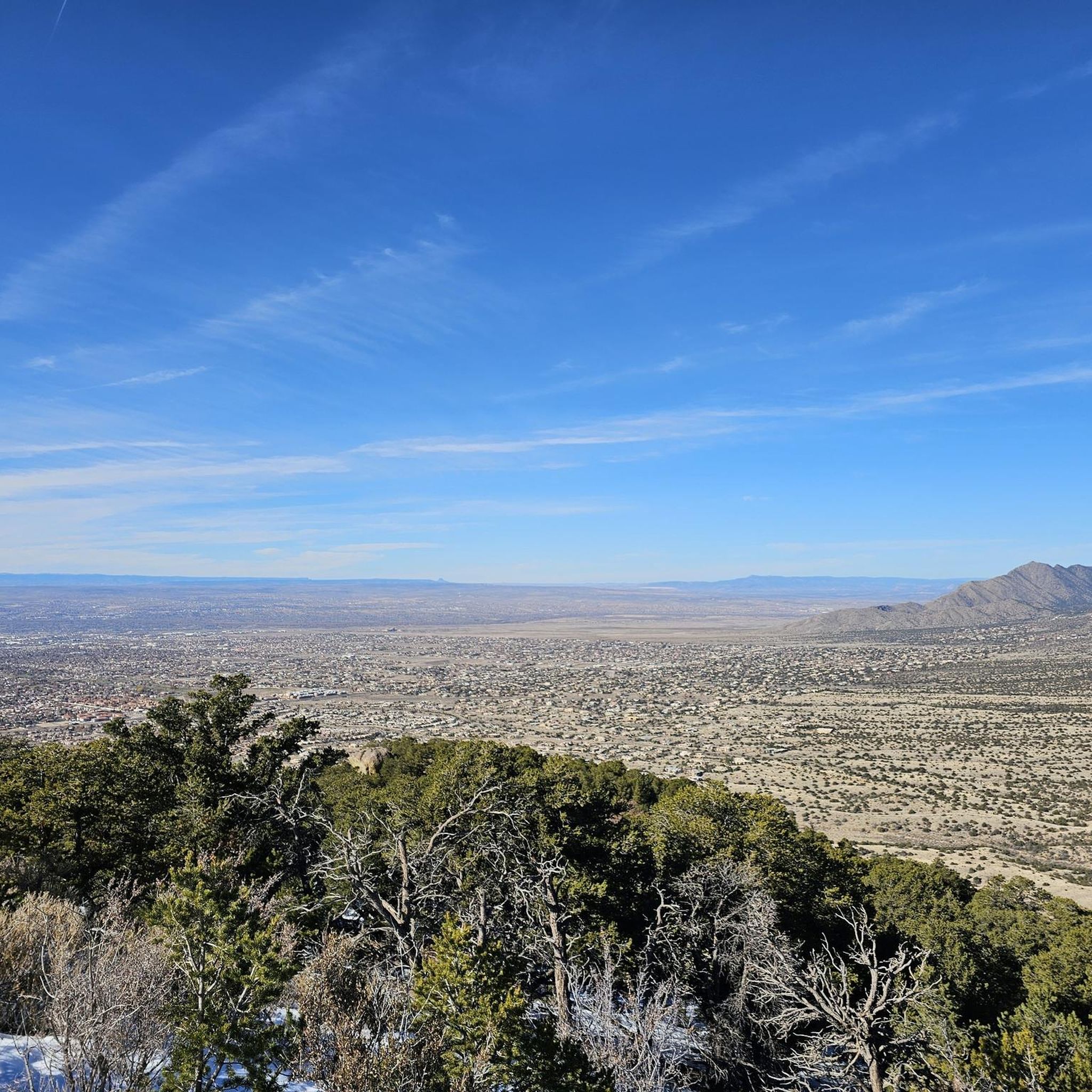
Climbing the Sandia Crest Scenic Byway near Albuquerque is a long, high-altitude ascent offering spectacular panoramic views over the Rio Grande Valley. Prepare for a sustained approximately 13.4 mile climb gaining nearly 4,800ft to the summit lookout at 10,678ft. The climb stays true at a gradient averaging around 5.5%, with maximum ramps near 9-10%, winding steadily upwards through beautiful pine and aspen forests. This iconic New Mexico climb is the hardest and highest.
1
0

Two small caves with a waterfall that is more or less visible depending on the season and that you can also climb.
0
0

The Civilian Conservatives Corps built this cabin around 1930 and named it after the group that planned it: the Kiwanis. The Corps are known to have built countless infrastructures around New Mexico, but this is one of the only remaining sites that can be seen and accessed.
0
0
This seasonal waterfall is at its best during spring, when the water flows most abundantly; otherwise, you might catch just a trickle. Nevertheless, it's a splendid sight, and the fact that it's less frequented makes it a tranquil spot to enjoy.
0
0
The Civilian Conservatives Corps built this cabin around 1930 and named it after the group that planned it: the Kiwanis. The Corps are known to have built countless infrastructures around New Mexico, but this is one of the only remaining site that can be seen and accessed.
0
0

The North Sandia Peak Trail offers great views of the canyons, pine tree forests, and the impressive rock formations of the Sandia Mountains.
0
1
La Luz Trail offers breathtaking views of the Sandia Mountains, famous for the pink shade their granite rock formations take at sunset.
0
0
Frequently Asked Questions
What are some of the most popular natural monuments to visit around Cedar Crest?
Visitors frequently enjoy the historical Kiwanis Cabin, a Civilian Conservation Corps structure from the 1930s. Another favorite is Sunset View from Sandia Crest, offering breathtaking panoramic views from 10,678 feet. The seasonal Travertine Falls is also a tranquil spot, especially in spring.
Are there family-friendly natural monuments or activities in the Cedar Crest area?
Yes, several natural sites are great for families. Travertine Falls is a rewarding and family-friendly hike, leading to a seasonal waterfall. The Sunset View from Sandia Crest is also considered family-friendly, offering stunning views without strenuous effort. Additionally, the Doc Long Picnic Area and Cienega Canyon provide peaceful settings for picnics and gentle nature walks with children.
When is the best time to visit the natural monuments around Cedar Crest?
The best time to visit depends on your interests. For viewing Travertine Falls at its fullest, spring is ideal when water flows most abundantly. The Sandia Mountains, including Sandia Crest, offer diverse experiences year-round, with vibrant sunsets in warmer months and opportunities for winter activities at higher elevations. Many trails, like those in John A. Milne and Gutierrez Canyon Open Space, are accessible year-round.
What kind of wildlife can I expect to see near Cedar Crest's natural monuments?
The diverse ecosystems around Cedar Crest are home to various wildlife. In the Sandia Mountains, you might spot mule deer, black bear, red-tailed hawks, and Abert's squirrels. Areas like Doc Long Picnic Area and Sulphur Canyon are known for wildlife viewing, including mule deer, black bear, squirrels, chipmunks, and a variety of birds like jays and woodpeckers.
Are there any historical natural monuments in the region?
Yes, the Kiwanis Cabin is a significant historical natural monument. It was built by the Civilian Conservation Corps around 1930 and is one of the few remaining accessible sites constructed by the Corps in New Mexico, offering a glimpse into the region's past.
What outdoor activities, such as hiking or cycling, are available near these natural monuments?
The area around Cedar Crest offers numerous outdoor activities. You can find many hiking trails, from easy to challenging, including the South Crest Trail which leads to Travertine Falls. For more options, explore easy hikes around Cedar Crest. Mountain biking is also popular, with challenging routes like the Challenge Trail – Kiwanis Cabin loop. Cyclists can find various routes, such as the Bike loop from Embudito Arroyo. For more details on cycling, check out cycling around Cedar Crest.
Are there any natural rock formations or climbing spots?
Yes, the U-Mound Rock Formation is a notable natural monument popular for rock climbing. It's part of a longer trail that offers views of the city and unique boulder formations.
Can I bring my dog to the natural monuments around Cedar Crest?
Many areas in the Cibola National Forest are dog-friendly, provided dogs are kept on a leash. Specifically, Travertine Falls is listed as dog-friendly, making it a great option for exploring with your canine companion.
Where can I find scenic viewpoints with panoramic vistas?
The most prominent scenic viewpoint is Sunset View from Sandia Crest, located at 10,678 feet. It offers spectacular panoramic views, especially during sunset. The Sandia Crest National Scenic Byway (NM 536) also provides numerous breathtaking vistas as you drive through the mountains.
Are there any easy or short hikes to natural monuments suitable for beginners?
Yes, the trail to Travertine Falls is considered a short and easy hike, making it suitable for beginners and families. Additionally, the Cienega Canyon area offers generally well-maintained trails that are low-key and great for exploring nature without strenuous effort. For more easy options, refer to the easy hikes around Cedar Crest guide.
What kind of forest and natural landscapes can I expect to see?
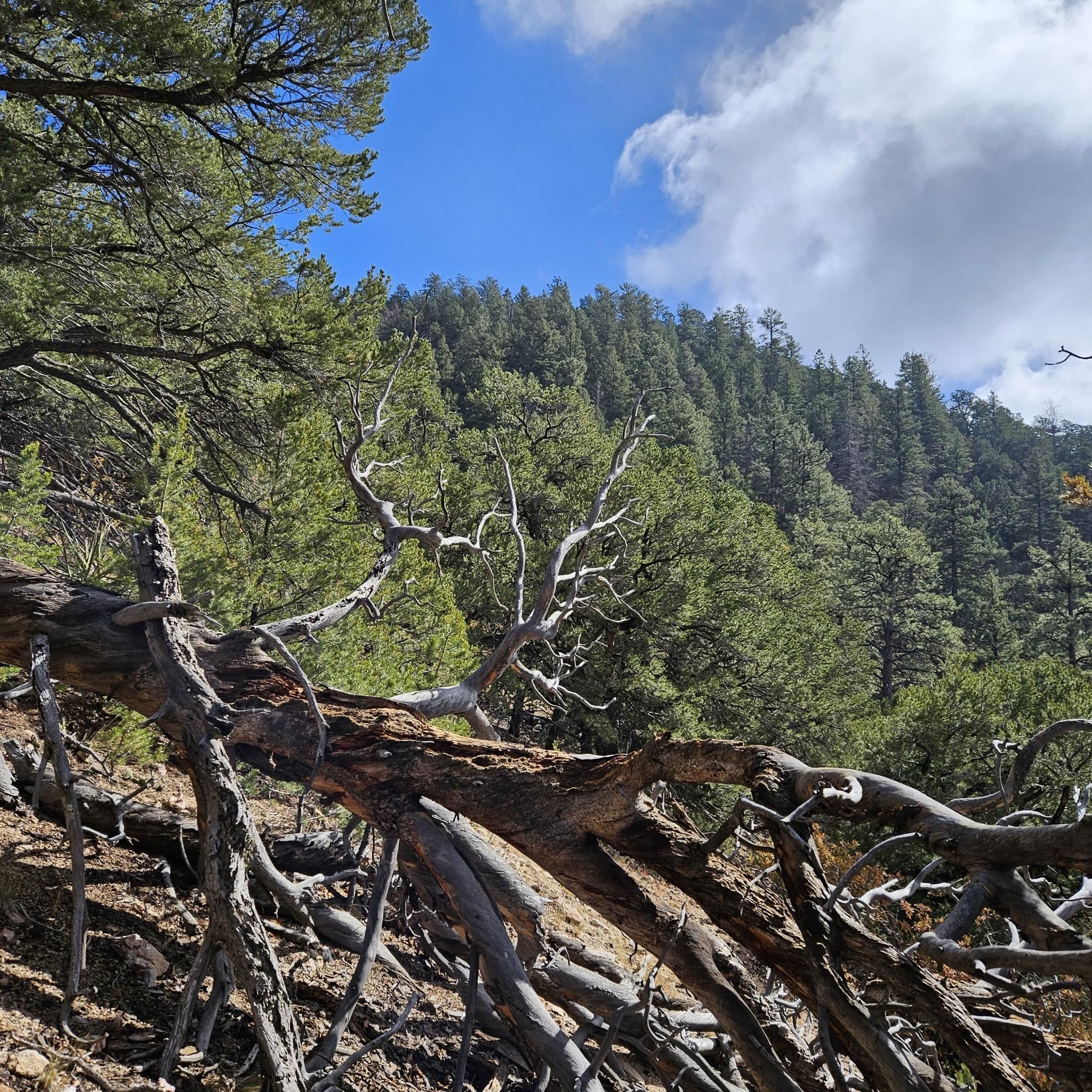
The natural monuments around Cedar Crest are situated within the Cibola National Forest, featuring diverse life zones. You'll encounter piñon-juniper forests at lower elevations, transitioning to ponderosa pines and aspens as you ascend the Sandia Mountains. Areas like Doc Long Picnic Area are nestled within dense ponderosa pine forests, while Cienega Canyon offers beautiful meadows and shaded trails.
Are there opportunities for mountain biking near the natural monuments?
Absolutely. The Cedar Crest area is popular for mountain biking, with trails ranging in difficulty. You can find challenging routes like the Challenge Trail – Kiwanis Cabin loop. For a comprehensive list of trails, explore the MTB Trails around Cedar Crest guide.
Most popular routes around Cedar Crest
Most popular attractions around Cedar Crest

Get inspired with the komoot mobile app


Explore more
Extend your search for the best caves by checking out these guides of the top ones around Cedar Crest:
