The best walks and hikes around Cedar Crest
4.8
(35)
649
hikers
45
hikes
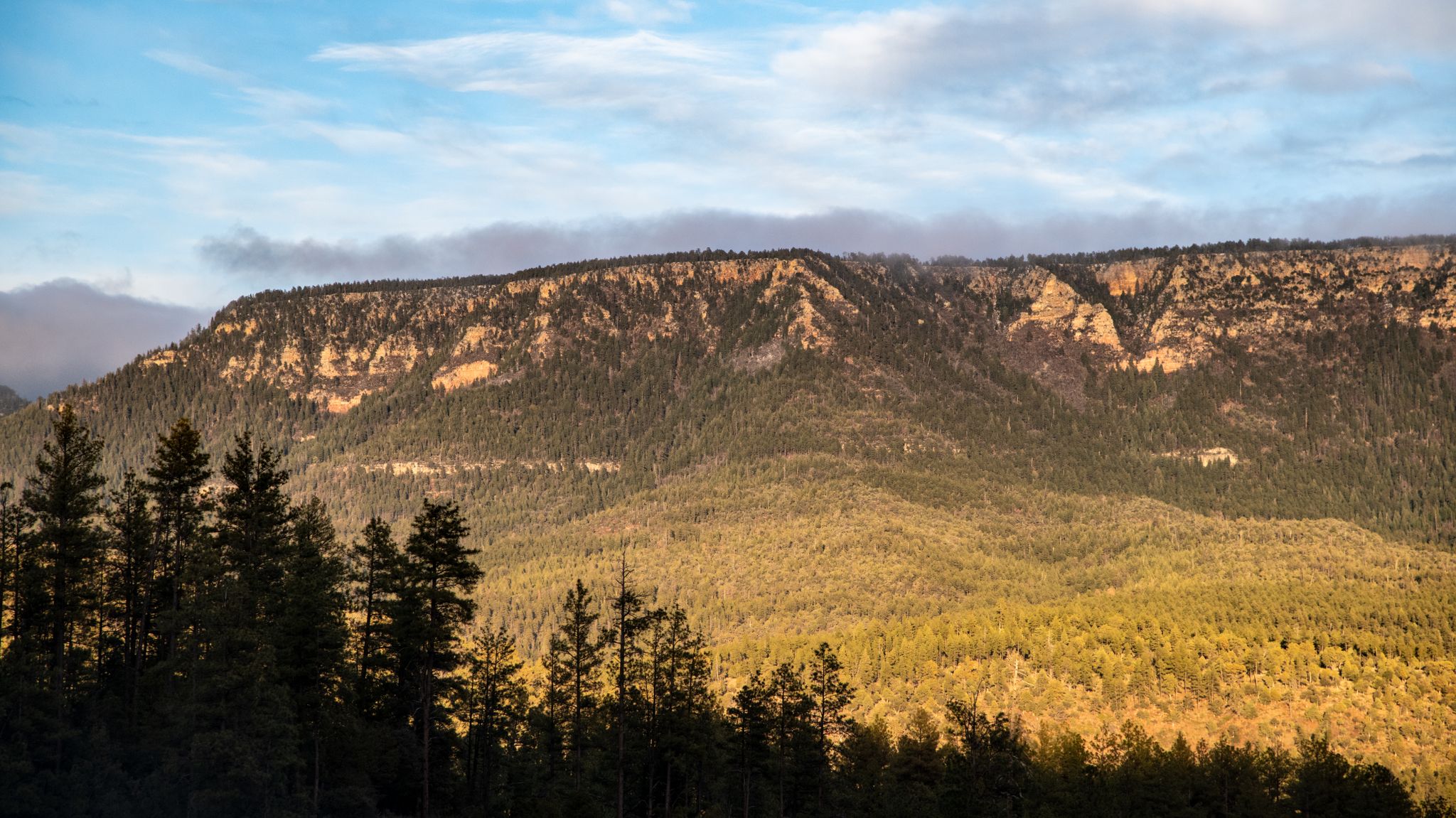
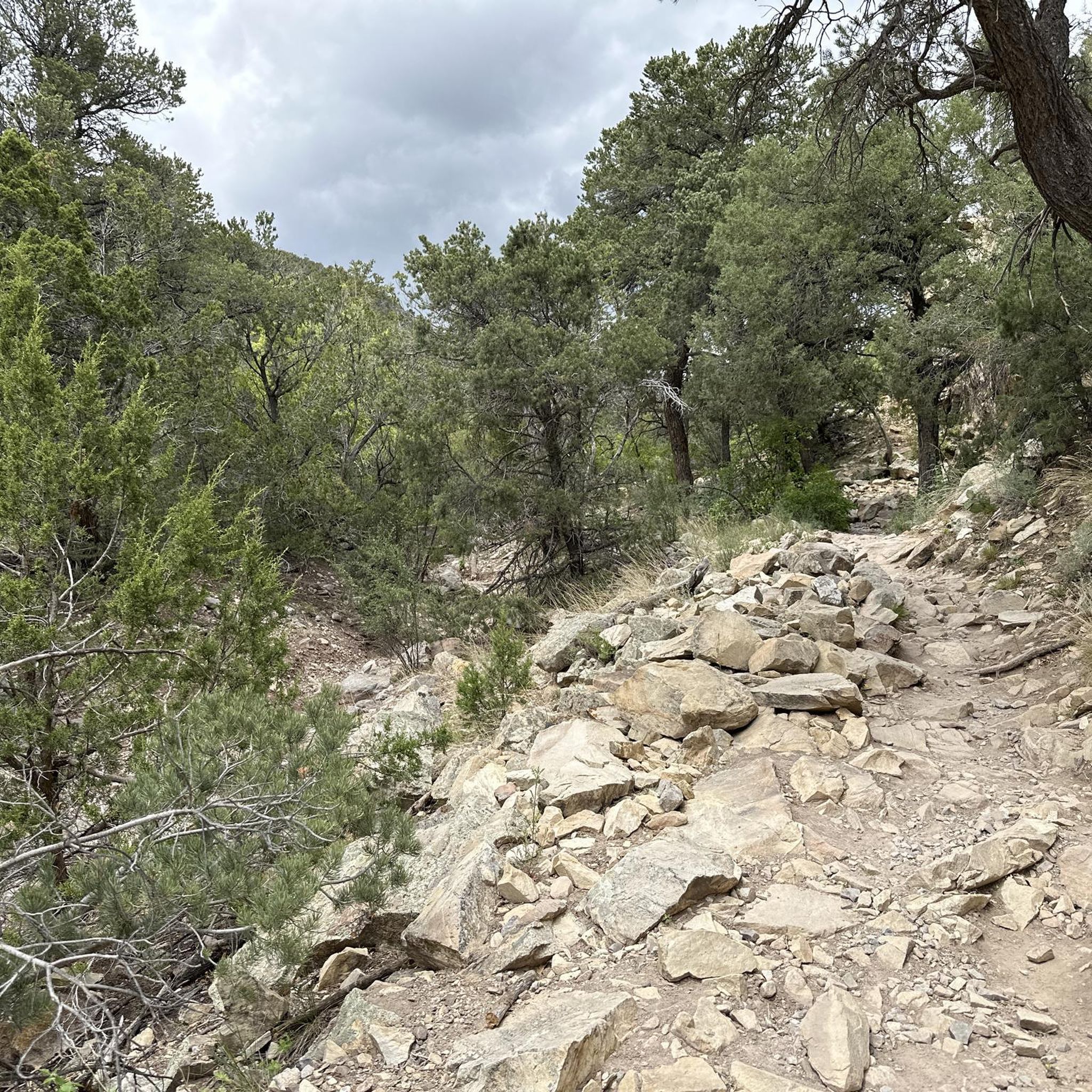
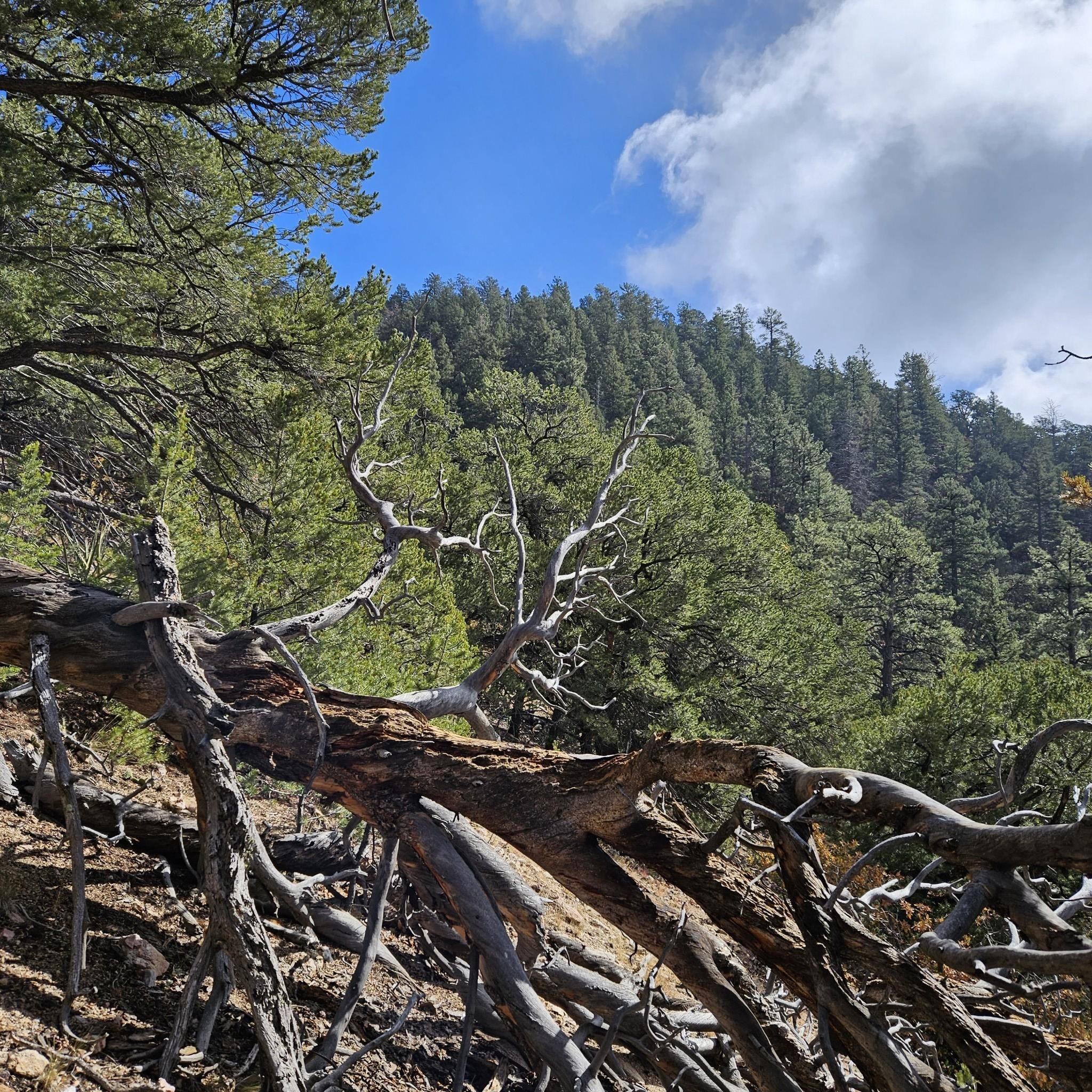
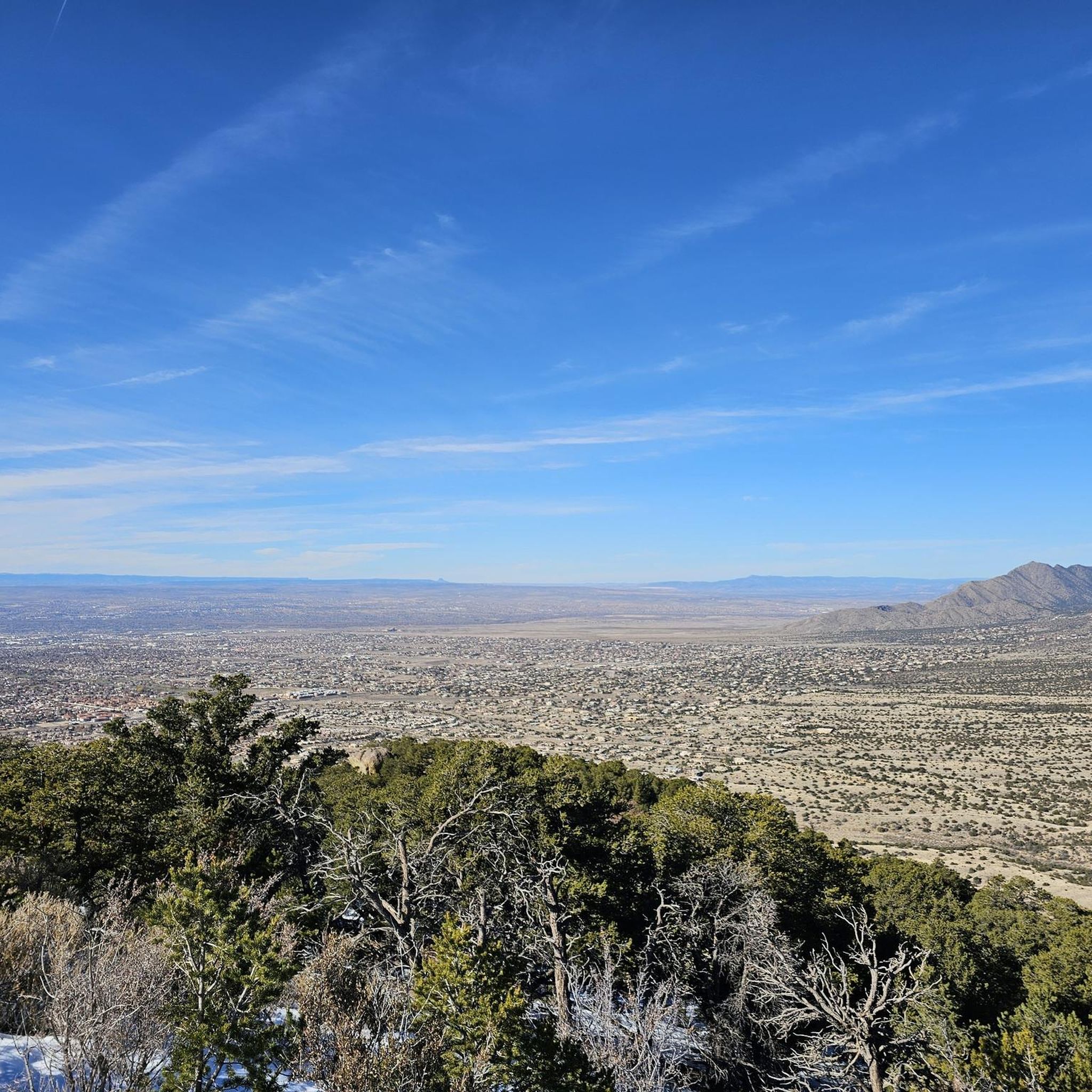
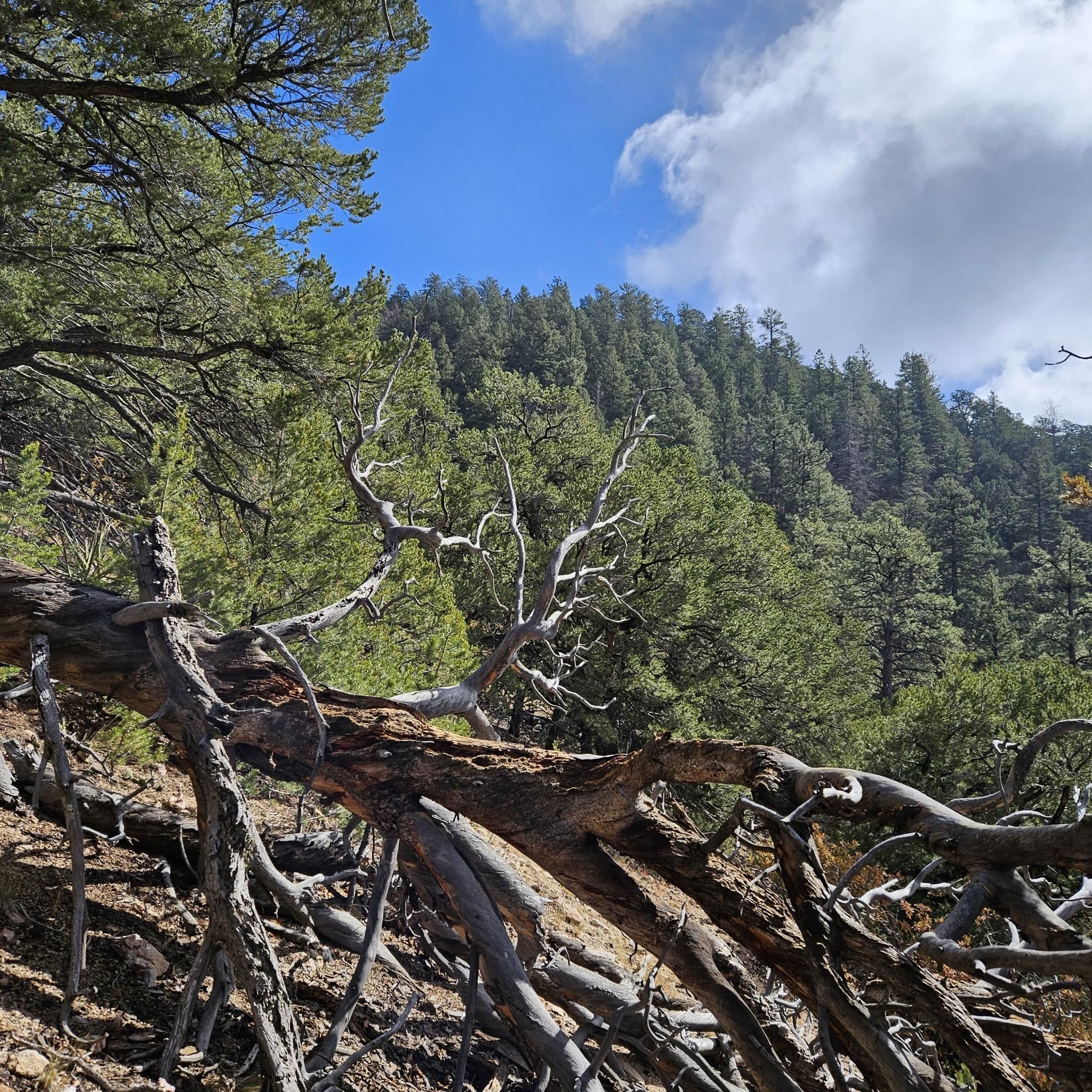
Hiking around Cedar Crest explores the eastern base of the Sandia Mountains within the Cibola National Forest. The region features a high-desert landscape characterized by piñon, juniper, and ponderosa pine forests. Trails navigate through canyons and across hills, offering a mix of open and wooded environments just east of Albuquerque. This area provides diverse terrain for outdoor activities.
Best hiking trails around Cedar Crest
- The most popular hiking route is Sandia Peak loop – Sandia Mountain Wilderness, a 3.1…
Last updated: April 26, 2026
4.5
(2)
23
hikers
8.78km
03:24
340m
340m
Moderate hike. Good fitness required. Mostly accessible paths. Sure-footedness required.
5.0
(1)
22
hikers
2.70km
00:58
80m
70m
Moderate hike. Great for any fitness level. Mostly accessible paths. Sure-footedness required.

Sign up for free
10
hikers
7.60km
02:25
240m
240m
Moderate hike. Good fitness required. Mostly accessible paths. Sure-footedness required.
6
hikers
15.3km
06:35
960m
650m
Hard hike. Very good fitness required. Sure-footedness, sturdy shoes and alpine experience required.
4
hikers
8.67km
02:29
190m
190m
Moderate hike. Good fitness required. Mostly accessible paths. Sure-footedness required.
Get access to more routes and recommendations from other explorers.
Sign up for free
Already have an account?
Our route recommendations are based on thousands of hikes, rides, and runs completed by other people on komoot.
Start today with a free account
Your next adventure awaits.
Login or Signup

Other adventures around Cedar Crest

Tips from the Community

This seasonal waterfall is at its best during spring, when the water flows most abundantly; otherwise, you might catch just a trickle. Nevertheless, it's a splendid sight, and the fact that it's less frequented makes it a tranquil spot to enjoy.
0
0

Two small caves with a waterfall that is more or less visible depending on the season and that you can also climb.
0
0

This peak sees less traffic than the primary Sandia Peak to the north, so it's a nice opportunity for a getaway from the crowds. You'll still get stunning views from the top, though, along with a good sweat, as every route up involves quite a bit of elevation gain. The name of this peak (and the entire ridgeline it inhabits) means "watermelon" in Spanish; it refers to the lovely pinkish color these mountains take on when hit by low-angle sun.
1
0
This seasonal waterfall is at its best during spring, when the water flows most abundantly; otherwise, you might catch just a trickle. Nevertheless, it's a splendid sight, and the fact that it's less frequented makes it a tranquil spot to enjoy.
0
0
Frequently Asked Questions
Are there any easy, family-friendly hikes in Cedar Crest?
Yes, the area offers several options for families. While many trails involve some elevation, you can find shorter, less strenuous paths. The region has 2 easy-rated hikes, such as the Arroyo Loop mentioned in local guides, which is a great option for a leisurely stroll with kids through the piñon and juniper landscape.
What are the options for a challenging day hike?
For experienced hikers looking for a challenge, the Cedar Crest area has 7 difficult-rated trails. A great choice is the Tree Spring Trail — Sandia Mountain Wilderness. This 4.1-mile (6.7 km) route involves a significant climb through the forest, requiring a good level of fitness.
Can I bring my dog on the hiking trails?
Most trails in the Cibola National Forest around Cedar Crest are dog-friendly, but they must be kept on a leash. Always check specific trail regulations before you go. Remember to bring enough water for your pet, especially during warmer months, as the high-desert environment can be very dry.
Are there any circular or loop trails available?
Yes, there are several loop trails that allow you to enjoy a varied hike without backtracking. A popular moderate option is the Sandia Peak loop – Sandia Mountain Wilderness, a 3.1-mile (5.0 km) circuit with gradual elevation changes.
Can I see any waterfalls on hikes near Cedar Crest?
Yes, you can. The Travertine Falls loop from Tijeras is a moderate hike where you can see a seasonal waterfall. The falls are most impressive during the spring runoff or after significant rainfall.
How many hiking trails are there around Cedar Crest?
There are over 20 marked hiking routes in the Cedar Crest area. The network includes 2 easy trails, 11 moderate routes, and 7 difficult hikes, offering a wide variety of options through the forested slopes and canyons of the Cibola National Forest.
What do other hikers think of the trails in Cedar Crest?
The trails are highly regarded by the komoot community, with an average rating of 4.8 stars. Hikers often praise the well-maintained paths, the beautiful piñon-juniper woodlands, and the feeling of being in a remote, natural setting so close to Albuquerque.
What is the best time of year to hike in Cedar Crest?
Spring and fall are ideal for hiking in Cedar Crest, offering pleasant temperatures and beautiful scenery. Summer mornings are also a great time to hike, but be prepared for hot afternoons. Winter hiking is possible on lower-elevation trails, though higher trails may have snow and ice.
What should I pack for a day hike in the Sandia Mountains?
For any hike, you should bring plenty of water, sun protection (hat, sunscreen), and layered clothing, as temperatures can change with elevation. Sturdy hiking shoes are essential. For longer routes, pack snacks, a map, and a first-aid kit. Always check the weather before you head out.
Are there any safety concerns like bears on the trails?
The Cibola National Forest is home to wildlife, including black bears and mountain lions, though encounters are rare. To stay safe, make noise while you hike, never feed wildlife, and know what to do if you encounter a large animal. It's always best to hike with a partner and be aware of your surroundings.
Where can I park to access the hiking trails?
Most popular trails have designated trailheads with parking areas, such as those for the Otero Canyon and Tunnel Canyon trail systems. Some picnic areas, like Cienega Picnic Area, also offer trail access. Parking can fill up on weekends, so arriving early is recommended.
Are the trails accessible by public transport?
Public transportation options directly to most trailheads are limited. The area is best accessed by car. Cedar Crest is located about 20 miles from downtown Albuquerque along the Turquoise Trail National Scenic Byway.
Most popular routes around Cedar Crest
Most popular attractions around Cedar Crest

Get inspired with the komoot mobile app


Explore more
Browse the best Hikes in other regions.
