Top 7 Natural Monuments around Lake Mendota
Best natural monuments around Lake Mendota include a variety of significant natural and cultural sites. Lake Mendota, a large freshwater glacial lake in Madison, Wisconsin, is recognized for its ecological importance and historical depth. Its surrounding areas feature diverse landscapes, including wooded peninsulas, wetlands, and ancient Indigenous earthworks. These locations offer opportunities to explore the region's geological history and cultural heritage.
Best natural monuments around Lake Mendota
- The most popular natural monuments is Picnic Point Mound Group, a historical…
Last updated: July 8, 2026
Picnic Point Mound Group
Highlight • Historical Site
Tip by

Class of 1918 Marsh
Highlight • Natural
covered all of the area now occupied by playing fields, parking lots, and the Nielsen …
Tip by

Sign up now to discover places like this
Get recommendations on the best single tracks, peaks, & plenty of other exciting outdoor places.
Sign up for free
Eagle Heights Mound Group (DA130)
Highlight • Historical Site
Tip by
Frautschi Point
Highlight • Viewpoint
Tip by
John Muir Park (Muir Woods)
Highlight • Forest
Tip by

Sign up for free to discover even more natural monuments around Lake Mendota.
Sign up for free
Already have an account?
Start today with a free account
Your next adventure awaits.
Login or Signup



Other adventures around Lake Mendota

Tips from the Community

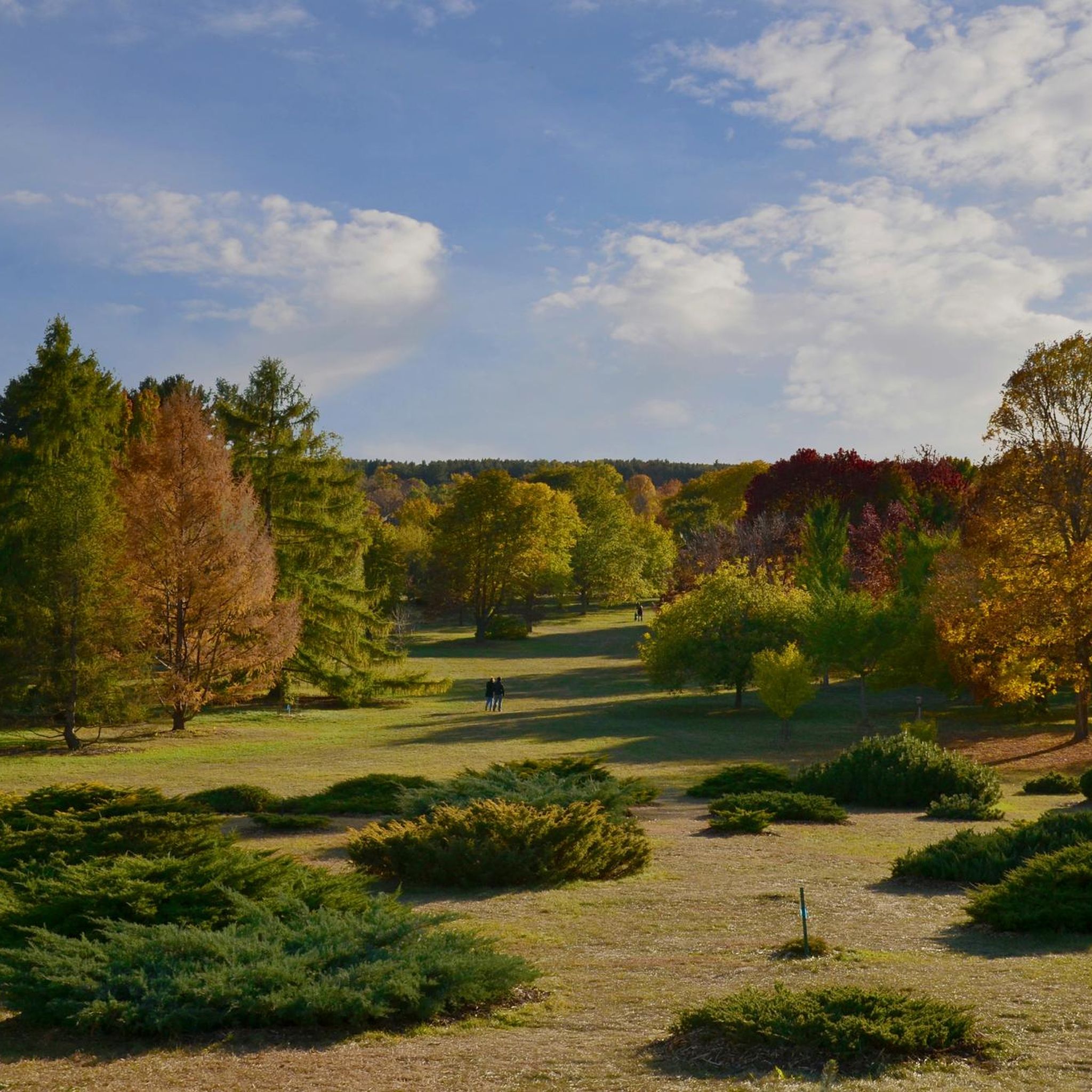
Eagle Heights Mound Group (DA130) Atop the bluff at Eagle Heights Woods, are three mounds: one hemispherical and two linear in form. You can view the mounds from the trail that circles the group. This trail was originally constructed by George Raymer and incorporated into the carriage drive network established by the Madison Park and Pleasure Drive Association.
0
0
There are four “extant” (still visible) mound groups you can visit on the main campus, all but one of them located within the boundaries of the Lakeshore Nature Preserve. Recently these mound groups were surveyed and entered in a special burial sites catalog maintained by the Wisconsin Historical Society. The label associated with each location includes a number used in the state Archaeological Site Inventory (ASI) maintained by the Wisconsin Historical Society. The site surveys establish a 25-foot preservation buffer around the mounds.
0
0
Picnic Point Mound Group (DA121) The sixth extant mound is a large hemispherical form visible on your right just before you reach The Narrows (where the main trail dips near the beach).
0
0
Unfortunately, during the last 25 years little has been done to maintain the marsh, in spite of the interest of a large number of people and the development of several management plans. It suffers from runoff from nearby construction sites, parking lots, and fertilized playing fields. In addition, the field on the south side of the marsh is used by the plowing crews to store snow (with its accompanying salt and debris) in winter.
0
0
Fortunately, in 1969 an environmental studies class chose the marsh as its class project. After collecting a great deal of data and making allies of the local press, they convinced the university administration to rethink its plans and the land was saved as a wildlife refuge and teaching and research area. It is named for the Class of 1918 because this class agreed to reallocate money that they had donated during their 50 year reunion for a Japanese pond to the new project of enhancing the marsh. The 1970s saw dredging the marsh, building the trail around it, and the addition of a series of interpretive signs, which since have been lost due to vandals. There also were several attempts to establish prairie around the edge.
0
0
The Class of 1918 Marsh is a tiny remnant of a large wetland that formerly covered all of the area now occupied by playing fields, parking lots, and the Nielsen Tennis Stadium. Fifteen thousand years ago when the glaciers receded from this part of Wisconsin, the marsh was connected to Lake Mendota; later a sand bar built up that isolated it from the lake. The university acquired the land in 1910 and began to experiment with draining the marsh to grow crops, a difficult prospect given that the area is lower than the lake. Tiles were laid and a series of pumps installed. The experiment was considered successful, but by 1965 the tiles came loose and the area reverted to wetland. At this point, the campus was expanding and the university administration planned to use the area for playing fields and parking lots. In the interim they used it as a landfill.
0
0
Swiss immigrant W. Jerome Frautschi was a business, the founder of webcrafters, and longtime conservationist.
0
0
Beautiful observation point, with bench & picnic area, honors conservationist Walter Frautschi
0
0
Frequently Asked Questions
What are some of the most significant natural monuments around Lake Mendota?
The Lake Mendota area is rich in natural and cultural sites. Key natural monuments include Picnic Point Mound Group, a mile-long peninsula with ancient effigy mounds and stunning lake views, and Governor Nelson State Park, known for its diverse ecosystems and trails. You can also explore the restored prairies and wetlands of Pheasant Branch Conservancy, and the vital wetland ecosystems of Cherokee Marsh.
Are there opportunities for hiking near Lake Mendota's natural monuments?
Yes, there are several excellent hiking opportunities. You can find trails within the UW-Madison Lakeshore Nature Preserve, including those around Picnic Point. Governor Nelson State Park offers 8.4 miles of trails through varied landscapes, while Pheasant Branch Conservancy features trails through restored prairie and wetlands. For more detailed routes, check out the Hiking around Lake Mendota guide.
What kind of historical or cultural sites can I explore around Lake Mendota?
The region is particularly significant for its Indigenous earthworks, known as effigy mounds. These ancient burial and ceremonial sites, created by prehistoric peoples like the Ho-Chunk Nation, can be found at locations such as Picnic Point and the Eagle Heights Mound Group (DA130). These mounds offer a profound connection to the region's ancient history.
Are there any family-friendly natural monuments or activities?
Many natural monuments around Lake Mendota are family-friendly. Picnic Point offers easy walking trails and beautiful views, perfect for a family outing. Governor Nelson State Park has a beach for swimming and trails suitable for various ages. The Class of 1918 Marsh is also noted as family-friendly, offering a chance to observe wetland ecosystems.
Where can I find the best viewpoints of Lake Mendota?
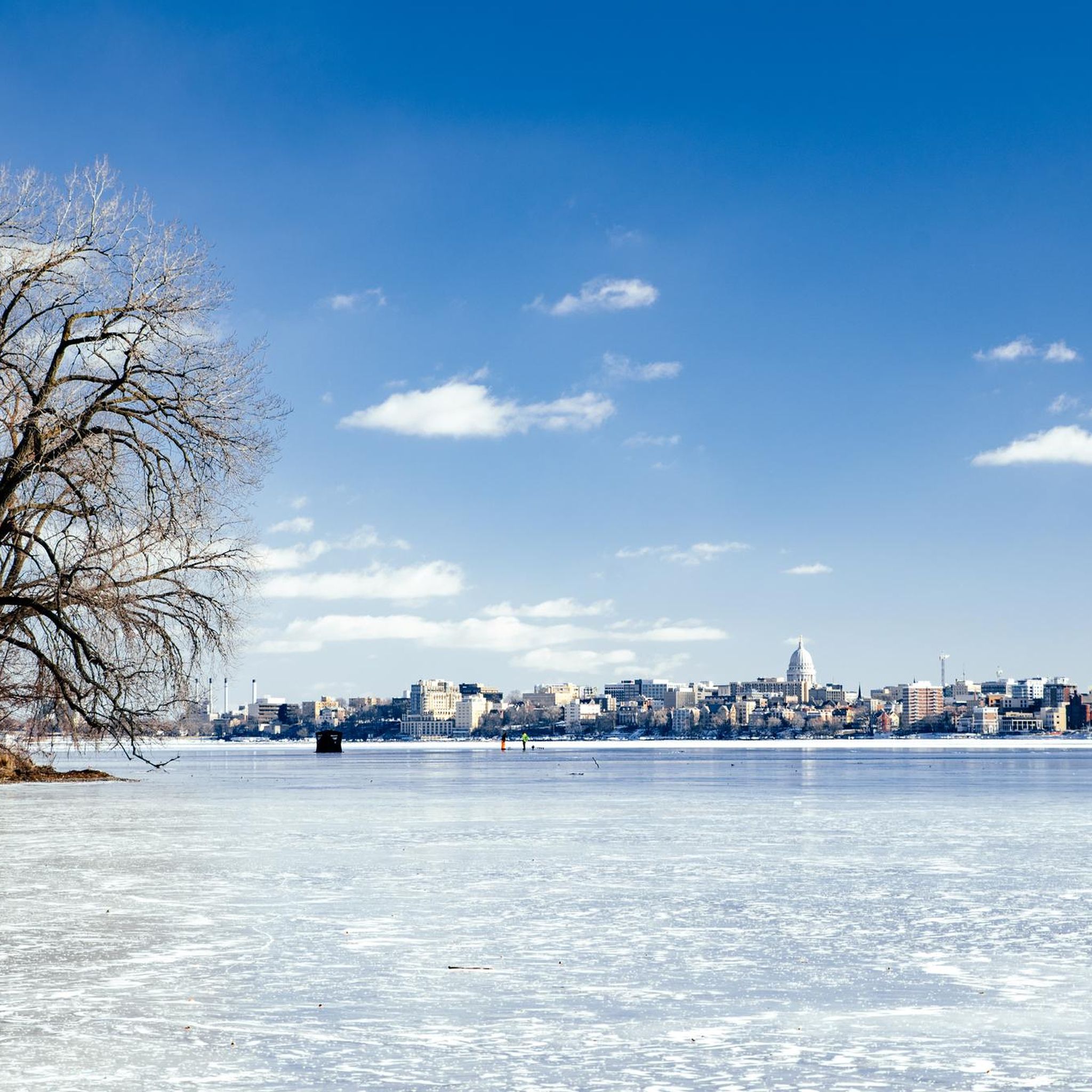
For stunning views of Lake Mendota, the Madison skyline, and the State Capitol dome, Picnic Point is an excellent choice. Another notable observation point is Frautschi Point, which provides a beautiful vista with a bench and picnic area. John Muir Park (Muir Woods) also offers scenic views within its forest setting.
Can I go cycling or gravel biking near these natural monuments?
Absolutely! The area around Lake Mendota is popular for cycling. You can find various routes for both gravel biking and touring. For gravel biking, explore options like the Pheasant Branch Creek loop. For general cycling, there are routes like the Lake Monona Loop. Detailed guides are available, such as Gravel biking around Lake Mendota and Cycling around Lake Mendota.
What kind of wildlife can I expect to see in these natural areas?
The diverse ecosystems around Lake Mendota support a variety of wildlife. At Governor Nelson State Park, you might spot various bird species like marsh hawks and short-eared owls. Cherokee Marsh, as Dane County's largest wetland, is a prime location for birdwatching and observing wetland ecosystems. The UW-Madison Lakeshore Nature Preserve, including Picnic Point, also protects native animals and plants.
When is the best time to visit the natural monuments around Lake Mendota?
The natural monuments around Lake Mendota offer beauty throughout the year. Spring and fall provide pleasant temperatures for hiking and enjoying the changing foliage. The clear waters in spring, early summer, and late fall enhance the appeal of water activities at places like Picnic Point. Summer is ideal for swimming at Governor Nelson State Park's beach.
Are there any lesser-known or 'hidden gems' among the natural monuments?
While popular spots like Picnic Point are well-known, the Class of 1918 Marsh offers a unique glimpse into a restored wetland with a fascinating history of conservation efforts. It's a tiny remnant of a larger wetland, providing a quiet spot for reflection and nature observation away from the more crowded areas.
What makes the effigy mounds in the Lake Mendota area so important?
The effigy mounds are crucial historical and cultural sites, representing thousands of years of human activity by Indigenous peoples, particularly the Ho-Chunk Nation. These burial and ceremonial earthworks, some dating back as far as 800 BC, come in various shapes, including conical, linear, and animal forms. They offer a unique opportunity to connect with the spiritual practices and heritage deeply intertwined with the natural landscape.
Is there public access to these natural monuments, and are there facilities?
Most natural monuments around Lake Mendota offer public access. For instance, Picnic Point is part of the UW-Madison Lakeshore Nature Preserve, which is open to the public. Governor Nelson State Park has facilities including a beach. Cherokee Marsh features 2.6 miles of trails, a boardwalk, and two observation decks. Specific parking and facility details can often be found on the individual park or preserve websites.
Most popular routes around Lake Mendota
Most popular attractions around Lake Mendota

Get inspired with the komoot mobile app


Explore more
Extend your search for the best caves by checking out these guides of the top ones around Lake Mendota:
