Top 20 Natural Monuments around Isla De La Palma
Best natural monuments around Isla De La Palma showcase a diverse landscape, recognized as a UNESCO Biosphere Reserve. The island features an immense erosion crater, towering volcanic peaks, and ancient laurel forests. Its geological history is evident in various volcanic cones and lava fields. This makes Isla De La Palma a destination for exploring unique geological formations and rich biodiversity.
Best natural monuments around Isla De La Palma
- The most popular natural monuments is Pico Bejenado, a summit that…
Last updated: October 10, 2026
Roque de los Muchachos
Highlight • Summit
Translated by Google •
Tip by

Cubo de la Galga Gorge
Highlight • Gorge
Translated by Google •
Tip by

Sign up now to discover places like this
Get recommendations on the best single tracks, peaks, & plenty of other exciting outdoor places.
San Antonio Volcano
Highlight • Volcano
Translated by Google •
Tip by
Las Angustias Gorge
Highlight (Segment) • Gorge
Translated by Google •
Tip by

Lomo de Tagasaste Viewpoint
Highlight • Viewpoint
Translated by Google •
Tip by
Pico Bejenado
Highlight • Summit
Translated by Google •
Tip by

Colorful Waterfall
Highlight • Waterfall
Translated by Google •
Tip by

Teneguía Volcano
Highlight • Volcano
Translated by Google •
Tip by

Los Roques Viewpoint
Highlight • Viewpoint
Translated by Google •
Tip by
Hoyo Negro Crater
Highlight • Volcano
Translated by Google •
Tip by
Sign up for free to discover even more natural monuments around Isla De La Palma.
Already have an account?
Start today with a free account
Your next adventure awaits.
Popular around Isla De La Palma

La Palma – my favourite Tours on the Canary Islands’ Isla Bonita
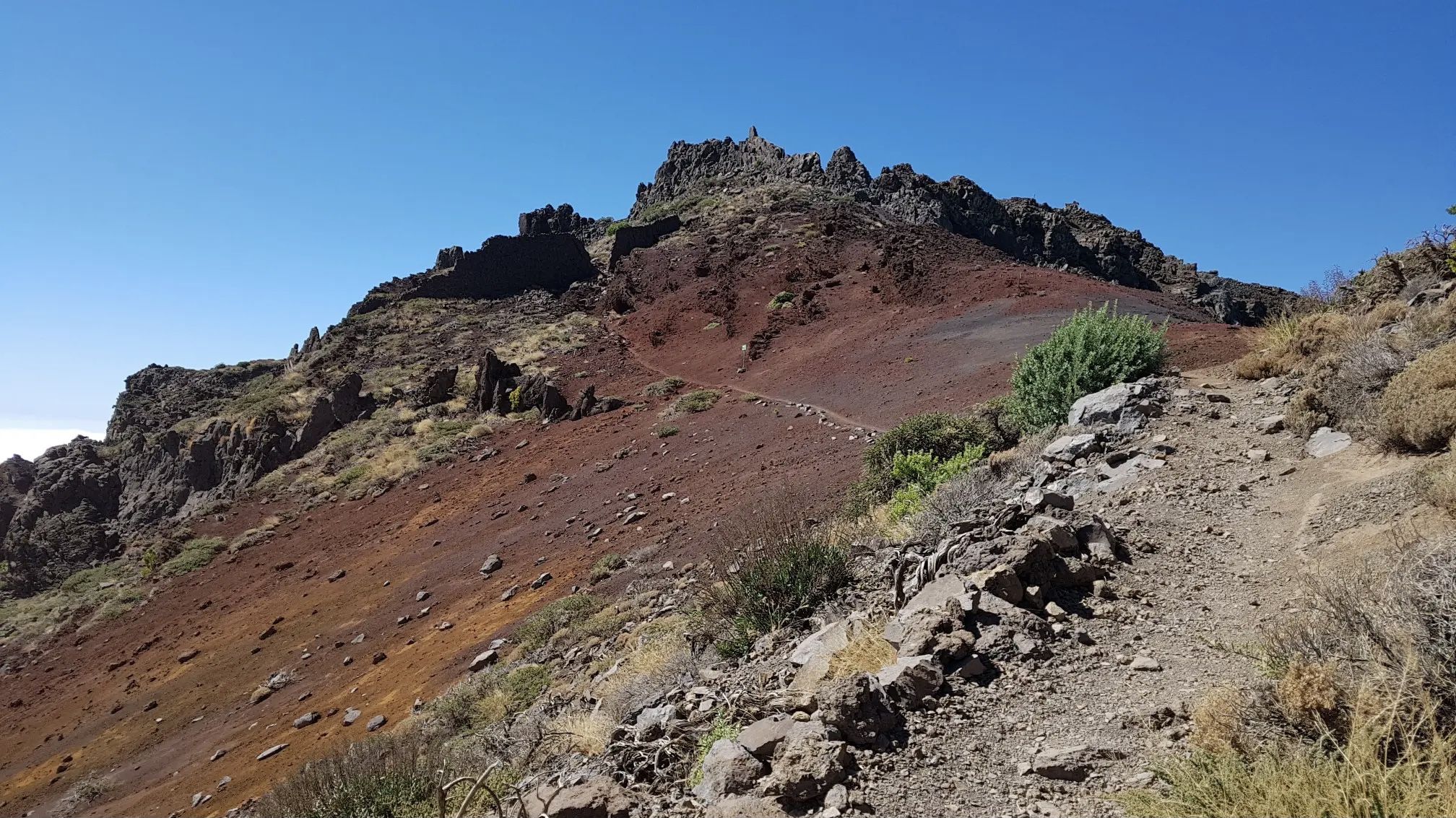
GR 131 El Bastón – La Palma in all its splendour

Trail on the Canary Islands – discover the legendary races!
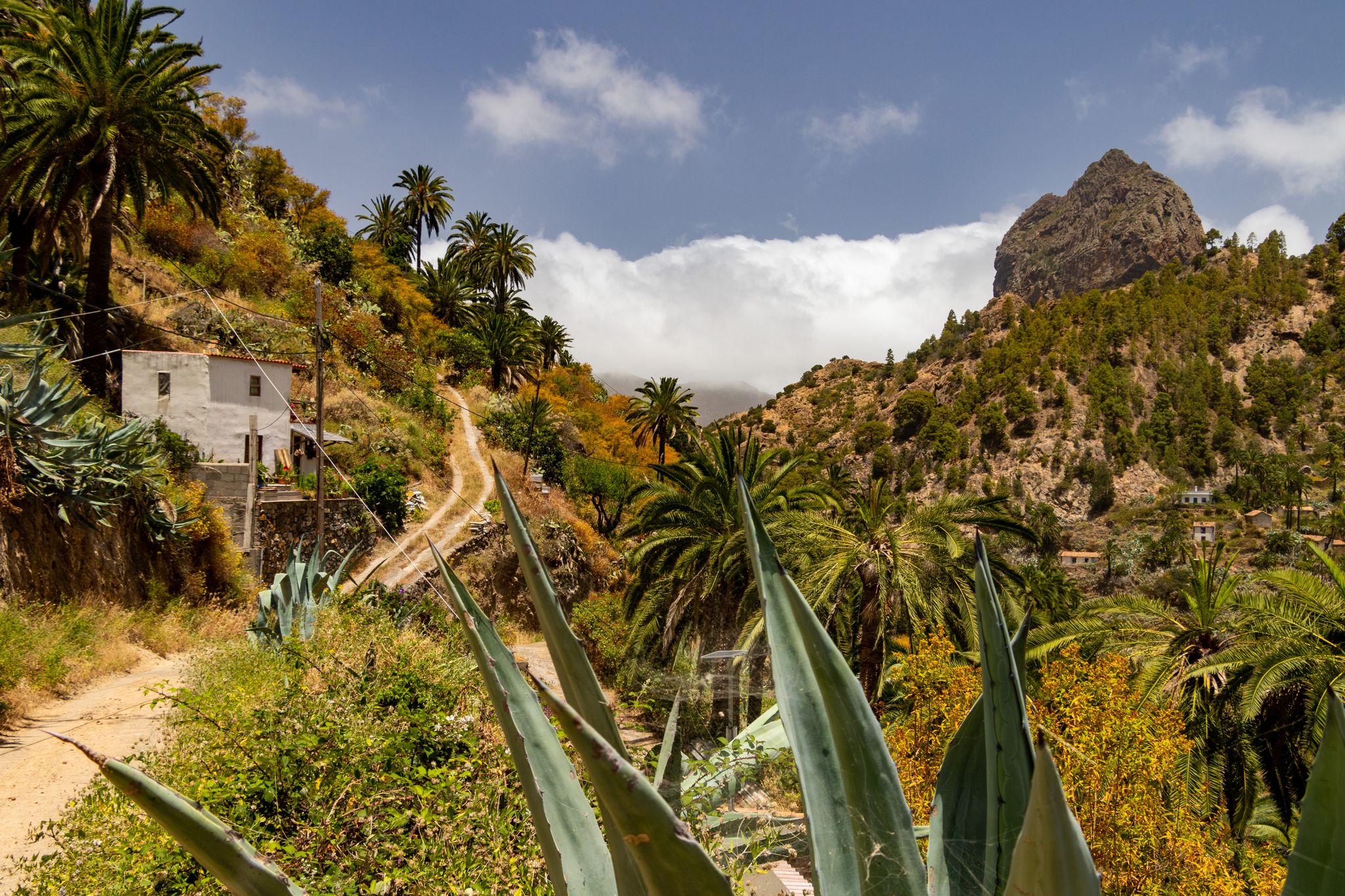
La Palma, El Hierro y La Gomera – explore the Canaries’ Green Islands on foot
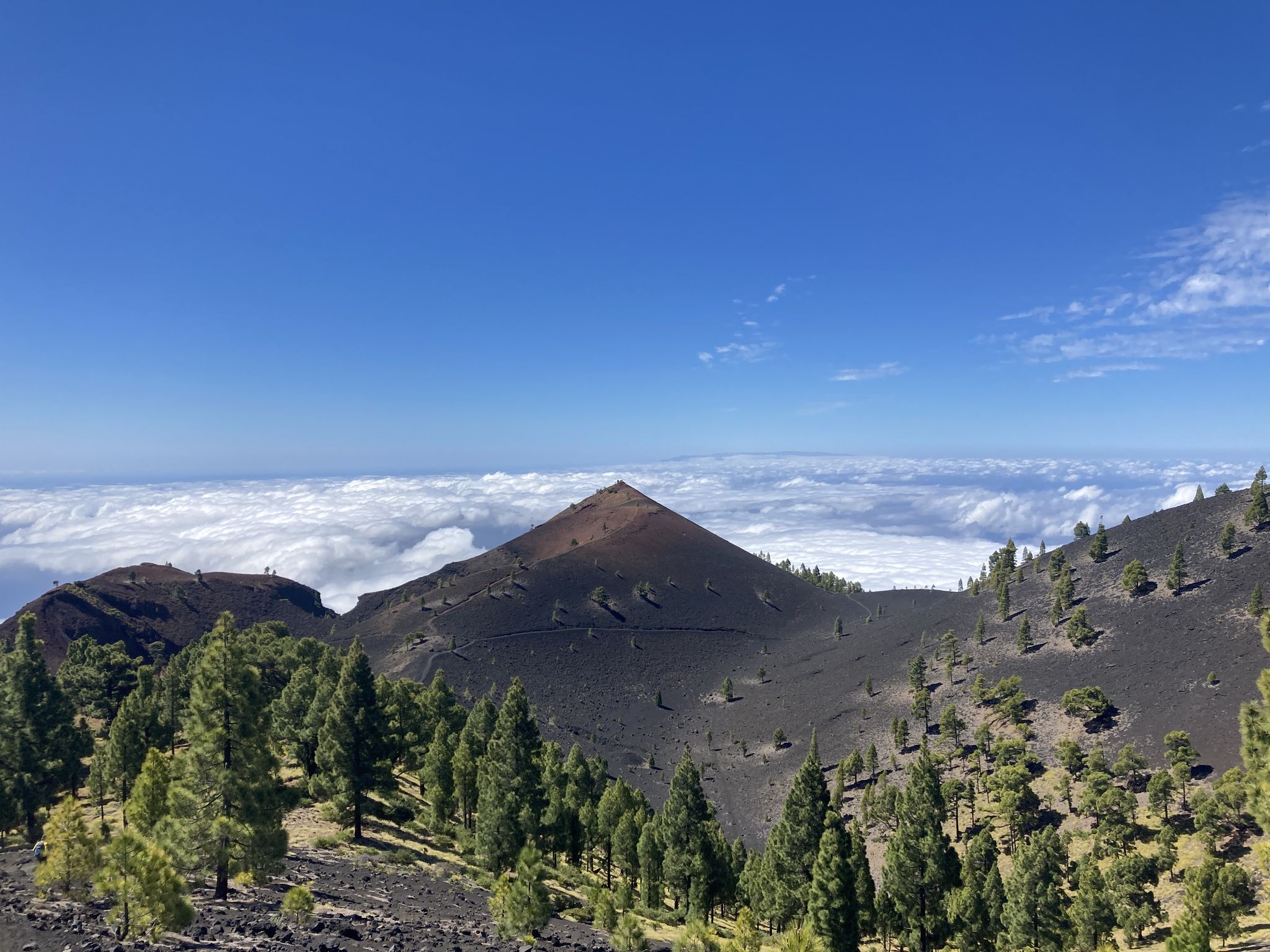
Transvulcania - traverse la Palma in the Canary Islands on the GR 131
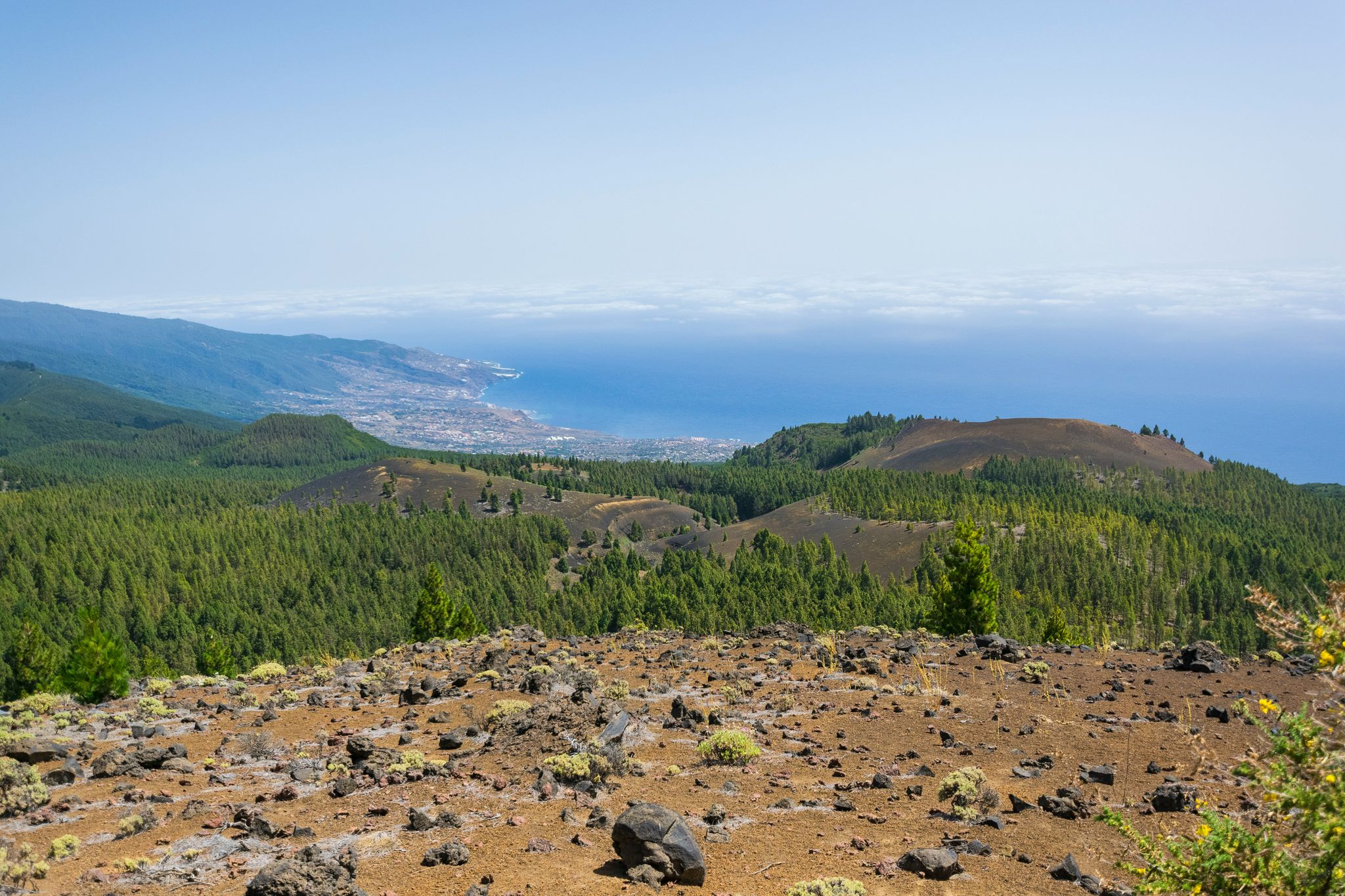
Around the beautiful island – La Palma Nature Trail (GR 130)
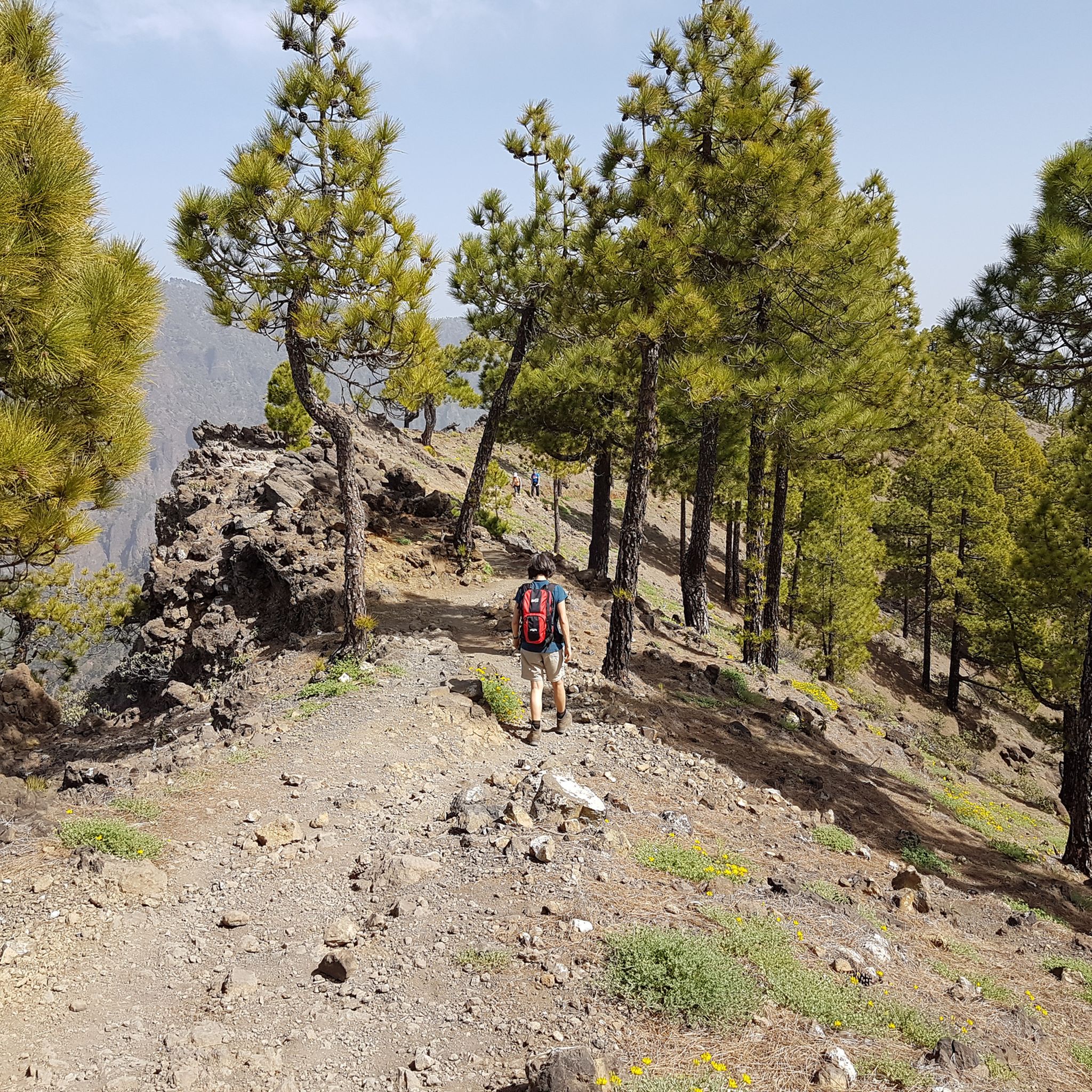
Hiking around Isla De La Palma
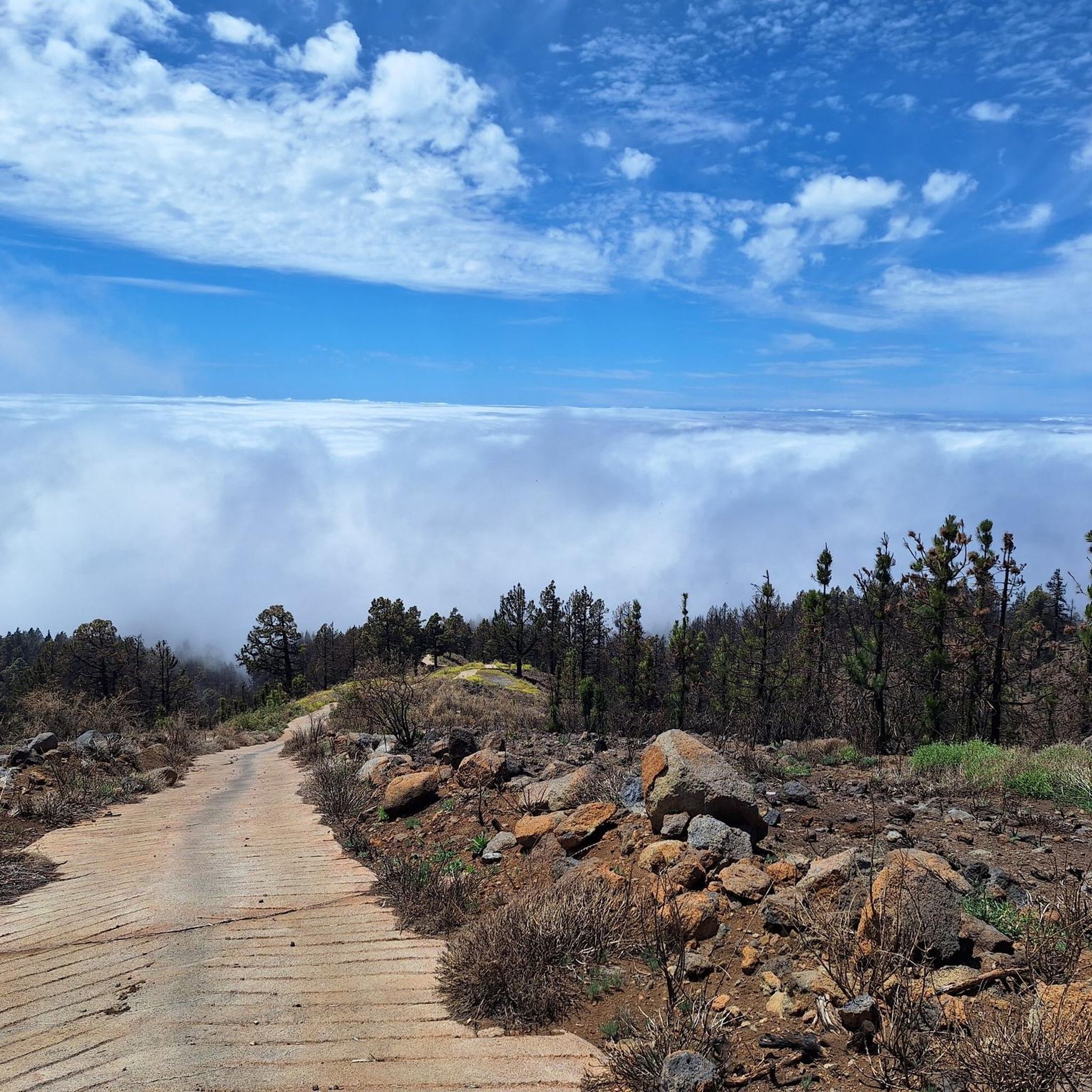
Running Trails around Isla De La Palma
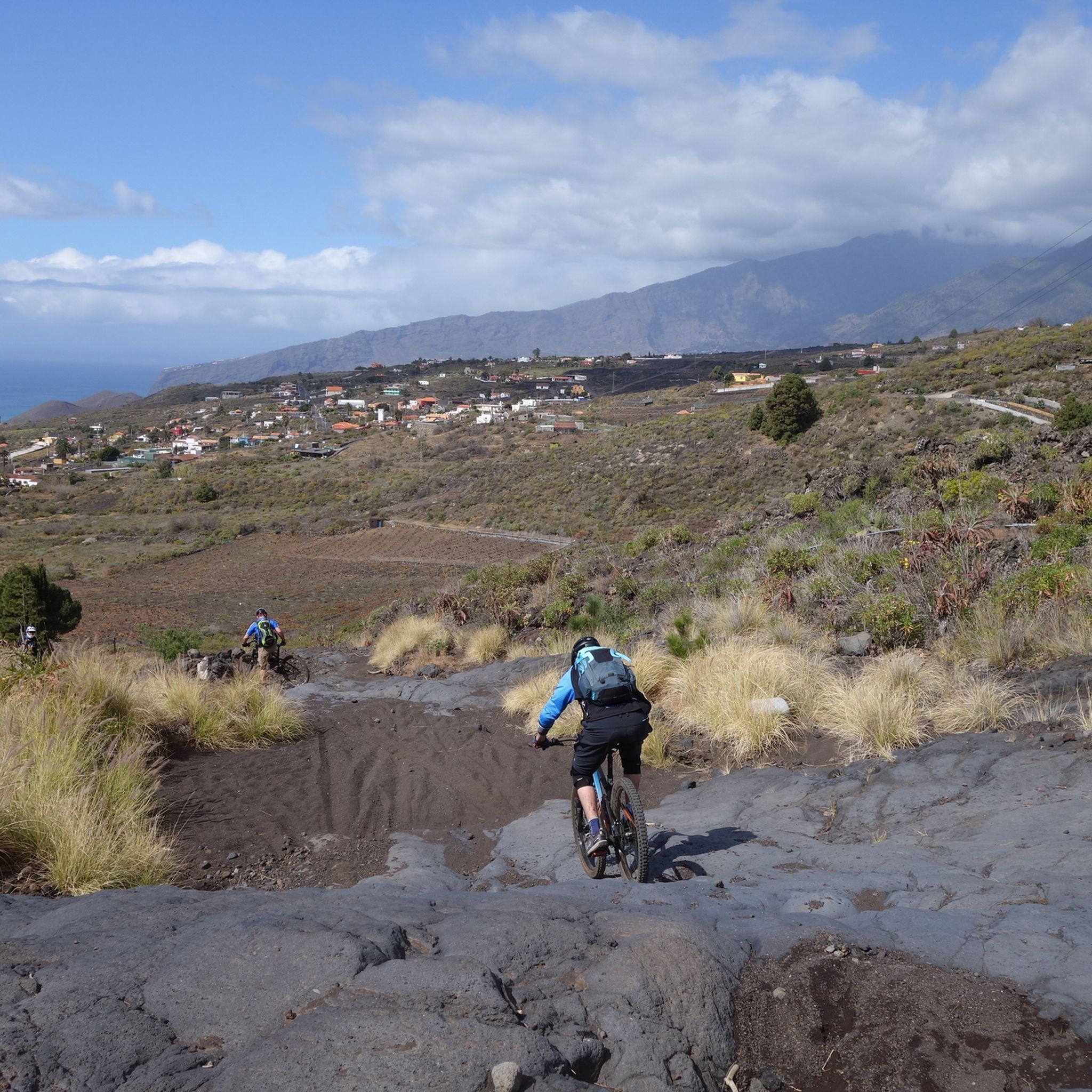
MTB Trails around Isla De La Palma
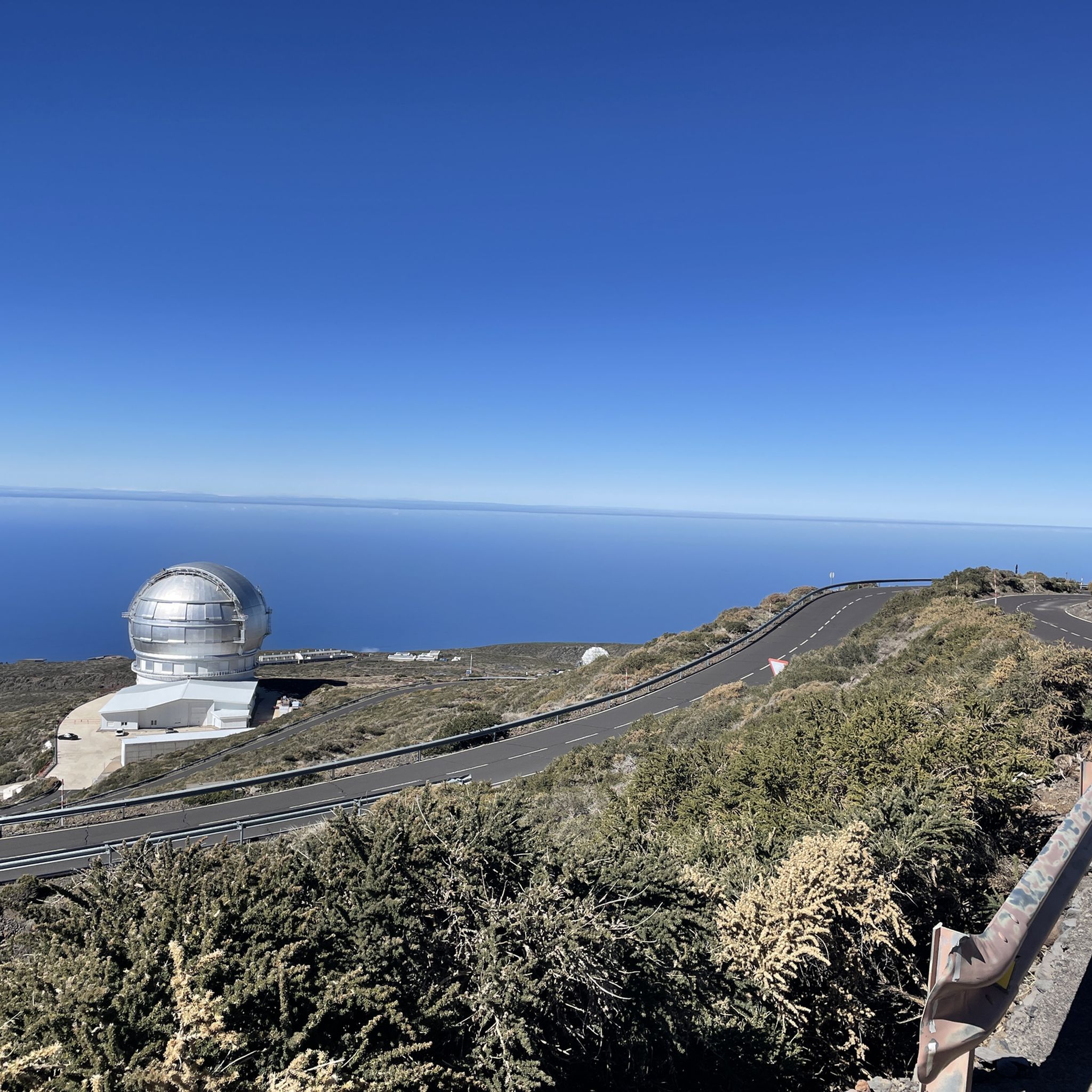
Road Cycling Routes around Isla De La Palma
Other adventures around Isla De La Palma


Tips from the Community

We ran the route the other way around, it was more pleasant going downhill.
0
0

On the path, or rather trail, from Los Bercitos to Playa de Taburiente, you automatically come to the Lomo de Tagasaste lookout point. It offers a beautiful view of the caldera and its mountain range. Breathtaking!
0
0
Standing in front of a volcano is quite an experience. A look into the crater is a must!
0
0

Despite fog and clouds, it's amazing 🌲🌋😍😍
0
0

Wonderful view even with rainbow
1
0

The Lomo de Tagasaste viewpoint gives you incredible views of the peaks that make up the Taburiente caldera, which has a diameter of eight kilometers. An essential stop!
3
2

A really deep, spectacular crater right on the GR 131 - Ruta de los Volcanos. Interesting to see what shapes the lava formed. You can take really great photos
5
0

Hard to believe, but it was only created in 1949. The explosion crater Hoyo Negro was formed during major earthquakes this year. This mainly emitted gases and ash. There was never any lava flow here. Still, more than impressive!
4
1
Frequently Asked Questions
What are some of the most iconic natural monuments to visit on La Palma?
La Palma, known as 'La Isla Bonita', offers a diverse range of natural monuments. Among the most iconic are the immense Roque de los Muchachos, the island's highest point with unparalleled views, and the ancient Cubo de la Galga Gorge, part of the Los Tilos laurel forest. The dramatic volcanic landscapes of the San Antonio Volcano also offer a unique experience.
Where can I find the best panoramic views of La Palma's natural landscapes?
For breathtaking panoramic views, head to Roque de los Muchachos, the highest point on the island, where you can often see above the clouds to neighboring islands. Another excellent spot is Pico Bejenado, which offers a stunning 360-degree vista of the Caldera de Taburiente and the west of the island. The Lomo de Tagasaste Viewpoint also provides incredible views of the caldera's peaks.
Are there family-friendly natural monuments or trails on La Palma?
Yes, several natural monuments on La Palma are suitable for families. The area around Roque de los Muchachos is generally accessible, and the Los Roques Viewpoint is also listed as family-friendly. For easy walks, consider routes like the 'Volcán de San Antonio by the Los Quemados - El Puertito trail' or the 'Drago Grove of Salvatierra' loop, which are part of the Easy hikes around Isla De La Palma guide.
What unique geological features can I expect to see among La Palma's natural monuments?
La Palma's volcanic origin means you'll encounter fascinating geological features. The island is home to numerous volcanoes like San Antonio Volcano and Teneguía Volcano, showcasing lava fields and craters such as the Hoyo Negro Crater. The immense Caldera de Taburiente is an erosion crater with towering walls and deep ravines, while the coast features natural volcanic pools like Charco Azul and La Fajana.
Are there challenging hiking routes through the natural monuments?
Absolutely. La Palma offers several challenging routes for experienced hikers. The ascent to Pico Bejenado is strenuous but rewards with magnificent views. The Cubo de la Galga Gorge also presents a challenging hike through dense forest. For more options, explore the 'Mountain Hikes around Isla De La Palma' guide, which includes difficult routes like the 'Hoyo Negro Crater – Deseada Peak loop' and the 'Los Brecitos Viewpoint – Barranco de las Angustias loop' found in the Mountain Hikes around Isla De La Palma guide.
What kind of unique ecosystems or forests can I explore?
La Palma is renowned for its unique ecosystems. The Los Tilos forest, which includes the Cubo de la Galga Gorge, is one of the most significant laurel forests globally. It's a primitive, humid environment with giant ferns and ancient tree species, creating a mystical atmosphere. The Caldera de Taburiente National Park also features lush pine forests and diverse flora and fauna, including endemic species.
What is the best time of year to visit La Palma's natural monuments?
La Palma enjoys a mild climate year-round, making its natural monuments accessible in most seasons. However, for hiking, spring and autumn offer pleasant temperatures. In winter, higher elevations like Roque de los Muchachos can be cold and windy, so appropriate clothing is essential. The island's clear skies are particularly good for stargazing from high viewpoints.
Are there any natural monuments with waterfalls or water features?
Yes, the Caldera de Taburiente National Park is known for its water features, including streams and small waterfalls. The most notable is the Colorful Waterfall (Cascada de Colores), a unique sight where mineral deposits tint the water and rocks. The Los Tilos forest also features the impressive Cascada de Los Tilos waterfall.
Can I find natural swimming spots among the natural monuments?
Yes, La Palma's coastline features several natural volcanic pools, such as Charco Azul and La Fajana on the east coast. These pools are formed by volcanic activity and are replenished by fresh seawater, offering safe and unique swimming environments amidst dramatic volcanic scenery. Playa Echentive also has natural pools and a nearby spring.
What do visitors enjoy most about the natural monuments on La Palma?
Visitors frequently praise the incredible panoramic views, especially from spots like Pico Bejenado and Roque de los Muchachos. The unique atmosphere of the ancient laurel forests, such as the Cubo de la Galga Gorge, is often described as magical. The dramatic volcanic landscapes and the opportunity to witness the island's geological history also leave a lasting impression on many.
Are there opportunities for trail running near the natural monuments?
Yes, La Palma offers excellent opportunities for trail running. You can find routes like the 'Colors Waterfall through the Ravine of Anguish' or the 'Cubo de la Galga – trail running circular' which take you through stunning natural monument areas. For more options, check out the Running Trails around Isla De La Palma guide.
Are there any historical sites associated with the natural monuments?
While primarily natural, some sites have historical significance. The San Antonio Volcano is considered a historical site due to its past eruptions and the visitor center that explains the island's volcanic history. The Ruta de los Volcanes also traverses areas shaped by significant historical eruptions, including the 1971 eruption of Teneguía and the more recent 2021 Tajogaite Volcano.
Most popular routes around Isla De La Palma
Most popular attractions around Isla De La Palma

Get inspired with the komoot mobile app


Didn’t find what you were looking for?
Find even more amazing natural monuments around Isla De La Palma by checking out the top Highlights region by region:
Explore more
Extend your search for the best caves by checking out these guides of the top ones around Isla De La Palma:
