Top 20 Natural Monuments around Pirineos
Best natural monuments around Pirineos feature a diverse landscape of mountains, valleys, and water formations. The region, which forms a natural border, offers a variety of geological features. These include towering peaks, glacial cirques, deep canyons, and numerous lakes. The area provides opportunities to explore natural sites across different elevations and terrains.
Best natural monuments around Pirineos
- The most popular natural monuments is Foz de Lumbier (Lumbier Gorge), a gorge formed by centuries of erosion of the Irati River.…
Last updated: October 10, 2026
Foz de Lumbier (Lumbier Gorge)
Highlight • Gorge
Translated by Google •
Tip by

Roland Fountain
Highlight • Natural Monument
Translated by Google •
Tip by

Sign up now to discover places like this
Get recommendations on the best single tracks, peaks, & plenty of other exciting outdoor places.
Pic d'Orhy
Highlight • Summit
Translated by Google •
Tip by

Table of the Three Kings (Hiru Erregen Mahaia)
Highlight • Summit
Translated by Google •
Tip by

Tapla Pass
Highlight • Mountain Pass
Translated by Google •
Tip by

Lumbier Gorge
Highlight • Gorge
Translated by Google •
Tip by

Stone Circle at Col d'Orgambide
Highlight • Historical Site
Translated by Google •
Tip by
Burgui
Highlight • Settlement
Translated by Google •
Tip by
Harpéa Cave
Highlight • Cave
Translated by Google •
Tip by
Belabarzeko Urjausia - natural swimming pool
Highlight • Waterfall
Translated by Google •
Tip by
Sign up for free to discover even more natural monuments around Pirineos.
Already have an account?
Start today with a free account
Your next adventure awaits.
Popular around Pirineos
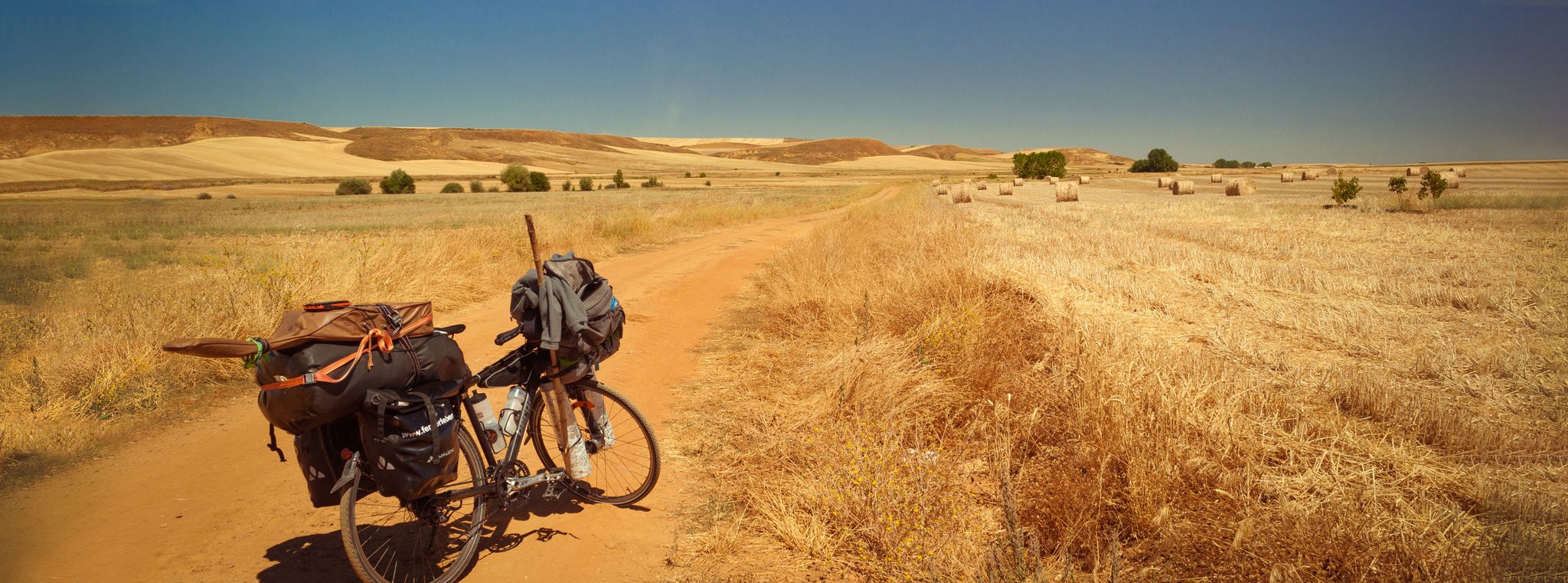
Camino Francés and Camino Finisterre – Cycling pilgrimages in Spain
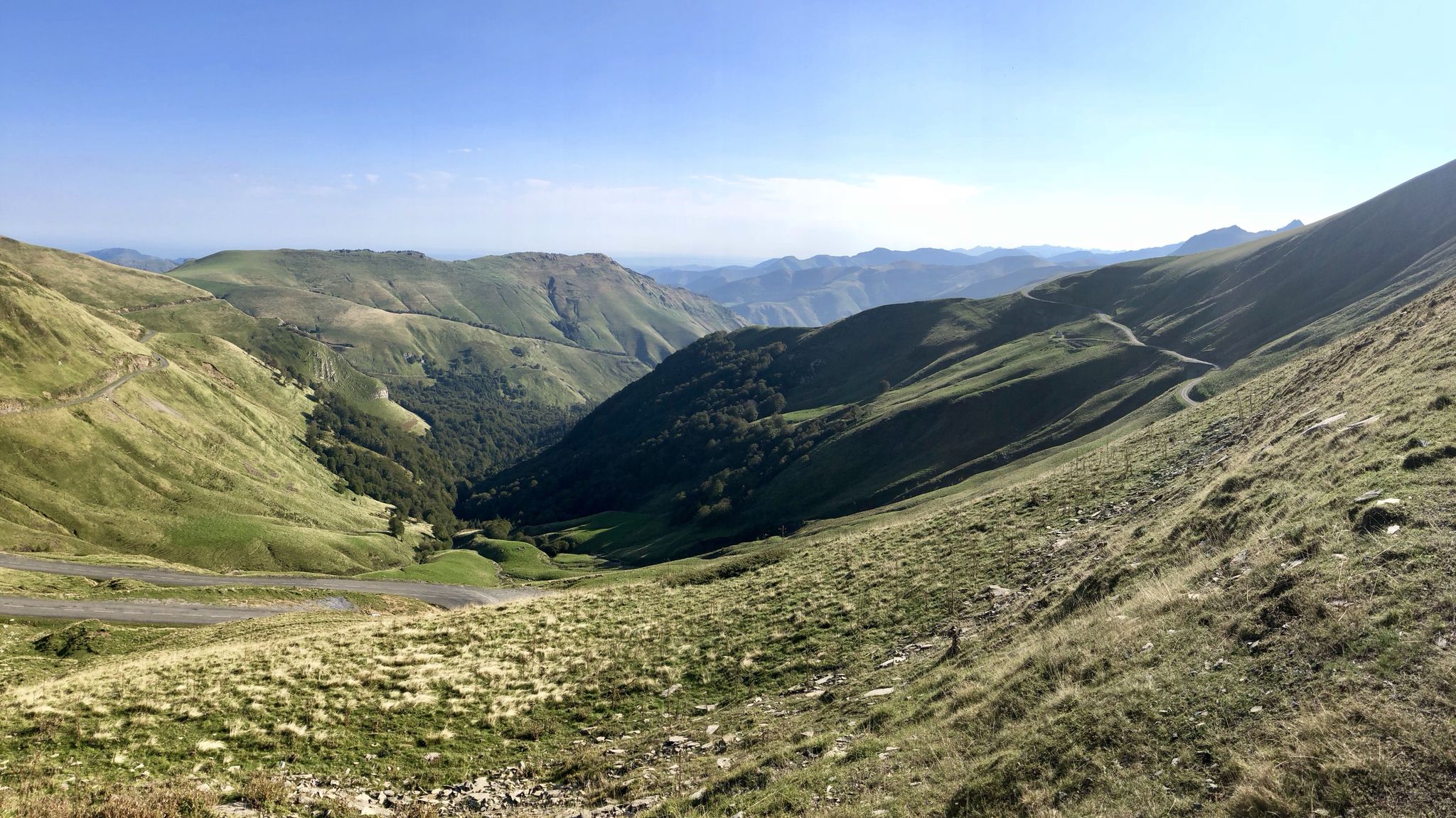
Euskal Herria footpath (GR 12) – The infinite mountain range
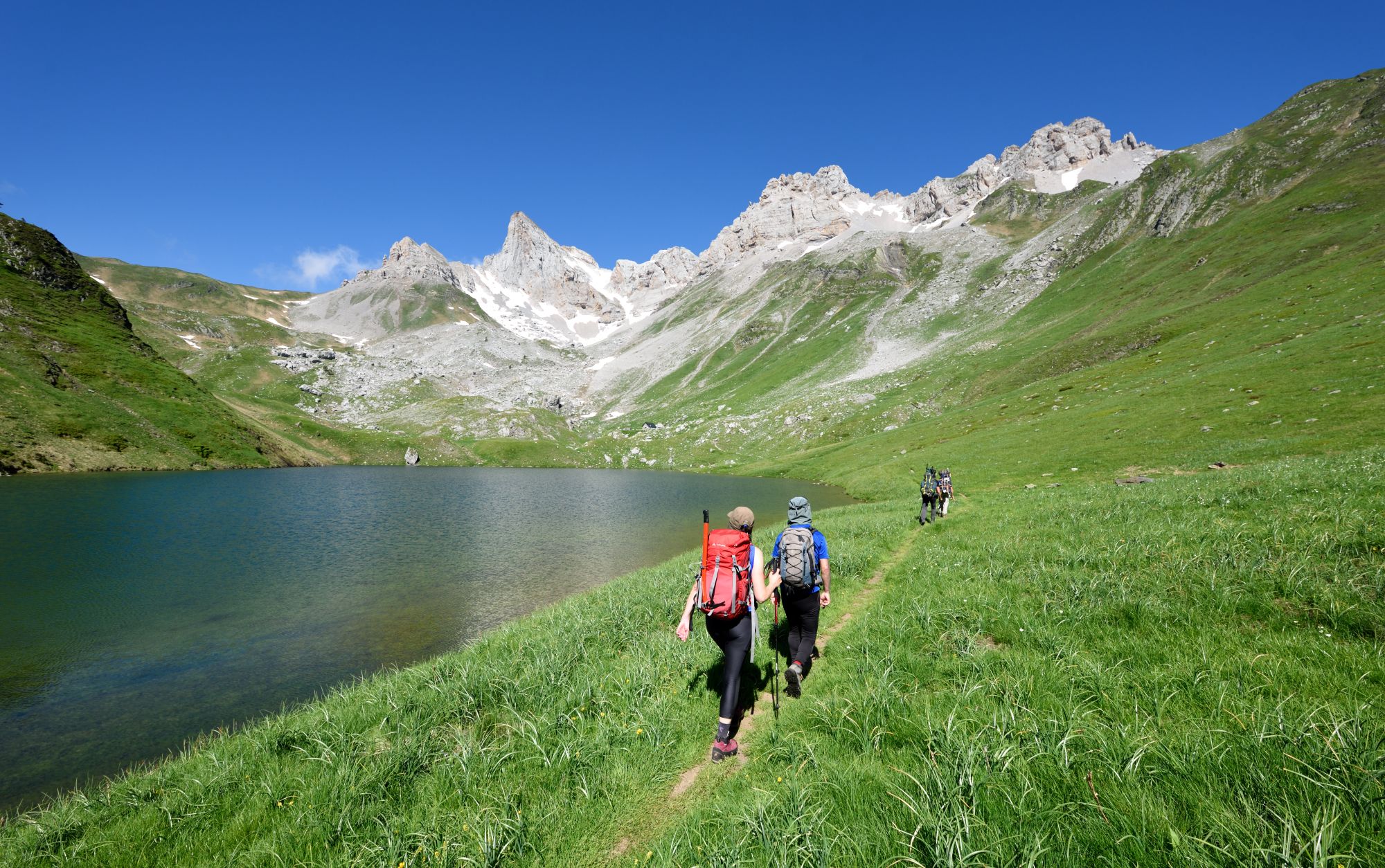
Classic Swallows Route in Spain – Mountains with history
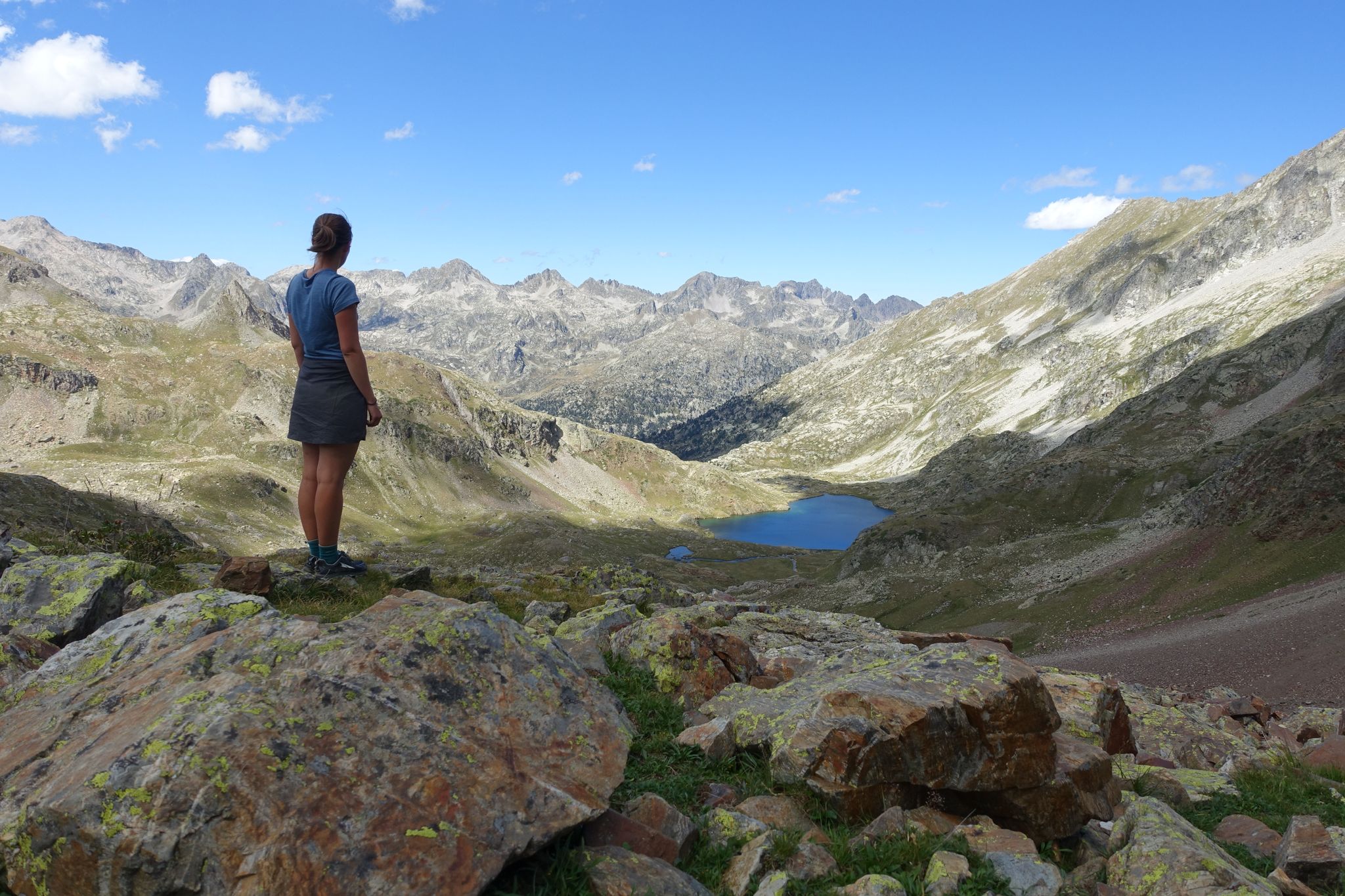
Haute Route Pyrénéenne – Pyrenees Crossing
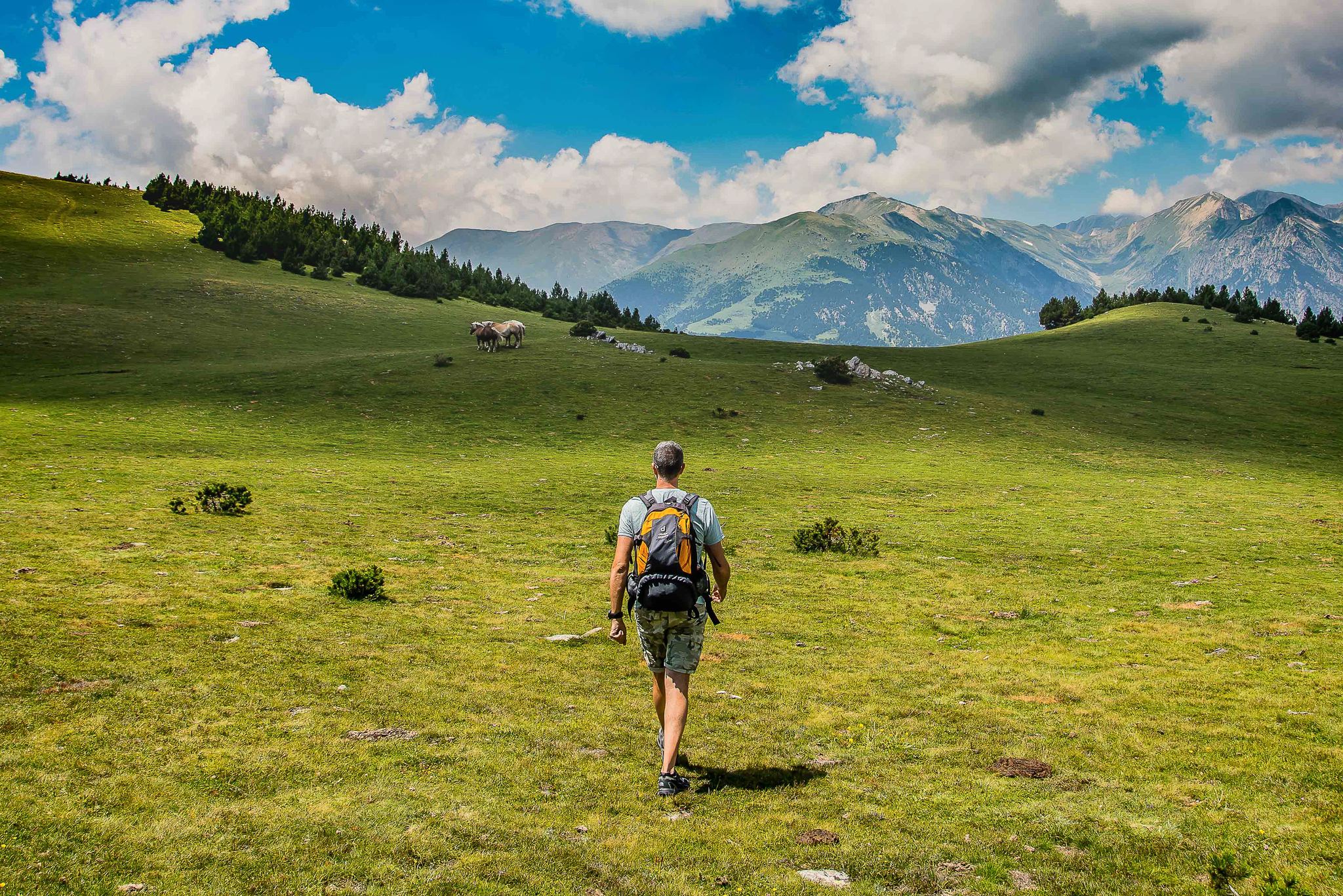
Epic journeys through the Pyrenees – 4 routes connecting 3 countries
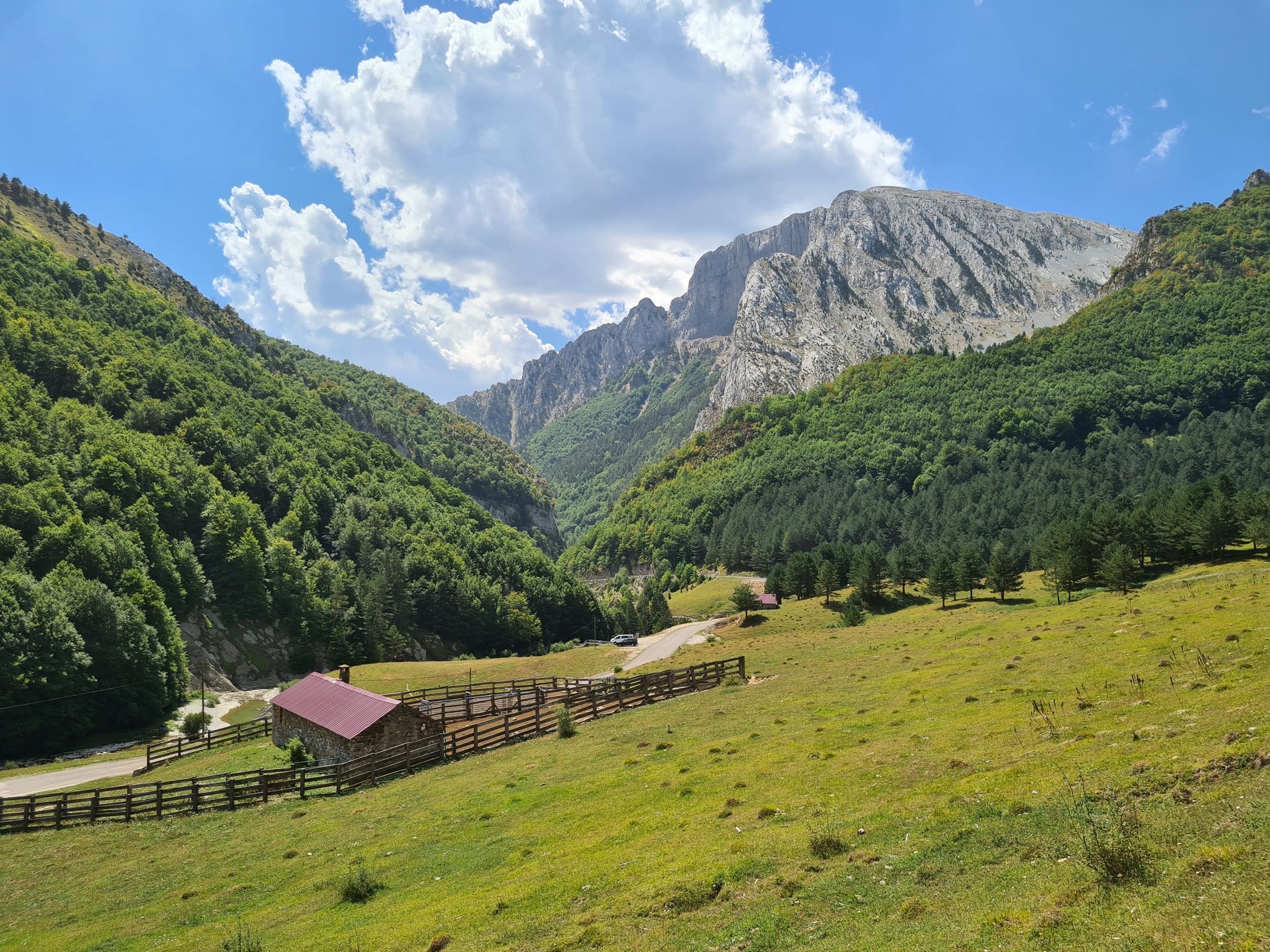
On the other side of the Pyrénées
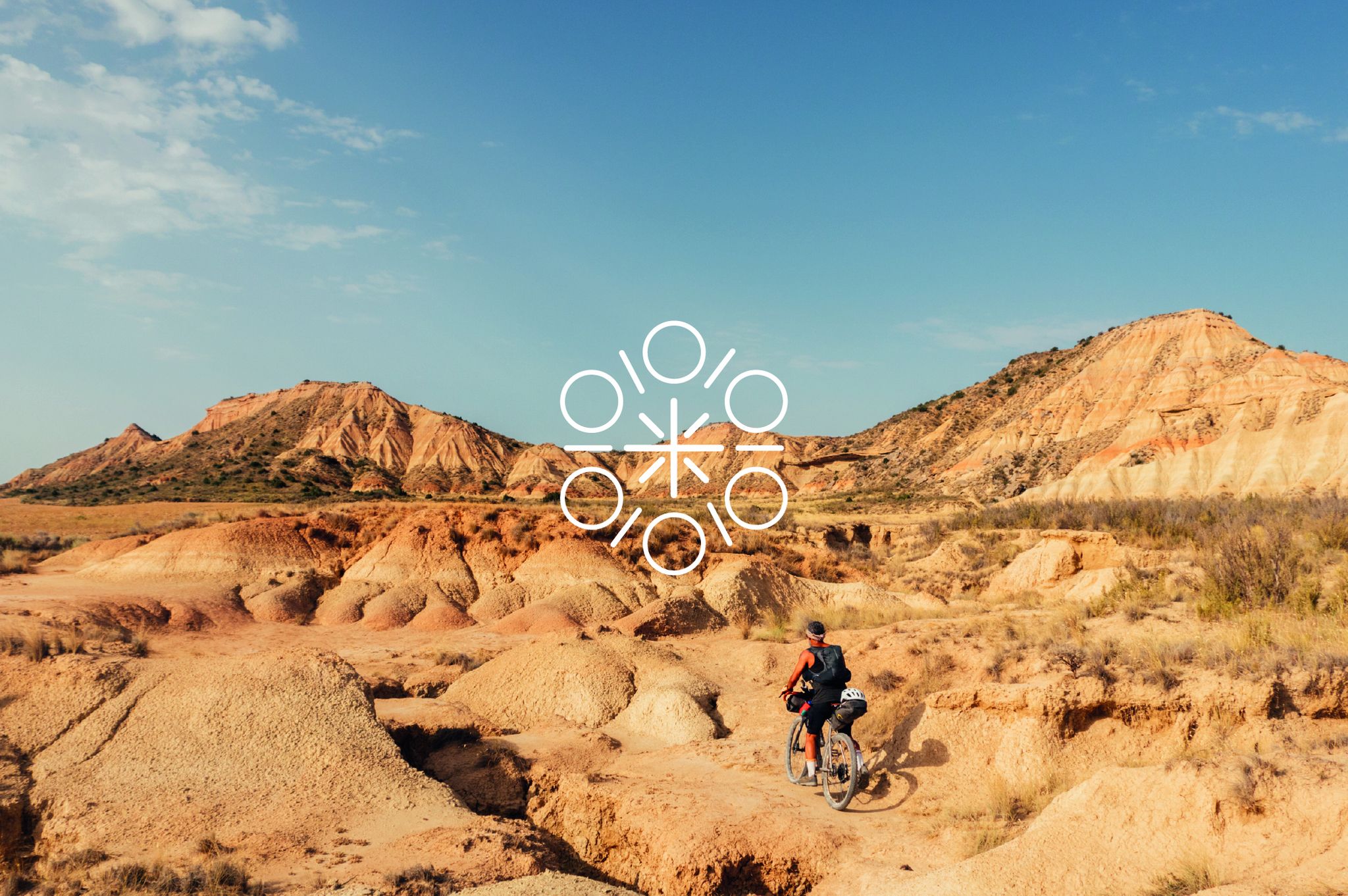
Zazpiak Bat Packing – a cycling adventure in the Basque Country
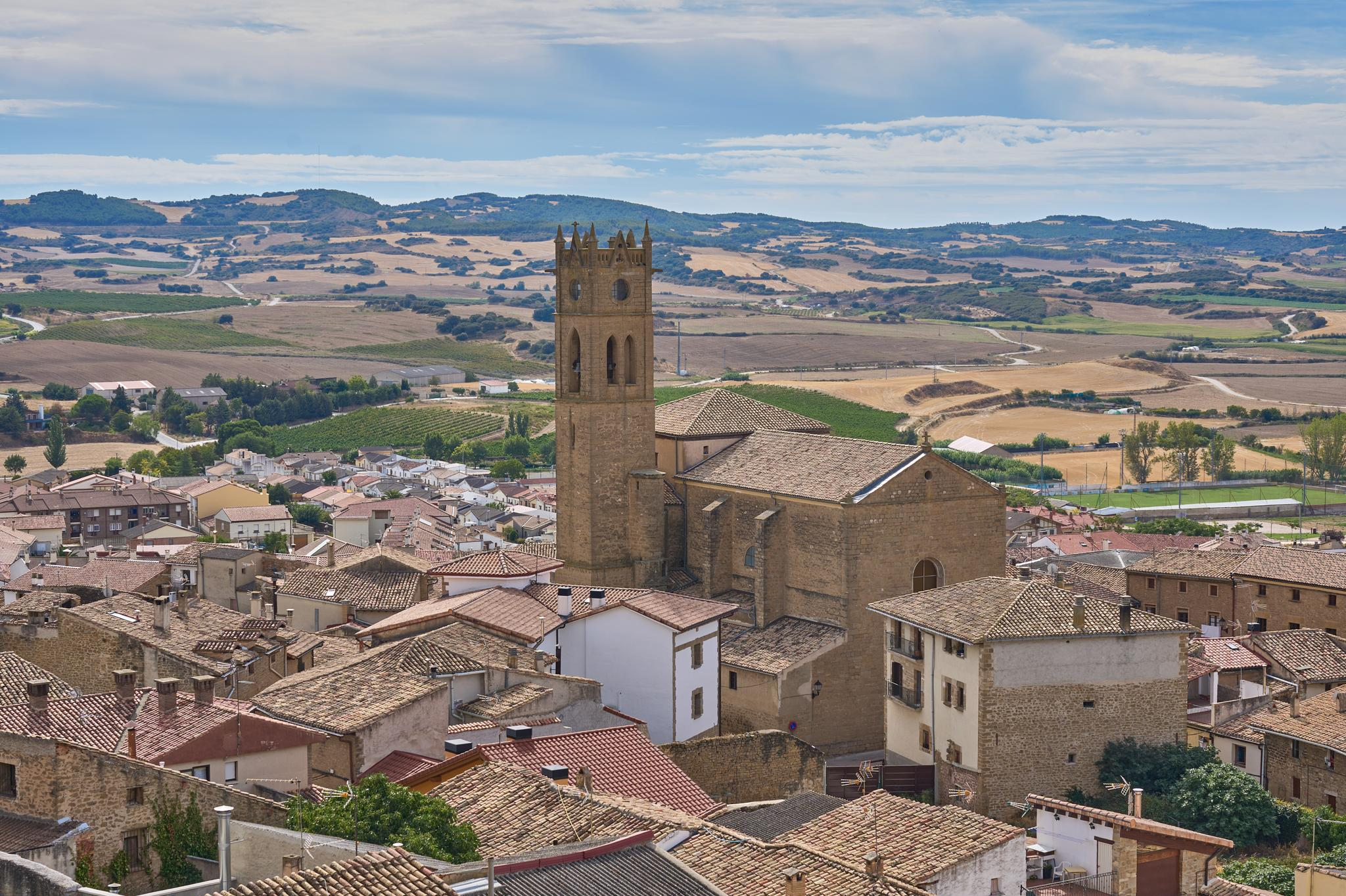
Path of the Templars — Path of the True Cross (GR 250)
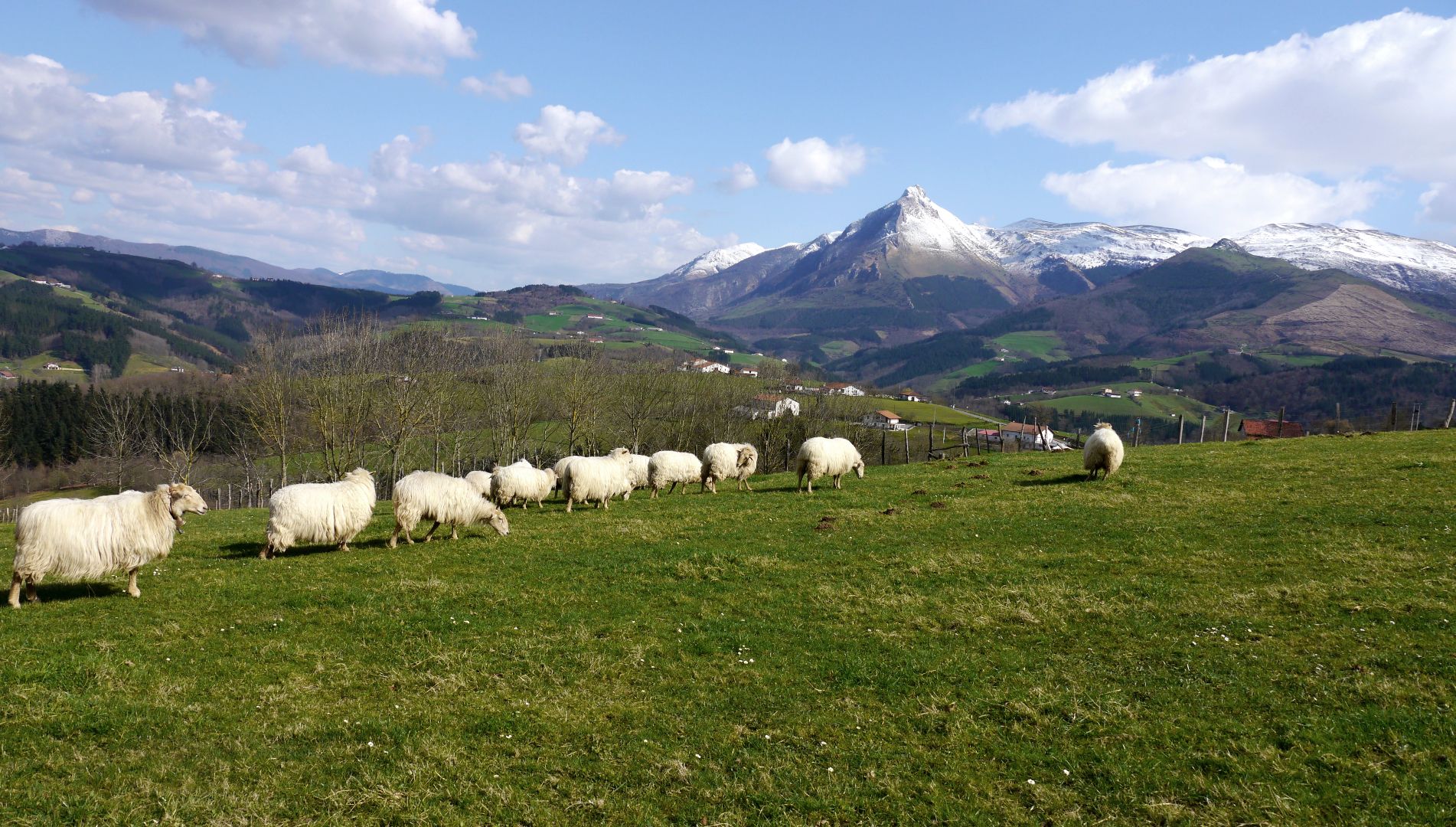
Mountains with tradition in Spain’s Basque Country – Shepherd's Path (GR 282)
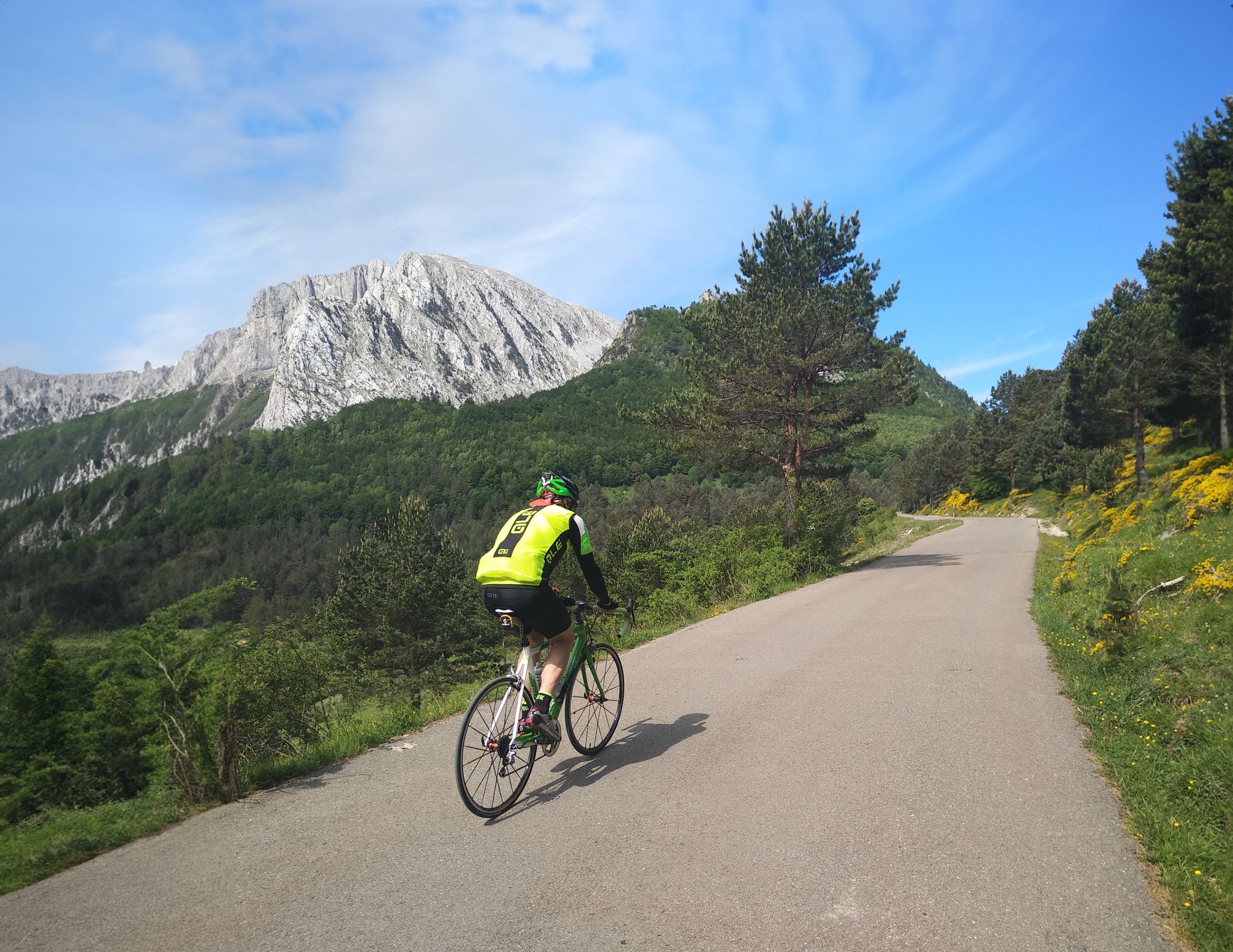
The Bay of Biscay to the Mediterranean — southern Pyrenees cycle tour
Other adventures around Pirineos


Tips from the Community

At 2,444 meters, Hiru Erregen Mahaia (or Mesa de los Tres Reyes) is the absolute highest spot in Navarre and a total classic in the Pyrenees. Fun local legend says the old kings of Navarre, Aragon, and Béarn used to meet up right at the top so they could chat without stepping foot into each other's countries!
2
0

Just after leaving the parking lot, about 300 meters away, take the detour to the left and follow the path very easily and beautifully. If you have decent binoculars, you can see some chicks in the vulture colonies, depending on the time of year, and some adults all year round. Highly recommended, short and sweet.
0
0

Burgui is the start in the lower or southern part of the Roncal Valley, which ends in Belagua, at the foot of Piedra de San Martín. It is a very beautiful and quiet town, with all kinds of services to stay for several days and use it as a starting point for the various bike tours in the area. It is also highly recommended to reach Burgui via the road coming from Salvatierra de Esca, following the course of the Esca river through the Foz de Esca.
0
0

This place is full of trash, very dirty, a disgrace!!! The Basque mountains are not trash cans, please respect them. Too many people are behaving badly towards the pastures. Please take your trash back with you; it's disgusting and disrespectful.
1
0

Beautiful little greenway, very short, but worth enjoying!
1
0

There is very little shade on the entire circular route, only the last, short section in the gorge has shade. In summer it can get as hot as 40 degrees Celsius and then only the section in the gorge is recommended, not the circular hike.
1
1

The water tastes good - refill the water bottle!
1
3

Worthwhile climb with a fantastic view from the summit.
1
0
Frequently Asked Questions
What are some of the most popular natural monuments to visit in the Pirineos?
The Pirineos region offers a diverse range of natural monuments. Highly appreciated sites include Foz de Lumbier (Lumbier Gorge), known for its impressive canyon carved by the Irati River and a circular path with tunnels and bridges. Another popular spot is Pic d'Orhy, the highest point in the Basque Country, offering panoramic views of the Bay of Biscay and the Pyrenees. Visitors also enjoy Belabarzeko Urjausia - natural swimming pool, a beautiful waterfall with a natural pool perfect for cooling off.
Are there family-friendly natural monuments in the Pirineos?
Yes, several natural monuments in the Pirineos are suitable for families. Foz de Lumbier (Lumbier Gorge) is ideal for a family excursion, with its circular path, tunnels, and bridges. The Belabarzeko Urjausia - natural swimming pool offers a refreshing experience with an easily accessible waterfall and natural pool. Additionally, the area On the banks of the Arga River provides a pleasant trail for families.
What unique geological formations can be found in the Pirineos?
The Pirineos are rich in unique geological formations. You can explore the dramatic limestone walls of the Cirque de Gavarnie in France, a UNESCO World Heritage site with its immense glacial amphitheater and the spectacular Gavarnie Falls. Spain's Ordesa y Monte Perdido National Park features towering peaks like Monte Perdido, glacial valleys, and numerous waterfalls such as Cola de Caballo. The Mallos de Riglos are also notable for their picturesque, towering rock formations.
What kind of outdoor activities can I do near the natural monuments in Pirineos?
The Pirineos region offers a wide array of outdoor activities. You can find numerous routes for cycling, road cycling, and gravel biking. For instance, near natural monuments, you can embark on challenging cycling loops like the Ansó and Roncal Valleys Loop or the Irati Forest and Tapla Pass Loop. There are also moderate gravel biking routes such as the Foz de Lumbier (Lumbier Gorge) loop. For more details on routes, check the guides for Cycling around Pirineos, Road Cycling Routes around Pirineos, and Gravel biking around Pirineos.
Are there any historical or cultural sites among the natural monuments?
Yes, some natural monuments in the Pirineos also hold historical significance. The Roland Fountain is one such site, blending natural beauty with historical context. Additionally, the Stone Circle at Col d'Orgambide combines ancient historical elements with a mountain pass setting, offering both natural views and a glimpse into the past.
What are some notable waterfalls in the Pirineos region?
The Pirineos are home to several impressive waterfalls. The Belabarzeko Urjausia - natural swimming pool is a beautiful waterfall on the Belabarze river, forming a natural pool. Another picturesque waterfall is El Cubo Waterfall, located on the Urbeltza River within the Roncesvalles-Sierra Irati Protected Area, surrounded by stunning beech forests. Internationally renowned, the Gavarnie Falls in France's Cirque de Gavarnie is one of Europe's largest, with a spectacular vertical drop.
Where can I find impressive viewpoints in the Pirineos?
The Pirineos offer numerous viewpoints with breathtaking vistas. The summit of Pic d'Orhy provides an incredible panorama of the Bay of Biscay and the Pyrenees. The Tapla Pass and the Stone Circle at Col d'Orgambide also offer excellent vantage points. For high-altitude views, the Table of the Three Kings (Hiru Erregen Mahaia) is a challenging summit with rewarding scenery.
Are there any caves or gorges to explore in the Pirineos?
Yes, the Pirineos feature fascinating caves and gorges. The Foz de Lumbier (Lumbier Gorge) is a notable canyon carved by the Irati River, offering a unique trail through tunnels. For cave exploration, the Harpéa Cave is an interesting anticline formation where sheep find coolness. The Gargantas de Escuaín within Ordesa y Monte Perdido National Park are also spectacular limestone gorges with an important underground cave system.
What is the best time to visit the natural monuments in the Pirineos?
The best time to visit the natural monuments in the Pirineos largely depends on the activities you plan. Late spring and summer (June to September) are generally ideal for hiking and enjoying waterfalls at their fullest, such as the Cola de Caballo in Ordesa or the Gavarnie Falls. During these months, the weather is milder, and most trails are accessible. Autumn offers stunning foliage, while winter provides opportunities for snow sports, though many high-altitude areas may be inaccessible due to snow.
What kind of wildlife can I expect to see in the Pirineos natural parks?
The natural parks of the Pirineos are havens for diverse wildlife. In areas like Ordesa y Monte Perdido National Park and Aigüestortes i Estany de Sant Maurici National Park, you might spot chamois, marmots, and golden eagles. The Gargantas de Escuaín are particularly known for birdwatching, being home to the bearded vulture. The region's unique balance between Mediterranean and Alpine ecosystems supports over 1,500 plant species, contributing to a rich biodiversity.
What are the 'twisted waters' of Aigüestortes i Estany de Sant Maurici National Park?
The name 'Aigüestortes' in Aigüestortes i Estany de Sant Maurici National Park literally translates to 'twisted waters.' This refers to the characteristic meandering rivers, such as the Riu Escrita and Riu de Sant Nicolau, that wind through meadows within the park. These unique waterways, along with over 200 glacial lakes, are a defining feature of this high Pyrenean landscape, creating a distinctive and picturesque environment.
Are there any high-altitude natural monuments for challenging hikes in the Pirineos?
Yes, the Pirineos offer several challenging high-altitude natural monuments. Pic d'Orhy, the highest point in the Basque Country, involves an ascent along a sharp and arid ridge. The Table of the Three Kings (Hiru Erregen Mahaia) is another challenging summit. For mountaineers, Posets-Maladeta Natural Park contains the highest peaks in the entire Pyrenees, including Pico de Aneto (3,404 meters), offering demanding experiences in a pristine high-mountain environment.
Most popular routes around Pirineos
Most popular attractions around Pirineos

Get inspired with the komoot mobile app


Didn’t find what you were looking for?
Find even more amazing natural monuments around Pirineos by checking out the top Highlights region by region:
Explore more
Extend your search for the best caves by checking out these guides of the top ones around Pirineos:
