The best city hikes and walks around Pirineos
4.4
(1987)
16,249
hikers
127
hikes
Urban hiking trails around Pirineos offer paths through valleys, along rivers, and past historical sites within or near towns. The region, known for its diverse landscapes, provides routes that often combine natural elements with urban exploration. These trails frequently follow river courses, connect villages, or lead to local landmarks. The terrain typically includes paved sections, riverside paths, and gentle ascents through urban green spaces.
Best urban hiking trails around Pirineos
- The most popular urban hiking route is Zokorena Dam –…
Last updated: August 20, 2026
4.4
(8)
52
hikers
11.9km
03:09
100m
100m
Moderate hike. Good fitness required. Easily-accessible paths. Suitable for all skill levels.
5.0
(1)
31
hikers
11.5km
02:59
70m
70m
Moderate hike. Good fitness required. Easily-accessible paths. Suitable for all skill levels.

Sign up for free
23
hikers
11.7km
03:05
110m
110m
Moderate hike. Good fitness required. Easily-accessible paths. Suitable for all skill levels.
5.0
(1)
11
hikers
11.2km
02:54
70m
70m
Moderate hike. Good fitness required. Easily-accessible paths. Suitable for all skill levels.
7
hikers
4.26km
01:07
40m
40m
Easy hike. Great for any fitness level. Easily-accessible paths. Suitable for all skill levels.
Get access to more routes and recommendations from other explorers.
Sign up for free
Already have an account?
Our route recommendations are based on thousands of hikes, rides, and runs completed by other people on komoot.
Start today with a free account
Your next adventure awaits.
Login or Signup
Popular around Pirineos
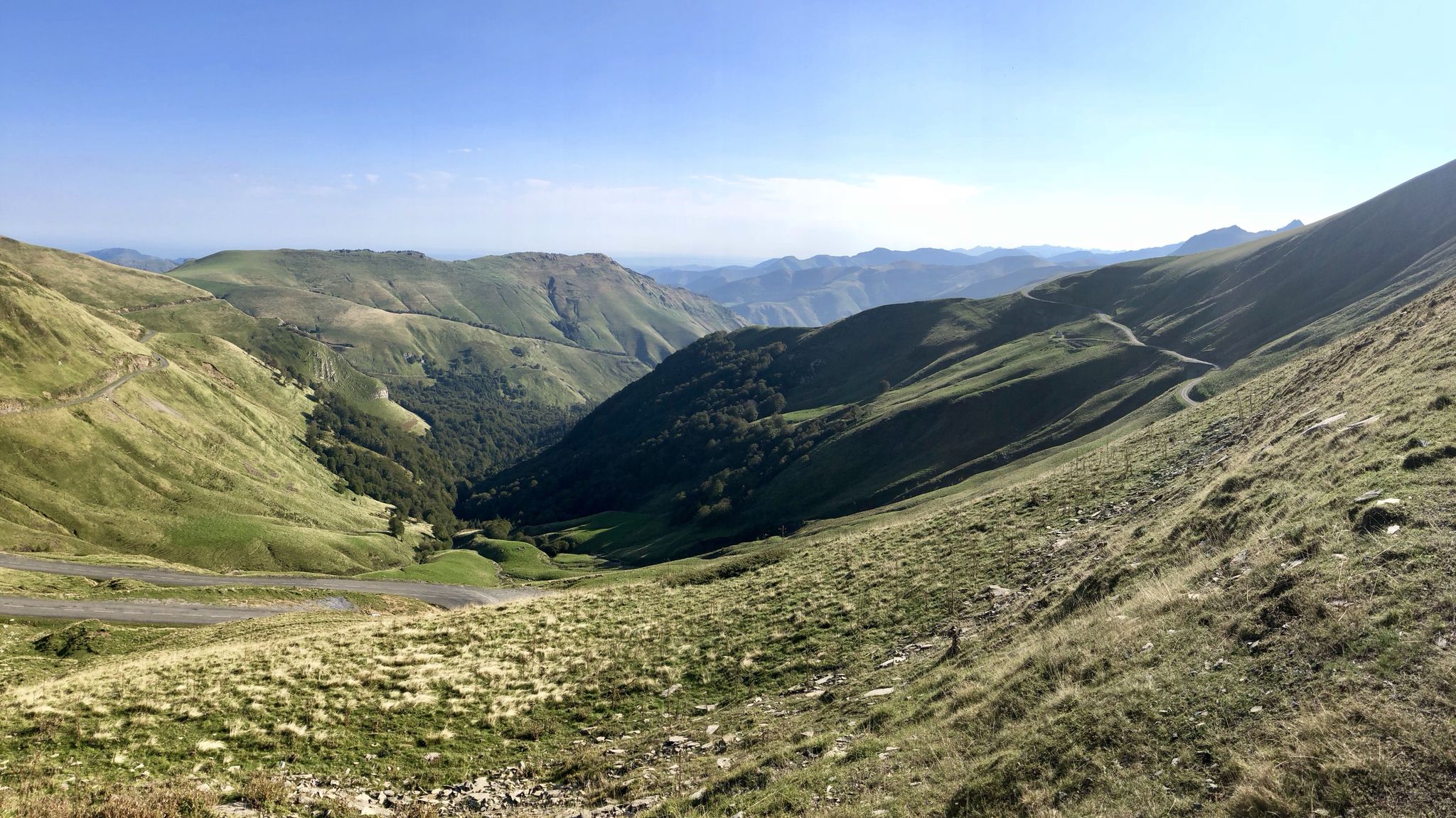
Euskal Herria footpath (GR 12) – The infinite mountain range
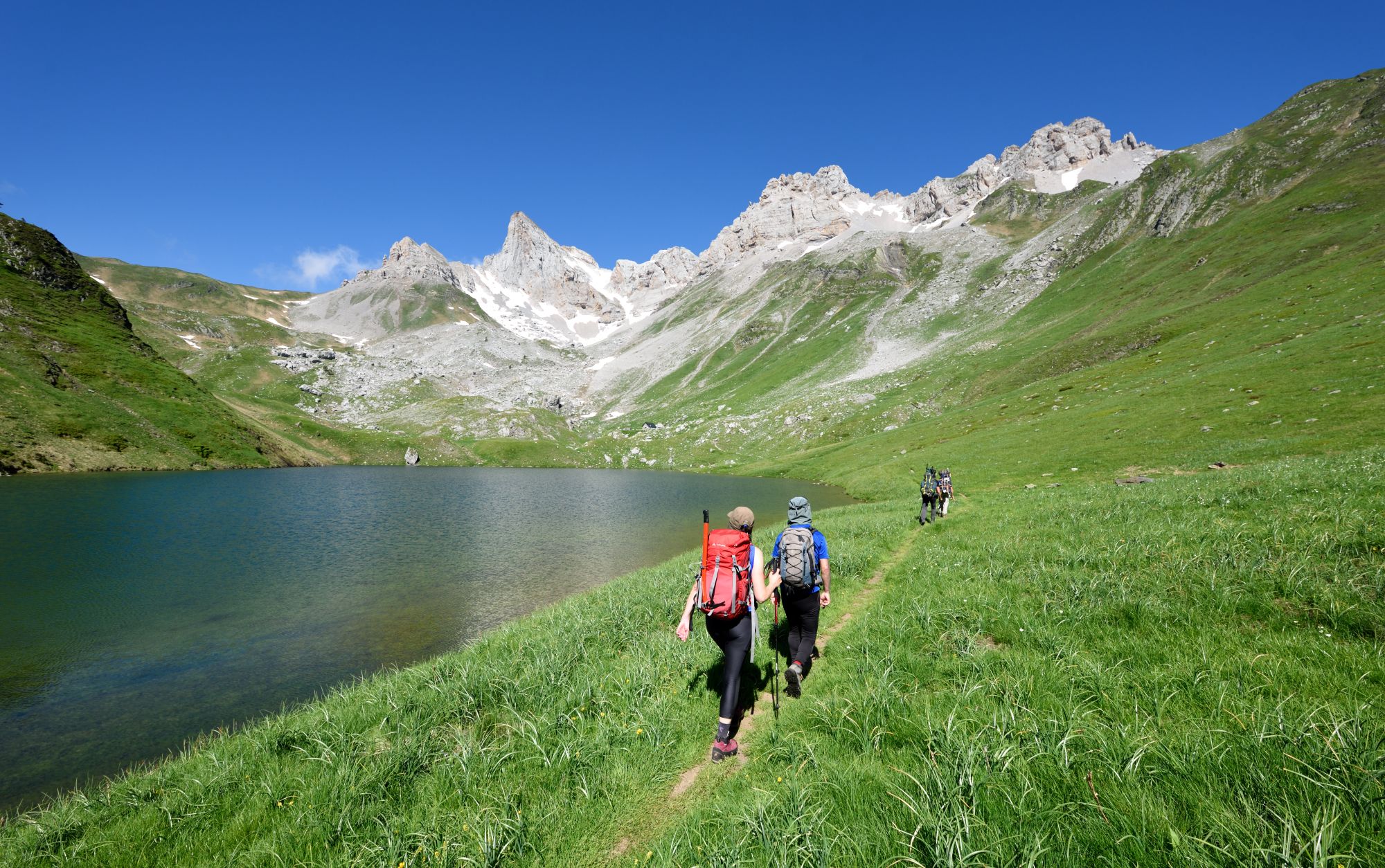
Classic Swallows Route in Spain – Mountains with history
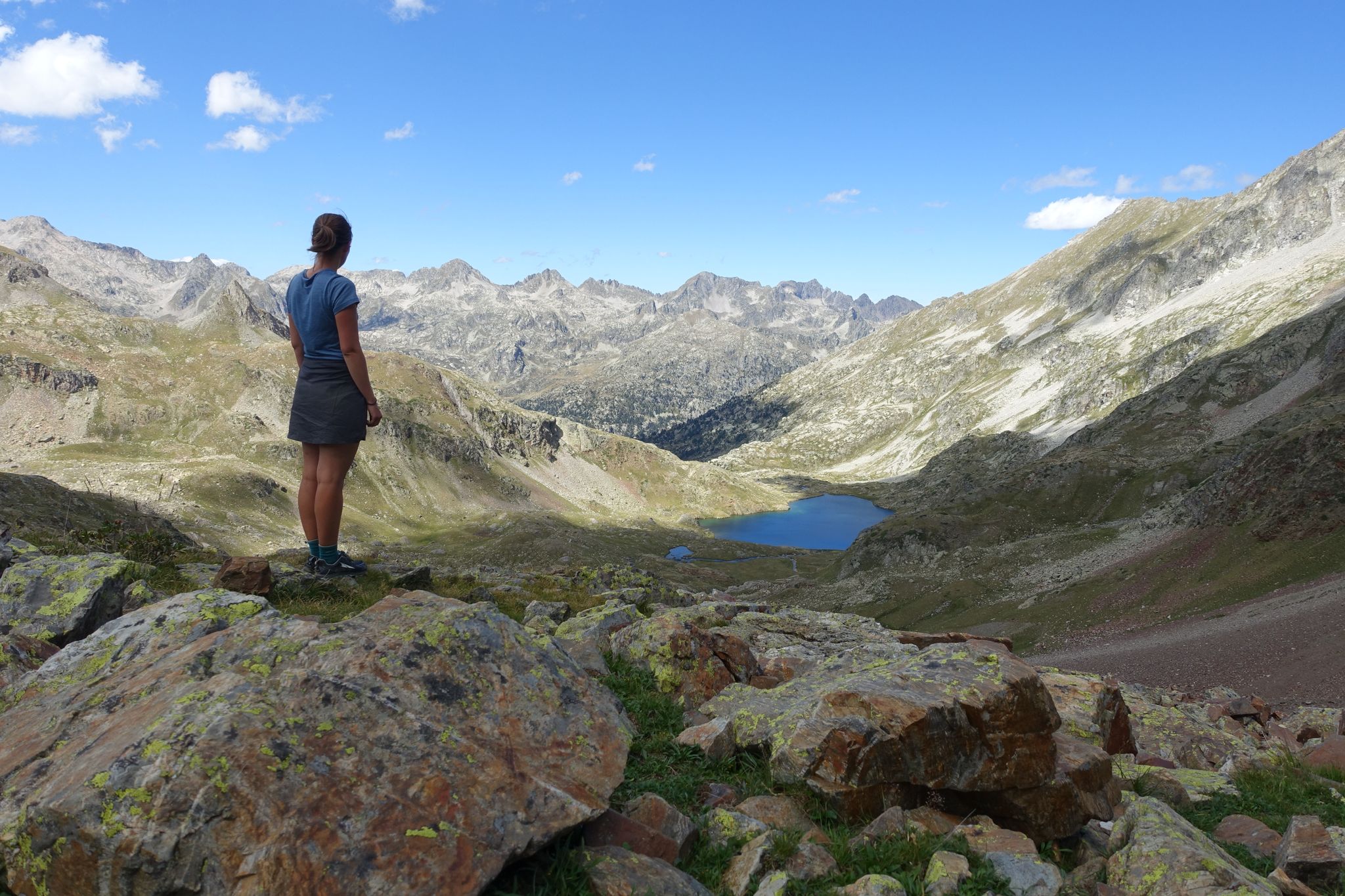
Haute Route Pyrénéenne – Pyrenees Crossing
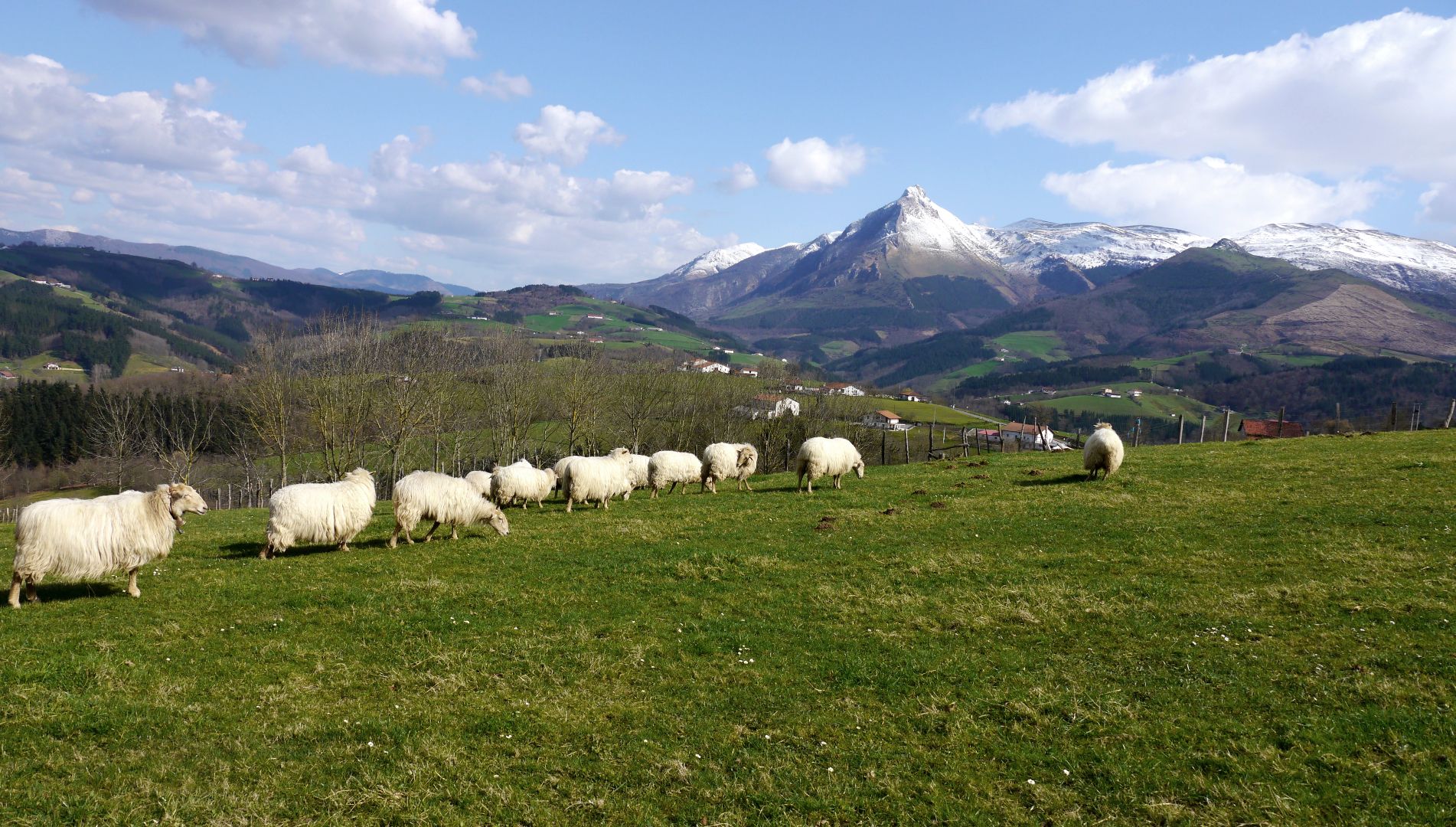
Mountains with tradition in Spain’s Basque Country – Shepherd's Path (GR 282)
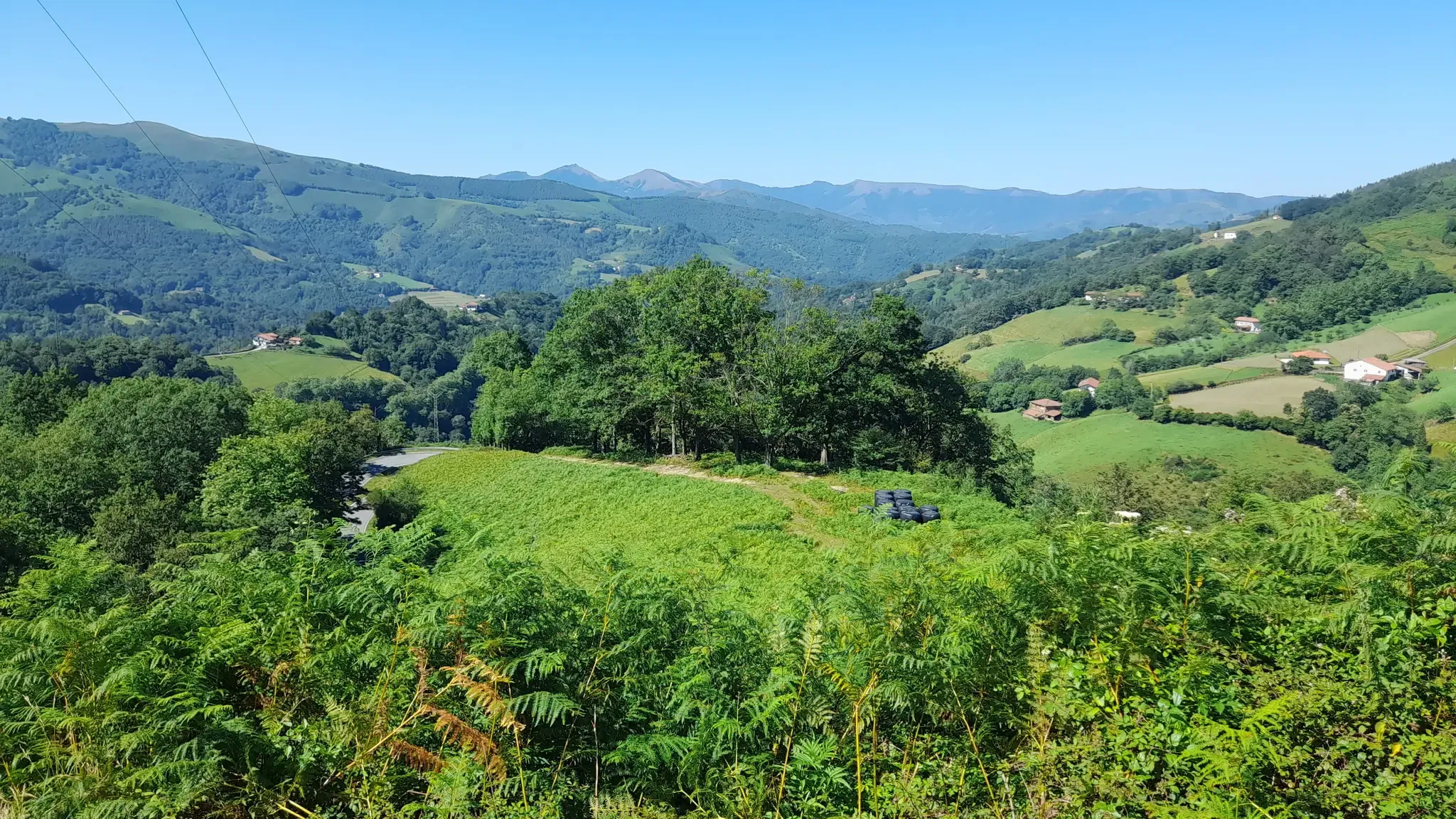
Discover the Basque Country and Navarre on the Pyrenean Path – GR 11
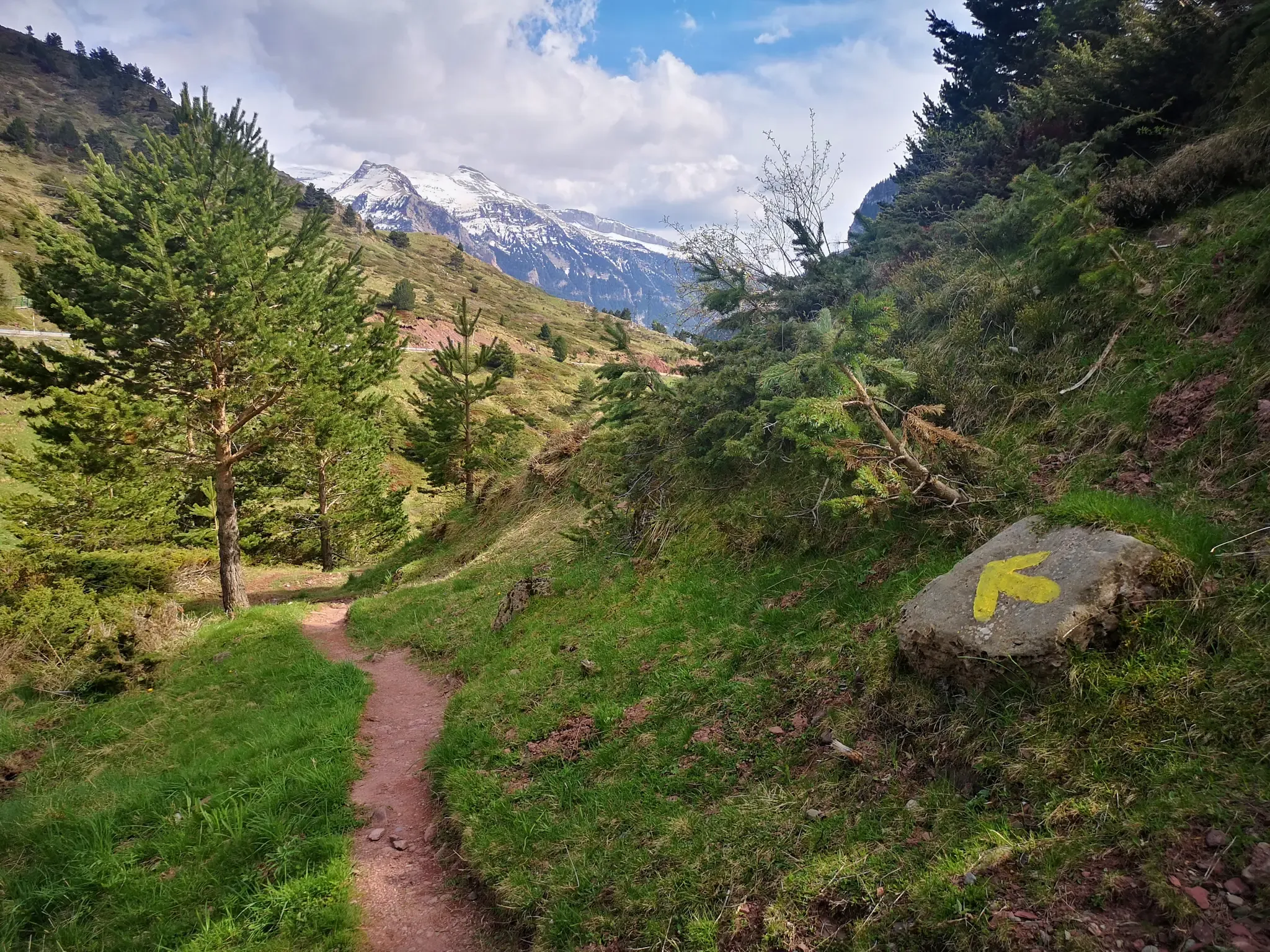
The great forgotten Jacobean pilgrimage – the Aragonese Way
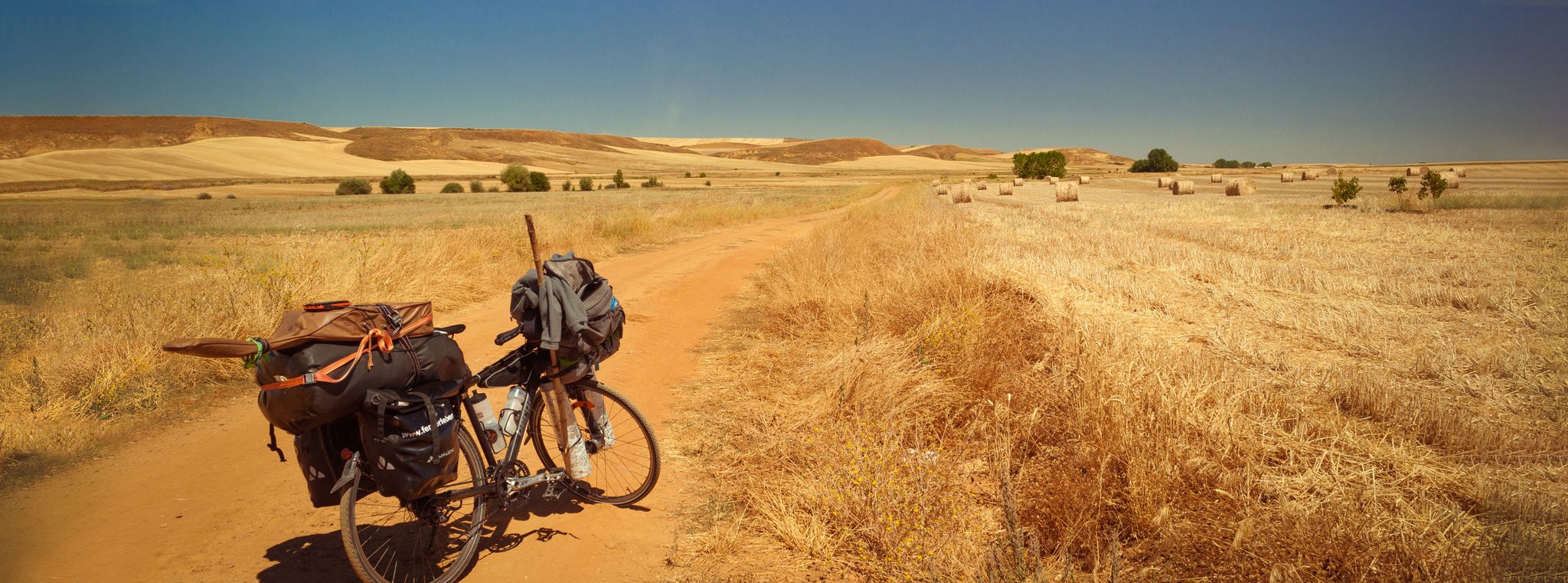
Camino Francés and Camino Finisterre – Cycling pilgrimages in Spain
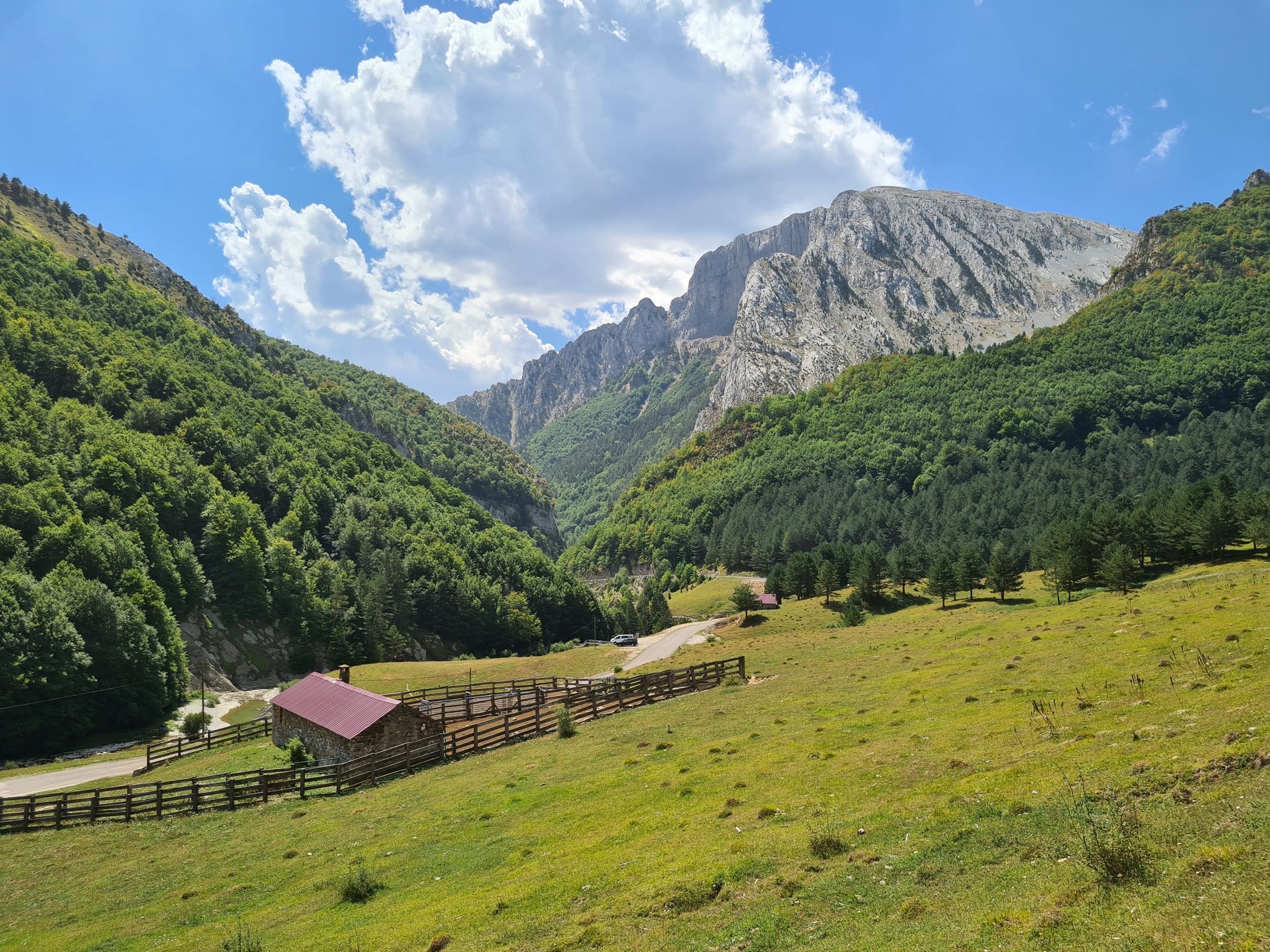
On the other side of the Pyrénées
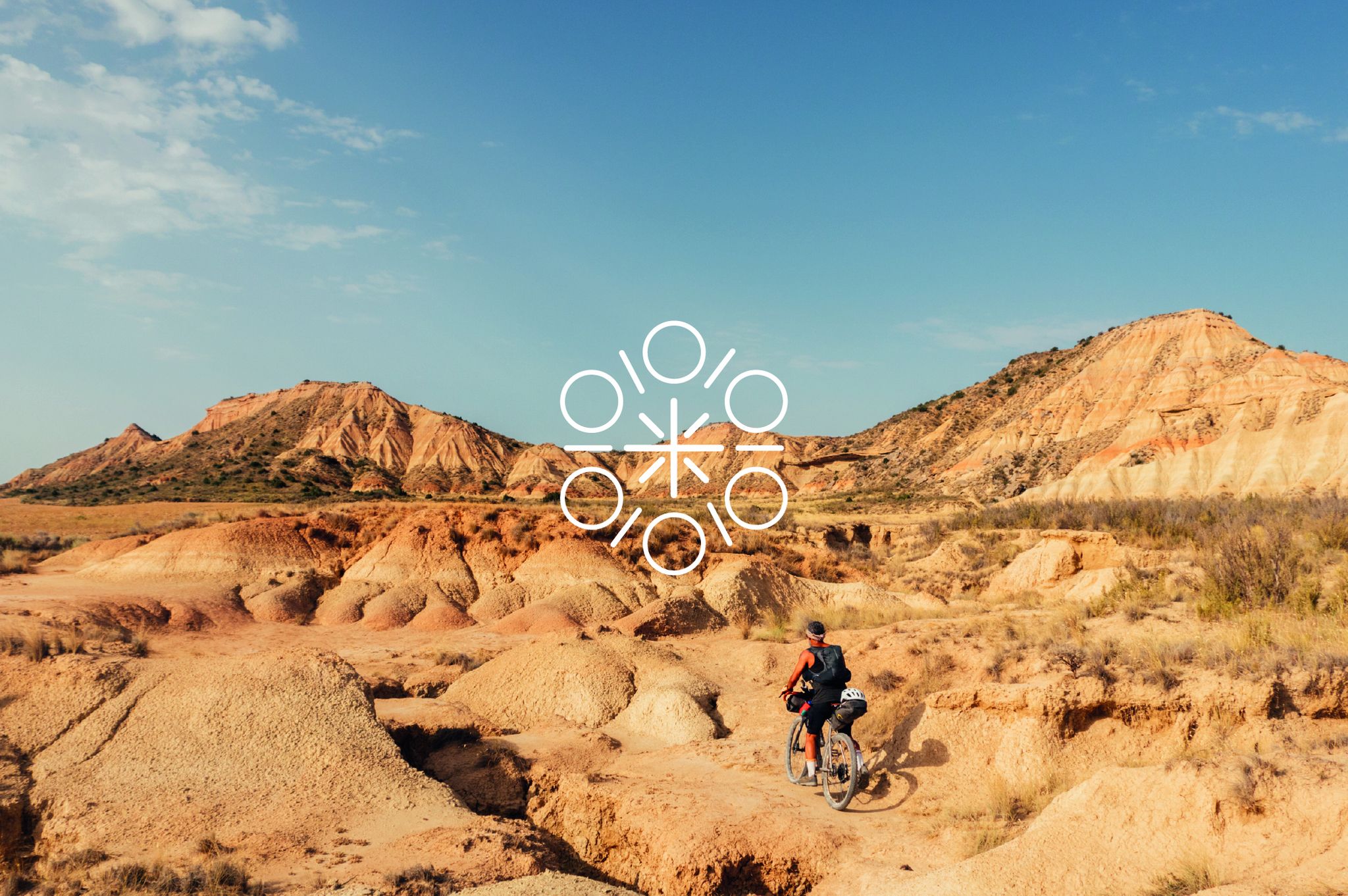
Zazpiak Bat Packing – a cycling adventure in the Basque Country
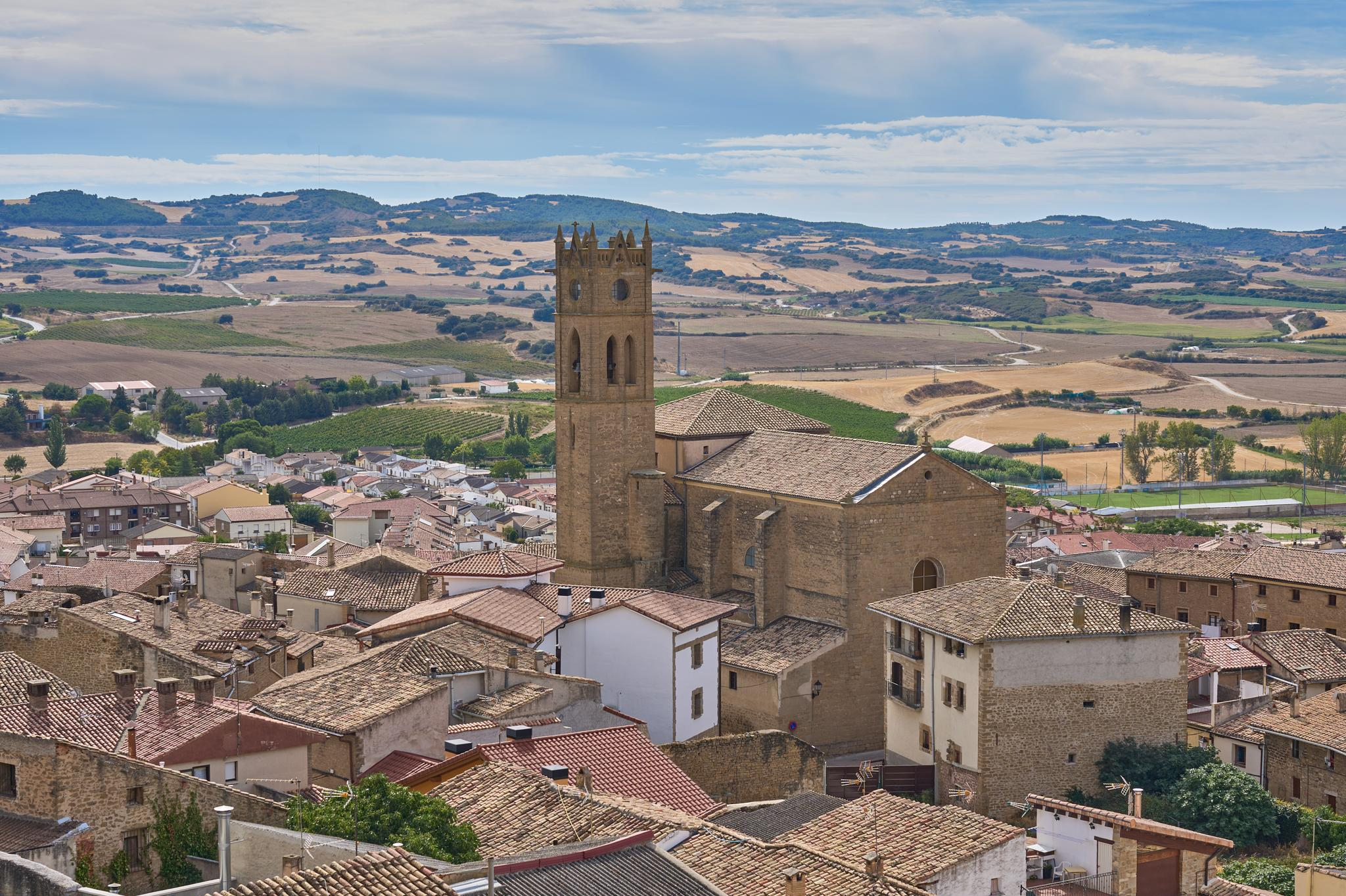
Path of the Templars — Path of the True Cross (GR 250)
Other adventures around Pirineos


Tips from the Community

Amazing is the location of the citadel right next to the old town and yet such a different world. The citadel is considered the best example of Spanish Renaissance military architecture and one of the most important fortifications in Europe. https://es.wikipedia.org/wiki/Ciudadela_de_Pamplona
1
0

An impressive bullring here in Pamplona
3
0

From its construction in 1541 until the second decade of the 20th century, the mill used the power of the current to grind wheat, corn and other bread grains. Improvements in the milling process and electrification in 1896 turned it into a small flour mill and electricity supplier for Villava. The visit is free and it also has a nice bar with a garden.
1
0

The centre of the ''Plaza do Castillo'' has been occupied since 28 June 1943 by an 18-metre-high bandstand raised on a stepped drum and whose dome is supported by Ionic columns. Previously, there was a wooden one that replaced the Beneficencia fountain in 1910, the work of Luis Paret, known in Pamplona as "La Mariblanca", which currently adorns the city's Taconera gardens.
1
0
The Plaza de toros de Pamplona is a bullring located in Pamplona and is used for bullfights, but also for sporting and cultural events and concerts. Built in 1922, the plaza de toros can accommodate up to 19,721 people and is the second largest in Spain, after Las Ventas in Madrid, and the fifth largest in the world. The plaza de toros is the finishing point of the famous running of the bulls that takes place in Pamplona during the San Fermin festival and, during the Spanish Civil War, it was used as a concentration camp by Franco's troops with a capacity for 3,000 Republican prisoners.
1
0

Beautiful charming and ancient bridge over which the Santiago de Compostela trail passes.
0
0
Beautifully restored city gate through which all Santiago de Compostela walkers pass. Even the mechanism to open and close the gate is still there (with counterweights).
1
0

An almost authentic pilgrimage on the Frances, because this is where streams of pilgrims came to the city in the Middle Ages. One of the impressive walls of the fortified city and here you can also see the silver Bicigrino symbols embedded in the ground that lead to the exit: a great feature!
2
0
Frequently Asked Questions
How many urban hiking trails are available in the Pirineos region?
The Pirineos region offers a wide variety of urban hiking trails. You can explore over 130 routes, ranging from easy strolls to more challenging walks, perfect for discovering the towns and their surrounding natural beauty.
What do other hikers enjoy most about urban hiking in Pirineos?
The komoot community highly rates urban hiking in Pirineos, with an average score of 4.5 stars. Hikers frequently praise the unique blend of natural landscapes and historical town centers, as well as the well-maintained paths that make these routes accessible and enjoyable.
What is the best time of year for urban hiking in the Pirineos?
Urban hiking in the Pirineos is enjoyable throughout much of the year. Spring and autumn offer pleasant temperatures and vibrant scenery, while summer provides warmer weather ideal for combining hikes with exploring town amenities. Even winter can be beautiful for city walks, especially in lower elevations, though some higher routes might be affected by snow.
Are there easy urban hikes suitable for beginners or families with children in the Pirineos?
Yes, the Pirineos region has numerous easy urban hikes perfect for beginners and families. Over 70 routes are classified as easy, often featuring gentle terrain and shorter distances. These trails are ideal for enjoying the scenery without strenuous effort. For example, many sections of the Zokorena Dam – San Andrés Mill loop from Villava / Atarrabia offer accessible paths suitable for a leisurely family outing.
Can I find circular urban hiking routes in the Pirineos?
Many urban hiking routes in the Pirineos are designed as circular paths, allowing you to start and end your journey in the same location without retracing your steps. This is convenient for exploring towns and their immediate surroundings. An example is the Magdalena Bridge – Portal de Francia loop from Burlada / Burlata, which offers a scenic circular experience.
What kind of natural landmarks or attractions can I see on urban hikes in the Pirineos?
Urban hikes in the Pirineos often lead you through charming towns and into nearby natural areas. You might encounter impressive gorges like the Foz de Lumbier (Lumbier Gorge), or discover unique natural monuments such as the Roland Fountain. The region's diverse landscape means you could also find yourself near rivers, forests, and even distant views of mountain peaks like Pic d'Orhy.
Are there any historical or cultural sites along the urban hiking trails?
Absolutely. The Pirineos are rich in history and culture. Urban hikes frequently pass through medieval villages, past ancient bridges like the Trinidad de Arre Bridge, and near significant historical structures. For instance, the Trinidad de Arre Bridge – Pamplona Cathedral and the Citadel loop from Villava / Atarrabia takes you past the historic Pamplona Cathedral and its impressive Citadel, offering a glimpse into the region's past.
Is parking available near urban hiking trails in the Pirineos?
Yes, in most towns and villages throughout the Pirineos, you will find designated parking areas, often close to the starting points of urban hiking trails. It's advisable to check local signage for any parking restrictions or fees, especially in popular tourist areas.
Are the urban hiking trails in Pirineos accessible by public transport?
Many urban hiking trails in the Pirineos are indeed accessible via public transport, particularly those starting directly from towns and larger villages. Regional bus services connect many of these communities, making it possible to reach trailheads without a car. Planning your route in advance and checking local transport schedules is recommended.
Can I bring my dog on urban hikes in the Pirineos?
Generally, dogs are welcome on urban hiking trails in the Pirineos, provided they are kept on a leash and you clean up after them. However, specific rules may apply in certain protected areas or within town centers, so always look for local signage. It's a great way to explore the region with your canine companion.
Are there urban hikes in Pirineos with cafes or places to eat along the way?
Yes, one of the advantages of urban hiking in the Pirineos is the proximity to amenities. Many routes start and end in towns or pass through villages where you can find cafes, restaurants, and shops to refuel and relax. The San Andrés Mill – Trinidad de Arre Bridge loop from Burlada / Burlata, for example, offers opportunities to enjoy local hospitality.
Most popular routes around Pirineos
Most popular attractions around Pirineos

Get inspired with the komoot mobile app


Explore more
Browse the best Hikes in other regions.
