Top 11 Natural Monuments around Mignovillard
Best natural monuments around Mignovillard are found within the Jura Mountains of France, offering a diverse natural environment. The region features high plateaus, expansive forests, and significant water bodies. These natural monuments provide opportunities to explore the unique landscapes and ecological features of the area. Mignovillard's geography includes karst springs, glacial lakes, and ancient forests, making it a notable location for natural exploration.
Best natural monuments around Mignovillard
- The most popular natural monuments is The source of the Doubs,…
Last updated: May 9, 2026
The source of the Doubs
Highlight • River
On this promontory you can also admire the superb peat bogs of Mouthe in the background, and the forest of Haute-Joux in the background.
Translated by Google •
Tip by

Lac de Saint-Point
Highlight • Lake
Translated by Google •
Tip by

Sign up now to discover places like this
Get recommendations on the best single tracks, peaks, & plenty of other exciting outdoor places.
Sign up for free
Moulin du Saut Waterfall
Highlight • Waterfall
Translated by Google •
Tip by

Route du Lac de Saint-Point
Highlight (Segment) • Lake
Translated by Google •
Tip by

Ain Spring
Highlight • River
Translated by Google •
Tip by

Sign up for free to discover even more natural monuments around Mignovillard.
Sign up for free
Already have an account?
Start today with a free account
Your next adventure awaits.
Login or Signup

Tips from the Community

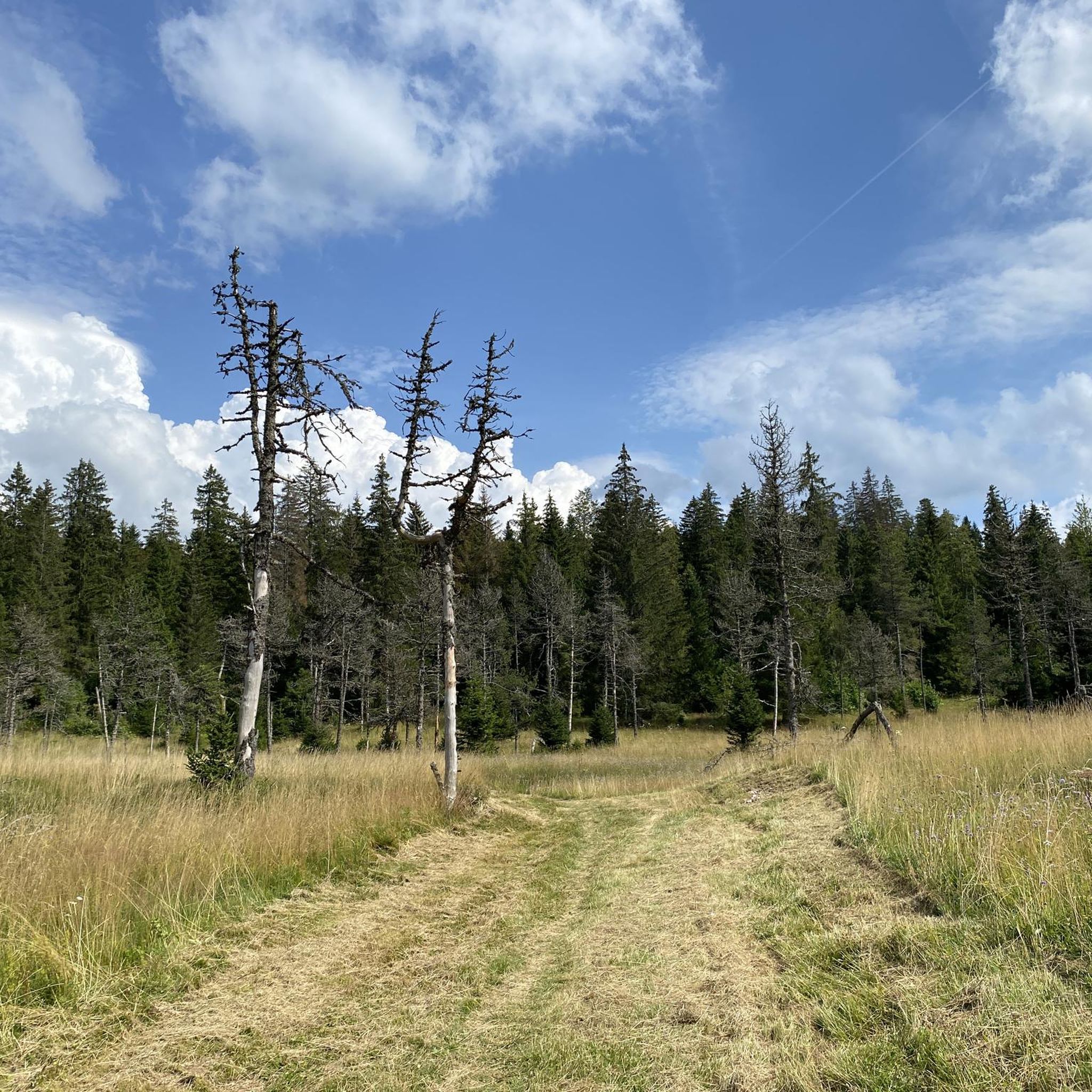
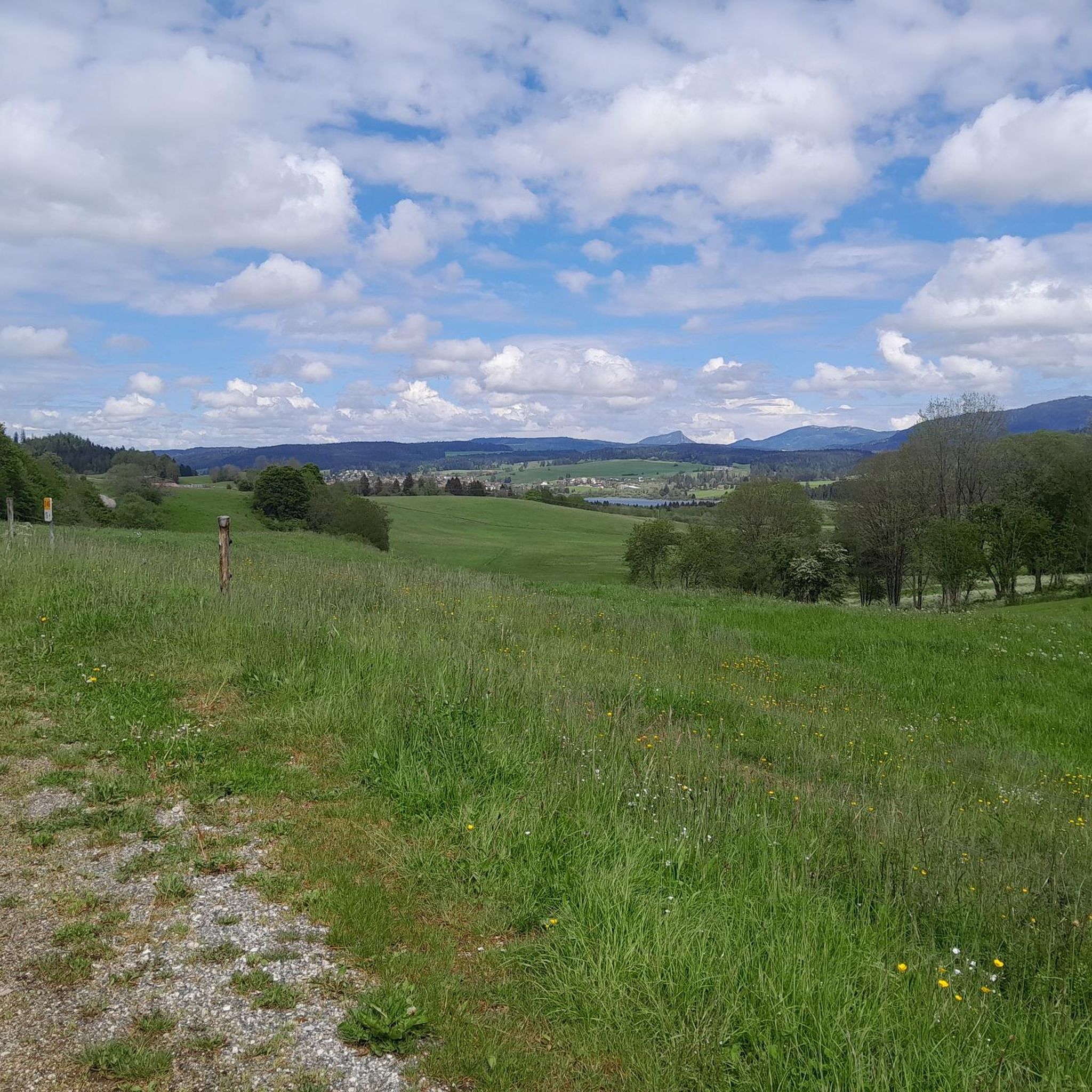
Viewpoint above the Doubs source with beautiful views through a forest clearing to Mouthe and the Doubs river.
6
0
The source of the Doubs River is a powerful karst spring in a heavily karstified area of the Jura Mountains. It lies at an altitude of 937 meters at the foot of the forested, up to 1,419-meter-high Mont Risoux mountain range, which straddles the border between France and Switzerland. The Doubs River rises from a small, approximately five-meter-deep spring basin in a cave in the rock.
6
0

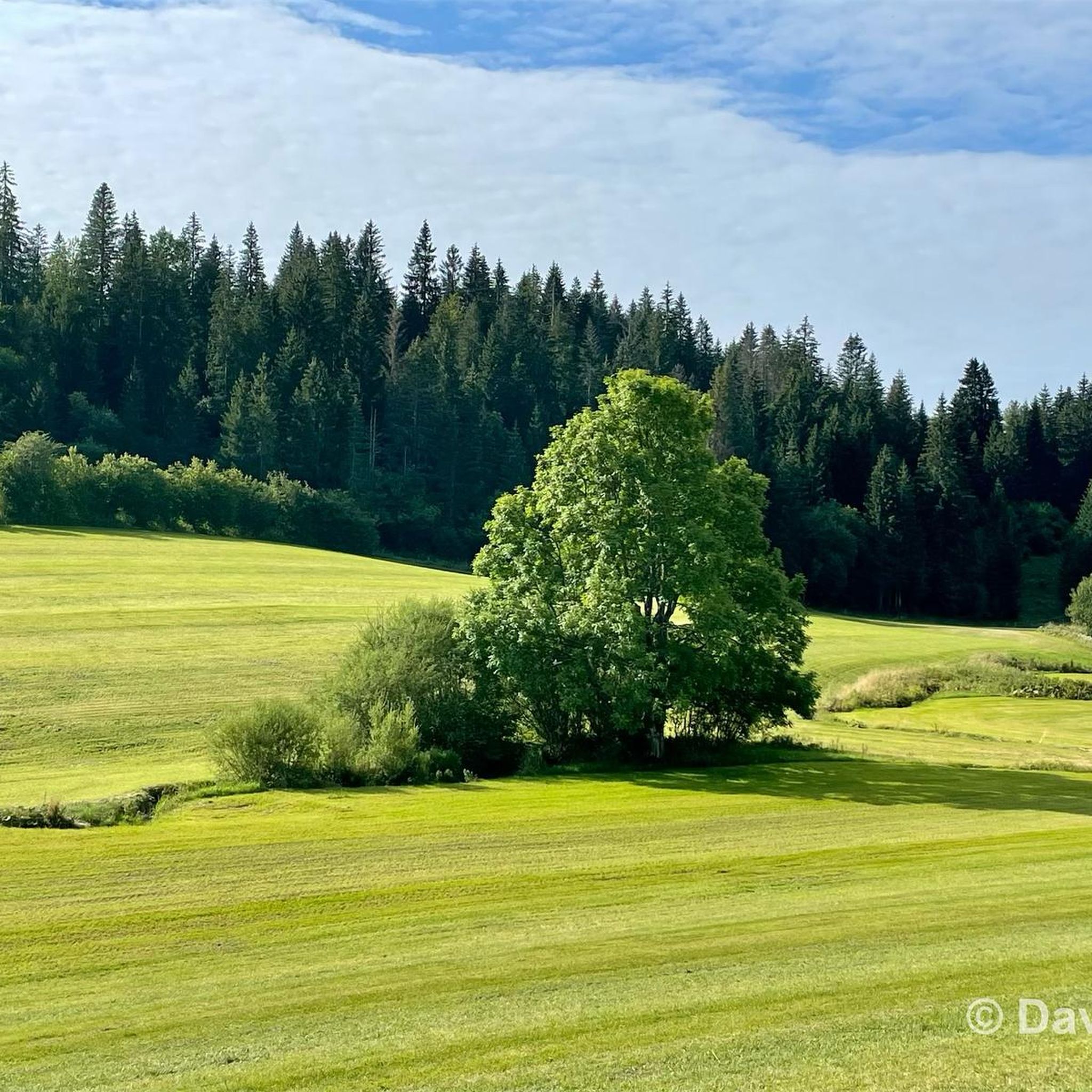
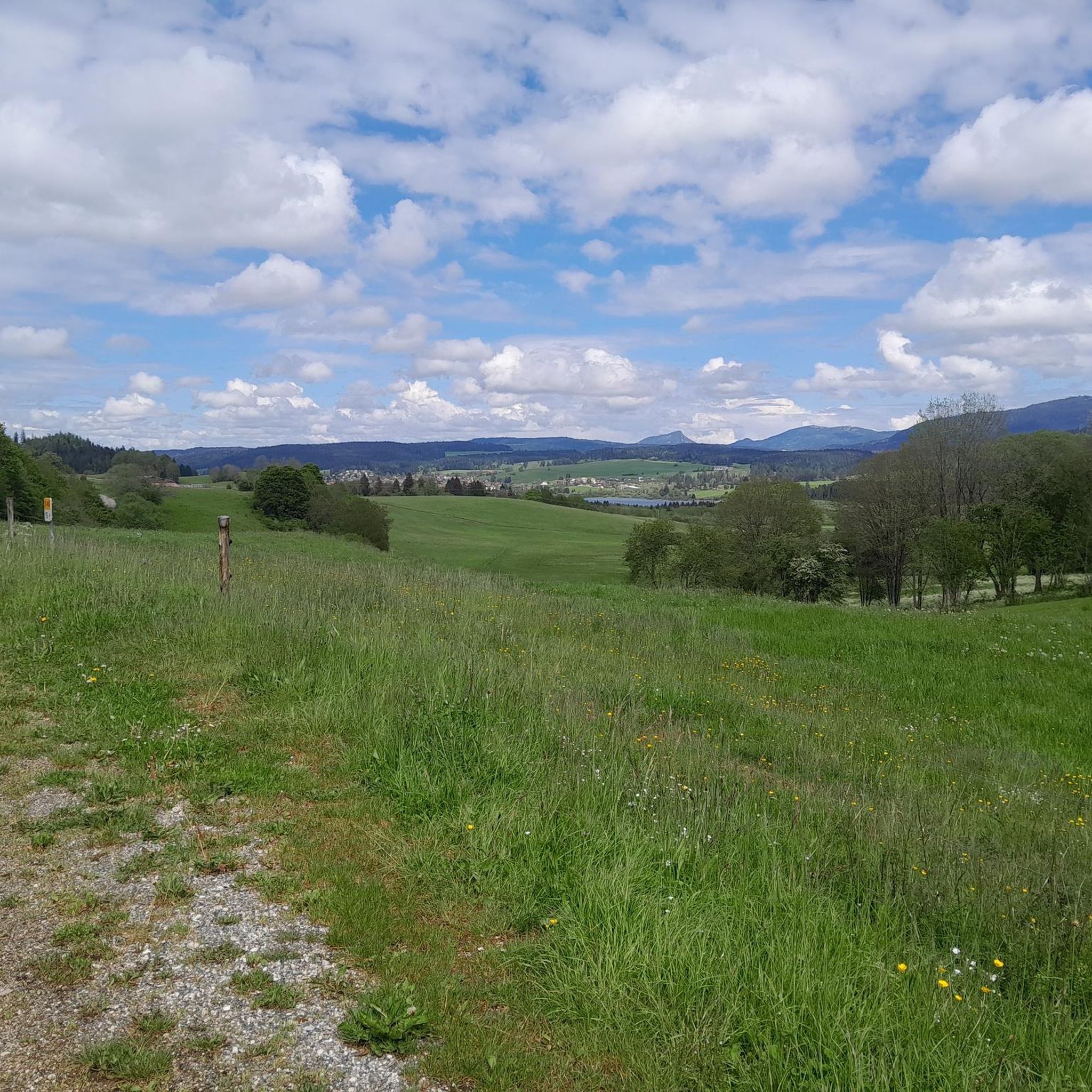
This lake, known for its bright blue water, crosses the Doubs in a 'valley'. This lake once formed one large body of water together with Lake Remoray. The lake is 6.3 km long and 800m wide, making it the fourth largest natural lake in France. In winter it freezes. By constructing a dam on the north side, it helps regulate the water of the Doubs.
6
0
This lake, known for its brilliant blue water, crosses the Doubs River in a valley. It once formed a single, large body of water along with Lake Remoray. The lake is 6.3 km long and 800 m wide, making it the fourth-largest natural lake in France. It freezes over in winter. Thanks to the construction of a dam on its north side, it helps regulate the flow of the Doubs.
6
0

The Serpentine, (first tributary of the Ain river whose source is located a little higher) forms a small lake near the ruins of a mill. It is from a cornice that this beautiful natural waterfall 15 meters high comes to life when the water level is sufficient.
1
0

Very impressive, about 1 km walk from the parking lot nearby, swimming not possible and not recommended
0
0


Ain Falls
0
0
Frequently Asked Questions
Are there family-friendly natural monuments to visit around Mignovillard?
Yes, several natural monuments in the area are suitable for families. You can visit The source of the Doubs, a powerful karst spring with a belvedere offering views of peat bogs and the Haute-Joux forest. Lac de Saint-Point and Route du Lac de Saint-Point are also great for families, known for their brilliant blue water and scenic surroundings. Additionally, the Ain Spring offers footbridges and interpretation panels, making it an accessible and relaxing spot.
What types of natural features can I expect to see around Mignovillard?
The Mignovillard region, nestled in the Jura Mountains, offers a diverse range of natural features. You'll encounter powerful karst springs like The source of the Doubs, expansive glacial lakes such as Lac de Saint-Point, and impressive waterfalls like the Moulin du Saut Waterfall. The area is also characterized by ancient forests, high plateaus, and significant water bodies, providing varied landscapes for exploration.
What outdoor activities can I do near these natural monuments?
The natural monuments around Mignovillard are excellent starting points for various outdoor activities. You can find numerous running trails, such as the 'Crêt Mathiez Sarrazin – Baume de la Source loop from La Bourre' or 'Running loop from Mignovillard', which you can explore further in the Running Trails around Mignovillard guide. For cyclists, there are gravel biking routes like 'ReMouthable' and road cycling routes including 'Col de Saint-Sorlin (1,142 m) – Border Between Doubs and Jura loop from Bonnevaux'. More details are available in the Gravel biking around Mignovillard and Road Cycling Routes around Mignovillard guides.
Are there any significant forests or protected natural areas in Mignovillard?
Yes, Mignovillard is partly situated within the expansive Haute Joux Forest, renowned as one of France's most beautiful fir forests, with trees reaching nearly 50 meters. This forest is a vibrant natural environment home to species like the capercaillie and lynx. Additionally, the region hosts the La Seigne des Barbouillons Regional Natural Reserve, a 35-hectare peat bog significant for its unique ecosystems and protected flora and fauna. While the peat bog is primarily for preservation, the Haute Joux Forest offers many recreational opportunities, with points like the Chalet de la Bourre serving as trailheads.
What are some unique geological features or 'hidden gems' in the area?
Beyond the more accessible sites, the region features intriguing geological formations. La Baume des Antrey is a natural curiosity with a narrow vertical shaft descending 35 meters, leading to a rock fissure and dark caves, known for potential ice formations and stalactites. Similarly, La Grotte du Mont-Rupt, located in the Haute-Joux forest, is a cave with a Gothic arch entrance, also featuring ice and stalactites due to water infiltration. These sites offer a glimpse into the Jura's subterranean wonders, though public access may be limited.
What do visitors enjoy most about the natural monuments around Mignovillard?
Visitors frequently appreciate the stunning views and the tranquil atmosphere. For instance, the viewpoint above The source of the Doubs offers beautiful vistas through a forest clearing. The bright blue waters of Lac de Saint-Point are often highlighted, as is the impressive flow of water at the Ain Spring. The overall natural beauty and the opportunity for peaceful exploration are consistently praised.
Can I find viewpoints to admire the landscape?
Absolutely. Many natural monuments around Mignovillard offer excellent viewpoints. The belvedere at The source of the Doubs provides panoramic views of the peat bogs of Mouthe and the Haute-Joux forest. Both Lac de Saint-Point and Route du Lac de Saint-Point offer picturesque views of the lake's brilliant blue water. The Moulin du Saut Waterfall also has a very nice viewpoint at the beginning of its walk.
What is the best season to visit the natural monuments in Mignovillard?
The Mignovillard region offers beauty throughout the year. In spring and summer, the landscapes are lush and green, perfect for hiking and enjoying the lakes. Autumn brings vibrant colors to the forests, while winter transforms the area into a snowy wonderland. Lac de Saint-Point, for example, freezes over in winter, offering a unique experience. The Haute Joux forest is popular for cross-country skiing and snowshoeing during the colder months.
Are there any specific tips for visiting the Moulin du Saut Waterfall?
The Moulin du Saut Waterfall is a beautiful natural cascade, 15 meters high, formed by the Serpentine river. It's best visited when the water level is sufficient to see the full force of the falls. There's a very nice viewpoint at the beginning of the walk. Keep in mind that the water level can vary, so checking local conditions might enhance your visit.
What kind of wildlife can be found in the natural areas around Mignovillard?
The diverse habitats around Mignovillard support a variety of wildlife. The Haute Joux Forest is home to species such as the capercaillie and lynx. The La Seigne des Barbouillons Regional Natural Reserve, a significant peat bog, is known for its exceptional flora and fauna, including nationally protected butterfly species like the Cranberry Fritillary. While some areas are protected for their ecological importance, you might encounter various birds and smaller mammals throughout the forests and near the lakes.
Where can I find information about hiking trails near these natural monuments?
For hiking enthusiasts, the region around Mignovillard offers numerous trails. You can find detailed information and routes in the Running Trails around Mignovillard guide, which includes routes like 'Crêt Mathiez Sarrazin – Baume de la Source loop from La Bourre'. Many trails start from points within the Haute Joux forest, such as the Chalet de la Bourre on the Col du Lancier, providing access to varied landscapes of woodlands, valleys, and meadows.
Most popular routes around Mignovillard
Most popular attractions around Mignovillard

Get inspired with the komoot mobile app


Explore more
Extend your search for the best caves by checking out these guides of the top ones around Mignovillard:
