Top 7 Natural Monuments around Prats-De-Sournia
Best natural monuments around Prats-De-Sournia are found within the Pyrénées-Orientales department of France, an area recognized for its ecological richness and geological formations. The region features a geological landscape shaped by the North Pyrenean Fault, with outcrops of marmorized limestone and black schists. This area is also part of two Zones Naturelles d'Intérêt Écologique, Faunistique et Floristique (ZNIEFF) and a Natura 2000 site, highlighting its biodiversity. Visitors can explore a variety of natural features, from ancient geological formations to significant…
Last updated: July 6, 2026
Saint Anthony Hermitage
Highlight • Religious Site
Translated by Google •
Tip by

Gorges of Saint-Jaume
Highlight • Gorge
Translated by Google •
Tip by

Sign up now to discover places like this
Get recommendations on the best single tracks, peaks, & plenty of other exciting outdoor places.
Sign up for free
Gorges of the Agly
Highlight • Gorge
Translated by Google •
Tip by

Dolmen d'Udolán
Highlight • Historical Site
Translated by Google •
Tip by

Rousillon Peak
Highlight • Viewpoint
Translated by Google •
Tip by

Sign up for free to discover even more natural monuments around Prats-De-Sournia.
Sign up for free
Already have an account?
Start today with a free account
Your next adventure awaits.
Login or Signup
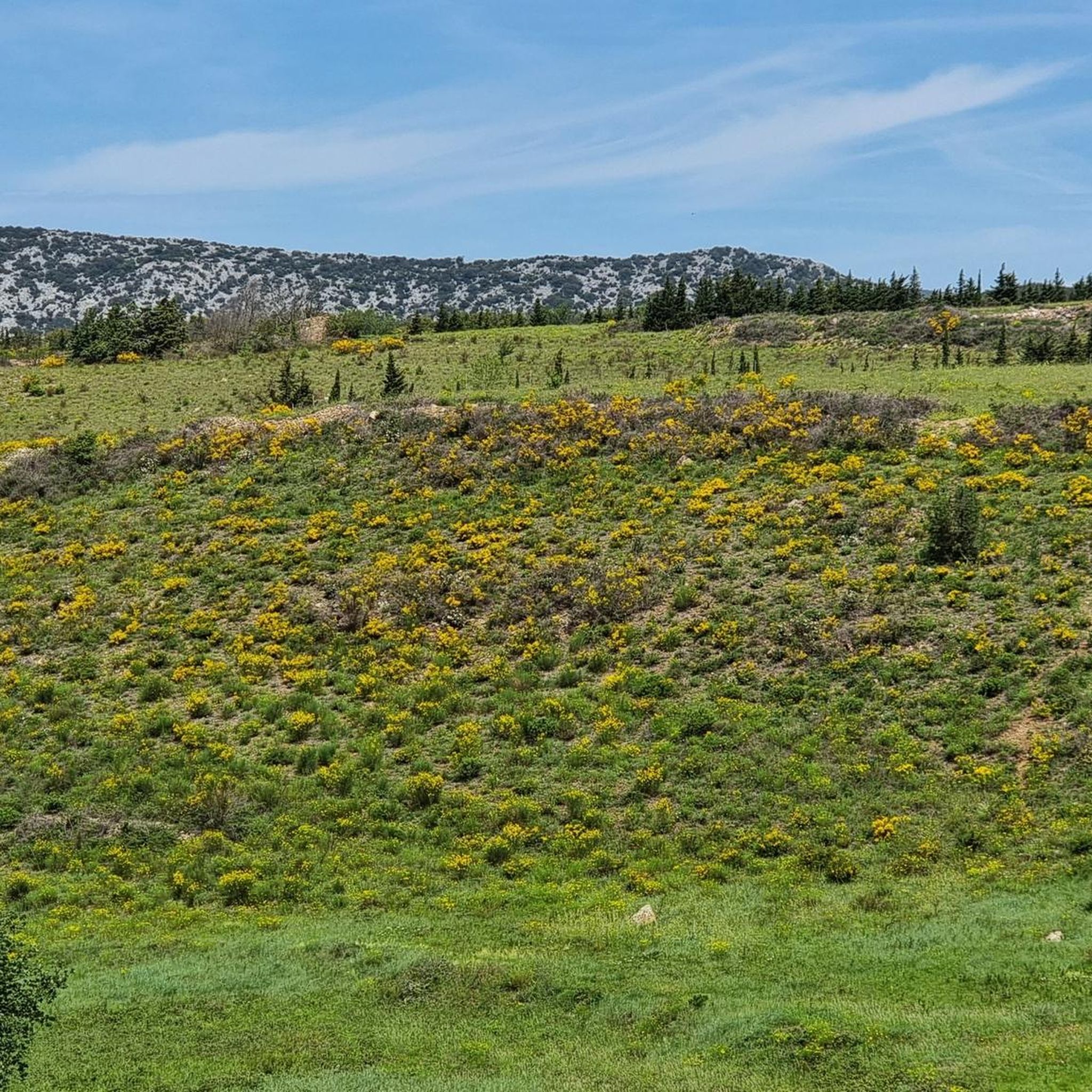
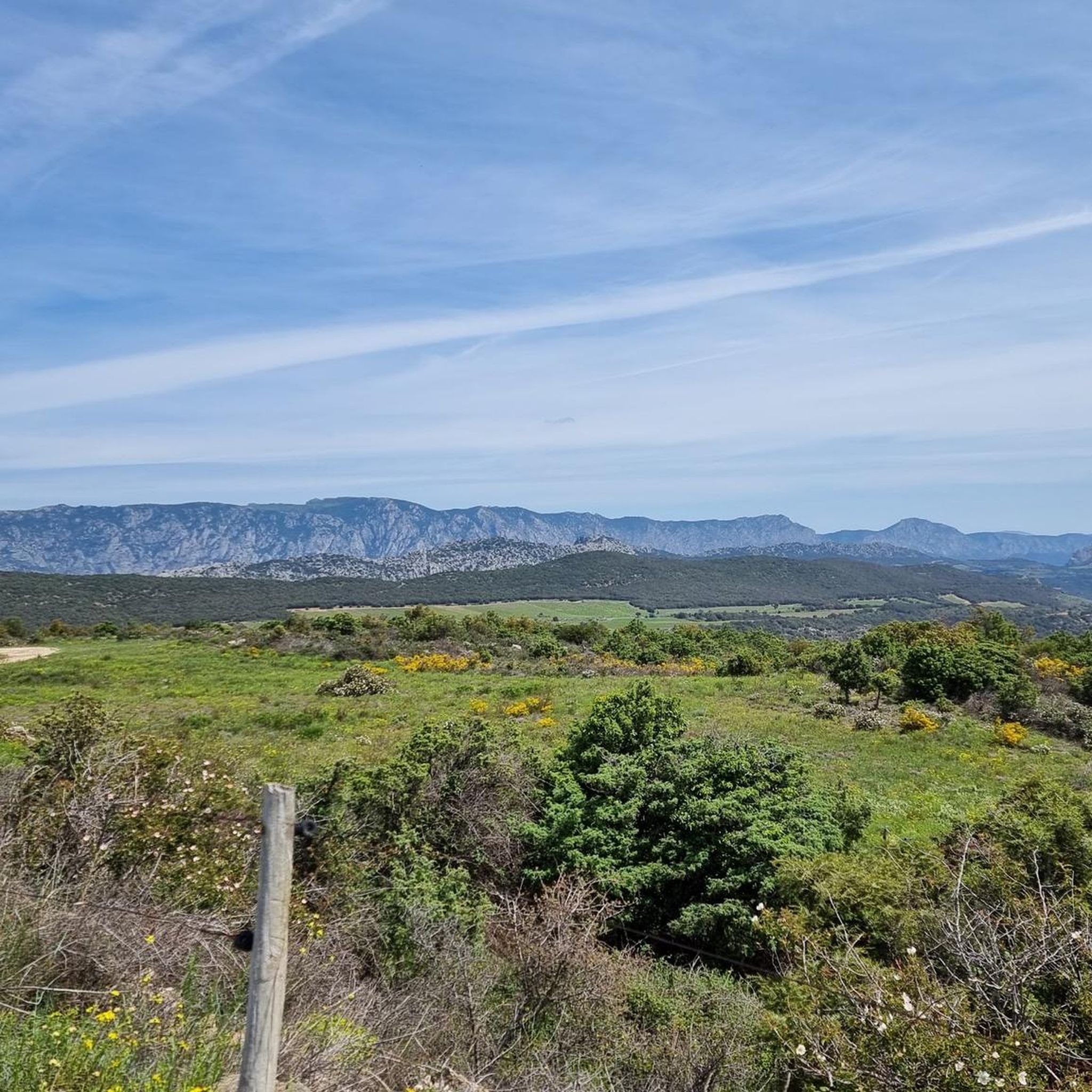
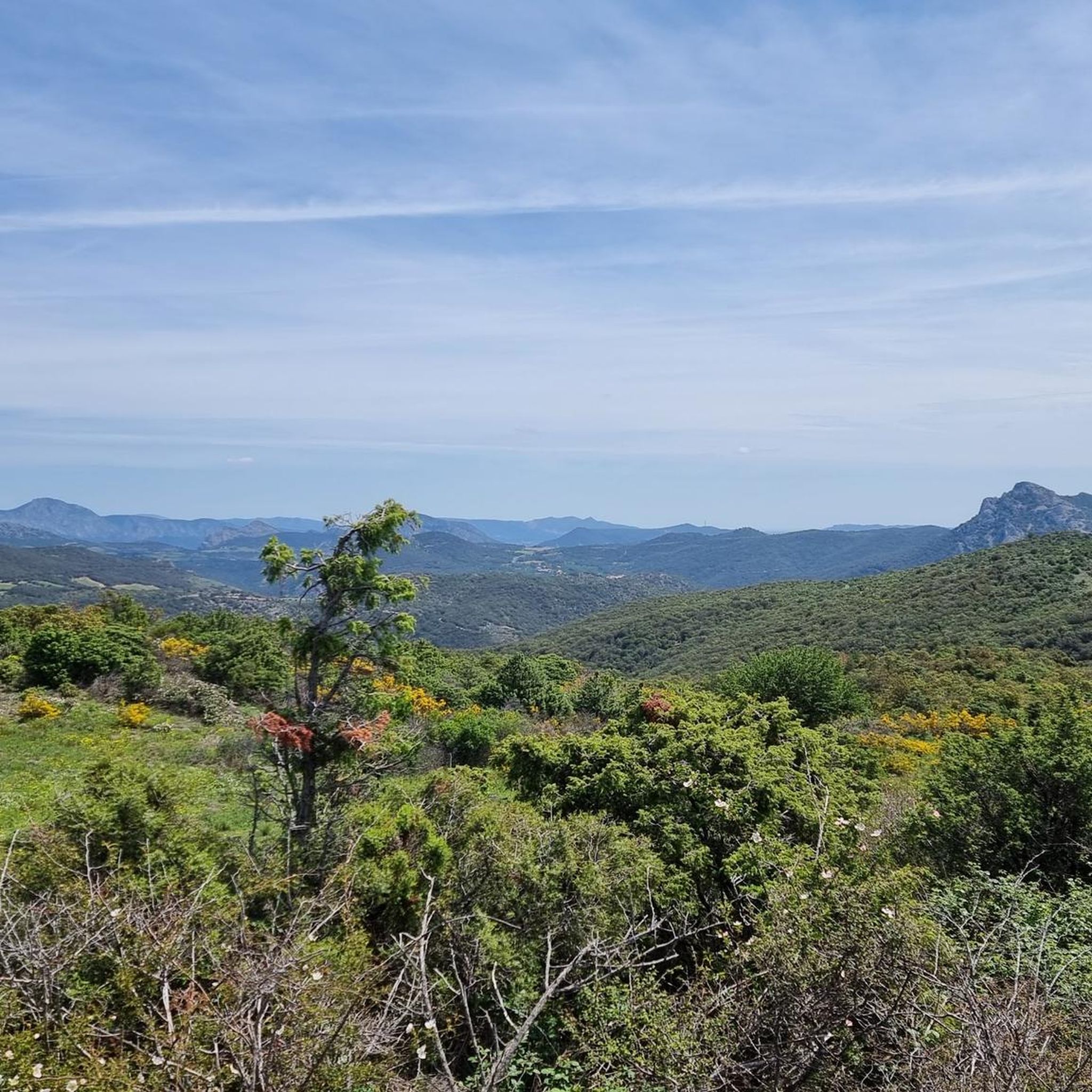
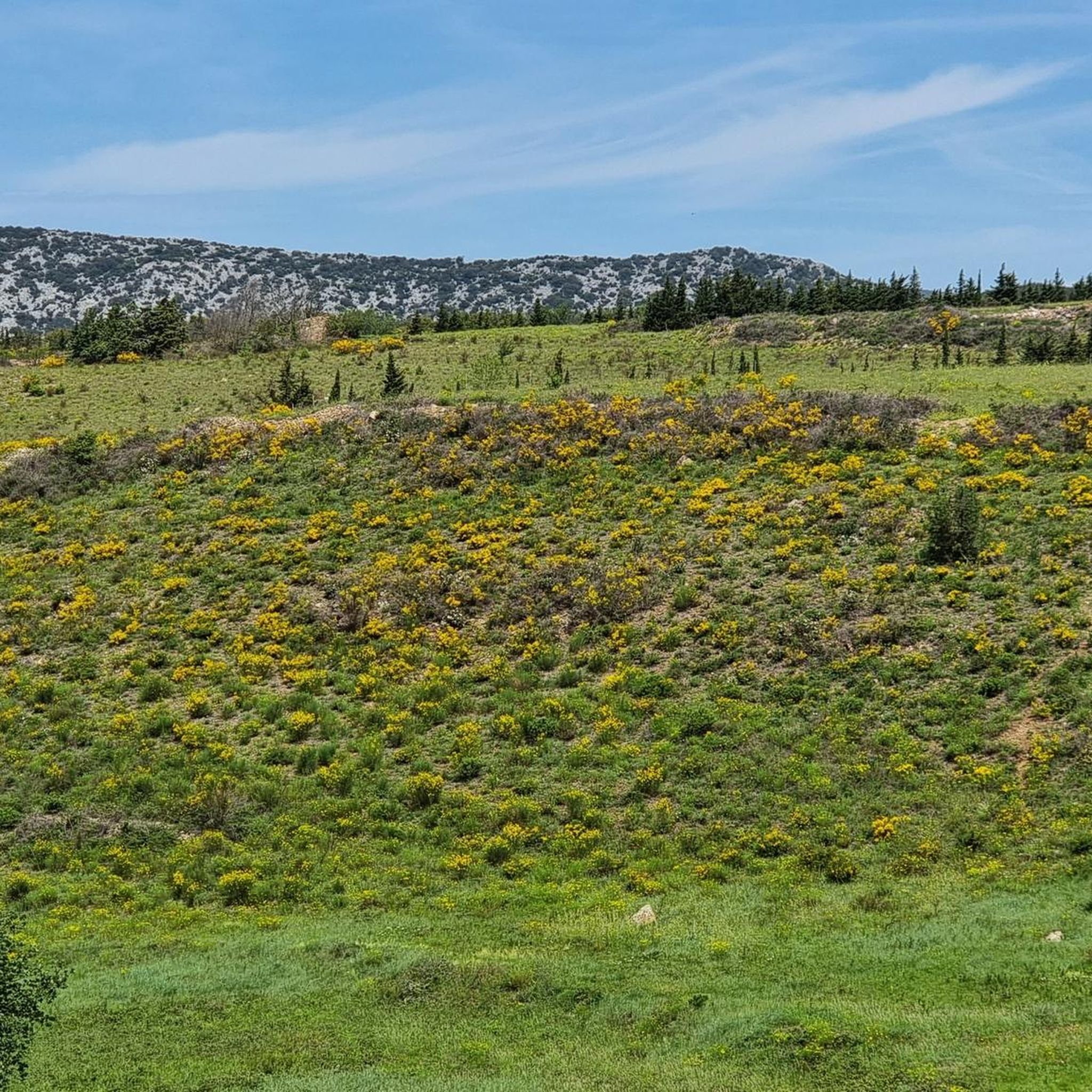
Tips from the Community

These are some very beautiful gorges. Note the small medieval stone bridge that seems so fragile. Also know that the thermal spring of La Fou is very close to this magical place.
2
0

"Clinging" to the rocks, very unstable 😉 Since the path goes through it, you can't do a circular walk outside of opening hours. From the larger parking lot to the south, you can at least get to the entrance in the evening, with views into the gorge. From the north, the path ends at the end of the tunnel...
4
1

Yes, you can hike up the Pic du Roussillon (1314 m) if you are in the area, although it is not a monster highlight. The route shown on Komoot does not always match the well-marked route on site. Depending on where you start, we recommend the route down in the valley along the Canal de Molitg, a small water-bearing canal that runs as a black line on the map between Mosset and Molitg-les Bains.
1
0

Very nice walk within the Corbières-Fenouillèdes Regional Natural Park in the gorges of the Saint-Jaume river. By crossing numerous small, well-appointed footbridges, you arrive at Fenouillet and its fortress.
1
0

The Hermitage Saint-Antoine is a large natural basilica built from trees and rocks and above all brought to life by the sound of water and the song of birds. You will find many works of art there (frescoes, stained glass windows). Access to the site, the tower, and the museum is free.
4
2

A dolmen that is worth the detour, especially for lovers of megaliths. Other dolmens are also present around Ansignan.
0
0

beautiful chapel in the rock of the cliff. There is another car park above with a 2nd access via steps through a small tunnel
3
1

Frequently Asked Questions
What unique geological features can I explore around Prats-De-Sournia?
The region is shaped by the North Pyrenean Fault, offering fascinating geological formations. You can observe outcrops of marmorized limestone and black schists, particularly where Aptian marmorized limestone is constrained between black schists and a granitic massif. This geological diversity is evident in locations like Roquevert, Le Ménier, Cap Blanc, Carrière de Sournia, and Montagut. The presence of petrifying and permanent streams, even in arid conditions, adds to the area's unique natural character.
Are there any notable hiking trails that showcase the natural beauty of Prats-De-Sournia?
Yes, the 'Tour des Cabanes' (Hut Trail) is a significant panoramic hiking path. It winds through a zone of ecological interest, ascending to 953 meters and offering expansive views of the Fenouillèdes massif, the majestic Canigou, and even glimpses of the sea. Along the trail, you'll encounter historical dry stone huts (*orris*, *casots*, or *capitelles*) and pass through a pine forest leading to the Vivier national forest.
What historical natural monuments can I visit in the area?
You can visit the Saint Anthony Hermitage, a unique religious building that is also a natural monument, featuring a large natural basilica built from trees and rocks. Another historical site is the Dolmen d'Udolán, a megalith that is particularly interesting for those who appreciate ancient structures. Other dolmens are also present around Ansignan.
What kind of wildlife and ecological significance does Prats-De-Sournia hold?
Prats-De-Sournia is recognized for its ecological richness and biodiversity. It falls within two Zones Naturelles d'Intérêt Écologique, Faunistique et Floristique (ZNIEFF): the 'garrigues de Sournia et grotte du Desix' and the 'massif du Fenouillèdes'. It is also part of a Natura 2000 site specifically designated for bats, highlighting its importance for local flora and fauna.
Is there an ancient tree or specific natural landmark to see?
Yes, within the Vivier national forest, along the 'Tour des Cabanes' trail, you can find a remarkable 600-year-old beech tree, known as 'Fajas d'en Baillette'. This ancient tree stands 30 meters tall with a circumference of 5.75 meters, offering a truly impressive natural landmark.
Are there any gorges or river walks to enjoy?
Absolutely. The Gorges of Saint-Jaume offer a beautiful setting for walking along the Saint-Jaume river, featuring numerous footbridges and opportunities for swimming. Additionally, the Gorges of the Agly are notable for their natural beauty and include a small medieval stone bridge, with the thermal spring of La Fou located nearby.
What are the best viewpoints in the Prats-De-Sournia area?
The 'Tour des Cabanes' trail offers expansive panoramic views of the Fenouillèdes massif, the Canigou, and even the sea. For a specific summit experience, you can hike up Rousillon Peak (1314 m), which provides another excellent viewpoint of the surrounding landscape.
What outdoor activities can I do near these natural monuments?
The region around Prats-De-Sournia is excellent for various outdoor activities. You can explore numerous routes for road cycling, mountain biking, and gravel biking. For detailed routes and guides, you can check out the Road Cycling Routes around Prats-De-Sournia, MTB Trails around Prats-De-Sournia, and Gravel biking around Prats-De-Sournia guides.
Are there any family-friendly natural monuments or activities?
The Gorges of Saint-Jaume offer a very nice walk along the river with numerous footbridges, which can be enjoyable for families. The opportunity for swimming in a beautiful natural setting also makes it a good option for a family outing.
What do visitors enjoy most about the natural monuments in Prats-De-Sournia?
Visitors particularly appreciate the natural setting and tranquility. For instance, the Saint Anthony Hermitage is loved for its natural basilica, the soothing sound of water, and the song of birds. The Gorges of Saint-Jaume are praised for their beautiful setting and opportunities for walking and swimming. The overall blend of natural beauty, historical elements like the dry stone huts, and impressive geological formations are highly valued.
When is the best time to visit Prats-De-Sournia to experience its natural monuments?
The region offers beauty throughout the year, but for hiking and enjoying the panoramic views, spring and autumn generally provide pleasant temperatures. In March, the forest floor along the 'Tour des Cabanes' trail is carpeted with narcissus flowers, adding seasonal beauty. Summer can be warm, but the gorges offer refreshing spots for walks and swimming.
Are there any specific tips for visiting the Saint Anthony Hermitage?
The Hermitage Saint-Antoine is free to access, including the site, tower, and museum. In summer, traffic to the site is regulated due to narrow streets, so it's best to park in designated spaces before the gorge entrance. Plan about 1.5 hours for your visit, which includes a return via an underground staircase.
Most popular routes around Prats-De-Sournia
Most popular attractions around Prats-De-Sournia

Get inspired with the komoot mobile app


Explore more
Extend your search for the best caves by checking out these guides of the top ones around Prats-De-Sournia:
