Top 11 Natural Monuments around Altier
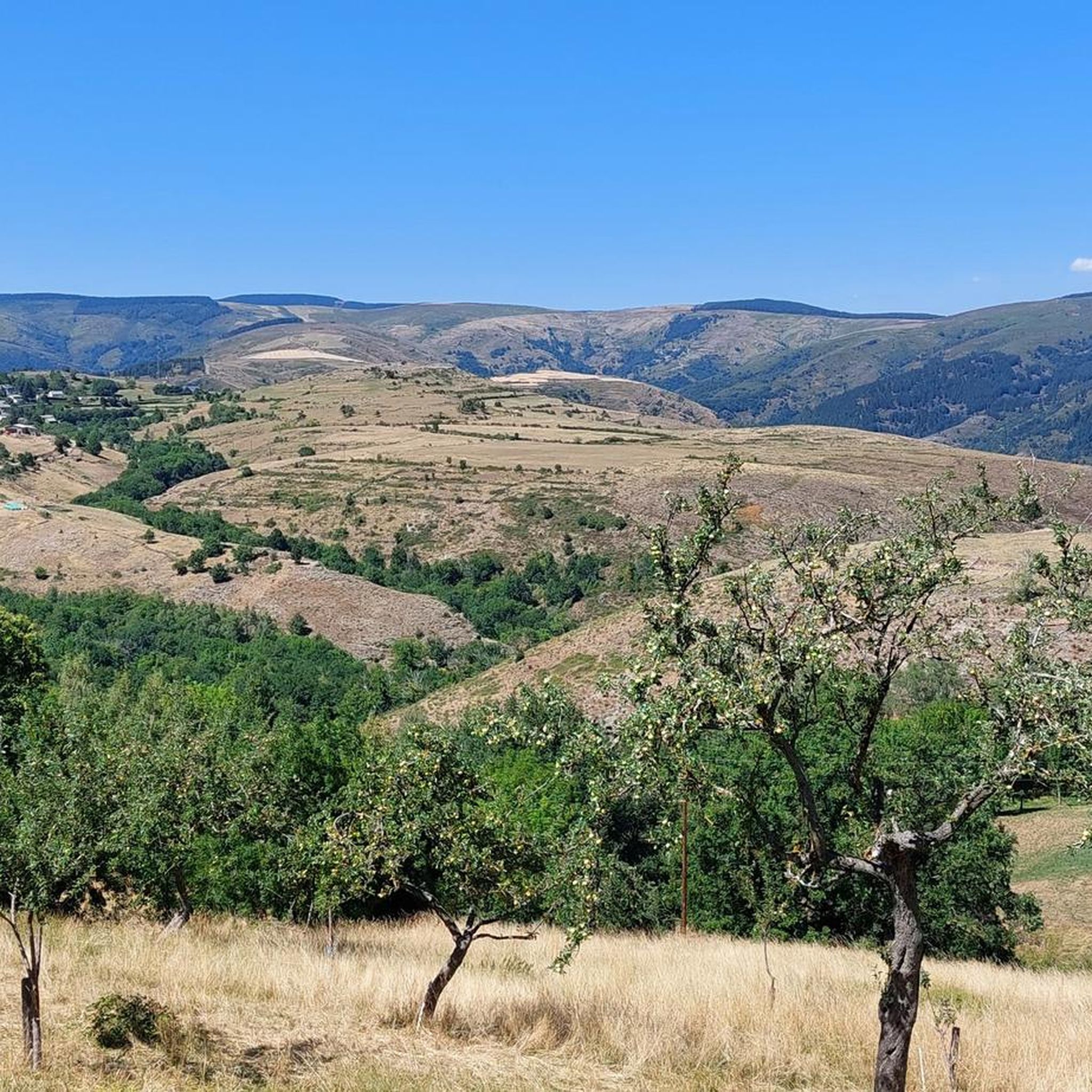
Best natural monuments around Altier are found in the Lozère department of southern France, a region within Occitania. This area is characterized by diverse landscapes, including dramatic gorges, expansive national parks, and significant geological features. The natural landscape offers opportunities for exploration and immersion in varied environments. Altier serves as a gateway to these natural landmarks and viewpoints.
Best natural monuments around Altier
- The most popular natural monuments is Finiels Summit, a summit that is the highest point of…
Last updated: June 20, 2026
Finiels Summit
Highlight • Summit
Translated by Google •
Tip by

Tarn Bridge
Highlight • Bridge
Translated by Google •
Tip by

Sign up now to discover places like this
Get recommendations on the best single tracks, peaks, & plenty of other exciting outdoor places.
Sign up for free
Pic Cassini
Highlight • Summit
Translated by Google •
Tip by

Rock Pools of the Gorges de Chassezac
Highlight • Gorge
Tip by

Standing Stone of the Knights of Malta
Highlight • Monument
Translated by Google •
Tip by
Sign up for free to discover even more natural monuments around Altier.
Sign up for free
Already have an account?
Start today with a free account
Your next adventure awaits.
Login or Signup
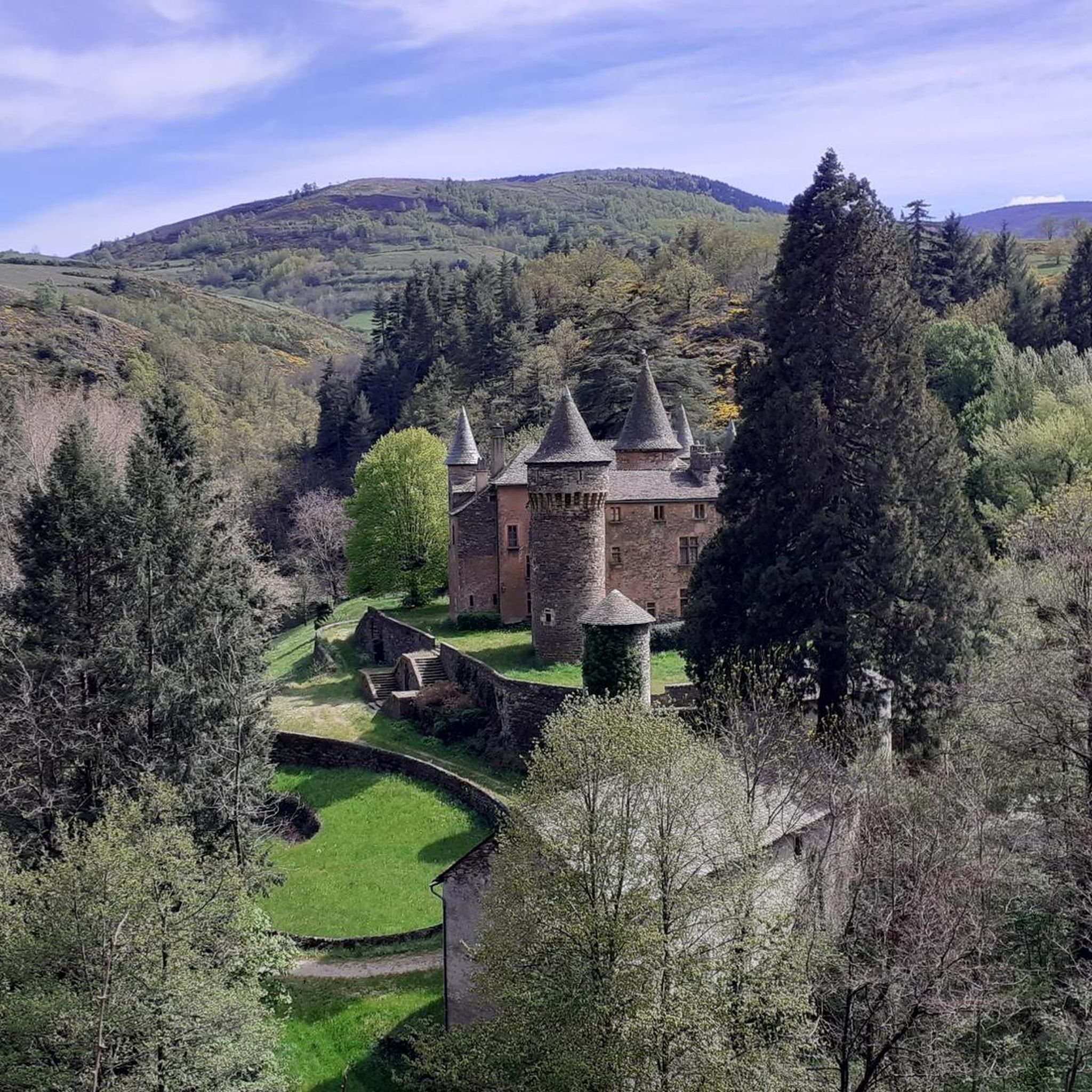
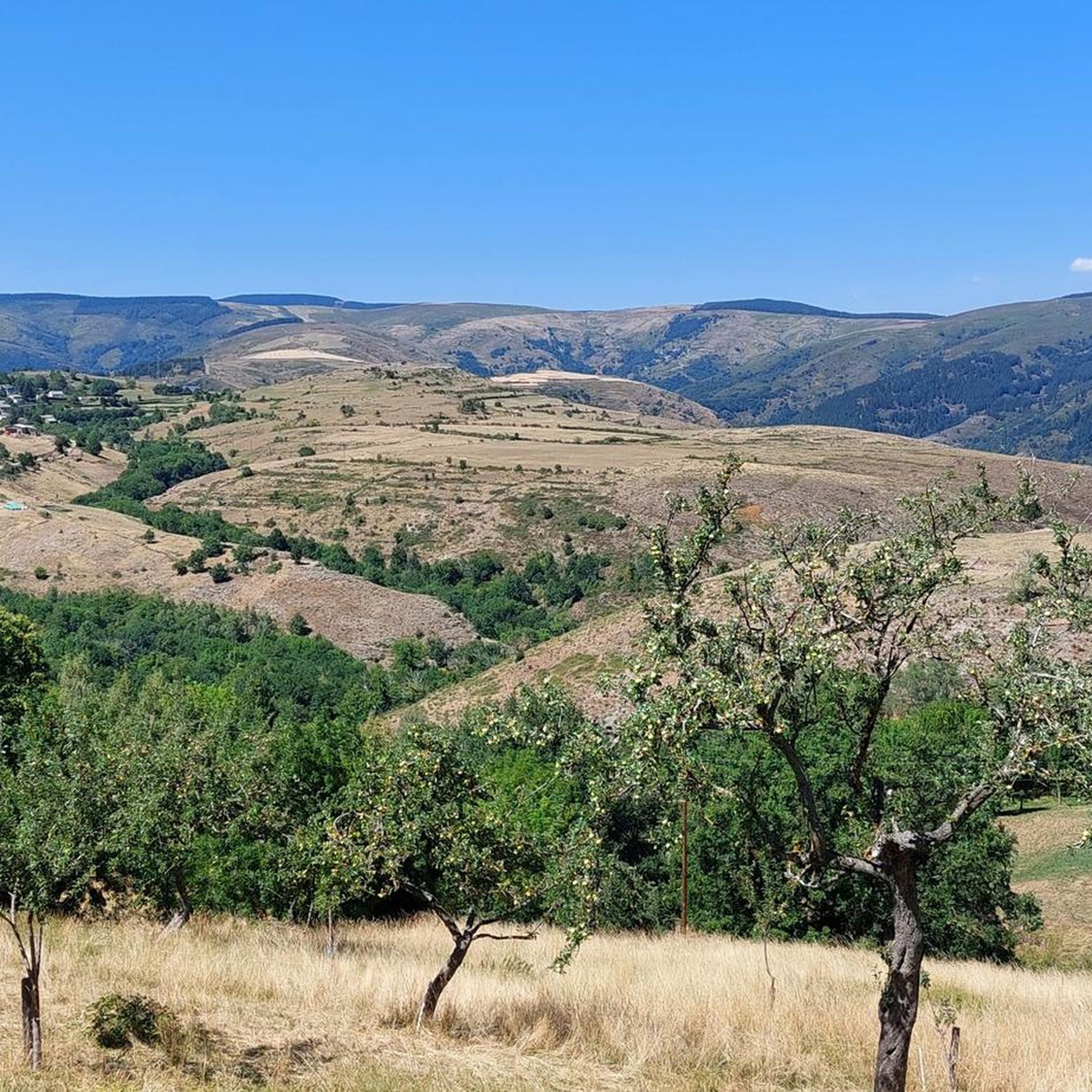
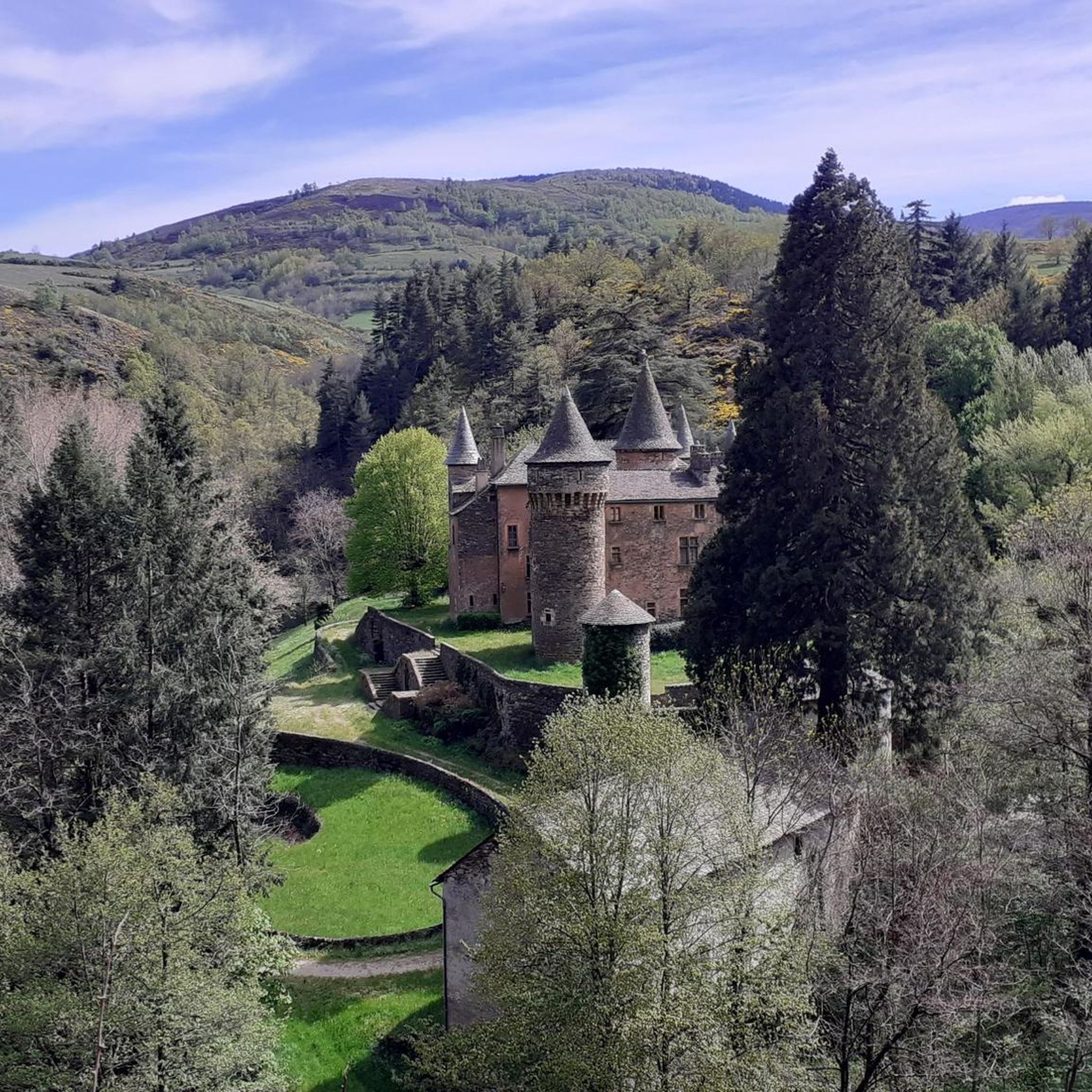
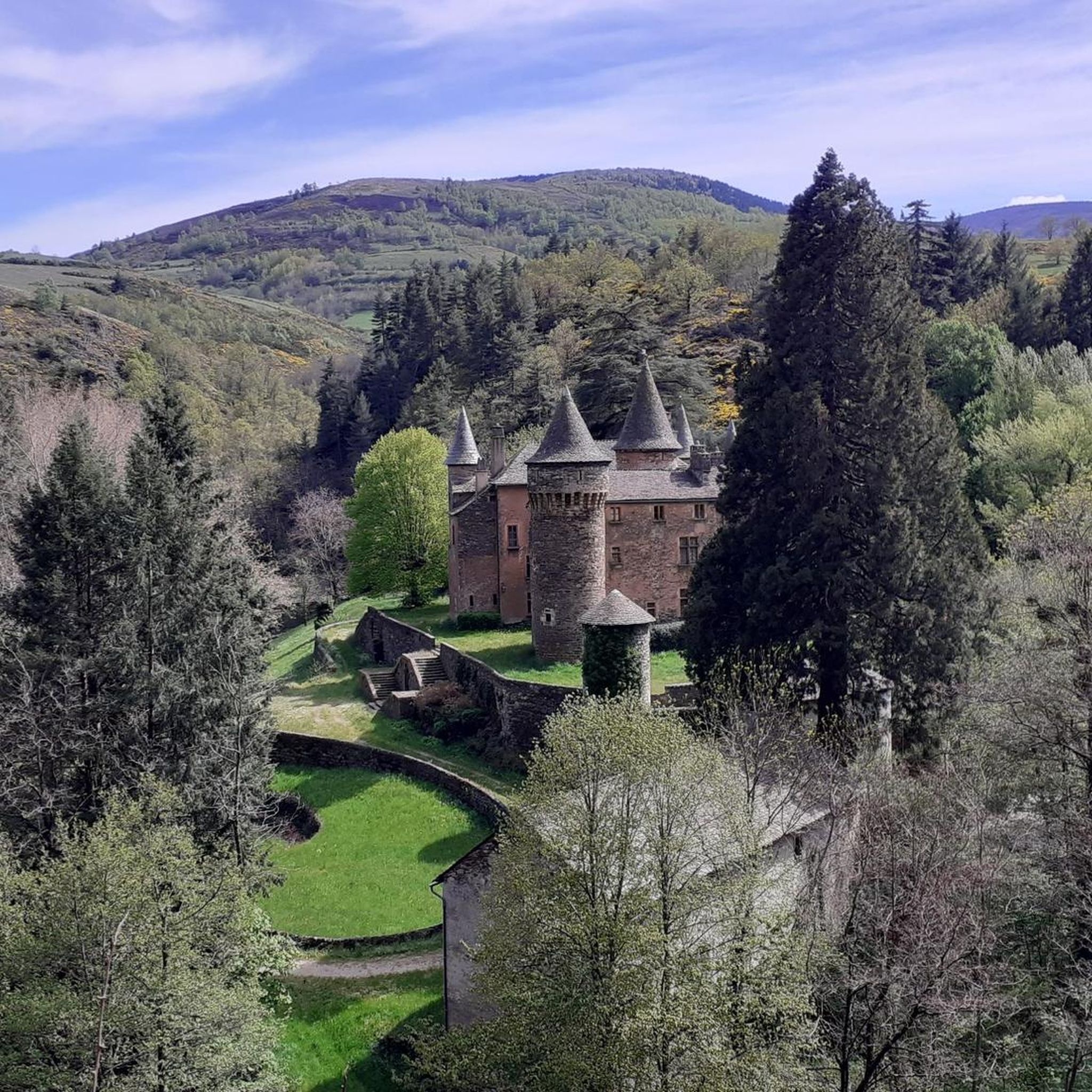
Tips from the Community

We didn't manage to cross. The water was quite fast. Too dangerous with bare feet, and perhaps even with hiking boots, besides the fact that they would have gotten wet.
0
0

It's not always easy to find the trail when you cross. You have to try to find the yellow markings. This is an ideal place to refresh yourself (before having to go back up).
0
0


Wonderful old bridge over the Tarn. You then peacefully follow the Tarn.
0
0

bridge over the Tarn ideal for a break / picnic
0
0


So we had to cross this without a suspension bridge. No problem for the youth, but for the advanced age (like us) there are some problems. Fortunately, my son-in-law was there and helped me across it. With wet feet.
0
0
Frequently Asked Questions
What are some of the most prominent natural monuments to visit near Altier?
The region around Altier is rich in natural wonders. You can explore the dramatic landscapes of the Finiels Summit, which is the highest point of Mont Lozère, offering extensive panoramic views. Another significant site is the spectacular Gorges du Tarn, a canyon carved by the Tarn River, known for its towering limestone cliffs and crystal-clear waters. The Cévennes National Park, a UNESCO World Heritage site, also encompasses many diverse ecosystems and geological formations.
Are there any unique geological formations or caves to explore near Altier?
Yes, the area boasts several impressive geological features and cave systems. The Bois de Païolive is famous for its ancient oak forest and peculiar rock formations, often described as a 'stone chaos.' For subterranean exploration, the Grotte de la Cocalière offers magnificent stalactites, stalagmites, and underground lakes. Further afield, the Aven Armand is renowned for its 'forest of stalagmites' within one of the world's largest underground chambers.
What kind of outdoor activities can I do near these natural monuments?
The natural monuments around Altier provide excellent opportunities for various outdoor activities. You can enjoy hiking through diverse terrains, from the high-altitude moorlands of Mont Lozère to the trails along the Gorges du Tarn. Water activities like kayaking and canoeing are popular in the Gorges du Tarn. For those interested in cycling, there are numerous options for running, mountain biking, and gravel biking. You can find detailed routes and guides for these activities, such as Running Trails around Altier, MTB Trails around Altier, and Gravel biking around Altier.
Are there family-friendly natural monuments or activities suitable for children?
Absolutely. The Tarn Bridge is a great spot for families, offering a place to swim and relax by the water amidst large granite blocks. The Rock Pools of the Gorges de Chassezac also provide opportunities for a refreshing swim and gentle exploration. Many trails within the Cévennes National Park are suitable for families, though it's always wise to check specific trail difficulties beforehand.
What is the best time of year to visit the natural monuments around Altier?
The best time to visit largely depends on the activities you plan. Spring and autumn offer pleasant temperatures for hiking and exploring, with vibrant flora in spring and beautiful foliage in autumn. Summer is ideal for water activities in places like the Gorges du Tarn and the Tarn Bridge, though it can be busier. Winter can be beautiful for those seeking snowy landscapes, especially in higher elevations like Mont Lozère, but some access might be limited.
Can I find historical sites alongside natural monuments in this region?
Yes, the region often blends natural beauty with historical significance. For instance, the Standing Stone of the Knights of Malta is a man-made monument with historical ties, located within a natural setting. Additionally, Pic Cassini, while a natural summit, is named after the Cassini family of scientists who used it as a geodesic point for mapping France in the 18th century.
What are the views like from the summits near Altier?
The summits near Altier offer truly spectacular views. From the Finiels Summit, the highest point of Mont Lozère, you can expect extensive panoramas of the surrounding Cévennes landscape, with sunsets being particularly magnificent. Pic Cassini also provides a fantastic 360-degree panoramic view, showcasing the granite formations and moorlands of Mont Lozère.
Are there any natural swimming spots or places to cool off in the water?
Yes, several natural spots are perfect for cooling off. The Tarn Bridge is well-known as a Roman work where the Tarn River flows amidst large granite blocks, creating an ideal place for swimming and breaks by the water. The Rock Pools of the Gorges de Chassezac also offer refreshing pools for a short swim or a little canyon climb.
What makes the Cévennes National Park a significant natural monument?
The Cévennes National Park, located approximately 28 kilometers from Altier, is a UNESCO World Heritage site recognized for its exceptional natural and cultural heritage. It features incredibly diverse landscapes, including limestone plateaus, deep gorges, and mountainous areas. This variety supports a rich biodiversity of plant and animal species, making it a prime destination for hiking and experiencing pristine natural beauty.
What kind of wildlife might I encounter in the natural monuments around Altier?
The diverse ecosystems of the Cévennes National Park and surrounding areas support a wide range of wildlife. You might spot various bird species, including raptors, in the mountainous and forested regions. Mammals such as wild boars, deer, and smaller creatures like badgers and foxes inhabit the area. The varied flora also contributes to the rich natural environment.
Is it possible to explore underground natural monuments near Altier?
Yes, the region is home to impressive subterranean natural monuments. The Grotte de la Cocalière is an extensive cave system featuring magnificent stalactites, stalagmites, and underground lakes, offering guided tours. Further away, the Aven Armand is famous for its 'forest of stalagmites' within one of the largest underground chambers in the world, providing a truly awe-inspiring experience.
What is the Abîme de Bramabiau and why is it notable?
The Abîme de Bramabiau, roughly 50 kilometers from Altier, is a dramatic geological feature known as a 'chasm' or 'sinkhole.' It's notable because a river disappears underground at this point, only to re-emerge later. This site offers a fascinating glimpse into the powerful forces of erosion and subterranean water flow, making it an intriguing visit for those interested in karst topography and hydrological phenomena.
Most popular attractions around Altier

Get inspired with the komoot mobile app


Explore more
Extend your search for the best caves by checking out these guides of the top ones around Altier:
