Top 7 Natural Monuments around Plouha
Best natural monuments around Plouha feature the highest cliffs in Brittany, offering expansive views over the Bay of Saint-Brieuc. This coastal area is characterized by dramatic topography, including hidden coves and unique geological formations. The region provides opportunities for hiking along coastal paths and observing diverse natural features. Plouha's natural landscape combines significant geological interest with a rich maritime history.
Best natural monuments around Plouha
- The most popular natural monuments is Pointe de Plouha, a viewpoint that offers splendid…
Last updated: August 27, 2026
Pointe de Plouha
Highlight • Viewpoint
Translated by Google •
Tip by

Beauport Abbey
Highlight • Monument
Translated by Google •
Tip by

Sign up now to discover places like this
Get recommendations on the best single tracks, peaks, & plenty of other exciting outdoor places.
Sign up for free
Rocher du Coucou
Highlight • Viewpoint
charged with emotion. Indeed, it is from there that the women of the
area came to greet the men who …
Translated by Google •
Tip by

Bec de Vir Point
Highlight • Viewpoint
The access path runs alongside cultivated plots before overlooking the birth of the high cliffs of …
Translated by Google •
Tip by
Pointe de Minard
Highlight • Viewpoint
Translated by Google •
Tip by

Sign up for free to discover even more natural monuments around Plouha.
Sign up for free
Already have an account?
Start today with a free account
Your next adventure awaits.
Login or Signup


Tips from the Community


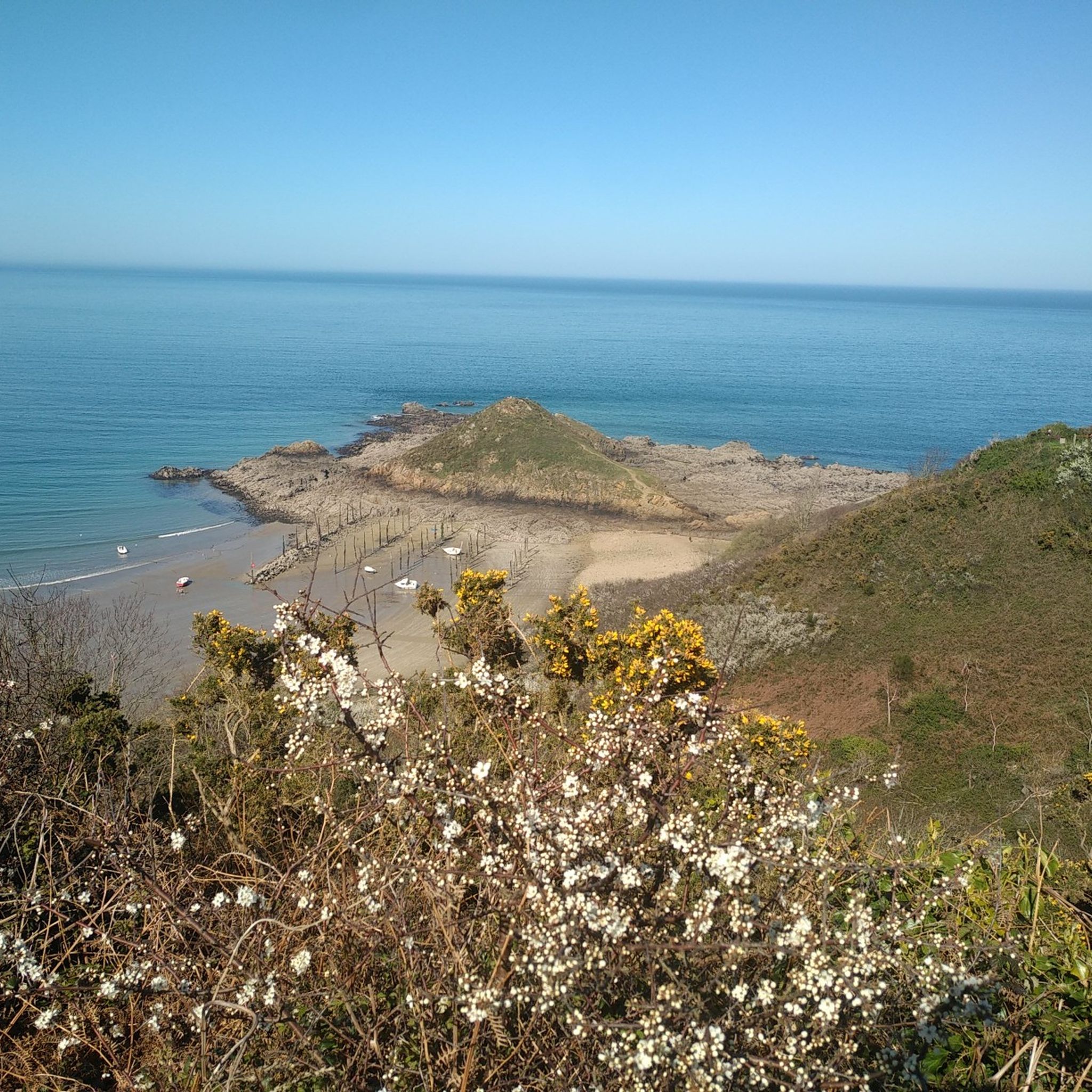
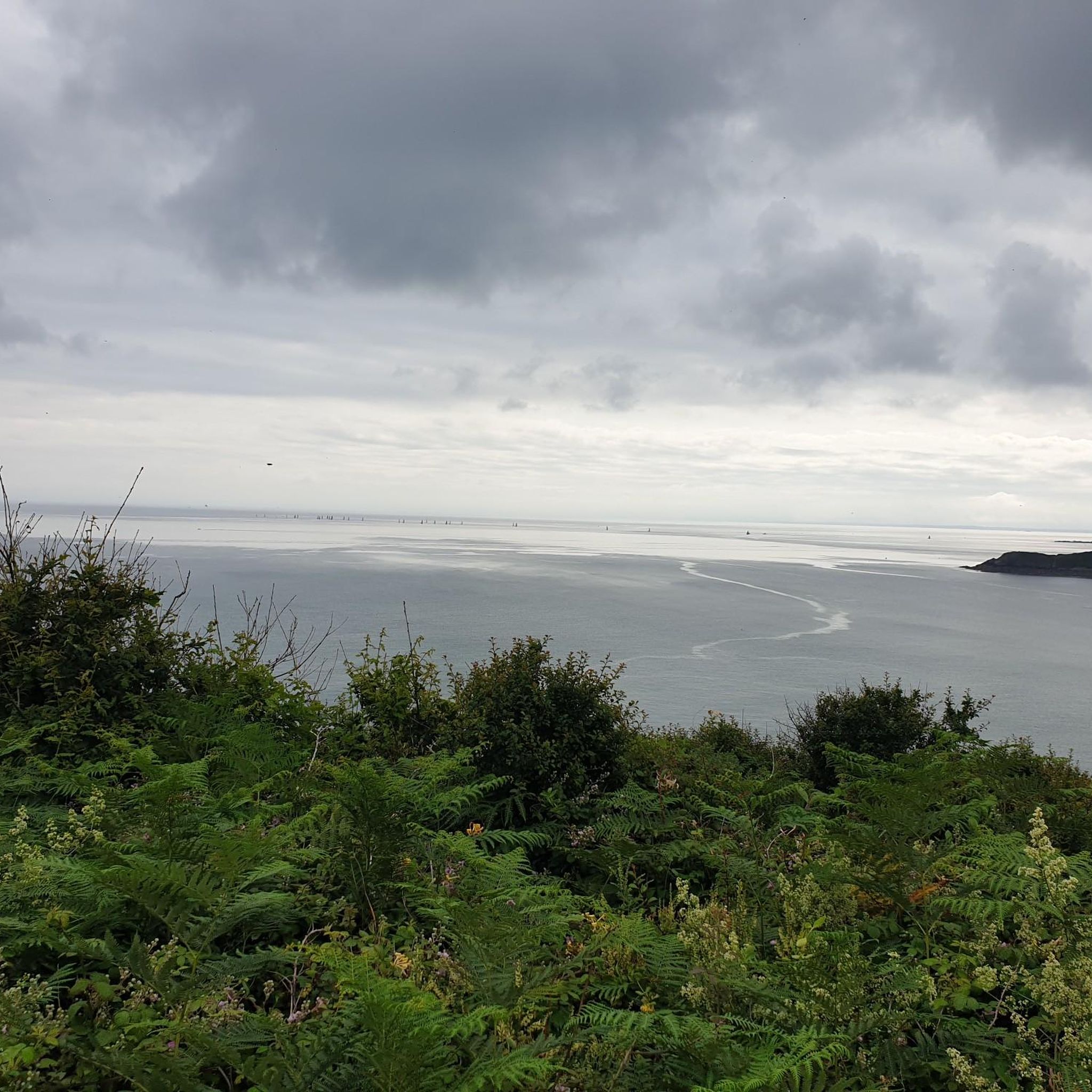
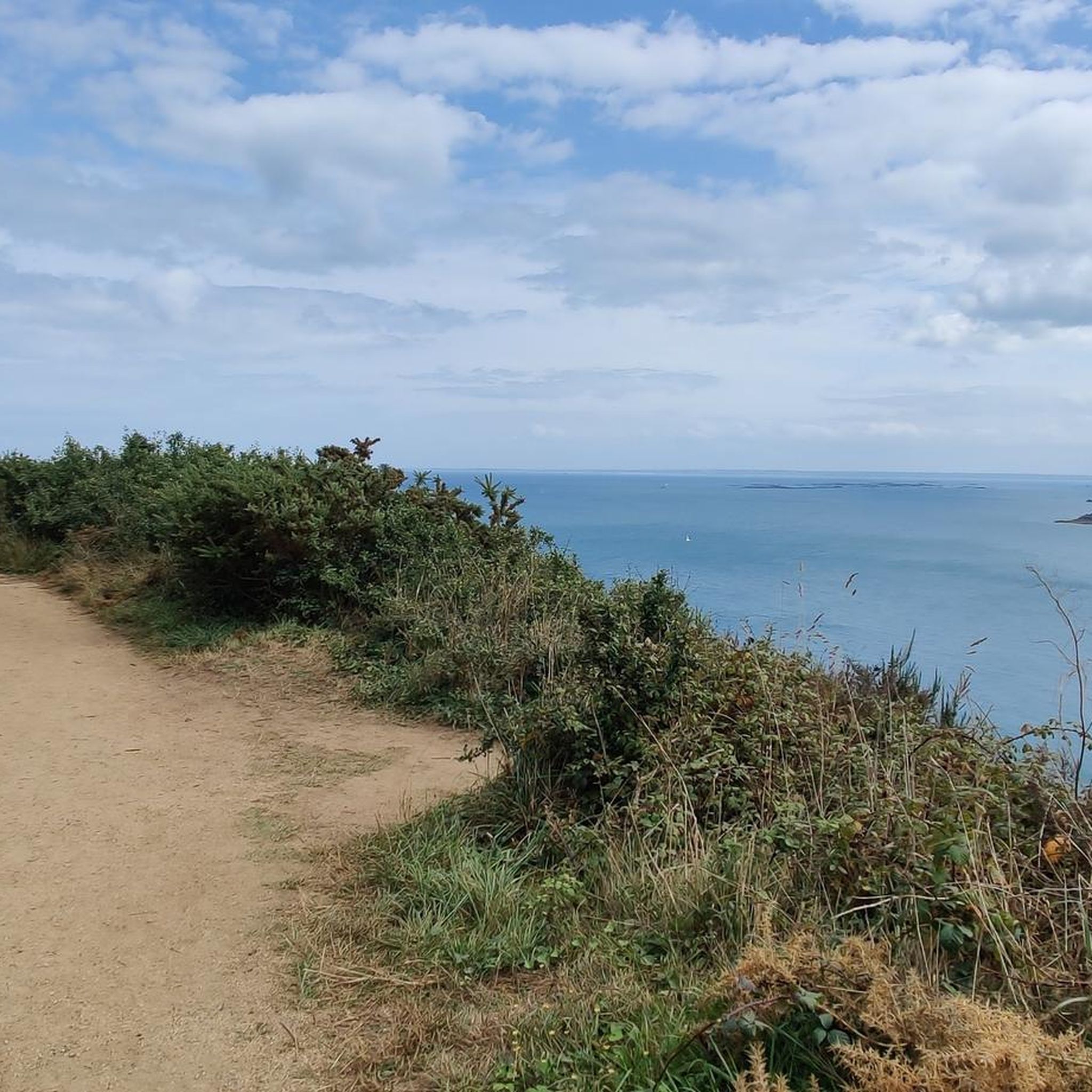
The view of the coast from the tip of Bec de Vir is breathtaking! The access path runs alongside cultivated plots before overlooking the birth of the high cliffs of Plouha and the large beach of Palus to the north. Further south, the rocks of the St-Quay islands and the rocky plateau of Rohein are easily visible at low tide. You can also see the semaphore of Saint-Quay-Portrieux. This sentinel has been watching over maritime traffic in the bay since 1860. Photo credit: Emmanuel Berthier
0
0
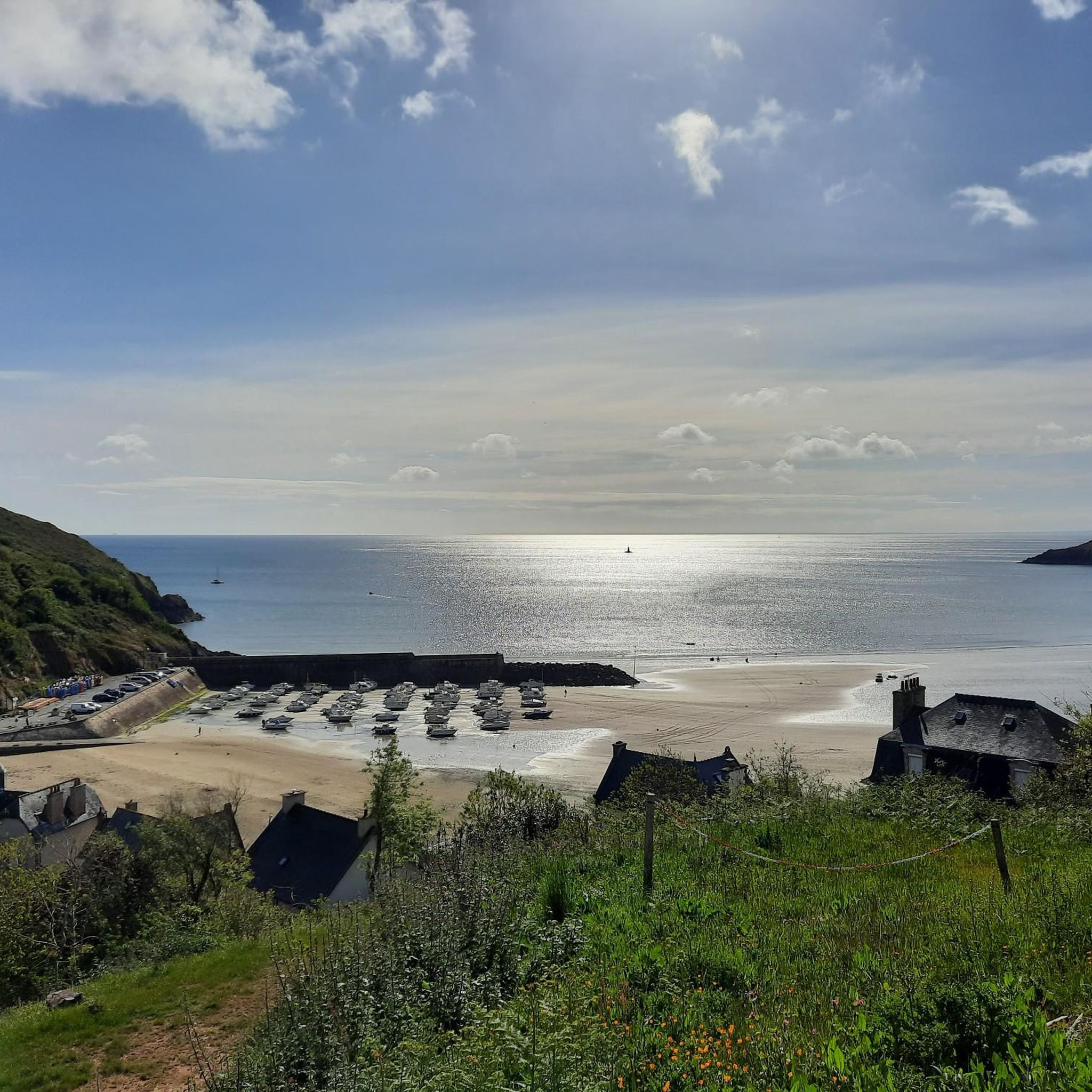
The rocky promontory in front of you is a place charged with emotion. Indeed, it is from there that the women of the area came to greet the men who were leaving or returning from the "Great Fishing", that is to say the cod fishing that was done in Newfoundland and then in Iceland. The fishing campaigns lasted 6 to 8 months. Imagine all the women who were there, standing, coming to say a last "hello" to their loved ones (husband, brother, friend), fearing they would never see them again. Or conversely, imagine them filled with joy at the idea of seeing them again when they saw the boat return to port. Photo credit: Emmanuel Berthier
0
0

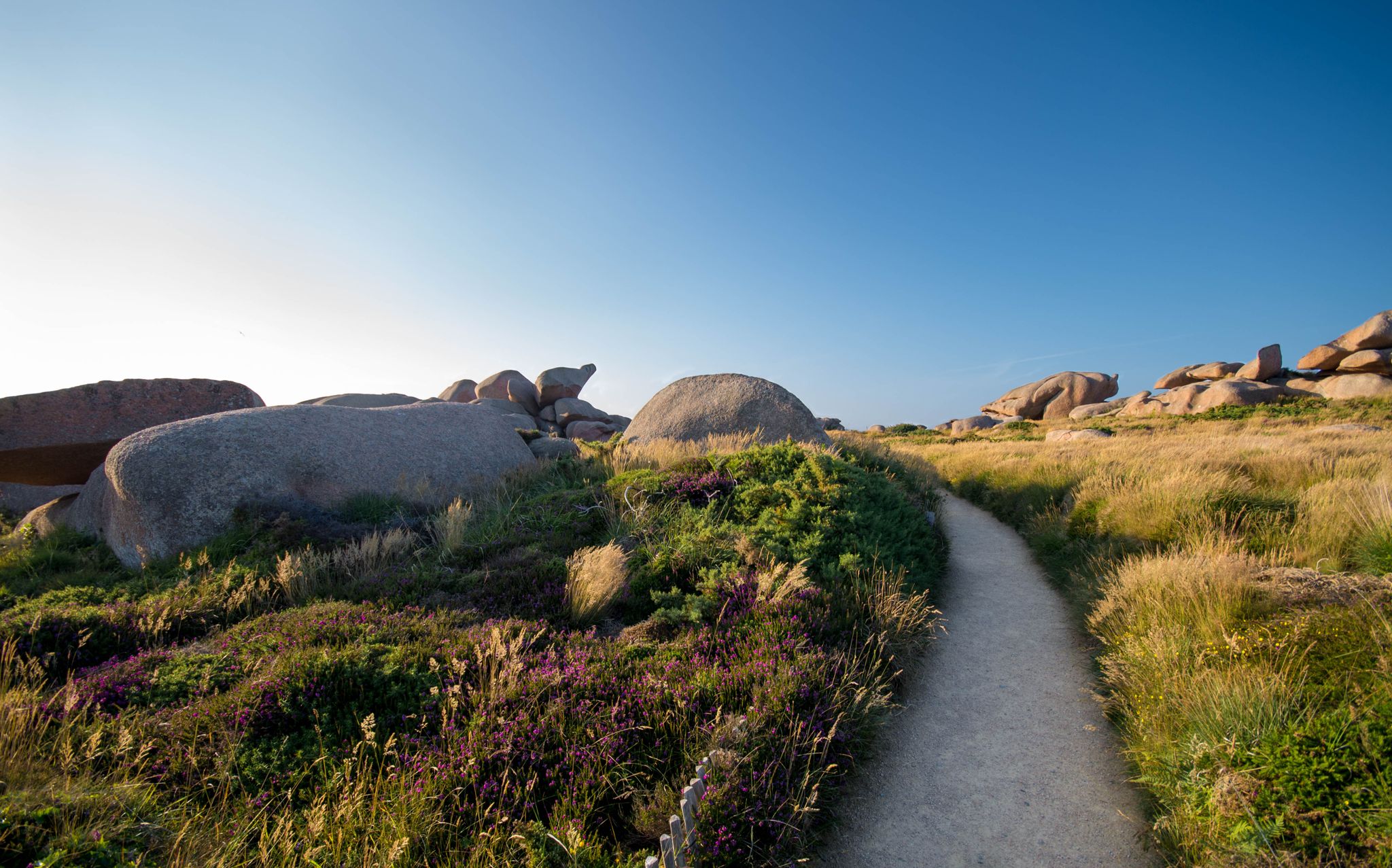
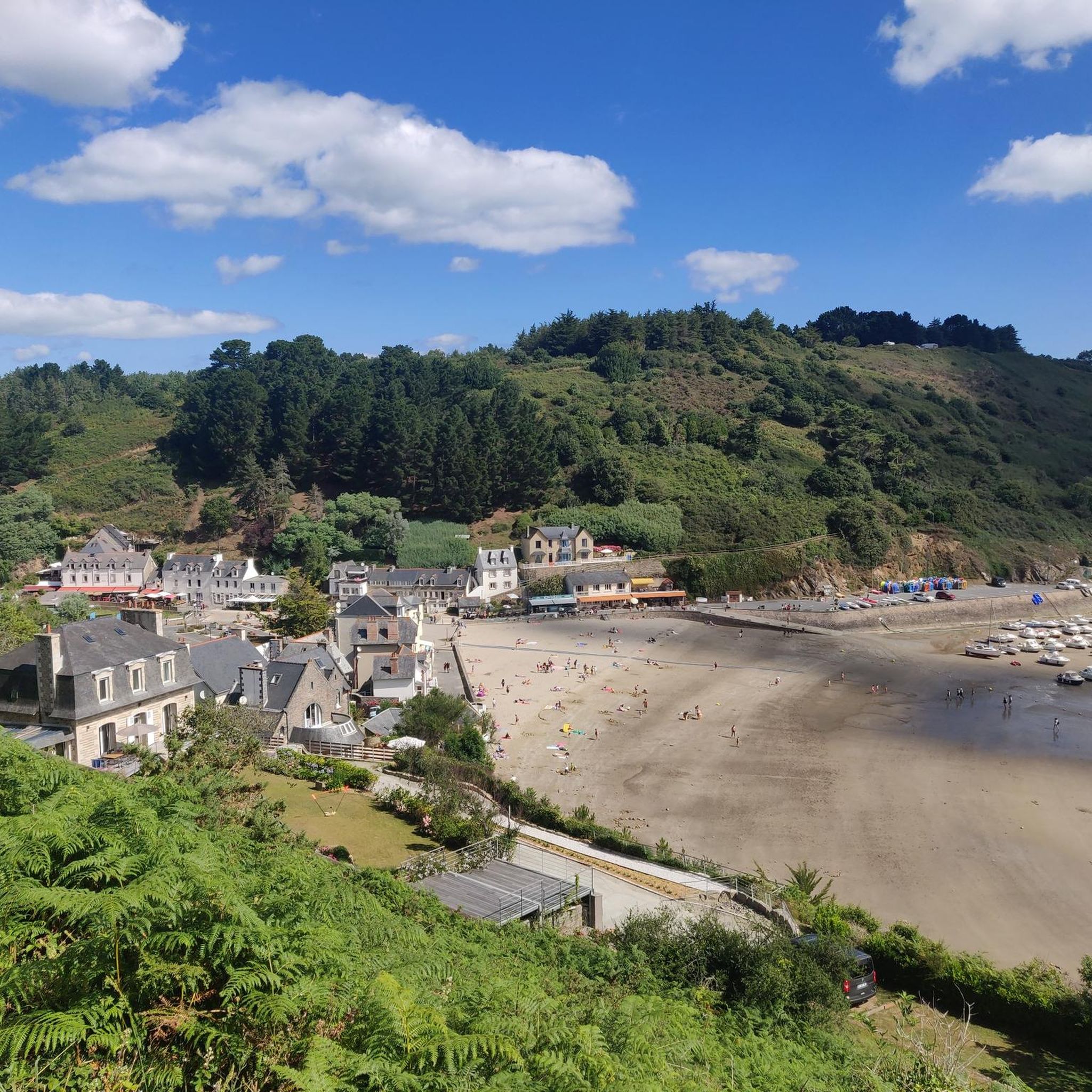
The Pointe de Plouha is a beautiful spot in Brittany and is known for its highest cliffs in the region, at 104 meters high. This 14-kilometer stretch of rocky coastline offers breathtaking views, hidden coves, bird nesting sites, an old harbor and a chapel with eerie frescoes. This location also offers historical significance, with the remains of bunkers built to protect a small anchorage, and a picturesque beach called Gwin Zegal, where tree trunks emerge from the water.
2
0

A very beautiful monastery ruin. All descriptions of the individual sights are multilingual, so you can get by very well even without sufficient knowledge of French.
1
0

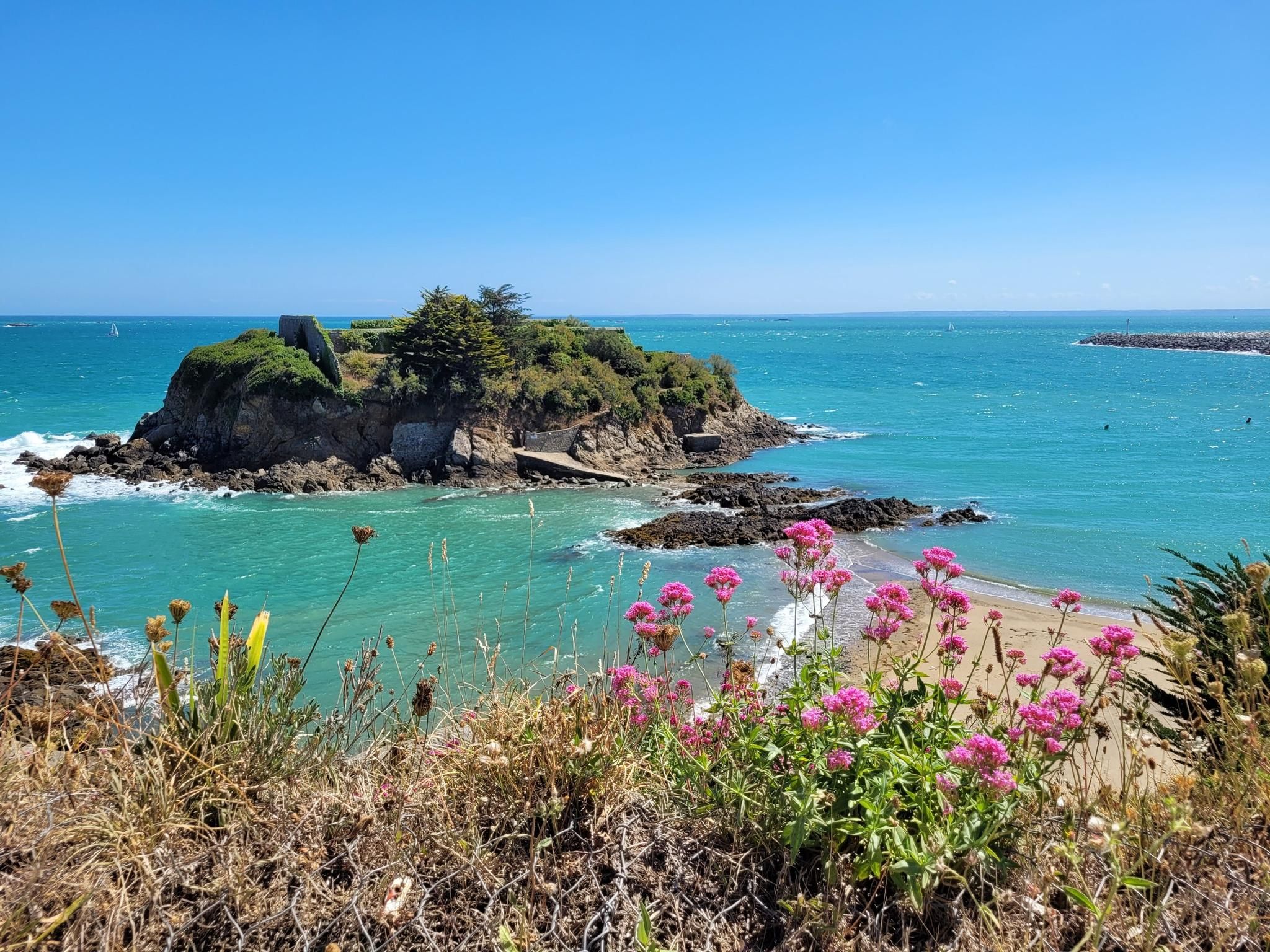
Name linked to the name of the village Minard, located near this point. There was a pyramid here, destroyed by the Germans, it was used as a bittern for sailors, there was also talk of gold in this place in connection with maritime smuggling. Culminating at 70 m above the sea, equipped with a battery of cannons, of which only a few ruins remain.
0
0
In the bay of Paimpol, Beauport Abbey is a remarkable monastic complex, a major witness to religious architecture in Brittany. It is also an exemplary place of conservation, where the interests of the monument combine with those of an exceptional natural site. At the dawn of the 13th century, Count Alain de Goëlo founded the Beauport Abbey and installed canons of the Premonstratensian order there. For 500 years, the religious community shaped the place and implemented important developments, while respecting their monastic rules and the needs of their community life. Closed during the French Revolution, then sold as national property, the abbey buildings were in turn transformed into a stable, town hall, bourgeois apartments, school and cider house.
0
0

A very beautiful monastery complex that is worth a visit, as the starting point of the Way of St. James is located right next to the Abbaye de Beauport.
4
0
Frequently Asked Questions
What are the most impressive natural features to see around Plouha?
The region is renowned for the dramatic Falaises de Plouha, which are the highest cliffs in Brittany. Key viewpoints include Pointe de Plouha, offering expansive views over the Bay of Saint-Brieuc, and Pointe de Minard, which culminates at 70 meters above the sea. Another notable spot is Bec de Vir Point, providing breathtaking coastal views.
Are there any unique historical natural monuments in the Plouha area?
Yes, Rocher du Coucou is a rocky promontory with historical significance, as it was a place where women greeted men departing for or returning from fishing expeditions. Additionally, Gwin Zegal is a unique and picturesque beach known for its ancient form of anchorage, where tree trunks jut out of the water for tethering boats, dating back to the 5th century.
What kind of wildlife can be observed near the natural monuments in Plouha?
The Falaises de Plouha are significant bird nesting grounds. You can observe various seabirds, such as gulls, cormorants, and oystercatchers, particularly around the tiny Ile de la Mauve. The coastal heathlands also support diverse flora and fauna.
What are the best hiking opportunities around Plouha's natural monuments?
The GR34, an old customs officers' path, runs along the Falaises de Plouha, offering a scenic coastal walk with exceptional views. This trail allows you to appreciate the wild beauty and varied scenery, including areas of heathland and hidden coves. For specific running routes, you can explore options like the 'Plouha Cliffs Trail' or the 'Plouha Point loop from Plouha' found in the Running Trails around Plouha guide.
Are the trails around Plouha's natural monuments suitable for families?
Many sections of the coastal paths offer accessible walks with stunning views, suitable for families. While some parts of the GR34 can be challenging due to elevation changes, there are often easier, shorter loops and viewpoints that are family-friendly. Beauport Abbey, though a man-made monument, is also listed as family-friendly and offers a beautiful natural setting.
Can I bring my dog to the natural monuments and trails in Plouha?
Generally, dogs are welcome on many of the coastal trails and natural areas in Plouha, provided they are kept on a leash, especially in areas with wildlife or near cliffs. It's always advisable to check local signage for any specific restrictions in certain protected areas or during nesting seasons.
What is the best time of year to visit the natural monuments in Plouha?
The spring and autumn months are often ideal for visiting Plouha's natural monuments. The weather is generally mild, and the trails are less crowded than in peak summer. Spring brings blooming wildflowers, while autumn offers beautiful coastal light. Summer can also be pleasant, but expect more visitors.
How long should I plan for a visit to the natural monuments in Plouha?
To fully appreciate the main natural monuments like the Falaises de Plouha and its viewpoints, you could easily spend a full day hiking along the GR34. If you plan to visit specific spots like Gwin Zegal or Plage Bonaparte, allow a few hours for each. Shorter visits to individual viewpoints can be done in an hour or two.
Are there accessible natural monuments or viewpoints in Plouha?
While the rugged coastal terrain means some trails have steps or uneven surfaces, many viewpoints, such as parts of Pointe de Plouha, offer relatively easy access from parking areas, providing stunning views without extensive hiking. It's best to check specific trail conditions if you have mobility concerns.
What other outdoor activities can I do near the natural monuments in Plouha?
Beyond hiking, the Plouha area offers various outdoor activities. You can find road cycling routes, such as the 'View of Pointe de Minard – Beauport Abbey loop from Plouha' in the Road Cycling Routes around Plouha guide. Mountain biking is also popular, with trails like the 'Plouha Point – Bonaparte Beach loop from Plouha' available in the MTB Trails around Plouha guide. The coastline also provides opportunities for birdwatching and photography.
What do visitors enjoy the most about Plouha's natural monuments?
Visitors frequently highlight the splendid, expansive views overlooking the Channel from the highest cliffs in Brittany. The dramatic topography, including hidden coves and unique geological formations, is also highly appreciated. The area's wild beauty and the opportunity for scenic coastal walks along the GR34 are often mentioned as key attractions.
Are there any historical sites related to World War II near Plouha's natural monuments?
Yes, Plage Bonaparte (also known as Anse Cochat) is a natural cove with significant historical importance. During World War II, it served as a crucial site for Resistance activities, facilitating the secret evacuation of Allied airmen and agents to the UK in 1944. The surrounding high cliffs contributed to its secluded and dramatic atmosphere during these operations.
Most popular attractions around Plouha

Get inspired with the komoot mobile app


Explore more
Extend your search for the best caves by checking out these guides of the top ones around Plouha:
