The best walks and hikes around Plouha
4.5
(638)
4,007
hikers
86
hikes
Hiking around Plouha offers access to Brittany's highest coastal cliffs, which reach 104 meters at Pointe de Plouha and extend for 14 kilometers. The region features a dramatic coastline with diverse beaches and coves, including the unique Gwin Zegal anchorage. Inland, 290 km of marked countryside trails wind through villages and rural landscapes.
Best hiking trails around Plouha
- The most popular hiking route is Cliffs of Plouha Loop, a 10.6 miles (17.1 km) trail that takes 4 hours 41 minutes to complete. This moderate route offers extensive views along the high cliffs.
- Another top favourite among local hikers is Pointe de Plouha – Pointe de Plouha loop from Parking Gwin Zégal, an easy 3.4 miles (5.4 km) path. This trail explores the area around the iconic Gwin Zegal and offers coastal vistas.
- Local hikers also love the Arrival at the car park and an awesome view – Plouha Point loop from Tréveneuc, a 3.0 miles (4.9 km) trail leading through coastal scenery, often completed in about 1 hour 22 minutes.
- Hiking around Plouha is defined by its towering coastal cliffs, the historic GR 34 coastal path, and peaceful countryside trails. The network offers options for various ability levels, from easy loops to more challenging moderate routes.
- The routes in Plouha are highly rated by the komoot community with an average score of 4.6 stars from over 590 reviews. More than 3800 hikers have used komoot to explore Plouha's varied terrain.
Last updated: October 10, 2026
4.8
(50)
265
hikers
17.1km
04:41
270m
270m
Hike the Cliffs of Plouha loop, a moderate 10.6-mile (17.1 km) trail with stunning coastal views and historical sites.
4.5
(36)
228
hikers
13.7km
03:40
150m
150m
Moderate hike. Good fitness required. Easily-accessible paths. Suitable for all skill levels.

4.9
(14)
138
hikers
25.8km
07:13
510m
510m
Hard hike. Very good fitness required. Easily-accessible paths. Suitable for all skill levels.
4.6
(25)
151
hikers
14.0km
03:58
310m
310m
Moderate hike. Good fitness required. Easily-accessible paths. Suitable for all skill levels.
4.6
(25)
134
hikers
10.6km
03:02
250m
250m
Moderate hike. Good fitness required. Easily-accessible paths. Suitable for all skill levels.
Get access to more routes and recommendations from other explorers.
Already have an account?
Our route recommendations are based on thousands of hikes, rides, and runs completed by other people on komoot.
Start today with a free account
Your next adventure awaits.
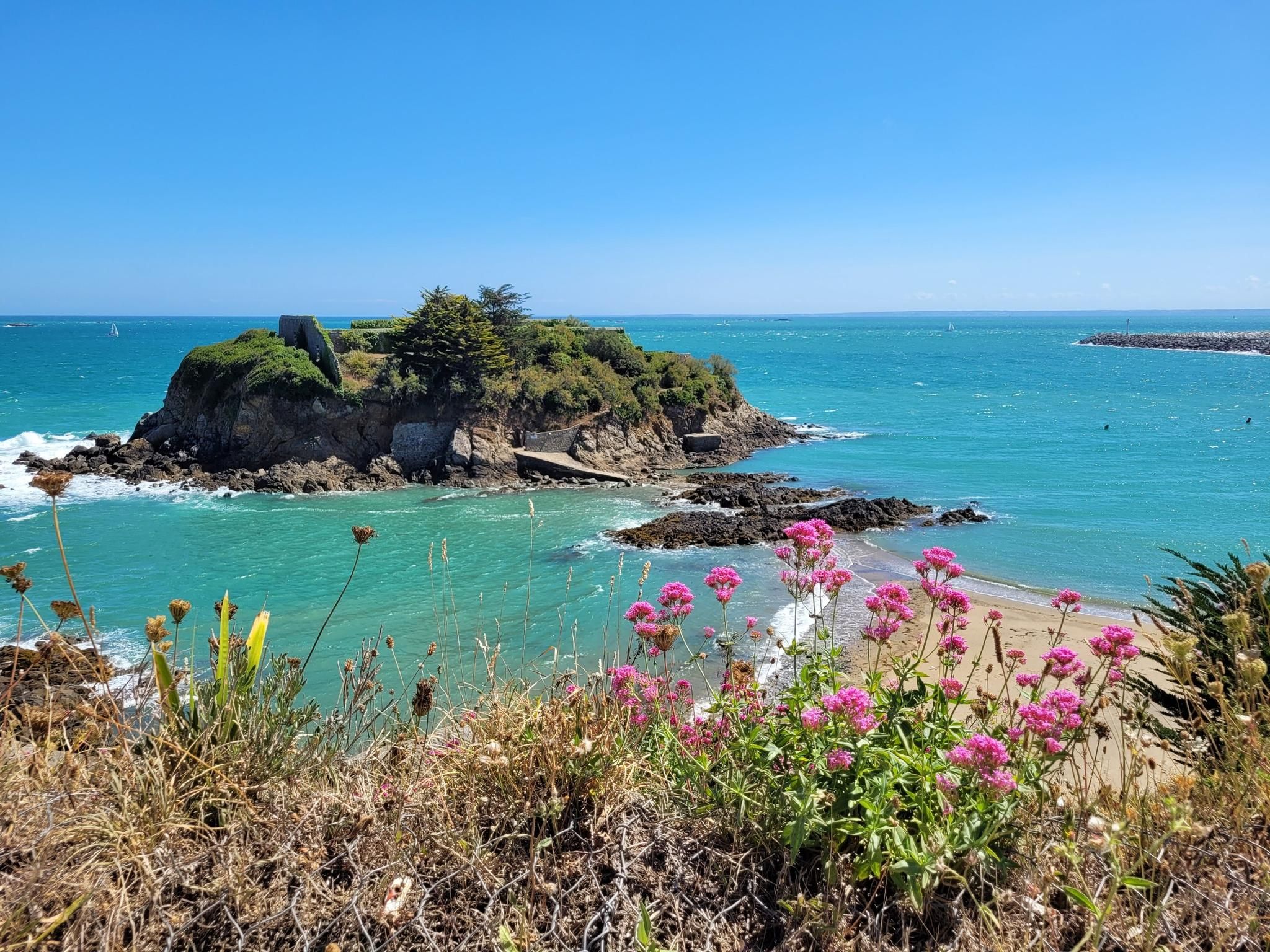
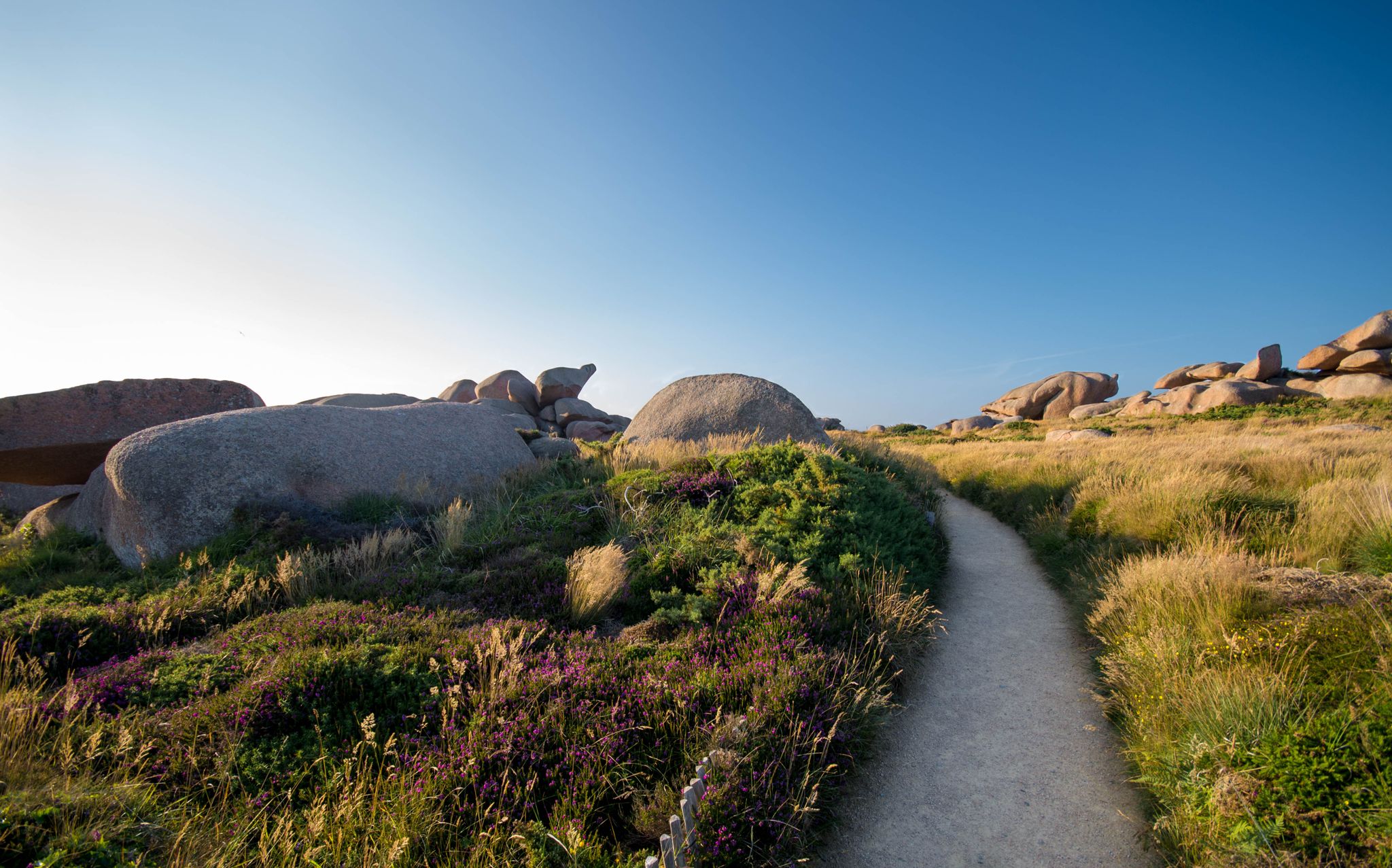
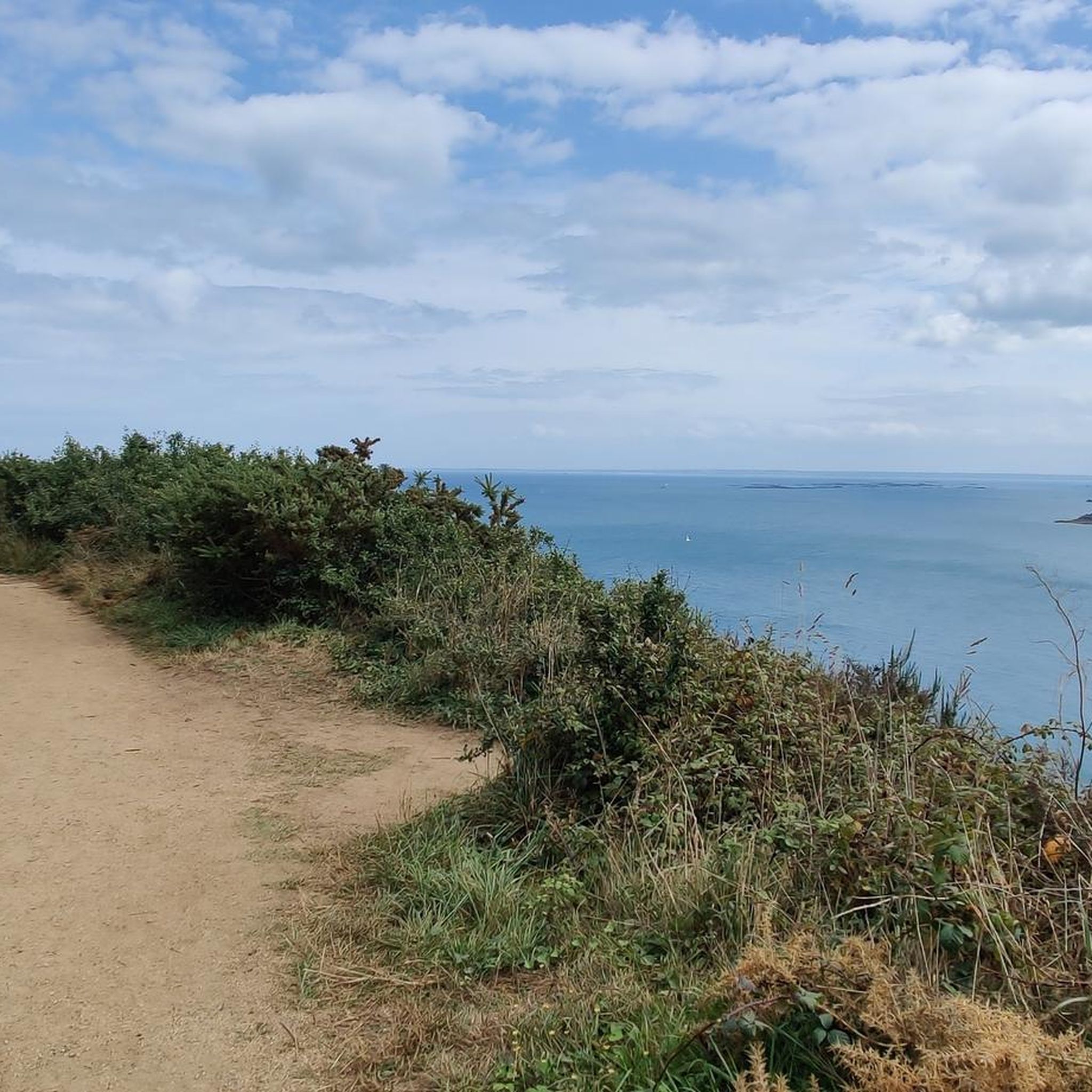
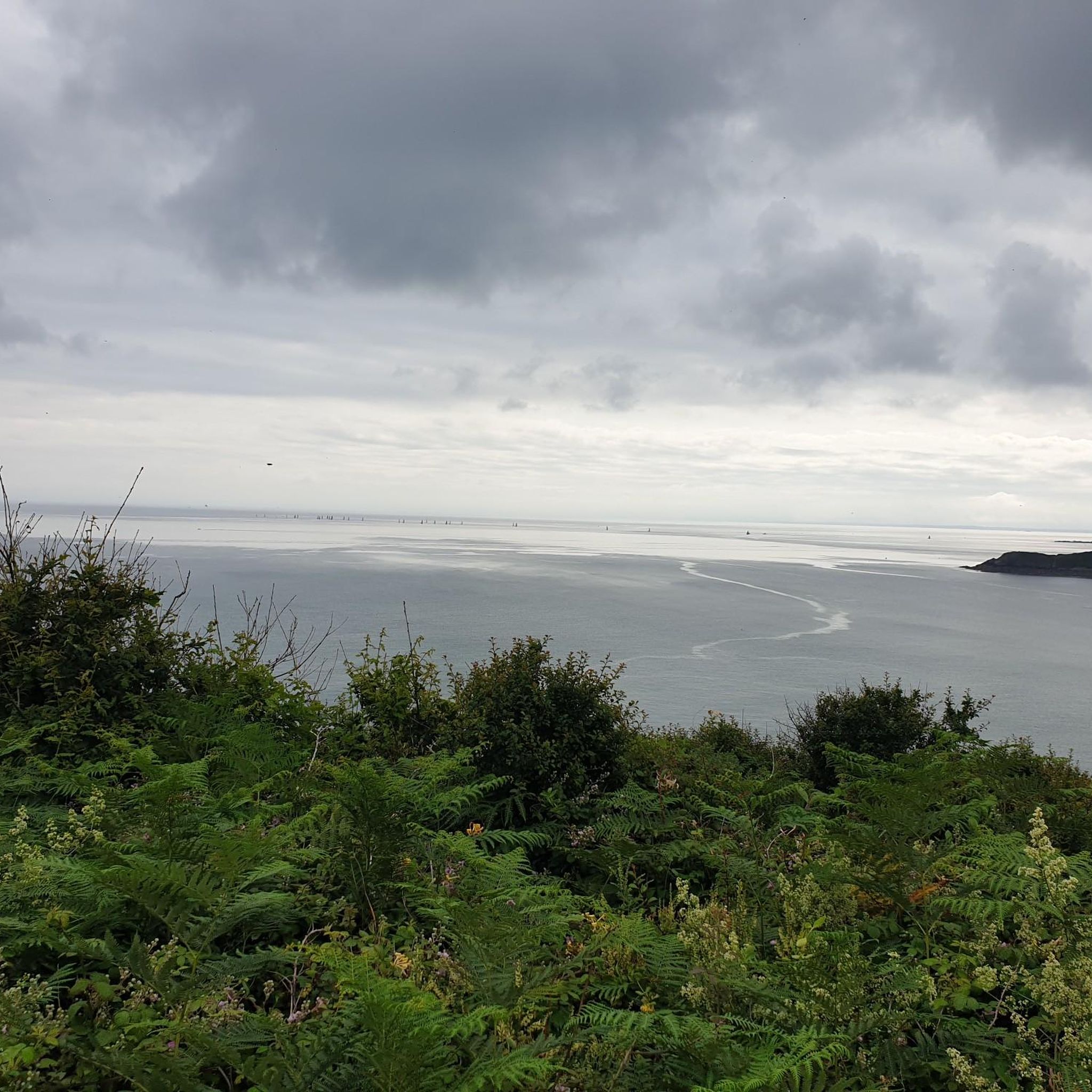
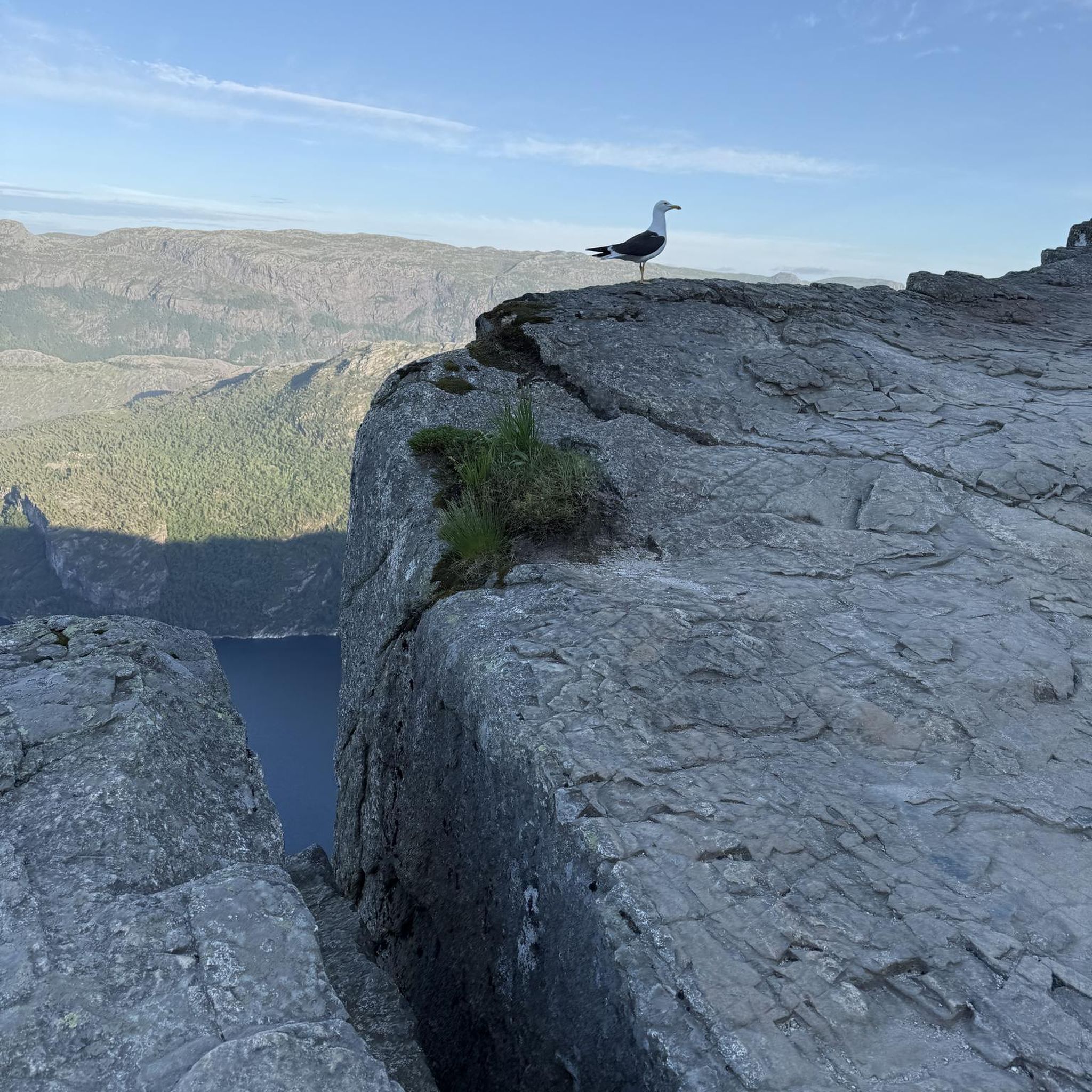


Tips from the Community

Very beautiful beach with restaurant. Chez Paulette top
0
0

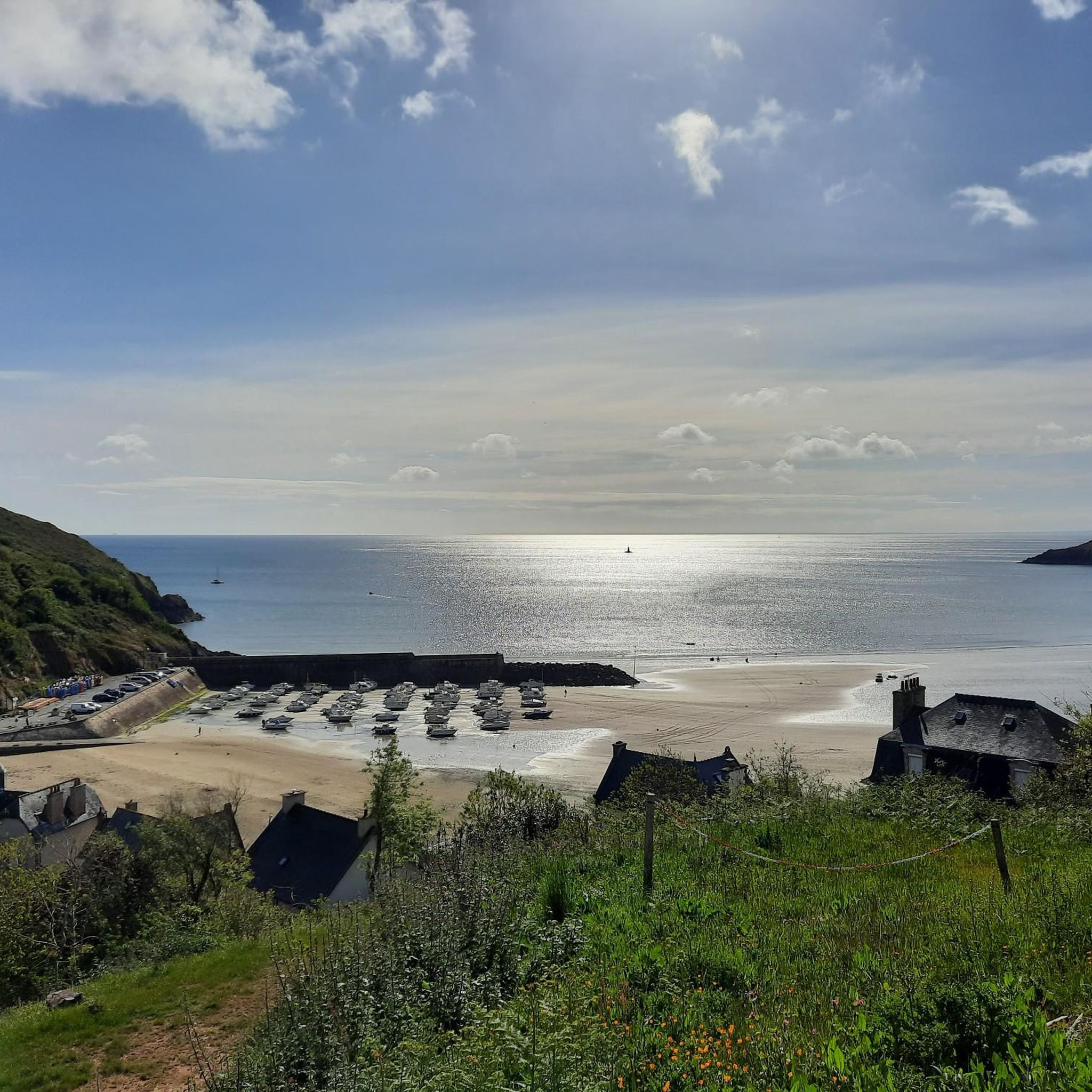
Unusual, why? The reason is the very strong tidal range on the Breton north coast. At low tide, the water recedes so far that the small harbor is partially or almost completely dry. Then you can see the seabed, rocks, and the harbor facilities without water. Only at high tide does the basin fill up again. In addition, Port Moguer is not a classic commercial port, but a very small coastal and fishing harbor that has been built into a narrow rock crevice.
0
0
In this case, you'd first drive there, then return via the GR34, which offers great views, and then cycle back to the car. This is at least convenient for the climb from the parking lot.
0
0

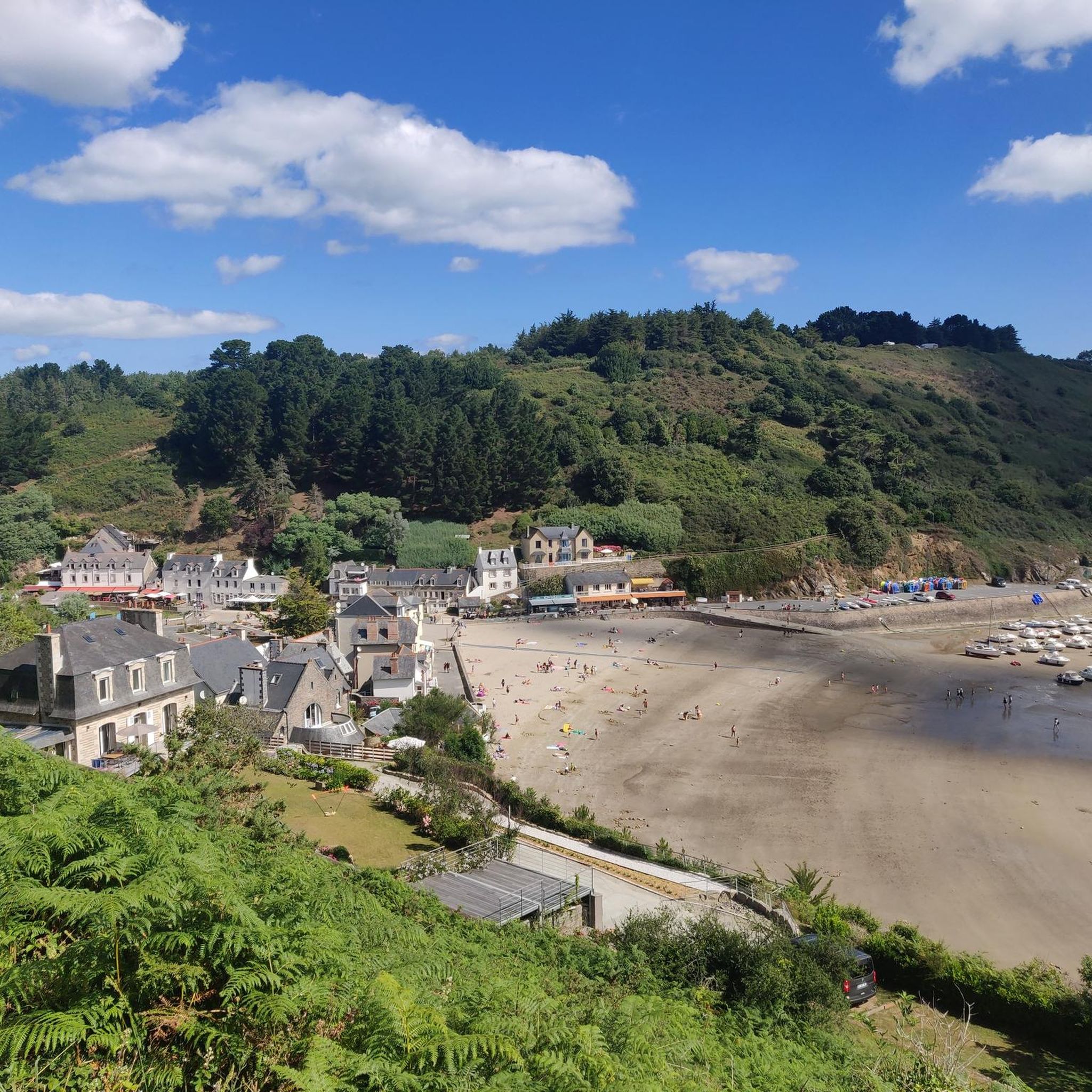
A pretty sea view path above Bréhec beach.
0
0

The view of the coast from the tip of Bec de Vir is breathtaking! The access path runs alongside cultivated plots before overlooking the birth of the high cliffs of Plouha and the large beach of Palus to the north. Further south, the rocks of the St-Quay islands and the rocky plateau of Rohein are easily visible at low tide. You can also see the semaphore of Saint-Quay-Portrieux. This sentinel has been watching over maritime traffic in the bay since 1860. Photo credit: Emmanuel Berthier
0
0
"Gored" comes from a Breton word meaning fishery with a dam. The right to goretterie was granted to the lords of Goelo by the monks of the abbey of Beauport in port Goret (a method of catching fish stuck at low tide). The remains of the dam are still visible. Photo credit: Emmanuel Berthier
0
0
A raised dike, dating from the end of the 19th century, was built between the isolated rock of Châtelet and the rocky coast, in order to protect the cove from the winds and the westerly swell. A local road served the port in 1882 for the transport of marine amendments. The port housed about fifteen small sand and fishing boats at the end of the 19th century and only 5 canoes. Photo credit: Emmanuel Berthier
0
0
Frequently Asked Questions
What types of hiking trails can I expect to find in Plouha?
Plouha offers a diverse range of hiking experiences. You'll find dramatic coastal paths, including sections of the famous GR 34, which wind along Brittany's highest cliffs. Additionally, there are extensive inland trails through peaceful countryside, characterized by sunken lanes and charming villages.
How many hiking routes are available in Plouha?
There are over 80 hiking routes documented in Plouha, catering to various preferences and skill levels. This includes 52 easy routes, 32 moderate routes, and a few more challenging options.
Are there any easy, family-friendly hikes in Plouha?
Yes, Plouha has many easy trails suitable for families. An excellent option is the Pointe de Plouha – Pointe de Plouha loop from Parking Gwin Zégal, which is an easy 3.4-mile (5.4 km) path exploring the iconic Gwin Zegal and offering coastal vistas. Another easy choice is the Arrival at the car park and an awesome view – Plouha Point loop from Tréveneuc, a 3.0-mile (4.9 km) trail through coastal scenery.
What are the most notable natural features or viewpoints along Plouha's trails?
Plouha is renowned for its dramatic coastline. The most prominent feature is the Pointe de Plouha, which boasts Brittany's highest cliffs, soaring to 104 meters and offering breathtaking panoramic views. Other significant viewpoints include Rocher du Coucou and Bec de Vir Point. You'll also encounter unique sites like Gwin Zegal, an ancestral boat anchorage with tree trunks jutting from the water.
Are there any historical landmarks or attractions to see while hiking in Plouha?
Absolutely. Along the coastal paths, you can visit Bonaparte Beach, a site of significant historical importance during WWII for the French Resistance. You might also find remains of gun bunkers at Beg Hastel. Inland, the 13th-century Chapel of Kermaria-an-Iskuit is famous for its rare 'Danse Macabre' mural. The nearby fishing port of Paimpol and the 13th-century Beauport Abbey are also accessible and worth exploring.
Can I find circular hiking routes in Plouha?
Yes, many of Plouha's trails are designed as circular routes, allowing you to start and end at the same point. For instance, the popular Cliffs of Plouha Loop is a moderate 10.6-mile (17.1 km) trail offering extensive cliff views. The Pointe de Plouha – Pointe de Plouha loop from Parking Gwin Zégal is another excellent circular option.
What is the best time of year to go hiking in Plouha?
Plouha is beautiful year-round, but spring and early autumn often provide the most pleasant hiking conditions with mild temperatures and fewer crowds. The coastal paths can be particularly stunning in spring when wildflowers bloom, and in autumn with vibrant foliage. Summer is also popular, but trails can be busier.
Are dogs allowed on the hiking trails in Plouha?
Generally, dogs are welcome on many of Plouha's hiking trails, especially the coastal paths and countryside routes. However, it's always advisable to keep them on a leash, particularly near cliffs, livestock, or in areas with nesting seabirds. Check local signage for any specific restrictions in certain areas or nature reserves.
Where can I park when hiking in Plouha?
Parking is typically available at key trailheads and popular starting points, especially near major attractions like Pointe de Plouha and Gwin Zegal. Many coastal access points and village centers also offer parking facilities. It's recommended to check specific route details for designated parking areas.
What do other hikers say about the trails in Plouha?
The hiking trails in Plouha are highly regarded by the komoot community, with an average rating of 4.6 stars from over 590 reviews. Hikers frequently praise the dramatic coastal scenery, the well-maintained paths, and the diverse landscapes that combine towering cliffs with peaceful countryside.
Are there any longer, more challenging hikes in the Plouha area?
Yes, for those seeking a longer and more challenging experience, the GR 34 coastal path offers extensive stretches with varying terrain. The Cliffs of Plouha Loop is a moderate 10.6-mile (17.1 km) route that provides a good challenge with significant elevation changes along the cliffs. Another moderate option is the Bonaparte Beach – Bréhec loop from Porzh Moguer, covering 14.1 miles (22.7 km).
Can I access Plouha's hiking trails using public transport?
While Plouha is primarily accessed by car, some local bus services connect the commune with larger towns in the Côtes-d'Armor region. It's best to check the local transport schedules for specific routes and stops that might align with trailheads, as direct access to all hiking starting points via public transport can be limited.
Most popular attractions around Plouha

Get inspired with the komoot mobile app


Explore more
Browse the best Hikes in other regions.
