Top 4 Natural Monuments around Saulon-La-Rue
Best natural monuments around Saulon-La-Rue are situated in the tranquil Saône plain, within the Côte-d'Or department of Burgundy-Franche-Comté, France. This region provides access to several natural sites, including 4 designated natural monuments. The area features diverse landscapes, from parklands to geological formations and river environments, offering opportunities for outdoor exploration.
Best natural monuments around Saulon-La-Rue
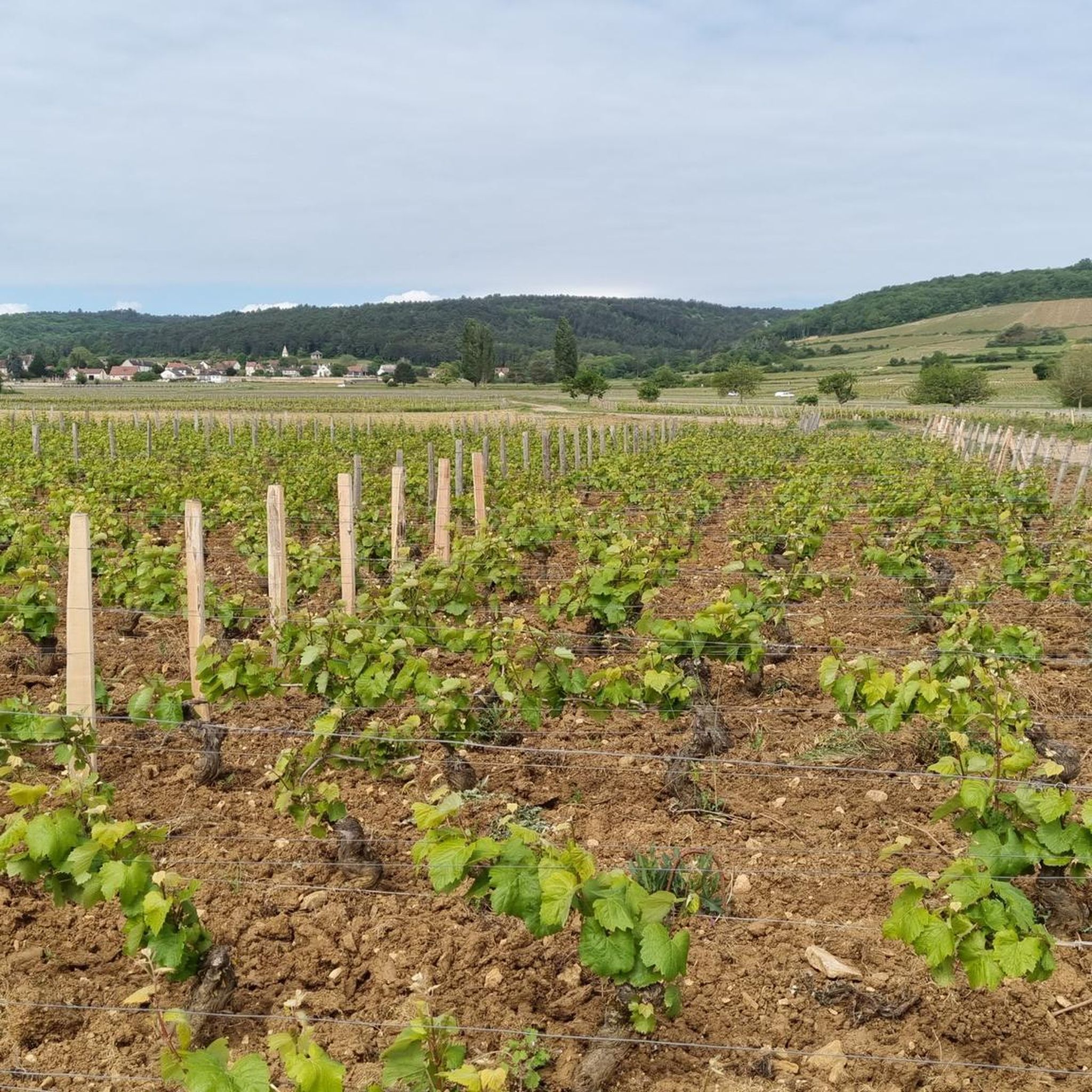
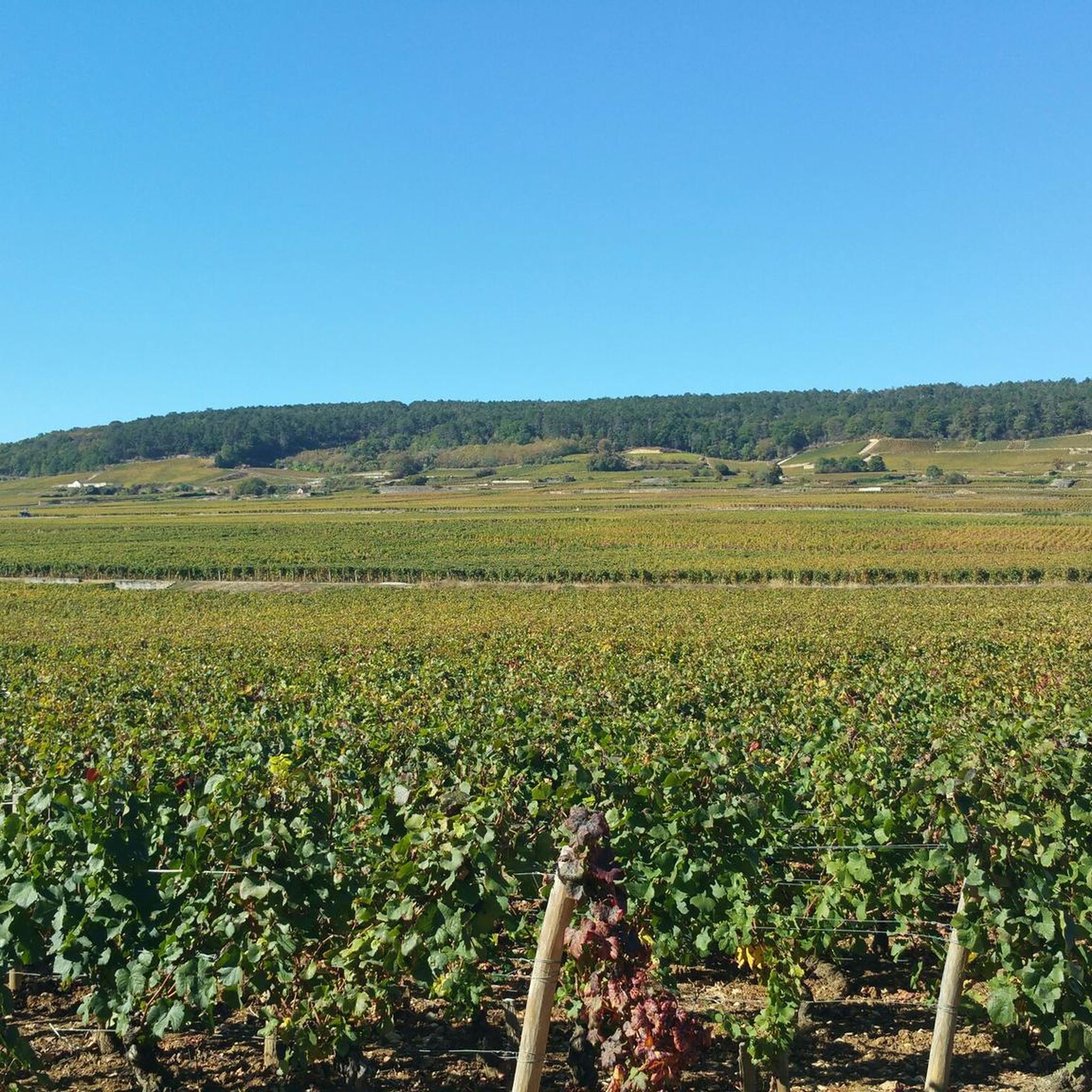
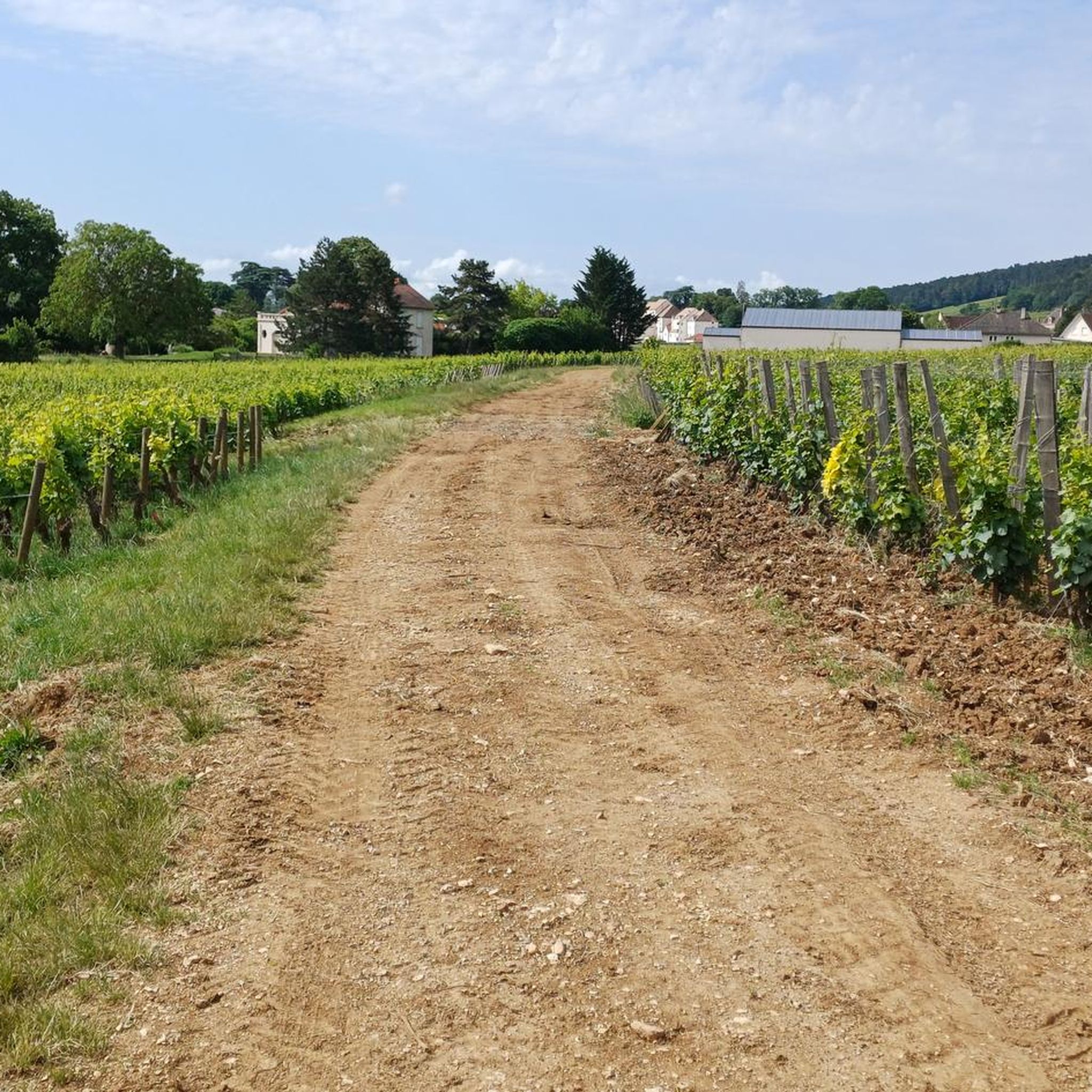
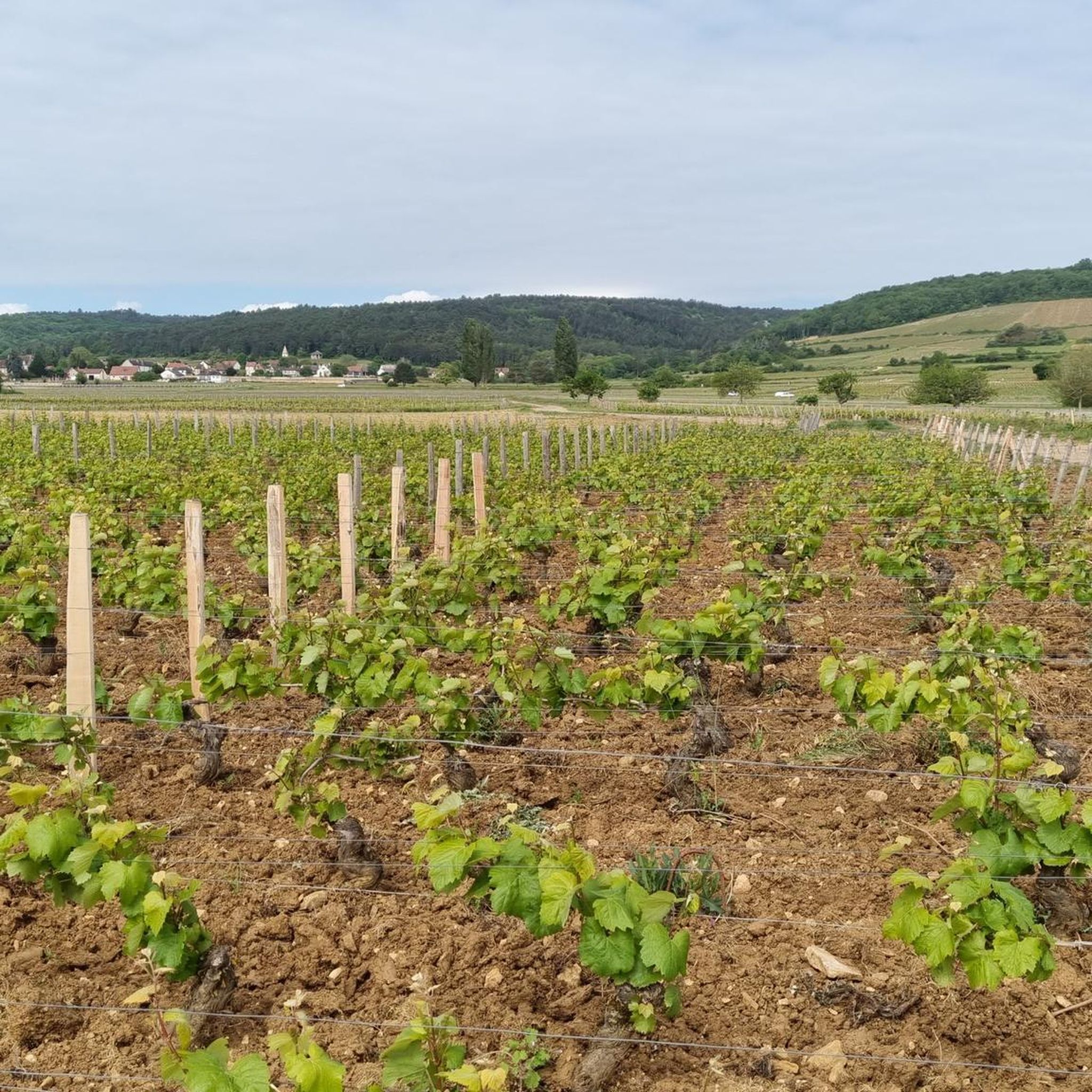
- The most popular natural monuments is Morey-Saint Denis, a settlement known for its vineyards. This typical village of the Côte de Nuits is part of the "Climats de Bourgogne."
- Another must-see spot is Combe Lavaux, a gorge and nature reserve. This site is known for its remarkable ecosystem and is considered one of the best known in the Côte de Nuits.
- Visitors also love Climb of the Combe Lavaux, a climb and natural monument. The ascent offers magnificent landscapes and passes under a rocky outcrop, making it a protected site with abundant vegetation.
- Saulon-La-Rue is known for its gorges, settlements, and viewpoints. The area offers a variety of natural monuments to see and explore, including protected nature reserves and scenic routes.
- The natural monuments around Saulon-La-Rue are appreciated by the komoot community. These locations have received more than 170 upvotes and feature over 120 photos from visitors.
Last updated: July 3, 2026
Darcy Garden
Highlight • Natural Monument
Translated by Google •
Tip by

Climb of the Combe Lavaux
Highlight • Climb
Translated by Google •
Tip by

Sign up now to discover places like this
Get recommendations on the best single tracks, peaks, & plenty of other exciting outdoor places.
Sign up for free
Morey-Saint Denis
Highlight • Settlement
Tip by
Darcy Garden Fountain
Highlight • Monument
Translated by Google •
Tip by

Combe Lavaux
Highlight • Gorge
The descents here can by some paths be almost vertical.
Translated by Google •
Tip by
Start today with a free account
Your next adventure awaits.
Login or Signup
Tips from the Community

Very nicely laid out and definitely the highlight of the park.
4
0
Located north of the old town, this lovely little park offers several shady spots in the summer. Definitely worth a visit.
3
0

A beautiful grand hotel that could easily be located in Nice.
5
0
A wonderful little park that is very reminiscent of Paris.
8
1
This small park exudes French charm and is reminiscent of Paris.
9
1

With its balustrade terraces punctuated by two majestic staircases framing the water surface, the Jardin Darcy has an Italian feel. This area, which is very popular with Dijon residents and the many tourists passing through, borders the Hôtel de la Cloche and Place Darcy and is just a few minutes' walk from the train station. At the entrance, you will find yourself face to face with the "Pompon Bear", as Dijon residents call it. It is a copy of the white bear, the famous work of the Burgundian sculptor François Pompon (the original is in the Musée d'Orsay), made by the artist Henry Martinet in 1937 as a tribute to Pompon. Good to know: Under the hill of the garden lies the Darcy reservoir. Narrow staircases lead to a circular vaulted cellar lined with arcades. The reservoir, a majestic cylinder with a diameter of 28 m and a capacity of 2,300 m3, owes its name to Henry Darcy, a Dijon engineer in the 19th century. His plan at the time was to build a 12 km long underground aqueduct from the Val Suzon to Dijon. In 1840, after a three-hour journey, 7,000 litres of water arrived at the Darcy reservoir every minute, making Dijon the second best supplied city in Europe with drinking water after Rome. Today, the reservoir stores water intended for watering the lawns of the tramway. A symbol of the virtuous environmental policy pursued by the city and Dijon Métropole. (https://www.dijon.fr/)
3
0

Very nice climb, however, with vehicles traveling quite quickly. As TomCler says very well, the climb to Chambolle is less busy, with brand new asphalt dating from the 2024 Tour de France
0
0

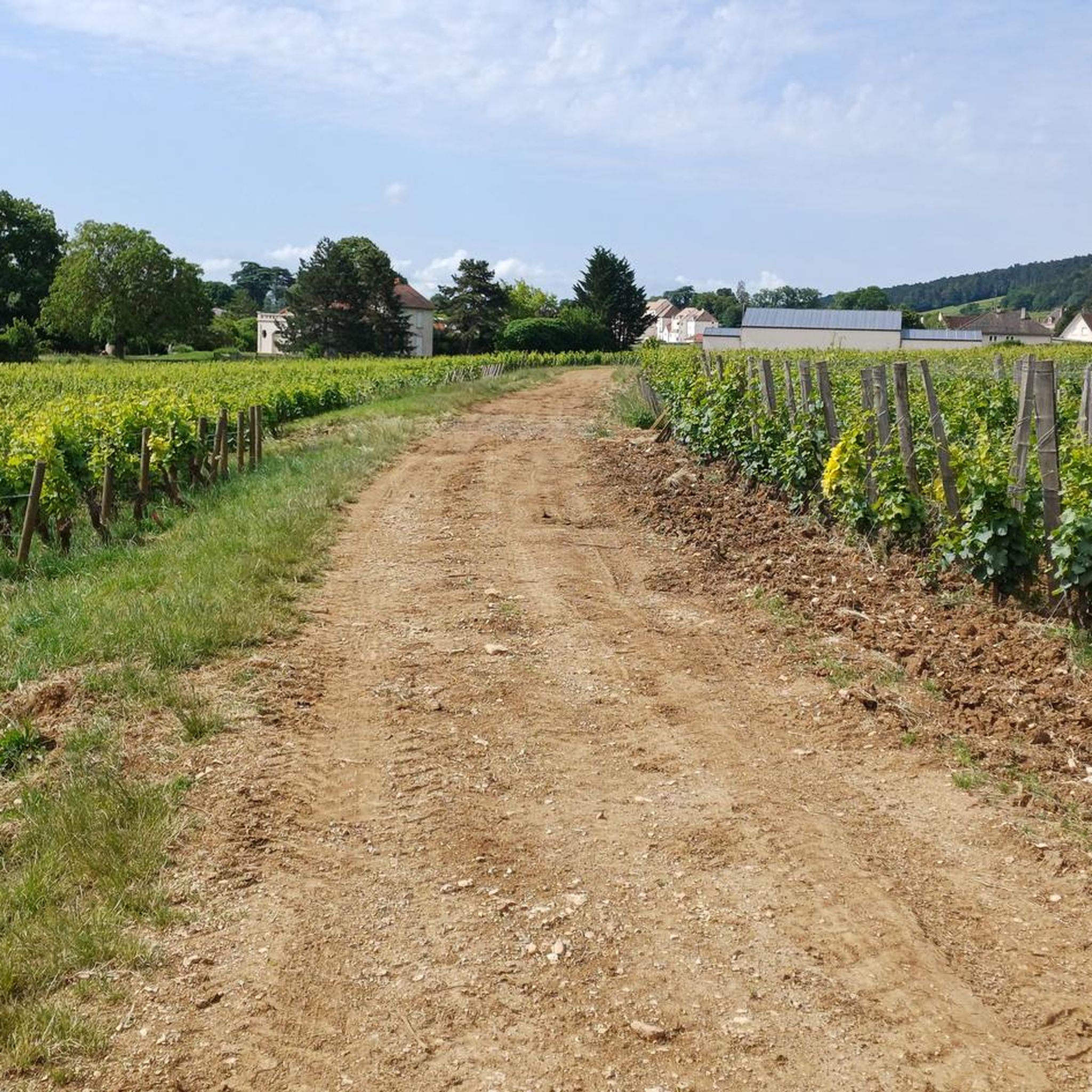
Very nice place for a break at the war memorial in Morey Saint-Denis. There are two benches and a wonderful view over the vineyards of the Grand Crus.
0
0
Frequently Asked Questions
What unique geological features can I explore near Saulon-La-Rue?
The region offers impressive geological formations such as the Cirque du Bout du Monde, an hour's drive away, known for its dramatic cliffs and lush greenery. Closer by, Combe Lavaux is a significant gorge and nature reserve, recognized for its remarkable ecosystem and striking landscape.
Are there opportunities for educational nature walks around Saulon-La-Rue?
Yes, you can participate in organized half-day walks focusing on the Dijon Sud and Cent Fonts aquifers. These guided tours offer insights into local water tables, rivers, and biodiversity, often starting from nearby villages like Saulon-la-Chapelle or Noiron-sous-Gevrey. More information can be found on the Burgundy Tourism website.
What outdoor activities are available along the Saône River near Saulon-La-Rue?
The Rives de Saône, located within an hour's drive, provide a preserved natural environment perfect for various activities. You can enjoy canoeing, cycling along the Blueway or EuroVélo6 itineraries, and boat cruises. It's an excellent area for reconnecting with nature and observing wildlife.
Where can I find family-friendly natural sites or walks near Saulon-La-Rue?
For a family-friendly outing, Darcy Garden in Dijon is a public garden with a famous sculpture and a peaceful atmosphere. The village of Morey-Saint Denis, known for its vineyards, is also considered family-friendly and offers a pleasant setting for a stroll. Additionally, the parkland of the Château de Saulon in Saulon-La-Rue provides opportunities for gentle forest walks.
What kind of cycling experiences can I have near the natural monuments?
The area around Saulon-La-Rue is popular with cyclists. The Climb of the Combe Lavaux is a well-regarded route with magnificent landscapes and a passage under a rocky outcrop. For more general cycling, you can explore routes like the 'Gevrey-Chambertin – Vineyards of Chambertin loop' or the 'Port of Saint-Jean-de-Losne – Saint-Jean-de-Losne Bridge loop'. Find more cycling routes in the Cycling around Saulon-La-Rue guide.
Are there hiking trails that offer scenic views in the region?
Yes, the Climb of the Combe Lavaux offers magnificent landscapes and passes under a rocky outcrop, making it a protected site with abundant vegetation. You can also find various hiking trails, such as 'The Hundred Steps – Combe Lavaux loop' or 'Gevrey-Chambertin – Forest Trail loop', which provide scenic experiences. Explore more options in the Hiking around Saulon-La-Rue guide.
What is the best time of year to visit the natural monuments around Saulon-La-Rue?
The natural monuments and outdoor areas around Saulon-La-Rue are generally best visited from spring through early autumn (April to October). During these months, the weather is typically pleasant for hiking, cycling, and exploring the natural beauty. Spring brings blooming flora, while autumn offers vibrant foliage in areas like Combe Lavaux and the vineyards of Morey-Saint Denis.
Can I spot wildlife in the natural areas near Saulon-La-Rue?
Yes, areas like Combe Lavaux, a nature reserve, are known for their rich ecosystems and abundant vegetation, which support diverse wildlife. The preserved environment of the Rives de Saône also offers excellent opportunities for wildlife observation, particularly birds and aquatic species. The parkland of the Château de Saulon can also be a good spot for local fauna.
Are there any historical or cultural sites integrated with the natural monuments?
Yes, Morey-Saint Denis is a settlement renowned for its vineyards, which are part of the 'Climats de Bourgogne' – a UNESCO World Heritage site. This blends natural beauty with significant cultural and historical viticultural practices. Additionally, Darcy Garden in Dijon, while a public park, has historical significance as Dijon's first public garden and features a triumphal arch nearby.
Where can I find refreshments or a place to rest near these natural sites?
In the village of Morey-Saint Denis, you'll find a Café-Boulangerie called Le Fournil de Morey, which is often open and offers good quality bread, sandwiches, and pastries. This provides a convenient spot for a break while exploring the vineyards.
What makes Combe Lavaux a significant natural monument?
Combe Lavaux is considered one of the best-known natural sites in the Côte de Nuits due to its status as a nature reserve and its remarkable ecosystem. It's a gorge with diverse flora and fauna, offering both challenging descents and scenic viewpoints, making it a significant area for biodiversity and natural beauty.
Most popular routes around Saulon-La-Rue
Most popular attractions around Saulon-La-Rue

Get inspired with the komoot mobile app


Explore more
Extend your search for the best caves by checking out these guides of the top ones around Saulon-La-Rue:
