Top 4 Natural Monuments around Saint-Jean-D'Alcapiès
Best natural monuments around Saint-Jean-D'Alcapiès are found within the Southern Aveyron, a region known for its diverse natural features. The village serves as a gateway to the Parc Naturel Régional des Grands Causses, a UNESCO World Heritage site. This area is characterized by its "avant-causses" landscapes, offering a varied natural environment. Visitors can explore unique geological formations and the biodiversity of the Causses.
Best natural monuments around Saint-Jean-D'Alcapiès
- The most popular natural monuments is Cirque de Tournemire, a gorge…
Last updated: October 18, 2026
The Rock Engraved with Two Crosses
Highlight • Natural Monument
Translated by Google •
Tip by

Rocher de Caylus
Highlight • Natural Monument
Translated by Google •
Tip by

Sign up now to discover places like this
Get recommendations on the best single tracks, peaks, & plenty of other exciting outdoor places.
Cirque de Tournemire
Highlight (Segment) • Gorge
Translated by Google •
Tip by
Grotte des Résistants
Highlight • Cave
Translated by Google •
Tip by
View over the Rougier de Camarès
Highlight (Segment) • Viewpoint
Translated by Google •
Tip by

Start today with a free account
Your next adventure awaits.


Tips from the Community

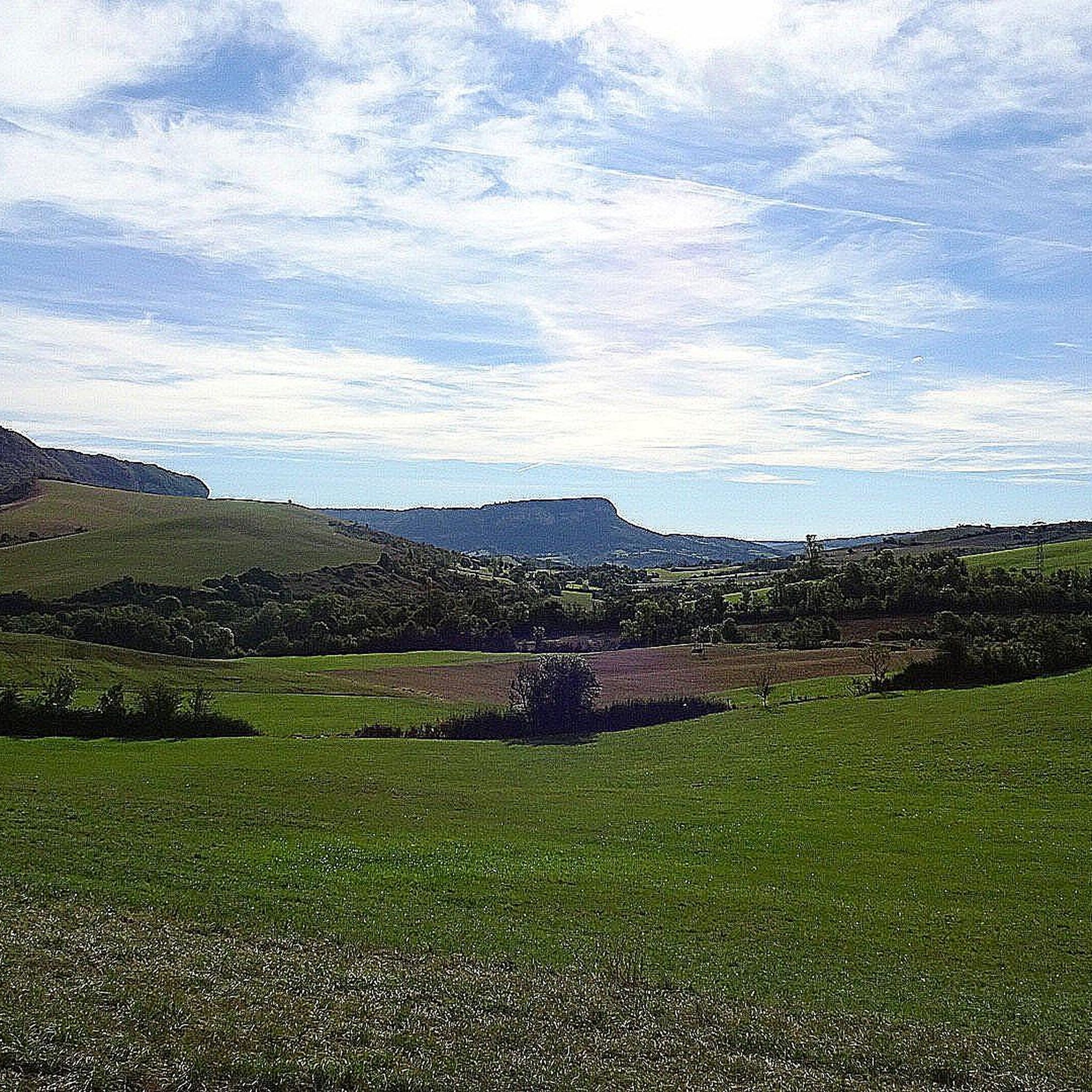
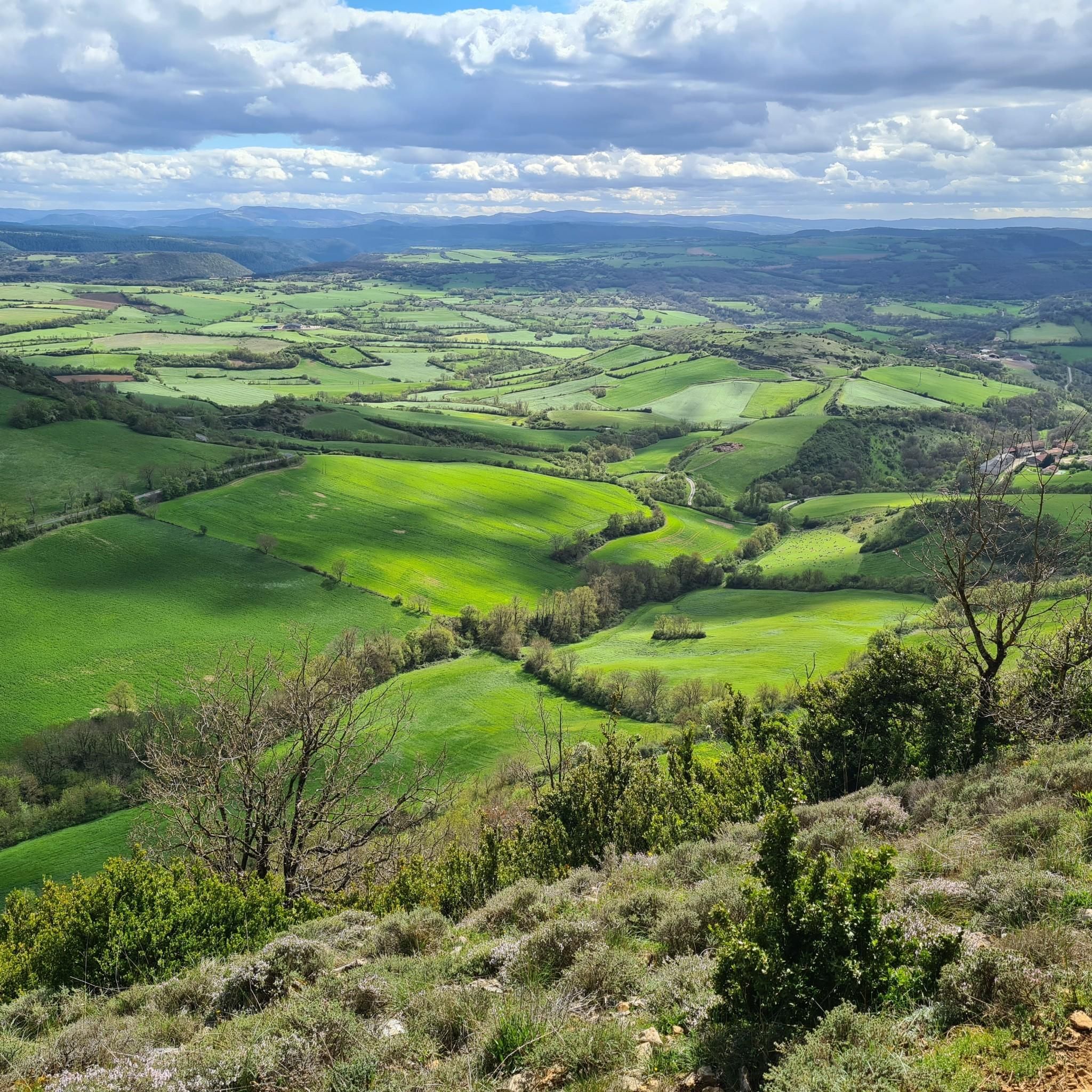
The whole of this blusher is a must, this segment allows you to gain a little height to enjoy the magnificent panorama. Above the Mas d'Arlet, rather than leaving the side of the relief (the path on the left is magnificent, stony, technical) and going down to follow the D101, you can stay on the side of the relief to go around the Château de Montaigut, the first traces of which date from the 10th century, very picturesque on its promontory.
0
0

Even if it is commonly called Menhir, it is very likely that this block is not really one since nothing suggests that it was erected by man. On the other hand, it was engraved with two crosses as was sometimes done.
0
0
The cave of the Resistance fighters, or cave of the Maquisards, was formerly called the Baoumasse and served as a summer sheepfold.
0
0
The Cirque de Tournemire is an extraordinary site on the southwestern edge of the Causse du Larzac. Erosion has done its work on this limestone plateau from sediments and shells of ancient marine organisms. It is also in the area that a magnificent Plesiosaur skeleton was discovered some forty years ago. Today the local fauna is rather made up of birds of prey, such as the golden eagle.
1
0

Beautiful climb by the path of Puech Bourillou to the remains of a medieval castle which dominated the town of Saint-Affrique. A botanical garden has been laid out around the rock, from where there is a superb view of the Sorgues valley.
1
0
Frequently Asked Questions
What are some unique natural monuments to explore near Saint-Jean-D'Alcapiès?
Beyond the well-known sites, you can discover the fascinating The Rock Engraved with Two Crosses, a large block with historical engravings. Another unique spot is the Grotte des Résistants, a cave with a past as a summer sheepfold and a significant historical site.
Are there any natural monuments with historical significance in the area?
Yes, several natural monuments also hold historical importance. The Rock Engraved with Two Crosses is a notable example, featuring ancient engravings. Additionally, the Grotte des Résistants served as a summer sheepfold and played a role during the Resistance, adding a layer of history to its natural beauty.
What kind of views can I expect from the natural monuments around Saint-Jean-D'Alcapiès?
The region offers stunning panoramic views. From Rocher de Caylus, you can enjoy a superb vista of the Sorgues valley. Another excellent spot for expansive scenery is the View over the Rougier de Camarès, which provides a magnificent panorama of the distinctive red landscape.
Are there family-friendly natural monuments or activities near Saint-Jean-D'Alcapiès?
For a pleasant family outing, the Saint-Affricain Green Lane (Voie Verte du Saint-Affricain) is ideal. This accessible route, following an old railway line, is perfect for walking, cycling, or horseback riding through wooded scenery. It's known for its refreshing areas and is great for 'slow tourism' with children.
What outdoor activities can I do near these natural monuments?
The area around Saint-Jean-D'Alcapiès is excellent for various outdoor activities. You can find numerous options for gravel biking, mountain biking, and running trails, many of which pass by or offer views of the natural monuments.
What is the best time to visit the natural monuments in Saint-Jean-D'Alcapiès?
The Saint-Affricain Green Lane, with its refreshing wooded areas, is particularly pleasant during warmer months. Generally, spring and autumn offer mild weather, which is ideal for exploring the natural monuments and engaging in outdoor activities like hiking and cycling.
What kind of geological formations can be found in the region?
The region is characterized by its 'causse' landscapes, which are limestone plateaus shaped by erosion. The Cirque de Tournemire is a prime example, showcasing how erosion has sculpted ancient marine sediments. You'll also find gorges, caves, and unique rock formations throughout the area.
Is Saint-Jean-D'Alcapiès part of a larger natural park?
Yes, Saint-Jean-D'Alcapiès is nestled at the gates of the Parc Naturel Régional des Grands Causses, which is recognized as a UNESCO World Heritage site. This park is known for its diverse natural environment, including 'avant-causses' landscapes, valleys, and forests.
What is a lavogne, and can I see one near Saint-Jean-D'Alcapiès?
A lavogne is a traditional, artificially lined pond designed to collect rainwater, crucial in limestone areas. You can visit the Caussanuejouls Lavogne, which offers insight into the region's agricultural heritage and provides a stunning view north over the Combalou, known for the Roquefort maturing caves.
What do visitors appreciate most about the natural monuments here?
Visitors frequently appreciate the serene and authentic atmosphere, the diverse natural environment, and the unique geological formations. The komoot community has given the natural monuments around Saint-Jean-D'Alcapiès 15 upvotes and shared 5 photos, highlighting their appeal.
Are there any botanical features to observe around the natural monuments?
Yes, around Rocher de Caylus, a botanical garden has been laid out, offering a chance to observe local flora while enjoying the views of the Sorgues valley.
What wildlife might I encounter near the natural monuments?
The Cirque de Tournemire area is known for its local fauna, particularly birds of prey, such as the majestic golden eagle. The diverse natural environment of the Parc Naturel Régional des Grands Causses also supports various other species.
Most popular routes around Saint-Jean-D'Alcapiès
Most popular attractions around Saint-Jean-D'Alcapiès

Get inspired with the komoot mobile app


Explore more
Extend your search for the best caves by checking out these guides of the top ones around Saint-Jean-D'Alcapiès:
