Top 20 Natural Monuments around Güejar Sierra
Best natural monuments around Güejar Sierra are situated within the Sierra Nevada Natural Park, offering a diverse range of natural landscapes. This region features prominent mountain peaks, deep valleys, and unique geological formations. Visitors can explore areas characterized by lush meadows, high-altitude lagoons, and impressive gorges. The natural environment provides opportunities to experience the varied terrain of the Sierra Nevada.
Best natural monuments around Güejar Sierra
- The most popular natural monuments is Monument to the Virgin of the Snows,…
Last updated: October 5, 2026
Mulhacén Summit
Highlight • Summit
Translated by Google •
Tip by

Tajo de las Palomas
Highlight • Gorge
Translated by Google •
Tip by

Sign up now to discover places like this
Get recommendations on the best single tracks, peaks, & plenty of other exciting outdoor places.
Monument to the Virgin of the Snows
Highlight • Religious Site
Translated by Google •
Tip by

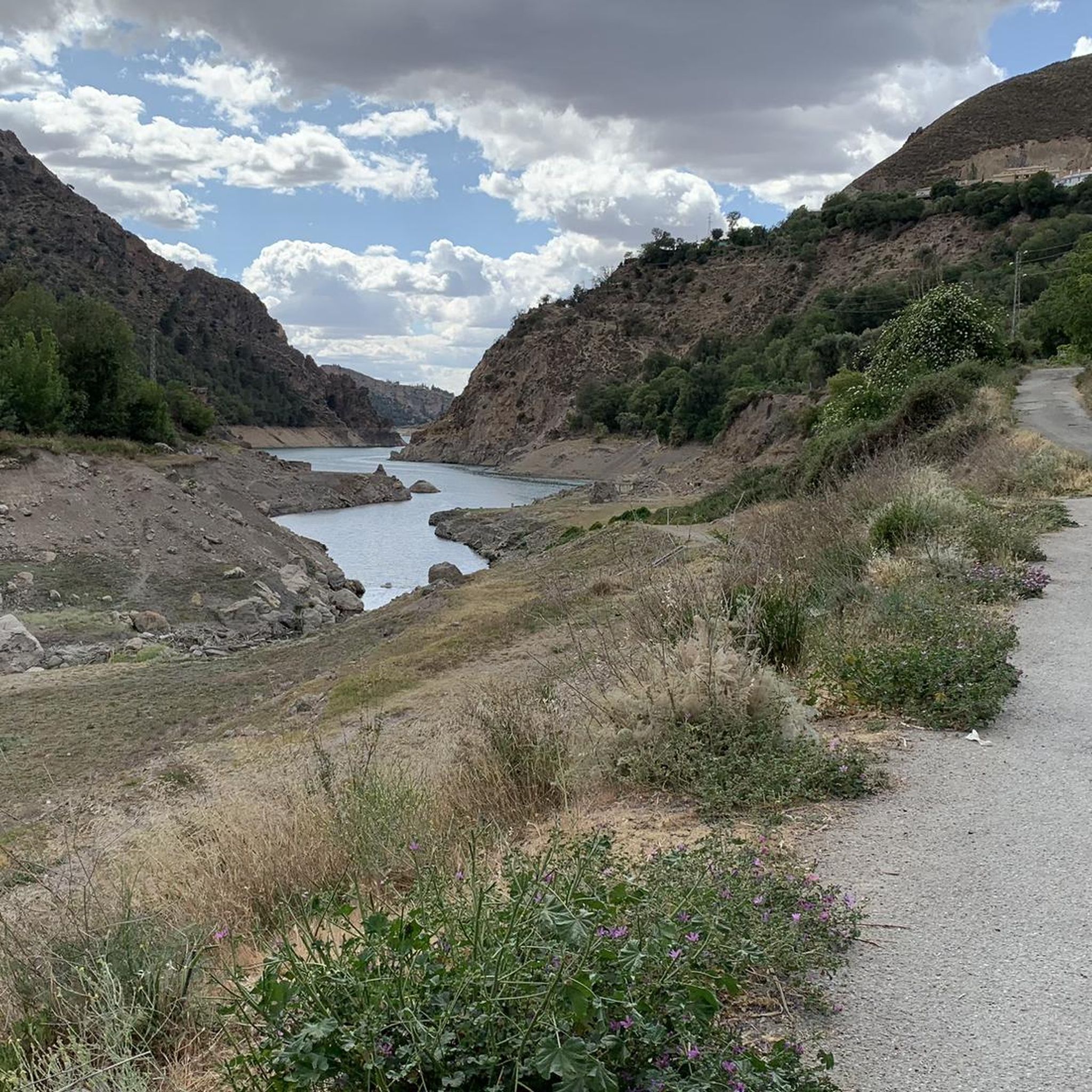
Quéntar Reservoir
Highlight • Lake
Tip by

Hondera Lagoon
Highlight • Lake
Translated by Google •
Tip by
Sign up for free to discover even more natural monuments around Güejar Sierra.
Already have an account?
Start today with a free account
Your next adventure awaits.
Popular around Güejar Sierra
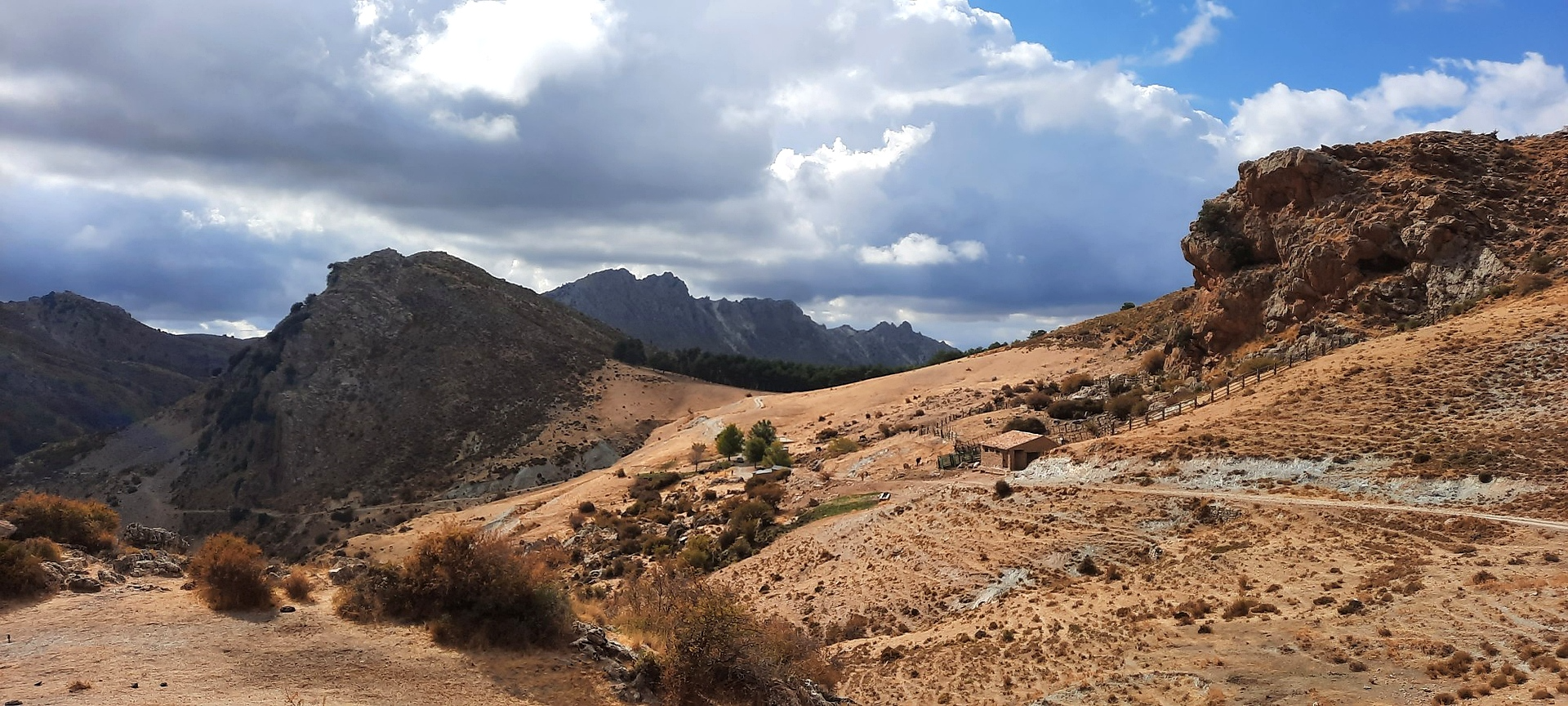
Sulayr Trail (GR 240) — 300 kilometers in the mountain of the sun
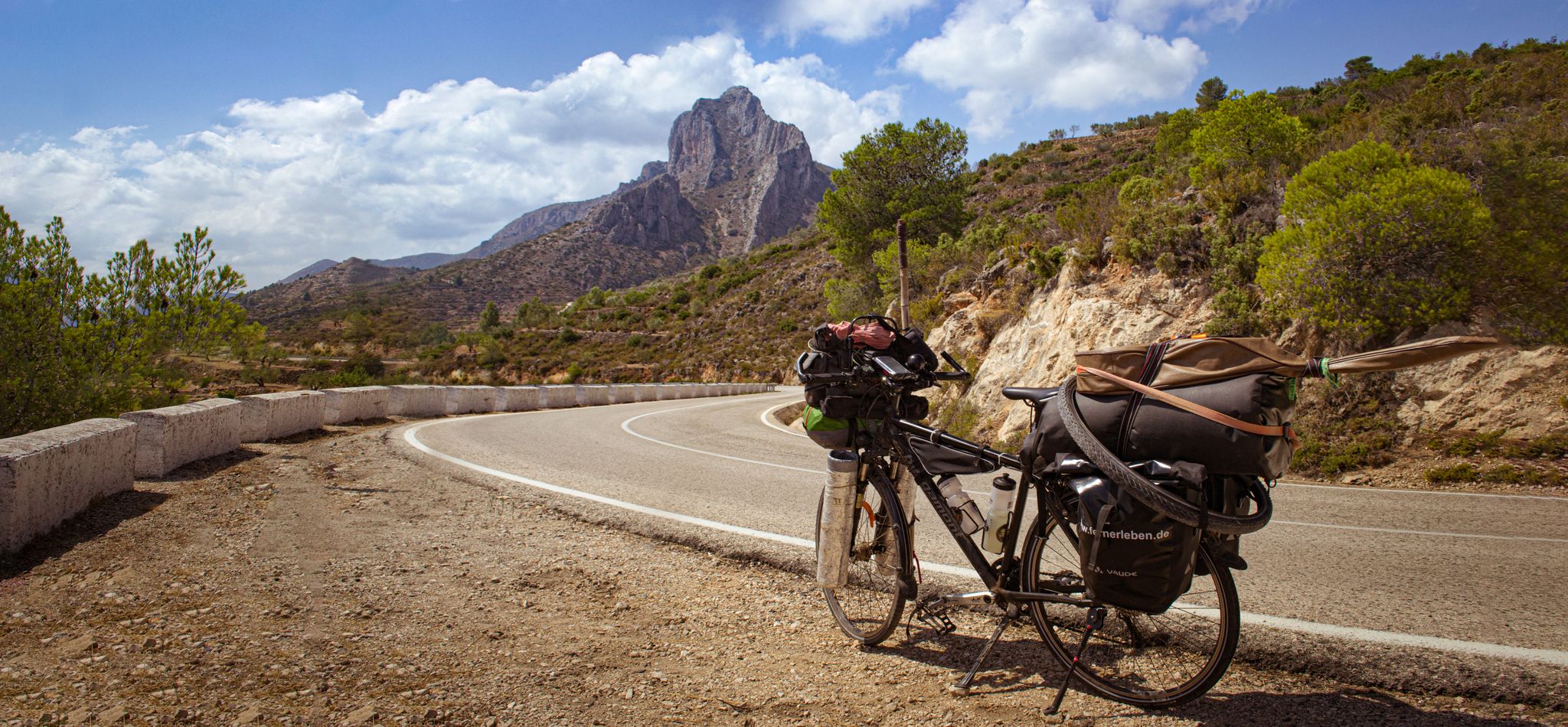
On the road to the sun — bikepacking to southeast Spain
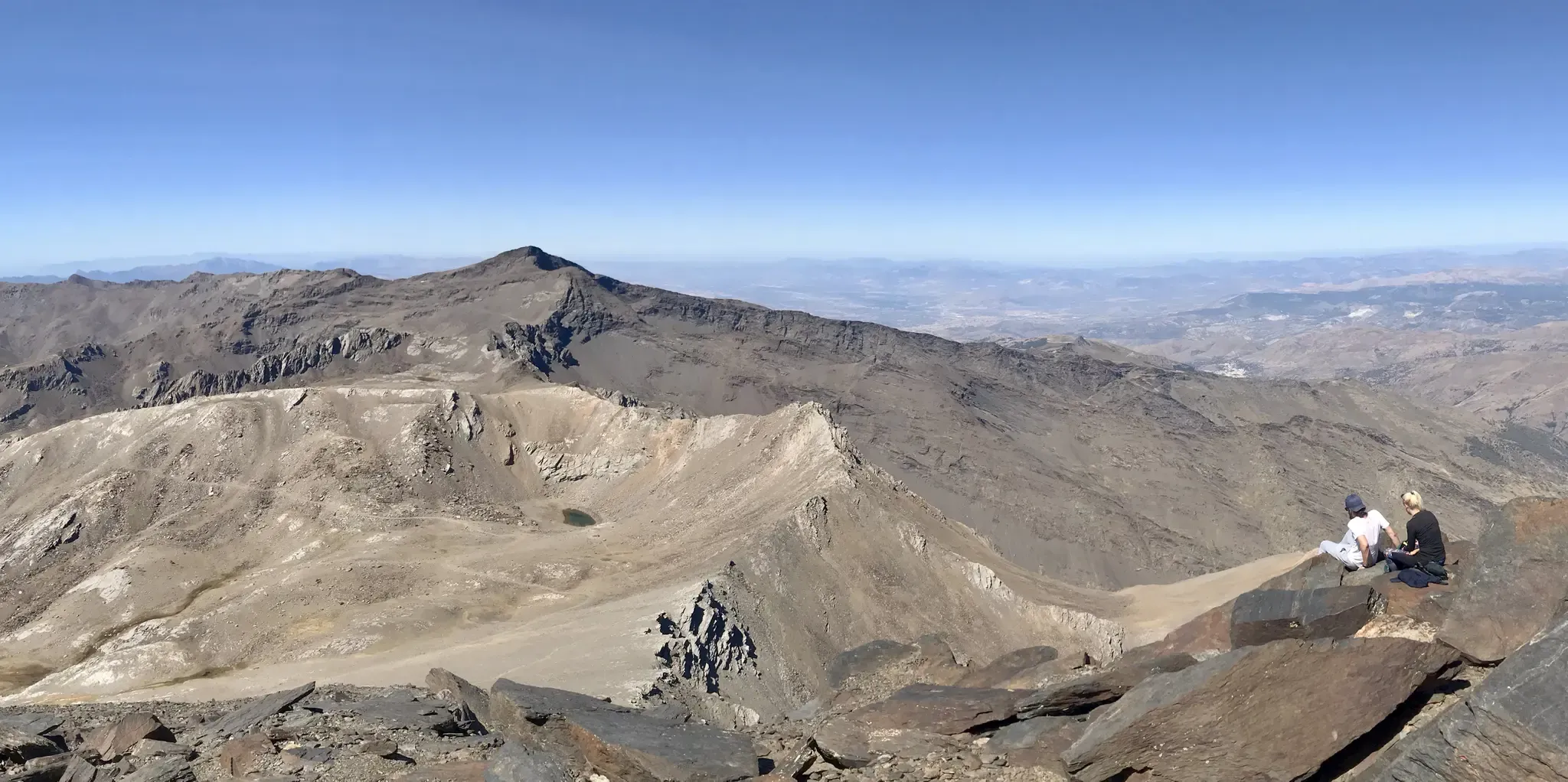
An unforgettable adventure – climb the Mulhacén’s north face in Spain
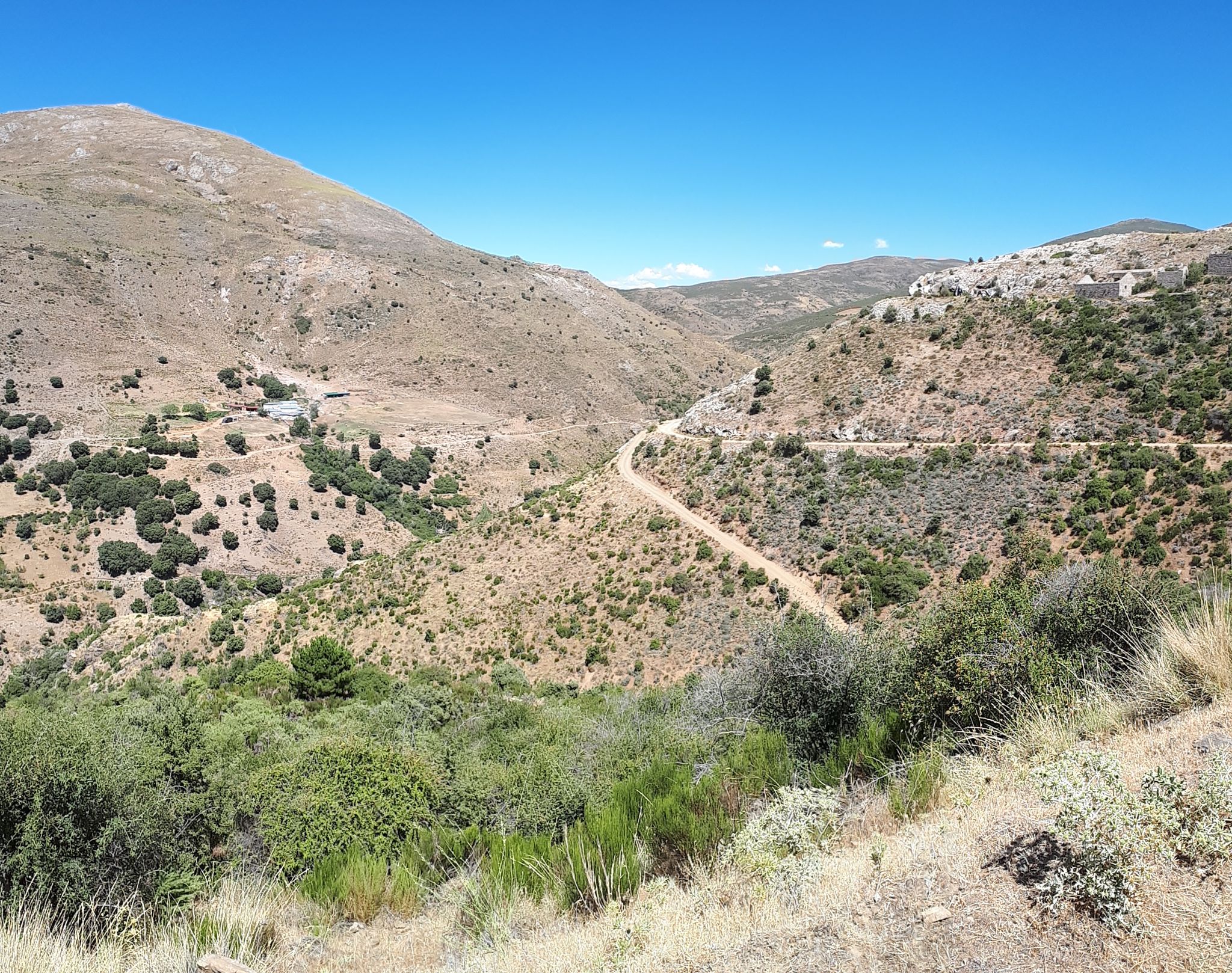
Nature and singletrack – bikepacking in Spain’s Sierra de Huétor
An Andalusian adventure on wheels – Transnevada
Hiking around Güejar Sierra
Cycling around Güejar Sierra
MTB Trails around Güejar Sierra
Running Trails around Güejar Sierra
Road Cycling Routes around Güejar Sierra
Other adventures around Güejar Sierra


Tips from the Community

It is on the route from Prado llano to Veleta and it is a must-visit place for its wonderful views as well as its religious character. Peace, pure air and magnificent views of our Granada in the distance.
0
0

A cool but very tough route
0
0

A very beautiful, expansive hiking and biking area. Also suitable for multi-day hikes with overnight stays (tent, bikepacking, etc.). Awesome views in every direction. Plenty of free parking available. A must-see for anyone in the area.
1
1

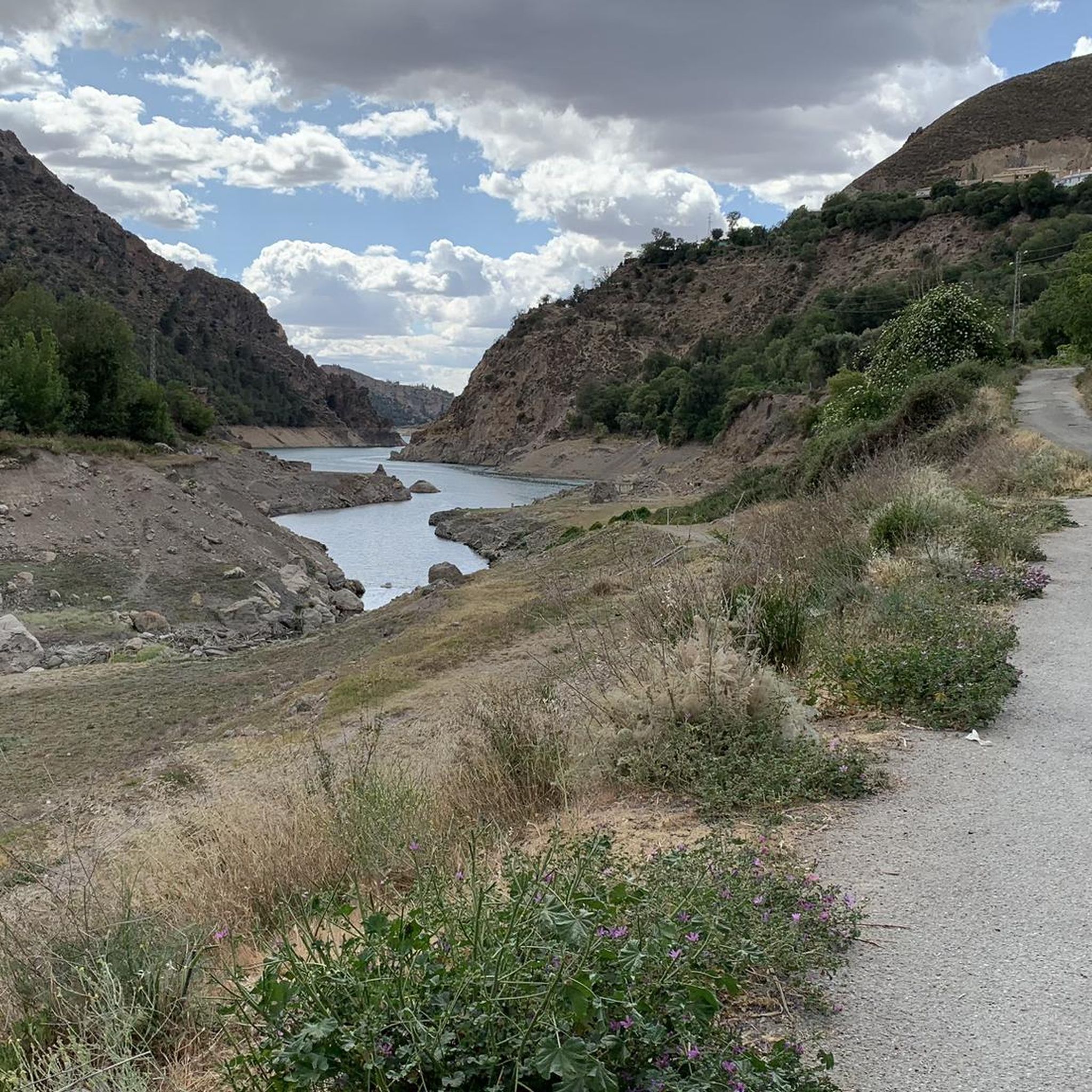
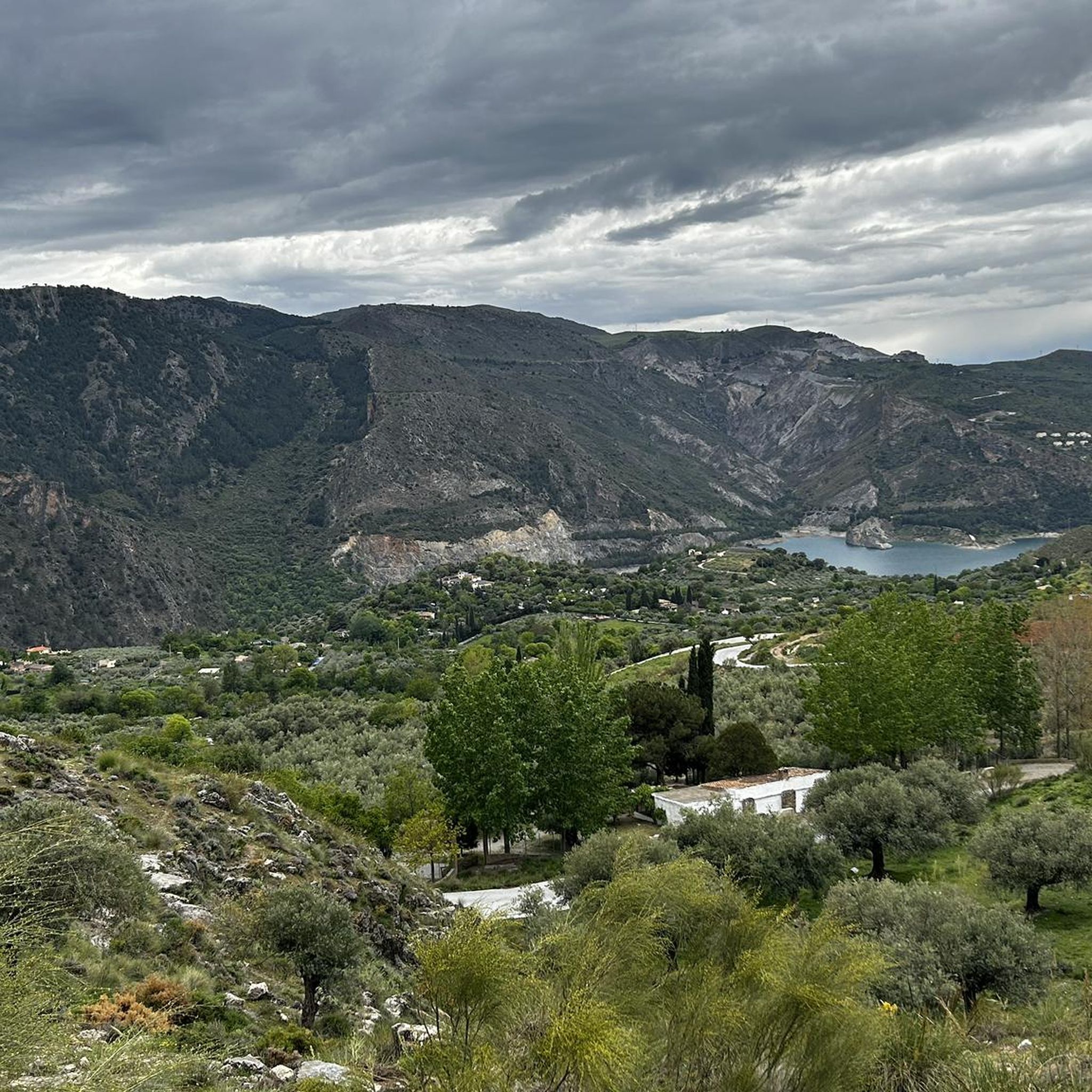
The Pantano de Quéntar is a reservoir in Quéntar, Granada, built between 1971 and 1975 and officially inaugurated on May 11, 1976. It is located at the confluence of the Aguas Blancas and Padules rivers and has a capacity of 14 million cubic meters. The reservoir plays an important role in the water supply of the city of Granada and the irrigation of the surrounding agricultural lands.
9
1

a spectacular area with very good roads
0
0
The Embalse de Quéntar, is also known as the Quéntar reservoir. The reservoir is surrounded by a picturesque landscape and offers numerous recreational opportunities. Visitors can enjoy activities such as hiking, fishing, and even water sports. The reservoir was built in the 70s and plays an important role in the water supply of Granada and the surrounding agricultural areas.
1
0


Here you can gain a few extra meters in altitude.
0
0
Frequently Asked Questions
What are some of the most remarkable natural features to explore around Güéjar Sierra?
Beyond the well-known spots, the region offers stunning natural features like the Lavaderos de la Reina, characterized by lush meadows and abundant mountain springs, particularly vibrant in late spring. Another impressive site is the Vereda de la Estrella, a classic hike through a deep valley with spectacular views of Mulhacén, Veleta, and Alcazaba. For panoramic views, consider a hike to Cerro el Calar.
Are there any natural monuments suitable for families around Güéjar Sierra?
Yes, while many natural monuments involve hiking, some areas offer more accessible experiences. The Lower Gardens of the Generalife, though a historical site, are family-friendly with beautiful gardens. Additionally, the Los Cahorros Gorge near Monachil, with its hanging bridges and riverside paths, can be an exciting adventure for families, though some sections require careful navigation.
What kind of wildlife can I expect to see in the natural areas around Güéjar Sierra?
The entire Sierra Nevada Natural Park, where Güéjar Sierra is located, is rich in biodiversity. Visitors might spot species like the Ibex and golden eagles. The area also boasts a wide array of wildflowers and herbs, especially in meadows like those found at Lavaderos de la Reina.
What are some challenging natural monuments for experienced hikers?
For experienced hikers, the Mulhacén Summit, the highest peak in the Iberian Peninsula, offers a demanding but rewarding ascent. Another challenging option is the climb to Hondera Lagoon, part of the Seven Lagoons area, which involves a strenuous ascent next to the Chorreras Negras waterfall.
When is the best time to visit the natural monuments around Güéjar Sierra?
The best time to visit largely depends on the specific monument and activity. Late spring to early summer (May-June) is ideal for places like Lavaderos de la Reina when melting snow enhances the springs. For high-altitude areas like Mulhacén or Hondera Lagoon, summer (July-September) offers more stable weather, though conditions can change rapidly. Winter visits are possible but require appropriate gear and experience due to snow and cold.
Are there any historical or man-made monuments within the natural landscapes?
Yes, the region blends natural beauty with historical significance. The Monument to the Virgin of the Snows is a religious building and hermitage located at 2700 meters, offering panoramic views. The Vereda de la Estrella itself is an engineering marvel, originally built to access a copper mine, showcasing human endeavor within a natural gorge.
What kind of hiking trails are available near these natural monuments?
The area offers a variety of hiking trails, from demanding ascents to scenic loops. For instance, Tajo de las Palomas is an 8.2-kilometer loop trail through the upper Monachil River canyon. You can find more detailed hiking routes, including challenging mountain hikes, by exploring the Mountain Hikes around Güejar Sierra guide.
Can I find opportunities for cycling or mountain biking near the natural monuments?
Absolutely. The diverse terrain around Güéjar Sierra is excellent for cycling. You can find various routes, including gravel biking and mountain biking trails, that pass through or near many natural areas. For specific routes and difficulty levels, check out the Gravel biking around Güejar Sierra guide or the MTB Trails around Güejar Sierra guide.
What do visitors particularly enjoy about the natural monuments in this region?
Visitors frequently praise the breathtaking panoramic views, especially from high-altitude points like the Monument to the Virgin of the Snows. The serene beauty of places like Hondera Lagoon and the dramatic landscapes of gorges like Tajo de las Palomas are also highly appreciated. The sense of accomplishment after a challenging hike to a summit like Mulhacén is a common highlight.
Are there any natural monuments that offer impressive geological formations?
Yes, the region is known for its unique geological features. The Los Cahorros Gorge near Monachil is particularly notable for its narrow passages, impressive rock formations, and the way the river has carved through the landscape. The hike to Cerro el Calar also features interesting rock formations along its route.
What should I consider when planning a visit to high-altitude natural monuments?
When visiting high-altitude natural monuments like Mulhacén Summit or Hondera Lagoon, be prepared for rapidly changing weather conditions, even in summer. It's essential to take appropriate high-altitude and weather-related precautions, including suitable clothing, plenty of water, and checking forecasts. Some areas may also have specific regulations regarding camping or access to protect endemic flora.
Most popular routes around Güejar Sierra
Most popular attractions around Güejar Sierra

Get inspired with the komoot mobile app


Explore more
Extend your search for the best caves by checking out these guides of the top ones around Güejar Sierra:
